In This Guide
- Can you rent an RV last minute in Iceland
- How much does a last minute RV rental in Iceland cost
- Last-minute RV Rental Cost for Couples vs. Families with Kids in Iceland
- Flexibility Tips: How do I find the Cheapest Last-Minute RV Rental?
- Where to Camp in Iceland — Top Options
- Campground Types in Iceland (National, Private, Wild)
- Featured RV Park or Campground in Iceland
- Hookups & Amenities — What to Expect
- Booking Windows & Reservations in Iceland
- Nearby Supermarkets & Resupply Points
- Best RV Class for Camping in Iceland
- How to Save on Campgrounds in Iceland
- What should I pack for an RV trip in Iceland's variable weather
- How to provision an RV for an Iceland trip
- How to prepare an RV for Iceland's elements like wind and sudden weather changes
- When is the best time for RV travel in Iceland, including shoulder seasons
- What are some unique RV routes in Iceland beyond the Ring Road
- How can RVers practice Leave No Trace principles in Iceland
- What You Shouldn't Miss
- Why Book with Bandana Caravan
- Final Thoughts
- Frequently Asked Questions
Imagine yourself surrounded by Iceland's dramatic landscapes, from black sand beaches to powerful waterfalls, all from the comfort and flexibility of your own rented motorhome. While often associated with meticulous pre-planning, exploring Iceland with a last-minute RV rental is entirely achievable and can lead to incredible, spontaneous adventures. With a standard car driver's license and a sense of adventure, you're ready to discover this unique island. For live availability and current prices, start with our RV Rental Iceland - Complete Guide 2026 guide.
Can you rent an RV last minute in Iceland
Yes, it is possible to rent an RV last minute in Iceland, especially during the shoulder seasons (spring and fall) or outside of peak summer months. While popular vehicle types might have limited availability, checking with multiple rental agencies, including smaller local operators and online platforms like Bandana Caravan, can significantly increase your chances. Flexibility with your RV class and specific travel dates also greatly improves the odds of securing a spontaneous rental, as rental prices are dynamic and change daily based on demand. For example, a 2-berth campervan like the "EcoLine 2" is often more readily available than a 6-berth motorhome during busy periods, offering an average fuel consumption of 8-11 litres per 100km.
How much does a last minute RV rental in Iceland cost
The cost of a last-minute RV rental in Iceland typically ranges from €150-€400 per day, varying significantly based on RV class, season, rental duration, and specific add-ons. Beyond the base rental fee, travelers should anticipate additional expenses for fuel, which is notably expensive in Iceland (vehicles like Bandana's Class SI average 10-11 Liter/100 km), groceries (which can be costly but mitigated by shopping at chains like Bónus), and campsite fees (averaging €15-€40 per night). Unforeseen charges might include optional insurance upgrades, extra mileage fees if you exceed a package, credit card surcharges, and potential fees for additional drivers or equipment. Typical attraction entry fees and costs for activities should also be budgeted, as these can accumulate rapidly, making a comprehensive financial plan essential for your RV trip. Remember that on RV PLANET routes, travelers can itemize and track every expense along the way for easy budgeting. On the routes offered through RV PLANET routes, you can itemize and track every expense along the way for easy budgeting.
🎬 Video coming soon
Last-minute RV Rental Cost for Couples vs. Families with Kids in Iceland
The cost of a last-minute RV rental in Iceland will differ based on group size and vehicle preference, directly impacting your budget. Couples often find a Class B - Camper Van or a smaller Class SI - Semi-integrated motorhome, such as a "V2L" (sleeping 2 people, 5.99 meters in length), to be ideal and more affordable, ranging from €150-€250 per day during shoulder season. Families with kids, typically 4-6 people, will require a larger Class C - Alcove or a spacious Class SI motorhome, like a "Group G" (sleeping 7 people, 6.75 meters in length), which can cost €250-€400+ per day. Larger vehicles, like a "MH6 - FRIGG" (with 120 Liter fresh water tank and 150 L refrigerator), offer more living space and amenities but generally incur higher fuel costs and rental rates. The choice between a compact 2-berth campervan and a 6-berth family motorhome significantly influences the total trip expenditure.
For more detailed insights on how to manage your budget, check out our "Cheap RV Rental in Iceland - Budget Guide 2026" and "RV Rental in Iceland - Prices and Best Deals 2026" to find options that suit both couples and families.
Flexibility Tips: How do I find the cheapest last-minute RV rental?
To find the cheapest last-minute RV rental in Iceland, embracing flexibility in your travel plans is key. Consider traveling during the shoulder seasons of April-May or September-October when demand is lower, and daily rates for a rented campervan can drop by 15-30% compared to peak summer. Being open to various vehicle classes, from smaller campervans to compact motorhomes, can also unlock better deals, as specific models like the "EcoLine 2" might be more available. Use online comparison platforms like Bandana Caravan to quickly compare prices across multiple suppliers for your chosen dates and pick-up locations such as Reykjavik, ensuring full transparency with no hidden fees. Drive slowly and carefully, and you can drive almost anywhere without issues. No need to stress - just use common sense and pay attention.
Where to Camp in Iceland — Top Options
Iceland offers numerous top-tier camping options perfect for your rented RV adventure, ranging from urban convenience to breathtaking natural settings. Reykjavik Campsite provides urban amenities including electricity, water, and waste disposal, ideal for exploring the capital's vibrant scene before venturing out. Further afield, Skaftafell Campground offers stunning views near Vatnajökull National Park, providing easy access to hiking areas and glacier tours. Vík Campground is another popular stop, strategically located near the iconic black sand beaches of Reynisfjara and Dyrhólaey. Most campgrounds are well-maintained, offering basic to full facilities such as hot showers and communal kitchens, ensuring a comfortable stay across Iceland's diverse landscapes. For finding campsites and campgrounds during your trip, we recommend using RV PLANET (rvplan.net) - a great resource for locating available spots along your route.
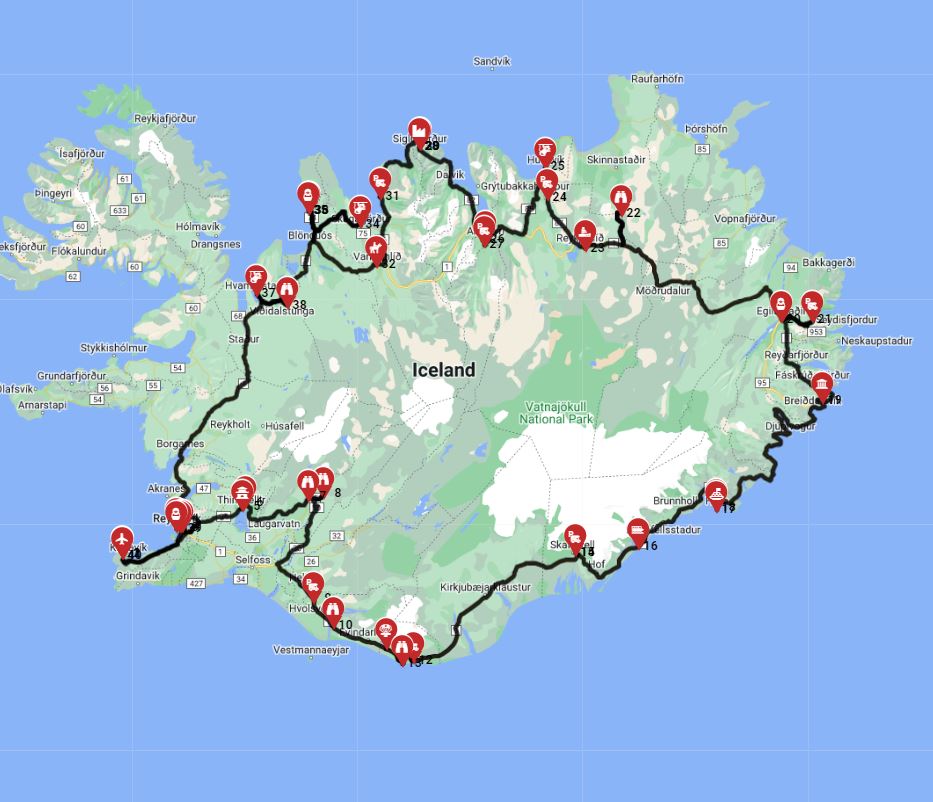
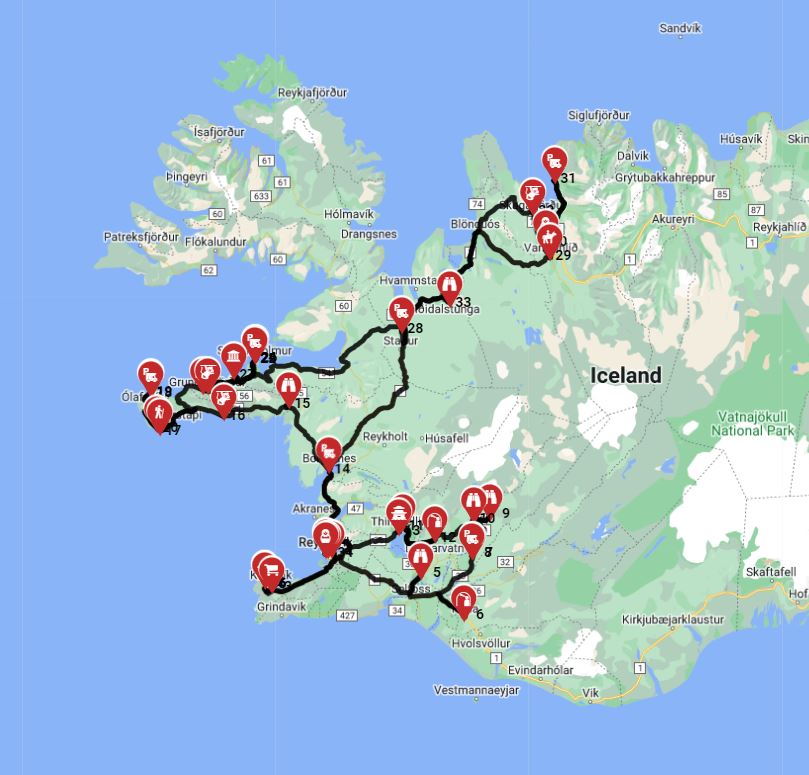
Many of these sites are featured in our expertly designed routes, including the popular "
Campground Types in Iceland (National, Private, Wild)
Iceland's campgrounds primarily fall into three categories: national park sites, municipal/private operations, and highly restricted wild camping zones. National park and municipal campgrounds, managed by local authorities, offer varying amenities and are legally designated for overnight stays for rented campervans and motorhomes, with fees ranging from €15-€40 per night. Private campgrounds typically provide more extensive facilities and services, including heated indoor common areas and shops, though at a higher cost. Wild camping (or 'freedom camping') in an RV is generally prohibited outside of designated sites, particularly since a 2026 law restricting it to specific areas or with explicit landowner permission to protect Iceland's fragile environment. Always adhere to signage and local regulations to ensure a respectful and legal camping experience.
Featured RV Park or Campground in Iceland
Reykjavik Campsite, located at Sundlaugavegur 34, 105 Reykjavík, is a popular and well-equipped campground offering immediate access to the capital's attractions. This campsite features comprehensive amenities including electrical hookups (220-240V, European CEE 7/4 plugs are common), fresh water, grey/black water dump stations, laundry facilities, and often hosts food trucks or community events. With 200+ pitches available, it provides a convenient base for exploring Reykjavik's museums, spas, and accessing major routes for onward journeys in a rented motorhome. Despite its urban location, Reykjavik Campsite is known for its clean facilities and friendly atmosphere, suitable for various RV classes, from compact campervans to larger Class C motorhomes. It’s an ideal first or last stop for a week-long RV adventure.
Hookups & Amenities — What to Expect
RV campgrounds in Iceland typically offer essential hookups and amenities, though availability can vary by location and season. Most established sites provide electricity (220-240V, standard European CEE 7/4 'Schuko' or CEE 7/7 plugs are common, so bring an adaptor), fresh water, and grey/black water dump stations. Wi-Fi is increasingly common, especially at private campgrounds, while laundry facilities and hot showers are standard at most established sites, many of which are geothermal-powered. Some larger campgrounds may also feature communal kitchens, playgrounds, and even small shops for basic provisions. For instance, a Class C motorhome like the "MHC28" usually comes equipped with a 4 cubic ft. 2-way refrigerator and a 25-liter hot water tank for comfort.
Booking Windows & Reservations in Iceland
While many popular Icelandic campgrounds, especially those near major attractions or in national parks, can be booked in advance, last-minute RV rentals often find success with same-day or next-day reservations, particularly outside peak summer. For spontaneous travelers, it's highly advisable to call ahead to your intended campground before driving there, as many national and state parks reserve a portion of their spots (around 25-30%) for first-come, first-served arrivals. You will almost certainly find a place to stay, even if it means trying the next campground down the road, as Iceland's network of campsites is extensive. During the high season (June-August), however, pre-booking 2-3 months in advance is recommended for specific popular sites like Skaftafell and those along the Golden Circle, especially if you want to use a larger rented motorhome. Regardless of planning style, remember to call ahead if you're uncertain about availability.
Nearby Supermarkets & Resupply Points
For RV resupply in Iceland, major supermarket chains like Bónus, Krónan, and Nettó are readily available in most towns and cities around the Ring Road. These stores offer competitive prices for groceries, fresh produce, and essential RV supplies, with Bónus generally being the most budget-friendly, often saving shoppers 25-40% compared to smaller stores. Smaller towns or more remote areas might have local convenience stores (often called 'Kjörbúðin') with more limited selections but are crucial for last-minute needs. Planning your route with these supermarket locations in mind can help manage provisions for your last-minute RV adventure, ensuring you can cook delicious meals on board. Consider exploring our RV-friendly recipes playlist for meal inspiration while on the road.
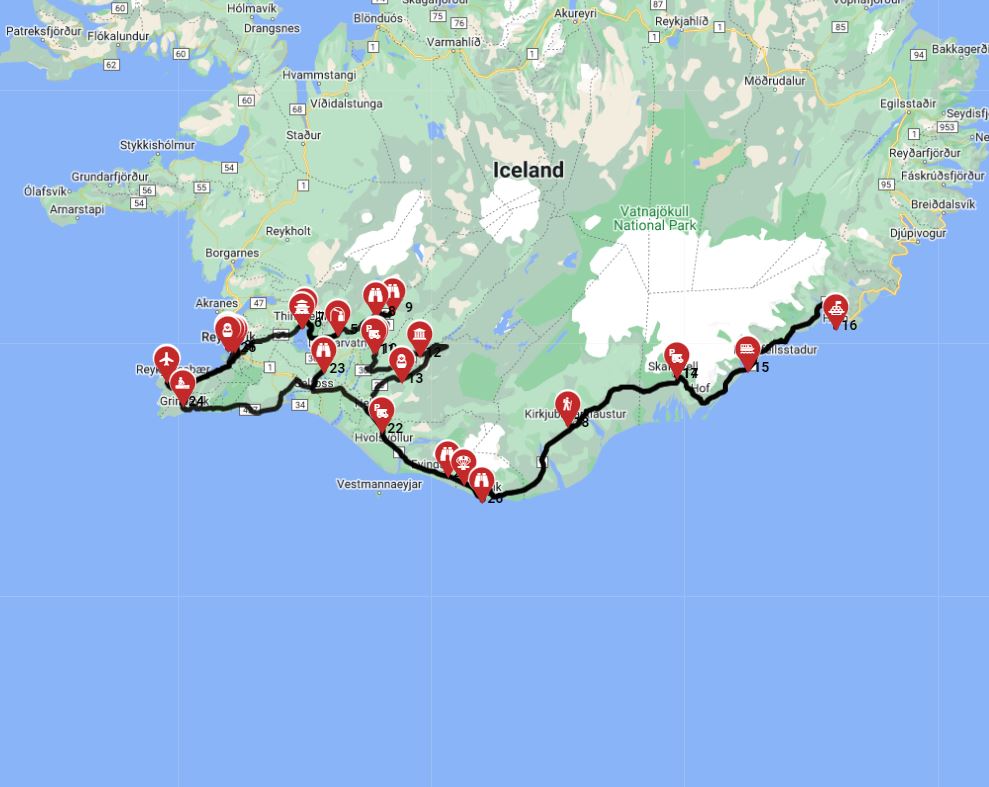
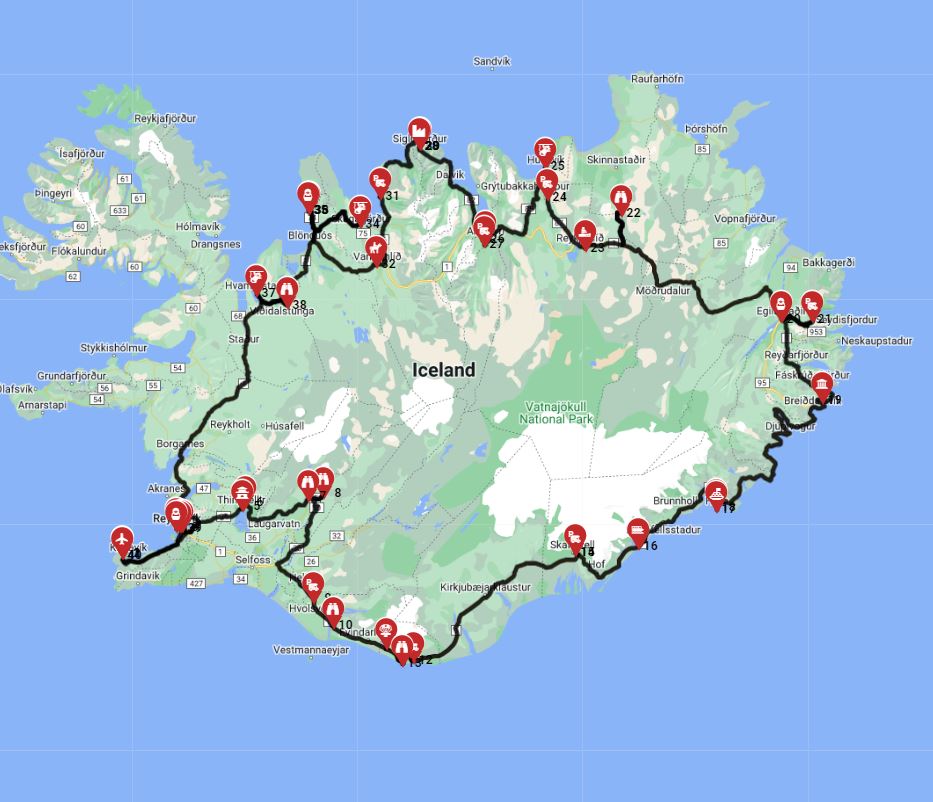
The "
Best RV Class for Camping in Iceland
The best RV class for camping in Iceland often depends on the number of travelers and desired amenities, with Class B - Camper Vans and Class SI - Semi-integrated models being particularly versatile for the Icelandic terrain. Class B - Camper Vans, such as the "Active Classic" (a small RV ideal for a couple), are typically 5.8 meters in length and ideal for couples or small families, offering excellent maneuverability on Iceland's narrower roads and easier parking at campsites. Class SI - Semi-integrated RVs, averaging 6.9 meters in length and accommodating 3-4 sleepers, provide a comfortable balance of space and fuel efficiency (Bandana's fleet typically consumes 10-11 Liter/100 km, like the "MH4-5 - SIF"), suitable for longer trips and small groups seeking more amenities. While larger Class C - Alcove and Class A - Integrated RVs offer more space, their size (e.g., Class C averages 7.5 meters) can be less suitable for navigating unpaved F-roads or tighter spots, making smaller, more agile vehicles like the "K125" (with a 75 Liter fuel tank) often preferred for Iceland's diverse terrain. Remember, a standard car driver's license is sufficient for all motorhome and campervan classes.
How to Save on Campgrounds in Iceland
Saving on campground fees in Iceland can be achieved through various strategies, including leveraging discount cards and choosing specific types of sites. Utilize campground discount cards, often available through your rental provider or purchased locally (e.g., the Camping Card for roughly €170 for a family of up to 2 adults and 4 children, valid for 28 nights at 40+ sites), as these can offer significant savings, especially for extended stays of a week or more. Opt for municipal or regional campgrounds over private resorts, as they typically offer lower rates (starting from €15-€25 per night) while still providing essential facilities like water and electricity. Consider staying 3 or more nights at a single location, as many campgrounds offer weekly rates that are more economical than nightly bookings. Traveling during shoulder seasons (spring or fall) when demand and prices are lower can also result in substantial savings on both RV rental and campsite fees.
For more deals and offers, check out "RV Rental Deals in Iceland - Latest Offers 2026".
What should I pack for an RV trip in Iceland's variable weather
For an RV trip in Iceland's famously variable weather, a highly detailed packing guide should prioritize layers, waterproof gear, and essentials for self-sufficiency. Pack multiple layers of warm clothing, including wool or fleece base layers, mid-layers, and a waterproof and windproof outer shell (jacket and pants), regardless of the season, due to sudden temperature drops and weather changes. Sturdy, waterproof hiking boots are essential for exploring the rugged terrain. Recommended emergency preparedness items unique to Iceland include a comprehensive first-aid kit, a headlamp, a reliable power bank for electronics, and specific adaptors for European electrical outlets (2-pin CEE 7/4 or CEE 7/7 type F/E) to ensure comfort and safety in remote areas. Don't forget an eye mask for the midnight sun during summer, and warm sleeping bags if your rental doesn't provide them, to cope with cooler nights.
How to provision an RV for an Iceland trip
Provisioning an RV for an Iceland trip involves strategic shopping and mindful meal planning to manage costs and limited storage space effectively. To stock your rented RV efficiently, prioritize shopping at large discount supermarkets like Bónus or Krónan in major towns (e.g., Reykjavik, Akureyri) upon arrival, as prices are significantly lower than smaller rural stores by 25-40%. Focus on versatile, non-perishable ingredients suitable for cooking in a small RV kitchen, such as pasta, rice, canned goods, dried fruits, and shelf-stable snacks, alongside fresh local specialties like Icelandic yogurt (skyr) or fresh fish if you're near a fishing village. Manage limited refrigeration and water tanks by planning meals that use fresh produce first, utilizing cooler bags for overflow storage, and regularly refilling water at campsites or designated stations. For ideas on what to cook in your RV kitchen, explore our RV-friendly recipes playlist.
How to prepare an RV for Iceland's elements like wind and sudden weather changes
Preparing an RV for Iceland's elements, such as high winds (which can reach 20-30 m/s), sudden weather changes (rain, snow, fog), and gravel roads, requires specific precautions and mindful driving. When parking your rented motorhome, orient it with the front or rear facing into strong winds to reduce the broadside area exposed, and always secure awnings and any loose outdoor items, as gusts can be sudden and powerful. Drive cautiously on gravel roads (often marked with an 'F' or simply unpaved) by reducing speed to 30-50 km/h to prevent stone chips to the windshield and undercarriage. Be prepared for rapidly changing visibility due to fog or heavy rain. Always monitor local weather forecasts (e.g., vedur.is) and road conditions (e.g., road.is) diligently, and be willing to adjust your itinerary for safety during severe weather events or road closures, especially from an RV perspective where stability and braking distances are crucial. For specific advice on winter driving, consider "Winter RV Driving in Iceland - Safety Guide 2026".
When is the best time for RV travel in Iceland, including shoulder seasons
The best time for RV travel in Iceland largely depends on desired experiences, with summer offering mild weather and long daylight hours, while shoulder seasons (spring and fall) present unique advantages. Summer (June-August) is peak season, characterized by warmer temperatures averaging 10-13°C, full accessibility to F-roads (mountain roads, typically opening in late June), and nearly 24 hours of daylight, ideal for comprehensive touring but with higher costs and more crowds. Spring (April-May) and Fall (September-October) offer a quieter experience with fewer tourists, often lower prices (15-20% less), and the exciting potential for Northern Lights sightings as darkness returns, alongside still-accessible Ring Road routes. Winter RV travel (November-March) is challenging but rewarding, focusing on the south and west due to limited road access (many roads closed), requiring specific vehicle requirements for snow and ice, and excellent opportunities for Northern Lights viewing under dark skies (up to 20 hours of darkness). Each season provides a distinct adventure for your rented campervan.
What are some unique RV routes in Iceland beyond the Ring Road
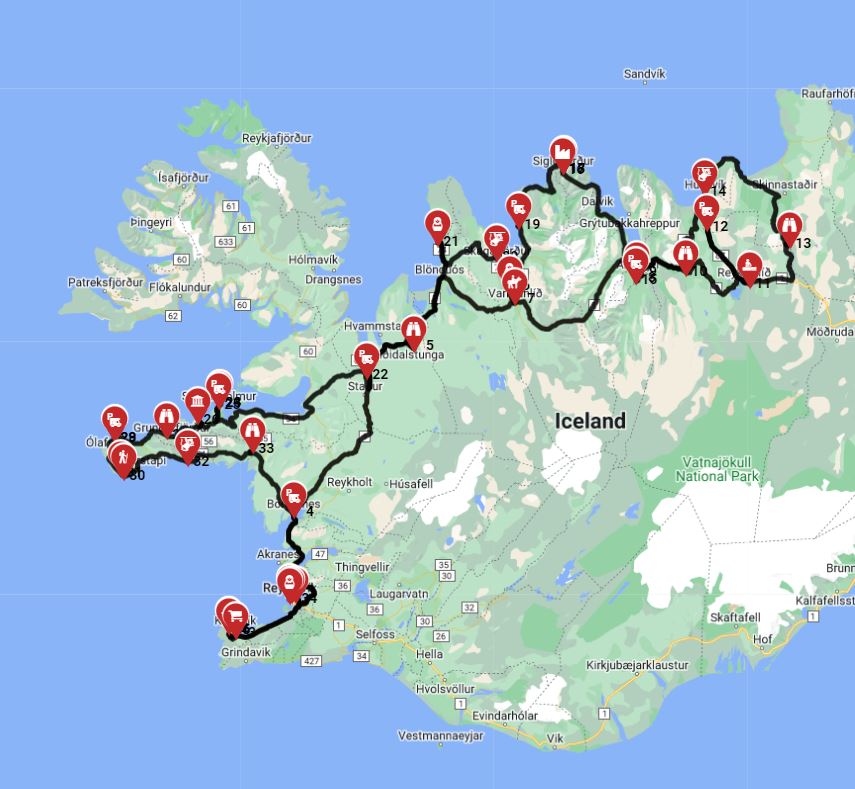
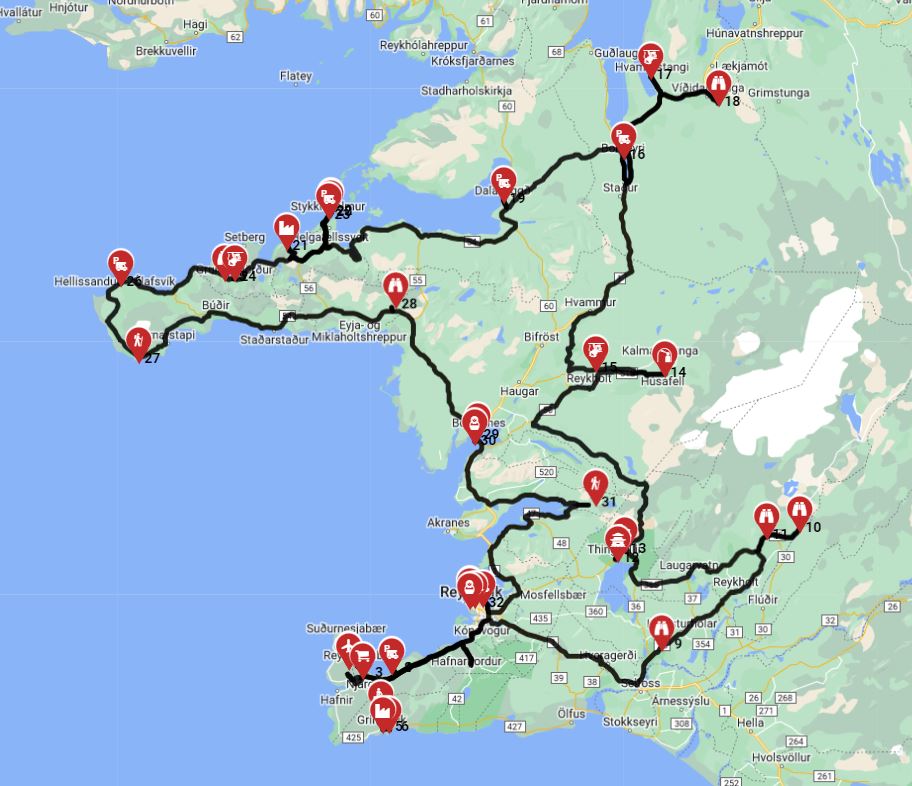
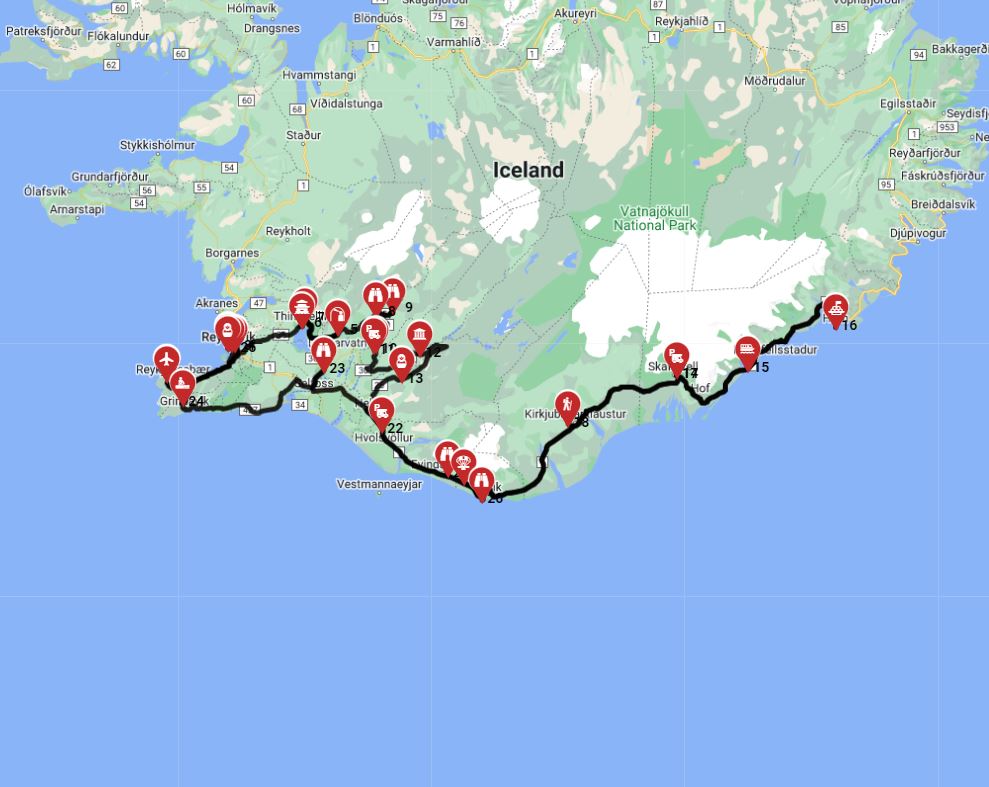
Beyond the well-traveled Ring Road, Iceland offers several unique RV routes and destinations perfect for explorers seeking less-visited fjords, specific hot springs, and hiking trails. The Westfjords provide dramatic landscapes, charming fishing villages like Ísafjörður, and abundant wildlife, accessible via paved and gravel roads (though some F-roads are present), requiring careful planning due to longer travel times and fewer services. Exploring the Snæfellsnes Peninsula (often called 'Mini-Iceland') is an excellent alternative, featuring black sand beaches, Kirkjufell mountain, and lava fields, with mostly paved roads suitable for all RV classes. For the truly adventurous, select F-roads, such as those leading to Landmannalaugar (only accessible by 4x4 RVs or Super Jeeps during summer), open up access to the Highlands' interior, offering unparalleled hiking and geothermal hot springs. The "
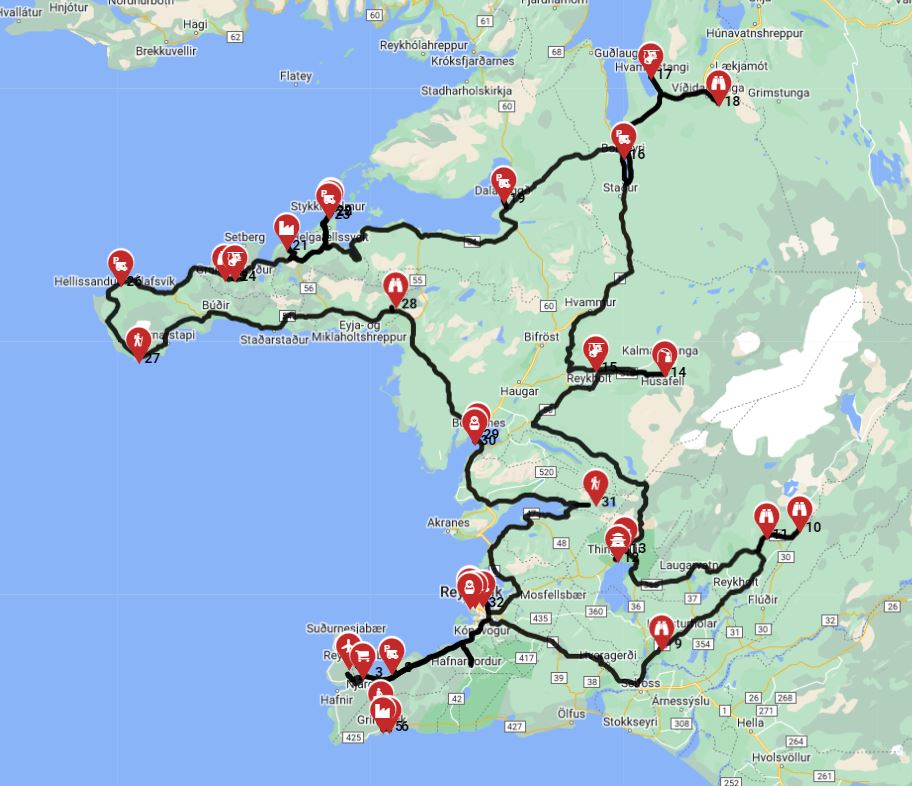
How can RVers practice Leave No Trace principles in Iceland
RVers can practice Leave No Trace principles in Iceland by adopting specific, actionable tips to minimize their impact on the country's fragile environment and show respect for local communities. Always dispose of waste properly by packing out all trash, using designated bins at campgrounds, and never leaving anything behind in nature, including organic waste (which can take decades to decompose in Iceland's cold climate). Conserve water by taking shorter showers, using water-efficient cooking methods, and only filling tanks at designated clean water stations to protect local water sources. Stay on marked roads and trails to prevent damage to delicate moss and vegetation, which takes centuries to recover from off-road driving. Adhere strictly to rules against wild camping outside of established campgrounds or with explicit landowner permission, ensuring respectful interaction with nature and private property. This mindful approach helps preserve Iceland's unique beauty for future generations of RV travelers.
What You Shouldn't Miss
- Golden Circle Tour: Drive the iconic 300 km route to witness Þingvellir National Park, Gullfoss waterfall, and the Geysir geothermal area.
- South Coast Wonders: Explore the black sand beach of Reynisfjara, the basalt columns of Reynisdrangar, and the dramatic Skógafoss and Seljalandsfoss waterfalls.
- Glacier Adventures: Take a glacier hike or boat tour on the Jökulsárlón glacier lagoon, observing icebergs calve into the sea.
- Blue Lagoon Relaxation: Indulge in the geothermal waters of the world-famous Blue Lagoon, a perfect way to relax after days of exploration.
- Northern Lights Hunt: During the darker months, head away from city lights in your rented motorhome for unparalleled views of the Aurora Borealis.
- Westfjords Exploration: For a less crowded experience, venture into the remote and dramatic landscapes of the Westfjords, home to Dynjandi waterfall and Látrabjarg bird cliffs.
Looking for expert insights from Avi Bandana? Top 5 Adventures - recommendations from Avi Bandana
Final Thoughts
Embarking on a last-minute RV camping trip in Iceland offers an unparalleled sense of freedom and discovery. Whether you're a seasoned RVer or a first-timer, the breathtaking landscapes, geothermal wonders, and vibrant culture of this island nation are waiting to be explored at your own pace. With flexible booking options, reliable support from Bandana Caravan, and a little local know-how, you can confidently hit the road and create unforgettable memories.
Remember to travel slowly, averaging a maximum of 100-150 km per day, allowing yourself ample time to truly immerse in the magic of each location. Connect with the unique culture, savor the delicious local food, and let the dramatic scenery captivate your soul. Iceland by rented RV isn't just a trip; it's an experience that transforms the way you see the world.
So, what are you waiting for? Get inspired, find your perfect last minute rv Rentals in Iceland, and prepare for an adventure of a lifetime!