In This Guide
- Where to Camp in Cape Town — Top Options
- Campground Types in Cape Town (National, Private, Wild)
- Featured RV Park or Campground in Cape Town
- Hookups & Amenities — What to Expect
- Booking Windows & Reservations in Cape Town
- Nearby Supermarkets & Resupply Points
- Best RV Class for Camping in Cape Town
- How to Save on Campgrounds in Cape Town
- What are the best short RV trips from Cape Town?
- How safe is RV travel in Cape Town and South Africa?
- What to expect at Cape Town RV campsites?
- Is wild camping allowed in Cape Town and the Western Cape?
- How much does a last minute RV rental trip to Cape Town cost?
- What RV type is best for driving in Cape Town and South Africa?
- What are the best local experiences and hidden gems for RVers in Cape Town?
- What practical logistics should I know for RV living in Cape Town?
- When is the best time to rent an RV in Cape Town?
Where to Camp in Cape Town — Top Options
Cape Town offers diverse RV camping experiences, from coastal sites on the Cape Peninsula to serene farm stays in the Winelands. Consider locations like Table Mountain National Park campsites for nature immersion, or private caravan parks closer to central Cape Town for urban convenience. The West Coast and Cederberg regions also provide excellent RV-friendly campgrounds for those seeking unique natural beauty. Always check specific campground amenities and accessibility for your chosen RV class before booking to ensure a seamless experience.
Campground Types in Cape Town (National, Private, Wild)
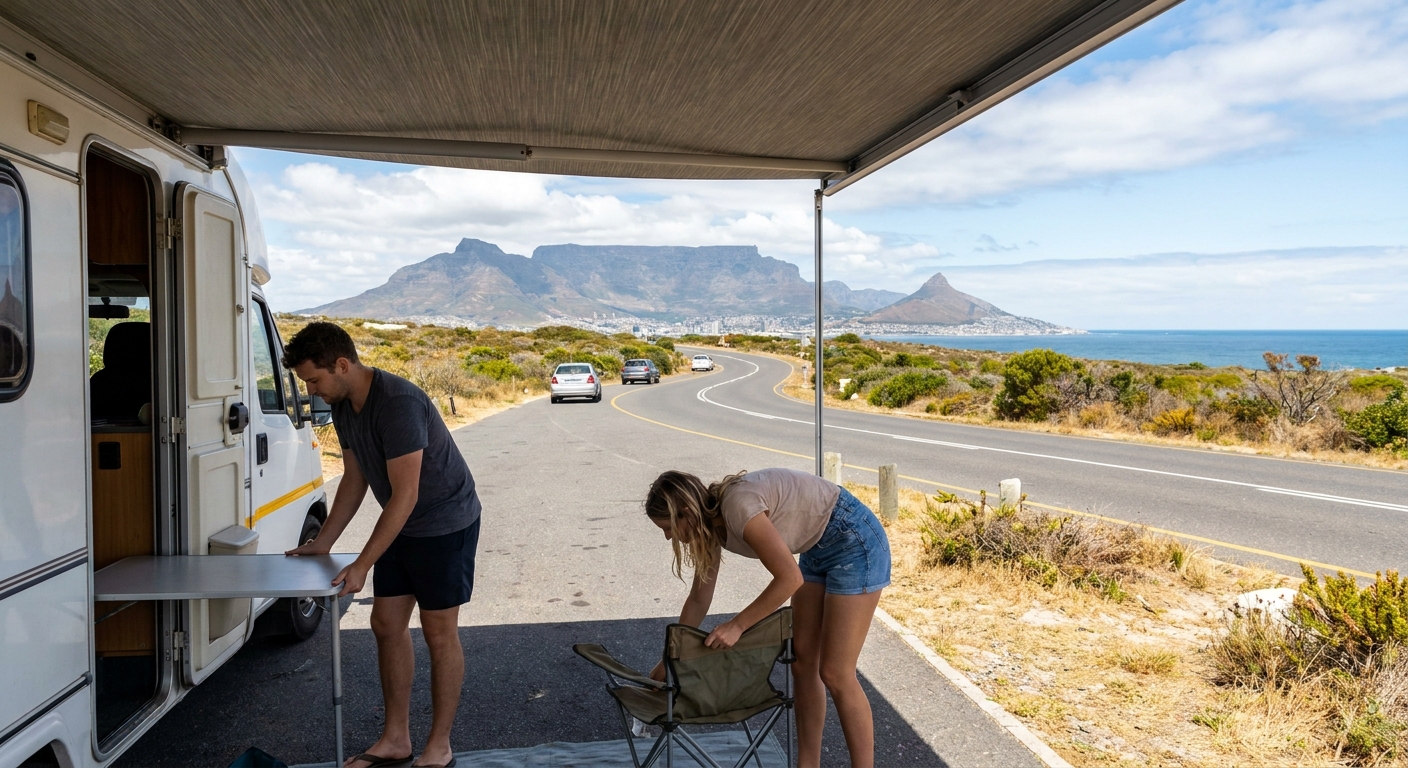
RV campers in Cape Town can choose from National Parks managed by SANParks, private caravan parks, or municipal campsites. Legal wild camping or freedom camping is extremely rare and generally not permitted, usually requiring explicit permission on private land. SANParks sites, like those within Table Mountain National Park, offer stunning natural settings but often require advance booking, with a portion released for walk-ins. Private caravan parks provide a wider range of amenities, including pools and enhanced security, typically at a higher cost. Municipal campgrounds are often budget-friendly with basic facilities, ensuring options for various preferences and budgets.
Featured RV Park or Campground in Cape Town
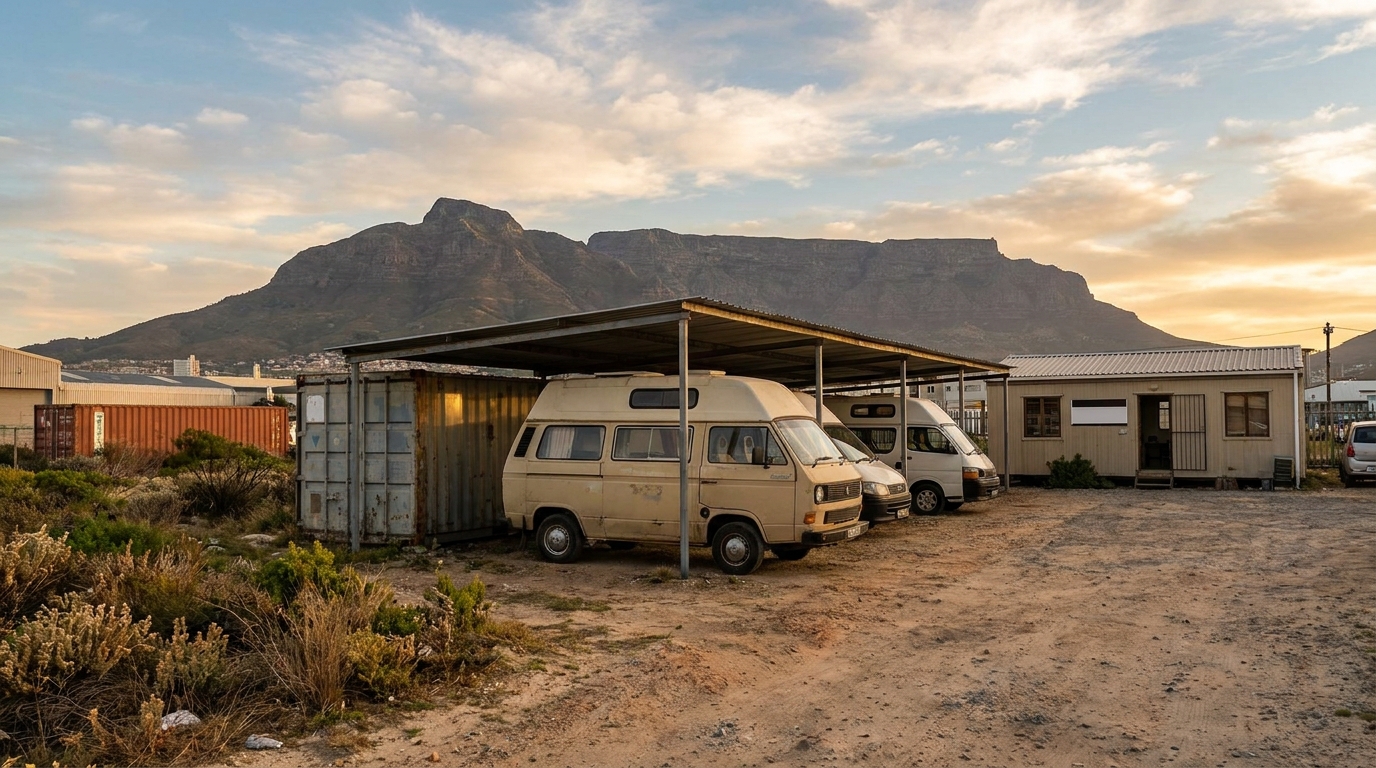
When choosing an RV park in Cape Town, prioritize facilities that balance scenic locations with essential amenities and security. An ideal featured park would offer picturesque views, whether of the ocean or mountains, alongside well-maintained stands. Prioritize sites that provide secure parking, readily available electric hookups, and clean ablution blocks for a comfortable stay. Many top RV parks also feature communal braai (barbecue) areas, laundry facilities, and sometimes swimming pools, catering to families and extended stays, ensuring a pleasant and convenient experience.
Hookups & Amenities — What to Expect
RV camping in Cape Town typically includes access to 220-240V electricity via standard South African three-pin round plug sockets (Type M or D), so ensure your RV's electrical system is compatible or bring an adapter. You can expect designated dump stations for grey and black water, with fresh water taps usually available at or near each site. Many private parks offer Wi-Fi access (often for a fee), hot showers, and coin-operated laundromats, enhancing the convenience of RV living and making extended stays more comfortable. On the routes offered through RV PLANET routes, you can itemize and track every expense along the way for easy budgeting.
Booking Windows & Reservations in Cape Town
For last-minute RV rentals in Cape Town, spontaneous campground bookings are often possible, especially if you are flexible with your exact location. Many national park campgrounds release only 25-30% of their spots for online reservations, leaving the majority available on a first-come, first-served basis. It is highly recommended to call your preferred campground ahead of time, even on the day of arrival, to confirm availability before driving there. While your first choice might be full, you will almost certainly find a suitable place to stay at a nearby campground, which is reassuring for spontaneous travelers.
Nearby Supermarkets & Resupply Points
Cape Town and its surrounding areas are well-equipped with major supermarket chains for convenient RV resupply. Look for popular South African retailers such as Pick n Pay, Checkers, and Shoprite, which are widely distributed across the city and in most larger towns. These stores offer a full range of groceries, fresh produce, and camping essentials, making it easy to stock up your RV. Planning your route with resupply stops in mind, especially before heading to more remote areas, will ensure you have everything you need for a well-provisioned trip.
Best RV Class for Camping in Cape Town
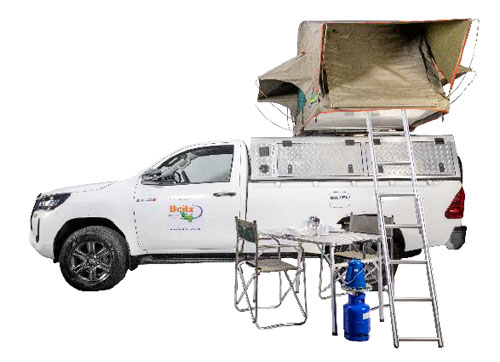
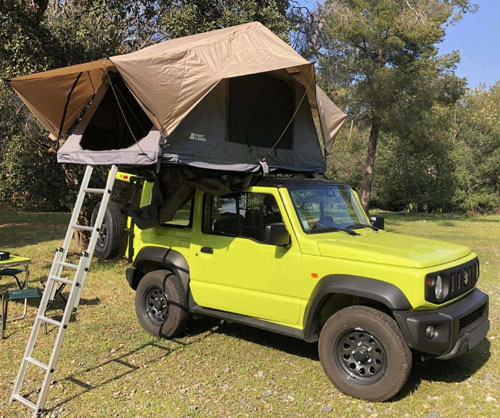
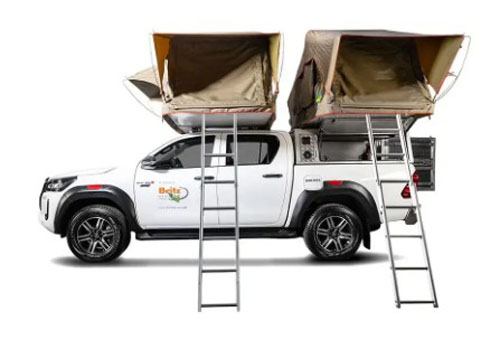
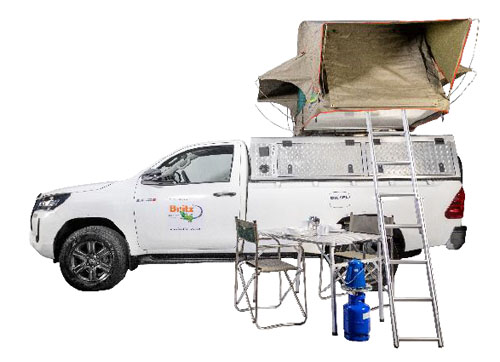
For flexible, last-minute camping in Cape Town, Class B Camper Vans are highly recommended due to their maneuverability and fuel efficiency. Bandana's Class B Camper Vans average 5.6 meters in length, sleep up to 3 people, and offer excellent fuel consumption (e.g., 6-11 lit/100km), making them ideal for urban exploration and casual touring. For families or larger groups needing more space, Class SI Semi-integrated and Class C Alcove RVs (both averaging 6.7m and sleeping 4-6) provide comfort for established caravan parks, consuming around 12 lit/100km. Alternatively, Class TC Truck Campers (avg. 5.6m, sleeps 2, 11 lit/100km) offer rugged versatility for adventurous couples exploring slightly more off-the-beaten-path locations around the Western Cape.
How to Save on Campgrounds in Cape Town
To save on campground costs for your RV rental in Cape Town, consider leveraging discount programs and strategic booking. Enquire about campground discount cards or memberships, which are often provided by rental companies like Bandana, to secure reduced rates. Booking during the shoulder season (spring or autumn) typically offers lower prices and fewer crowds compared to the peak summer months. Opting for municipal or regional campsites over private resorts, which are generally more affordable, and looking for weekly rates by extending your stay for three or more nights at a single location can also lead to significant savings.
What are the best short RV trips from Cape Town?
The best short RV trips from Cape Town extend beyond major routes, offering unique regional experiences within the Western Cape. A popular short trip is exploring the picturesque Cape Peninsula Loop, visiting scenic spots like Simon's Town, Cape Point, and Chapman's Peak Drive, ideally over 2-3 days with coastal campsite stays. The Winelands region (Stellenbosch, Franschhoek, Paarl) provides excellent opportunities for vineyard camping, combining scenic drives with gastronomic delights and wine tasting. For a coastal retreat, head to the West Coast, exploring charming towns like Langebaan or Paternoster, especially vibrant during the spring flower season, or venture to the rugged Cederberg Wilderness for hiking and unique rock formations if your RV is suitable.
How safe is RV travel in Cape Town and South Africa?
RV travel in Cape Town and the Western Cape is generally safe when appropriate precautions are taken, similar to any major tourist destination. Prioritize staying at designated and reputable campsites or caravan parks, which often feature security measures like fencing, access control, and night patrols. It is strongly advised to avoid driving at night, especially on rural roads, due to potential wildlife encounters, varying road conditions, and reduced visibility. Always keep your RV locked, windows closed, and valuables out of sight; utilize secure parking areas whenever possible to minimize risk.
What to expect at Cape Town RV campsites?
At Cape Town RV campsites, you can typically expect well-maintained stands, often equipped with individual braai (barbecue) facilities and picnic tables, fostering a sociable outdoor culture. Ablution blocks with hot showers and flush toilets are standard, though the quality and modernity can vary between basic municipal sites and upscale private caravan parks. Many private parks offer additional amenities such as swimming pools, communal kitchens, laundry facilities, and small on-site shops for convenience. Security measures, including guarded gates and perimeter fencing, are common, particularly at private establishments, to ensure a safe environment for campers.
Is wild camping allowed in Cape Town and the Western Cape?
Wild camping, also known as freedom camping, is generally illegal and not recommended in Cape Town and most areas of the Western Cape. Designated campsites within National Parks (like SANParks), private caravan parks, or established municipal sites are the legal and safest options for overnight RV stays. While some private farms or nature reserves might offer informal camping with prior arrangement, explicit permission is always required to avoid legal issues and safety risks. Sticking to formal campgrounds ensures access to essential amenities, security, and adherence to local regulations, providing a more worry-free RV experience.
How much does a last minute RV rental trip to Cape Town cost?
The cost of a last-minute RV rental trip in Cape Town can vary significantly, encompassing rental fees, fuel, campsite costs, food, and activities. RV rental prices fluctuate based on the vehicle class (e.g., Class B vs. Class C), trip duration, and season; last-minute availability sometimes offers deals or incurs higher prices during peak demand. Fuel is a major expense, with consumption ranging from 6-11 L/100km for smaller camper vans to around 12 L/100km for larger RVs; South African fuel prices should be budgeted for. Expect campsite fees to range from ZAR 150-500+ per night, alongside costs for groceries (saving money by self-catering), national park entrance fees, and potential road tolls, making a detailed budget essential.
What RV type is best for driving in Cape Town and South Africa?
For driving in Cape Town and its scenic surrounds, compact RVs like Class B Camper Vans are generally the most versatile and convenient. Their smaller size makes navigating city traffic, winding coastal roads like Chapman's Peak, and accessing smaller Winelands farm tracks much easier than larger vehicles. While most main routes are well-maintained, be prepared for varied road conditions, including excellent highways and potential potholes on less-traveled rural roads. South Africa drives on the left-hand side of the road, and while a standard 2WD RV is suitable for major routes, a 4x4 Truck Camper might be preferred if planning to venture into more rugged areas like the Cederberg.
What are the best local experiences and hidden gems for RVers in Cape Town?
RVers in Cape Town can discover numerous local experiences and hidden gems beyond typical tourist attractions by embracing the freedom of their vehicle. Explore vibrant local markets like the Old Biscuit Mill in Woodstock or the Oranjezicht City Farm Market for artisanal goods, fresh produce, and unique culinary delights. Undertake lesser-known scenic drives such as Clarence Drive (R44 between Gordon's Bay and Kleinmond) or routes through the Hemel-en-Aarde Valley for breathtaking views and quaint towns. Seek out RV-friendly wine farms in regions like Breedekloof or Darling that welcome overnight stays, offering intimate tastings and serene vineyard camping experiences.
What practical logistics should I know for RV living in Cape Town?
Practical logistics for RV living in Cape Town involve managing water, waste, gas, internet connectivity, and ensuring roadside assistance. Most reputable campsites provide fresh water taps and facilities for dumping grey and black water, though conserving water is always advisable in this often water-stressed region. LPG (liquid petroleum gas) for cooking and heating can be refilled at numerous service stations and hardware stores, but ensure you have the correct fitting for your bottle. For internet, purchasing a local SIM card (Vodacom or MTN are popular choices) for mobile data offers the most reliable connectivity, as campsite Wi-Fi can be inconsistent or limited. Ensure your RV rental includes comprehensive roadside assistance coverage for peace of mind, as support services for RVs might differ from standard cars. For ideas you can prep on the road, watch our RV-friendly recipes playlist on YouTube.
When is the best time to rent an RV in Cape Town?
The best time to rent an RV in Cape Town largely depends on your desired weather, activities, and tolerance for crowds, with distinct advantages across the seasons. Summer (December-February) is peak season, offering hot, sunny weather ideal for beaches and outdoor activities, though it can be windy and requires advance booking due to high demand. Autumn (March-May) is often considered the best time, providing warm, settled weather with fewer crowds and lush landscapes perfect for hiking and exploring. Spring (September-November) brings mild temperatures, increasing sunshine, and the spectacular wild flower season, particularly along the West Coast, making it an excellent shoulder season for RV travel.
What You Shouldn't Miss
- Drive Chapman's Peak Drive (for suitable RVs) for stunning coastal vistas, stopping at designated viewpoints.
- Explore the Cape Peninsula, visiting Cape Point Nature Reserve and the Boulders Beach penguin colony.
- Wander through the historic streets of Stellenbosch or Franschhoek in the Winelands, enjoying wine tastings and vineyard scenery.
- Discover the dramatic landscapes of the Cederberg Mountains, known for its rock formations and hiking trails, perfect for a rugged RV adventure.
- Experience the vibrant local culture at the Old Biscuit Mill market on a Saturday for unique crafts and delicious food.
- Take a scenic drive along Clarence Drive (R44) between Gordon's Bay and Kleinmond for unparalleled ocean views.
Final Thoughts
Embarking on a last-minute RV adventure in Cape Town offers an unparalleled sense of freedom and discovery. From the majestic Table Mountain to the rolling vineyards and stunning coastlines, your rented RV will be your perfect companion. Remember to plan your route, book campgrounds in advance if possible, and embrace the spontaneous joys of RV travel. It's an experience that promises breathtaking scenery, cultural immersion, and memories to last a lifetime.
Let the open road of the Western Cape captivate you. With the flexibility of a rented RV, you can explore at your own pace, stopping wherever the beauty of South Africa calls to you. Get ready for an unforgettable journey!
Find Motorhome Rentals in Cape Town