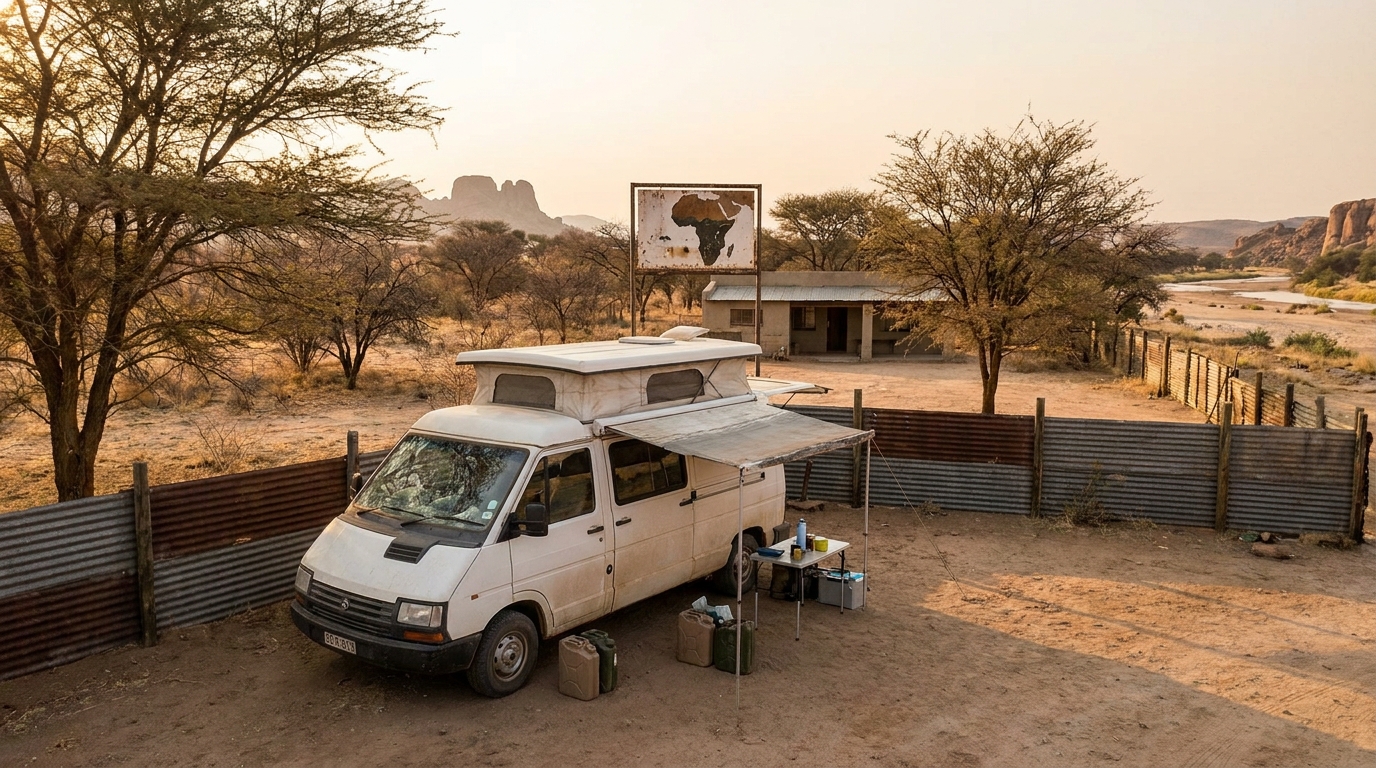
For live availability and current prices, start with our RV Rental Africa - Complete Guide 2026 guide.
In This Guide
- Where to Camp in Africa - Top Options
- Campground Types in Africa (National, Private, Wild)
- Featured RV Park or Campground in Africa
- Hookups & Amenities - What to Expect
- Booking Windows & Reservations in Africa
- Nearby Supermarkets & Resupply Points
- Best RV Class for Camping in Africa
- How to Save on Campgrounds in Africa
- What are the best ways to find an RV park last minute?
- What is the 3-3-3 rule for RV travel?
- Where can RVs stay overnight for free?
- Can you camp in Africa national parks?
- How to find last minute camping sites?
- Is it safe to wild camp in South Africa?
- What is the most forgotten item when camping?
- What does it cost to camp in the Kruger National Park?
- What is the 200 rule for camping?
- Is it better to stay inside or outside Kruger?
- RV Class: Class SI - Semi-integrated
- RV Class: Class C - Alcove
- RV Class: Class B - Camper Van
- RV Class: Class A - Integrated
- RV Class: Class TC - Truck Camper
An unforgettable last minute rv camping adventure in Africa is entirely within reach, offering unparalleled freedom and access to breathtaking landscapes and wildlife. While many travelers plan months in advance, spontaneous trips are absolutely possible, especially if you know where to look and what to expect. This guide will help you navigate the unique world of last-minute RV camping in Africa, ensuring your journey is as smooth and exciting as possible. For live availability and current prices, start with our RV Rental Africa - Complete Guide 2024 guide, which provides comprehensive insights into planning your ultimate African road trip.
Where to Camp in Africa - Top Options
Popular RV camping destinations across Africa include South Africa, Namibia, and Botswana, offering diverse landscapes from pristine coastlines to vast deserts and iconic wildlife parks. For last-minute motorhome bookings, focusing on larger, privately-owned campgrounds or less popular national parks outside of peak season can significantly increase your chances of finding available sites. Consider well-established tourism infrastructure areas like the Garden Route in South Africa or the Fish River Canyon area in Namibia, which typically feature more RV-friendly facilities and greater flexibility for impromptu stays. Exploring the "RV Rental in Africa - Prices and Best Deals 2024" can provide insights into seasonal variations and potential cost savings.
Campground Types in Africa (National, Private, Wild)
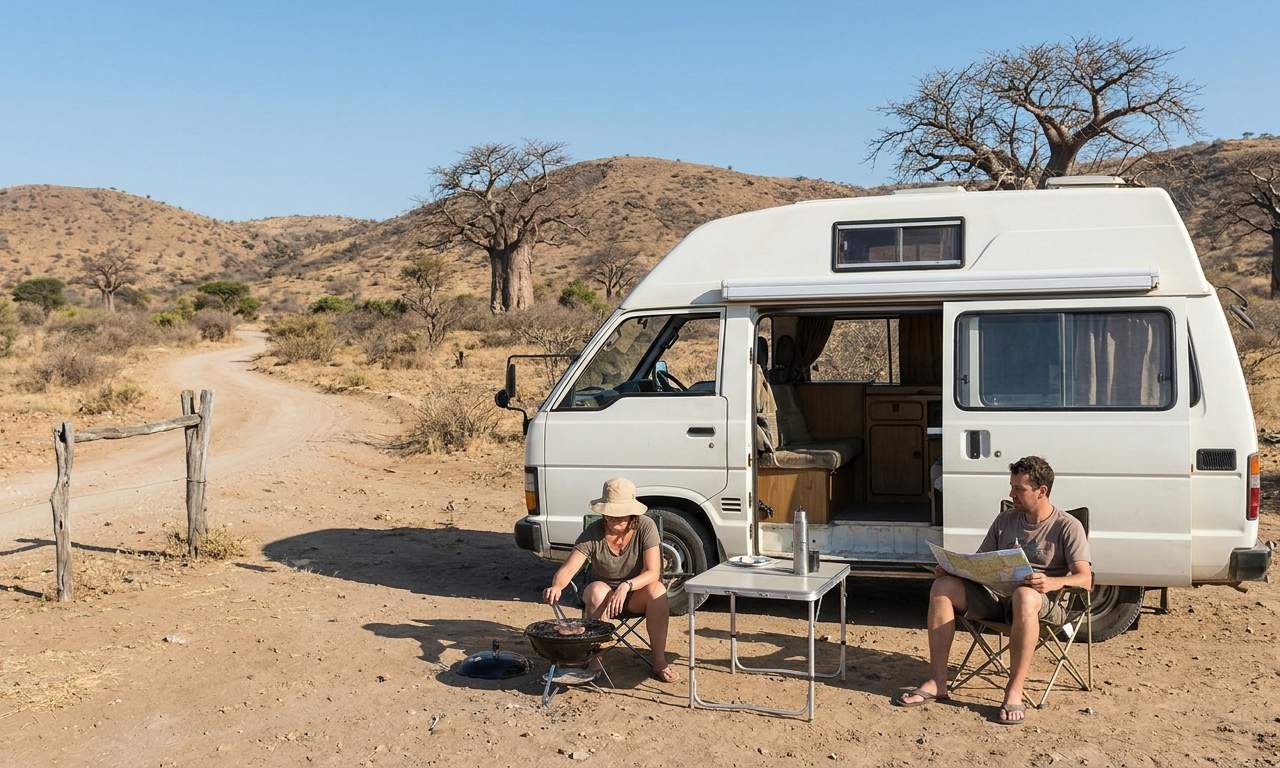
RVers in Africa typically choose between National Park campgrounds, private campsites, and, with extreme caution, limited wild camping opportunities. National Park campgrounds, such as those found in Kruger National Park or Etosha National Park, offer unparalleled proximity to wildlife and often provide basic amenities, though they usually require advance booking, especially for prime spots during peak season. Private campgrounds tend to offer more amenities, including electricity, water hookups, swimming pools, and enhanced security, often making them a safer and more comfortable choice for last-minute travelers. Wild camping, or freedom camping, is largely illegal or highly regulated across most of Africa due to safety, environmental, and legal concerns, and it is rarely recommended for tourists without extensive local knowledge and explicit permission. This approach ensures you adhere to local regulations and stay safe during your adventures.
Featured RV Park or Campground in Africa
An ideal featured RV park in Africa would offer a blend of natural beauty, essential amenities, and robust security, often located near a major national park or scenic attraction. Travelers should look for campgrounds that provide shaded sites, braai (barbecue) facilities for cooking, clean ablution blocks (showers and toilets), and a communal kitchen area. Many top-tier RV parks in popular destinations like the Kruger National Park region or along South Africa's Garden Route also feature swimming pools, small shops for essentials, and sometimes guided activities or tours, enhancing the overall experience. Prioritize parks with strong positive reviews regarding safety, cleanliness, and helpful staff, especially when making last-minute arrangements. If you're comparing options, our guide Luxury RV Rental in Africa - Premium Prices 2024 might help identify higher-end campgrounds.
Hookups & Amenities - What to Expect
When RV camping in Africa, expect varying levels of hookups and amenities, with most established campgrounds offering basic electricity, water, and dump facilities. Electrical hookups typically operate on 220-240V, similar to European standards, and often require Type M (South Africa) or Type C/F (other regions) adapters, so be sure to pack the correct converters. Potable water access is usually available at individual sites or communal taps, and dedicated grey and black water dump stations are common in private and larger national park campgrounds. Wi-Fi can be unreliable or only available in central reception areas, while laundry facilities and hot showers are frequently offered, though sometimes for an additional fee. For preparing delicious meals in your campervan kitchen, remember to check out our RV-friendly recipes playlist. On the routes offered through RV PLANET routes, you can itemize and track every expense along the way for easy budgeting.
Booking Windows & Reservations in Africa
For last-minute RV rentals and camping in Africa, while planning ahead is generally advised, spontaneous travelers can often find same-day or next-day spots, especially outside of peak seasons or in less frequented areas. Many national park campgrounds, particularly in popular destinations like Kruger, often reserve a percentage (e.g., 25-30%) of their sites for first-come, first-served arrivals, even when online reservations appear full. It is highly recommended to call ahead to a campground or national park reception before driving a significant distance to confirm availability, even for last-minute inquiries. While you may not secure your first choice of campground, flexibility and a willingness to try the next available site almost always ensure you will find a place to stay. Our guide Last-Minute RV Rental in Africa - What to Expect 2026 offers more detailed strategies for finding available motorhomes.
Nearby Supermarkets & Resupply Points
For RVers in Africa, resupply points are typically found in major towns and cities, with large supermarket chains offering a comprehensive range of groceries and essentials. Look for well-known chains such as Shoprite, Checkers, Pick n Pay, and Spar, particularly prevalent in Southern Africa, which provide accessible and reliable options for stocking up. It is advisable to resupply whenever possible in larger centers, as smaller towns and rural areas may have limited options or higher prices. Additionally, many fuel stations, especially along major routes, often have convenience stores attached where basic provisions can be purchased. For tracking all your trip expenses, remember that RV PLANET routes allow you to itemize and monitor every cost.
Best RV Class for Camping in Africa
For diverse camping experiences in Africa, particularly those involving national parks and potentially rugged roads, Class B Camper Vans and Class TC Truck Campers are often among the best choices due to their maneuverability and self-sufficiency. Class B Camper Vans, averaging 5.8 meters in length and offering sleeping for about 3.2 people in Bandana's global fleet, provide excellent agility for navigating smaller tracks and easier parking within busy camps. The "2 Berth Hi Top" campervan, with automatic transmission and front air conditioning, is an ideal small RV for two travelers exploring diverse African landscapes. Class TC Truck Campers, at an average length of 5.5 meters and sleeping approximately 2.4 people, combine the off-road capability of a 4x4 vehicle with compact living quarters, ideal for adventurous boondocking or accessing remote sites; an example is the "Patagonia Camper 4x4 double cab." While Class SI Semi-integrated and Class C Alcove RVs offer more living space and amenities, their larger average lengths (6.9m and 7.5m respectively) and generally 2WD drivetrains may limit access to certain unpaved or challenging campsites. Ultimately, your choice depends on your planned route and desired comfort level.
How to Save on Campgrounds in Africa
To save on campground costs in Africa, leverage any campground discount cards offered by your motorhome rental company, as these can provide significant savings at participating sites. Booking during the shoulder season (e.g., April-May or September-October) can result in lower rates compared to peak holiday periods while still offering favorable weather and typically more last-minute availability. Opting for municipal or regional campgrounds over private resorts often yields more budget-friendly prices, though amenities might be more basic. Staying for three or more nights at a single location can frequently unlock weekly rates or long-stay discounts, reducing the per-night cost. When traveling in a group, sharing hookup costs or opting for larger sites that accommodate multiple RVs can also lead to savings. For budget planning, consider our Cheap RV Rental in Africa - Budget Guide 2026 for more cost-effective strategies.
What are the best ways to find an RV park last minute?
The best ways to find an RV park last minute in Africa involve utilizing mobile apps like iOverlander for crowd-sourced information, calling campgrounds directly, visiting local tourism information centers, or inquiring at national park gates. Many popular African safari destinations and coastal areas have established RV parks and campsites, and direct phone calls can quickly confirm real-time availability, often for same-day or next-day stays. For less conventional last-minute options, engaging with local communities or petrol station attendants might offer insights into informal camping spots, though always prioritize safety and legality. Apps designed for campers (e.g., Tracks4Africa or local alternatives) can sometimes show smaller, independent sites not listed on major booking platforms, which may have last-minute openings.
What is the 3-3-3 rule for RV travel?
The 3-3-3 rule for RV travel is a widely adopted guideline advising RVers to drive no more than 300 miles (approximately 480 km) a day, arrive at their destination by 3 PM, and stay for at least 3 nights. Adhering to this rule enhances safety by preventing driver fatigue and allowing ample time to set up camp before dark, which is particularly crucial in African environments where wildlife can be active at dusk. Arriving by 3 PM provides sufficient daylight for camp setup, grocery shopping, or addressing any unexpected issues, reducing travel stress. Staying for at least 3 nights promotes a more relaxed travel pace, allowing for deeper exploration of the area and minimizing the effort of frequent packing and unpacking, contributing to a more enjoyable African adventure.
Where can RVs stay overnight for free?
Staying overnight for free in an RV in Africa is generally more challenging and less commonly recommended for tourists compared to regions like North America, with few officially designated free overnight spots. Unlike the U.S. where options like Walmart or BLM land exist, Africa lacks similar widespread, safe, and legal free camping infrastructure; most overnight parking requires payment at a designated campground. Very remote and undeveloped areas might technically allow wild camping, but this carries significant risks from wildlife and potential security concerns, making it largely unsuitable for casual tourists. Some truck stops or petrol stations on major routes might tolerate informal overnight parking if you purchase fuel or goods, but this is unofficial and should always be confirmed with staff and approached with extreme caution regarding security. It's always best to plan for secure, paid campsites for peace of mind.
Can you camp in Africa national parks?
Yes, camping is widely available and very popular in many African national parks, offering an immersive way to experience wildlife and nature firsthand. National parks across countries like South Africa, Namibia, Botswana, and Kenya feature numerous designated campgrounds, ranging from basic sites with minimal facilities to those with more amenities. These park campgrounds often require reservations, especially for popular parks like Kruger National Park, and typically involve paying a nightly fee in addition to park conservation or entry fees. Camping within national parks provides unparalleled access to game viewing opportunities, often allowing for early morning and late evening safaris directly from your campsite, enhancing your chances of spotting the 'Big Five'.
How to find last minute camping sites?
Finding last-minute camping sites in Africa involves a proactive approach, including checking online booking platforms for cancellations, calling specific campgrounds directly, and arriving early at national park gates for first-come, first-served spots. Flexibility with your location and campsite amenities will significantly increase your chances of securing a last-minute spot; for example, if your first choice is full, consider a nearby municipal site or a private reserve just outside the park gates. Utilize local knowledge by asking at tourist information offices, petrol stations, or small local businesses, as they often know about smaller, less-publicized campgrounds that might have openings. For national parks, always inquire upon entry about any available unreserved sites for the night, as some parks retain a portion of spots specifically for walk-ins. Check out One-Way RV Rental in Africa - Price Guide 2026 if you are considering alternative pick-up or drop-off locations to increase availability.
Is it safe to wild camp in South Africa?
It is generally not recommended for tourists to wild camp in South Africa due to significant safety concerns, encompassing both crime and dangerous wildlife encounters. Designated campgrounds, either within national parks or private establishments, offer security measures like fences, gates, and on-site staff, providing a much safer environment for your rented motorhome. Wildlife, including large predators and dangerous snakes, can pose a serious threat in undesignated areas, making wild camping risky. Security risks, such as theft, are also a concern in isolated areas; always prioritize staying in official, secure camping facilities when traveling by RV in South Africa for your peace of mind and safety.
What is the most forgotten item when camping?
Among the most forgotten items when camping in an RV, particularly in Africa, are essential safety and health supplies like a comprehensive first-aid kit, insect repellent (especially for malaria zones), and proper sun protection, such as wide-brimmed hats and high SPF sunscreen. Other commonly overlooked items include adapter plugs for local electrical outlets (e.g., Type M in South Africa), spare batteries for cameras and headlamps, sufficient potable water containers (at least 20 liters extra), and appropriate trash bags for leave-no-trace camping. Don't forget critical navigational tools, such as up-to-date physical maps or offline GPS maps, as cellular service can be unreliable in remote African regions. Always double-check a packing list that includes country-specific requirements for health (e.g., antimalarials, specific vaccinations) and basic vehicle spares like a tire repair kit.
What does it cost to camp in the Kruger National Park?
Camping costs in Kruger National Park vary by camp, season, and type of site, but generally range from approximately ZAR 350 to ZAR 500 per night for a basic campsite for two people, in addition to daily conservation fees. Conservation fees, which are mandatory for all visitors, are typically around ZAR 460 per adult per day for international visitors as of 2024, so budget this amount per person on top of your campsite fee. Some campsites within Kruger offer more amenities or prime locations (e.g., river views) and may be priced slightly higher. It is essential to book well in advance, especially for popular camps like Skukuza or Lower Sabie, as last-minute availability is rare during peak seasons. For comprehensive budgeting for your full trip, remember that RV PLANET routes allow you to itemize and track every expense along the way.
What is the 200 rule for camping?
The '200 rule' for camping is a Leave No Trace principle that advises campers to pitch their tents and establish their cooking areas at least 200 feet (about 70 paces, or approximately 60 meters) away from water sources, trails, and other campsites. This rule is crucial for protecting fragile riparian ecosystems, preventing water contamination from human waste or detergents, and maintaining the natural state of water bodies for wildlife. Adhering to the 200-foot rule also helps to preserve the wilderness experience for others by minimizing visible impact and noise pollution, fostering respect for both nature and fellow travelers. In the context of African camping, this principle is vital for environmental conservation, especially in areas with limited water resources or sensitive wildlife habitats.
Is it better to stay inside or outside Kruger?
Whether it is better to stay inside or outside Kruger National Park depends on your budget, desired amenities, and priority for immediate wildlife access. Staying inside Kruger offers unparalleled immersion, allowing for early morning game drives and late evening wildlife viewing directly from your camp, maximizing safari time and minimizing daily travel with your rented motorhome. Internal camps, while often basic, provide the unique experience of being in the heart of the bush, but can be more expensive and require early booking, especially for a week-long trip. Staying outside Kruger, in towns like Hazyview or Phalaborwa, often provides more luxurious or budget-friendly accommodation options, access to external attractions, and a wider choice of restaurants and services, though it requires daily travel to and from park gates, which adds travel time to your day. Our guide "RV Rental in Africa - Prices and Best Deals 2026" can help compare costs for different options.
RV Class: Class SI - Semi-integrated
Class SI Semi-integrated RVs, common in Bandana's global fleet, are a popular choice for RV travel in Africa, balancing comfort with relatively manageable dimensions. These vehicles average 6.9 meters in length and typically accommodate 3.8 sleeping places, ideal for small families or couples seeking more space than a campervan, such as the "2 Berth Rover" which features automatic transmission and a comfortable roof air condition. With an average load capacity of 72.2 kg, these RVs offer decent storage for essentials, and their fuel consumption typically ranges from 10 to 11 liters per 100 km. Semi-integrated RVs provide a good base for exploring established routes and campgrounds in Africa, offering amenities like a kitchen and bathroom without the bulk of larger Class C or A models, making them a practical choice for extended road trips.
RV Class: Class C - Alcove
Class C Alcove RVs, averaging 7.5 meters in length and providing sleeping for approximately 5.8 people in Bandana's global fleet, are well-suited for families or larger groups traveling in Africa. Distinguished by their prominent 'alcove' over the driver's cab, these RVs offer generous interior space and multiple sleeping areas, with an average adult capacity of 4.4, like the spacious "4 Berth Deluxe" which also includes a TV. Despite their size, their common fuel consumption is typically between 10-12 liters per 100 km, similar to semi-integrated models. Class C RVs are ideal for comfort-focused tours, providing ample amenities for longer stays at well-equipped African campgrounds, though their size might limit access to very remote or rough tracks. Drive slowly and carefully, and you can drive almost anywhere without issues. No need to stress - just use common sense and pay attention.
RV Class: Class B - Camper Van
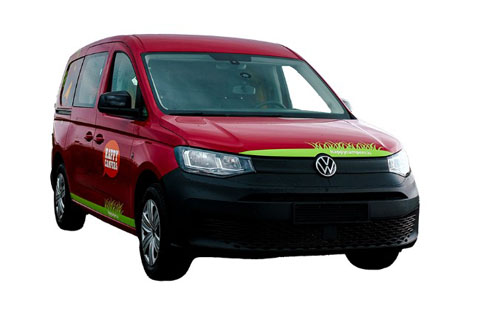
Class B Camper Vans are highly versatile for African adventures, especially for those prioritizing maneuverability and access to diverse terrain. Bandana's global fleet of Class B vans averages 5.8 meters in length, providing comfortable sleeping for approximately 3.2 people and accommodating about 2.7 adults, such as the "2 Berth Hi Top" with its automatic transmission and front air condition. These compact RVs boast a low fuel consumption, typically around 8-10 liters per 100 km, making them economical for long distances. Their smaller size and agility make them excellent for navigating smaller roads, parking in tighter spots within national parks, and even for light boondocking where permitted, offering a blend of transport and accommodation for couples or small families. For more options, explore "One-Way RV Rental in Africa - Price Guide 2026".
RV Class: Class A - Integrated
Class A Integrated RVs represent the pinnacle of motorhome luxury and space, with Bandana's global fleet averaging 7.5 meters in length and offering sleeping for around 4.4 people (4 adults). These vehicles provide extensive living amenities, including large kitchens, spacious bathrooms, and comfortable lounge areas, making them ideal for extended, comfortable tours across Africa's main routes. The "rent rv example E3" is a prime example, offering exclusive features like a TV and front air conditioning. With an average load capacity of 209.5 kg, there is ample room for provisions and gear, and fuel consumption typically ranges from 8-12 liters per 100 km (excluding specific high-consumption models). While offering superior comfort, their substantial size is best suited for well-developed campgrounds and major roads, as they can be challenging on unpaved or narrow tracks common in more remote African areas. Remember, drive slowly and carefully, and you can drive almost anywhere without issues.
RV Class: Class TC - Truck Camper
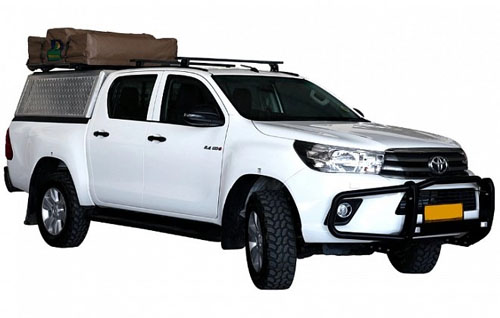
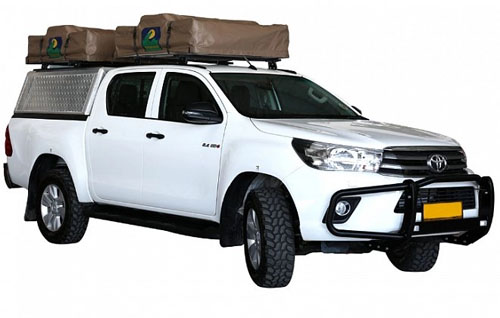
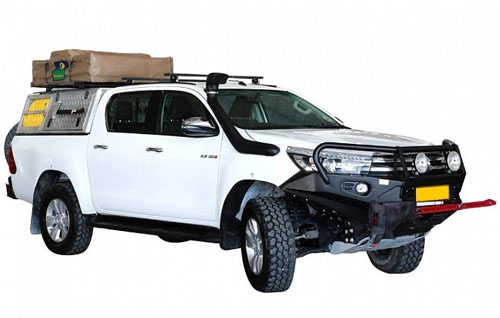
Class TC Truck Campers are an excellent choice for adventurous RVers in Africa, particularly those looking for off-road capability and compact independence. These units, mounted on a pickup truck chassis, average 5.5 meters in total length (including the truck) and typically accommodate 2.4 sleeping places for about 2.1 adults in Bandana's global fleet. The "Patagonia Camper 4x4 double cab" is a great example, featuring 4-wheel drive and front air conditioning, ideal for a couple seeking rugged exploration. Their 4x4 base often allows access to more remote and rugged campsites within national parks or wilderness areas that larger RVs cannot reach, offering a true wilderness experience. Fuel consumption for Truck Campers generally ranges from 12-17 liters per 100 km due to the robust vehicle and often higher clearance, providing a powerful yet compact solution for exploring Africa's diverse landscapes.
What You Shouldn't Miss
- A Kruger National Park Safari: Drive your rented motorhome to one of Africa's premier wildlife destinations in South Africa, where you can self-drive through the park and camp amidst the sounds of the wild.
- Namib Desert Stargazing: Journey to Namibia and experience the surreal landscape of the Namib-Naukluft National Park. Park your campervan beneath a sky filled with an unimaginable number of stars, a truly humbling experience.
- Exploring the Garden Route: Take a week-long trip along South Africa's scenic Garden Route, offering lush forests, pristine beaches, and charming towns perfect for motorhome exploration.
- Victoria Falls in Zimbabwe/Zambia: Park your RV at a nearby campsite and witness the majestic Victoria Falls, one of the Seven Natural Wonders of the World, offering thrilling activities like white-water rafting or scenic flights.
- Botswana's Okavango Delta Fringe: While access into the Delta itself is limited for RVs, camping on its fringes provides incredible birdwatching and wildlife viewing opportunities from your rented camper, offering a taste of this unique ecosystem.
- Looking for expert insights from Avi Bandana? Top 5 Adventures - recommendations from Avi Bandana.
Final Thoughts
Embarking on a last-minute RV camping adventure in Africa promises unparalleled freedom and incredible memories. While spontaneity is part of the thrill, remembering key tips about campsite types, amenities, and essential packing will ensure your trip is both exciting and safe. Whether you're seeking the wildlife wonders of a national park or the tranquility of a private campsite, Africa offers a vast canvas for exploration.
At Bandana Caravan, we're dedicated to making your RV rental experience seamless and transparent, allowing you to focus on the journey itself. From helping you find the perfect campervan to providing clarity on pricing and offering top-level deductible reimbursement, we're here to support you every step of the way. Remember to embrace slow travel, averaging 100-150 km per day, to truly connect with the culture, food, and breathtaking scenery of this magnificent continent.
So, why wait? Discover top destinations, planning tips, all in one place, and make that dream African road trip a reality. Find last minute rv Rentals in Africa now and get ready for an adventure of a lifetime!