In This Guide
- Top 5 Tips for RV Rental Beginners in Windhoek
- Before You Book - Class, Dates, Insurance
- Pre-Trip Prep - Packing Checklist for Windhoek
- On the Road - Driving, Fueling, Navigation
- At the Campground - Setup, Hookups & Etiquette
- RV Rental Beginners-Specific Tips for Windhoek
- Common Mistakes to Avoid in Windhoek
- How much does it cost to rent an RV in Namibia?
- What is the best month to visit Namibia?
- What documents do I need to enter Namibia?
- Is Windhoek a good base for Namibia?
- How many days do you need to RV Namibia?
- Do I need a 4x4 for Namibia?
- Is it easy to drive in Namibia?
- Is it safe to drive around Namibia?
- Can you wild camp in Namibia?
- What You Shouldn't Miss
- Why Book with Bandana Caravan
- Final Thoughts
- Frequently Asked Questions
Top 5 Tips for RV Rental Beginners in Windhoek
For first-time RV adventurers starting in Windhoek, a successful trip begins with solid preparation and local knowledge. Our "RV Rental Windhoek - Complete Guide 2026" is an excellent starting point for all essential information.1. Booking your RV rental well in advance, especially for Namibia's peak dry seasons (May-October), is crucial to secure your preferred vehicle type, such as a comfortable 4-berth Class C motorhome like the "Euro Camper" or a nimble "Patagonia Camper 4x4 double cab" with 4-wheel drive. Prices are dynamic and increase with demand. Waiting too long might limit your options, leaving you with fewer choices for a quality rental from reputable suppliers like Britz or Apollo.
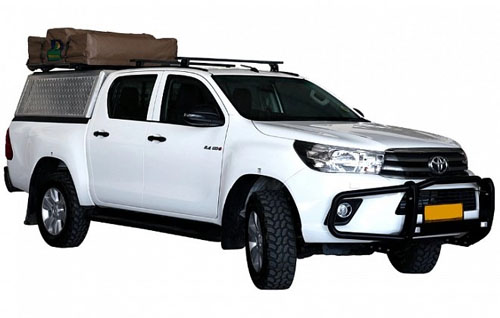
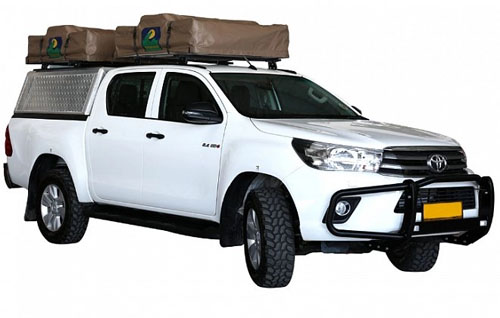
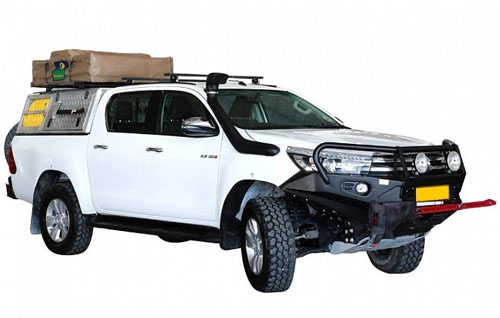
2. Understanding the different RV vehicle types available (e.g., 2x4 vs. 4x4) and choosing one suited for your planned itinerary and comfort level is paramount in Namibia. While 2x4 campervans handle paved B-roads and well-graded C-roads, a 4x4 camper or motorhome is highly recommended for rougher tracks or reaching remote national park campsites like those in Damaraland or the sandy approaches in Sossusvlei.
3. Packing strategically with layered clothing for varying temperatures and essential items, remembering that space is limited in a rented RV, will enhance your comfort. Windhoek sits at 1,700 meters, so mornings can be cool, days hot, and evenings chilly, necessitating versatile clothing choices.
4. Familiarize yourself with Namibian road rules, common road hazards (like extensive gravel roads and wildlife), and safe driving practices before you set off. Driving slowly and carefully, you can drive almost anywhere without issues. No need to stress - just use common sense and pay attention. Many roads outside Windhoek, including the C28 to Swakopmund or the C14 to Sossusvlei, are gravel and require vigilance.
5. Plan a flexible itinerary, allowing extra time for travel on Namibia's gravel roads and spontaneous stops at scenic locations. Travel slowly, max 100-150 km per day on average, to truly feel the place, connect to the culture, the food, and the scenery. RV PLANET (rvplan.net) offers invaluable resources for pre-planned routes that incorporate realistic daily distances and highlight points of interest.
Before You Book - Class, Dates, Insurance
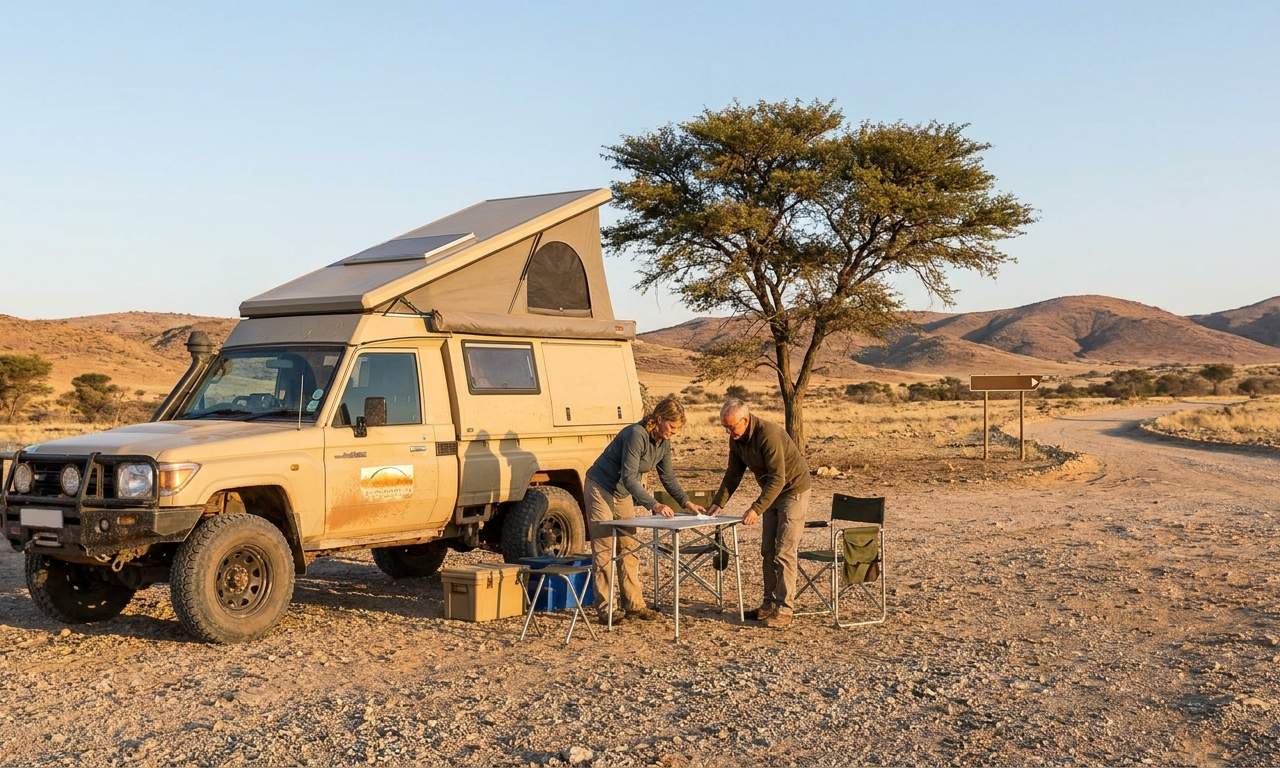
Choosing the right rental motorhome for your Namibian adventure depends significantly on your travel style and desired routes. For live availability and current prices, start with our RV Rental Windhoek - Complete Guide 2026 guide.When selecting your RV class, beginners in Windhoek should balance comfort with maneuverability and terrain capability. A 4x4 camper, like a "Patagonia Camper 4x4 double cab," is ideal for tackling rougher tracks and accessing remote areas such as parts of Etosha National Park or the more challenging gravel routes. For those sticking to main paved and well-graded gravel roads, a 2x4 option, such as a Class C motorhome like the "Euro Deluxe" or a Class B campervan such as the "rv rental denver example Category Van," offers ample comfort and is often more budget-friendly. Remember, a standard car driver's license is sufficient for all motorhome classes, and the minimum rental age is 21 with no young driver surcharges.
To lock in optimal dates and secure availability, especially during the highly popular dry season (May-October), it is advisable for beginners to book their RV rental in Windhoek at least 3 to 6 months in advance. While spontaneous travelers can sometimes find last-minute deals, peak season availability quickly diminishes, and prices are dynamic, changing daily like flight tickets. Don't worry if you're a spontaneous type; many national and state parks reserve 25-30% of spots for first-come-first-serve. You'll find a spot; if not at the first campground, then the next one. Just call ahead before driving.
Regarding insurance, basic coverage is always included with RV rentals in Namibia, but it's wise to consider additional protection. Bandana RV offers full transparency with no hidden fees, and you can easily compare different insurance options from our 50+ leading global suppliers, including El Monte and Apollo. You can also upgrade to a top-level deductible for extra peace of mind, which covers more eventualities during your journey. We're with you before, during, and after your booking, providing comprehensive support to ensure you travel with peace of mind.
🎬 Video coming soon
Pre-Trip Prep - Packing Checklist for Windhoek
A practical packing checklist for an RV trip from Windhoek ensures you have everything needed for comfort and safety in Namibia's diverse environments. We at Bandana have been helping tens of thousands of travelers since 2001, so we genuinely know RV travel.For clothing, pack layers to accommodate Namibia's significant temperature fluctuations; cool mornings, hot days, and chilly evenings are common, especially in desert areas like the Namib-Naukluft Park. Include light, breathable fabrics for daytime, warmer layers for evenings, a wide-brimmed hat, and sturdy, closed-toe shoes for exploring. Don't forget swimwear if your route includes coastal towns like Swakopmund or lodges with pools.
In the kitchen, bring basic cooking essentials such as spices, oil, and coffee or tea. Non-perishable foods are a good start, but remember Windhoek offers excellent supermarkets like Maerua Mall or Grove Mall of Namibia where you can stock up on fresh produce and other groceries. Reusable water bottles are essential for staying hydrated on your journey, especially given Namibia's arid climate. You'll find most rented motorhomes and campervans come equipped with a stove and refrigerator, perfect for preparing delicious meals. For inspiration, check out our RV-friendly recipes playlist. On the routes offered through RV PLANET routes, you can itemize and track every expense along the way for easy budgeting.
Safety items should include a comprehensive first-aid kit, emergency contact information, and a reliable headlamp or flashlight, as many remote campsites are minimally lit. Consider a small toolkit for minor RV issues, though major repairs are handled by your supplier with 24/7 support during your booking process. For finding campsites and campgrounds during your trip, we recommend using RV PLANET (rvplan.net) a great resource for locating available spots along your route.
Crucially, keep physical and digital copies of all necessary documents, including your passport, visa (if applicable), International Driving Permit, and RV rental agreement. These are vital for border crossings if you plan to venture into neighboring countries, or for identification at national park gates. You might also want to review "RV Rental Namibia - Complete Guide 2026" for broader context.
At the Campground - Setup, Hookups & Etiquette
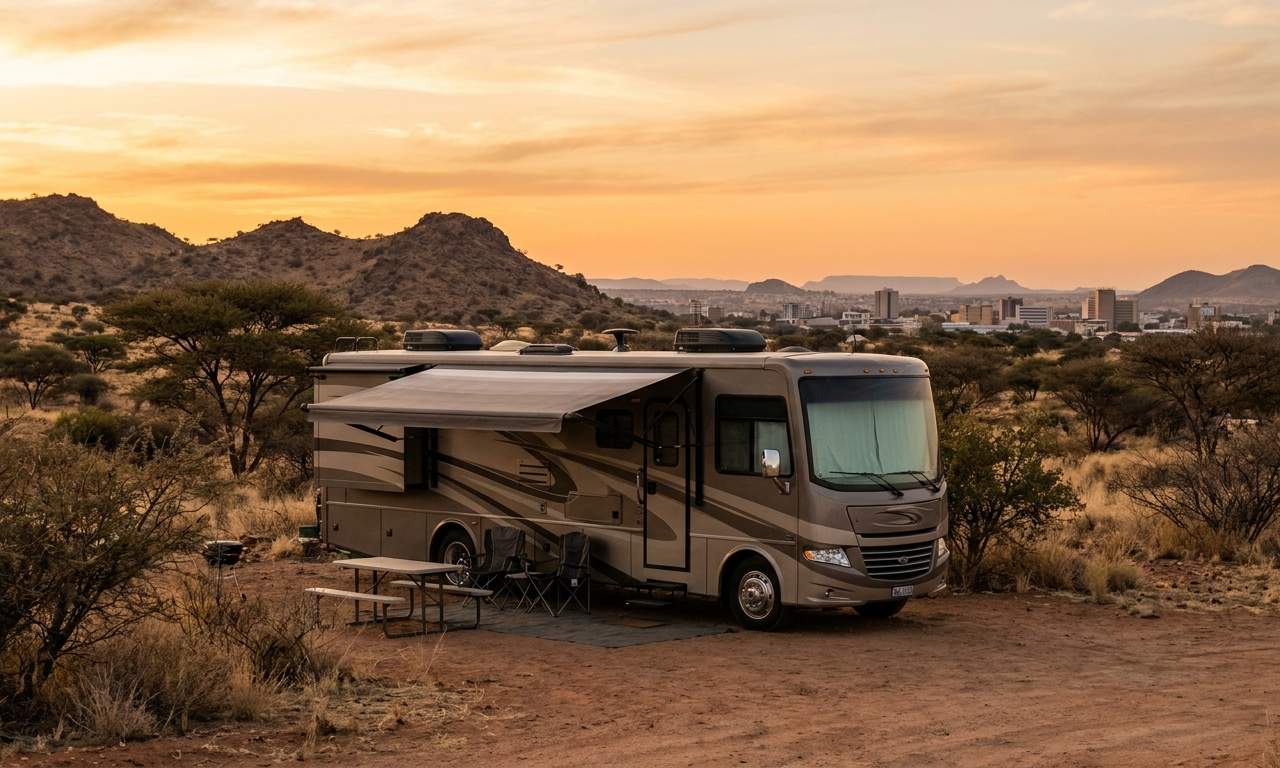
Arriving at a campsite in Namibia is part of the RV adventure, and understanding the setup process, hookups, and local etiquette will ensure a smooth experience. Our specialists, with over 25 years in the motorhome travel industry, know the ropes.Upon arrival at a designated campsite, such as Daan Viljoen Game Reserve just west of Windhoek or the campsites within Etosha National Park, the RV setup process generally involves finding a level spot for stability, extending the awning for shade, and preparing the exterior living space with chairs and tables. Many campsites, particularly those closer to Windhoek, offer shaded sites. We always recommend slow travel, averaging max 100-150 km per day, so you have ample time to comfortably set up camp and relax.
Connecting hookups typically follows a specific order: first, connect to the electricity pedestal (most sites in established parks offer 220V power), then connect your fresh water hose, and finally, attach and open the waste hose for grey and black water tanks. Always ensure a tight seal to prevent leaks. Many popular campsites, including those in the Namib-Naukluft Park near Sossusvlei, offer electrical points and water. After connecting, check all RV systems to ensure they're working correctly. If you're unsure, don't hesitate to ask fellow RVers or campground staff for assistance; the RV community is known for its helpfulness.
Campsite etiquette in Namibia includes respecting quiet hours, typically from 10 PM to 6 AM, maintaining a clean site by disposing of all waste properly in designated bins, and being mindful of other campers and local wildlife. Never feed wild animals, and keep all food stored securely, especially from baboons common in some areas. Familiarize yourself with the campsite's amenities, such as ablution blocks, braai (BBQ) facilities, and waste disposal points. Always ensure your campfire (if permitted and safe) is fully extinguished before leaving your site or going to bed, especially during the dry season. For specific campsites and their amenities, consult RV PLANET (rvplan.net) for detailed information and route planning.
RV Rental Beginners-Specific Tips for Windhoek
For rv rental beginners in Windhoek, a few strategic approaches can make your first Namibian road trip exceptionally enjoyable and stress-free. With over 20 years of experience, Bandana Caravan knows what makes a trip successful.Start with shorter driving days to gradually acclimatize to driving a rented RV on Namibian roads and allow ample time for setup at campsites. A common recommendation is to limit daily driving to around 100-150 km, especially when navigating gravel roads or unfamiliar terrain. This pacing allows you to fully appreciate the stunning landscapes and wildlife without feeling rushed, embodying our philosophy of slow travel to truly connect with the culture and scenery. Consider staying at campsites near Windhoek, like the popular Arebbusch Travel Lodge, for your first night to ease into the RV routine.
Take a thorough orientation tour of your rental RV before leaving Windhoek, asking questions about all systems (water, power, gas, waste) and emergency procedures. Our partner suppliers, such as Apollo and Britz, provide detailed handover instructions. Pay attention to how the "cruise america rv rental example Explorer" operates its 75-liter fuel tank or how the "Class A - Thor ACE 30" manages its 189-liter fresh water tank. Understanding these details will prevent common first-timer challenges. We offer 24/7 support during your booking and pre-trip planning, so any questions can be addressed by real people who are true RV specialists, not a travel agency side department.
Plan your initial overnight stops at well-established campsites with good facilities to ease into the RV lifestyle and build confidence. Many national and state parks only reserve 25-30% of spots, leaving the rest for first-come-first-serve, so you will find a spot. If not at the first campground, then the next one; just call ahead before driving. Don't be afraid to ask for advice from experienced RVers or campsite staff; most travelers are happy to share tips. Prioritize safety by understanding basic vehicle checks (tire pressure, fluid levels) and emergency communication options before venturing into remote areas. For instance, ensure your tire pressure is suitable for gravel roads to avoid punctures, a common issue for RV Rental Deals in Windhoek - Latest Offers 2026 travelers.
Common Mistakes to Avoid in Windhoek
Avoiding common pitfalls can significantly enhance your first RV rental adventure in Windhoek, allowing you to focus on the breathtaking Namibian experience. Bandana Caravan ensures full transparency, so there are no hidden fees or surprises to catch you off guard.A common mistake for RV beginners in Windhoek is overpacking; instead, pack light, utilizing the RV's storage efficiently, as laundry facilities are often available at larger campsites like those in Swakopmund or Etosha. A compact campervan, for example, a "V2L" model, is designed for efficient use of its 5.99-meter length and 2.05-meter width, making every item count. Remember, less clutter means more comfort and easier navigation within your mobile home.
Underestimating travel times on Namibia's gravel roads is frequent among first-timers; instead, add buffer time to your daily itineraries, as these roads significantly reduce average speeds. A planned 200 km drive could take 3-4 hours, not just 2. Forgetting to book popular campsites in advance, especially during peak season (July-August), can lead to disappointment. Secure your accommodation well ahead of time, particularly for iconic spots like Sesriem or Etosha. Check out our "RV Travel Guide to Windhoek - Tips and Top Spots 2026" for more planning insights.
Another mistake is not fueling up at every opportunity; instead, always top up your tank when you see a petrol station, particularly before long stretches in remote regions where services are scarce, such as between Windhoek and the Skeleton Coast. Many rental motorhomes, like the "Jayco Conquest Royale 6," feature significant fuel tanks, but distances in Namibia are vast. Neglecting basic vehicle checks, like tire pressure and coolant levels, is risky and can lead to breakdowns; instead, make it a habit to perform quick daily checks to prevent issues. Drive slowly and carefully, and you can drive almost anywhere without issues. No need to stress - just use common sense and pay attention. We at Bandana provide excellent pre-booking comparison and booking support to help you get started on the right foot.
How much does it cost to rent an RV in Namibia?
RV rental costs in Namibia typically range from €80 to €300 per day, varying significantly by vehicle type, season, and rental duration, reflecting the dynamic pricing common in the travel industry. For example, a compact 2x4 campervan could start at €80-€120/day in low season, while a robust 4x4 overland truck like a "Patagonia Camper 4x4 double cab" can easily reach €200-€300+/day in peak season.Beyond the RV rental itself, budget for fuel as a major expense; distances are vast, and fuel prices can fluctuate and be higher in remote areas. A typical RV might consume 10-15 liters per 100 km, so for a 2,000 km trip, expect significant fuel costs. National park entry fees, such as N$150 (approximately €8-€10) per person per day for international visitors to Etosha National Park, and activity costs (e.g., dune boarding, scenic flights, priced from €50-€200 per activity) should be factored into your total trip cost. Camping fees generally range from €15 to €40 per night for a standard site, with private conservancy or luxury tented camp sites costing more, sometimes upwards of €70. For a more detailed breakdown, consider our "RV Rental in Windhoek - Prices and Best Deals 2026" guide.
Additional expenses may include visa fees (if applicable), an International Driving Permit (recommended), groceries, optional insurance upgrades (you can upgrade to a top-level deductible for extra peace of mind), and a refundable security deposit for the RV, which can range from €1,000-€3,000. On the routes offered through RV PLANET routes, travelers can itemize and track every expense along the way for easy budgeting. Remember, prices are dynamic and set at actual booking time based on availability and seasonality.
What is the best month to visit Namibia?
The best months to visit Namibia are generally from May to October, during the dry season, which offers cooler temperatures, clear skies, and excellent wildlife viewing opportunities as animals congregate around water sources.This dry season provides ideal conditions for RV travel, with well-maintained gravel roads and comfortable daytime temperatures (often 20-28°C), though nights can be chilly, especially in Windhoek due to its 1,700-meter altitude. For wildlife viewing, the late dry season (August to October) is particularly rewarding in Etosha National Park, when animals gather around shrinking waterholes, making sightings more predictable. Booking your "Family RV Rental in Windhoek - Pricing Guide 2026" well in advance for these months is highly recommended due to high demand.
The wet season (November to April) offers lush green landscapes, spectacular thunderstorms, and fantastic birdwatching opportunities. However, it can bring extreme heat (up to 40°C in some areas) and potential challenges on unpaved roads due to rain, which can make some routes muddy or temporarily impassable for 2x4 vehicles. Shoulder seasons (April/May and November) can offer a good balance of pleasant weather, fewer crowds, and potentially lower prices for RV rentals and accommodations, making them a smart choice for flexible travelers seeking Cheap RV Rental in Windhoek - Budget Guide 2026 options.
What documents do I need to enter Namibia?
To enter Namibia, you typically need a valid passport with at least six months of validity remaining from your date of entry and sufficient blank pages, usually 2-3, for entry and exit stamps.Visa requirements depend on your nationality; many countries, including most European nations, South Africa, and the USA, are granted visa-free entry for tourism purposes for up to 90 days, but it's crucial to verify specific requirements with the Namibian embassy or consulate in your country before travel. Always double-check current regulations as they can change. If you plan to drive a rented RV, an International Driving Permit (IDP) is highly recommended in conjunction with your national driving license, as it translates your license into multiple languages and can be useful for local authorities, although a standard driver's license is legally sufficient for all motorhome classes for rentals originating in Windhoek.
It's advisable to carry both physical and digital copies of all essential documents, including your passport, visa (if applicable), IDP, vehicle rental agreement, and travel insurance details. For multi-country RV trips, such as an "One-Way RV Rental in Windhoek - Price Guide 2026" to Botswana or South Africa, research border crossing procedures and any additional visa requirements for neighboring countries well in advance. Bandana Caravan, founded in 2001, has helped tens of thousands of travelers navigate these details across 50+ countries, offering specialized pre-booking and booking support.
Is Windhoek a good base for Namibia?
Windhoek serves as an excellent operational base for an RV trip in Namibia, primarily because it hosts the country's main international airport (Hosea Kutako International Airport - WDH) and numerous RV rental depots.Its central location provides convenient access to major paved and gravel routes, making it a logical starting point for circular itineraries covering popular destinations like Sossusvlei (about 5-6 hours drive), Swakopmund (about 4 hours drive), and Etosha National Park (about 4-5 hours drive). Windhoek itself is a pleasant, well-organized city with amenities. From the Bandana RV pickup location near the airport, you're well-positioned to head out onto the B1 or C28. Drive slowly and carefully, and you can drive almost anywhere without issues. No need to stress - just use common sense and pay attention when navigating city streets.
As the capital city, Windhoek offers a wide range of amenities, including large supermarkets (e.g., Woermann Brock, Shoprite), banks, and vehicle repair services along Sam Nujoma Drive or Independence Avenue, allowing RV renters to stock up on supplies and make any last-minute preparations before heading into more remote areas. This accessibility for provisions and services makes it an ideal spot to begin your adventure, whether you're embarking on a luxurious RV Rental in Windhoek - Premium Prices 2026 or a more budget-conscious trip. Returning to Windhoek at the end of your trip simplifies vehicle drop-off and airport transfers, streamlining overall travel logistics for a seamless experience.
How many days do you need to RV Namibia?
For a comprehensive RV exploration of Namibia, a minimum of 10 to 14 days is recommended to comfortably cover major highlights like Sossusvlei, Swakopmund, and Etosha National Park without feeling rushed. This allows for our recommended slow travel pace of max 100-150 km per day.A 7-day itinerary can offer a taste of Namibia, but it often requires longer driving days and limits time for in-depth exploration at each stop, making it more suitable for a focused regional trip, perhaps focusing only on the central and coastal areas from Windhoek. For instance, a 7-day trip might cover Windhoek-Sossusvlei-Swakopmund, but with limited time at each. Trips of 14 to 21 days allow for a more relaxed pace, enabling deeper dives into specific regions, visiting hidden gems, or even extending into neighboring countries like Botswana, truly aligning with the spirit of an RV adventure. RV PLANET (rvplan.net) offers over 1,300 pre-planned routes that can help you optimize your time effectively.
When planning your itinerary, factor in the vast distances and the slower average speeds on gravel roads; what looks like a short distance on a map can take many hours to cover by rented RV or campervan. For example, the 350 km drive from Windhoek to Sesriem (for Sossusvlei) can take 5-6 hours due to gravel sections. Always allow for "down days" or longer stays at specific locations to fully enjoy activities such as game drives, hiking, or simply relaxing at a scenic campsite. With Bandana's transparent pricing and 24/7 support during your booking process, you can confidently plan a trip that matches your duration and interests.
Do I need a 4x4 for Namibia?
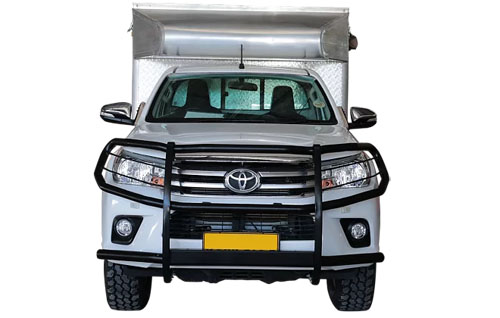
While a 4x4 rented RV or campervan is highly recommended for exploring more remote areas and accessing certain national park campsites in Namibia, a 2x4 motorhome or campervan is sufficient for paved roads and well-maintained gravel routes to many popular destinations.A 4x4 vehicle, such as a "Patagonia Camper 4x4 double cab" or a "4x4 Jimny" campervan, is essential for challenging terrains like the deep sand access road to Sossusvlei's Dead Vlei (after the 2WD parking area), certain tracks within national parks, or any serious off-road adventures, particularly in places like Damaraland or Kaokoveld. These vehicles offer higher ground clearance, more robust suspension, and better traction, which greatly enhances comfort and safety on corrugated or less-maintained gravel roads. You can find options for these specialized vehicles when comparing "Luxury RV Rental in Windhoek - Premium Prices 2026".
Many popular tourist routes, including major paved roads (B roads) to Etosha, Swakopmund, and the main well-graded gravel C-roads connecting regions (e.g., C14, C19, C28), are generally navigable with a 2x4 camper, such as a "rent rv example A1" or "hire campervan example Paradise S/T". However, slower speeds (60-80 km/h) are necessary on gravel to prevent tire damage and maintain control. Consider your itinerary: if your plan sticks strictly to main attractions and established routes, a 2x4 might suffice, but if adventure into less accessible areas is desired, a 4x4 is a worthwhile investment. Our true RV specialists can help you weigh these options during the booking process.
Is it easy to drive in Namibia?
Driving in Namibia is generally straightforward, particularly on well-maintained tar roads and graded gravel, but requires caution due to long distances, potential road hazards like wildlife, and varying road conditions in remote areas. Drive slowly and carefully, and you can drive almost anywhere without issues. No need to stress - just use common sense and pay attention.Namibia's main routes, like the B1 running through Windhoek, consist of excellent tar roads that connect major towns, making inter-city travel relatively smooth and comparable to driving in many developed countries. These roads are generally wide and well-maintained. However, most secondary routes, which are key to accessing many tourist attractions (e.g., the C19 to Sossusvlei, the C33 to Omaruru), are gravel roads (C and D roads). These require drivers to significantly reduce speed (typically 60-80 km/h) to maintain control, prevent tire damage, and ensure safety, as driving too fast can lead to loss of control, especially on corrugated sections.
Common road hazards in Namibia include wildlife (especially kudu, warthogs, and springbok), livestock (cattle, goats) roaming freely, corrugated surfaces, sharp stones that can cause punctures, and occasional sand patches, particularly on unpaved roads and after dry riverbed crossings. Road signage is generally clear and in English, making navigation relatively easy. However, vast distances between fuel stops and towns mean careful planning for fuel and supplies is essential. Always fill up at major towns like Windhoek, Mariental, or Swakopmund. A standard driver's license is sufficient for all rental motorhomes and campervans. For detailed itineraries and local driving tips, check RV PLANET (rvplan.net).
Is it safe to drive around Namibia?
Self-driving in Namibia is generally considered safe, offering travelers independence and flexibility to explore, provided precautions are taken regarding road conditions, vehicle maintenance, and personal security, especially in remote areas.Thousands of tourists safely self-drive Namibia annually, testament to its overall safety; however, high speeds on gravel roads are a common cause of accidents, so adherence to recommended speeds of 60-80 km/h is crucial. Always be aware of your surroundings, especially at intersections and in urban areas of Windhoek, where traffic can be more congested. While rare, opportunistic crime can occur in urban areas, particularly around markets or bus stations; it's wise to keep valuables out of sight, lock doors, and avoid walking alone at night in cities. Bandana provides top-level deductible reimbursement as an optional upgrade for extra peace of mind during your trip.
When venturing into very remote regions, such as Damaraland or the northern parts of Etosha, it's advisable to inform someone of your itinerary, carry extra water (at least 20 liters per person per day) and fuel, and consider having a satellite phone or emergency beacon as cell service can be non-existent. Vehicle security at campsites is generally good, but always secure your rented RV or campervan, close windows, and keep belongings out of sight when leaving it unattended. Reputable campsites, like the NWR facilities in national parks or private lodges near Windhoek, typically have good security measures in place. For more specific routes and safety tips, check our "RV Travel Guide to Windhoek - Tips and Top Spots 2026".
Can you wild camp in Namibia?
Wild camping is generally not permitted in Namibia, especially within national parks and reserves, and it is strongly advised for safety and environmental reasons to utilize designated campsites or private conservancy sites.Legally, free camping is largely prohibited or highly restricted across most of Namibia, including government-managed areas and communal lands, to protect vulnerable wildlife, preserve natural habitats, and ensure visitor safety. The vast, unfenced landscapes often contain dangerous wildlife such as lions, elephants, and leopards, making undesignated overnight stops risky. Instead, designated campsites, both public (like those operated by Namibia Wildlife Resorts) and private (like those found around Windhoek or Swakopmund), offer essential facilities such as ablution blocks, braai (BBQ) areas, and often a level, secure place to park, significantly enhancing the RV experience.
Some private conservancies or farms may offer unique, remote camping experiences on their land with prior permission and typically for a fee, providing a more isolated alternative to traditional campsites for a "Luxury RV Rental in Windhoek - Premium Prices 2026" experience. However, these still require arrangements in advance. Respect for local land ownership, strict environmental regulations, and the presence of dangerous wildlife makes utilizing established, managed camping facilities the safest and most responsible approach to RV travel in Namibia. For finding these campsites, RV PLANET (rvplan.net) is an excellent tool for locating available spots along your route.
What You Shouldn't Miss
- **Sossusvlei Dunes:** Drive your rented motorhome through Namib-Naukluft Park to witness the towering red dunes of Sossusvlei and climb Big Daddy for panoramic desert views. Consider a 4x4 camper for the last 5km sandy track to Dead Vlei.
- **Etosha National Park Wildlife:** Embark on self-drive game drives in your campervan through Etosha. The dry season (May-October) offers exceptional wildlife viewing opportunities around the park's waterholes.
- **Swakopmund Coastal Charm:** Take a break from the desert in the charming German-colonial town of Swakopmund, reachable via the C28 from Windhoek. Enjoy fresh seafood, explore historical buildings, and try adventure activities.
- **Damaraland's Ancient Rock Art:** Visit Twyfelfontein, a UNESCO World Heritage site, to marvel at ancient San rock engravings and explore unique geological formations, a memorable stop on any "RV Rental Namibia - Complete Guide 2026" route.
- **Fish River Canyon:** Experience the immense scale of Africa's largest canyon in southern Namibia. Enjoy breathtaking viewpoints and hiking opportunities, a perfect multi-day excursion from Windhoek for those with more time.
- Looking for expert insights from Avi Bandana? Top 5 Adventures - recommendations from Avi Bandana.
Final Thoughts
Embarking on your first RV rental adventure in Windhoek is an exciting journey into the heart of Namibia's stunning landscapes and vibrant culture. With a little planning and the right vehicle, you're set to discover deserts, wildlife, and starry nights in comfort and style. Remember to take things slowly, soak in the experience, and let the road unfold before you.At Bandana Caravan, we're passionate about helping you craft these unforgettable memories. Our expertise, transparent pricing, and dedicated booking support are all designed to make your journey from Windhoek as smooth and enjoyable as possible. So, go ahead, compare your options, choose your perfect rented motorhome or campervan, and get ready to create stories that will last a lifetime.
Find Motorhome Rentals in Windhoek