In This Guide
- Top 5 Tips for rv rental beginners RV Rental in Vancouver
- Before You Book - Class, Dates, Insurance
- Pre-Trip Prep - Packing Checklist for Vancouver
- On the Road - Driving, Fueling, Navigation
- At the Campground - Setup, Hookups & Etiquette
- rv rental beginners-Specific Tips for Vancouver
- Common Mistakes to Avoid in Vancouver
- What is the 3-3-3 rule for RV?
- What is the 4 4 4 rule for RVing?
- What is the 2 2 2 rule for RV?
- What questions to ask when renting an RV?
- How much does it cost to rent an RV in Vancouver?
- What are the requirements for renting an RV?
- What You Shouldn't Miss
Top 5 Tips for rv rental beginners RV Rental in Vancouver
Navigating your first motorhome adventure in Vancouver and British Columbia requires thoughtful preparation to ensure a smooth and enjoyable trip.
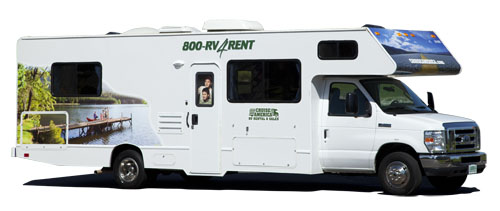
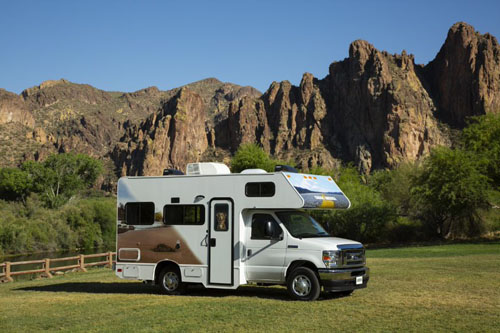
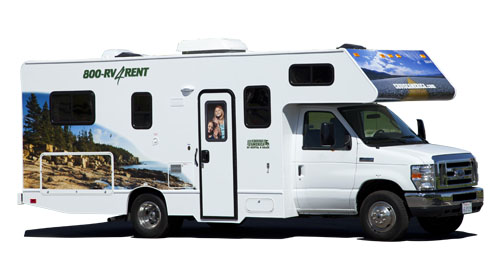
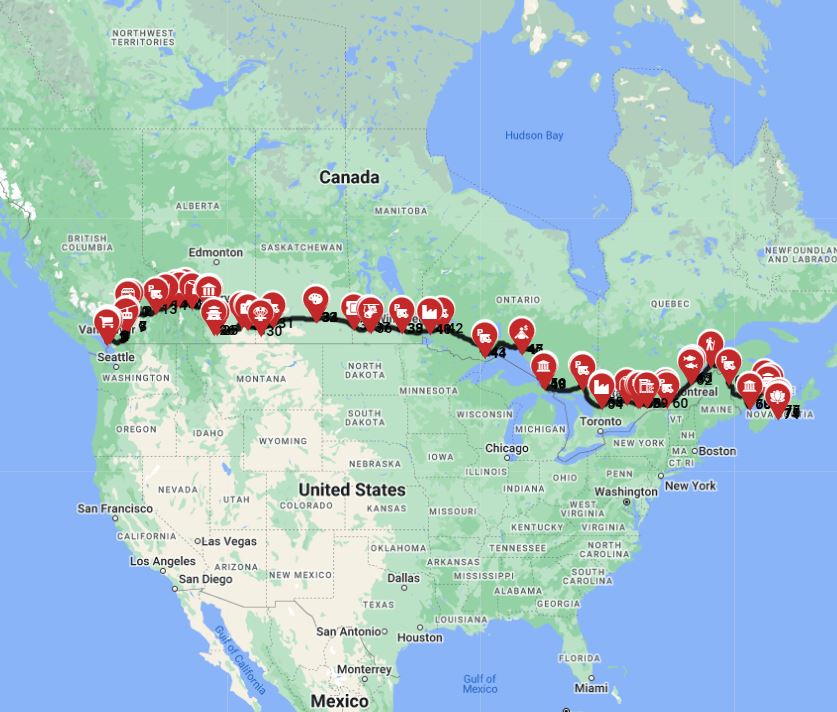
Booking your RV and campsites well in advance, especially for popular BC provincial parks or ferry crossings during peak season (June-September), can secure preferred locations and save money. For live availability and current prices, start with our RV Rental Vancouver - Complete Guide 2026 guide. Choosing an RV class suitable for your comfort level and planned itinerary, such as a nimble Class B campervan like a "Category Van" (Ideal for a couple, RV size - Small, Shower, Toilet) for city exploration or a spacious Class C motorhome like an "MH-A" (3 double beds, Ideal for a big family / group of friends, RV size - Large, Shower, Toilet) for a family heading to provincial parks, is key. Familiarize yourself with BC road regulations, including speed limits and signage, which may differ from other regions. Budget for additional costs like fuel, campsite fees, and ferry charges, as these can significantly impact your total trip expense; thankfully, RV PLANET routes allow you to itemize and track every expense for easy budgeting. Finally, understand your rental's insurance coverage and consider supplementary options for peace of mind while exploring British Columbia, knowing that Bandana offers top-level deductible reimbursement for extra security. On the routes offered through RV PLANET routes, you can itemize and track every expense along the way for easy budgeting.
We believe in full transparency: no hidden fees, no surprises, just clear pricing and honest service from a team of true RV specialists.
Before You Book - Class, Dates, Insurance
Choosing the right RV class, securing optimal dates, and understanding insurance are foundational steps for a smooth RV rental experience in Vancouver.
Consider different RV types: nimble campervans such as a "Category Van AT" (Automatic transmission, Ideal for a couple, RV size - Small, Shower, Toilet) are excellent for city exploration and easier parking in Vancouver, offering a balance of mobility and comfort. For families heading to provincial parks around BC, Class C motorhomes like an "rv rentals example Comfort Class" (Ideal for a big family / group of friends, RV size - Large, Shower, Toilet) provide more living and sleeping space. Larger Class A RVs, such as a "Class A - Thor ACE 30" (Sleeping places: 6, Fresh Water Tank: 189 Liter), are ideal for longer hauls to destinations like Whistler or the Okanagan, evaluating their suitability for various BC terrains and trip styles. Lock in your rental dates and campsite reservations early, particularly for summer months (June-September) or holidays, as popular BC destinations and ferry routes book up quickly. Review insurance options thoroughly; basic insurance is always included, but you can upgrade to a top-level deductible for extra peace of mind. To see prices including the most comprehensive coverage, select that option during your search on Bandana Caravan, then all relevant insurance options will be shown. For more details on budgeting, check out our Cheap RV Rental in Vancouver - Budget Guide 2026.
Pre-Trip Prep - Packing Checklist for Vancouver
A tailored packing checklist ensures beginners are prepared for Vancouver's diverse climate and the unique demands of RV travel.
- Layers of clothing (temperatures can vary significantly, even within a single day in BC).
- Rain gear (a waterproof jacket and pants are essential for Vancouver's often wet climate).
- Comfortable walking shoes and hiking boots for exploring urban parks or mountain trails.
- Sunscreen and insect repellent (especially for provincial parks like Golden Ears or Cultus Lake).
- Basic kitchen essentials like salt, pepper, and oil; always check if your specific rental includes these. For culinary inspiration on the road, explore our RV-friendly recipes playlist.
- Reusable water bottles and bags to minimize waste and stay hydrated.
- First-aid kit and any personal medications, readily accessible.
- Roadside safety kit (flares, reflective triangles) for unexpected stops on BC highways.
- Copies of your driver's license, passport (if applicable), and rental agreement in both physical and digital formats.
- Printed maps or downloaded offline maps, as cell service can be spotty in some remote BC areas.
- Binoculars for wildlife viewing, from bald eagles in Squamish to marine life in the Strait of Georgia.
- Chargers for all electronics, ensuring your devices are always ready.
Packing smart means you're ready for anything Vancouver and British Columbia throw your way, from a sunny day at Jericho Beach to a misty morning in Pacific Spirit Regional Park.
On the Road - Driving, Fueling, Navigation
Navigating a rented RV in and around Vancouver requires specific attention to driving techniques, fueling strategies, and effective navigation, especially when encountering city traffic and BC's winding mountain passes.
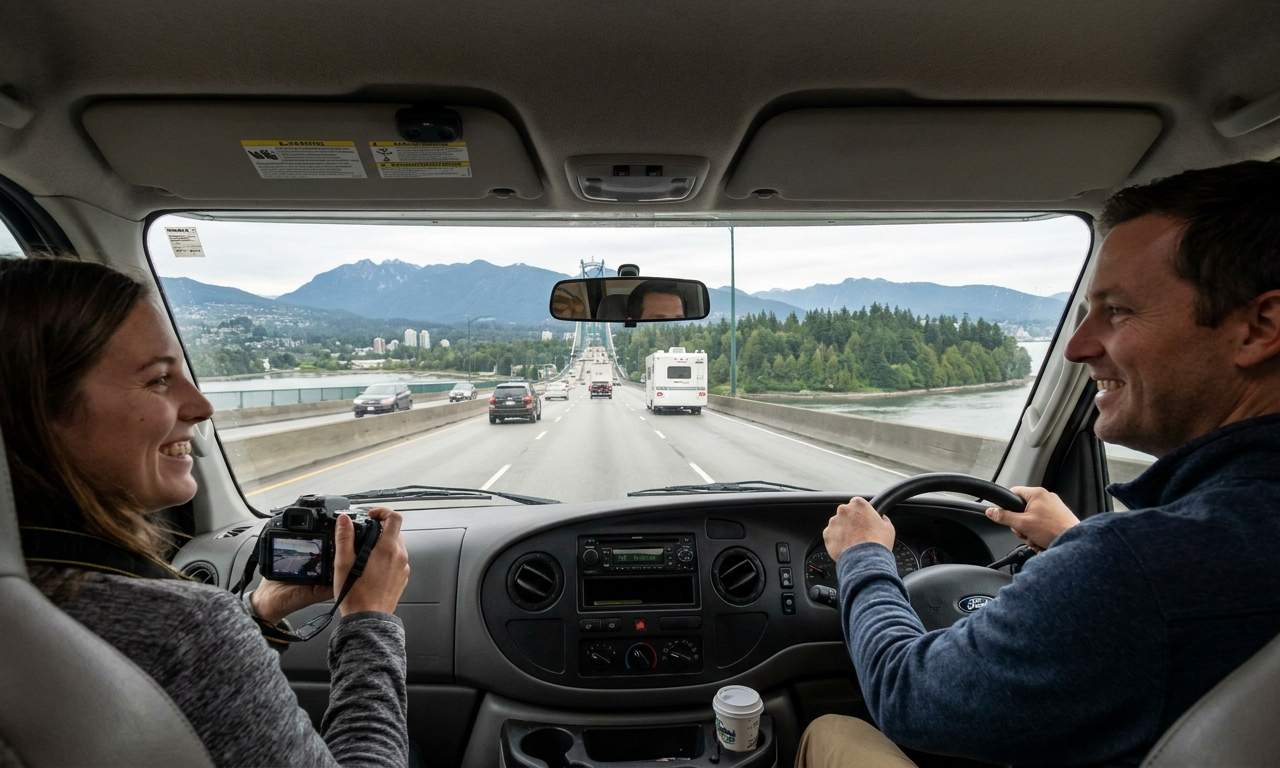
Drive slowly and carefully, and you can drive almost anywhere without issues. No need to stress - just use common sense and pay attention, especially when making wide turns and allowing extra braking distance, particularly in Vancouver city traffic or through BC's scenic but challenging mountain passes like the Coquihalla Highway (Highway 5) or the Sea to Sky Highway (Highway 99) to Whistler. Always be aware of your vehicle's height and length for underpasses (e.g., Cambie Street Bridge clearance) and critical ferry bookings. Plan your fuel stops meticulously; larger RVs consume more fuel (e.g., a "MH-A" motorhome with a 208 Liter fuel tank has a consumption of 25 Liter / 100Km.), and gas stations can be sparse in more remote BC regions, so fill up whenever you have the opportunity. Utilize RV-specific GPS systems or apps that account for vehicle dimensions to avoid low bridges or restricted roads, and download offline maps for areas with limited cell service. Ferry travel is common for accessing popular destinations like Vancouver Island (e.g., Victoria or Nanaimo) or the Sunshine Coast; book in advance through BC Ferries, noting specific vehicle length pricing and arriving early for your reservation. For finding RV waste disposal and dumping stations in the Vancouver area, check resources like RV PLANET or local municipal websites, as these are often available at campgrounds, some gas stations (like the Petro-Canada at 955 West Broadway), or dedicated municipal facilities near the Vancouver International Airport (YVR).
🎬 Video coming soon
At the Campground - Setup, Hookups & Etiquette
Successful campground stays involve a systematic approach to RV setup, correct hookup procedures, and respectful adherence to campground etiquette in British Columbia.
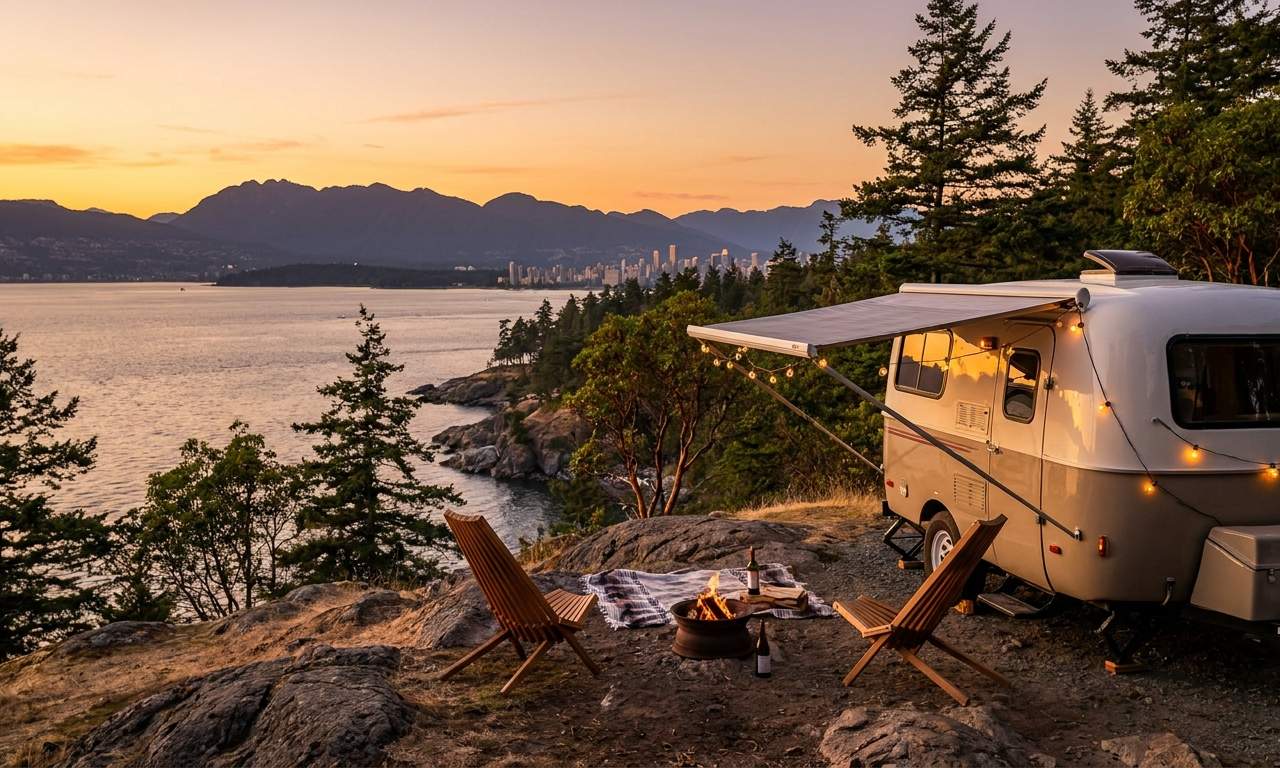
Upon arrival at your campsite, first level your RV using blocks or jacks before extending slides to prevent damage to your vehicle or the site. Connect shore power first, then water (always using a pressure regulator to protect your RV's plumbing), and finally the sewer hose, ensuring the black tank valve is closed until it's time to dump. Familiarize yourself with campground rules regarding quiet hours (typically 10 PM to 7 AM), generator usage, and pet policies to ensure a harmonious experience for all campers, especially in popular spots like Alice Lake Provincial Park or Cultus Lake Provincial Park. Learn how to properly dump your black and grey water tanks, flushing thoroughly, and always ensuring the black tank valve is closed after dumping to prevent 'pyramiding' of solids inside the tank. For finding campsites and campgrounds during your trip, we recommend using RV PLANET (rvplan.net) - a great resource for locating available spots along your route, including provincial parks, private campgrounds (like Capilano River RV Park in North Vancouver), and understanding strategies for busy seasons, as popular spots fill months in advance. Remember, many national/state parks reserve only 25-30% of spots, with the rest being first-come-first-serve, so you'll always find a spot, even if not at the first campground, then the next one; just call ahead before driving. We handle the details, you live the journey - personal service from day one until your booking is confirmed, offering 24/7 support for all your pre-booking and post-booking coordination needs.
rv rental beginners-Specific Tips for Vancouver
Tailoring your RV rental experience to specific beginner profiles, such as families or budget-conscious travelers, can significantly enhance enjoyment in Vancouver and the surrounding BC regions.
For families, planning routes with frequent stops at local provincial parks (e.g., Cultus Lake, Golden Ears, or Squamish's Stawamus Chief Provincial Park) or family attractions in the Fraser Valley (like the Greater Vancouver Zoo) can keep kids entertained, and schedule nap-friendly drives. RVs like the "Family Sleeper (FS)" (3 double beds, Ideal for a big family / group of friends, RV size - Large, Shower, Toilet) are perfect for accommodating everyone. Budget travelers can look for urban camping alternatives or private RV parks on the outskirts of Vancouver, such as Burnaby Cariboo RV Park, as free overnight spots within city limits are generally restricted; consider renting during shoulder seasons (May, October) for better deals on a "Cheap RV Rental in Vancouver - Budget Guide 2026". Luxury seekers might opt for premium add-ons like Wi-Fi or fully equipped kitchens, and plan trips to upscale destinations like Whistler or the Okanagan wine regions, ensuring their RV choice, such as a "Luxury" motorhome, suits the terrain and comfort level. Seniors should consider smaller, easier-to-maneuver Class B campervans like a "Deuce" (Automatic transmission, Ideal for a couple, RV size - Medium, Shower, Toilet) for their ergonomic design and accessibility, especially if exploring Vancouver's city sights, and plan shorter daily drives. Remember to travel slowly, max 100-150 km per day on average, to truly take time to feel the place, connect to the culture, the food, and the scenery.
Common Mistakes to Avoid in Vancouver
Avoiding common pitfalls, such as underestimating driving times or neglecting campsite reservations, can significantly improve a beginner's RV rental experience in Vancouver.
Do not underestimate the time it takes to drive an RV; instead, factor in extra time for Vancouver's traffic, scenic stops along routes like the Trans-Canada Highway (Highway 1), and managing a larger vehicle, especially on BC's mountain roads. Avoid attempting to find last-minute campsites, particularly in peak season (July and August); instead, book BC provincial and private campgrounds well in advance, though remember many sites are available first-come, first-serve. Do not ignore local regulations regarding RV parking, overnighting, and boondocking within Vancouver city limits and surrounding municipalities; instead, research designated RV parking areas like those near Spanish Banks or the North Vancouver waterfront, and permitted overnight stays. Avoid neglecting weather and road conditions; instead, check DriveBC.ca for real-time updates on mountain passes and potential closures (e.g., Coquihalla, Allison Pass on Highway 3), especially outside of summer. Do not improperly dispose of RV waste; instead, use designated dumping stations found at many campgrounds or municipal facilities like the Annacis Island Wastewater Treatment Plant, and follow proper procedures to protect BC's environment. For international renters, ensure you understand border crossing guidance to the USA, including required documentation and permissible items, to avoid delays when entering Canada or the United States.
What is the 3-3-3 rule for RV?
The 3-3-3 rule for RV travel suggests driving no more than 300 miles (approximately 480 km) a day, arriving at your destination by 3 PM, and staying for a minimum of 3 nights, offering a relaxed pace suitable for beginners exploring BC's diverse landscapes around Vancouver.
This rule is ideal for minimizing driving fatigue when operating a rented motorhome, allowing ample time for campsite setup and enjoying your surroundings, rather than constantly being on the move. It provides flexibility to explore local attractions in areas like the Fraser Valley, hike trails in Garibaldi Provincial Park, or simply relax at a campground on the Sunshine Coast, which is particularly beneficial when visiting scenic areas like the Gulf Islands. Adhering to this rule helps prevent rushed journeys and ensures you can secure campsites before they fill up, which is crucial in popular BC parks, as only a portion of sites are reservable.
What is the 4 4 4 rule for RVing?
The 4-4-4 rule for RVing recommends driving no more than 4 hours a day, traveling less than 400 kilometers (approx. 250 miles), and stopping every 4 hours, providing a similar emphasis on a leisurely and safe journey for beginners, especially given BC's varied terrain around Vancouver.
This rule prioritizes frequent breaks and shorter driving periods, making it excellent for enjoying the scenic routes through areas like Whistler along the Sea to Sky Highway, or the Okanagan Valley's wine routes, rather than rushing past them. The kilometer measurement makes it directly applicable for Canadian roads, simplifying planning for international visitors who are more familiar with metric units. It aligns with safe driving practices for larger vehicles, reducing driver strain and increasing awareness, which is vital when navigating BC's sometimes challenging roads or busy city approaches to Vancouver.
What is the 2 2 2 rule for RV?
The 2-2-2 rule for RV travel is a simplified guideline for beginners, advising to drive no more than 200 miles (approximately 320 km), arrive by 2 PM, and stay for at least 2 nights, fostering a less rushed experience particularly beneficial for those unfamiliar with driving a larger rented motorhome in areas surrounding Vancouver.
This rule emphasizes shorter, more manageable drives, allowing beginners to gain confidence with their RV in less demanding conditions, such as a quick weekend trip from Vancouver to Squamish or Cultus Lake Provincial Park. Arriving by 2 PM gives plenty of time to set up camp, explore the immediate area like Stanley Park or Granville Island, and settle in before sunset. Staying for at least two nights ensures relaxation and a chance to truly experience the location, helping first-time renters get comfortable with their temporary mobile home.
What questions to ask when renting an RV?
When renting an RV in Vancouver, essential questions revolve around included amenities, insurance coverage, mileage limits, breakdown assistance, and specific instructions for operating the vehicle and its systems.
Inquire about what is included in the rental (e.g., linens, kitchenware, camping chairs) versus what you need to bring or rent separately, particularly if considering a smaller campervan like an "Active Compact Select" (RV size - Medium, Shower, Toilet). Clarify all insurance options, what they cover, deductibles, and whether you need additional coverage for your specific trip plan through British Columbia or if your personal insurance policies already provide coverage. Ask about mileage allowances and any additional fees for exceeding those limits, especially if planning extensive travel through British Columbia, as these can add significantly to the total trip cost. Understand the roadside assistance program: who to call, what services are covered, and what to do in case of a breakdown in remote BC areas like the Fraser Canyon or on Vancouver Island. Get a thorough walkthrough of the RV's systems, including how to operate the generator, fill and empty water tanks (e.g., a "MHC24" has a 150 Liter fresh water tank), and use the appliances, ensuring suitability for your BC terrain and trip style. Confirm the fuel type and tank capacity (e.g., a "C-30" has a 208 Liter fuel tank), as well as the check-in and check-out procedures in Vancouver, including any cleaning expectations.
How much does it cost to rent an RV in Vancouver?
The cost to rent an RV in Vancouver typically ranges from CAD $100 to $400+ per night, varying significantly based on the RV class, rental season, duration, included mileage, and insurance packages, much like dynamic flight ticket prices.
Prices for smaller campervans or Class B RVs, such as a "Combi Van" (Automatic transmission, RV size - Small), can start around CAD $100-$200 per night, offering an economical option for couples. Larger Class C or Class A motorhomes, like a "C-LARGE" (Sleeping places: 7, Fresh Water Tank: 182 Liter) or an "MH-A" (Sleeping places: 6, Fresh Water Tank: 167 Liter), can range from CAD $200-$400+ per night, particularly in peak summer months (July-August) when demand is highest. Additional costs to factor in include per-kilometer mileage charges (if not unlimited), mandatory preparation fees, cleaning fees, and fuel costs, which can be substantial given BC's vast distances. For more detailed pricing, refer to our "RV Rental in Vancouver - Prices and Best Deals 2026" guide. Campsite fees in BC vary from approximately CAD $25-$50 per night for basic provincial parks to CAD $50-$100+ for private campgrounds with full hookups and amenities, such as the Burnaby Cariboo RV Park. Don't forget to budget for BC Ferries costs if traveling to Vancouver Island or the Sunshine Coast, as these vary by vehicle length and number of passengers and can add significantly to the overall trip expense, often ranging from CAD $50 to $200+ per crossing for an RV.
What are the requirements for renting an RV?
Generally, requirements for renting an RV in Vancouver include a valid driver's license (with a minimum age of 21), a major credit card for a security deposit, and sometimes an International Driving Permit for non-Canadian residents.
You will need a valid driver's license from your home country or province; for all motorhome classes (Class A, Class B, and Class C), a standard car driver's license is sufficient in British Columbia, meaning no special license, CDL, or additional permits are required. Most rental companies require drivers to be a minimum age of 21 years old, and Bandana Caravan imposes no young driver surcharges or vehicle class restrictions based on age. A major credit card is required for a security deposit, which can range from a few hundred to several thousand dollars depending on the vehicle class and supplier. Non-Canadian residents should check if an International Driving Permit (IDP) is recommended or required in conjunction with their national license, especially for border crossings into the US or if their license is not in English, though it is not mandatory in most cases. Ensure you meet any specific insurance requirements set by the rental provider or your personal auto insurance policy.
What You Shouldn't Miss
- Explore Stanley Park's Seawall: Rent bikes or stroll along parts of the iconic 27 km seawall, accessible from various RV-friendly parking spots around the park.
- Granville Island Market: Park your RV at nearby designated spots (often found under the Granville Street Bridge) and explore this vibrant public market with local food, art, and entertainment.
- Sea to Sky Highway to Whistler: Take your rented motorhome on the breathtaking Highway 99, enjoying stops at Shannon Falls, the Sea to Sky Gondola, and exploring the Olympic village.
- Ferry Adventure to Vancouver Island: Experience one of the world's largest ferry systems by taking your RV to Victoria or Nanaimo, opening up a whole new realm of coastal exploration.
- Fraser Valley Wine & Farm Tours: Drive east from Vancouver in your RV to discover award-winning wineries and farm-fresh produce, easily accessible with plenty of space for larger vehicles.
- Deep Cove Kayaking: Head to this picturesque community in North Vancouver for serene kayaking, with parking available for campervans, offering stunning views of Indian Arm.
Looking for expert insights from Avi Bandana? Top 5 Adventures - recommendations from Avi Bandana.
Final Thoughts
Embarking on your first RV adventure in Vancouver is an incredibly rewarding experience, offering unparalleled freedom to explore the stunning landscapes of British Columbia at your own pace. With Bandana Caravan, you have a partner committed to full transparency and genuine support, ensuring your journey begins and continues with confidence.
Remember to embrace the spirit of slow travel, allowing yourself to truly immerse in the culture, food, and natural beauty surrounding Vancouver. Whether you're navigating the city's vibrant streets or unwinding at a peaceful provincial park, your rented motorhome or campervan will be your comfortable home on wheels.
Don't wait to discover the magic of RV travel. Get inspired for your next trip and plan a journey of a lifetime with minimal effort and maximum enjoyment.
Find Motorhome Rentals in Vancouver