
In This Guide
- Top 5 Tips for RV Rental in UK
- Before You Book - Class, Dates, Insurance
- Pre-Trip Prep - Packing Checklist for UK
- On the Road - Driving, Fueling, Navigation
- At the Campground - Setup, Hookups & Etiquette
- RV beginners-Specific Tips for UK
- Common Mistakes to Avoid in UK
- How much does it cost to rent a motorhome in UK?
- Can you wild camp in UK with a motorhome?
- What is the best month to motorhome in UK?
- Is it hard to drive an RV in UK?
- What can you not do in a motorhome UK?
- Do I need a special license to drive a motorhome in UK?
- What You Shouldn't Miss
- Why Book with Bandana Caravan
- Final Thoughts
- Frequently Asked Questions
Embarking on your first motorhome adventure in the UK is an exciting prospect, offering unparalleled freedom to explore stunning landscapes from the Scottish Highlands to the Cornish coast. The UK, with its rich history, charming villages, and diverse scenery, is perfectly suited for a rented motorhome journey, providing a cozy mobile base for your explorations. As true RV specialists, we understand that for beginners, navigating a new vehicle in a new country can seem daunting, but with the right preparation and support, it quickly becomes an incredibly rewarding experience. For live availability and current prices, start with our RV Rental UK - Complete Guide 2026 guide, designed to help you plan your ideal trip with full transparency and no surprises. We're here to support you every step of the way, from comparing prices to coordinating your booking, ensuring you feel confident before, during, and after your adventure.
Top 5 Tips for RV Rental in UK
The UK offers unique RV travel experiences, and a few key tips can significantly enhance your first trip. Firstly, prioritize a rented vehicle size suitable for UK roads, as many rural lanes and village streets can be narrower than what you might be accustomed to.
Secondly, understanding UK-specific driving rules, such as driving on the left and mastering roundabouts, is crucial for a smooth journey. Thirdly, planning your route and booking campsites in advance, especially during peak seasons, will save you stress and ensure you have a comfortable spot for the night.
Fourthly, familiarize yourself with your rental motorhome's internal systems, including water, waste, and heating, before departing the rental station. Finally, pack adaptable clothing for the UK's varied weather, always including waterproofs and layers, so you're prepared for anything from sunny spells to sudden showers.
Remember, travel slowly, aiming for a maximum of 100-150 km per day on average, to truly immerse yourself in the culture, food, and scenery the UK has to offer. This allows for spontaneous stops and deeper connections with the places you visit.
Before You Book - Class, Dates, Insurance
Selecting the right motorhome class based on your group size and comfort preferences is crucial for a successful first RV rental in the UK. For couples, a compact campervan like a 2-berth model offers nimble navigation and easier parking in smaller towns, while families might prefer a 4-6 berth Class C motorhome providing more living space and separate sleeping areas.
Securing your rental dates well in advance is highly recommended, especially for peak seasons such as summer holidays and bank holidays, to ensure availability and potentially better rates. Prices for campervan rental in UK and motorhome rental in UK are dynamic, much like flight tickets, changing daily based on demand and seasonality. Understanding your insurance options is also essential; basic insurance is always included with your Bandana RV rental. To see prices including the most comprehensive coverage, simply select that option during your search on our platform, and all relevant insurance options will be clearly displayed. You can also upgrade to a top-level deductible for extra peace of mind, knowing you are covered should any unexpected events occur. We offer full price transparency, ensuring no hidden fees or surprises.
Pre-Trip Prep - Packing Checklist for UK
Preparing for an RV rental trip in the UK involves a comprehensive packing strategy that accounts for varied weather, practical living, and essential documentation to ensure a comfortable and secure journey. Think layers for clothing, as the weather can change quickly from sunny skies to a cool breeze; waterproof jackets and sturdy, comfortable shoes are a must for exploring both cities and countryside. Don't forget basic cooking essentials if you plan to utilize your motorhome's kitchen, along with reusable bags for groceries and a few tea towels. On the routes offered through RV PLANET routes, you can itemize and track every expense along the way for easy budgeting.
For safety, a small first-aid kit, a high-visibility vest, and a warning triangle are prudent additions, though many rental companies include standard safety equipment. Critical documents include your driving license (a standard car license is sufficient for all motorhome classes up to 3,500kg MAM, and often up to 7,500kg MAM depending on when you passed your test), passport, your rental agreement, and insurance details. For budgeting and managing trip expenses beyond the initial RV rental cost, remember that on RV PLANET routes, travelers can itemize and track every expense along the way for easy budgeting, making financial planning simple and transparent.
On the Road - Driving, Fueling, Navigation
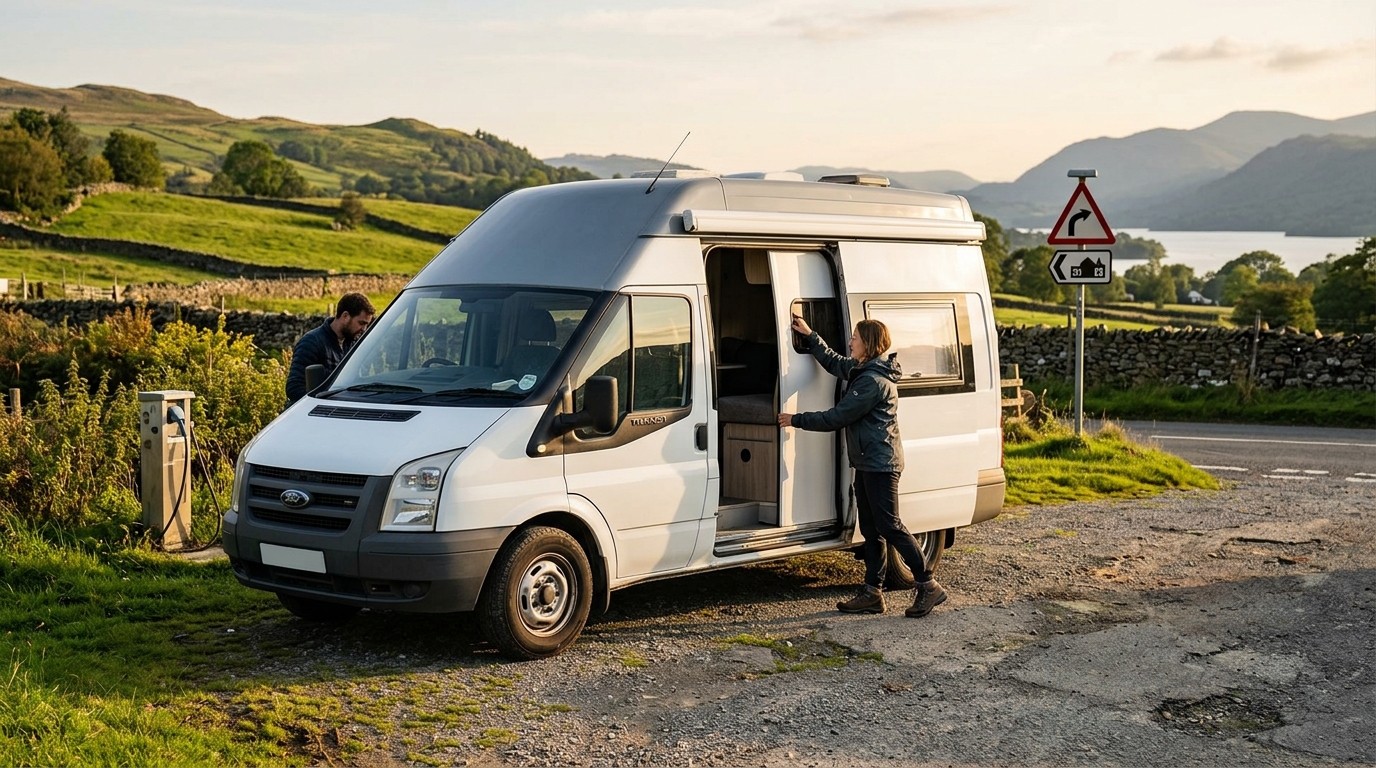
Navigating a rented RV in the UK requires specific awareness of narrow roads, left-hand driving, unique road features, and strategic fueling stops to ensure a safe and enjoyable journey. Drivers accustomed to right-hand traffic will need to adjust to driving on the left side of the road, and be especially mindful of roundabouts, which are very common and require clear understanding of lane discipline. While you can drive almost anywhere without issues, drive slowly and carefully, using common sense and paying close attention, especially with a larger motorhome.
Anticipate narrow rural roads, particularly in scenic areas like the Scottish Highlands, Cornwall, or the Lake District, where hedges or stone walls might line the route. On single-track roads, 'passing places' are designated spots where drivers must pull over to allow oncoming traffic to pass; courteous use of these is a hallmark of UK rural driving. Planning for suitable parking in towns and cities is also important, as urban parking for larger RVs can be challenging, but many towns offer dedicated motorhome parking or out-of-town park-and-ride options. Locate fuel stations that can accommodate larger vehicles, and always verify fuel type, as diesel is very common for RVs and motorhomes in the UK. For optimal navigation, consider using RV-specific GPS or apps that allow you to input your vehicle dimensions, helping you avoid low bridges and tight turns. Bandana is a true RV specialist, focused exclusively on RV travel, offering unmatched personal experience and attention to the smallest details to help you navigate these practicalities.
At the Campground - Setup, Hookups & Etiquette
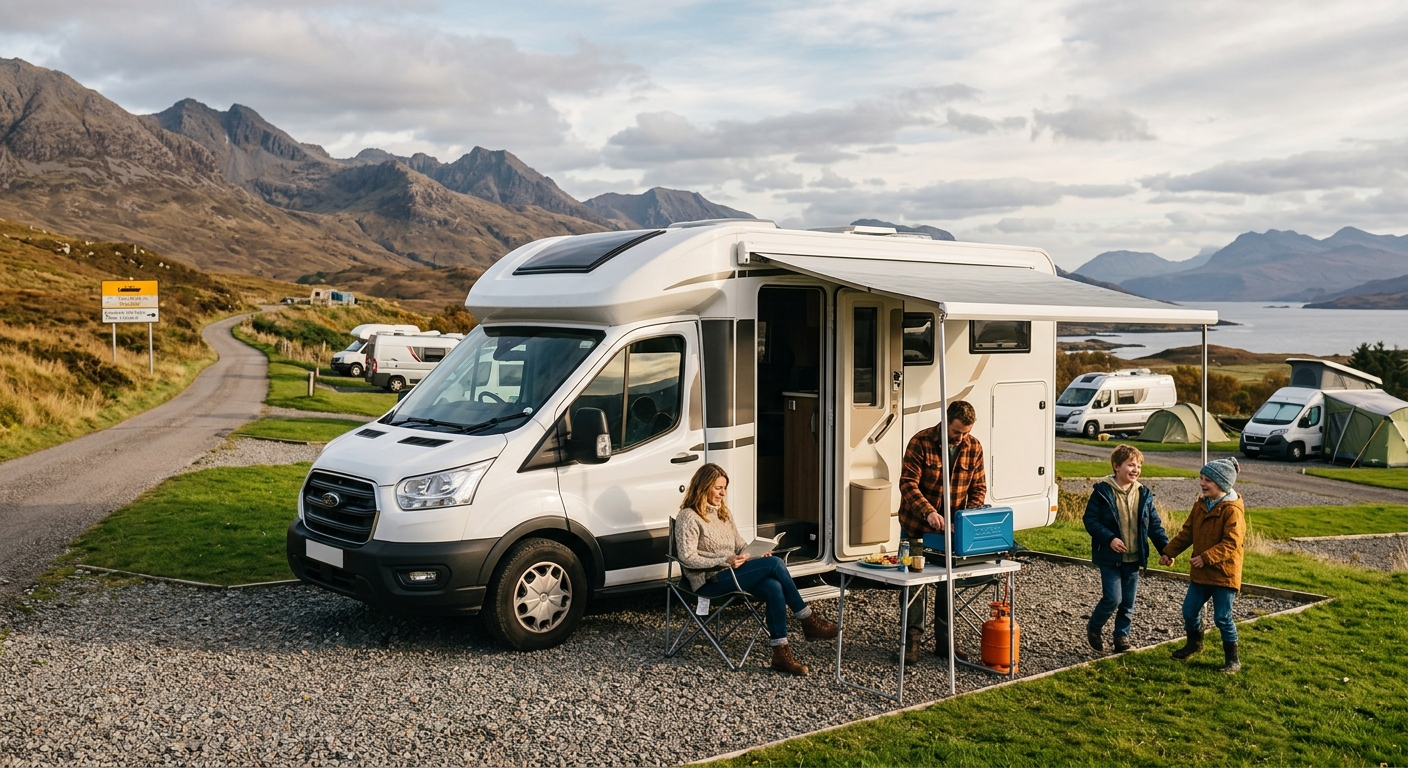
Setting up your rented RV at a UK campground involves a sequential process of leveling, connecting hookups (electricity, water, waste), and observing local etiquette to ensure a harmonious stay. Upon arrival, choose your pitch carefully, then park and level your RV using ramps or blocks to ensure internal appliances function correctly and for comfortable sleeping. Next, connect to the electrical hookup, usually a standard 240V, using the provided cable.
After electricity, connect your fresh water hose to the designated tap, ensuring it's clean and safe for drinking, and then position your waste water hose if your pitch offers grey water drainage. Familiarize yourself with the location of waste disposal points for both grey water (from sinks and showers) and black water (from the toilet cassette) as emptying these regularly is essential. At campgrounds, observing quiet hours, typically between 10 PM and 7 AM, is important for respectful communal living. Be considerate of your neighbors regarding noise, external lighting, and the use of your space. Remember to look for campsites using rvplan.net, a great resource for locating available spots along your route.
RV beginners-Specific Tips for UK
Tailoring your RV rental experience in the UK to your specific 'beginner' profile can significantly enhance your trip enjoyment and suitability. For budget-conscious beginners, consider opting for smaller, more fuel-efficient campervans, which often have lower daily rental rates and better fuel economy. Look for Certified Locations (CLs) or farm stays, often available for £10-£25 per night, which are more affordable and provide unique, quieter experiences compared to larger commercial parks. Preparing your own meals in your camper's kitchen is a great way to save money on food; explore our RV-friendly recipes playlist for inspiration.
For family-friendly trips, choose an RV rental with ample sleeping areas and storage, such as a Class C motorhome designed for 4-6 people, and plan kid-friendly entertainment for travel days. Schedule nap-friendly drives to ensure everyone remains rested and happy. Senior travelers often prioritize ease of driving; opting for automatic transmission models and ergonomic RV classes like the compact Class B campervan or a well-appointed Class C motorhome can make a big difference. For luxury experiences, select premium motorhomes with high-end amenities like separate showers or larger refrigerators, and consider additional services such as pre-stocking or delivery/setup to exclusive glamping or premium caravan sites. Regardless of your travel style, Bandana offers a diverse fleet of motorhome and campervan rentals from suppliers like El Monte and Britz, ensuring you find the perfect fit for your UK adventure.
Common Mistakes to Avoid in UK
First-time RV renters in the UK can avoid common pitfalls by understanding vehicle dimensions, planning routes realistically, booking campsites in advance, and correctly handling waste disposal. A frequent mistake is underestimating the rented motorhome's size, particularly its height and width, which can lead to difficulties on narrow country lanes or under low bridges. Always use RV-specific navigation and pay close attention to road signs for height and width restrictions.
Not booking campsites in advance is another common error; during peak season (July-August) and bank holidays, popular sites often fill up months ahead, making spontaneous stops difficult. It is important to secure your pitches early, as you'll find a spot, if not at the first campground, then the next one, but it is always wise to call ahead before driving a long distance. Ignoring weight limits and overloading the RV can affect handling, fuel efficiency, and even be illegal; pack only essentials and distribute weight evenly. Improper waste disposal is a serious offense; always use designated disposal points at campsites or approved service areas. Finally, rushing the itinerary is a mistake. Remember our recommendation for slow travel, allowing for shorter daily drives (max 100-150 km) to prevent fatigue and allow flexibility for unexpected delights.
How much does it cost to rent a motorhome in UK?
The cost to rent a motorhome in the UK typically ranges from £80-£250 per day in off-peak seasons to £150-£400+ per day during peak summer, with prices varying significantly based on vehicle size, rental duration, season, and included amenities. For example, a compact 2-berth campervan might start around £90/day in spring, while a larger 6-berth Class C motorhome could easily exceed £350/day in August. Daily or weekly estimates fluctuate; expect higher prices for shorter rentals and luxury models, much like flights, prices are dynamic and change daily.
Seasonal variations heavily influence pricing: peak season (July-August) commands the highest rates due to demand, while shoulder seasons (May-June, September) offer a good balance of pleasant weather and better value. Off-peak travel (October-April) is generally the cheapest but requires managing colder conditions. RV type directly impacts cost: smaller campervans like a "Category Van" or "Active Standard" are typically more affordable than larger, multi-berth motorhomes like a "6 Berth Deluxe" or "Euro Deluxe". Always consider additional costs for insurance upgrades (optional top-level deductible reimbursement for peace of mind), mileage allowances, cleaning fees, and fuel consumption when budgeting for your trip. Cost-saving tips include booking off-peak, opting for longer rental periods (week-long or two-week adventures often have lower daily rates), and utilizing your RV's kitchen to prepare meals instead of eating out. Our full transparency policy ensures that what you see is what you pay, with no surprise fees at pickup.
Can you wild camp in UK with a motorhome?
Wild camping with a motorhome in the UK is generally prohibited across England, Wales, and Northern Ireland without explicit landowner permission, while in Scotland, it is permitted under the Scottish Outdoor Access Code with strict adherence to 'leave no trace' principles and consideration for local communities. The legalities differ significantly by region: in England, Wales, and Northern Ireland, overnight stays outside designated campsites or private land with consent are largely illegal and can result in fines.
Scotland's Access Code provides a framework that allows responsible wild camping, provided you cause no damage, avoid enclosed land, stay away from roadsides, and respect privacy. Ethical considerations are paramount: always leave no rubbish, minimize visual impact, respect local communities, and avoid large groups. Robust legal alternatives are plentiful and include Certified Locations (CLs) and Certified Sites (CSs), which are small, private campsites often found on farms and estates, typically costing £10-£25 per night. Many rural pubs also offer free or low-cost overnight stopovers for patrons, often requiring a meal or drink purchase. Apps like Brit Stops and Park4Night are excellent resources for finding suitable overnight spots, sometimes for a small fee or a contribution to a local business. The nearest Bandana rental location to Highbridge is a great starting point for exploring these options.
What is the best month to motorhome in UK?
The best months to motorhome in the UK are typically May, June, and September, offering a favorable balance of pleasant weather, longer daylight hours, and fewer crowds compared to the peak summer season of July and August. May and June provide warming weather, blooming landscapes, and generally fewer tourists before the major school holidays begin, with average temperatures ranging from 10-18°C.
September offers crisp autumn days, decreasing crowds, and still manageable temperatures, especially in southern regions, often with average temperatures of 12-17°C. Peak season (July-August) brings the warmest weather, with averages between 15-22°C, but also maximum tourist numbers, requiring essential pre-booking for campsites and attractions, often 6-12 months in advance for popular spots. Weather impacts different regions; coastal areas and the Scottish Highlands can be unpredictable year-round, so packing layers and waterproofs is always wise. Booking necessities are critical during peak seasons, as popular sites fill up months in advance, though many national and state parks reserve 25-30% of spots for first-come-first-serve visitors. Off-peak travel (October-April) requires consideration for heating, potential road closures in mountainous areas, and shorter daylight hours, though it offers quieter experiences and significantly lower rental prices for your camper rental in UK.
Is it hard to drive an RV in UK?
Driving an RV in the UK can present challenges, especially for beginners or those accustomed to wider roads, due to narrow country lanes, numerous roundabouts, historic town centers, and left-hand driving, but it is manageable with careful planning and practice. For drivers from right-hand traffic countries, adapting to left-hand driving is the most significant initial adjustment. Narrow rural roads, often lined with hedges or stone walls, are prevalent in scenic areas like Cornwall or the Peak District, requiring precise steering and constant awareness of oncoming traffic.
Managing larger motorhomes in small, historic villages and towns can be tricky due to restricted access, low bridges (with height restrictions clearly marked), and limited parking. Roundabouts are abundant throughout the UK and require understanding right-of-way and lane discipline, which can initially feel complex. Unique road features like 'passing places' on single-track roads in areas such as the Scottish Highlands demand good communication and etiquette with other drivers, often requiring one vehicle to reverse to let the other pass. Accessibility for different RV sizes is key; while smaller campervans (like a "Category Van") offer greater flexibility, larger motorhomes may struggle on some very minor routes or access certain village centers. However, drive slowly and carefully, and you can drive almost anywhere without issues. No need to stress - just use common sense and pay attention, and your RV rental in UK will be an enjoyable experience.
What can you not do in a motorhome UK?
In a motorhome in the UK, you generally cannot wild camp in most areas without permission, drive in certain restricted city zones, park overnight on public roads where prohibited, or dispose of waste improperly. Firstly, it is crucial not to wild camp without explicit landowner permission in England, Wales, or Northern Ireland; only in Scotland can you adhere strictly to the Scottish Outdoor Access Code for responsible wild camping. Secondly, avoid driving your rented motorhome in Low Emission Zones (LEZs) or Ultra Low Emission Zones (ULEZs) in cities like London without proper vehicle registration and payment, as fines apply, often starting from £160 for non-compliant vehicles.
Thirdly, do not exceed the Maximum Authorised Mass (MAM) or the number of belted seats/berths specified for your vehicle, as this is illegal and unsafe. Fourthly, never dispose of grey or black water waste anywhere other than designated waste disposal points at campsites or approved service stations, to prevent environmental damage and adhere to regulations. Fifthly, do not park overnight on public roads where 'no overnight parking' or 'no motorhomes' signs are displayed; always check local parking regulations. Lastly, do not leave litter or create excessive noise, especially during quiet hours (typically 10 PM to 7 AM) at campsites or residential areas. Adhering to these guidelines ensures a respectful and lawful RV rental UK experience.
Do I need a special license to drive a motorhome in UK?
Most UK drivers with a standard Category B car license can drive motorhomes up to 3,500kg Maximum Authorised Mass (MAM), while larger motorhomes between 3,500kg and 7,500kg MAM may require a Category C1 license, depending on when your driving test was passed. If you passed your standard car test (Category B) before 1 January 1997, you are usually entitled to drive vehicles up to 7,500kg MAM (Category C1) without taking an additional test. This means many experienced drivers can operate a wide range of motorhome rentals, including many Class C models.
However, if you passed your standard car test (Category B) on or after 1 January 1997, you are generally limited to vehicles up to 3,500kg MAM without additional certification. For rented motorhomes exceeding 3,500kg MAM, a Category C1 license is typically required for those who passed their test post-1997. An International Driving Permit (IDP) is recommended for visitors from non-English-speaking countries but is not mandatory in most cases if your national license is in English. The minimum rental age is 21 for all motorhome classes, with no young driver surcharges and no vehicle class restrictions based on age, ensuring broad accessibility for a motorhome rental in UK. Always verify the MAM of your chosen motorhome and check your driving license endorsements before booking to ensure compliance.
What You Shouldn't Miss
The UK offers an incredible tapestry of experiences for the RV traveler. Here are a few highlights:
- Explore the Scottish Highlands: Drive the iconic North Coast 500 route (516 miles, 830 km) for breathtaking lochs, glens, and rugged coastlines. This route features over 100 campsites, many with electric hookups.
- Visit the Lake District National Park: Discover picturesque lakes, fells, and charming villages like Grasmere. The park has over 40 RV-friendly campgrounds, offering a serene escape.
- Wander through Cornwall: Enjoy stunning beaches, historic fishing towns, and ancient sites. A two-week adventure allows you to explore the entire Cornish coast, with many campsites offering sea views.
- Immerse in History at Hadrian's Wall: Walk sections of the ancient Roman frontier, stretching 117 km across northern England, and visit fascinating museums and forts along the way.
- Discover the Cotswolds: Tour idyllic honey-colored villages and rolling hills. This Area of Outstanding Natural Beauty is perfect for slow travel, with numerous small, private campsites.
Looking for expert insights from Avi Bandana? Top 5 Adventures - recommendations from Avi Bandana.
🎬 Video coming soon
Final Thoughts
Your first RV rental trip in the UK promises an unforgettable adventure, filled with winding roads, historic charm, and breathtaking natural beauty. It's a journey of discovery, offering the freedom to explore at your own pace, linger longer in places you love, and create lasting memories. Remember, we're here to make the planning process as enjoyable as the trip itself, providing full transparency, dedicated support, and expert advice.
From choosing the right campervan or motorhome in UK to understanding local driving customs and finding the perfect campsite, every detail is managed with your peace of mind as our priority. So, go ahead, imagine yourself cruising through the verdant countryside or waking up to the sound of waves on a rugged coast. Your UK RV adventure awaits!
Ready to hit the road? Compare Motorhome Prices for UK now and start planning your incredible journey!
