In This Guide
- Top 5 Tips for rv rental beginners RV Rental in Tokyo
- Before You Book - Class, Dates, Insurance
- Pre-Trip Prep - Packing Checklist for Tokyo
- On the Road - Driving, Fueling, Navigation
- At the Campground - Setup, Hookups & Etiquette
- rv rental beginners-Specific Tips for Tokyo
- Common Mistakes to Avoid in Tokyo
- Is it a good idea to rent an RV in Japan?
- Can foreigners drive RV in Japan?
- How much does it cost to rent an RV in Japan?
- What type of RV is best for Japan?
- Can you freedom camp in Japan?
- How many days do you need for RV in Japan?
- Where can I park my campervan in Tokyo?
Top 5 Tips for rv rental beginners RV Rental in Tokyo
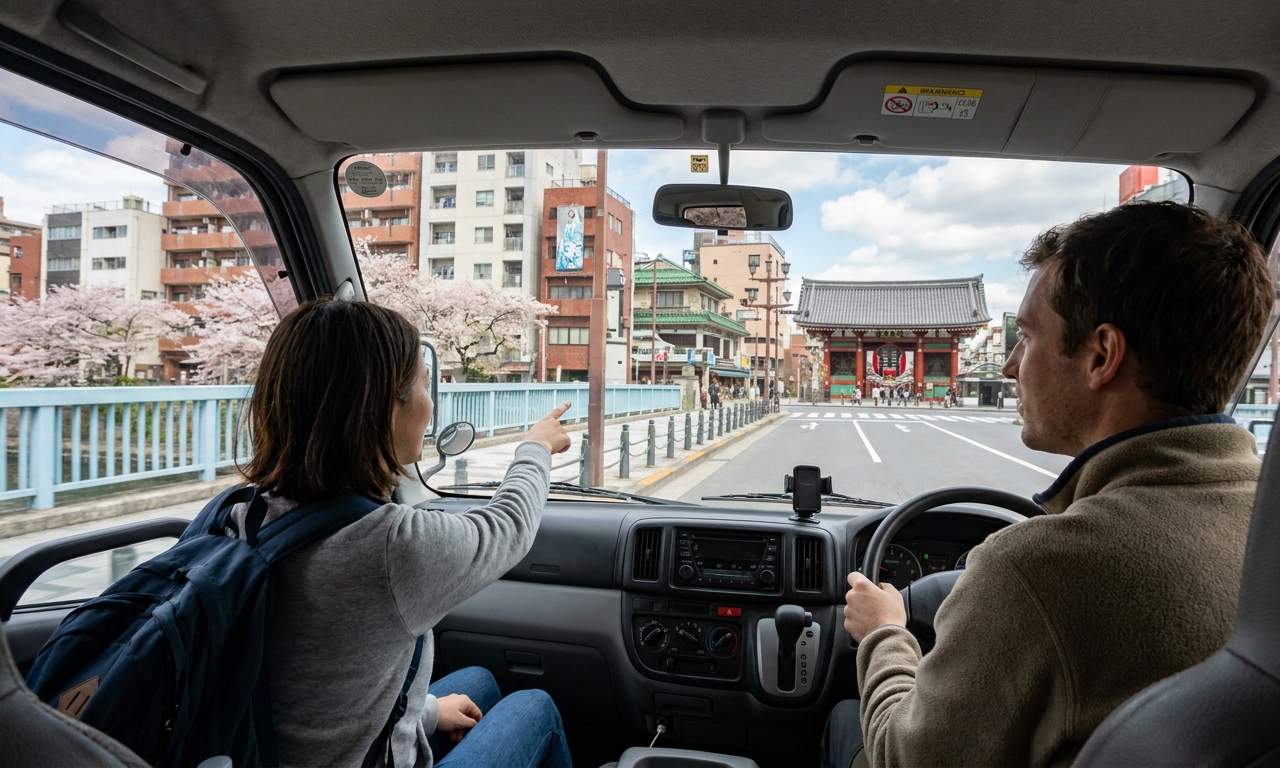 Opting for a compact RV, such as a campervan or 'van conversion', is highly recommended for easier navigation on Tokyo's often narrower streets and in parking facilities. The nimble nature of a small Class B motorhome, like a "Category Van" or "Active Pop Top" model, makes maneuvering through urban and suburban environments far less stressful than with a larger Class C motorhome. Imagine comfortably driving your rented RV through quieter districts near Tokyo Bay, or easily fitting into parking at a local grocery store, which might be impossible with a bigger rig.
Planning your overnight stays at dedicated RV parks or Michi-no-Eki (roadside stations) outside central Tokyo will effectively help you avoid city parking challenges. Many Michi-no-Eki in surrounding prefectures like Saitama or Chiba offer excellent, safe spots for your rented motorhome. Before you start your journey, familiarize yourself with Japan's road rules, including driving on the left and understanding the Electronic Toll Collection (ETC) system for toll roads like the Shuto Expressway.
Consider adopting a 'park and ride' strategy: park your rented RV outside the bustling city center, perhaps at a Michi-no-Eki like Hachioji Takiyama (40km west of Shinjuku), and utilize Tokyo's incredibly efficient public transport. This allows you to experience iconic landmarks like the Shibuya Crossing or the Imperial Palace without the stress of driving and parking a motorhome in dense urban traffic. Finally, ensure you have an International Driving Permit (IDP) valid for Japan, as it is a mandatory requirement for foreign drivers. You can explore more planning tips in our RV Travel Guide to Tokyo - Tips and Top Spots 2026.
Opting for a compact RV, such as a campervan or 'van conversion', is highly recommended for easier navigation on Tokyo's often narrower streets and in parking facilities. The nimble nature of a small Class B motorhome, like a "Category Van" or "Active Pop Top" model, makes maneuvering through urban and suburban environments far less stressful than with a larger Class C motorhome. Imagine comfortably driving your rented RV through quieter districts near Tokyo Bay, or easily fitting into parking at a local grocery store, which might be impossible with a bigger rig.
Planning your overnight stays at dedicated RV parks or Michi-no-Eki (roadside stations) outside central Tokyo will effectively help you avoid city parking challenges. Many Michi-no-Eki in surrounding prefectures like Saitama or Chiba offer excellent, safe spots for your rented motorhome. Before you start your journey, familiarize yourself with Japan's road rules, including driving on the left and understanding the Electronic Toll Collection (ETC) system for toll roads like the Shuto Expressway.
Consider adopting a 'park and ride' strategy: park your rented RV outside the bustling city center, perhaps at a Michi-no-Eki like Hachioji Takiyama (40km west of Shinjuku), and utilize Tokyo's incredibly efficient public transport. This allows you to experience iconic landmarks like the Shibuya Crossing or the Imperial Palace without the stress of driving and parking a motorhome in dense urban traffic. Finally, ensure you have an International Driving Permit (IDP) valid for Japan, as it is a mandatory requirement for foreign drivers. You can explore more planning tips in our RV Travel Guide to Tokyo - Tips and Top Spots 2026.
Before You Book - Class, Dates, Insurance
Choosing the right RV class for your Tokyo adventure involves balancing comfort with maneuverability. For navigating Tokyo's urban and suburban areas, compact models like campervans or Class B RVs (e.g., a "Patagonia Camper 4x4 double cab" for those seeking a smaller footprint, or a "hire campervan example Paradise S/T" for a bit more comfort) are generally recommended. If your plans involve more extensive travel outside Tokyo to places like Hakone or Nikko, where roads are wider and parking more plentiful, a medium Class C motorhome offering amenities like a shower and toilet might be suitable. For families, a model like an "rv rentals example Comfort Class" with "3 double beds" could provide ample space. Booking dates well in advance, especially during peak seasons such as cherry blossom (March-April) or autumn foliage (October-November), ensures better availability and potentially more favorable rates. Prices are dynamic like flight tickets, changing daily based on availability, seasonality, and supplier marketing decisions, so booking early can often secure better deals. We believe in full transparency: what you see is what you pay, with no surprise fees at pickup, which is why we show final prices across suppliers directly on our platform. Understanding insurance options is crucial for peace of mind while renting an RV in Japan. Basic insurance is always included with your rental. For the most comprehensive coverage and extra peace of mind, you can upgrade to a top-level deductible reimbursement option during your search or booking process. This option ensures you are adequately covered for unforeseen events, allowing you to focus on enjoying your journey. Find more options by comparing Motorhome Prices for Tokyo.Pre-Trip Prep - Packing Checklist for Tokyo
Preparing a tailored packing list can significantly enhance your RV experience in and around Tokyo, ensuring you have all the essentials for Japan's diverse climates and activities. Think smart and compact, as space in any rented RV is always at a premium.- Lightweight, breathable clothing (for warmer months)
- Warm layers (for cooler months, especially outside Tokyo or in mountainous regions)
- Rain gear (jacket, umbrella)
- Comfortable walking shoes for city exploration and hiking boots for nature trails
- Compact cooking utensils and basic pantry staples for preparing meals in your RV, perhaps inspired by our RV-friendly recipes playlist
- Reusable water bottles and shopping bags (Japan is very eco-conscious)
- Travel-sized toiletries and any personal medications
- First-aid kit and emergency contact information
- Portable power bank and adapters for Japanese outlets (Type A/B, 100V)
- Flashlight or headlamp for evening strolls or campground use
- Passport and visa (if applicable)
- International Driving Permit (IDP) and your home country's driver's license
- RV rental confirmation and detailed itinerary
- Travel insurance documents
- Japanese phrasebook or translation app for local interactions
On the Road - Driving, Fueling, Navigation
Driving a rented RV in Tokyo requires familiarity with local road conditions, including often narrow streets, dense traffic, and specific toll systems. Japan drives on the left, so adjusting your driving habits will be your first task. Rest assured, driving slowly and carefully, you can drive almost anywhere without issues. No need to stress - just use common sense and pay attention. Understanding Japanese road signs, many of which also feature English translations, and utilizing a reliable GPS (many rental RVs come with English-language navigation) are essential for smooth travel. Fueling an RV in Japan is straightforward, with gas stations widely available, though prices can fluctuate, typically ranging from ¥160-¥180 (approx. $1.05-$1.20 USD) per liter. Always remember to check the correct fuel type for your rental motorhome before filling up. Navigating Tokyo's complex road network is significantly aided by real-time traffic updates, and it's advisable to avoid peak commuting hours on major arteries like the Shuto Expressway. Be aware of specific urban challenges such as height restrictions in parking garages (often 2.1-2.5 meters), tight turns on smaller streets in areas like Ginza or Shinjuku, and very limited RV-friendly parking within central Tokyo. Budgeting for specific urban parking rates, which can be as high as ¥500-¥1,000 per hour in central districts, and potential high toll road costs for entering/exiting the metropolitan area is crucial. For detailed route planning and itemizing every expense along the way for easy budgeting, we highly recommend exploring RV PLANET routes.At the Campground - Setup, Hookups & Etiquette
Mastering RV setup, hookups, and local etiquette is vital for a smooth and respectful camping experience in Japan, especially at Michi-no-Eki or dedicated RV parks near Tokyo. Upon arrival at your chosen spot, begin by leveling your rented RV to ensure comfort, then connect electrical hookups if available (often 100V, requiring an adapter for some foreign appliances), followed by water if needed. Afterward, responsibly manage waste disposal at designated dump stations. Japanese RV parks and Michi-no-Eki emphasize cleanliness and quiet hours, typically observed from 9 PM to 7 AM; adhere strictly to these times, minimizing noise and light to respect fellow travelers. Cultural etiquette dictates respectful waste disposal, using designated bins for different types of trash (which are meticulously separated in Japan), and maintaining a tidy space around your vehicle. This applies to both private RV parks, which often have premium amenities, and free Michi-no-Eki locations like Michi-no-Eki Hachioji Takiyama. Be mindful of your neighbors, avoiding loud conversations or music, especially in the evenings. Utilize facilities such as shared bathrooms and kitchens courteously, leaving them clean for the next person. For finding campsites and campgrounds during your trip, we recommend using RV PLANET (rvplan.net) - a great resource for locating available spots along your route, including details on facilities and fees. You'll find a spot; if not at the first campground, then the next one. It's always a good idea to call ahead before driving a long distance.rv rental beginners-Specific Tips for Tokyo
RV travel in Tokyo can be tailored to various traveler types, offering unique advantages for each. For families, renting an RV in Tokyo means prioritizing models with ample sleeping space and a small dining area, such as a Class C motorhome like the "rent rv example A3" which is "Ideal for family of 2+2" or a "camper for rent example Alcove Sport Plus". Planning kid-friendly routes with frequent stops for breaks at Michi-no-Eki or scenic spots like Hakone, ensures everyone enjoys the journey. Senior travelers can benefit from ergonomic RV designs, such as models with easy access steps and comfortable seating, selecting routes that avoid overly strenuous driving conditions. Smaller Class B campervans with automatic transmissions like a "2 Berth Hi Top" can offer greater ease of handling. Budget-conscious beginners should focus on compact RVs to save on fuel and tolls. Researching free overnight parking spots at certain Michi-no-Eki near Tokyo, rather than paid campgrounds, and cooking meals in the RV kitchen can significantly reduce expenses. Explore our Cheap RV Rental in Tokyo - Budget Guide 2026 for more cost-saving tips. Luxury-oriented travelers can explore premium RV rentals offering additional amenities like advanced entertainment systems or specialized kitchenette appliances. Models such as a "rent rv example E3" or a "luxury rv rentals example Carthago Malibu 600" provide enhanced comfort. Consider unique glamping-style RV experiences tailored for comfort, perhaps at a high-end RV resort just outside the city with onsen access. Our dedicated team is here to help you compare Luxury RV Rental in Tokyo - Premium Prices 2026 and find the perfect fit for your sophisticated adventure.Common Mistakes to Avoid in Tokyo
Beginners renting an RV in Tokyo can significantly enhance their trip by being aware of common pitfalls, such as underestimating city driving challenges and overlooking crucial cultural nuances. The urban environment of Tokyo is unique, and anticipating these hurdles will make your trip smoother. **Mistake 1: Trying to drive the RV extensively within central Tokyo.** The city's streets are often narrow, traffic is dense, and RV-sized parking is scarce and expensive. Instead, plan to park your rented motorhome at designated, RV-friendly spots on the outskirts of the city, such as Michi-no-Eki Hachioji Takiyama, or larger parking facilities near major train stations like Shinagawa or Ueno. From there, utilize Tokyo's efficient public transport system for city exploration. **Mistake 2: Not securing an International Driving Permit (IDP) specific to Japan.** Your standard driver's license from your home country is not sufficient for driving in Japan. Ensure you obtain the correct IDP before your trip, as you cannot get one after arriving. This permit must be presented alongside your original license at all times. **Mistake 3: Overlooking the importance of Japanese road etiquette and parking rules.** Research and adhere to local customs regarding noise levels, waste disposal, and designated parking areas, especially at Michi-no-Eki. Improper waste disposal can lead to fines and a negative perception of RV travelers. For instance, always separate trash meticulously into burnable, non-burnable, plastics, and recyclable categories. **Mistake 4: Underestimating Tokyo-specific costs.** Budget for urban parking rates, which can be notably high near popular landmarks like the Tokyo Skytree or Shibuya Crossing. Also, account for potential high toll road costs for metropolitan entry/exit on expressways, which are significantly higher than many other countries. Fuel prices can also be higher in urban areas.Is it a good idea to rent an RV in Japan?
Renting an RV in Japan can be a fantastic idea for travelers seeking flexibility and a unique way to explore the country, particularly for touring scenic areas outside major urban centers like Tokyo. An RV provides a mobile base, allowing you to immerse yourself in Japan's stunning natural landscapes and rich cultural heritage at your own pace. The average daily travel distance of 100-150 km allows for slow travel, giving you time to truly connect with the culture, food, and scenery. While Tokyo itself presents specific challenges due to narrow streets, dense traffic, and limited RV parking, a rented motorhome allows you to comfortably access surrounding prefectures. Imagine driving a "Category Family 5" motorhome to explore serene areas like Hakone, Yamanashi (home to Mount Fuji), or the picturesque coastal towns of the Izu Peninsula. The extensive network of Michi-no-Eki (roadside stations) provides convenient and safe places for overnight parking and access to local amenities like clean restrooms and fresh local produce, enhancing your journey. An RV offers the freedom to create your own itinerary, stay in picturesque locations off the beaten path, and potentially save on accommodation costs compared to hotels, especially for extended road trips. It provides a comfortable 'home base' for families or groups, allowing for a more intimate and customizable travel experience. Integrated strategies for combining RV travel with Tokyo's public transport system, such as using 'park and ride' facilities on the city's outskirts, can effectively mitigate urban driving difficulties, making it an excellent option for exploring the wider region.Can foreigners drive RV in Japan?
Yes, foreigners can drive a rented RV in Japan, provided they possess a valid International Driving Permit (IDP) issued under the 1949 Geneva Convention or an official translation of their home country license for specific nationalities. It is crucial to obtain the correct IDP *before* arriving in Japan, as you cannot get one there, and it must always be presented alongside your valid original driver's license from your home country. Countries like Switzerland, Germany, France, Belgium, Monaco, and Taiwan require an official Japanese translation of their driving license, typically obtained through the Japan Automobile Federation (JAF) prior to arrival. The IDP is usually valid for one year from the date of issue or until your Japanese entry date, whichever is shorter, and you must be at least 21 years old to rent an RV in Japan (not 25), with no young driver surcharges for any vehicle class. Ensure your license class permits you to drive the specific type of RV you intend to rent. Most standard foreign licenses align with Japan's Class I (passenger vehicles), which covers all Bandana rental motorhomes and campervans, including Class A, Class B, and Class C. No special license or CDL is required. This clarity ensures a smooth start to your RV adventure, allowing you to confidently drive a "Group A" campervan or a "6 Berth Discovery" motorhome.How much does it cost to rent an RV in Japan?
The cost of renting an RV in Japan typically ranges from ¥10,000 to ¥30,000 (approximately $70-$200 USD) per day for a standard compact campervan or Class B motorhome. Prices vary significantly based on the RV size, rental season (peak season like cherry blossom or Golden Week can be higher), and duration of your trip. Larger, more luxurious RVs or those with extensive amenities, like a "Luxury Small" Class C motorhome, can cost upwards of ¥40,000 (around $270 USD) per day. Additional costs beyond the base rental include insurance (though basic is often included, comprehensive coverage like our top-level deductible reimbursement adds to the price), fuel (which is generally comparable to or slightly higher than Western prices, typically ¥160-¥180 per liter), and toll road fees. For Tokyo-specific travel, city parking rates can be high, often ¥500-¥1,000 per hour in central areas, making 'park and ride' or parking outside the city center a more economical choice. Toll road costs for entering/exiting the metropolitan area on expressways can also add up, so budget accordingly for these specific routes. You can track all these expenses on RV PLANET routes. Booking your RV rental in advance, especially outside peak seasons or by utilizing flexible dates, can often secure better deals. Prices are dynamic and subject to daily changes based on availability, similar to flight tickets. For the best value, explore our "RV Rental in Tokyo - Prices and Best Deals 2026" or "Cheap RV Rental in Tokyo - Budget Guide 2026" guides. What you see on our platform is what you pay, as we ensure full transparency with no hidden fees, offering comparison of final prices across suppliers like El Monte and Apollo.What type of RV is best for Japan?
The best type of RV for Japan, especially for beginners or those intending to visit areas around Tokyo, is generally a compact model such as a campervan (known as 'car campers' or 'van conversions') or a Class B motorhome. These smaller vehicles, including options like a "Category Van" or "Active Bunk Auto," offer superior maneuverability on Japan's often narrow urban and rural roads, making navigation, parking, and negotiating traffic much easier than with larger rigs. Their compact design, typically under 6 meters (20 feet) in length, allows them to fit into more parking spaces, which are a premium in densely populated areas like central Tokyo. Compact RVs are also more fuel-efficient, with models like a "V2L" campervan often achieving 11-13 liters/100 km, leading to savings on fuel costs. While larger Class C RVs (such as a "29′ Class C Motorhome" or "6 Berth Discovery") offer more living space and amenities like more expansive kitchens and separate sleeping areas, they can be challenging to drive and park, particularly for first-timers in Japan's unique road environment. Consider an RV that balances your desired comfort with practical size limitations to ensure a smooth and enjoyable journey. For example, a "Category Small" motorhome (around 6.75 meters) could offer a good balance for couples. If your travel is primarily outside Tokyo in regions with wider roads, a Class C motorhome might be suitable, but for navigating the metropolitan area, a smaller footprint is almost always preferable.Can you freedom camp in Japan?
While 'wild camping' (setting up camp in undesignated areas) is generally not permitted in Japan and often frowned upon due to cultural norms emphasizing order and cleanliness, travelers can find numerous RV-friendly overnight parking alternatives. It's important to always be respectful of local rules and customs. The most popular and highly recommended option for overnight stays is Michi-no-Eki (roadside stations). These are government-designated rest stops that often allow RVs to park overnight for free, offering clean restrooms, local produce markets, and sometimes even restaurants or onsen (hot spring) access. Many Michi-no-Eki are strategically located on major routes and serve as excellent staging points for exploring regions surrounding Tokyo. For example, Michi-no-Eki Hachioji Takiyama is a popular spot accessible from western Tokyo. It's important to note that Michi-no-Eki are primarily rest stops, not campgrounds; while you can sleep there in your rented RV, setting up extensive camping equipment outside your vehicle (like awnings or chairs) is usually not allowed, and quiet hours should be strictly observed. Dedicated RV Parks (オートキャンプ場 - auto camp-jo) and campgrounds are also available throughout Japan, including within an hour or two's drive from Tokyo. These fee-based facilities offer full hookups, more extensive amenities, and traditional camping experiences. Always adhere to cultural etiquette, including proper waste disposal and maintaining quiet, respectful practices, to ensure a positive experience for everyone and preserve the privilege of overnight parking.How many days do you need for RV in Japan?
The ideal number of days for an RV trip in Japan varies depending on your itinerary and desired pace, but a minimum of 7-10 days is generally recommended to experience a region thoroughly. This allows for comfortable travel, averaging 100-150 km per day, giving you time to truly feel the place, connect to the culture, the food, and the scenery. For beginners focusing on areas around Tokyo, a 5-7 day trip could allow for a brief exploration of nearby prefectures like Hakone (famous for Mount Fuji views and hot springs), Yamanashi, or Nagano (for scenic mountains and outdoor activities). This duration provides a taste of RV travel without extensive city driving. Consider renting a compact campervan like a "Combi Van" for such a week-long trip. Longer durations, such as a two-week adventure (14-21 days), enable travelers to venture further, perhaps reaching Kyoto, Hokkaido, or Kyushu. This allows for a more relaxed pace, deeper immersion in diverse landscapes and cultures, and the flexibility to spend more time at favorite spots. Factor in travel time between destinations, as even with a rented RV, some journeys can be extensive, and always allow extra days for unexpected discoveries and flexibility in your route plans. Our "RV Rental Japan - Complete Guide 2026" offers more extended route ideas.Where can I park my campervan in Tokyo?
Parking a campervan or motorhome directly within central Tokyo is challenging due to limited space, strict parking regulations, narrow streets, and high parking fees, making a 'park and ride' strategy the most practical approach. Most central parking garages have height and length restrictions that exclude all but the smallest campervans. For example, popular areas like Shibuya, Shinjuku, or Ginza have very few public parking spots suitable for even a medium-sized RV. Dedicated RV parks or Michi-no-Eki (roadside stations) in surrounding prefectures, such as Chiba, Saitama, or Kanagawa, offer excellent RV-friendly overnight parking options within a reasonable commute to Tokyo via public transport. Michi-no-Eki Hachioji Takiyama (approx. 40km west of Shinjuku) is a popular and accessible example. After parking your rented motorhome at such a location, you can utilize Tokyo's excellent train and subway network for efficient city exploration. Consider parking at larger commercial parking lots on the outskirts of Tokyo that can accommodate oversized vehicles, such as those found near major shopping malls or suburban train stations. Some hotels outside the immediate city center may also offer larger parking spaces, but it is essential to confirm availability and suitability for an RV in advance. Always verify parking availability and restrictions beforehand, as attempting to find impromptu RV parking in Tokyo can be difficult and lead to fines. Be mindful of traffic congestion and potential emission zones if driving into the city center. For more localized advice, check our "RV Travel Guide to Tokyo - Tips and Top Spots 2026".What You Shouldn't Miss
- Drive to Mount Fuji (Fuji-Q Highland & Lake Kawaguchiko): Head southwest from Tokyo to the Fuji Five Lakes region. Park your rented motorhome near Lake Kawaguchiko or at a local RV park and wake up to stunning views of Mount Fuji. For thrill-seekers, Fuji-Q Highland amusement park is nearby.
- Explore Hakone's Hot Springs & Scenic Beauty: Just an hour or two's drive southwest of Tokyo, Hakone offers volcanic hot springs (onsen), stunning views of Mount Fuji, and the picturesque Lake Ashi. You can easily find RV-friendly parking at various spots in the region, including Michi-no-Eki Hakone-toge.
- Coastal Charm of the Izu Peninsula: Extend your drive south from Hakone to the Izu Peninsula. This area is known for its rugged coastlines, sandy beaches, fresh seafood, and numerous scenic drives perfect for a rented campervan. Many small RV parks dot the coast.
- Historical Nikko National Park: Northeast of Tokyo, Nikko is a UNESCO World Heritage site featuring elaborate shrines and temples amidst beautiful natural scenery, including waterfalls and autumn foliage. It's a manageable drive for a Class C motorhome, with ample parking at designated areas.
- Experience a Michi-no-Eki: Spend a night at a Michi-no-Eki, like Michi-no-Eki Hachioji Takiyama or Michi-no-Eki Hotarunosato, to experience Japan's unique roadside culture. Enjoy local produce, clean facilities, and a safe, free overnight stop.
- Looking for expert insights from Avi Bandana? Top 5 Adventures — recommendations from Avi Bandana
Final Thoughts
Venturing into RV travel in Tokyo as a beginner might seem like a grand undertaking, but with proper planning and the right mindset, it promises an incredibly rewarding and flexible way to explore Japan. Remember, the journey is just as important as the destination, so embrace slow travel, savor the moments, and immerse yourself in the unique experiences that await. Imagine the freedom of having your portable home as you discover bustling cityscapes and tranquil natural wonders. At Bandana RV, we're passionate about making your RV rental dreams a reality. We're here to offer seamless booking, transparent pricing, and expert advice from seasoned travelers. Our aim is to ensure your first RV trip in Tokyo is not just successful, but truly joyful and unforgettable. Get inspired for your next trip and allow us to handle the small details, so you can focus on living the journey. Find Motorhome Rentals in TokyoOn the routes offered through RV PLANET routes, you can itemize and track every expense along the way for easy budgeting.