For live availability and current prices, start with our RV Rental Switzerland - Complete Guide 2026 guide.
In This Guide
- Top 5 Tips for RV Rental Beginners in Switzerland
- Before You Book - Class, Dates, Insurance
- Pre-Trip Prep - Packing Checklist for Switzerland
- On the Road - Driving, Fueling, Navigation
- At the Campground - Setup, Hookups & Etiquette
- RV Beginners-Specific Tips for Switzerland
- Common Mistakes to Avoid in Switzerland
- What is the true cost of RV rental in Switzerland, beyond just the rental fee?
- Are there special rules for large RVs on Swiss roads?
- How can I combine an RV trip with public transport in Switzerland?
- What Swiss cultural etiquette should I know for an RV trip?
- How can I RV sustainably in Switzerland?
- What are some unique, off-the-beaten-path RV destinations in Switzerland?
- What are the best times to RV in Switzerland, considering seasons?
- Can I travel with my pet in an RV in Switzerland?
- What should I do in an RV emergency in Switzerland?
- What do I need to know for a multi-country RV trip into Switzerland?
Embarking on your first RV rental adventure in Switzerland promises an unforgettable journey through stunning alpine landscapes, picturesque villages, and vibrant cities. With a rented motorhome or campervan, you unlock a flexible and immersive way to experience this magnificent country at your own pace. For live availability and current prices, start with our RV Rental Switzerland - Complete Guide 2024 guide, which provides a comprehensive overview for any traveler.
Top 5 Tips for RV Rental Beginners in Switzerland
Navigating your initial RV rental in Switzerland is made easier by following these key tips to ensure a smooth and enjoyable trip. First, booking your RV well in advance, especially for high-season travel between June and August, is crucial for securing availability and often better daily rates, potentially saving up to 20-30% on your rental. Second, it's essential to familiarize yourself with Switzerland's specific road rules, particularly the mandatory motorway vignette for vehicles up to 3.5 tons (a CHF 40 annual sticker) and regulations for mountain passes like the Furka Pass, which can have seasonal closures.
Third, creating a comprehensive budget is vital, extending beyond just the rental fee to include fuel costs (which vary, but a Class C motorhome like the "cruise america rv rental example Explorer" uses about 11 liters per 100 km), tolls, campground fees, food, and activities. Using RV PLANET routes allows you to itemize and track every expense for easy budgeting. Fourth, choose an RV size appropriate for Swiss roads; while larger Class A or C motorhomes like the "24 Class C Motorhome" offer more space, smaller campervans such as the "luxury rv rentals example Carthago Malibu 600" provide greater maneuverability on narrower alpine routes and in town centers. Remember, you can drive slowly and carefully, and you can drive almost anywhere without issues. No need to stress - just use common sense and pay attention. Finally, plan your route to incorporate a mix of natural beauty and potential public transport use for city excursions, making the most of Switzerland's efficient network without constant vehicle relocation. Our experienced team at Bandana Caravan, true RV specialists, is here to support you before, during, and after your booking, ensuring full transparency with no hidden fees and real people behind you 24/7 for pre-booking comparisons and post-booking coordination. On the routes offered through RV PLANET routes, you can itemize and track every expense along the way for easy budgeting.
Before You Book - Class, Dates, Insurance
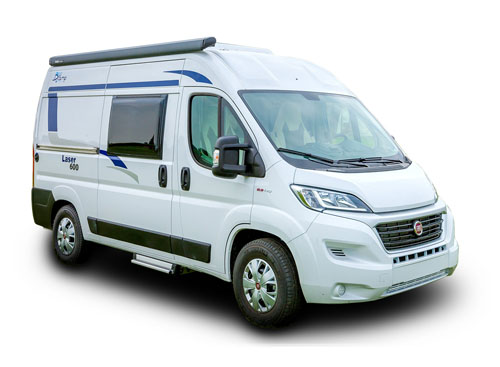
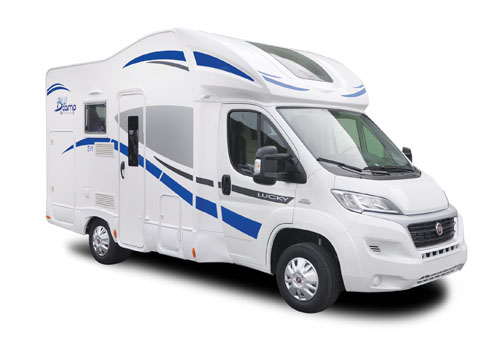
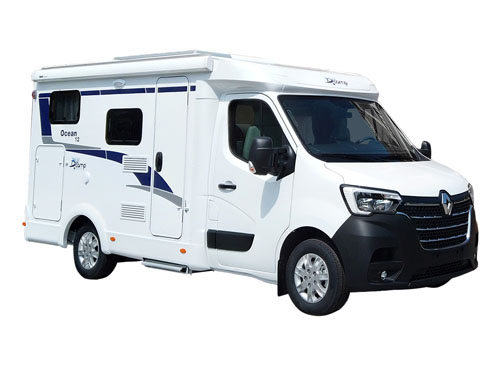
Choosing the right RV class for your RV rental in Switzerland involves balancing comfort with maneuverability for an optimal journey. For many beginners, smaller campervans or Class B motorhomes are often ideal due to their easier handling on winding mountain roads and in tighter city spaces; models like the "luxury rv rentals example Carthago Malibu 600" offer all the essentials in a compact footprint, often equipped with a shower and toilet. Families or larger groups might prefer a Class C motorhome, such as the "24 Class C Motorhome", which provides more living space, beds (like the bed over cab 152/203cm and rear double bed 152/203cm), and a more extensive kitchen with a 283-liter refrigerator.
Locking in your preferred rental dates early, ideally several months ahead, is particularly important if your trip falls during Switzerland's peak summer season (June to August) or major holidays, when demand for popular vehicles like the "rv rentals example Comfort Class" is highest. While some spontaneous travelers prefer to book day-to-day, many national and state parks reserve only 25-30% of their spots in advance, leaving the rest available on a first-come, first-serve basis. This means you'll likely find a spot; if not at the first campground, then at the next one - just remember to call ahead before driving. Regarding insurance, basic coverage is always included with your rental. For greater peace of mind, you can upgrade to a top-level deductible for extra protection; our comparison platform transparently shows all relevant insurance options when you search for your dates, ensuring no surprises. You can review detailed options when looking for RV Rental in Switzerland - Prices and Best Deals 2024.
Pre-Trip Prep - Packing Checklist for Switzerland
A well-prepared packing checklist is essential for a comfortable RV rental trip in Switzerland, ensuring you have everything you need for varied weather and activities. While most rental motorhomes, like the "MH2 - IDUNN" campervan, come equipped with basic kitchenware and bedding, it’s wise to bring personal items tailored to your adventure. Consider layers for clothing, as alpine weather can change rapidly; even in summer, a waterproof jacket and comfortable hiking shoes are necessities.
- Clothing:
- Layers (even in summer, alpine weather changes quickly)
- Waterproof jacket and trousers
- Comfortable walking/hiking shoes
- Swimsuit (for lakes/spas)
- Kitchen Essentials:
- Reusable water bottle and coffee cup
- Basic cooking spices and oil (to save on grocery costs)
- Reusable shopping bags
- Small cooler bag for day trips
- Safety & Navigation:
- First-aid kit
- High-visibility vest and warning triangle (mandatory in most of Europe)
- RV-specific GPS or offline maps (crucial for avoiding restricted roads)
- Power bank for devices
- Documents:
- Valid driver's license (an International Driving Permit is recommended for non-English speakers)
- Passport/ID cards
- RV rental agreement and insurance details
- Printed campsite reservations
Remember that a standard car driver's license is sufficient for driving all motorhome classes in Switzerland, and no special license or additional permits are required. However, for visitors from non-English speaking countries, an International Driving Permit (IDP) is recommended to simplify communication with local authorities, though it is not strictly mandatory in most cases.
🎬 Video coming soon
On the Road - Driving, Fueling, Navigation
Driving a rented motorhome in Switzerland requires adherence to specific rules to ensure safety and compliance. All vehicles must have their headlights on at all times, even during the day, and speed limits are strictly enforced, generally 120 km/h on motorways, 80 km/h on main roads, and 50 km/h in urban areas, with lower limits sometimes applying to larger RVs. A Swiss motorway vignette is mandatory for using national expressways; this annual sticker, costing CHF 40, must be purchased and displayed for all vehicles up to 3.5 tons. For RVs over 3.5 tons, a different "Heavy Vehicle Charge" (LSVA) applies, calculated daily based on weight, distance, and emissions, making travel for heavier vehicles significantly more expensive and complex. You can usually purchase the vignette at border crossings, post offices, or petrol stations upon arrival. Driving slowly and carefully, you can drive almost anywhere without issues; no need to stress - just use common sense and pay attention.
For navigation, using an RV-specific GPS system is highly recommended to avoid narrow mountain roads, low tunnels, or weight-restricted bridges that might not be suitable for your vehicle, especially if you're driving a larger Class C such as the "MHC28" model (length 7.3m, width 2.51m). Fueling stations are generally plentiful across Switzerland, with diesel (Gasoil) and unleaded petrol (Benzin) widely available, but it's wise to plan your stops in remote alpine areas to prevent running low. Fuel prices are dynamic and can vary, so budgeting for this significant ancillary cost is crucial. Our 24/7 support means we're with you for pre-booking comparison, during the booking process, and for post-booking coordination, helping you get ready for any driving conditions.
At the Campground - Setup, Hookups & Etiquette
Upon arrival at a Swiss campground, you typically check in at the reception, receive your designated pitch number, and then proceed to set up your rented motorhome or campervan. Many campgrounds in Switzerland are well-equipped, with approximately 70% offering electrical hookups (usually 220V/16A). The standard hookup order involves first connecting your electricity cable, then your fresh water hose, and finally managing grey and black water disposal at clearly marked service points, which are usually easily accessible.
Swiss campgrounds are known for their strict enforcement of quiet hours, typically from 10 PM to 7 AM; respecting these rules is paramount to ensure a pleasant experience for all campers. This also means being mindful of noise levels from generators, music, and conversation during these times. Always dispose of waste responsibly in marked bins, follow local recycling guidelines for glass, plastic, and paper, and ensure your pitch is left clean upon departure. These practices align with Switzerland's high environmental standards and help maintain the pristine beauty of the camping areas. You can find many suitable locations by researching RV camping in Switzerland through RV PLANET.
RV Beginners-Specific Tips for Switzerland
Tailoring your RV rental experience in Switzerland to your group's specific needs can greatly enhance your trip. For families, consider a larger Class C motorhome with bunk beds, like the "Ford Zefiro 675" which offers additional sleeping and living space for children, or models with a separate dinette. Opt for campsites with playgrounds or family-friendly activities to keep everyone entertained. Senior travelers might prefer a compact RV for easier handling, such as a "rent rv example A1" (ideal for a couple with shower and toilet), and prioritize campsites with amenities like accessible showers and level pitches for comfort.
Budget-conscious beginners can significantly save money by cooking most meals in their rented RV, utilizing the onboard kitchen facilities (like the typical 2-3 burner gas stove and refrigerator in most campervans). Discover fun and easy meal ideas with our RV-friendly recipes playlist. Look for simpler campsites or designated overnight parking spots where permitted, and embrace free outdoor activities like hiking, which Switzerland offers in abundance. Conversely, luxury-oriented beginners can opt for premium RV models with advanced features like automatic transmission and integrated navigation, and seek out high-end campgrounds that offer spa facilities, gourmet restaurants, or exclusive services. Regardless of your travel style, a week-long trip or an extended road trip of two weeks or more allows you to travel slowly, averaging max 100-150 km per day, taking time to feel the place, connect to the culture, the food, and the scenery.
Common Mistakes to Avoid in Switzerland
Avoiding common pitfalls can make your first RV rental trip in Switzerland much smoother and more enjoyable. Instead of driving on motorways without the required annual vignette, purchase the sticker immediately at the border or a petrol station upon entering Switzerland; this crucial CHF 40 sticker (for vehicles up to 3.5 tons) prevents hefty fines. Rather than underestimating the narrowness and steepness of certain Swiss roads and mountain passes, utilize an RV-specific GPS to plan routes that specifically accommodate your vehicle's size and weight. While you can drive slowly and carefully almost anywhere, strategic route planning avoids unnecessary stress.
Instead of neglecting campground quiet hours, always respect the posted times to ensure a harmonious environment for all campers, typically from 10 PM to 7 AM, as Swiss campgrounds strictly enforce these rules. Rather than overpacking and cluttering your valuable RV living space, focus on versatile, layered clothing and essential items, considering Switzerland's varied climate and the limited storage space in a typical campervan. Lastly, don't assume that wild camping is universally permitted; rules vary significantly by Canton and municipality, so always use official campsites or designated parking areas and call ahead to confirm availability and regulations.
What is the true cost of RV rental in Switzerland, beyond just the rental fee?
The true cost of an RV rental in Switzerland extends beyond the initial rental fee, encompassing several essential and variable expenses. Fuel is a significant variable, with prices changing daily and consumption for a motorhome like a "cruise america rv rental example Explorer" averaging 11 liters per 100 km. Expect to budget for the mandatory Swiss motorway vignette (CHF 40 annually for vehicles up to 3.5 tons) and potential tolls for specific tunnels like the Gotthard or Grand Saint Bernard. RVs over 3.5 tons incur a much higher "Heavy Vehicle Charge" (LSVA), calculated daily, which can drastically increase costs. Campsite fees also vary widely, ranging from CHF 30-80 ($33-$88 USD) per night for basic pitches to premium spots with extensive amenities. Groceries, dining out, activity admissions, and potentially city parking fees (which can be higher for larger vehicles and limited in urban centers like Zurich or Geneva) are additional costs to consider. Bandana Caravan emphasizes full transparency, ensuring what you see is what you pay with no surprise fees at pickup.
Are there special rules for large RVs on Swiss roads?
Yes, large RVs, particularly those exceeding 3.5 tons, face specific challenges and rules on Swiss roads due to the country's mountainous terrain and urban infrastructure. Drivers of these larger vehicles, such as a Class A motorhome like the "MHLUX" (length 10.7m, width 2.51m), must be aware of potential weight and height restrictions on certain bridges, tunnels (like the Gotthard Road Tunnel), and older mountain passes, which might necessitate alternative, often longer, routes. An RV-specific GPS is invaluable for identifying these restrictions in advance. Access to some city centers can be restricted for oversized vehicles, and finding suitable parking for large RVs in towns and popular tourist spots often requires careful pre-planning.
For RVs over 3.5 tons, the Heavy Vehicle Charge (LSVA) replaces the standard vignette and is considerably more expensive, calculated daily based on vehicle weight, distance traveled, and emission class. While these factors require attention, rest assured that with careful planning and a mindful approach, "drive slowly and carefully, and you can drive almost anywhere without issues. No need to stress - just use common sense and pay attention." Switzerland has over 50 years of experience accommodating large motorhomes and caravans, and many roads are perfectly suitable with a little extra caution. For navigating these specificities, remember Bandana Caravan has over 25 years helping tens of thousands of travelers explore the world by RV, offering local expertise and support.
How can I combine an RV trip with public transport in Switzerland?
Combining an RV trip with Switzerland's highly efficient public transport network is an excellent strategy for exploring car-free zones and cities, offering convenience and reducing stress. Switzerland boasts one of the world's best public transport systems, featuring trains, buses, and boats that are meticulously integrated. Utilize park-and-ride (P+R) facilities located on the outskirts of major cities like Zurich, Geneva, or Basel; these allow you to securely park your rented motorhome (such as a "Category Family 5" or a "Group D" Class C motorhome) and easily access urban centers via trains, trams, or buses. This approach is particularly useful for destinations like Zermatt or Wengen, which are entirely car-free, requiring you to park outside and continue by train or cable car.
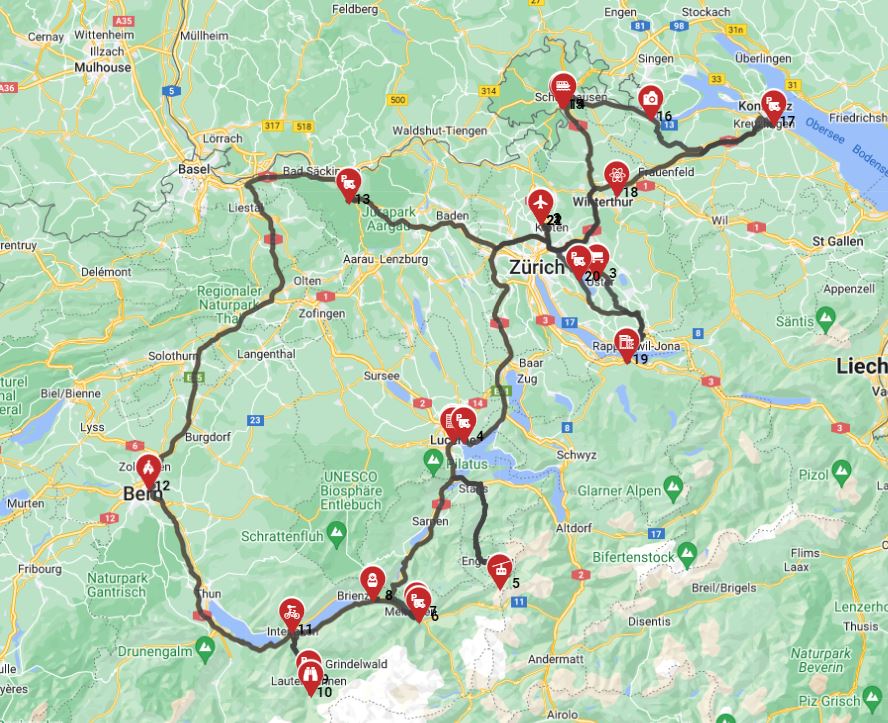
Consider purchasing a Swiss Travel Pass if your itinerary involves extensive use of public transport. This pass offers unlimited travel on trains, buses, and boats, provides free entry to over 500 museums, and offers discounts on mountain excursions. Integrating public transport not only simplifies city exploration but also enhances your ability to slow travel, allowing you to take time to feel the place, connect to the culture, the food, and the scenery without the hassle of navigating and parking a large vehicle in congested areas. Planning tools and itineraries, like the
What Swiss cultural etiquette should I know for an RV trip?
Understanding basic Swiss cultural etiquette will significantly enrich your RV trip and ensure positive interactions throughout your journey. A friendly 'Grüezi' (German-speaking regions), 'Bonjour' (French-speaking regions), or 'Buongiorno' (Italian-speaking regions) is always appreciated when greeting locals. Politeness and punctuality are highly valued in Swiss culture. At campsites, strict adherence to quiet hours, typically from 10 PM to 7 AM, is paramount; keeping noise levels low and being mindful of your neighbors is expected and ensures a pleasant environment for everyone. This reflects the Swiss emphasis on order and consideration.
When hiking or enjoying Switzerland's stunning natural areas, always stay on marked trails to protect the delicate environment and prevent accidents. Greet fellow hikers with a simple nod or a friendly word. Practicing 'leave no trace' principles is crucial: take all your trash with you, dispose of waste responsibly in designated bins, and avoid disturbing wildlife or damaging flora. Honesty and directness are also appreciated in communication. Remember that Bandana Caravan offers full transparency in its booking process, mirroring the honest approach valued in Swiss interactions, ensuring no hidden fees or surprises.
How can I RV sustainably in Switzerland?
RVing sustainably in Switzerland aligns perfectly with the country's high environmental standards and involves responsible practices for waste, water, and natural area preservation. Always use designated waste and recycling facilities at campsites, diligently separating glass, plastic, paper, and organic waste according to local guidelines. Many campgrounds, including the over 400 available across Switzerland, provide clear instructions and facilities for this, making it easy to comply. Conserving water and electricity within your rented motorhome (e.g., a "EcoLine 2" with a 122-liter fresh water tank) and at campsites is also important; be mindful of your usage for showers, dishwashing, and lighting.
Strictly adhere to rules in protected zones and national parks, avoiding off-road driving and disturbing wildlife. Park only in designated areas, especially overnight, as wild camping regulations vary and are often discouraged or illegal. By embracing these sustainable practices, you help preserve Switzerland's pristine landscapes for future generations of RV travelers. Our ethos at Bandana Caravan supports responsible travel, and we provide honest and transparent information to help you plan your trip thoughtfully.
What are some unique, off-the-beaten-path RV destinations in Switzerland?
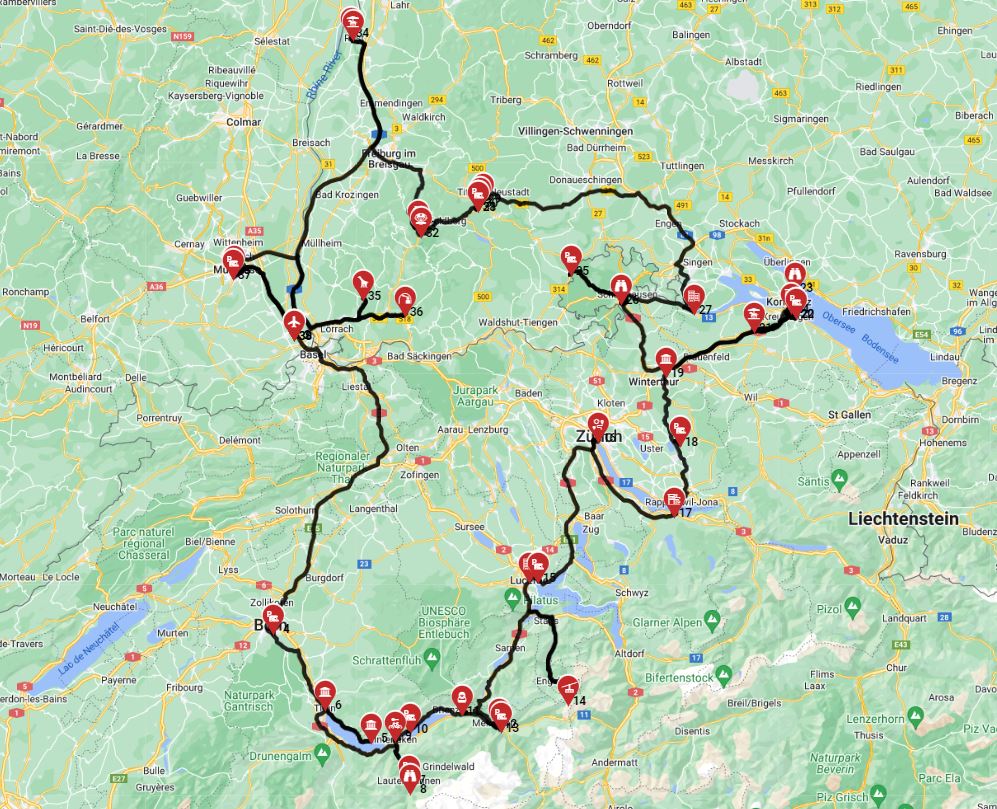
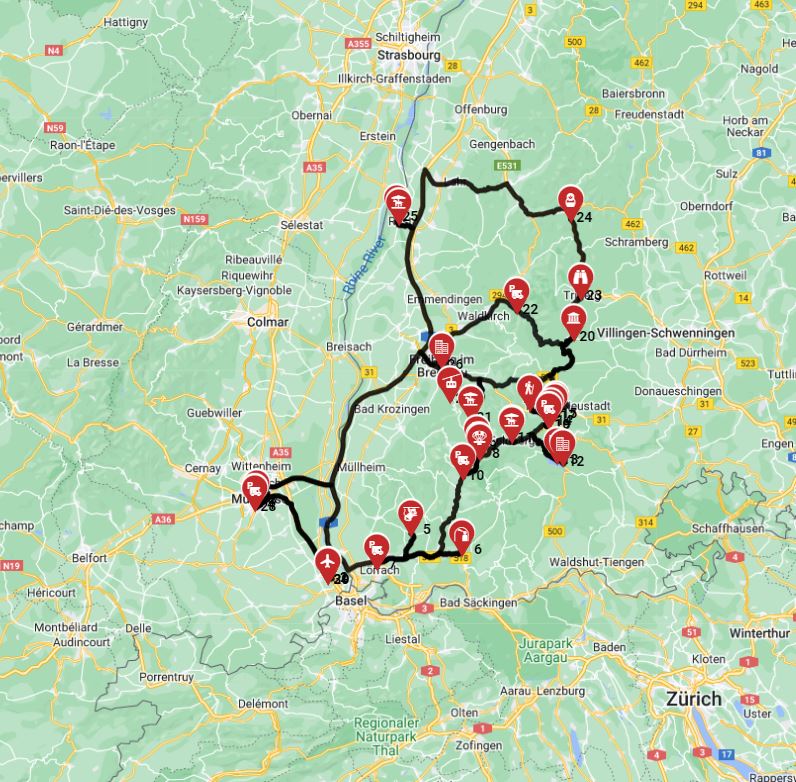
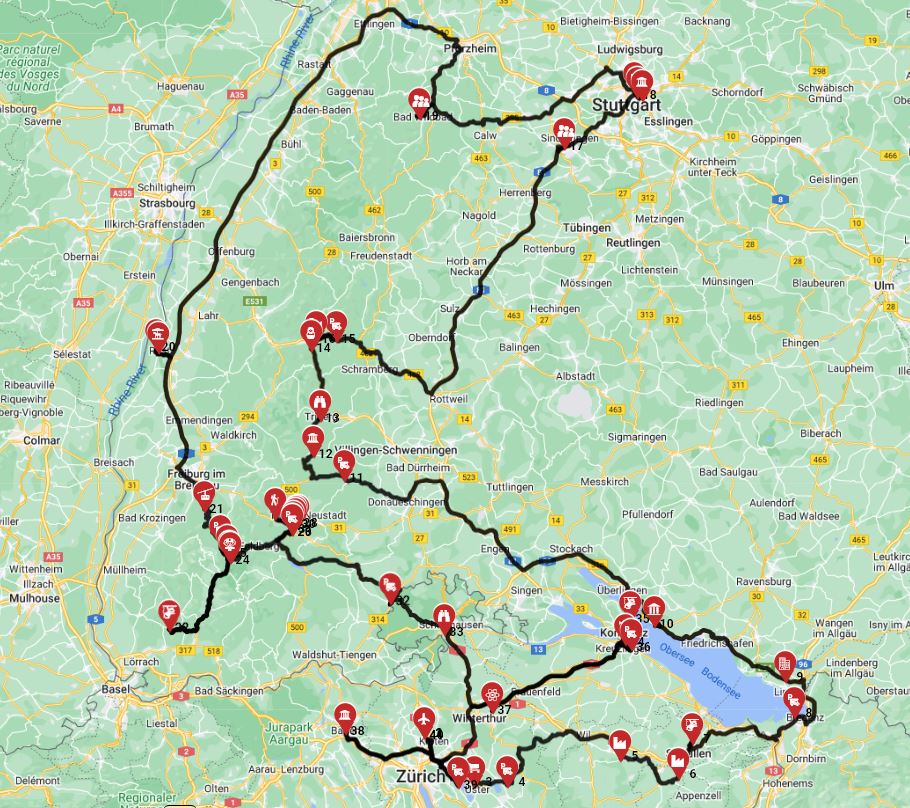
For unique, off-the-beaten-path RV experiences in Switzerland, venturing beyond the major tourist hubs reveals hidden gems and authentic local charm. Explore less-frequented valleys like the Engadin's quieter corners, such as the remote areas around Soglio, or the secluded parts of Val d'Hérens in the Valais region, offering stunning landscapes with fewer crowds. These areas often have charming smaller campsites or designated Stellplätze (parking spots) suitable for a campervan. Look for opportunities for farm stays, known locally as Agriturismo or 'Schlaf im Stroh', where some farms offer RV parking options, allowing you to experience local life, often with fresh produce available directly from the farm, and truly connect to the culture and food. Time your visit with smaller, local festivals or artisan markets in quaint villages to immerse yourself in authentic Swiss culture away from the typical tourist trails. The Basel Roundtrip - Switzerland & Black Forest itinerary is a great example of combining popular destinations with lesser-known spots, including visits to 4 museums and 5 natural features.
What are the best times to RV in Switzerland, considering seasons?
The best time to RV in Switzerland largely depends on your desired activities and the specific regions you wish to visit, as seasonal conditions vary greatly across the country's diverse landscapes. Summer (June to August) is generally considered ideal for RV travel, offering the warmest weather, long daylight hours, and full access to most alpine passes, making it perfect for hiking, cycling, and exploring natural features. However, this is also the busiest period, so booking your campervan rental and campsites well in advance is crucial.
Spring (April to May) and autumn (September to October) provide beautiful scenery with fewer crowds and milder temperatures, making them excellent choices for those seeking a more tranquil experience. In spring, you'll witness blooming wildflowers, though some high alpine passes might still be closed due to snow. Autumn offers spectacular fall foliage, but temperatures can drop significantly, and some services might begin to scale back. Winter (November to March) RVing is suitable for skiing enthusiasts, but it requires a winterized RV equipped with appropriate tires and snow chains, as many high passes are closed, and certain campgrounds or services might be limited. For a broader perspective on seasonal travel across the continent, refer to our "RV Rental Europe - Complete Guide 2024" which provides useful comparisons.
Can I travel with my pet in an RV in Switzerland?
Traveling with your pet in a rented RV to Switzerland is generally permissible, provided you meet specific import regulations which are strictly enforced for animal welfare and public health. Your pet will typically need a microchip, up-to-date vaccinations (especially rabies, administered at least 21 days prior to travel), and a valid EU pet passport or official health certificate issued by a veterinarian. It’s crucial to research the exact requirements well in advance of your trip. Many Swiss campsites are pet-friendly, but it’s always best to confirm this when booking, as some may have restrictions on pet size or breed, or charge an additional fee (e.g., CHF 5-10 per night). Ensure you have access to veterinary services along your route for any unforeseen needs, and be mindful of local rules regarding pets in public areas, on hiking trails, and on public transport. Always keep your pet on a leash in public spaces. RVs like the "Active Bunk Auto" are often pet-friendly, making them a great option for travelers with animal companions.
What should I do in an RV emergency in Switzerland?
In an RV emergency in Switzerland, prioritizing safety and immediate action is crucial to mitigate any potential risks. First, secure your vehicle by pulling over to a safe location if possible, turning on your hazard lights, and ensuring all passengers are safe before exiting the vehicle. Always keep a list of critical contact numbers readily accessible, including the European emergency number 112 (for police, ambulance, or fire services), your specific rental company's 24/7 emergency line, and your travel insurance provider's contact information. Bandana Caravan offers pre-booking and post-booking support, including detailed coordination before you pick up your vehicle, so you'll have these essential contacts.
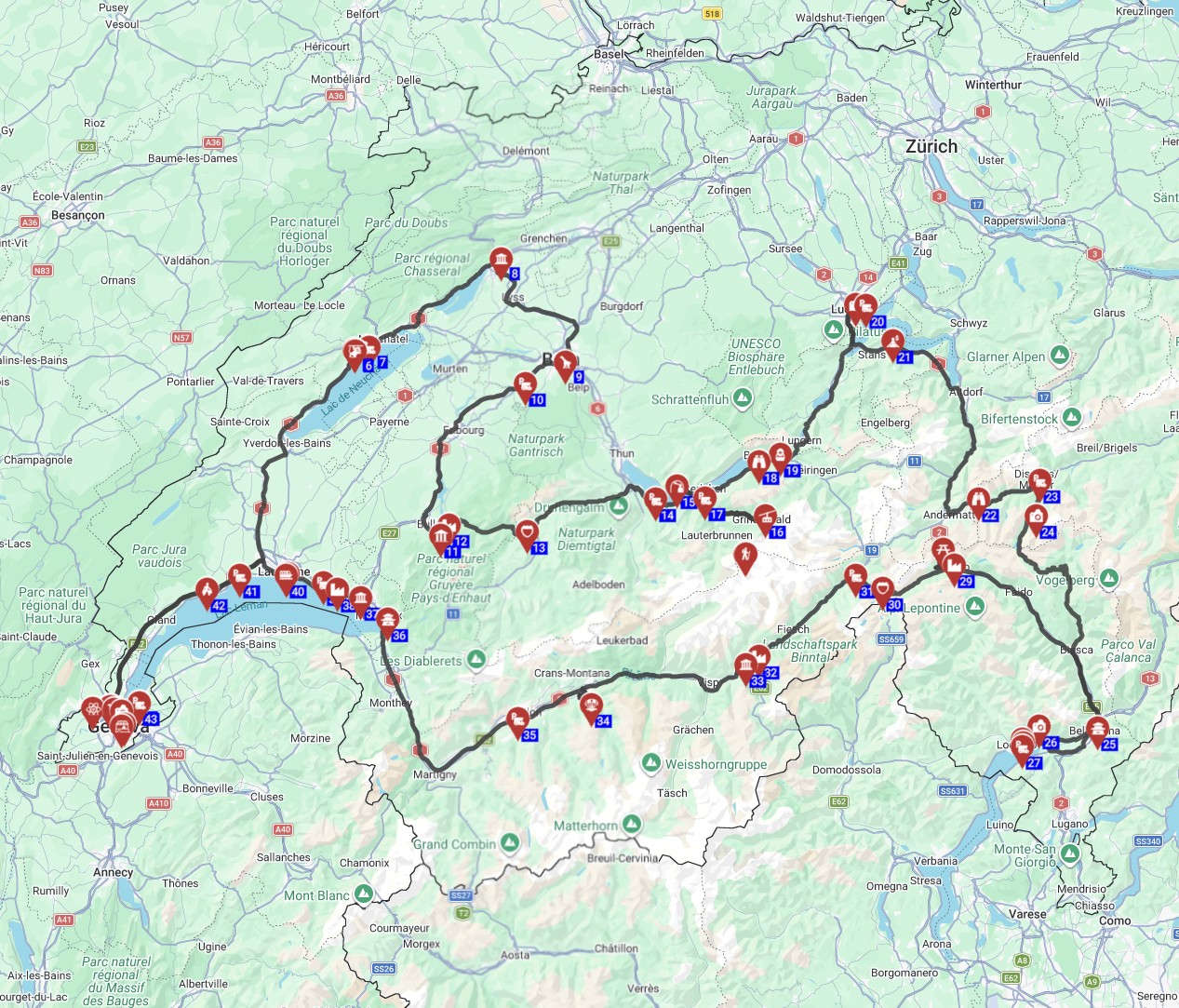
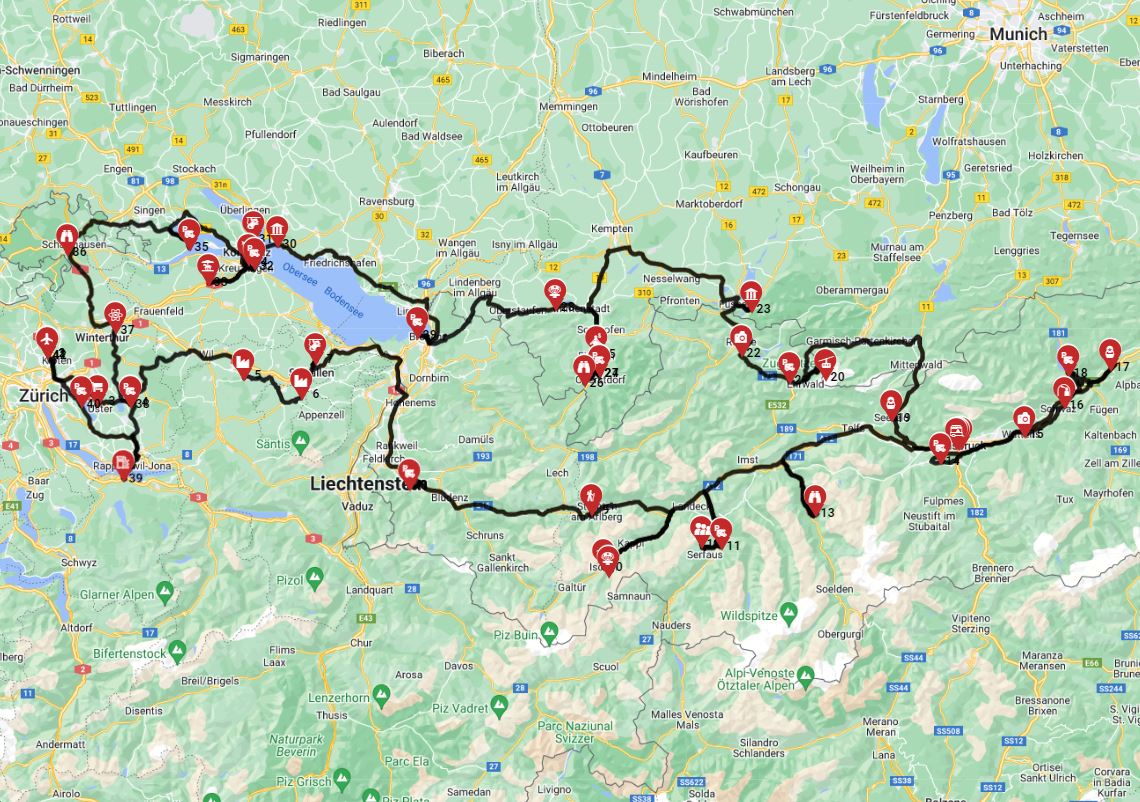
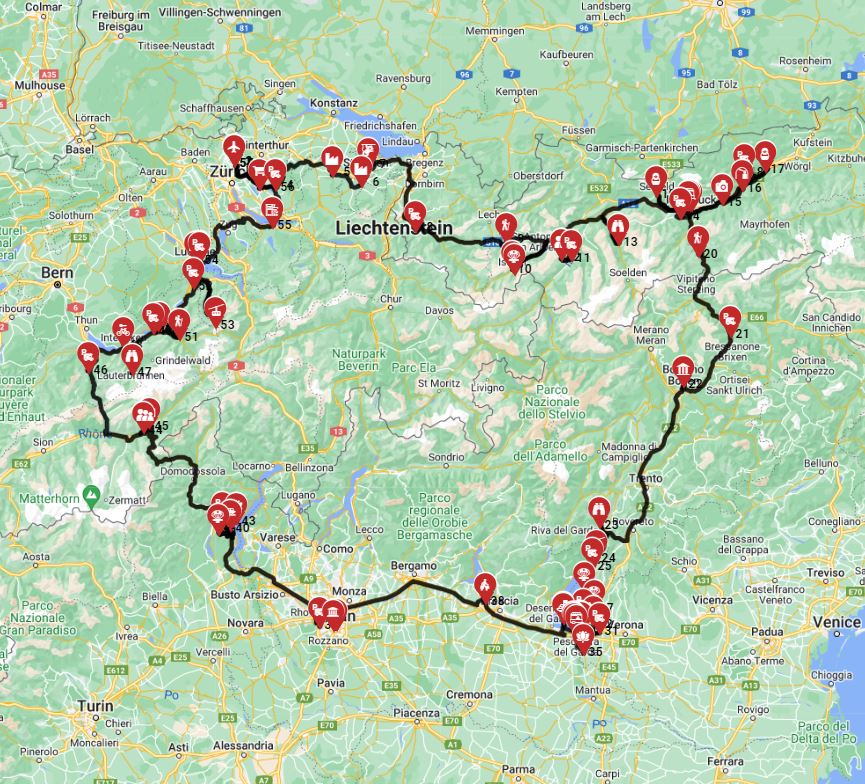
Familiarize yourself with your rented motorhome's basic mechanics and common roadside issues, such as tire changes or simple electrical resets, during your pickup orientation. Understand your insurance policy's coverage for breakdowns, accidents, or medical emergencies, and know how to contact local roadside assistance services. Switzerland has efficient emergency response, so clear communication about your location and the nature of the emergency will ensure prompt help. If you're traveling a complex route like the Nice Roundtrip - French Riviera toward North Italy, Switzerland, and the French Alps, having these details on hand is even more important.
What do I need to know for a multi-country RV trip into Switzerland?
For a multi-country RV trip entering Switzerland from neighboring European countries, several specific requirements and considerations are crucial for a hassle-free journey. First, ensure you are aware of the distinct border crossing procedures for each nation and that your passport and driver's license (IDP recommended for non-EU/EFTA citizens) are valid for all countries on your itinerary. Verify that your RV rental meets local emission standards and carries the necessary safety equipment for all countries, such as reflective vests (mandatory in many European countries), warning triangles, and specific first-aid kits, as requirements can vary from country to country within Europe.
Research fuel prices and types across borders, as they can fluctuate significantly; for example, diesel prices in Italy might differ from those in France or Germany. Critically, understand the different road toll or vignette systems in place for each country to avoid unexpected fees. For Switzerland, as mentioned, the annual vignette is mandatory for vehicles up to 3.5 tons, while heavier RVs require the LSVA. Other countries might use physical toll booths or electronic systems. Bandana Caravan has direct partnerships with over 50 leading RV suppliers worldwide, including El Monte, Cruise America, Apollo, and Britz, and offers bookings across 50+ countries, providing local expertise and support for such complex itineraries. We pride ourselves on full transparency, ensuring what you see is what you pay, with no surprise fees at pickup.
What You Shouldn't Miss
- **Interlaken and the Jungfrau Region:** Experience thrilling adventure sports like paragliding and canyoning, then take a scenic train to Jungfraujoch, the "Top of Europe," for breathtaking glacier views.
- **Lake Geneva and Montreux:** Cruise the serene waters of Lake Geneva, visit the Chillon Castle, and explore Montreux, famous for its jazz festival and Freddie Mercury statue.
- **Zermatt and the Matterhorn:** Although car-free, park your RV in Täsch and take the shuttle train to Zermatt to marvel at the iconic Matterhorn and enjoy world-class hiking or skiing.
- **The Bernese Oberland:** Drive through stunning valleys, explore charming Lauterbrunnen with its 72 waterfalls, and take cable cars up to picturesque villages like Wengen or Mürren.
- **Rhine Falls:** Witness Europe's largest waterfall near Schaffhausen, offering impressive viewing platforms and boat tours for a close-up experience.
- Looking for expert insights from Avi Bandana? Top 5 Adventures - recommendations from Avi Bandana
Final Thoughts
Embarking on an RV rental adventure in Switzerland as a beginner is an incredibly rewarding way to discover the country's unparalleled beauty and vibrant culture. With a little preparation and these tips, you're well on your way to creating cherished memories, whether you're navigating dramatic alpine passes or exploring quaint villages at a relaxed pace of 100-150 km per day.
Remember that Bandana Caravan is here to support you every step of the way, from comparing prices for a "Weekly RV Rental in Switzerland - Pricing 2024" to coordinating your booking with full transparency. Imagine yourself waking up to panoramic mountain views, savoring a freshly prepared meal in your campervan, and setting off on a new Swiss adventure each day. The freedom of the open road awaits!
Ready to plan your unforgettable Swiss RV escape? Get inspired for your next trip! Discover top destinations, planning tips, all in one place! Plan a trip itinerary in advance with minimal effort and maximum enjoyment.