In This Guide
- Top 5 Tips for RV Rental Beginners in Spain
- Before You Book - Class, Dates, Insurance
- Pre-Trip Prep - Packing Checklist for Spain
- On the Road - Driving, Fueling, Navigation
- At the Campground - Setup, Hookups & Etiquette
- RV Beginners-Specific Tips for Spain
- Common Mistakes to Avoid in Spain
- What is the best way to travel around Spain
- What is the best month to RV in Spain
- How much does it cost to rent an RV in Spain
- Can I sleep anywhere in a campervan in Spain
- Is it easy to drive a motorhome in Spain
- Do I need an international driving permit for Spain
- What is the best motorhome hire company in Spain
- What You Shouldn't Miss
- Why Book with Bandana Caravan
- Final Thoughts
- Frequently Asked Questions
Top 5 Tips for RV Rental Beginners in Spain
Booking your RV well in advance, especially for Spain's peak travel seasons like spring and autumn, is crucial to securing preferred models and potentially better daily rates, often saving up to 25% on rental costs. Secondly, carefully review all insurance options provided; while basic third-party liability coverage is always included, upgrading to a top-level deductible reimbursement option can provide significantly greater peace of mind against unexpected incidents. Thirdly, select an RV size that comfortably accommodates your group while also being practical for Spain's varied roads and city environments; a compact campervan like the "Category Van" or a semi-integrated model is often ideal for navigating charming, narrower village streets. Fourth, familiarize yourself with essential Spanish road rules and signs, as well as local driving customs, before you begin your journey to ensure confident and safe travel. Finally, plan a flexible itinerary that balances Spain's popular attractions with opportunities for local immersion, allowing you to discover hidden gems and truly connect with the culture and scenery at a relaxed pace, perhaps traveling no more than 100-150 km per day.Before You Book - Class, Dates, Insurance
Selecting the right RV class for your Spain adventure depends on your group size, comfort preferences, and driving experience. For couples or small families, a compact campervan or a smaller Class C motorhome like the "rent rv example A1" (ideal for a couple with a shower and toilet) offers agility for city driving and easier parking. Larger families or groups might opt for a spacious Class C motorhome such as the "Motorhome MC6 Gold," which can sleep up to 6 people. Booking your rental 3-6 months ahead is highly recommended for summer trips and popular holidays in Spain, as this increases availability and often results in more favorable prices; while last-minute deals can sometimes appear, relying on them for specific vehicle types during high demand is risky. It's essential to understand the basic insurance included with your rental, which covers third-party liability, and then consider additional coverage options for excess reduction or comprehensive protection, which you can select during the booking process for full price transparency. As true RV specialists, we ensure you have all the information needed to make an informed choice, so there are no surprises. You can upgrade to a top-level deductible for extra peace of mind, knowing that you're covered for potential mishaps.Pre-Trip Prep - Packing Checklist for Spain
Preparing adequately for your RV rental in Spain involves thoughtful packing to ensure comfort and compliance with local regulations. Pack versatile layers of clothing to account for Spain's varied climates, from hot southern days to cooler mountain evenings, along with comfortable walking shoes for exploring. Essential kitchen items like a small cutting board, a multi-tool, and reusable grocery bags will enhance your on-board cooking experiences; remember to check out our RV-friendly recipes playlist for meal ideas. For safety, Spanish law requires you to carry a first-aid kit, two warning triangles, and a reflective high-visibility vest in your vehicle; if you wear prescription glasses, a spare pair is also mandatory. Ensure all necessary documents, including passports, your standard car driving license, and your RV rental agreement, are easily accessible. An International Driving Permit (IDP) is recommended for visitors from non-English-speaking countries, although it is not strictly mandatory in all cases for those with EU/EEA licenses.On the Road - Driving, Fueling, Navigation
Driving a rented motorhome in Spain is generally straightforward on major highways, but requires careful attention in cities and rural areas. Observe Spain's speed limits, which vary by road type and vehicle size, and remember that driving is on the right-hand side of the road. While driving slowly and carefully, you can navigate almost anywhere without issues, including city streets; just use common sense and pay attention. Be aware of toll roads (autopistas) that offer faster travel but incur fees; consider obtaining a Via-T transponder for electronic payment and seamless journeys. Fuel stations are widely available throughout Spain, but planning ahead in remote rural areas is always wise, as most RVs run on diesel (gasóleo). Utilize reliable navigation apps like Google Maps or Waze, many of which can be configured to account for your RV's dimensions, to avoid unsuitable routes. Parking in Spanish city centers can be challenging for larger motorhomes, so look for designated RV parking areas (áreas de autocaravanas) or peripheral lots, often with public transport links.At the Campground - Setup, Hookups & Etiquette
Setting up your rented RV at a Spanish campground is a simple process that becomes second nature after a couple of tries. Upon arrival, position your RV on a level spot, using leveling jacks if your vehicle, such as a larger Class A or Class C model, is equipped with them to ensure comfort and proper drainage. Next, connect your electrical hookup, typically 220-240V, followed by your fresh water hose; finally, prepare your gray and black water tanks for use. Familiarize yourself with the campground's designated waste disposal points for gray water and black water, often clearly marked. Respecting quiet hours, usually enforced during evenings and early mornings, is an important part of campground etiquette, along with maintaining a tidy campsite and being considerate of your neighboring campers. For finding campsites and campgrounds during your trip, we recommend using RV PLANET (rvplan.net) - a great resource for locating available spots along your route.RV Beginners-Specific Tips for Spain
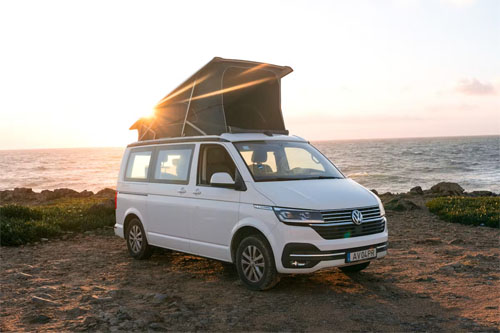
Tailoring your RV rental in Spain to your travel group's specific needs ensures a more enjoyable experience. For families traveling with children, selecting a Class C motorhome with bunk beds, like the "Group G" (sleeping up to 7 people with bunk beds), offers practical sleeping arrangements, and planning itineraries with kid-friendly attractions and frequent stops for playtime helps keep everyone happy. Senior travelers might prefer the ease of a smaller, automatic transmission campervan or a compact Class B motorhome such as the "Combi Van" (sleeping 4, automatic transmission), designed for easier maneuvering and accessible interiors. Budget-conscious beginners can significantly save money by utilizing permitted free overnight parking spots where legal, cooking most meals in their fully-equipped RV kitchen, and opting for off-season travel. Those seeking a more luxurious experience in Spain might explore premium RV models with advanced features, such as the "Luxury" model, consider add-ons like Wi-Fi or bike racks, and book campsites offering superior amenities. Travelers with accessibility needs should inquire about specific RV models designed with features like ramps, wider doors, or accessible bathrooms to ensure a comfortable journey.Common Mistakes to Avoid in Spain
Many first-time RV renters in Spain make common mistakes that are easily preventable with a little foresight. Instead of waiting until the last minute, book your RV several months in advance, especially for popular destinations like Barcelona or the coastal regions, to secure your preferred models and better prices; this can yield up to a 25% discount. Rather than just accepting basic insurance, thoroughly understand your coverage options and consider additional protection, such as upgrading to a top-level deductible reimbursement, for greater financial security and peace of mind. Instead of assuming all roads are suitable for large vehicles, research your intended routes, particularly in historic towns or mountainous regions, and choose an RV size appropriate for these destinations; a compact "Camper Van" might navigate narrow streets more easily than a large "MH-A" motorhome (8.8m length). Avoid indiscriminate wild camping; instead, research regional legality and utilize designated parking areas (áreas de autocaravanas) or official campsites for overnight stays, respecting local regulations. Finally, ensure you have all correct driving documentation, including an International Driving Permit if required for your license, rather than risking fines or rental complications.What is the best way to travel around Spain
RV travel offers the best way to explore Spain, providing unmatched flexibility to traverse its diverse landscapes, from the bustling cities of Madrid and Seville to the tranquil beaches of the Costa Brava and the majestic Picos de Europa. A rented motorhome or campervan serves as your mobile headquarters, allowing for spontaneous visits to both iconic historical sites and unique, off-the-beaten-path destinations. RVing facilitates deeper cultural immersion by enabling travelers to easily engage with local markets, partake in regional festivals, and discover authentic culinary experiences across different provinces. The freedom to adjust your itineraries on the fly enhances the journey, catering to personal interests and unexpected discoveries, all while keeping your travel expenses transparent, especially when utilizing RV PLANET routes to track every cost along the way.What is the best month to RV in Spain
The ideal months to experience an RV rental trip in Spain are during spring (April-May) and autumn (September-October), offering the most pleasant weather conditions and fewer tourist crowds compared to peak summer. These shoulder seasons provide comfortable temperatures for outdoor activities like hiking and sightseeing, making exploring Spain's natural parks and coastal paths a delight. They also coincide with numerous vibrant local festivals and culinary events, enriching your cultural experience. Avoiding the peak summer months of July and August is advisable, especially in southern Spain, due to extreme heat, increased crowds, and higher prices for both RV rentals and campsites.How much does it cost to rent an RV in Spain
The cost to rent an RV in Spain dynamically ranges from approximately €70 to €200+ per day, significantly influenced by the motorhome's size, age, and the seasonality of your trip. Smaller campervans, such as a "Category Van," are typically at the lower end of the spectrum, while larger Class C motorhomes, like a "Glamys 40" (with bunk beds and sleeping up to 6), command higher daily rates. When budgeting, travelers must also account for additional expenses including fuel, highway tolls (autopistas), and campsite fees, which can range from €20-€50 per night depending on amenities and location. Comprehensive budgeting should also cover food, whether you choose to buy groceries and cook in your RV kitchen, which saves money (don't forget our RV-friendly recipes playlist), or dine out at local restaurants. Booking during off-peak seasons, or being flexible with your travel dates, can significantly reduce rental prices and overall trip costs, offering great value for your RV Rental in Spain - Prices and Best Deals 2024.Can I sleep anywhere in a campervan in Spain
While parking a rented campervan in Spain is generally permitted where not explicitly forbidden, local laws regarding overnight sleeping and "wild camping" (boondocking) vary significantly by region and municipality. Some areas, particularly in rural and less-developed regions, might tolerate free overnight stays, while others, especially coastal zones and popular tourist spots, strictly prohibit it to manage tourism and environmental impact. Designated campsites and official RV parking areas (áreas de autocaravanas) remain the safest and most legal options for overnight stays across Spain. Always prioritize safety considerations, such as securing your vehicle and being aware of your surroundings, when choosing a spot outside a designated area. Practicing responsible free camping, including leaving no trace and respecting local communities, is crucial where permitted. If you're planning a trip focusing on flexible overnight spots, researching the specific region's regulations beforehand is highly recommended.Is it easy to drive a motorhome in Spain
Driving a rented motorhome in Spain is generally easy on major highways and well-maintained national roads, which are designed for efficient long-distance travel across the country. However, narrower roads in historic towns, small villages, and mountainous regions like the Pyrenees or Sierra Nevada, require more caution and skill due to limited space and tighter turns. Vehicle size significantly impacts parking availability and maneuverability, particularly in urban environments where a compact campervan like the "Active Standard" (RV size - Small) offers greater agility. Larger motorhomes, such as a Class C "Euro Deluxe" (RV size - Large), provide more comfort and amenities but demand careful route planning to avoid challenging roads. Remember, you can drive slowly and carefully, and you can drive almost anywhere without issues. No need to stress - just use common sense and pay attention to road signs and local traffic.Do I need an international driving permit for Spain
An International Driving Permit (IDP) is required for non-EU/EEA citizens whose national driver's license is not in Spanish or does not include a standardized international format with English translation. The IDP serves as a legal translation of your existing driver's license and must always be carried together with your original license while driving your rented RV in Spain. This requirement ensures that local authorities can easily understand your driving qualifications and validity, preventing potential misunderstandings or fines. Always verify the most current requirements with your specific RV rental company and local Spanish authorities before your trip, as regulations can occasionally change. For most visitors from English-speaking countries, an IDP is recommended but not mandatory, though it's always best to be prepared.What is the best motorhome hire company in Spain
The "best" motorhome hire company in Spain often depends on individual traveler needs, budget, and desired vehicle type. Leading international suppliers such as El Monte and Apollo, which Bandana partners with, offer extensive fleets ranging from compact campervans for couples to large family-sized motorhomes (e.g., a "Class C - Alcove" like the "Glamys 265" for 6 people) and multiple pickup locations across Spain. Local Spanish rental companies may sometimes provide more personalized service or unique vehicle options. It is advisable to compare options across various platforms, considering factors such as included insurance, available amenities, customer reviews, and the flexibility of rental terms, including one-way RV rentals in Spain. As true RV specialists, Bandana Caravan helps you easily compare numerous options from trusted suppliers, ensuring full transparency with no hidden fees and dedicated pre-booking and booking support.What You Shouldn't Miss
- **The Alhambra in Granada**: This stunning Moorish palace and fortress complex is a UNESCO World Heritage site and an absolute must-see. Book tickets well in advance to experience its intricate architecture, serene gardens, and breathtaking views of the Sierra Nevada.
- **Park Güell and Sagrada Familia in Barcelona**: Immerse yourself in Gaudí's whimsical and awe-inspiring architectural masterpieces. While parking your RV in Barcelona can be challenging, designated peripheral lots exist, allowing you to use public transport for city exploration.
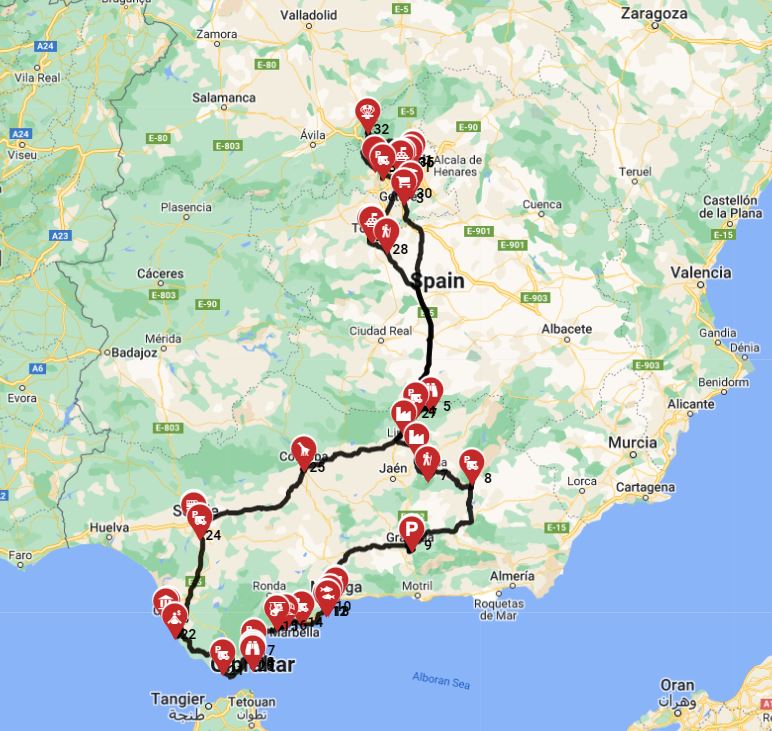
- **The Coastal Drive through Andalusia**: Take a week-long trip along the southern coast, discovering charming white villages (Pueblos Blancos) like Mijas and Ronda, and enjoying the numerous Blue Flag beaches. There are plenty of campsites along the coast for your rented RV.
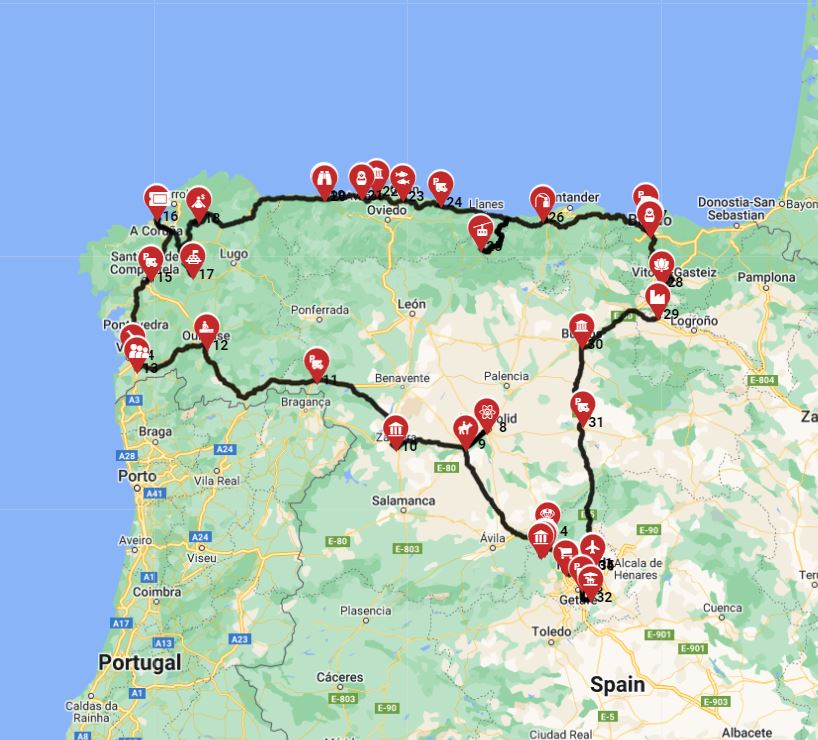
- **Explore the Picos de Europa National Park**: Venture into northern Spain for dramatic limestone mountains, lush green valleys, and traditional Asturian villages. This region offers fantastic hiking and scenic drives perfect for a smaller motorhome or campervan, with many welcoming campgrounds.
- **Taste Tapas in Seville**: Experience the authentic culinary culture of Seville by indulging in a tapas crawl. Park your motorhome on the outskirts and use local transport to reach the city center, then savor the flavors of regional dishes.
- **Looking for expert insights from Avi Bandana? Top 5 Adventures - recommendations from Avi Bandana**