In This Guide
- Top 5 Tips for RV Rental Beginners in South America
- Before You Book - Class, Dates, Insurance
- Pre-Trip Prep - Packing Checklist for South America
- On the Road - Driving, Fueling, Navigation
- At the Campground - Setup, Hookups and Etiquette
- RV Beginners-Specific Tips for South America
- Common Mistakes to Avoid in South America
- What is the 3-3-3 rule for RV travel?
- What is the 4-4-4 rule for RV travel?
- What is the 2 2 2 rule for RV travel?
- What are some important tips for traveling around South America?
- Is it cheaper to rent an RV or stay in a hotel?
- What to know before traveling to South America?
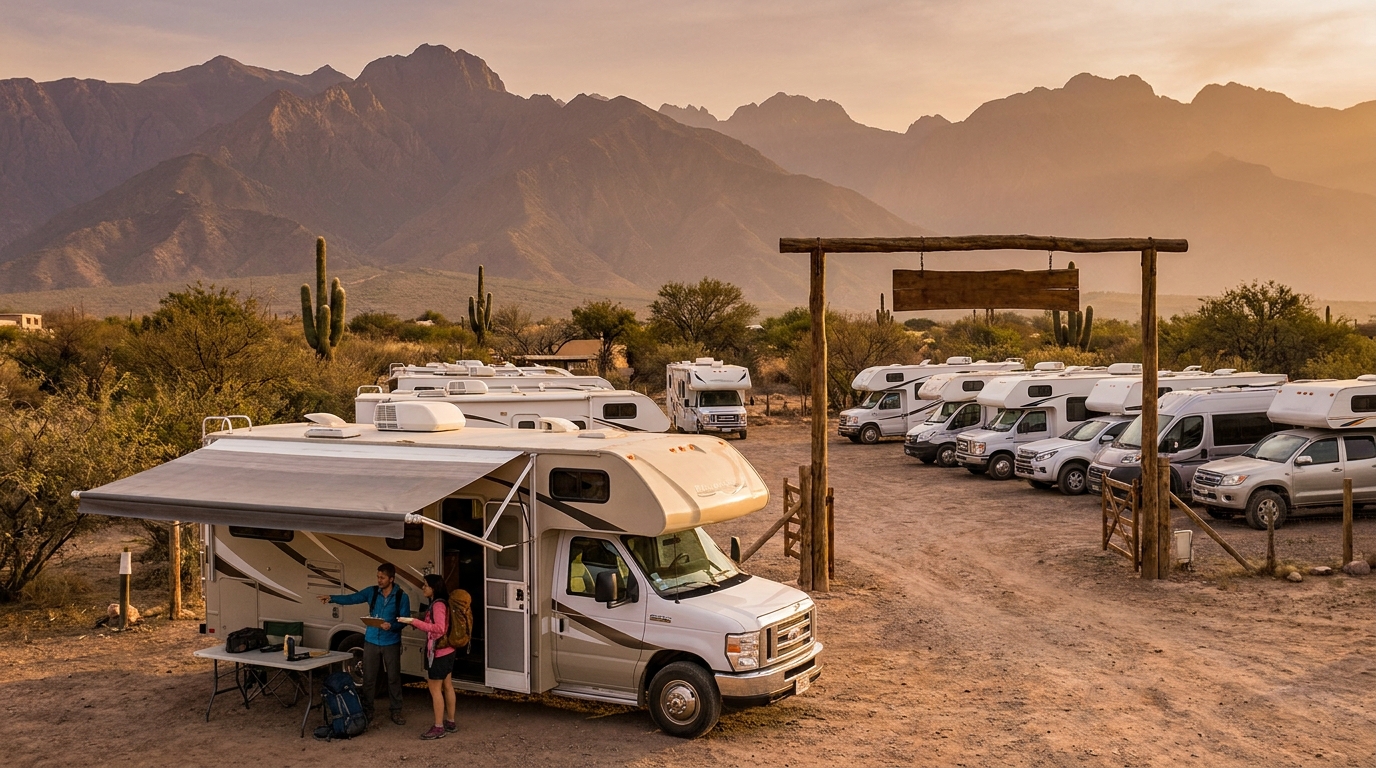
Embarking on your first rented RV adventure in South America is an incredible way to experience the continent's breathtaking diversity, from the majestic Andes to vibrant cities and pristine coastlines. Imagine waking up to a new panoramic view each day, with your mobile home providing comfort and flexibility. For live availability and current prices, start with our RV Rental South America - Complete Guide 2026 guide. We at Bandana RV, with over 23 years of expertise in motorhome rentals, are here to make your initial journey seamless and unforgettable. Our passion for RV travel shines through in our commitment to full transparency and unmatched personal experience.
Top 5 Tips for RV Rental Beginners in South America
Starting your RV adventure in South America requires thoughtful preparation and a flexible mindset to ensure a smooth journey.
- Plan Your Route, Stay Flexible: While it's wise to have an itinerary, be prepared to adapt to local road conditions, weather, or unexpected closures. South America offers endless opportunities for spontaneous detours, especially on its diverse road network.
- Opt for a Compact RV: Many South American roads, especially in rural or mountainous areas, are narrower and less maintained. A smaller rented RV or campervan, such as an 'rv rental denver example Category Van' which is ideal for a couple, or a 'hire campervan example Paradise S/T' for up to two couples, will offer greater maneuverability and less stress. Drive slowly and carefully, and you can drive almost anywhere without issues. No need to stress - just use common sense and pay attention.
- Learn Local Driving Etiquette: Driving can be different from what you're used to. Be aware of varying speed limits, horn usage, and the common practice of turning signals indicating 'it's safe to pass' rather than 'I'm turning'.
- Create a Realistic Budget: Beyond rental fees, factor in variable fuel costs (which vary greatly by country), potential border crossing fees, diverse camping prices, and an emergency fund for unforeseen repairs or permits. For comprehensive budgeting and expense tracking on pre-planned routes, consider exploring RV PLANET routes.
- Prioritize Safety and Security: Research safe overnight parking options, such as established campgrounds or guarded lots. Always secure your rented vehicle and valuables, and be mindful of your surroundings.
Before You Book - Class, Dates, Insurance
Careful consideration of vehicle class, travel dates, and insurance is paramount for a successful rented motorhome adventure in South America. Choosing a smaller, more robust campervan or Class B/C RV is generally recommended due to varied road conditions, which can range from paved highways to unpaved gravel roads, and tighter city navigation. A Class C motorhome like the 'cruise america rv rental example Explorer' offers comfortable sleeping for 4 people with a 82-liter fresh water tank, making it suitable for families.
Booking your rented RV several months in advance, particularly if traveling during high season (e.g., December to February for Patagonia, July/August for the Andes), can ensure better availability and potentially lower rates. However, for spontaneous travelers, many national and state parks reserve only 25-30% of spots, with the rest being first-come-first-serve. You'll find a spot; if not at the first campground, then the next one. Always call ahead before driving.
Regarding insurance, while basic coverage is always included, it's highly advisable to opt for the most comprehensive coverage available. This protects against potential issues like accident damage, theft, or third-party liability, which can be complex in foreign countries. You can upgrade to a top-level deductible for extra peace of mind, a key differentiator for Bandana RV.
Pre-Trip Prep - Packing Checklist for South America
Preparing thoroughly with the right packing strategy will enhance your rented RV journey through South America, where climates can range from tropical to alpine within a single trip. A typical rented motorhome will include basic kitchenware, bedding, and sometimes an awning, but check your specific rental agreement for details.
Clothing & Personal Items
- Layered Clothing (e.g., moisture-wicking base layers, fleece, waterproof jacket) for diverse temperatures.
- Comfortable Hiking Shoes and Sandals.
- Sun Protection (hat, sunglasses, high SPF sunscreen).
- Insect Repellent (especially for jungle or humid regions).
- Microfiber Towels (quick-drying).
Kitchen & Food Supplies
- Portable Water Filter/Purifier or Water Treatment Tablets.
- Basic Cookware, Utensils, and Non-Perishable Staples. For cooking delightful meals on board your rented RV, explore our RV-friendly recipes playlist.
- Reusable Water Bottles and Coffee Cups.
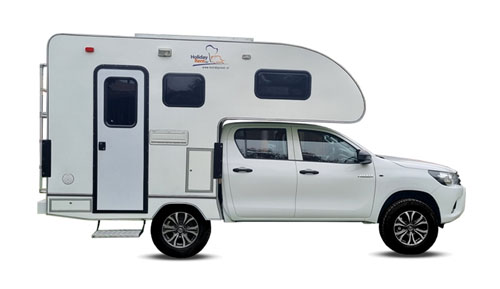
- Cooler or Portable Fridge (if not built-in, like in a 'Patagonia Camper 4x4 double cab' which is a truck camper with front AC).
Safety & Navigation
- Comprehensive First-Aid Kit (including medications for altitude sickness, stomach issues).
- Emergency Roadside Kit (jumper cables, basic tools, tire repair kit).
- Headlamps or Flashlights.
- Satellite Messenger or PLB (Personal Locator Beacon) for remote areas.
- Offline Maps (physical and digital) and GPS device.
Documents & Finances
- Passport and Visa (if required), with photocopies and digital backups.
- International Driving Permit (IDP) and home country license. A standard car driver's license is sufficient for all motorhome classes; an IDP is recommended for non-English speakers.
- Vehicle Registration, Rental Agreement, and Cross-Border Permissions.
- Travel Insurance Details.
- Local Currency and Credit Cards (notify bank of travel plans).
On the Road - Driving, Fueling, Navigation
Navigating South America by rented RV presents unique challenges and rewards, requiring practical considerations for driving, fueling, and staying on course. Road conditions vary dramatically, from well-maintained highways to challenging gravel, washboard, or unpaved tracks, especially in mountainous or rural areas. It is advisable to drive defensively, maintaining lower speeds than usual to account for potential potholes, unmarked hazards, or livestock on the road. Drive slowly and carefully, and you can drive almost anywhere without issues. No need to stress - just use common sense and pay attention.
Fueling strategy is critical: always fill up when you see a gas station, especially before entering remote areas, as distances between stations can be significant. Fuel availability and quality can differ, and some regions may only accept cash. For navigation, relying solely on mobile data is risky due to spotty connectivity; therefore, download offline maps (e.g., Maps.me, Gaia GPS) and consider a dedicated GPS device. A physical map is also a valuable backup. Familiarizing yourself with basic Spanish or Portuguese road signs will also prove beneficial.
🎬 Video coming soon
At the Campground - Setup, Hookups and Etiquette
Arriving at your campground in South America after a day of driving means it’s time to set up your mobile home. Correct setup and respectful etiquette ensure a comfortable and harmonious experience for everyone. For finding campsites and campgrounds during your trip, we recommend using RV PLANET (rvplan.net) - a great resource for locating available spots along your route.
First, level your rented RV using leveling blocks or jacks. This is crucial for comfortable sleeping, proper refrigerator function, and efficient drainage. Once level, proceed with utility hookups in the correct order: connect the shore power cable, then attach your fresh water hose (using a pressure regulator if available), and finally, connect your sewer hose to the dump station. Always use gloves for sewer connections. On the routes offered through RV PLANET routes, you can itemize and track every expense along the way for easy budgeting.
Managing water and waste is particularly important in less developed regions where dump stations might be scarce. Plan routes with known facilities and conserve fresh water. When it comes to campground etiquette, respect quiet hours, which are typically from late evening until early morning. Keep your campsite clean, dispose of trash properly, and be mindful of your neighbors by keeping noise levels down. Many campgrounds offer beautiful natural settings, so minimize your environmental impact by leaving no trace. A campervan like the 'rent rv example A1', while compact, still offers a shower and toilet, ensuring self-sufficiency.
RV Beginners-Specific Tips for South America
For those new to RV travel, especially in a dynamic region like South America, certain strategies can significantly smooth the learning curve. Firstly, select a rental company known for well-maintained and reliable vehicles; a pre-trip inspection of tires, fluid levels, and major systems can prevent many common issues. Bandana RV partners directly with over 50 leading RV suppliers worldwide, including trusted names like El Monte, Cruise America, Apollo, and Britz, ensuring you get a quality vehicle. This is part of our commitment to being true RV specialists, not just a travel agency side department.
Secondly, beginners benefit from planning shorter driving days, perhaps no more than 4-5 hours or 100-150 km per day on average, to allow for unexpected delays, ample sightseeing, and time to set up camp comfortably before dark. Travel slowly, take time to feel the place, connect to the culture, the food, and the scenery. This approach helps in enjoying the journey rather than rushing through it.
Initially, consider sticking to more established routes or popular tourist circuits, such as the Carretera Austral in Chile or parts of Argentina, where infrastructure might be more developed. Prioritize using offline navigation apps and ensure your phone is loaded with essential local phrases in Spanish or Portuguese, along with emergency contact numbers for your rental company and local authorities. Finally, don't hesitate to engage with locals or other RV travelers; their insights on road conditions, secure parking, and hidden gems can be invaluable for a successful beginner journey. Don't forget to check out our "Cheap RV Rental in South America - Budget Guide 2026" for more budget-friendly advice.
Common Mistakes to Avoid in South America
Embarking on a rented RV adventure in South America is exhilarating, but being aware of potential pitfalls can turn a challenging situation into a minor inconvenience. Instead of making these common mistakes, travelers can enhance their experience:
- Underestimating Border Crossing Complexity: Instead of arriving unprepared, research specific visa requirements, temporary import permits (like a Carnet de Passage, if needed, or country-specific permits), and varying fees for each country you plan to visit well in advance. Keep all original vehicle and personal documents readily accessible. This is a critical local tip for South America.
- Neglecting Vehicle Maintenance Checks: Rather than waiting for a breakdown, regularly check tire pressure, fluid levels, and general RV condition. Learn some basic DIY fixes for common issues, as specialized mechanics for foreign RVs and spare parts can be scarce in remote regions.
- Solely Relying on Online Navigation: Instead of assuming constant internet access, download comprehensive offline maps and consider a dedicated GPS device. Cellular service is unreliable outside major cities and tourist zones in many parts of South America.
- Inadequate Budgeting: Instead of just factoring in rental fees, budget for variable fuel costs, which fluctuate significantly, border crossing taxes, ferry fees, varying campground prices (from free wild camping to paid sites), and a contingency fund for unexpected maintenance or permits. Remember that prices are dynamic like flight tickets, changing daily based on availability, seasonality, and supplier marketing decisions. The final price is set at actual booking time.
- Ignoring Local Safety & Security Advice: Rather than being caught off guard, research safe parking options, especially overnight. Secure your rented RV and valuables diligently, and be discreet with expensive items. Familiarize yourself with local emergency numbers and have a clear communication plan.
What is the 3-3-3 rule for RV travel?
The 3-3-3 rule for RV travel is a widely recommended guideline designed to promote a relaxed and enjoyable pace, suggesting that travelers drive no more than 300 miles (approximately 480 km) in a day, stop driving and set up camp by 3 PM, and stay at least 3 nights in one location. This strategy helps prevent driver fatigue, allows ample time for setting up camp and exploring the surroundings, and reduces the stress of constant movement. For South America, where road conditions can be unpredictable and driving can be more demanding, adhering to such a rule, or even a more conservative version like 100-150 km per day, can significantly enhance the travel experience, ensuring you have time to soak in the cultural and natural beauty rather than just passing through.
What is the 4-4-4 rule for RV travel?
The 4-4-4 rule for RV travel is an extended version of the 3-3-3 rule, recommending that travelers drive no more than 400 miles (approximately 640 km) a day, arrive at their destination by 4 PM, and stay at least 4 nights at a campground. This rule caters to RVers who prefer a slightly quicker pace while still emphasizing the importance of settled stays and avoiding late-night arrivals. While potentially feasible on well-maintained highways in some parts of South America, travelers should consider the reality of local road quality and terrain. Adopting this rule might mean fewer stops and more focused driving, balancing exploration with covering greater distances across the continent's vast landscapes.
What is the 2 2 2 rule for RV travel?
The 2-2-2 rule for RV travel suggests a more leisurely pace, advocating for driving no more than 200 miles (approximately 320 km) a day, arriving at your destination by 2 PM, and staying a minimum of 2 nights. This rule is particularly beneficial for RV rental beginners, families with young children, or those who wish to deeply immerse themselves in each location without feeling rushed. In South America, where sightseeing opportunities are abundant and local interactions are rich, a slower pace like that afforded by the 2-2-2 rule allows for more flexibility to explore, navigate less predictable roads comfortably, and truly experience the diverse cultures and landscapes without the pressure of a tight schedule. It encourages the slow travel philosophy that we at Bandana RV highly recommend.
What are some important tips for traveling around South America?
For a successful rented RV journey in South America, important tips include embracing flexibility, prioritizing safety and security, preparing for diverse road and weather conditions, and understanding local customs and logistics. Road conditions across the continent vary dramatically, often including unpaved sections, gravel, and mountainous passes, necessitating a flexible itinerary and conservative driving speeds. Practical safety measures involve researching secure overnight parking options, diligently securing your rented RV and valuables, and being mindful of your surroundings, especially in urban areas or at isolated spots.
Learning essential Spanish or Portuguese phrases will significantly enhance your travel experience and aid in navigating daily interactions and potential bureaucratic processes at border crossings or in emergencies. Understanding the specific border crossing logistics for each country is critical, including requirements for temporary import permits for your RV, potential language barriers, varying fees, and strategies for navigating local bureaucracy. Furthermore, preparing for diverse climates, from desert heat to Andean cold and tropical humidity, is vital. Connectivity can be unreliable in remote areas, making offline mapping solutions and a physical GPS device indispensable. Finally, finding fresh water sources and dump stations can be challenging in less developed regions, so planning for water and waste management, along with local provisioning for groceries and RV supplies, is crucial for a smooth trip.
Is it cheaper to rent an RV or stay in a hotel?
Whether renting an RV or staying in hotels is cheaper largely depends on the length of your trip, your travel style, and the number of travelers, but a rented RV can often be more cost-effective for extended journeys in South America. While the initial rental cost of an RV can be substantial, including comprehensive insurance and cross-border permissions, it offers the significant advantage of allowing you to cook your own meals, thereby saving considerably on restaurant expenses. For a family or group, a rented RV also consolidates accommodation and transportation costs into one, potentially becoming cheaper than booking multiple hotel rooms and separate transport for an extended period.
However, it's crucial to factor in all cost realities beyond just the rental fee, such as variable fuel prices (which can differ significantly between countries), specific border crossing taxes, ferry fees, varying campground prices (from free wild camping to paid sites), and potential unexpected maintenance or permit costs. For shorter trips or those focused on specific cities, hotels might still prove more economical due to lower upfront commitments and convenience. For detailed pricing insights, refer to our "RV Rental Deals in South America - Latest Offers 2026" or "Long-Term RV Rental in South America - Monthly Rates 2026" guides.
What to know before traveling to South America?
Before embarking on an RV journey through South America, it is paramount to conduct thorough research on visa requirements for each country on your itinerary, understand local health precautions like necessary vaccinations, and familiarize yourself with regional safety advisories. Preparation for diverse geographical and climatic conditions is also essential, considering factors like extreme heat, cold, or rainy seasons, and how these might impact your chosen routes, especially high-altitude passes during different times of the year.
Beyond logistical planning, gaining a basic understanding of Spanish or Portuguese will significantly enhance your travel experience and aid in navigating daily interactions and potential bureaucratic hurdles. Specific to rented RV travel, ensuring you have an International Driving Permit (IDP) and that your rental company provides all required cross-border permission documents (e.g., Carnet de Passage or temporary import permits) is non-negotiable. Lastly, be prepared for varied internet and cell service availability in remote areas, necessitating offline mapping solutions and an awareness of local customs and communication strategies for respectful engagement with communities and authorities. For those seeking "Luxury RV Rental in South America - Premium Prices 2026," these considerations are equally vital to a smooth journey.
What You Shouldn't Miss
- Patagonia's Ruta 40 (Argentina) & Carretera Austral (Chile): Experience epic landscapes, from glacial lakes to arid steppes, in a rented campervan. These routes, spanning thousands of kilometers, offer unparalleled scenery and adventure for a week-long or longer trip.
- The Atacama Desert (Chile): Discover otherworldly landscapes, geysers, and star-filled nights. With a rented motorhome, you can easily access remote observatories and hot springs.
- Iguazú Falls (Argentina/Brazil): Witness one of the world's most spectacular natural wonders. Park your RV at nearby campgrounds and explore the falls from both sides for a breathtaking experience.
- The Amazon Rainforest (Ecuador/Peru): While RVs cannot drive deep into the Amazon, park your vehicle at a gateway city like Tena (Ecuador) and join a guided tour into the jungle for incredible wildlife viewing.
- Coastal Drives of Brazil: Explore stunning beaches and charming colonial towns along Brazil's extensive coastline in your rented RV, enjoying the freedom to stop wherever beauty calls.
Looking for expert insights from Avi Bandana? Top 5 Adventures - recommendations from Avi Bandana
Final Thoughts
Embarking on your first rented RV trip through South America is an adventure of a lifetime. With a little planning, a flexible mindset, and the right support, you'll discover landscapes and cultures that will truly inspire you. Remember our advice: travel slowly, immerse yourself, and embrace the unexpected joys of the open road.
At Bandana RV, we're dedicated to helping you find the easiest, safest, and most affordable way to rent an RV. We compare prices, provide honest information, and ensure you have peace of mind every step of the way. Your South American RV dream is within reach!
Get inspired for your next trip! Plan a trip itinerary in advance with minimal effort and maximum enjoyment.