In This Guide
- Top 5 Tips for RV Rental Beginners in Scotland
- Before You Book - Class, Dates, Insurance
- Pre-Trip Prep - Packing Checklist for Scotland
- On the Road - Driving, Fueling, Navigation
- At the Campground - Setup, Hookups & Etiquette
- RV Rental Beginners-Specific Tips for Scotland
- Common Mistakes to Avoid in Scotland
- Is RVing the best way to see Scotland compared to other travel options?
- What practical tips do international travelers need for RVing in Scotland?
- What are essential safety tips for RV travel in Scotland?
- How can I RV responsibly and sustainably in Scotland?
- What is the best RV size for specific routes in Scotland like the NC500?
- Where can I park my RV in Scottish towns and non-campsite areas?
- What are some off-the-beaten-path RV routes in Scotland?
- How can I find authentic local experiences during my RV trip in Scotland?
- Is RVing in Scotland suitable for families with children or pets?
Embarking on your first rented RV adventure in Scotland is an exciting prospect, promising unparalleled freedom to discover its ancient castles, serene lochs, and dramatic Highlands. Navigating the unique charm of Scotland with a motorhome or campervan for the first time requires some preparation and insider knowledge. For live availability and current prices, start with our RV Rental Scotland - Complete Guide 2026 guide. At Bandana RV, we’re passionate about helping beginners embrace this incredible way to travel, offering full transparency with no hidden fees and dedicated 24/7 support before and during your booking process.
Top 5 Tips for RV Rental Beginners in Scotland
Success for your first RV rental trip in Scotland hinges on careful planning, especially when it comes to booking and understanding local driving conditions.
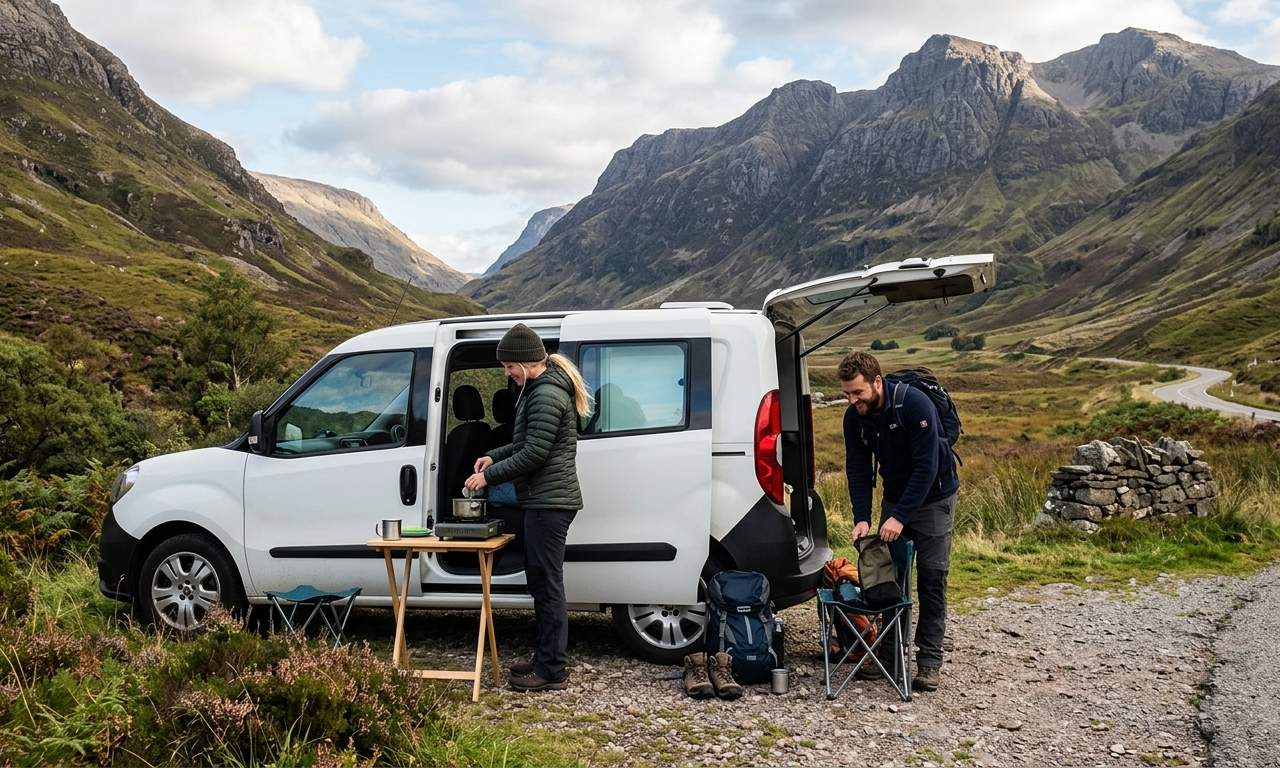
- Book your RV early, especially for peak season (May-September), to secure your preferred vehicle and dates; rentals can start from approximately £80-£120 per day for a compact campervan like the 'Active Original'. Many popular models, such as the 'Camping car example Euro Delux' (a large 6-berth with auto transmission), are booked out quickly during summer months.
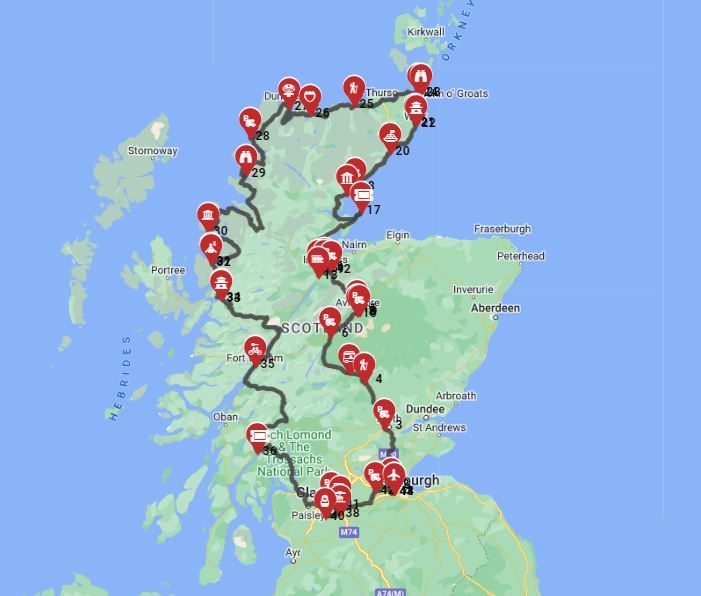
- Familiarize yourself with driving on the left and navigating Scotland's unique single-track roads and passing places, particularly on routes like the NC500, where larger motorhomes might find maneuvering challenging.
- Plan a flexible itinerary, balancing scheduled stops with spontaneous discoveries, but book key campsites in advance during high season to guarantee a spot; national and state parks often reserve only 25-30% of spots, with the rest being first-come, first-serve. You'll find a spot. If not at the first campground, then the next one. Call ahead before driving.
- Embrace wild camping responsibly where permitted, adhering strictly to 'Leave No Trace' principles to protect the environment; remember that Scotland's 'right to roam' does not extend to vehicles.
- Budget for various costs including fuel (diesel prices average around £1.50-£1.65 per liter), campsite fees (ranging from £20-£45 per night for a powered pitch), and potential extras like midges repellent and specific insurance coverage. RV PLANET routes make it easy to itemize and track every expense along the way for easy budgeting.
Before You Book - Class, Dates, Insurance
Selecting the right RV class for your Scotland trip depends on your group size, comfort needs, and the types of roads you plan to travel. For instance, a couple might opt for a compact campervan like the 'Juliette 2-3', which is easy to maneuver on narrow roads, while a family of four might prefer a Class C motorhome like the 'Euro Camper' with its additional sleeping spaces and amenities. A standard car driver's license is sufficient for all motorhome classes in Scotland.
Lock in your rental dates as far in advance as possible, particularly for popular summer months like July and August, to ensure availability and potentially better rates. Prices are dynamic and change daily, so comparing options early can save you money. For luxury travelers, our Luxury RV Rental in Scotland - Premium Prices 2026 guide offers high-end options, while budget-conscious adventurers might find helpful tips in our Cheap RV Rental in Scotland - Budget Guide 2026.
Understand your insurance options; basic insurance is always included, and selecting comprehensive coverage during your search will display prices for the most extensive protection available. You can also upgrade to a top-level deductible for extra peace of mind, a key differentiator offered by Bandana RV to ensure you travel with confidence.
Pre-Trip Prep - Packing Checklist for Scotland
Preparing for your Scottish RV adventure involves packing layered clothing, waterproof gear, and essential documents to handle the country's famously changeable weather and diverse activities.
Clothing Essentials:
- Waterproof and windproof jacket & trousers (average temperatures range from 15-20°C in summer, 0-5°C in winter).
- Warm layers (fleeces, jumpers) for cooler evenings or higher elevations.
- Comfortable walking shoes/boots suitable for uneven terrain.
- Midges repellent and head net (essential for outdoor comfort from May to September, especially in Highland areas).
- Sunscreen and hat (yes, Scotland gets sun too, with UV index up to 6 in summer!).
- Thermal underwear (for cooler months or if venturing into the mountains).
Kitchen & Camping Gear:
- Reusable water bottles to stay hydrated and reduce plastic waste.
- Eco-friendly toiletries to minimize environmental impact.
- Small cooler/cool bag for day trips or extra provisions.
- Basic cooking essentials (oil, salt, pepper) to utilize your RV's kitchen efficiently. For cooking inspiration, check out our RV-friendly recipes playlist.
- Tea towels and dish soap (often not included in basic rental packages).
Safety & Navigation:
- First-aid kit with any personal medications.
- Headlamp or flashlight for navigating campgrounds at night.
- High-visibility vest for roadside emergencies, a legal requirement in some European countries.
- Mobile phone and charger/power bank for communication and navigation.
- Roadside assistance contact provided by your rental company.
Documents:
- Driver's license (International Driving Permit is recommended for non-English speakers but not mandatory).
- Passport/ID and any necessary visa documents.
- RV rental agreement and insurance details.
- Credit/debit cards and some British Pounds sterling (GBP) cash for smaller purchases in remote areas.
On the Road - Driving, Fueling, Navigation
Driving a rented RV in Scotland requires adapting to left-hand traffic, narrow roads, and understanding proper use of passing places on single-track routes. Always drive slowly and carefully, and you can drive almost anywhere without issues. No need to stress - just use common sense and pay attention. Pay particular attention on roads like those found on the North Coast 500 (NC500), where a 'Combi Van' or a Class B 'Active Pop Top' (both typically around 5-6 meters in length) would be easier to navigate than larger Class C motorhomes. Speed limits vary; in Scotland, it's 30 mph (48 km/h) in built-up areas, 60 mph (96 km/h) on single carriageways, and 70 mph (112 km/h) on dual carriageways and motorways for cars and smaller motorhomes. Larger vehicles (over 3.05 tonnes) have lower limits, typically 50 mph (80 km/h) on single carriageways and 60 mph (96 km/h) on dual carriageways/motorways.
Fueling can be less frequent in remote areas, so plan your stops and refuel when you see opportunities, especially before heading into the Highlands or islands. Most RVs in Scotland run on diesel. You can expect to find fuel stations in larger towns and along main A-roads, but they become scarcer off the main routes. Consider a fuel card for potential discounts if offered by your rental supplier. Fuel costs are a significant part of your overall budget, and it's wise to factor in higher prices in remote regions. On the routes offered through RV PLANET routes, you can itemize and track every expense along the way for easy budgeting.
Utilize a reliable GPS system, ideally one with RV-specific settings that account for vehicle dimensions, to avoid unsuitable roads and navigate safely. Google Maps or dedicated RV navigation apps can be invaluable. Be aware of local wildlife, particularly deer and sheep, which can unexpectedly appear on roads, especially at dawn and dusk. Always adhere to posted speed limits and take regular breaks to prevent fatigue, as Scottish roads can be winding and require concentration. Remember, slow travel, averaging max 100-150 km per day, allows you to truly feel the place, connect to the culture, the food, and the scenery.
At the Campground - Setup, Hookups & Etiquette
Setting up your RV at a Scottish campground typically involves leveling the vehicle, connecting to utility hookups (electricity, fresh water), and properly managing waste. Most organized campsites offer electric hookups (EHU), often 16-amp, and fresh water points. Waste disposal (grey water and black water) facilities, known as "dump stations" or "chemical disposal points (CDP)," are standard. A typical motorhome, such as the 'MIA' (a 4-berth with 100-liter fresh water tank and 90-liter waste water tank), will require these facilities every 2-3 days depending on usage.
Follow a systematic setup order: first, position and level your RV using ramps if necessary, then connect electrics, followed by fresh water, and finally, prepare your grey and black water tanks for disposal. Disconnecting typically reverses this order, always emptying waste tanks first. Always use specific hoses for fresh water and a separate one for black tank flushing to maintain hygiene.
Observe campground quiet hours, usually from 10 PM to 7 AM, to ensure a peaceful environment for all campers. This is a common courtesy across Europe. Practice good campsite etiquette by keeping your pitch tidy, respecting personal space (pitches are generally 6-8 meters apart), and properly disposing of all rubbish in designated bins. Familiarize yourself with the campground's rules regarding pets, BBQs, and communal facilities upon arrival, as policies can vary between sites.
RV Rental Beginners-Specific Tips for Scotland
Tailoring your RV rental choice and itinerary to your specific group type ensures a smoother and more enjoyable first trip to Scotland.
- For families with young children, choose an RV with sufficient sleeping areas (e.g., a 6-berth 'Euro Deluxe' with three double beds) and consider routes with child-friendly attractions and regular, short driving intervals for naps, perhaps averaging 80-100 km per day. Many campsites offer play areas, making stops enjoyable for kids.
- Senior travelers might prefer smaller, easier-to-maneuver campervans (like the 'V2L' with automatic transmission, approximately 6 meters long) or larger, more comfortable Class SI motorhomes with accessible features, avoiding overly strenuous routes. Consider a rental with an automatic transmission for ease of driving on Scotland's varied terrain.
- Budget-conscious travelers can save by utilizing free overnight parking spots (where legal and safe, respecting local signage), cooking most meals in their RV, and opting for off-peak season travel (October-April) where rental prices can be 15-30% lower than in summer. Our "Cheap RV Rental in Scotland - Budget Guide 2026" offers more detailed savings tips.
- Luxury-seeking travelers can enhance their experience with premium RV models (such as a Class A 'Comfort Luxury' with exclusive features) offering more space and amenities, additional rental add-ons like outdoor furniture, and booking high-end campsites or glamping sites with extensive facilities.
Common Mistakes to Avoid in Scotland
First-time RV renters in Scotland can enhance their trip by learning from common mistakes and planning proactively.
- Instead of underestimating driving times, factor in slower speeds on single-track roads (which can limit progress to 30-40 km/h) and frequent photo stops; often, distances appear short but take longer to cover, sometimes twice as long as estimated by online maps.
- Rather than risking full campsites, book your desired pitches in advance, especially during high season (June-August), to avoid disappointment and ensure a comfortable overnight stay. Popular spots on routes like the NC500 or near major attractions can be fully booked months ahead.
- Instead of ignoring midges, proactively pack effective repellents and head nets, particularly for trips in late spring to early autumn (May-September), to minimize discomfort. Peak midge activity is typically at dawn and dusk.
- Rather than overpacking, pack efficiently with versatile, layered clothing and minimize unnecessary items to maximize space and reduce fuel consumption. A typical Class C motorhome like the 'Cruise America rv rental example Explorer' has a limited load capacity and fuel efficiency of 11 liters/100 km.
- Instead of overlooking fuel costs, budget generously for petrol or diesel, as prices can vary and distances covered might be greater than anticipated. For example, a 1-week trip covering 1000 km in a medium RV might incur £150-£200 in fuel costs alone.
Is RVing the best way to see Scotland compared to other travel options?
RVing offers unparalleled freedom and flexibility to explore Scotland at your own pace, allowing access to remote areas and the ability to change plans spontaneously, which fixed accommodation or public transport may not provide. With a rented motorhome, you are not tied to check-in times or train schedules, allowing you to linger at a stunning viewpoint or explore a hidden glen discovered serendipitously.
Compared to car-and-hotel travel, a rented RV can be more cost-effective for groups or longer trips by combining accommodation and transport, offering self-sufficiency for meals and lodging. While hotels offer different amenities, the ability to cook your own meals and sleep wherever your itinerary takes you (within legal camping limits) often balances out or even reduces overall trip costs. Our "RV Rental in Scotland - Prices and Best Deals 2026" guide delves deeper into budgeting.
While train travel can be scenic, it limits access to off-the-beaten-path destinations; RVing bridges this gap, connecting you directly to nature and lesser-known spots. Scotland's extensive network of smaller roads leads to many remote lochs, beaches, and historic sites inaccessible by rail. The trade-offs include adapting to driving a larger vehicle, navigating narrow roads, and managing campsite logistics, which might not suit travelers preferring minimal planning. Ultimately, RVing is ideal for those seeking adventure, independence, and a close connection with Scotland's diverse landscapes, offering a unique blend of comfort and exploration.
What practical tips do international travelers need for RVing in Scotland?
International travelers should confirm any visa requirements for the UK well in advance of their trip, as rules vary by nationality. Most visitors from the EU, USA, Canada, Australia, and New Zealand do not require a visa for short tourist stays (up to 6 months), but always check the latest government guidance.
Purchasing a local SIM card upon arrival is recommended for reliable mobile data and calls, essential for navigation, emergencies (dial 999), and staying connected in areas with limited Wi-Fi. Major UK providers like EE, Vodafone, O2, and Three offer pay-as-you-go SIMs that can be bought at airports or supermarkets. While credit and debit cards are widely accepted, carrying some British Pounds sterling (GBP) cash is prudent for smaller purchases, remote shops, or local markets that may not have card facilities.
Ensure you have comprehensive travel insurance that covers RV rental and medical emergencies; an EHIC or GHIC card (for EU citizens) is useful but is not a substitute for robust travel insurance. While English is universally spoken, learning a few basic Scottish Gaelic phrases can be a delightful way to engage with local culture, though it's not necessary for communication. Remember that Bandana RV has been helping tens of thousands of travelers explore the world by RV since 2001, including extensive coverage in 50+ countries with local expertise and support.
What are essential safety tips for RV travel in Scotland?
Always know the emergency contact number, which is 999 in the UK for police, ambulance, or fire services, and be prepared to give your exact location, including landmarks or road numbers. In remote areas, signal might be patchy, so consider carrying a physical map as a backup.
Prepare for vehicle breakdowns in remote areas by carrying a charged mobile phone (and power bank), knowing your rental company's roadside assistance number, and having basic emergency supplies like a warning triangle and high-visibility vest. Bandana RV offers 24/7 support for pre-booking inquiries and coordination during your rental, ensuring real people are behind you every step of the way.
Protect against midges and ticks by using appropriate repellents and checking yourself and pets after walks, especially in grassy or wooded areas, particularly from May to September. Monitor local weather forecasts diligently, as Scottish weather can change rapidly, and be prepared for strong winds, heavy rain, or even snow in higher elevations during cooler months (October-April). Ensure you have adequate mobile signal or an alternative communication method like a satellite messenger when venturing into very remote regions where coverage can be patchy.
How can I RV responsibly and sustainably in Scotland?
Practicing 'Leave No Trace' principles is crucial, meaning packing out all litter, disposing of waste and greywater at designated points, and leaving campsites as you found them. This includes proper use of chemical disposal points at campsites and avoiding dumping waste anywhere else. The 'right to roam' in Scotland applies to walking and wild camping in non-motorized ways, so always stick to designated RV parking or official campsites.
Minimize your environmental footprint by using eco-friendly cleaning products, conserving water (a typical RV like the 'MH2 - IDUNN' has a 120-liter fresh water tank, which needs to last), and sorting waste for recycling where facilities are available. Many Scottish towns and campgrounds offer recycling bins for glass, plastic, and paper.
Support local economies by purchasing food, crafts, and services from small businesses and producers in the towns and villages you visit. This might include buying fresh produce from a farm shop or dining at a local pub. Respect Scotland's natural habitats and wildlife by observing from a distance, keeping dogs on leads (especially near livestock or nesting birds), and avoiding disturbance of sensitive areas, particularly during breeding seasons. Reduce noise and light pollution, especially when wild camping, to preserve the tranquility of natural spaces and respect local residents. Travel slowly, max 100-150 km per day on average, to fully experience each place.
What is the best RV size for specific routes in Scotland like the NC500?
For narrow, winding routes prevalent in Scotland, particularly the North Coast 500 (NC500) and many island roads, smaller RVs like compact campervans (e.g., a VW California Ocean or similar, typically under 5 meters in length) are generally recommended for ease of maneuverability. These vehicles usually have an average fuel consumption of 8-11 liters/100 km, making them efficient for long drives.
Larger motorhomes, such as a Class C 'Euro Deluxe' (around 7.2 meters long), offer more interior space and comfort but can present significant challenges on single-track roads with passing places, limiting access to some of Scotland's most scenic and remote spots. Many sections of the NC500, especially west coast routes like the B869 to Drumbeg, are single-track for extended stretches, requiring drivers of larger vehicles to be very experienced and patient.
Consider the number of travelers and your comfort priorities; while a smaller vehicle is easier to drive, a larger one might be necessary for families needing more sleeping and living space. Always check the dimensions (height, width, length) of your chosen RV against bridge heights, road restrictions (often indicated by 'Unsuitable for HGVs' signs, which often include larger RVs), and ferry limits for any specific routes you plan to take. For routes with more main roads, a medium-sized motorhome might be suitable, but for truly off-the-beaten-path exploration, opting for the smallest comfortable option is often best.
Where can I park my RV in Scottish towns and non-campsite areas?
In Scottish towns, utilize designated RV parking areas, often found in larger car parks or on the outskirts, which may incur a fee of £5-£15 for a few hours. These are usually clearly marked with caravan symbols. Always drive slowly and carefully, and you can drive almost anywhere without issues. No need to stress - just use common sense and pay attention.
Be highly observant of local parking regulations and signage in towns, as many areas have restrictions on vehicle size, duration, and specific zones (e.g., resident parking permits are common in city centers). Parking illegally can result in fines from £30-£100. Avoid parking in a manner that obstructs traffic, blocks access for residents or emergency services (such as narrow lanes or residential streets), or creates a nuisance in non-campsite locations. The 'right to roam' in Scotland specifically excludes motor vehicles from wild camping or parking on private land without permission.
Overnight parking outside of official campsites or designated wild camping spots is often restricted; always check local council websites or specific signs for clarity. Consider 'Aires' or informal overnight stops (often found via apps like Park4Night, which lists over 500 spots in Scotland) which are sometimes tolerated or provided in certain areas, but always prioritize safety and legality. For finding campsites and campgrounds during your trip, we recommend using RV PLANET (rvplan.net) - a great resource for locating available spots along your route.
What are some off-the-beaten-path RV routes in Scotland?
To find truly off-the-beaten-path RV routes in Scotland, venture beyond the popular NC500 to areas like the Outer Hebrides (e.g., exploring the islands of Lewis, Harris, and the Uists), which offer stunning landscapes and unique cultural experiences. Ferry crossings to the Outer Hebrides can accommodate RVs up to 10 meters in length but require advance booking, especially in peak season, costing £100-£200 for a motorhome and passengers.
The Galloway Forest Park and Ayrshire Coast in the southwest provide serene drives, dark sky parks (Galloway Forest Park is a designated Dark Sky Park), and historic sites with fewer crowds than the Highlands. This region features over 30 marked walking trails and several quiet loch-side camping spots.
Explore the less-traveled parts of the Cairngorms National Park, focusing on smaller glens and local villages rather than just the main tourist hubs like Aviemore. Routes around Glen Livet or along the Snow Roads Scenic Route (a 90-mile stretch) offer stunning scenery and quieter roads. Consider the Argyll Coastal Route (A83/A816/A85), which offers dramatic loch-side views and access to beautiful islands like Mull and Iona, often with quieter roads. Seek out local 'wee roads' (smaller, often single-track roads) that diverge from main routes, leading to hidden gems, secluded beaches, and authentic Scottish hamlets. Always remember to travel slowly, max 100-150 km per day on average, to fully appreciate these hidden treasures.
How can I find authentic local experiences during my RV trip in Scotland?
To find authentic local experiences during your RV trip, visit local farmers' markets and artisan shops to discover unique Scottish produce and crafts directly from their creators, often found in towns like Perth or Inverness. These markets can be found through local tourism websites or community boards.
Engage with locals in traditional pubs (often called 'hostelries') or community centers, especially during evenings, for genuine conversations and insights into daily life and local stories. Many pubs host traditional music sessions (ceilidhs) in the evenings. Look for local festivals, ceilidhs (traditional Scottish dances), or community events advertised in villages or online, offering a vibrant immersion into Scottish culture. Events like Highland Games or local food festivals are a fantastic way to connect with the heart of Scotland.
Seek out smaller, independent museums, heritage centers, or historical sites that delve into specific local histories, rather than just major national attractions. For example, the many local folk museums throughout the Highlands offer fascinating glimpses into regional life. Consider trying unique activities like foraging tours for wild Scottish foods, taking a craft workshop (e.g., weaving, pottery), or joining a local storytelling session to hear traditional tales, often advertised at visitor centers. Our sister company, RV PLANET (rvplan.net), offers pre-planned routes with local highlights and unique experiences designed by professionals.
Is RVing in Scotland suitable for families with children or pets?
RVing in Scotland can be highly suitable for families with children, offering the flexibility to stop for naps and play, prepare familiar meals (using your RV kitchen, which typically includes a stove and a refrigerator with a capacity around 80-150 liters), and carry all essential gear, reducing stress compared to constant hotel changes. Many campsites across Scotland are family-friendly, featuring play areas, entertainment, and facilities designed to cater to children's needs, such as heated shower blocks and laundry facilities. Families often find the 'Category Family 5' motorhome, a 6-berth with bunk beds, ideal for space and comfort.
Traveling with pets requires checking individual RV rental company policies and campsite rules, as some may have restrictions or charge additional fees for animals (e.g., an extra cleaning fee of £30-£50). Ensure pets are secured safely during travel with appropriate harnesses or crates, have adequate space and comfort, and are well-behaved and leashed at campsites and in public areas. The 'Active Original' campervan is a popular choice for pet owners due to its compact size and easy access.
Plan your itinerary to include pet-friendly attractions, walking trails, and beaches, and always carry pet waste bags to adhere to responsible pet ownership guidelines. Scotland has numerous dog-friendly pubs, beaches, and walking routes, particularly in national parks. Always check the specific rules for each location before visiting. Bandana RV offers comprehensive comparisons, including pet-friendly options, to help you find the perfect rental for your whole family.
What You Shouldn't Miss
- Isle of Skye & The Fairy Pools: Drive your RV across the iconic Skye Bridge and venture into the rugged landscapes of the Isle of Skye. The Fairy Pools, with their crystal-clear waters and waterfalls, offer magical hiking and photography opportunities.
- Loch Ness & Urquhart Castle: Spend a day exploring the depths of Loch Ness. Visit the dramatic ruins of Urquhart Castle, perched on the loch's edge, offering panoramic views and a chance to spot Nessie from your viewpoint.
- Edinburgh's Historic Charm: Park your RV on the city outskirts (such as at the Edinburgh Caravan and Motorhome Club Site) and use public transport to explore Edinburgh Castle, the Royal Mile, and the vibrant Old Town. The city's rich history is a must-see.
- Cairngorms National Park: Immerse yourself in the UK's largest national park. Enjoy scenic drives, wildlife spotting (red deer, golden eagles), and hiking trails from accessible RV bases like Glenmore Campsite, known for its proximity to Loch Morlich.
- Whisky Trail in Speyside: Follow the famous Malt Whisky Trail in Speyside, visiting renowned distilleries and sampling Scotland's national drink. Many distilleries offer RV parking, but ensure you have a designated driver!
- Coastal Drives of Argyll: Discover the stunning Argyll Coastal Route (A83/A816/A85), taking in picturesque coastal towns, ancient ruins, and ferry links to the Inner Hebridean islands like Mull and Iona.
Looking for expert insights from Avi Bandana? Top 5 Adventures - recommendations from Avi Bandana.
🎬 Video coming soon
Final Thoughts
Your first RV rental trip to Scotland is an invitation to experience freedom and beauty in a way few other travel styles can match. Imagine waking up to breathtaking loch views, cooking breakfast amidst ancient glens, and exploring historic villages at your own pace. While there's a little planning involved, the rewards of a self-driven adventure through Scotland's incredible landscapes are immense.
We're here to support you every step of the way, from comparing prices and vehicle options to understanding the nuances of Scottish roads and camping etiquette. Our commitment to full transparency and personal service means you can embark on your journey feeling prepared and excited, knowing you have true RV specialists behind you.
So, take the leap! Scotland in a rented motorhome or campervan offers a journey of discovery, connection, and unforgettable memories. Get inspired for your next trip! Plan a trip itinerary in advance with minimal effort and maximum enjoyment. Compare Motorhome Prices for Scotland now and begin crafting your dream Scottish adventure.