In This Guide
- Top 5 Tips for RV Rental Beginners in Porto
- Before You Book — Class, Dates, Insurance
- Pre-Trip Prep — Packing Checklist for Porto
- On the Road — Driving, Fueling, Navigation
- At the Campground — Setup, Hookups and Etiquette
- RV Rental Beginners-Specific Tips for Porto
- Common Mistakes to Avoid in Porto
- What do I need to know before renting an RV?
- Is Portugal camper friendly?
- Where do you go to the toilet in a campervan?
- What are the drawbacks of renting an RV?
- What is the 3-3-3 rule when RVing?
- What is the 4 4 4 rule for RVing?
- What is the 2 2 2 rule for RV?
- Is it cheaper to rent an RV or stay in a hotel?
- What to bring when renting a campervan?
Embarking on your first RV rental adventure in Porto, Portugal, offers an unparalleled way to explore the stunning Douro Valley, historical cities, and golden coastlines at your own pace. As true RV specialists, Bandana Caravan has been helping tens of thousands of travelers discover the world by rented RV since 2001, providing expert advice and a seamless booking experience. Whether you're planning a week-long trip to central Portugal or an extended road trip further afield, our goal is to ensure your first motorhome experience in Porto is nothing short of incredible. For live availability and current prices, start with our RV Rental Porto - Complete Guide 2026 guide.
Top 5 Tips for RV Rental Beginners in Porto
Navigating Porto as an RV rental beginner requires strategic planning, especially concerning vehicle size, local tolls, and campground reservations. Firstly, opt for a smaller RV class, such as a compact campervan (e.g., a "Category Van" which is ideal for a couple, offering a shower and toilet in a small RV size), to navigate Porto's charming, often narrower, streets and historical areas like Ribeira with greater ease. Drive slowly and carefully, and you can drive almost anywhere without issues; no need to stress-just use common sense and pay attention. Secondly, familiarize yourself with Portugal's electronic toll system, specifically Via Verde, which your rented RV will likely have, to ensure smooth travel on highways like the A1 connecting to Lisbon or the A3 towards Braga. Thirdly, booking your preferred campgrounds in advance, especially during peak season from June to September, is crucial to secure a spot and avoid last-minute searching near popular Porto attractions such as the Douro River or the Atlantic beaches of Matosinhos. Fourth, plan your routes to include designated RV service areas (known as Áreas de Serviço para Autocaravanas - ASA) for convenient waste disposal and water refills, which are essential for sustainable travel and maintaining your vehicle's fresh water tank (often 80-120 liters). Lastly, embrace local Portuguese culture by sampling regional cuisine like Francesinha, respecting quiet hours (commonly 10 PM to 8 AM) at campsites, and observing local customs, particularly when interacting with communities in quaint villages. These practical steps will help ensure a relaxed and enjoyable adventure. On the routes offered through RV PLANET routes, you can itemize and track every expense along the way for easy budgeting.
Before You Book - Class, Dates, Insurance
Selecting the appropriate RV class for your Porto adventure depends on factors like your group size, desired amenities, and comfort level with driving larger vehicles. Smaller campervans, such as a "hire campervan example Paradise S/T" (an automatic transmission vehicle ideal for a couple, featuring a shower and toilet), are generally more agile for navigating Portuguese towns and roads, offering greater maneuverability in tighter spots like the streets near Livraria Lello. Larger motorhomes, like an "rv rentals example Comfort Class" which features 3 double beds and is ideal for a big family, offer more spacious living areas and amenities for groups of 4-6 people, though they require more careful planning for parking and driving. Locking in your rental dates well in advance, especially for high season (June to September) or major holidays like São João, is crucial for securing the best selection of RVs and potentially more favorable rates from Porto rental providers. RV rental insurance typically includes basic third-party liability coverage, but travelers often consider additional options, such as collision damage waiver (CDW) or an upgrade to a top-level deductible for comprehensive protection against unforeseen incidents, providing extra peace of mind. Our platform makes it easy to compare final prices across 50+ suppliers, so you don't have to, ensuring full transparency with no hidden fees or surprises.
🎬 Video coming soon
For additional route planning options and to refine your choice of vehicle, exploring our "RV Travel Guide to Porto - Tips and Top Spots 2026" can offer valuable insights specific to the region. Remember, prices are dynamic like flight tickets, changing daily based on availability, seasonality, and supplier marketing decisions, so the final price is set at actual booking time. We believe in selling the way we'd like to buy-with honesty.
Pre-Trip Prep — Packing Checklist for Porto
Preparing a tailored packing checklist for your Porto RV trip can significantly enhance your experience, ensuring you have all essentials for Portugal's climate and road conditions. While most rental motorhomes come equipped with basic kitchenware and bedding, a few key items will make your adventure smoother.
- Layers of clothing (for varying temperatures and potential dampness, especially along the coast)
- Waterproof jacket or umbrella (Porto can be rainy even in summer)
- Comfortable walking shoes for city exploration (Porto is hilly!)
- Reusable water bottles (to refill at public fountains or campgrounds)
- Small cooler or insulated bag (for market finds from Mercado do Bolhão)
- Basic cooking spices (salt, pepper, olive oil) - for delicious meals prepared in your RV's kitchen from local ingredients. For inspiration, check out our RV-friendly recipes playlist.
- Dish soap and sponge
- First-aid kit
- High-visibility vest (mandatory in Portugal, typically one per person)
- Warning triangle (mandatory in Portugal, usually supplied by rental company)
- Portable power bank
- Passport/ID
- Driving license (a standard car driver's license is sufficient for all motorhome classes; an International Driving Permit is recommended for non-English speakers but not mandatory in most cases)
- RV rental agreement and insurance details
- Physical maps (as a backup to GPS, especially for scenic detours in the Douro Valley)
- European power adapter (Type F, commonly used in Portugal)
- GPS device or reliable navigation app with offline capabilities (essential for Porto's intricate streets)
- Insect repellent (especially near rivers and lakes)
- Quick-drying towels
- Laundry bag
On the Road - Driving, Fueling, Navigation
Navigating Porto's roads requires specific attention to narrower city streets, particularly in older districts like the Zona da Ribeira, and understanding Portugal's electronic toll system, often managed by a transponder in your rental RV, ensuring smooth travel. Drive slowly and carefully, and you can drive almost anywhere without issues; no need to stress-just use common sense and pay attention. The A4 highway, for instance, connects Porto eastward, often featuring these electronic tolls. Fueling your RV in Portugal is straightforward, with diesel (gasóleo) being widely available at service stations along major highways (e.g., Repsol, Galp) and in towns, always ensuring you select the correct fuel type for your vehicle's engine. For effective navigation around Porto and its scenic surroundings, utilize a GPS system that can account for your RV's dimensions, helping to avoid unsuitable roads like very narrow historical alleys, and consider having physical maps as a reliable backup for areas with limited signal. Be aware that many Portuguese tolls, especially on the A28 north of Porto, are exclusively electronic; ensure your RV is equipped with a Via Verde transponder or understand how to manage payments post-travel to avoid potential fines, which can range from €20 to €150. Observe posted speed limits, which are adjusted for different vehicle types and roads, and look out for signage indicating restricted access areas, particularly in historic city centers or protected natural parks. Remember to factor in these ancillary costs like fuel and tolls; you can easily itemize and track every expense along the way for easy budgeting with RV PLANET routes.
At the Campground - Setup, Hookups and Etiquette
Setting up your RV at a Portuguese campground, such as Orbitur Angeiras near Porto, typically involves leveling your vehicle on solid ground, connecting to electricity for power, and then hooking up the freshwater supply before managing wastewater disposal. Most campgrounds around Porto offer 16-amp or 32-amp electrical hookups. The standard hookup procedure generally begins with securing the electrical connection (using a European CEE plug, usually provided with your rental), followed by attaching the freshwater hose to a potable water source, and finally, preparing your gray water (sink/shower) and black water (toilet) tanks for proper drainage at designated points, often called "dump stations" or "service points" within the campground. Observing campground etiquette, such as respecting designated quiet hours (commonly from 10 PM to 8 AM), maintaining a tidy pitch, and properly disposing of all waste, ensures a harmonious environment for all campers. Many campgrounds around Porto offer convenient amenities like showers, laundry facilities, and sometimes even swimming pools, enhancing your stay and providing opportunities for relaxation and refreshment. Always adhere to the specific rules for waste disposal at each campground, as incorrect procedures can lead to environmental issues and penalties, particularly with black water (toilet) waste. For finding campsites and campgrounds during your trip, we recommend using RV PLANET (rvplan.net) - a great resource for locating available spots along your route.
RV Rental Beginners-Specific Tips for Porto
For first-time RV renters in Porto, tailored advice can significantly enhance your adventure. Families renting an RV in Porto might benefit from choosing models like a "Group G" which sleeps up to 7, or a "Group H" also sleeping up to 7, offering distinct sleeping areas and planning routes that include campgrounds with playgrounds or proximity to kid-friendly attractions like local beaches (e.g., Foz do Douro) or Parque Aquático de Amarante. Senior travelers should consider RVs with automatic transmissions, easily accessible beds, and perhaps smaller, more maneuverable models like a "Category Small AT" (which offers automatic transmission and is ideal for a couple) to comfortably navigate Porto's varied terrain and enjoy a relaxed pace, especially when visiting sites like the Clérigos Tower. Budget-conscious renters can maximize savings by opting for smaller campervans, utilizing self-catering facilities within the RV by purchasing fresh produce from local Porto markets like Mercado do Bolhão, and researching approved low-cost 'Quinta' or 'Adega' overnight parking spots instead of always paying for full-service campgrounds. For those seeking a luxury experience, consider premium RV models offering enhanced features such as larger living spaces, advanced climate control, or additional services like airport delivery or pre-stocked provisions upon arrival at Porto Airport (Francisco Sá Carneiro Airport - OPO).
Common Mistakes to Avoid in Porto
Avoiding common pitfalls is key to a smooth RV rental experience in Porto. **Ignoring Portuguese Tolls** is a frequent mistake; instead, ensure your RV rental is equipped with a functioning Via Verde transponder and understand its usage, or research alternative payment methods to avoid unexpected fines on highways like the A20 or A4. **Underestimating Driving Challenges** is another pitfall; instead, choose an RV size appropriate for your driving comfort, especially if planning to explore Porto's historic city center or winding coastal roads (such as the N108 along the Douro River), and practice maneuvering in open areas near your pickup location. **Neglecting Campground Reservations** can lead to stress, particularly during the busy summer months when popular locations like Parque de Campismo da Madalena fill up quickly; instead, book your desired campsites in advance. **Forgetting Local Etiquette and Regulations** might cause issues; instead, research basic Portuguese customs, be mindful of noise levels at campsites, respect private property, and adhere to local rules regarding wild camping, which, while more relaxed since 2023 for self-sufficient vehicles up to 48 hours, is still generally restricted in protected areas. **Overpacking Your RV** unnecessarily increases fuel consumption and reduces living space; instead, pack efficiently with versatile clothing layers suitable for Porto's climate and utilize the RV's storage wisely to prevent clutter. Finally, **Skipping Pre-Trip Vehicle Checks** can lead to unexpected issues; instead, conduct a thorough walk-through with the rental company, checking for existing damage, confirming all systems (water, electricity, waste) are operational, and understanding the vehicle's unique features before leaving the depot, usually located outside the immediate city center near the airport.
What do I need to know before renting an RV?
Before renting an RV for your Porto adventure, it is essential to understand the various classes of recreational vehicles available, confirm your driving license is valid for the chosen vehicle size in Portugal, and familiarize yourself with the rental company's insurance options. A standard car driver's license (Category B in the EU) is sufficient for all motorhome and campervan classes available for rent through Bandana Caravan, and the minimum rental age is 21 with no young driver surcharges. Consider the comprehensive cost beyond just the daily rental rate, including fuel, electronic tolls (like Via Verde, which are common around Porto), campground fees, and potential additional mileage or convenience charges. Planning your itinerary, including intended overnight stops and service areas (ASAs) for fresh water (100L tanks are common) and waste disposal (80L waste tanks), well in advance, as popular campsites around Porto and elsewhere in Portugal can become fully booked during peak travel periods. Research Portugal-specific driving regulations, such as mandatory high-visibility vests and warning triangles for all vehicles, and understand the country's updated rules regarding responsible overnight parking.
Is Portugal camper friendly?
Portugal is widely regarded as a camper-friendly destination, offering diverse landscapes from the Atlantic coast near Porto to the scenic Douro Valley, supported by a growing network of campgrounds and dedicated motorhome service areas (Áreas de Serviço para Autocaravanas - ASA). While strict rules apply, recent changes in January 2023 now allow 'pernoita' (overnight stays) for up to 48 hours outside protected areas for self-sufficient vehicles, providing more flexibility for RV rental travelers from Porto. The infrastructure for RVs continues to improve across the country, with many regions, including those surrounding Porto, offering accessible facilities for waste disposal, water refills, and electrical hookups. The presence of the efficient Via Verde electronic toll system simplifies highway travel for RVs, although drivers should be prepared for potentially narrow roads in older towns and villages, and always drive slowly and carefully in these areas. You'll find spots to stay; if not at the first campground, then the next one. Always call ahead before driving.
Where do you go to the toilet in a campervan?
In a campervan or RV, toilet facilities typically range from portable cassette toilets to fixed toilets connected to a black water holding tank, with waste requiring disposal at designated emptying stations found at campgrounds or motorhome service areas (ASAs). Smaller campervans, such as an "rv rental denver example Category Van" or "hire campervan example Paradise S/T", often utilize compact, portable toilets (porta-potties), while larger RVs usually feature a full wet bath or dry bath complete with a flush toilet, shower, and sink. When touring Portugal from Porto, it is crucial to plan your route to include stops at official campsites or ASAs, where facilities for safe and hygienic black and gray water disposal are provided and clearly marked, usually with a blue sign. Always use appropriate chemicals in the black water tank to aid in waste breakdown and odor control, and strictly adhere to environmental regulations by never disposing of waste outside of designated and approved areas.
What are the drawbacks of renting an RV?
Renting an RV can have drawbacks, including potentially higher overall costs compared to budget hotel stays when factoring in rental fees, significant fuel expenses, tolls (like those on the A4 near Porto), campground fees (typically €15-€40+ per night), and potential additional mileage or convenience charges. Maneuvering a larger RV, especially for beginners, can be challenging on Portugal's often narrow city streets in Porto, historic village lanes, and winding coastal roads, which may limit access to certain areas or make parking difficult, particularly for a 7-meter long Class C motorhome. RV travel requires more extensive logistical planning for crucial services like waste disposal (e.g., keeping a 100-liter waste water tank managed), freshwater refills, and finding suitable overnight parking or campsites, which can be time-consuming and sometimes stressful. While offering flexibility, RV travel can be slower than traveling by car, and finding convenient parking in popular tourist destinations like central Porto can be particularly difficult and costly, sometimes requiring you to park further out and use public transport.
What is the 3-3-3 rule when RVing?
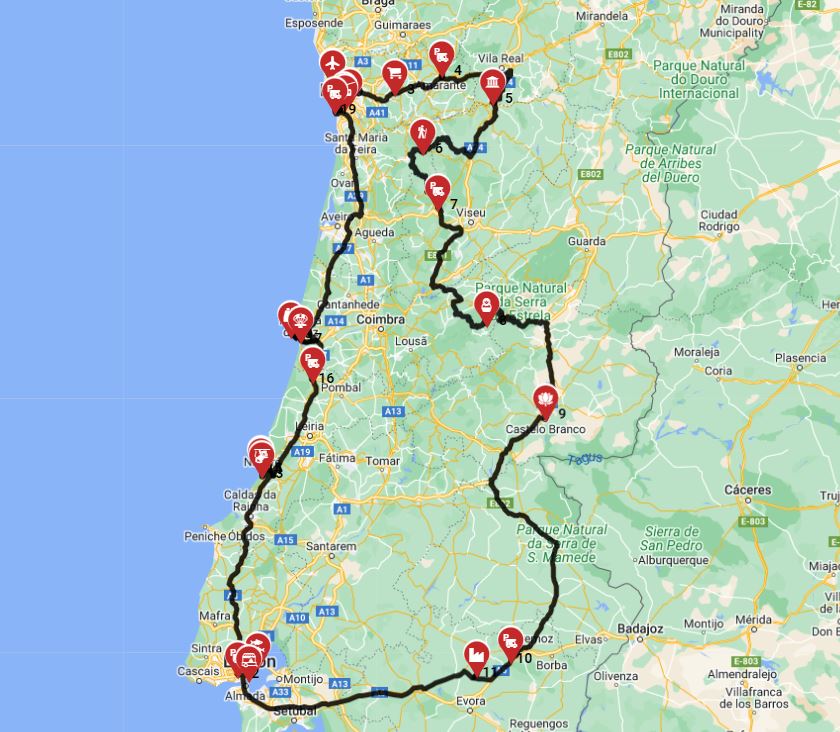
The '3-3-3 rule' in RVing suggests driving no more than 300 miles (approximately 480 kilometers) in a day, arriving at your destination by 3 PM, and staying for a minimum of 3 nights, promoting a more relaxed and immersive travel experience. Applying this rule to an RV trip starting from Porto encourages travelers to avoid rushed schedules, allowing ample time to explore the city's sights, the Douro Valley, or the scenic coastline (such as the Foz do Douro) without the constant pressure of moving on. This guideline is designed to mitigate driver fatigue, provide sufficient time for campsite setup and local activities, and reduce the overall stress often associated with frequent relocations in a large vehicle. For example, traveling from Porto to Lisbon (around 310 km) would allow for a relaxed drive, arriving by 3 PM, and then enjoying a multi-day stay to deeply experience the capital. While a general guideline, the 3-3-3 rule can be flexibly adapted to specific Portuguese itineraries, allowing for shorter drives on particularly scenic routes or longer stays in areas of high interest around Porto.
What is the 4 4 4 rule for RVing?
The '4-4-4 rule' for RVing is a variation that recommends driving no more than 400 kilometers (or miles) in a single day, aiming to arrive at your campsite by 4 PM, and committing to a stay of at least 4 nights, fostering an even more unhurried pace of travel. This rule promotes extended stays at each chosen location, which is ideal for travelers departing from Porto who wish to thoroughly explore a region, delve into local culture, and enjoy activities without feeling rushed, perhaps spending four nights exploring the port wine cellars of Vila Nova de Gaia and the beaches of Costa Nova. Adopting the 4-4-4 rule significantly reduces daily travel pressure, providing ample time for relaxed driving, leisurely campsite setup, and deeper engagement with the attractions or natural beauty of Portugal. For RV rental beginners, this approach enhances the overall trip satisfaction by minimizing stress and maximizing opportunities for relaxation and enjoyment of Portugal's diverse offerings. We always recommend slow travel, averaging max 100-150 km per day, to truly feel the place, connect to the culture, the food, and the scenery.
What is the 2 2 2 rule for RV?
The '2-2-2 rule' for RV travel suggests driving no more than 200 miles (approximately 320 kilometers) per day, arriving at your campsite by 2 PM, and staying for a minimum of 2 nights, offering a balanced approach between covering ground and enjoying destinations. This rule is particularly beneficial for RV rental beginners in Porto, as it ensures shorter daily driving distances, providing more time to become comfortable with operating the RV and exploring the immediate surroundings without exhaustion. For instance, a drive from Porto to Coimbra (around 120 km) or the Peneda-Gerês National Park (around 100 km) allows for a leisurely morning and an early afternoon arrival. Arriving at your destination by 2 PM allows ample time for leisurely campsite setup, unwinding, and offers a full afternoon and evening to discover local attractions, relax, or prepare meals without feeling pressured. Adhering to a two-night minimum helps reduce the frequency of packing up and setting up, making the trip feel less like a constant relocation and more like a series of relaxed mini-stays, enhancing overall enjoyment of your Portuguese adventure.
Is it cheaper to rent an RV or stay in a hotel?
Determining whether renting an RV is cheaper than staying in a hotel for a trip around Porto and Portugal depends heavily on factors such as trip duration, number of travelers, and your personal travel style, with an RV's total costs often being comparable or potentially higher than a budget hotel. When considering an RV, you must account for the rental fee (which can range from €80-€200+ per day), significant fuel costs (a Class C motorhome might consume 11-15 liters per 100 km), electronic tolls (e.g., €5-€15 per day on major routes from Porto), daily campground fees (typically ranging from €15-€40+ for a powered pitch), and your food expenses if you plan to self-cater. While a budget hotel in central Porto might appear cheaper upfront, an RV allows for substantial savings on meals by enabling cooking, which can be a significant cost-saver for families (4-6 people) or groups over longer periods, as you can buy fresh produce at local markets. For a truly comprehensive cost analysis of RV travel versus hotels in Porto/Portugal, compare the combined daily expenditure for an RV (rental, fuel, tolls, campsites) against the daily cost of a rental car, hotels, and all restaurant meals, to ascertain the most economical option for your specific trip. Many find the value in flexibility and unique experiences far outweighs any marginal cost difference.
What to bring when renting a campervan?
When preparing for a campervan trip from Porto, essential items to bring include personal clothing suitable for layering to adapt to varying temperatures from the coast to the Douro Valley, toiletries, all necessary travel documents (passport, valid driving license, rental agreement), and a compact first-aid kit. Beyond personal items, consider packing practical gear such as a European Type F power adapter (for 220V hookups at campsites), a reliable portable phone charger, sturdy walking shoes for exploring Porto's hilly terrain, and a reusable water bottle to stay hydrated, especially when visiting sites like the Crystal Palace Gardens. While many rental companies provide basic kitchenware and bedding, it's often advisable to bring personal comforts like quick-drying towels, a favorite coffee mug, and any specific cooking utensils you prefer for preparing meals in your campervan's kitchen, which often includes a 2-burner gas stove and a 60-80 liter refrigerator. For seamless navigation, ensure you have offline maps downloaded to your smartphone or a dedicated GPS device, which is particularly useful for areas around Porto with less reliable cellular service, and always remember to pack sun protection (hat, sunglasses, sunscreen) even outside of the peak summer months in Portugal.
What You Shouldn't Miss
- **Explore Porto's Ribeira District:** Wander through the narrow, cobbled streets of Porto's historic Ribeira, a UNESCO World Heritage site, and enjoy a traditional "Francesinha" at a riverside cafe.
- **Douro Valley Wine Tour:** Drive a portion of the stunning N222 road into the Douro Valley, stopping at a "Quinta" (wine estate) for a tasting of Port wine. Many Quintas offer RV-friendly overnight parking, allowing for deep immersion in the region. This area includes more than 2 Traditional Visits and 1 Local Industry attraction.
- **Coastal Drive to Matosinhos:** Head west from Porto along the scenic coastal road to Matosinhos, famous for its fresh seafood. You can park your RV at a nearby campground like Orbitur Angeiras and enjoy the beach and excellent restaurants.
- **Visit Livraria Lello & Clérigos Tower:** Experience two of Porto's most iconic landmarks. Livraria Lello, with its stunning staircase, and the Clérigos Tower, offering panoramic city views after a climb of over 200 steps.
- **Peneda-Gerês National Park:** Embark on an adventure to Portugal's only national park, about 100 km northeast of Porto. This area provides incredible hiking trails, natural features like waterfalls, and opportunities for wildlife watching.
Looking for expert insights from Avi Bandana? Top 5 Adventures - recommendations from Avi Bandana
Final Thoughts
Your first RV rental trip to Porto promises an unforgettable experience, blending the freedom of the open road with the rich culture and stunning landscapes of northern Portugal. By choosing the right size RV, understanding local driving nuances like the Via Verde tolls, and planning your stays at welcoming campgrounds or unique 'Quintas', you're set for an incredible adventure. Remember to travel slowly, averaging max 100-150 km per day, allowing yourself to truly soak in the charm of Porto and its surrounding regions. We handle the details, so you can live the journey, enjoying personal service from day one until your booking is confirmed.
At Bandana Caravan, we are true RV specialists, not just a side department of a travel agency. We're here to help you every step of the way, ensuring your first foray into motorhome travel in Porto is as smooth and joyful as possible. Get inspired for your next trip! Discover top destinations, planning tips, all in one place! Plan a trip itinerary in advance with minimal effort and maximum enjoyment by checking out our range of RV rentals in Porto today.
Find Motorhome Rentals in Porto