In This Guide
- Top 5 Tips for RV Rental in Philadelphia
- Before You Book — Class, Dates, Insurance
- Pre-Trip Prep — Packing Checklist for Philadelphia
- On the Road — Driving, Fueling, Navigation
- At the Campground — Setup, Hookups & Etiquette
- RV Rental-Specific Tips for Philadelphia
- Common Mistakes to Avoid in Philadelphia
- What to consider when renting an RV?
- How much does it cost to rent an RV in Philadelphia?
- What is the 3-3-3 rule for RV travel?
- What is the 4 4 4 rule for RVing?
- What is the 2 2 2 rule for RV travel?
- Where to park an RV in Philadelphia?
- What is the rule of 3 with an RV?
Embarking on a motorhome adventure in Philadelphia, the birthplace of American independence, offers an unparalleled blend of historical immersion and natural beauty. This city, rich with iconic landmarks and vibrant neighborhoods, also serves as a fantastic gateway to the stunning landscapes of Pennsylvania and beyond. For live availability and current prices, start with our RV Rental Philadelphia - Complete Guide 2026 guide, where you'll find everything you need to compare options and secure your perfect mobile home for exploring this incredible region.
Top 5 Tips for RV Rental in Philadelphia
Navigating an RV rental in Philadelphia, a city with deep historical roots and modern urban infrastructure, requires a thoughtful approach to ensure a smooth journey.
- Plan your route carefully, accounting for urban street widths and low bridge clearances. Drive slowly and carefully, and you can drive almost anywhere without issues. No need to stress - just use common sense and pay attention.
- Book RV parks or city-edge parking in advance, especially during peak seasons like spring and fall, to secure a convenient spot for your rented motorhome.
- Consider an RV class that balances living space with maneuverability for city navigation; a Class B campervan or a smaller Class C motorhome is often ideal for Philadelphia's urban environment.
- Budget for tolls, potential city parking fees, and fuel, as Philadelphia and surrounding areas have specific costs, including frequent tolls on major bridges and highways.
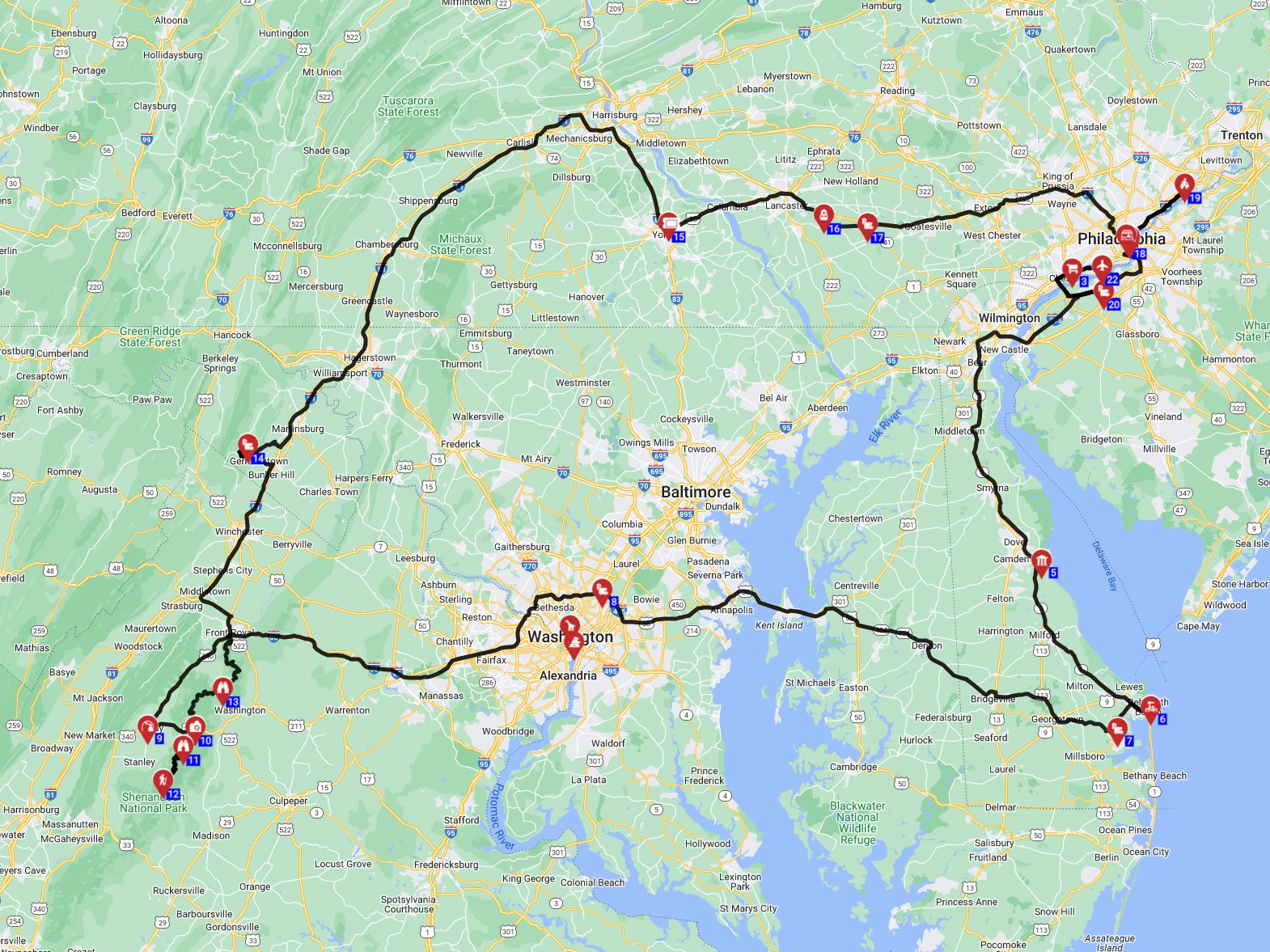
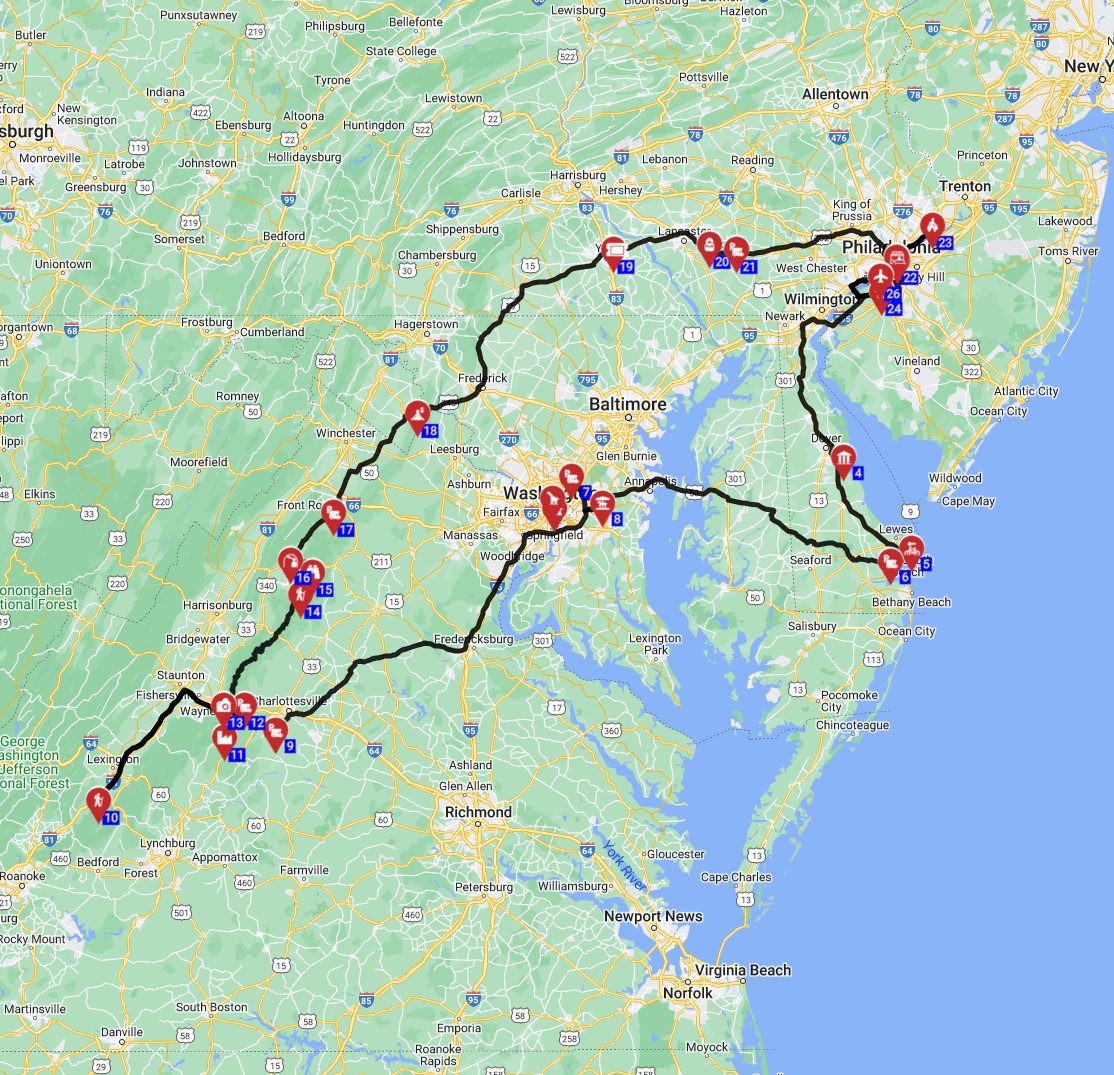
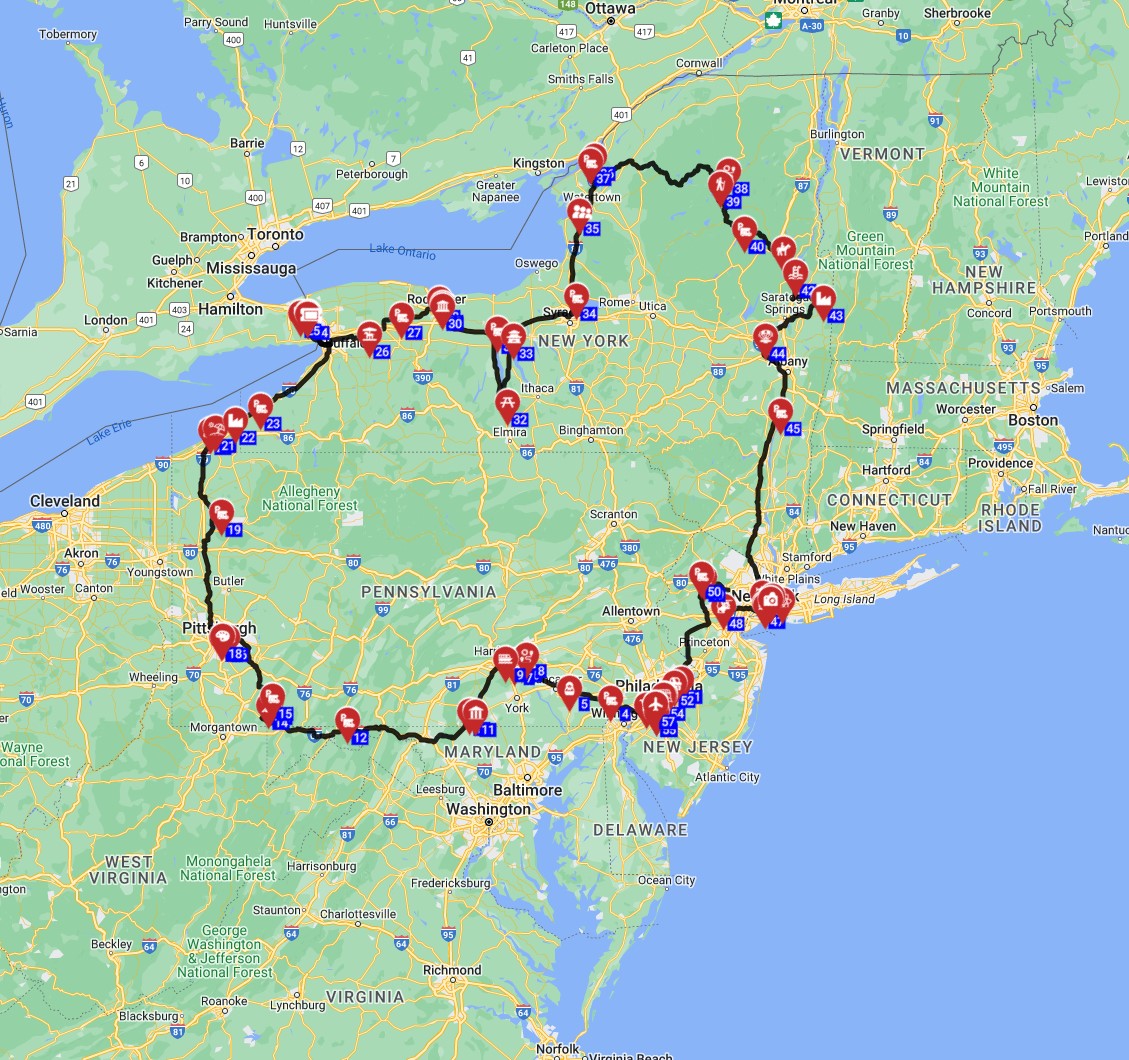
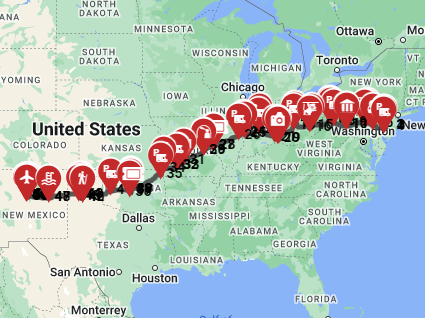
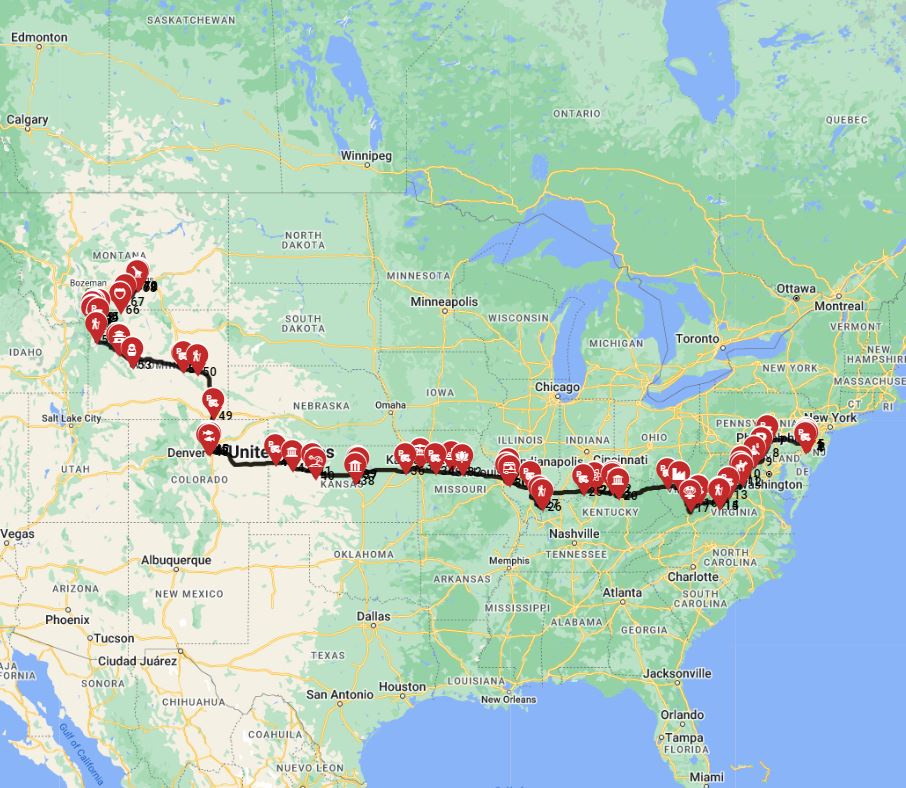
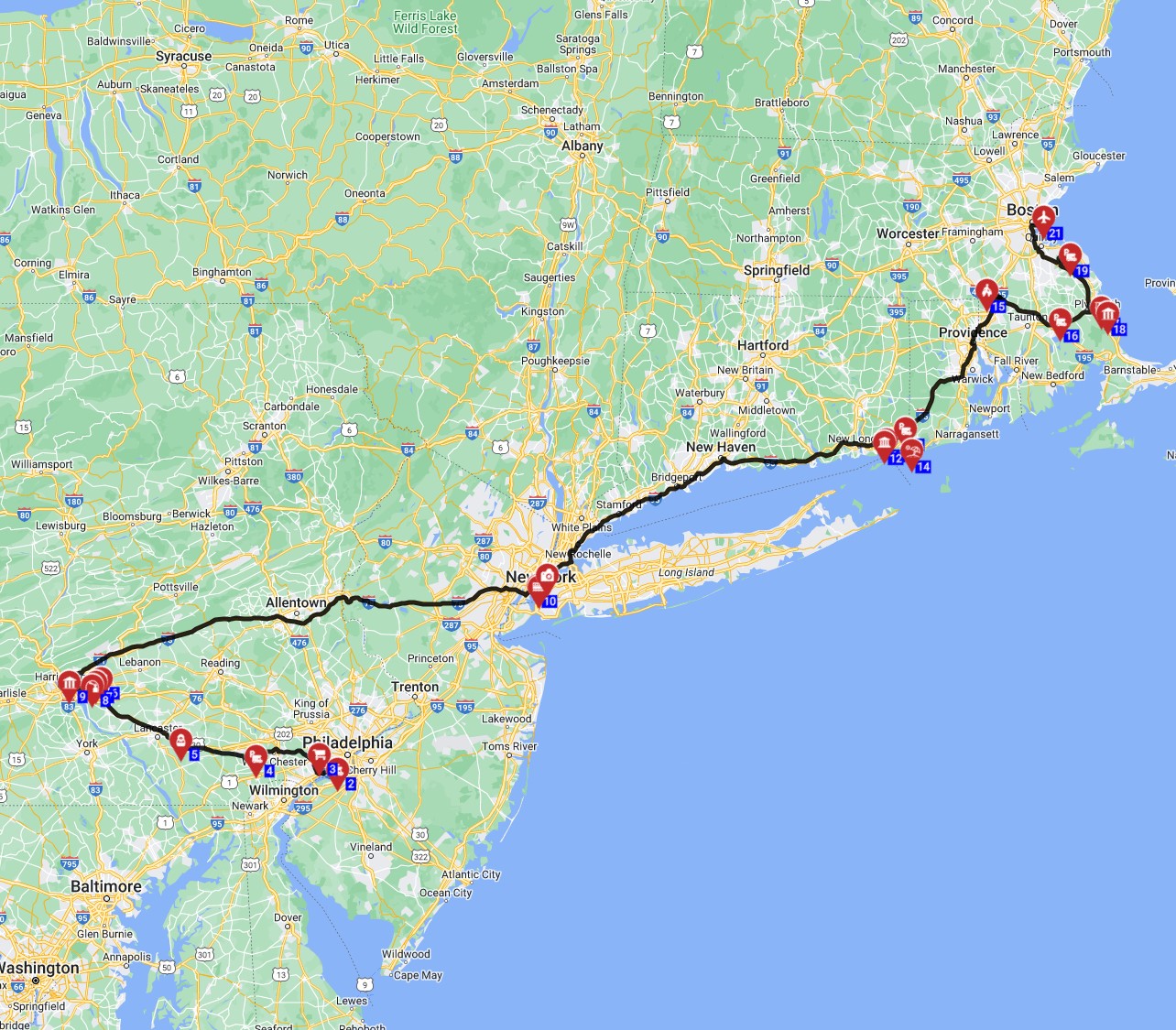
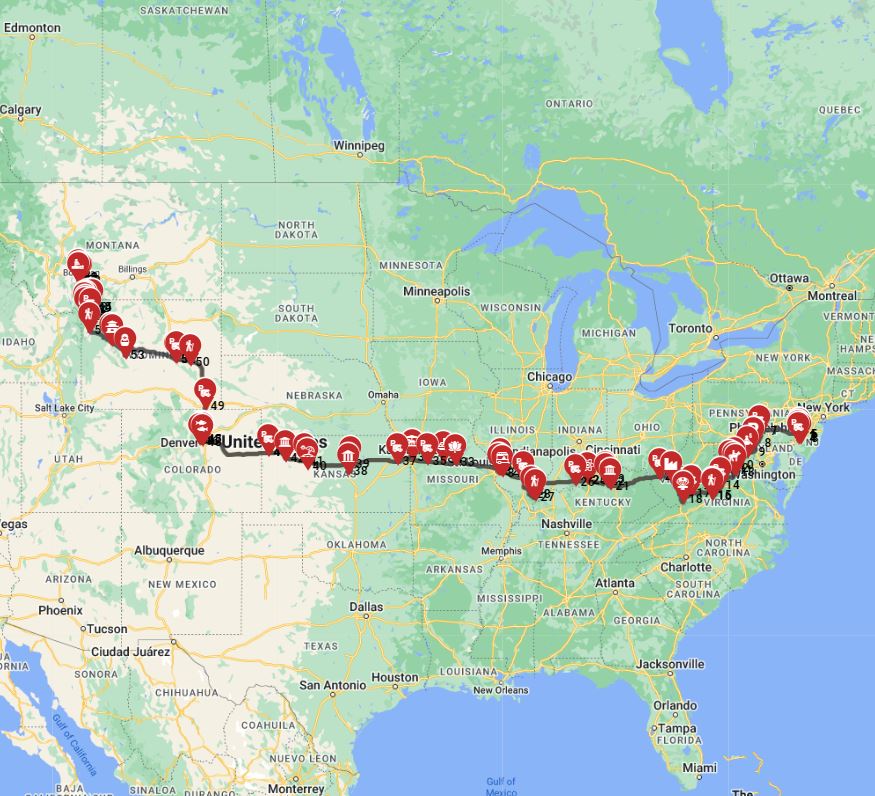
- Utilize public transportation from RV parks located outside the immediate city center to access attractions like Independence Hall or the Philadelphia Museum of Art efficiently. You can also explore expert-curated options like "Chicago to Philadelphia - Freedom Wheels: From Chicago to Philly" from RV PLANET, which guides you through 15 days and 2305.8 km of adventure, incorporating diverse attractions including amusement parks and heritage sites.
Before You Book — Class, Dates, Insurance
Selecting the right RV rental, booking at the optimal time, and understanding your insurance options are fundamental steps for a successful Philadelphia adventure.
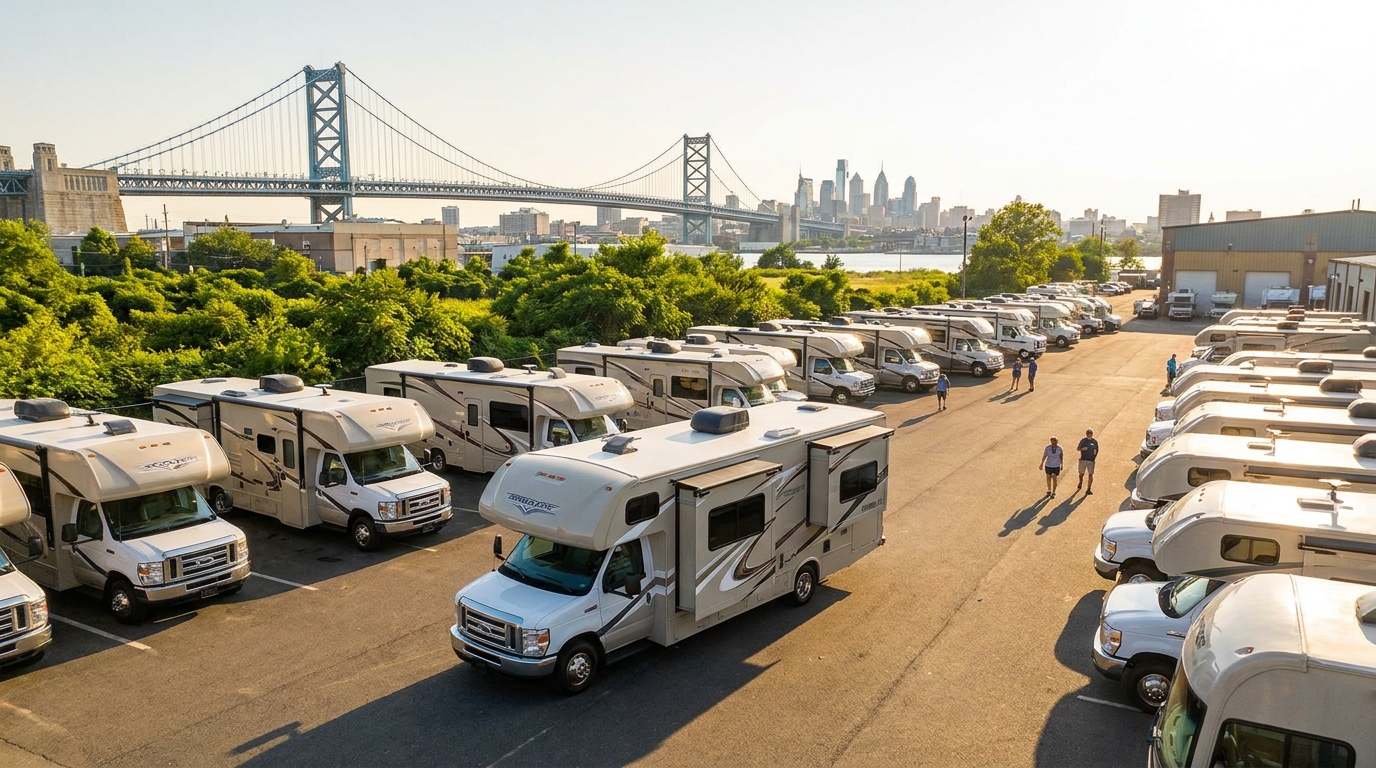
When renting an RV for Philadelphia, consider smaller Class B campervans or Class C motorhomes for better maneuverability on city streets and easier parking compared to larger Class A units. These more compact options, like a 4-person "cruise america rv rental example Explorer" with its 7.1m length, provide a good balance of amenities and ease of driving, which is crucial in urban environments. Assess your group size and desired amenities against the practicalities of navigating a larger vehicle in an urban setting. For instance, a Class B campervan offers sleeping for 2-4 with a smaller footprint, while a Class C like "rv rentals utah example Sunrise Escape" can comfortably sleep 5 with more internal space.
Securing your RV rental dates well in advance, particularly for spring (April-May) and fall (September-October) when Philadelphia’s weather is ideal and historical sites are most enjoyable, ensures availability and potentially better rates. Many national and state parks only reserve 25-30% of their spots, leaving the rest for first-come-first-serve, so you'll always find a spot, even if it's not the first campground you try. Spontaneous travelers should call ahead before driving. Bandana Caravan, founded in 2001, helps tens of thousands of travelers explore the world by RV, providing a robust comparison platform for your needs.
Basic insurance is always included with your RV rental. To see prices including the most comprehensive coverage, select that option during your search; then all relevant insurance options will be shown for your comparison. Review liability, collision, and personal effects coverage to ensure adequate protection for your trip. You can also upgrade to a top-level deductible for extra peace of mind, limiting your financial exposure in case of an incident. Our commitment to full transparency means no hidden fees, no surprises, and easy comparison across 50+ leading RV suppliers worldwide.
Pre-Trip Prep — Packing Checklist for Philadelphia
Preparing an RV packing checklist tailored for Philadelphia’s varied climate and urban excursions ensures a comfortable and hassle-free trip, whether you're planning a week-long trip or an extended road trip.
🎬 Video coming soon
Consider the diverse activities Philadelphia offers, from walking historic streets to enjoying scenic parks, and pack accordingly. For inspiration on what to cook in your RV kitchen, check out our RV-friendly recipes playlist.
Clothing:
- Layers for variable weather (evenings can be cool, days warm, especially from April-June and September-October).
- Comfortable walking shoes for city exploration of Independence Hall, the Liberty Bell, and Reading Terminal Market.
- Rain gear (light jacket or umbrella) for unexpected showers.
- Casual attire for sightseeing and dining at local eateries.
Kitchen Essentials:
- Reusable water bottles (Philadelphia has public water fountains, and many cafes offer refills).
- Coffee/tea supplies for enjoying morning brews in your mobile home.
- Basic cooking utensils and non-perishable groceries for preparing meals in your RV, saving on dining costs.
- Cooler for day trips into the city, keeping snacks and drinks fresh.
Safety & Navigation:
- First-aid kit for minor emergencies.
- RV-specific GPS (accounts for height/weight restrictions), essential for avoiding low bridges and narrow streets in and around Philadelphia.
- Flashlight/headlamp for evening campground activities.
- Portable battery pack for devices to stay charged while exploring.
- Roadside assistance contact information, readily available for peace of mind.
Documents & Entertainment:
- RV rental agreement and insurance papers, easily accessible.
- Driver's license (a standard car license is sufficient for all motorhome classes) and vehicle registration. An International Driving Permit (IDP) is recommended for visitors from non-English-speaking countries.
- Campground reservations, confirmed before arrival.
- E-ZPass transponder for tolls on major Pennsylvania highways and bridges, like the Ben Franklin Bridge, for convenience and potential savings.
- Guidebooks or apps for Philadelphia attractions to maximize your sightseeing. Our "RV Travel Guide to Philadelphia - Tips and Top Spots 2026" offers more detailed insights.
- Books, games, or streaming devices for downtime at the campground.
On the Road — Driving, Fueling, Navigation
Navigating Philadelphia with a rented RV requires particular attention to urban driving challenges, strategic fuel stops, and specific navigational nuances.
Driving in Urban Philadelphia:
Be mindful of narrower streets, frequent traffic, and low bridge clearances (especially underpasses for trains or older infrastructure); always know your RV’s height, which can vary from 3m for a campervan to over 4m for a Class A motorhome. Avoid driving large RVs directly into the historic city center during peak hours. Instead, use peripheral parking and public transport. Watch for trolley lines and one-way streets, particularly around Independence Hall and South Street, which can be challenging for larger vehicles. Drive slowly and carefully, and you can drive almost anywhere without issues. No need to stress - just use common sense and pay attention. For those considering a more luxurious trip, our "Luxury RV Driving in Philadelphia - Scenic Routes 2026" guide offers additional insights.
Fueling Your RV:
Plan fuel stops outside the immediate city, where stations are more accommodating for larger vehicles and prices may be more competitive. Diesel RVs will have fewer urban fueling options than gasoline models. Always refill before entering congested areas. Wawa locations, common in the Philadelphia area, often provide larger parking areas suitable for RVs.
Navigation Tips:
Use an RV-specific GPS that factors in vehicle dimensions to avoid low bridges, weight limits, and restricted roads. Have a co-pilot assist with navigation to monitor signs and traffic, especially when approaching tolls. Pennsylvania primarily uses E-ZPass for many tolls, including bridges like the Ben Franklin Bridge; having a transponder is highly recommended for convenience and potential savings. Our 24/7 support means real people are behind you every step of the way, even when you're planning your route on the go. On the routes offered through RV PLANET routes, you can itemize and track every expense along the way for easy budgeting.
At the Campground — Setup, Hookups & Etiquette
Proper RV setup and adherence to campground etiquette are crucial for a comfortable stay and positive experience in any RV park near Philadelphia, allowing you to truly relax on your extended road trip.
Step-by-Step Setup:
Upon arrival at your campsite, first park and level your rented motorhome using blocks or an automatic leveling system. Connect your electrical shore power, then your freshwater hose, ensuring all connections are secure. Finally, connect your sewer hose, making sure it has a gentle slope for proper drainage to the dump station. Open your RV's vent fans and awnings as desired to enjoy the outdoors. Remember, travel slowly, max 100-150 km per day on average, to fully feel the place and enjoy your campground experience.
Hookup Order:
Always connect electric first to prevent potential surges, then water, and finally, sewer. When disconnecting, reverse the order: disconnect and rinse the sewer hose first, then water, and finally electric. This prevents contamination and ensures safety.
Campground Etiquette:
Observe quiet hours, typically from 10 PM to 7 AM, by keeping noise levels low and generator use minimal or prohibited, respecting your fellow campers. Keep your campsite tidy, dispose of trash properly in designated receptacles, and respect fellow campers' space by not encroaching on neighboring sites. Pets should always be on a leash and their waste promptly cleaned. Many RV parks near Philadelphia, like the Philadelphia / West Chester KOA Holiday, offer excellent amenities and are well-maintained.
RV Rental-Specific Tips for Philadelphia
Tailoring your RV rental experience to Philadelphia's unique offerings ensures a more personalized and enjoyable trip for all travelers, whether you are planning a two-week adventure or a longer stay.
For Families:
Plan drives around nap times to keep young travelers comfortable, and utilize your RV kitchen for quick, budget-friendly meals. Seek out RV parks near Philadelphia with playgrounds or pools, such as the Philadelphia / West Chester KOA Holiday, which often has activities for children. Consider rented RVs with bunk beds or separate sleeping areas, like a Class C motorhome that sleeps up to 6 or 7 people, for added privacy and space. Philadelphia offers many kid-friendly attractions like the Please Touch Museum or Franklin Institute, often accessible via public transport from outer RV parks. The RV PLANET route "
For Seniors:
Opt for an RV class that prioritizes comfort and ease of driving, such as a Class B campervan for simpler maneuvering and parking. Ensure the rented motorhome has easy entry/exit steps and accessible bathrooms. Consider booking RV parks that offer shuttle services or are close to public transport lines for convenient city access, minimizing driving stress. Philadelphia's flat, walkable historic areas are a joy to explore once you're in the city center.
For Budget Travelers:
Look for RV parks slightly further from the city center, which often have lower rates. Utilize your RV kitchen for cooking meals to avoid expensive restaurant costs. Explore free attractions like Independence Hall (with timed tickets), the Liberty Bell, or walking tours of historic neighborhoods. Research potential free overnight parking spots outside city limits, ensuring they are safe and legal (e.g., some Walmart Supercenters allow this, but always call ahead). For a "Cheap RV Rental in Philadelphia - Budget Guide 2026", check our dedicated page.
For Luxury Seekers:
Explore RV rentals with premium amenities like spacious interiors, multiple slide-outs, advanced entertainment systems, and gourmet kitchens, perhaps a Class A motorhome. Consider booking RV parks with full hookups, resort-style facilities, and concierge services. Enhance your experience with add-ons like e-bikes for city exploration or professional tour guides for private Philadelphia excursions. Our "Luxury RV Rental in Philadelphia - Premium Prices 2026" guide provides more details on high-end options.
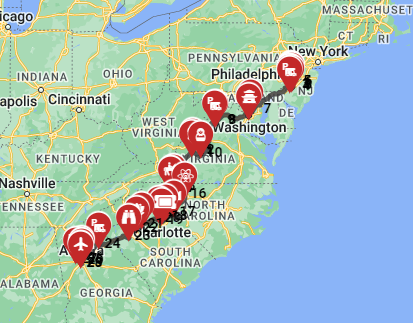
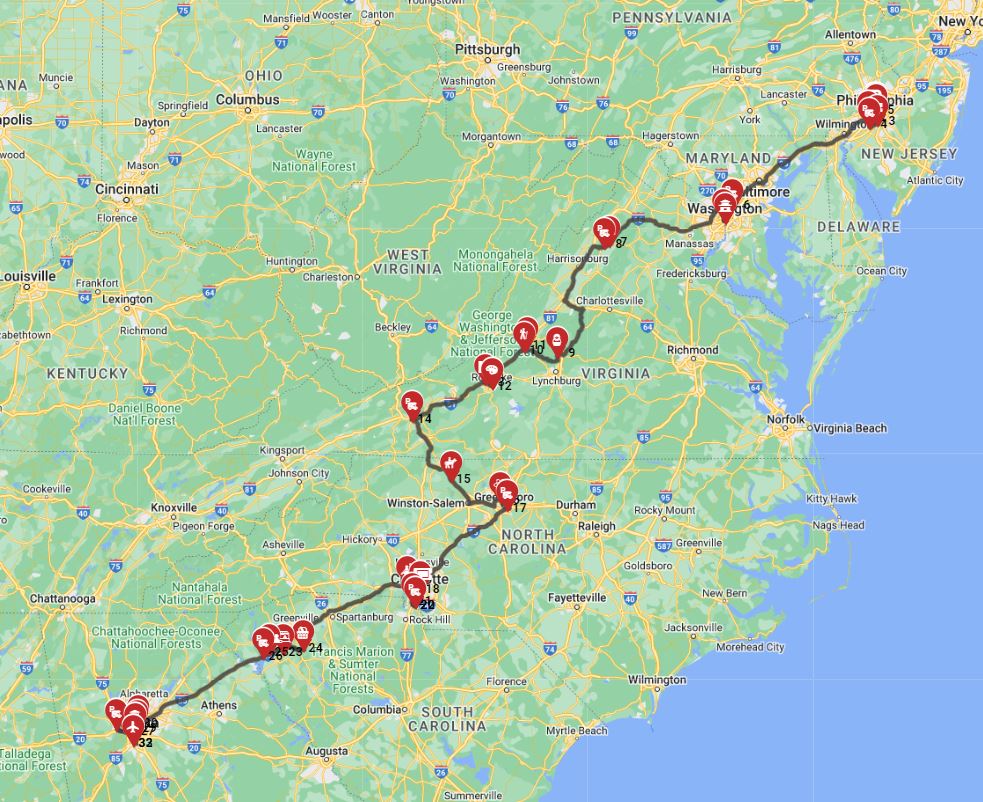
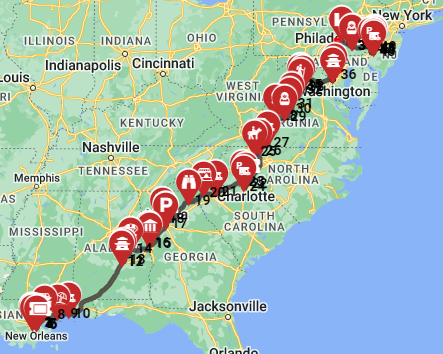
Planning flexibility is key; many national and state parks offer a certain percentage of first-come-first-serve spots, so even if you haven't booked months in advance, you'll still find options. "Philadelphia to Miami - Including the Smoky Mountains and Appalachian trail" is a 20-day, 3419.6 km route plan available on RV PLANET that features 2 amusement parks, 2 historical sites, and 2 hiking areas for an adventurous and luxurious escape.
Common Mistakes to Avoid in Philadelphia
Avoiding common pitfalls when RVing in Philadelphia can significantly enhance your travel experience, ensuring your trip is as smooth and enjoyable as possible.
Ignoring RV Dimensions for City Driving:
Instead of attempting to navigate narrow, congested streets with a large Class A motorhome, consider parking at a peripheral RV park like Philadelphia / West Chester KOA Holiday and utilizing Philadelphia's extensive public transportation (SEPTA) or ride-sharing services for city access. Always know your RV's height, typically between 3 to 4.2 meters, and avoid routes with known low bridges or tunnels, especially around historical areas or railway underpasses. Drive slowly and carefully, and you can drive almost anywhere without issues. No need to stress - just use common sense and pay attention.
Underestimating Parking Challenges:
Rather than hoping to find street parking for your RV in the city, which is highly unlikely and often illegal, pre-book dedicated RV parking at campgrounds outside the immediate downtown area or research designated, secure parking lots on the city's outskirts. Utilize shuttle services or public transit for sightseeing. Remember, Bandana RV offers full transparency with no hidden fees, so you'll know all costs upfront.
Not Budgeting for Tolls and Fees:
Instead of being surprised by unexpected costs, factor in potential tolls on major bridges and highways (like I-95 or the New Jersey Turnpike if approaching from the east) and any specific parking fees for larger vehicles. An E-ZPass transponder is highly recommended for efficient travel and often lower rates. You can get more details on costs in our "Luxury RV Rental in Philadelphia - Premium Prices 2026" or "Weekly RV Rental in Philadelphia - Pricing 2026" articles.
Overpacking for a City Trip:
Rather than bringing excessive gear, pack only essentials. An RV provides ample storage, but an urban trip to Philadelphia means more walking and less 'wilderness' gear. Focus on comfortable walking shoes, layers of clothing, and items that enhance city exploration, like a good camera or portable charger.
What to consider when renting an RV?
When renting an RV, crucial considerations include the size and class of the vehicle, the rental duration, insurance coverage, and your budget for the entire trip, all of which Bandana Caravan helps you compare easily.
RV Class and Size:
Evaluate your comfort with driving a large vehicle, the number of travelers (e.g., a couple vs. a family of 4-6), and your planned itinerary. For navigating Philadelphia's urban environment, a smaller Class B van (like the "rv rental denver example Category Van" with its compact size) or a compact Class C motorhome might be more manageable than a large Class A motorhome, offering better maneuverability and easier parking access. Always choose an RV rental that matches your travel style and confidence level.
Rental Duration and Timing:
Determine how many days you need the RV, factoring in travel time to and from Philadelphia, and how long you plan to explore the city and surrounding areas. Booking during off-peak seasons (late fall to early spring, excluding holidays) can often lead to better rental rates. Our Rent&Plan service allows you to create detailed route plans, ensuring you make the most of your time.
Budgeting for All Costs:
Beyond the daily rental fee, consider fuel costs (especially for larger RVs with fuel consumption around 20-25 liters per 100 km), campground fees ($40-$80 per night), potential city parking charges, tolls (an E-ZPass is highly recommended for Pennsylvania), and food. Creating a comprehensive budget helps prevent unexpected expenses. On RV PLANET routes, travelers can itemize and track every expense along the way for easy budgeting.
Insurance and Roadside Assistance:
Review the rental company's basic insurance offerings and consider additional coverage for peace of mind, such as our optional top-level deductible reimbursement. Confirm if roadside assistance is included and what it covers, which is vital for any unforeseen mechanical issues. Our true RV specialists are here to support you before and after your booking, ensuring clarity on all aspects of your rental.
How much does it cost to rent an RV in Philadelphia?
The cost to rent an RV in Philadelphia typically ranges from $100 to $300 per night, varying significantly based on the RV class, rental season, and amenities, but this doesn't include the full scope of trip expenses.
Rental Rates:
- Class B (Camper Van): Generally $100 - $200 per night, ideal for couples or small families, offering good fuel efficiency (around 10-15 L/100km) and easy maneuverability for city driving.
- Class C (Standard Motorhome): Typically $150 - $250 per night, suitable for families of 4-6, providing a good balance of space and drivability with average lengths of 7-9 meters.
- Class A (Luxury Motorhome): Can range from $200 - $400+ per night, offering ample space and amenities like multiple slide-outs, though less practical for direct city navigation due to lengths often exceeding 9 meters.
Remember, prices are dynamic like flight tickets; they change daily based on availability, seasonality, and supplier marketing decisions. The final price is set at actual booking time. For more pricing details, refer to our "One-Way RV Rental in Philadelphia - Price Guide 2026" and "Weekly RV Rental in Philadelphia - Pricing 2026" guides.
Beyond Rental Fees – A Realistic Budget Breakdown:
- Fuel: Budget $50-$150+ per day depending on mileage and RV size. Urban driving in Philadelphia can be stop-and-go, consuming more fuel, with larger Class C and A motorhomes often consuming 20-25 L/100km.
- Tolls: Expect to pay for tolls entering/exiting Philadelphia, especially if using bridges or major highways like the Ben Franklin Bridge or I-95. An E-ZPass can save time and money. Estimate $10-$30+ per day for active travel days.
- Campground/Parking Fees: RV parks near Philadelphia, such as Philadelphia / West Chester KOA Holiday, typically charge $40-$80 per night for full hookups. Day parking for RVs within or on the outskirts of the city is limited and can range from $20-$50.
- Food & Supplies: Allocate $50-$100+ per day, depending on cooking in the RV versus dining out. Cooking in your RV's kitchen can significantly reduce costs.
- Attraction Tickets & Entertainment: Variable, depending on your itinerary. Philadelphia offers numerous historical sites, many with free entry (e.g., Liberty Bell), while museums have ticketed access, often $15-$25 per adult.
- Public Transportation: From outer RV parks into the city center, anticipate $2.50-$6 per ride per person via SEPTA, or daily/weekly passes for convenience.
What is the 3-3-3 rule for RV travel?
The 3-3-3 rule for RV travel is a widely adopted guideline suggesting travelers drive no more than 300 miles (approximately 480 km) a day, arrive at their destination by 3 PM, and stay for at least 3 nights to enhance relaxation and exploration.
This rule is primarily designed to promote a relaxed and safer travel pace, preventing driver fatigue and allowing ample time for campsite setup and local exploration. For a city like Philadelphia, even shorter driving days might be prudent due to potential traffic and complex urban navigation upon approach.
Drive No More Than 300 Miles (480 km):
This helps prevent driver burnout, especially when navigating unfamiliar roads or larger RVs. For a city like Philadelphia, where the goal is often more about exploration than covering vast distances, limiting daily travel to 100-150 km might be more appropriate to truly experience the culture, food, and scenery.
Arrive by 3 PM:
Early arrival allows time to safely set up your campsite, familiarize yourself with the campground amenities, and relax before dusk. This is particularly beneficial if you plan to use public transport into Philadelphia, as you'll want time to settle in and understand transit options before heading out to enjoy the evening.
Stay for at Least 3 Nights:
Spending multiple nights at one location reduces the stress of frequent packing and unpacking, enabling deeper exploration of the local area, such as Philadelphia's historic sites, museums, and diverse neighborhoods, without feeling rushed. This approach aligns perfectly with our recommendation to travel slowly and connect with the destination.
What is the 4 4 4 rule for RVing?
The 4-4-4 rule for RVing is another popular guideline suggesting driving no more than 4 hours a day, traveling no more than 400 miles (approximately 640 km), and making sure to complete your travel by 4 PM, offering a slightly more ambitious pace than the 3-3-3 rule.
This rule emphasizes a more conservative driving schedule than some, prioritizing safety and enjoyment over covering long distances quickly. When approaching a busy urban center like Philadelphia, keeping driving sessions shorter can be particularly beneficial for maintaining focus and reducing stress.
Drive No More Than 4 Hours:
This specific guideline helps to minimize driver fatigue, especially for those operating larger RVs, making trips more enjoyable and reducing the risk of accidents. For a Class C motorhome journey to Philadelphia, shorter driving sessions ensure you arrive refreshed and ready to explore.
Travel No More Than 400 Miles (640 km):
While 400 miles might be achievable on open highways, this segment of the rule encourages travelers to consider the total distance in relation to their daily driving hours, promoting a less rushed pace. This is especially relevant if your route to Philadelphia involves diverse terrain or busy interstate driving.
Complete Travel by 4 PM:
Arriving at your RV park by mid-afternoon ensures you have adequate daylight to safely maneuver your RV into its site, connect hookups, and get settled before dark. This is especially helpful if your campground near Philadelphia is new to you, allowing you to scope out local amenities or public transport links into the city for your evening plans.
What is the 2 2 2 rule for RV travel?
The 2-2-2 rule for RV travel recommends driving no more than 200 miles (approximately 320 km) a day, arriving at your destination by 2 PM, and staying for at least 2 nights, promoting a highly relaxed travel pace ideal for in-depth exploration.
This rule is ideal for RVers who prefer a very relaxed pace, prioritizing leisurely travel, extensive exploration, and minimized stress, making it well-suited for a destination-rich area like Philadelphia, where there's so much to see and experience.
Drive No More Than 200 Miles (320 km):
This very conservative daily mileage greatly reduces driving fatigue and allows ample time for spontaneous stops or enjoying scenic routes. For a trip centered around Philadelphia, this means you can comfortably travel from nearby states or attractions without rushing, ensuring you're fresh for city exploration of historical sites like the Liberty Bell and Independence Hall.
Arrive by 2 PM:
Early arrival provides maximum daylight for campsite setup, relaxing, and even a preliminary excursion into Philadelphia using public transit. It minimizes the stress of late-day arrivals and allows for more flexibility to unwind before heading out. This aligns with our advice to travel slowly and soak in the local atmosphere.
Stay for at Least 2 Nights:
While the 3-3-3 rule suggests three nights, the 2-2-2 rule still promotes staying multiple nights to truly experience a location. This is perfect for Philadelphia, allowing one full day for major historical sites and another for exploring museums, diverse neighborhoods like Reading Terminal Market or Old City, or nearby attractions without the constant move-and-setup cycle. This ensures you can connect to the culture, the food, and the scenery deeply.
Where to park an RV in Philadelphia?
Parking an RV directly within Philadelphia city limits for extended periods, especially near attractions, is highly challenging and often impractical; most RVers opt for campgrounds on the city's outskirts and use public transportation to access the center.
RV Campgrounds Near Philadelphia:
- Philadelphia / West Chester KOA Holiday: Located southwest of the city in Coatesville, offering full hookups and amenities. Provides a convenient base with a drive of approximately 50-60 minutes or public transport connection to downtown Philadelphia.
- Drummer Boy Camping Resort: Situated west near Gettysburg, requiring a longer drive (about 2 hours) but a good option if combining your Philadelphia visit with other regional historical sites. This resort has 47 powered campgrounds.
- Indian Springs Campground: Northeast of the city in Vineland, NJ, accessible to both Philadelphia (about 45 minutes drive) and the Jersey Shore.
- Timberlane Campground: In New Jersey, accessible via the Ben Franklin Bridge, often a good option for those approaching from the east. It's approximately a 30-40 minute drive to central Philadelphia.
Day Trip Parking Solutions for City Access:
RV parking within Philadelphia is extremely limited. Prioritize booking a spot at an RV campground outside the city and plan to use public transit (SEPTA bus, subway, regional rail) or ride-sharing services for your daily excursions into Philadelphia's historic core. Attempting to navigate and park a large RV, whether a Class C or a Class A motorhome, within the city center can lead to significant stress, fines, or damage.
- Park & Ride Lots: SEPTA (Southeastern Pennsylvania Transportation Authority) operates numerous Park & Ride lots on the outskirts. While not explicitly for RVs, some larger lots might accommodate smaller Class B/C vehicles. Always check signage for vehicle restrictions and ensure security. From these, you can take regional rail or subway lines directly into the city center.
- Commercial Parking Lots (Limited): A very limited number of commercial lots might offer oversized vehicle parking, typically at a premium rate ($20-$50 for a few hours). These are rare and require advance research and booking. *Do not attempt to park on city streets.*
- Sports Complex Area (South Philly): For events, sometimes designated oversized vehicle parking is available around Citizens Bank Park, Lincoln Financial Field, or Wells Fargo Center. Check event-specific parking information; this is not a general tourist parking solution but can be useful if attending a game or concert.
What is the rule of 3 with an RV?
The 'rule of 3' in RVing commonly refers to the 3-3-3 guideline: driving no more than 300 miles (480 km) a day, arriving at your destination by 3 PM, and staying for at least 3 nights, which is particularly beneficial for trips to destinations like Philadelphia.
While the general principle promotes a relaxed travel pace, applying the 'rule of 3' to a Philadelphia RV trip means adapting it to the urban context, prioritizing enjoyment over speed, and avoiding the need to rush.
Driving (Modified for Philadelphia):
Instead of strictly 300 miles, consider limiting daily driving to 100-150 km when approaching or departing from major metropolitan areas. This accounts for increased traffic, more complex road networks, and the mental fatigue of urban navigation, ensuring you are well-rested before tackling city exploration. Drive slowly and carefully, and you can drive almost anywhere without issues.
Arrival Time (Crucial for City Access):
Arriving at your RV park near Philadelphia by 3 PM is essential. This gives you ample daylight to set up your RV, familiarize yourself with the campground's facilities, and crucially, understand the public transportation routes (SEPTA) into the city center. Early arrival also allows time to purchase transit passes or plan your first city excursion without feeling rushed by impending darkness. This is a key aspect of stress-free RV travel.
Stay Duration (Maximize Exploration):
Staying for at least 3 nights allows for two full days of exploration. This is ideal for Philadelphia, enabling you to dedicate one day to historical sites like Independence Hall and the Liberty Bell, and another to exploring museums, diverse neighborhoods like Reading Terminal Market or Old City, or nearby attractions without the pressure of constant relocation. This aligns with maximizing your experience in a city rich in history and culture, connecting to its essence.
What You Shouldn't Miss
Philadelphia is brimming with history and charm, making it a fantastic destination for a rented motorhome adventure. Here are a few must-do experiences:
- Explore the Historic District: Wander through Independence National Historical Park, see the Liberty Bell, Independence Hall, and the Betsy Ross House. Consider a guided walking tour to truly soak in the stories.
- Taste the Flavors of Reading Terminal Market: This iconic market offers an incredible array of fresh produce, baked goods, and diverse eateries. It’s a perfect spot to grab a famous cheesesteak or discover international cuisine.
- Walk or Bike the Schuylkill River Trail: Enjoy scenic views of the city skyline and Fairmount Park along this beautiful urban trail, offering a peaceful escape just minutes from downtown.
- Discover the Barnes Foundation: Immerse yourself in one of the world's greatest collections of Impressionist, Post-Impressionist, and early Modern paintings.
- Wissahickon Valley Park: Experience the unexpected natural beauty within the city limits. This sprawling park offers miles of hiking and biking trails, lush forests, and the charming Fingerspan Bridge.
Looking for expert insights from Avi Bandana? Top 5 Adventures - recommendations from Avi Bandana.
Final Thoughts
Your first RV rental trip to Philadelphia is an exciting opportunity to blend historical exploration with the freedom of mobile travel. By considering your RV class carefully, planning your city navigation, and understanding the local nuances for parking and tolls, you’re set for a fantastic adventure. Remember, Bandana Caravan is here to support you every step of the way, from comparing transparent prices to ensuring you have a memorable trip.
Embrace the open road, explore the rich history of Philadelphia, and create unforgettable memories with the comfort and flexibility of your own rented mobile home. Whether you're interested in the "Cheap RV Rental in Philadelphia - Budget Guide 2026" or seeking a more luxurious experience, we have options for every traveler.
Find Motorhome Rentals in Philadelphia