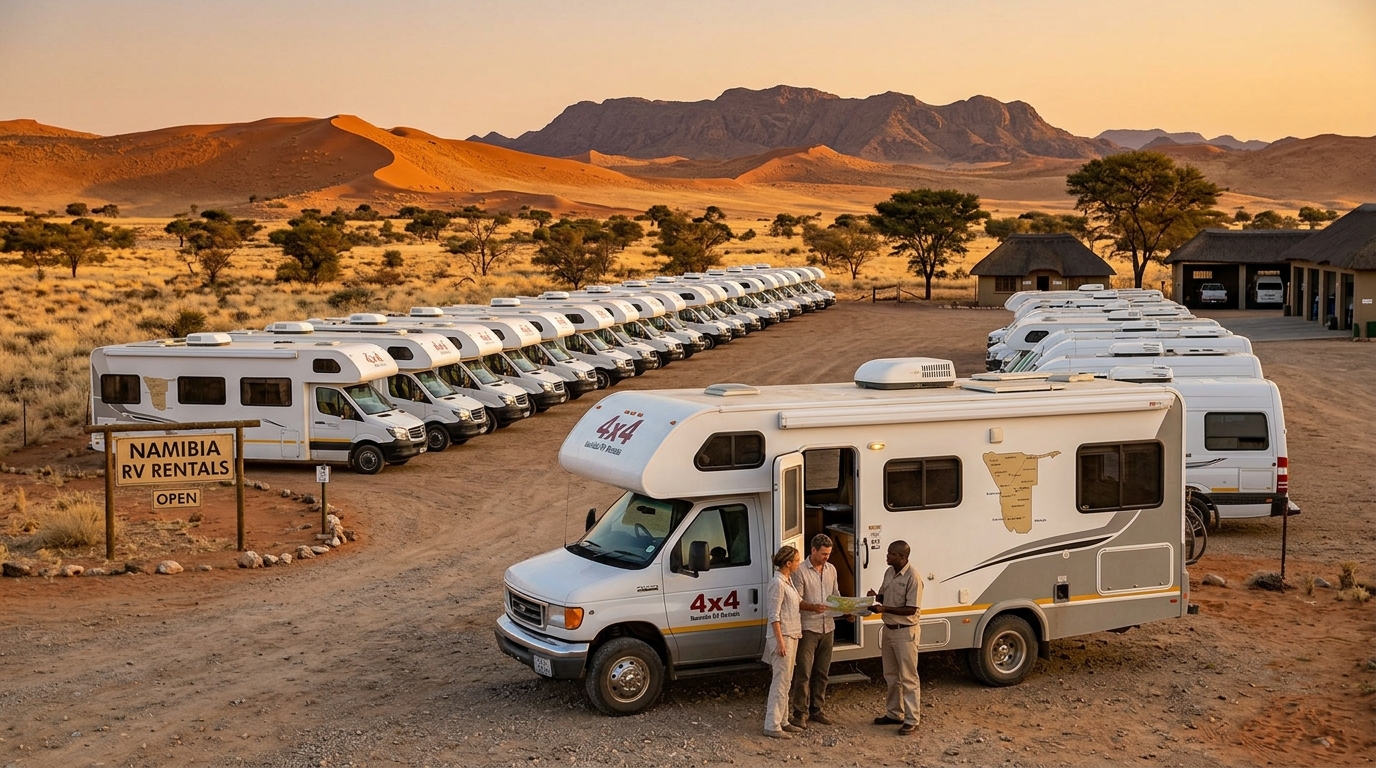
For live availability and current prices, start with our RV Rental Namibia - Complete Guide 2026 guide.
In This Guide
- Top 5 Tips for RV Rental Beginners in Namibia
- Before You Book - Class, Dates, Insurance
- Pre-Trip Prep - Packing Checklist for Namibia
- On the Road - Driving, Fueling, Navigation
- At the Campground - Setup, Hookups & Etiquette
- RV Beginners-Specific Tips for Namibia
- Common Mistakes to Avoid in Namibia
- How much does an RV rental trip to Namibia cost?
- What are the safety protocols for RV rental in Namibia?
- What are the driving challenges and 4x4 techniques for RVs in Namibia?
- What are the camping regulations and booking procedures for RVs in Namibia?
- What are the best RV itineraries for Namibia?
- How do I manage fuel, water, and waste during an RV trip in Namibia?
- What is the cultural etiquette for RV travelers in Namibia?
- How can I ensure connectivity and navigation in remote Namibia RV trips?
Embarking on your first RV rental adventure in Namibia is an exhilarating prospect, offering unparalleled freedom to explore one of Africa's most breathtaking and diverse landscapes. As true RV specialists, Bandana Caravan has been helping tens of thousands of travelers since 2001, providing expert advice and a seamless booking experience across 50+ countries. We understand that new experiences can come with questions, especially when it comes to navigating a vast and rugged country like Namibia in a mobile home. This comprehensive guide is designed specifically for first-time RV renters, equipping you with everything you need to know for an unforgettable and worry-free journey. For live availability and current prices, start with our RV Rental Namibia - Complete Guide 2024 guide, your ultimate resource for planning.
Top 5 Tips for RV Rental Beginners in Namibia
Namibia offers unique challenges and rewards for RV travelers, making specific preparation crucial for beginners. First, always plan your routes carefully, considering road conditions and the scarcity of fuel stops, especially in remote regions where distances between towns can exceed 300 km.
Secondly, booking campsites in advance is highly recommended, particularly for popular national parks like Etosha National Park, where only 25-30% of spots can be reserved, with the rest available on a first-come, first-served basis. Thirdly, choosing an RV class suitable for Namibian terrain and your comfort is paramount; many travelers prefer a 4x4 campervan for greater flexibility on gravel roads, while a Class C motorhome like the "Comfort Class" offers more space for families of 2+2.
Fourth, factor in a comprehensive budget that includes not just the RV rental fees, but also significant fuel expenses (a Class C motorhome can consume 12-15 liters per 100 km), national park entry fees ($8-10 USD per person per day plus vehicle fees), camping fees (ranging from $15-50 USD per night), and an emergency fund for unexpected situations. Finally, prioritize safety protocols, including constant awareness of local wildlife and carrying reliable communication solutions like a local SIM card or a satellite phone, as mobile phone signals are often limited outside major towns.
Before You Book - Class, Dates, Insurance
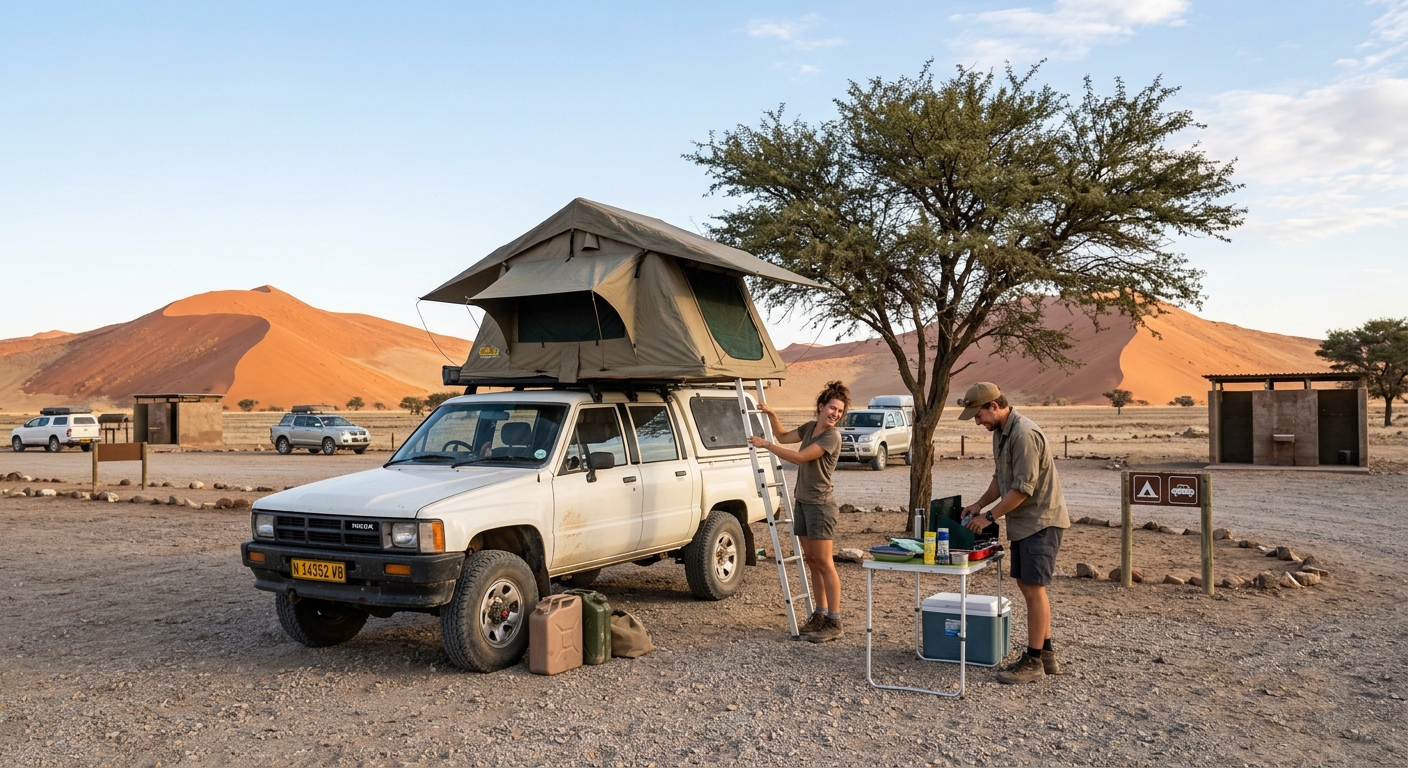
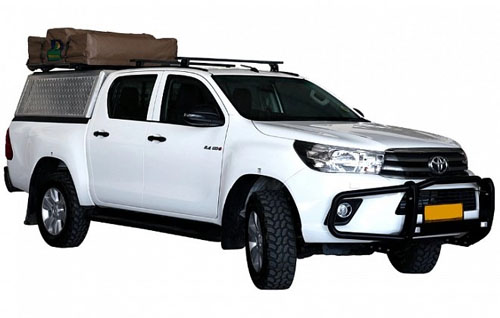
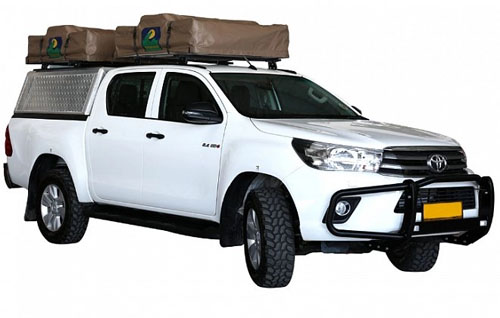
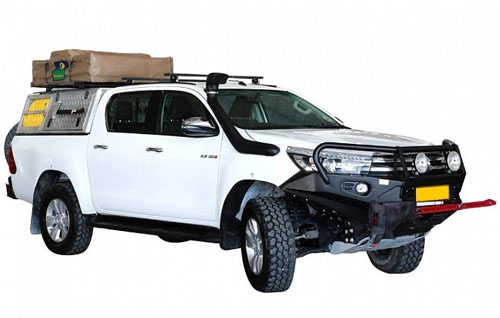
Selecting the right RV class for your Namibia adventure involves considering your group size and the varied terrain you plan to traverse. For instance, a "Category Van" or "2 Berth Hi Top" campervan offers nimble handling for couples, while a larger "Euro Deluxe" Class C motorhome provides ample sleeping and living space for families of 2+2, with features like a separate shower and toilet. While standard motorhomes handle main roads, a 4x4 campervan like the "2 Person 4WD Camper" is often recommended for accessing more remote areas and handling the gravel roads that make up a significant portion of Namibia's network.
Locking in your booking dates well in advance is crucial, especially if you plan to travel during peak season (July-October) when demand is high and rental prices are dynamic, changing daily based on availability. Booking 3-6 months ahead can help secure your preferred vehicle. Understanding your insurance options is also essential; basic insurance is always included, but you can upgrade to a top-level deductible for extra peace of mind directly through Bandana RV, ensuring what you see is what you pay with full transparency and no hidden fees at pickup. This optional upgrade can save you from significant out-of-pocket expenses in case of unexpected damage.
Pre-Trip Prep - Packing Checklist for Namibia
An effective packing checklist is essential for a comfortable and prepared RV rental trip through Namibia's diverse climates. For clothing, pack lightweight, layered items for hot days, a wide-brimmed hat, sturdy closed-toe shoes suitable for walking on uneven terrain, swimwear for lodge pools or coastal visits, and a warm jacket for cool desert nights which can drop to near freezing in some areas. The average daytime temperatures can range from 20-35°C (68-95°F), with nighttime lows around 5-15°C (41-59°F).
Your RV's kitchen typically includes basic cooking utensils, but consider bringing non-perishable food items, spices, reusable water bottles (essential for conserving the 100-150 liter fresh water tank capacity of most rentals), and a cooler for drinks and fresh produce. For safety, a comprehensive first-aid kit, high-SPF sunscreen, effective insect repellent, a headlamp for navigating campsites after dark, a multi-tool, and a basic tire repair kit are indispensable. Always carry your passport, a valid driver's license (note: a standard car driver's license is sufficient for all motorhome classes, but an International Driving Permit is recommended for non-English speakers), your RV rental agreement, and travel insurance details, with copies stored separately for security. If you're planning to cook many of your meals on board, check out our RV-friendly recipes playlist for inspiration!
On the Road - Driving, Fueling, Navigation
Driving a rented RV in Namibia requires adapting to varied road conditions, which include well-maintained tarmac, extensive gravel roads, and occasional sandy or corrugated sections. Namibia drives on the left-hand side of the road, and speed limits are typically 120 km/h on paved roads, 80 km/h on gravel roads, and 60 km/h in urban areas. Drive slowly and carefully, and you can drive almost anywhere without issues. No need to stress - just use common sense and pay attention.
Planning fuel stops diligently is critical, as petrol stations can be scarce in remote areas; always top up your tank when you see a station, especially before embarking on long stretches of road where the next pump might be hundreds of kilometers away. Carrying extra jerry cans for fuel is a wise precaution for extended trips. For navigation, relying solely on mobile phone signal is risky, as coverage is limited outside major towns like Windhoek, Swakopmund, and Walvis Bay. Utilize offline maps such as Maps.me or Tracks4Africa, a reliable GPS device, and traditional physical maps as essential backups.
At the Campground - Setup, Hookups & Etiquette
Upon arrival at a designated campsite in Namibia, properly leveling your rented RV is the first step for comfort and proper appliance function, using leveling blocks if necessary. Connecting to available water and electricity hookups should be done carefully, following the specific instructions of the campground; remember to always check the water quality before drinking, and consider boiling or filtering it. Most campsites offer standard electrical points (often 220V with a two-pin plug, sometimes three-pin 'South African' style) and water taps.
Observing campground etiquette is vital for a harmonious experience; this includes respecting quiet hours, typically from 10 PM to 6 AM, managing all waste responsibly using designated disposal points for greywater and blackwater, and strictly avoiding littering. Practicing wildlife-aware etiquette is especially important in Namibia: never feed animals, keep all food securely stored inside your motorhome or locked vehicle, and be mindful of your surroundings, particularly at dawn and dusk, as wildlife like jackals or even larger animals may approach campsites.
RV Beginners-Specific Tips for Namibia
Tailoring your RV rental experience in Namibia to your specific travel group can greatly enhance enjoyment. Families should plan shorter driving days, ideally limiting travel to 100-150 km per day on average, and incorporate child-friendly activities such as wildlife spotting in Etosha or exploring the coastal dunes near Swakopmund. Ensuring sufficient sleeping space is key; for example, a Class C motorhome like the "MHC24" typically sleeps up to 6 people with beds over the cab and convertible dinettes.
Seniors may prefer rented RVs with easy access and comfortable amenities, focusing on less strenuous routes and ample rest stops to truly savor the landscapes. For budget travelers, significant savings can be achieved by utilizing designated public campsites or community campsites, which are often more affordable than private lodges, and by preparing your own meals in your campervan's kitchen rather than eating out. On the other hand, luxury travelers might consider premium RV models with advanced features, combining their trip with exclusive lodge experiences or guided tours for a more indulgent adventure. Remember, whether you're traveling as a couple in a "Class B - Camper Van" or with a large group in a "C-30", slow travel allows you to truly feel the place, connect to the culture, the food, and the scenery.
🎬 Video coming soon
Common Mistakes to Avoid in Namibia
Many first-time RV renters in Namibia underestimate various aspects of the journey, leading to preventable issues. Instead of under-budgeting, plan comprehensively for all ancillary costs beyond the RV rental itself, including significant fuel expenses, national park entry fees, diverse camping fees, groceries for on-board meals, and an emergency fund. On RV PLANET routes, travelers can itemize and track every expense for easy budgeting. On the routes offered through RV PLANET routes, you can itemize and track every expense along the way for easy budgeting.
A common mistake is underestimating driving conditions; research road types for your planned route and prepare for extensive gravel, sand, and corrugations, adjusting speed and tire pressure accordingly to prevent tire damage, a frequent problem. Overlooking safety is another pitfall; prioritize wildlife awareness, carry communication devices like a local SIM or satellite phone for remote areas, and know the locations of major medical facilities. Failing to book popular national park campsites, especially during peak season, can leave you without a spot, so secure these well in advance. Always respect local customs, ask permission for photos, and support local businesses, practicing responsible tourism. Finally, never run low on supplies; consistently top up fuel and water whenever possible, especially before venturing into remote legs of your journey, as services can be few and far between.
How much does an RV rental trip to Namibia cost?
The total cost of an RV rental trip in Namibia typically ranges from $1,500 to $4,000 USD for a week-long adventure, excluding flights, depending on vehicle size, season, and itinerary choices. The RV rental fees themselves are dynamic, similar to flight tickets, changing daily based on availability and seasonality; a compact campervan might start from $100-$150 USD per day in the low season, while a large Class C motorhome like the "Eclipse Camper" could be $200-$350+ USD per day during peak times. Fuel expenses are a significant component, with long distances and variable road conditions meaning a budget of $50-$100 USD per day for fuel is realistic for covering 150-250 km.
National park entry fees are around $8-10 USD per person per day plus a vehicle fee of $1-2 USD per day. Camping fees vary widely, from $15-$30 USD per night for basic public campsites to $40-$80+ USD for private lodge campsites with more amenities. A budget for food and groceries, especially if utilizing your RV's kitchen to prepare meals, can range from $20-$40 USD per person per day. Always allocate an emergency fund of at least $500-$1000 USD for unexpected repairs, medical needs, or additional tours. For the most accurate pricing, search for your preferred dates and vehicle type on Bandana RV to compare final prices across suppliers, knowing what you see is what you pay with no surprise fees at pickup.
What are the safety protocols for RV rental in Namibia?
Ensuring safety during your RV rental trip in Namibia involves adhering to several key protocols, starting with wildlife safety. Never approach wild animals on foot, maintain a safe distance of at least 25 meters from large animals in national parks, and always secure all food and garbage inside your motorhome to prevent attracting curious creatures like jackals or baboons. Road safety is paramount, especially when driving on gravel roads; maintain lower speeds (e.g., 60-80 km/h), keep a safe following distance from other vehicles to avoid dust, and be vigilant for potholes, corrugations, and sudden animal crossings.
Implement basic crime prevention by keeping valuables out of sight, locking your RV at all times, and avoiding traveling at night, especially in remote areas. For communication in remote areas where mobile phone signal is limited, consider purchasing a local SIM card (MTC or TN Mobile) upon arrival for intermittent service, or renting a satellite phone for emergencies. Share your detailed itinerary and expected check-in times with a trusted contact. Familiarize yourself with the locations of major medical facilities in larger towns like Windhoek and Swakopmund, and carry a comprehensive first-aid kit in your rental campervan. Namibia's general emergency number is 112.
What are the driving challenges and 4x4 techniques for RVs in Namibia?
Namibia presents unique driving challenges for RV renters, primarily due to its extensive network of gravel roads. Navigating these gravel and corrugated (washboard) roads requires reduced speeds, typically 60-80 km/h, and careful steering to maintain control and prevent vehicle damage. Corrugations can cause excessive vibration and potential tire punctures if not handled correctly. Sand driving, common in certain areas like the approaches to Sossusvlei or remote Damaraland, often necessitates slightly deflating tires (e.g., from 2.5 bar to 1.8 bar) to increase traction and maintaining consistent momentum to avoid getting stuck.
River crossings should only be attempted if water depth and current are safely assessed and if your rented RV is a capable 4x4. Always walk the crossing first if unsure. Regularly adjust tire pressure based on terrain type, reducing it for sand or soft gravel and re-inflating for tarmac. If you've opted for a 4x4 campervan like the "4x4 Camper B - TYR" or a "Patagonia Camper 4x4 double cab", understand basic 4x4 techniques like engaging low range for steep inclines or declines and using differential locks for slippery conditions. While Bandana RV does not offer direct 4x4 training, many local suppliers provide a brief orientation on vehicle specifics and general driving tips for the Namibian environment. For more practical route plans and driving advice, consider checking out "RV Driving Deals in Namibia - Routes and Savings 2024".
What are the camping regulations and booking procedures for RVs in Namibia?
RV camping in Namibia is generally restricted to designated campsites, as wild camping is largely illegal, especially within national parks, private reserves, and communal conservancies. These regulations are in place to protect wildlife, prevent environmental damage, and ensure visitor safety. National park campsites, particularly popular ones like those in Etosha National Park (Okaukuejo, Halali, Namutoni), require advance booking through official operators such as Namibia Wildlife Resorts (NWR), often several months ahead during the peak season (July-October), as only 25-30% of spots are reservable, with the rest being first-come, first-served.
Many private lodges and reserves across the country also offer excellent RV-friendly campsites with amenities, which can be booked directly through their websites or via tour operators. Always adhere to specific campground rules regarding fire restrictions, especially during dry seasons, proper waste disposal at designated points, and observing quiet hours. Calling ahead to confirm availability is always a good idea, especially if you're traveling spontaneously. If not at the first campground, then the next one, you'll find a spot. For finding campsites and campgrounds during your trip, we recommend using RV PLANET (rvplan.net) - a great resource for locating available spots along your route.
What are the best RV itineraries for Namibia?
Namibia offers diverse RV itineraries catering to various interests and durations. A popular 10-14 day itinerary often includes the Southern Circuit, taking you from Windhoek to Sossusvlei's towering red dunes, then west to the coastal town of Swakopmund, and finally north to Etosha National Park for incredible wildlife viewing before returning to Windhoek. This route offers a classic, comprehensive introduction to Namibia's highlights.
For wildlife-focused trips, concentrate your time within and around Etosha National Park, exploring its waterholes from the comfort of your rented motorhome. More adventurous routes might explore the rugged landscapes of Damaraland, home to desert-adapted elephants, or venture along parts of the Skeleton Coast (which may require special permits for certain areas). The dramatic Fish River Canyon, the second-largest canyon in the world, is a must-see for those exploring the south. When planning your route, remember that traveling slowly, at a maximum of 100-150 km per day on average, allows you to truly feel the place, connect to the culture, the food, and the scenery. RV PLANET (rvplan.net) offers over 1,300 pre-planned routes across 5 continents, including Namibia, providing expertly crafted itineraries that can be customized to your preferences, and you can even receive a 25% planning discount for using their services. For more options, explore "One-Way RV Rental in Namibia - Price Guide 2024" if you're considering dropping off your vehicle in a different location.
How do I manage fuel, water, and waste during an RV trip in Namibia?
Effective resource management is crucial for a smooth RV rental experience in Namibia, a country known for its vast, sparsely populated areas. Consistently top up your fuel tank at every available station you encounter, especially before embarking on remote stretches of road where the next opportunity might be hundreds of kilometers away. Carrying extra jerry cans with 20-40 liters of fuel is a widely recommended practice. Diesel is the most common fuel type for RVs in Namibia, though petrol is also readily available.
Water conservation is equally important; fill your fresh water tank (typically 80-150 liters in a standard motorhome) whenever possible at campsites or designated water points, and conserve water diligently by taking short showers and using minimal water for washing dishes. Carry additional bottled drinking water for personal consumption as a backup. Dispose of greywater and blackwater only at designated dump stations found at most formal campsites and some larger fuel stations, never in the open veld. Always pack out all solid waste, including food scraps, to leave no trace. Store all food securely inside your rented RV to prevent attracting wildlife and to maintain freshness in the arid conditions.
What is the cultural etiquette for RV travelers in Namibia?
Observing cultural etiquette enhances your RV rental journey through Namibia, fostering positive interactions with local communities. Respect local customs and traditions, particularly when visiting traditional communities such as the Himba people in Kaokoland or the San in the Kalahari. Modest dress codes are appreciated, especially in more conservative rural areas. Always ask for permission before taking photographs of people, as unsolicited photos can be considered disrespectful; a friendly gesture or simple "hello" (moro in Herero, !gao in Khoekhoe) can go a long way.
If purchasing crafts or goods, engage in respectful bartering, but avoid aggressive haggling, recognizing that these items are often a primary source of income for vendors. Support local communities by purchasing goods and services from local markets, shops, and tour operators, contributing directly to their economy. Practice responsible tourism by minimizing your environmental impact, adhering to designated routes, and respecting natural and cultural sites. A simple "thank you" (dankie in Afrikaans, a widely understood language) demonstrates appreciation and goodwill. Being a mindful and respectful traveler ensures a richer, more authentic experience for both you and the people you encounter.
How can I ensure connectivity and navigation in remote Namibia RV trips?
Ensuring reliable connectivity and navigation is vital for safe and enjoyable RV rental trips into remote areas of Namibia. Upon arrival, purchase a local SIM card from providers like MTC or TN Mobile; this will provide intermittent cell service in towns and along major routes, although coverage quickly diminishes outside of populated areas. For truly remote regions without any cell reception, carrying a satellite phone is highly recommended for emergency communication, offering a critical lifeline.
Download comprehensive offline maps to your smartphone or tablet before you depart, utilizing apps such as Google Maps offline, Maps.me, or Tracks4Africa, which is particularly useful for tracking gravel roads and points of interest in southern Africa. Consider investing in a dedicated GPS device as a robust backup to electronic navigation. Always carry detailed physical maps, such as the Michelin Namibia map or local tourism maps, which are indispensable as a reliable alternative to digital tools. Share your detailed itinerary and expected check-in times with a trusted contact who can raise an alarm if you don't make contact as planned. For further details on planning routes across Africa, consult our "RV Rental Africa - Complete Guide 2024".
What You Shouldn't Miss
- **Sossusvlei & Deadvlei:** Witness the iconic towering red dunes of the Namib Desert and the ghostly camel thorn trees of Deadvlei, especially at sunrise or sunset.
- **Etosha National Park:** Spend several days in your rented motorhome game viewing around the waterholes of this premier wildlife destination, where you can spot elephants, lions, rhinos, and more.
- **Swakopmund:** Enjoy a refreshing break in this charming coastal town with its unique German colonial architecture, offering activities from quad biking and sandboarding to dolphin cruises.
- **Fish River Canyon:** Visit the breathtaking Fish River Canyon, the second largest canyon in the world, with incredible panoramic views and opportunities for hiking.
- **Damaraland:** Explore the rugged, ancient landscapes of Damaraland, known for its desert-adapted wildlife, ancient rock art at Twyfelfontein (a UNESCO World Heritage site), and unique geological formations.
- **Spitzkoppe:** Camp amongst the magnificent granite inselbergs of Spitzkoppe, offering dramatic scenery, bushman paintings, and fantastic stargazing from your campervan.
Looking for expert insights from Avi Bandana? Top 5 Adventures - recommendations from Avi Bandana
Final Thoughts
Namibia truly is a destination made for RV travel, offering a sense of freedom and adventure unlike any other. Don't let being a first-timer deter you; with the right preparation and a sense of curiosity, you're set for an incredible journey. Remember, the key is to embrace the slow travel philosophy: linger longer, explore deeper, and let the vastness of Namibia truly sink in.
We at Bandana Caravan are here to support you every step of the way, providing you with the easiest, safest, and most affordable way to rent an RV. From comparing prices across our 50+ suppliers to guiding you through essential travel tips, consider us your trusted partner. Imagine yourself waking up to the dawn chorus in Etosha or stargazing under the darkest skies imaginable; that's the magic of RVing in Namibia.
Get inspired for your next trip! Discover top destinations, planning tips, all in one place! Plan a trip itinerary in advance with minimal effort and maximum enjoyment. The adventure of a lifetime awaits!
Find RV rental Rentals in Namibia today and start planning your epic road trip!