For live availability and current prices, start with our RV Rental Iceland - Complete Guide 2026 guide.
In This Guide
- Top 5 Tips for rv rental beginners RV Rental in Iceland
- Before You Book - Class, Dates, Insurance
- Pre-Trip Prep - Packing Checklist for Iceland
- On the Road - Driving, Fueling, Navigation
- At the Campground - Setup, Hookups & Etiquette
- rv rental beginners-Specific Tips for Iceland
- Common Mistakes to Avoid in Iceland
- Is an RV a good way to see Iceland
- How much does it cost to rent an RV in Iceland
- Can you wild camp in an RV in Iceland
- What is the best month to RV in Iceland
- Can you RV in Iceland in winter
- Is it safe to RV in Iceland
- Can you cook in a campervan in Iceland
- Do I need a 4x4 RV in Iceland
- Are Iceland roads safe for RVs
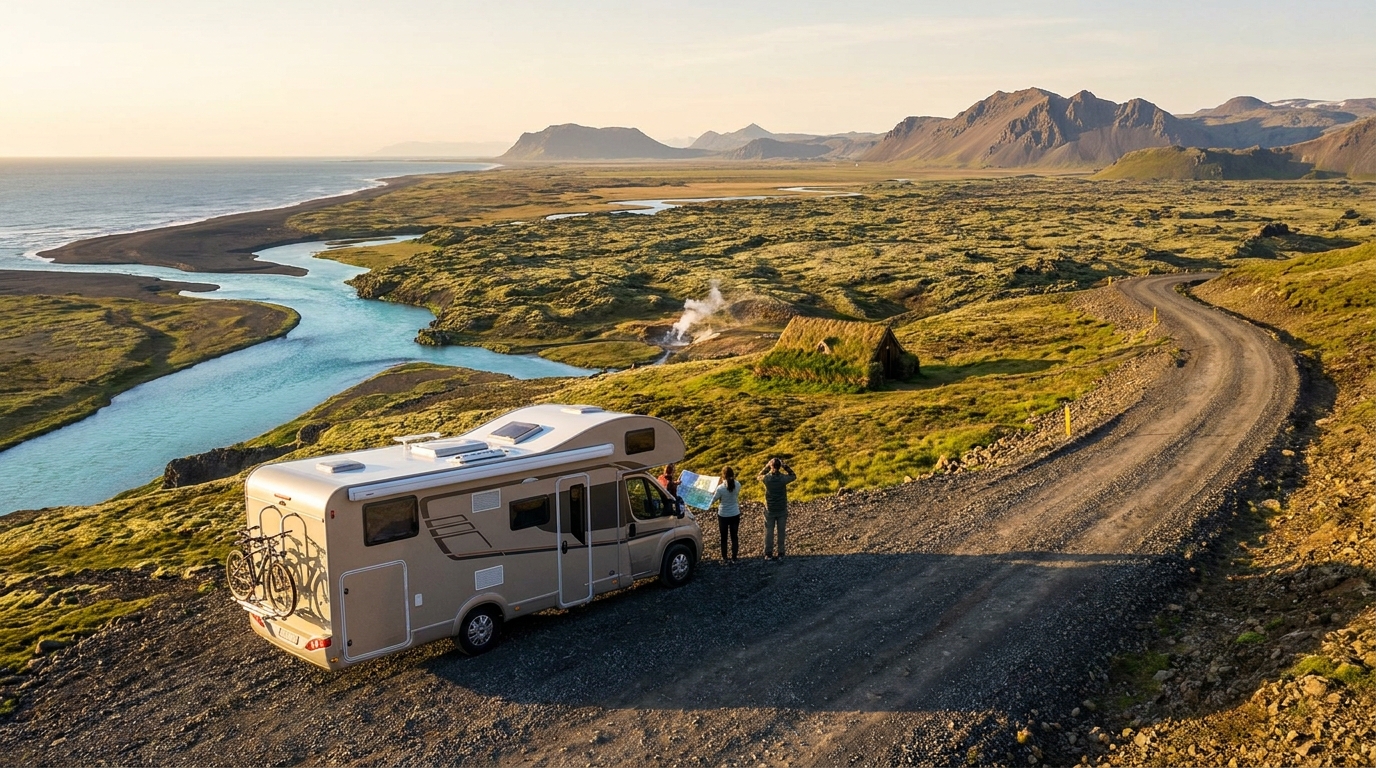
Welcome, fellow adventurers, to the ultimate guide for first-time RV renters exploring the breathtaking landscapes of Iceland! Imagine the freedom of waking up to a new, stunning view every day, with your cozy mobile home right there with you. RV travel in Iceland offers an intimate connection to its unique nature, from cascading waterfalls to volcanic beaches and steaming geothermal areas. While the idea might seem daunting for beginners, with a little planning and insider knowledge, your Icelandic RV adventure will be an unforgettable journey. We at Bandana RV are here to support you every step of the way, providing full transparency with no hidden fees and dedicated assistance before and during your booking. For live availability and current prices, start with our RV Rental Iceland - Complete Guide 2024 guide.
Top 5 Tips for rv rental beginners RV Rental in Iceland
For beginners undertaking an RV rental in Iceland, five crucial tips will ensure a smoother and more enjoyable journey through its diverse terrain. First, booking your chosen motorhome or campervan well in advance, especially 6-12 months before peak season (June-August), secures better selection and rates, potentially saving you up to 25%.
Second, understanding Iceland's unique driving conditions is essential, which includes common gravel roads, narrow bridges, and famously strong, sudden winds. Drive slowly and carefully, and you can drive almost anywhere without issues. No need to stress - just use common sense and pay attention to road signs.
Third, meticulous route planning and securing campsites in advance are paramount, as wild camping is largely prohibited across the country. There are over 170 official campsites, 85% of which offer electrical hookups, so planning ahead is key for peace of mind. Fourth, packing versatile layers is critical for Iceland's rapidly changing weather, as temperatures can shift dramatically even within a summer day.
Finally, familiarize yourself thoroughly with your rented RV's features and utilities before setting off, including how to operate the heating, water, and waste systems, ensuring you're confident and prepared for your adventure.
Before You Book - Class, Dates, Insurance
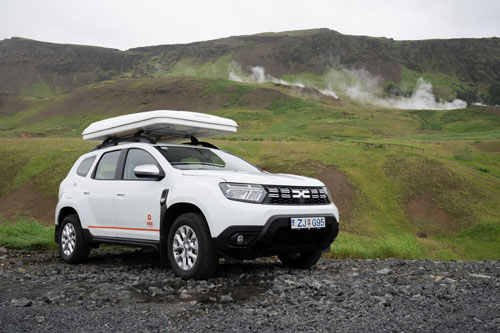
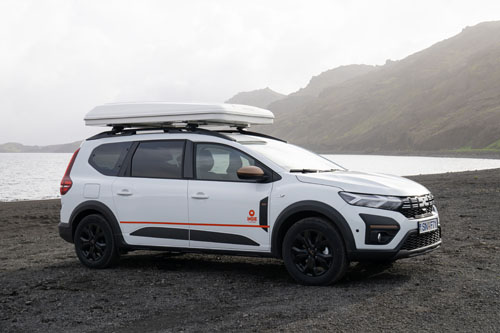
Before booking an RV in Iceland, beginners should carefully consider the appropriate vehicle class for their travel plans and terrain, aim to book well in advance for better availability and rates, and thoroughly review insurance options to travel with peace of mind. Selecting an RV class depends on your group size, comfort needs, and planned routes; a compact campervan like the "Paradise Camper 4x4 double cab" is ideal for couples seeking maneuverability, while a larger Class C motorhome such as the "Euro Deluxe" might suit families of 2+2 or groups of up to 6 people, offering more space and amenities like a larger kitchen and a separate shower. The minimum rental age in Iceland is 21, and there are no young driver surcharges, making RV travel accessible for young adults.
Lock in your rental dates as early as possible, ideally 6-12 months ahead for peak season (June-August), to secure your preferred vehicle and potentially better pricing, as rates are dynamic and subject to availability. Basic insurance is always included with your rental. To see prices including the most comprehensive coverage, select that option during search; then all relevant insurance options will be shown, allowing you to choose protection against common issues like gravel damage or tire replacement. You can upgrade to a top-level deductible for extra peace of mind, ensuring you're well-protected against unforeseen circumstances. Remember, we are true RV specialists, not just a travel agency's side department, so our advice comes from genuine experience.
Pre-Trip Prep - Packing Checklist for Iceland
A comprehensive packing list for an RV trip in Iceland includes layered clothing for unpredictable weather, essential kitchen supplies for self-catering, safety equipment for remote travel, and all necessary documents to ensure a hassle-free adventure. Layered clothing is essential for Iceland's variable climate, allowing you to adapt to temperature changes throughout the day, even in summer, so bring waterproof and windproof outer layers, thermal base layers, and warm mid-layers like fleece. Don't forget sturdy, waterproof hiking boots, as you'll likely be exploring diverse terrains.
Kitchen essentials will maximize your rented RV's self-catering capabilities, reducing reliance on expensive restaurants; think reusable containers, a sharp knife, a small cutting board, and basic spices. While most campervans come with a gas stove and refrigerator, bringing your own preferred coffee maker or a French press can enhance your morning routine. A week-long trip typically requires budgeting $300-500 for groceries. Safety gear is crucial for remote exploration and unforeseen events, ensuring preparedness: a first-aid kit, an emergency blanket, a headlamp, and a fully charged power bank for your phone are highly recommended. Ensure all travel and vehicle documents are readily accessible and organized, including your driver's license (a standard car license is sufficient) and an International Driving Permit if you're from a non-English speaking country. We handle the details, you live the journey - personal service from day one until your booking is confirmed. On the routes offered through RV PLANET routes, you can itemize and track every expense along the way for easy budgeting.
On the Road - Driving, Fueling, Navigation
When driving an RV in Iceland, practical tips include adhering to local road laws, constantly monitoring weather forecasts, refueling frequently, and using reliable navigation tools to ensure a safe and enjoyable journey. Always observe speed limits and obey road signs, especially those indicating gravel roads or narrow bridges, which can be challenging for larger vehicles like a Class C motorhome. The maximum speed limit on paved roads is 90 km/h (56 mph) and 80 km/h (50 mph) on gravel roads, but always adjust for conditions. Drive slowly and carefully, and you can drive almost anywhere without issues. No need to stress - just use common sense and pay attention.
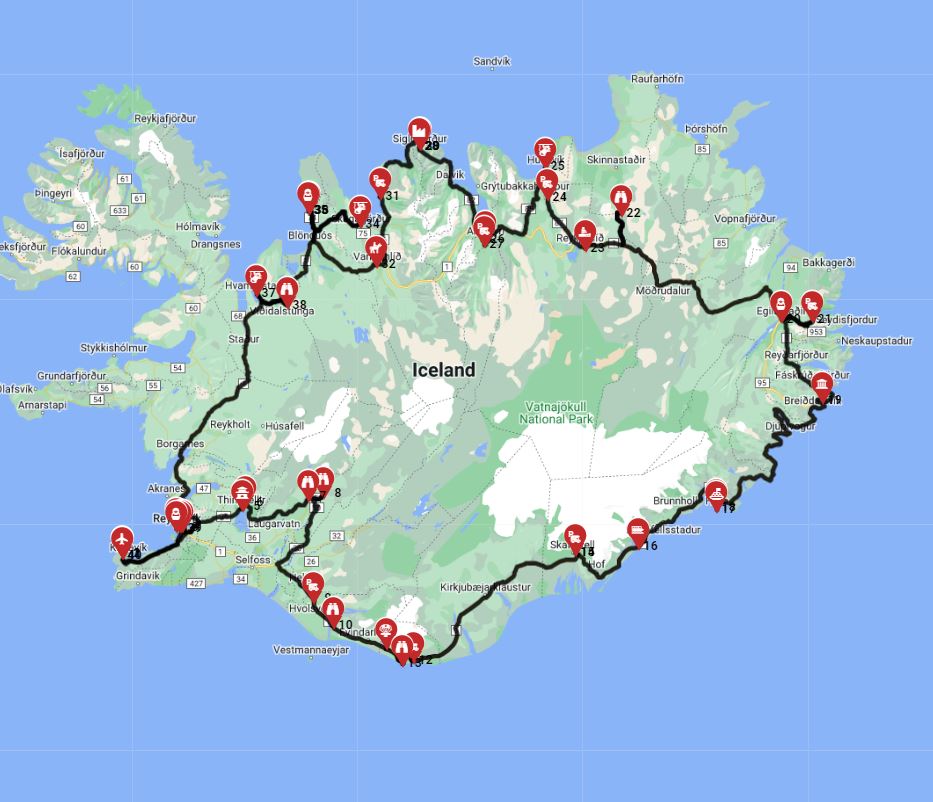
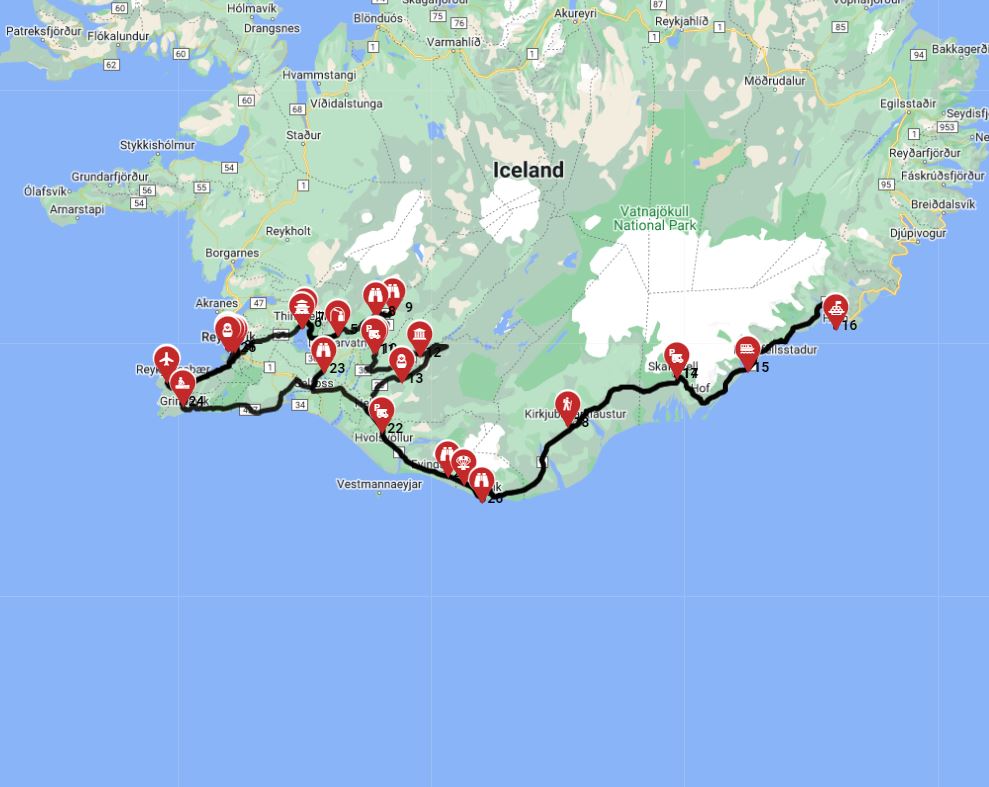
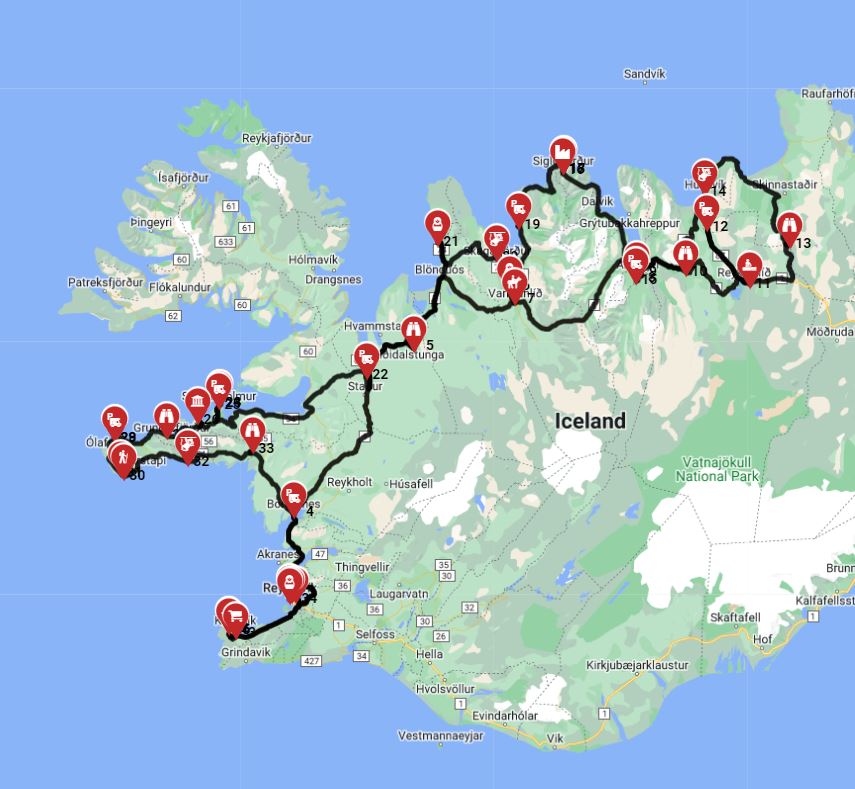
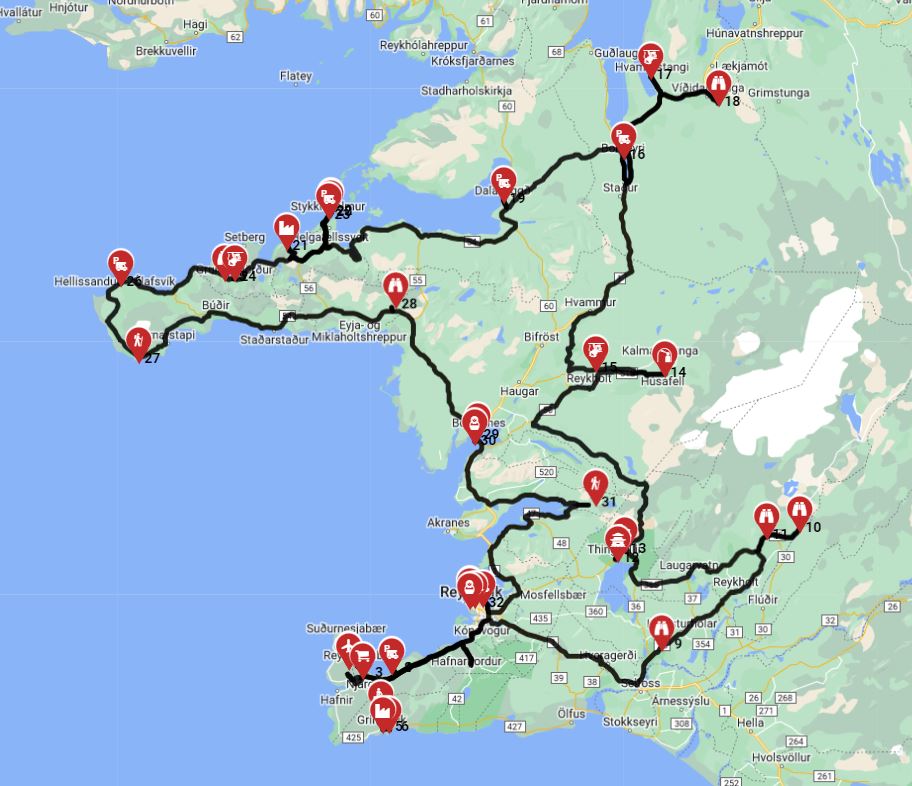
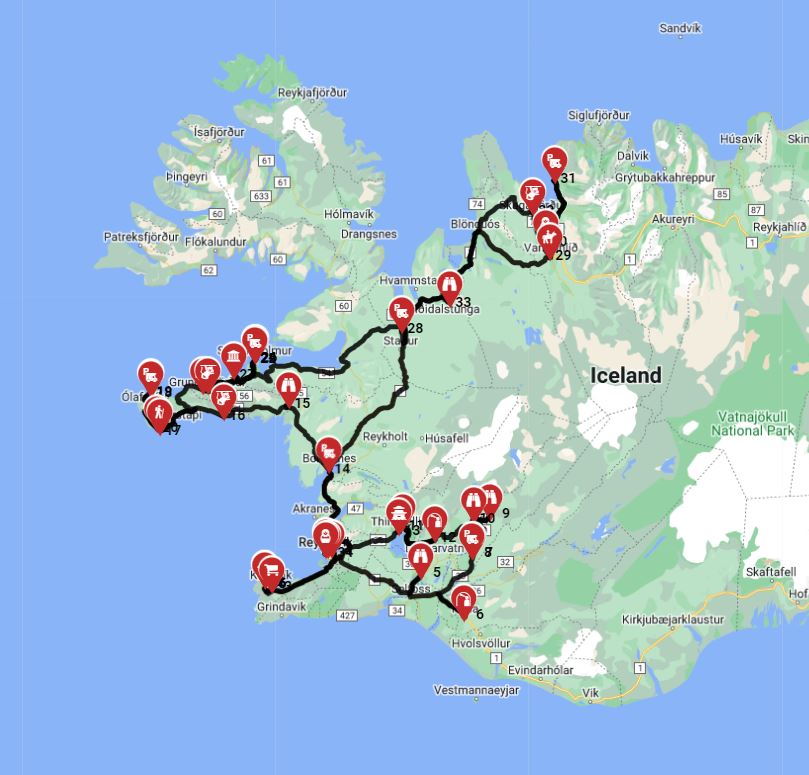
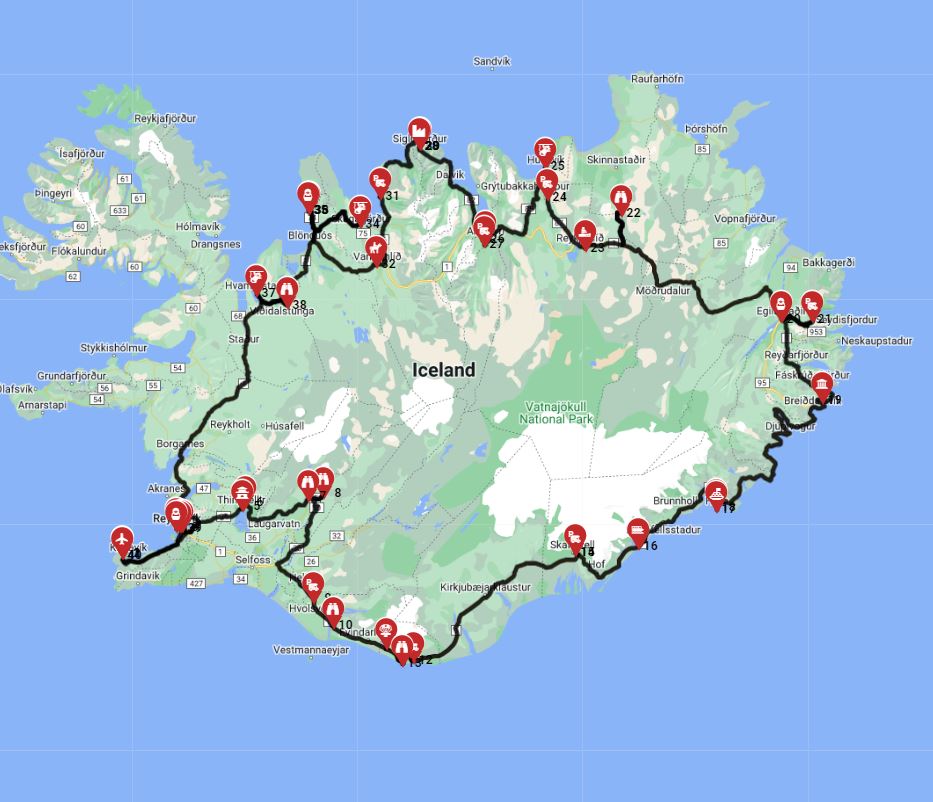
Check the Icelandic Met Office (vedur.is) and Road Administration (vegagerdin.is) websites daily for weather and road conditions, which can change rapidly, often bringing strong winds or sudden fog. Fuel stations can be sparse in remote areas, especially in the East Fjords or along less-traveled parts of the Ring Road, so refuel whenever possible to avoid running out, remembering that diesel is the primary fuel type for most RVs. Utilize both a GPS system and a physical map as a backup, particularly since cell service can be unreliable in some parts of the country. Consider downloading offline maps before your trip. For comprehensive planning, including detailed routes and points of interest, consider checking out RV PLANET routes for pre-planned itineraries like "
At the Campground - Setup, Hookups & Etiquette
Properly setting up at an Icelandic campground involves parking level, correctly connecting utilities in sequence, and observing local etiquette regarding noise and waste to respect both fellow travelers and the pristine environment. Choose a level spot for your RV before extending any pop-outs or setting up, using leveling blocks if necessary, to ensure your comfort and the proper functioning of your RV's systems like the refrigerator. Most Icelandic campsites offer basic facilities, and about 85% provide electrical hookups.
Connect electrical hookups first, then water, and finally the sewage hose to ensure a clean and efficient setup. Always adhere to campground quiet hours, typically between 11 PM and 7 AM, and dispose of all waste, including greywater and blackwater, at designated dump stations to protect Iceland's fragile environment. Recycling facilities are increasingly available at many campgrounds. You'll find a spot; if not at the first campground, then the next one. It's always a good idea to call ahead before driving, especially during busy periods. Remember that Bandana RV focuses on helping you find the perfect rental, and we provide resources like rvplan.net for finding campsites and route planning, but we don't assist with campsite bookings during your trip itself. Travel slowly, max 100-150 km per day on average. Take time to feel the place, connect to the culture, the food, and the scenery.
rv rental beginners-Specific Tips for Iceland
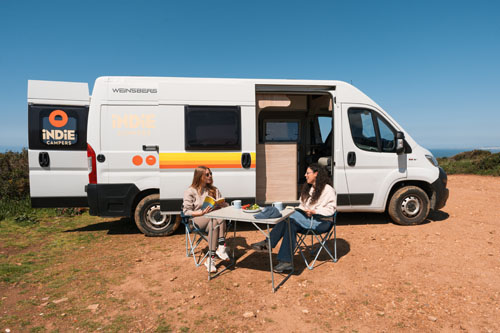
For beginners renting an RV in Iceland, consider selecting a smaller, easier-to-maneuver campervan for first-time driving experiences, thoroughly researching routes suitable for your chosen vehicle, planning for variable weather, and understanding campsite availability. Opt for a compact campervan or a smaller Class C motorhome if you're new to RV driving, as Iceland's roads, including the Ring Road, can be narrow and challenging for larger vehicles, especially when encountering strong winds. A Class B campervan like the "V3" offers excellent maneuverability for two people, while a compact Class C motorhome such as the "MH4-5 - SIF" is a good option for small families.
Plan your itinerary with flexibility, allowing extra travel time for scenic stops and unexpected weather delays, which are common in Iceland. This slow travel approach, averaging max 100-150 km per day, allows you to truly immerse yourself in the culture, food, and scenery. Always book campsites in advance, particularly during the high season (June-August), as wild camping is largely prohibited and designated spots fill quickly. Familiarize yourself with basic RV systems like water, electricity, and waste management before your trip for a smoother experience. Don't hesitate to ask your rental provider for a full walk-through.
Common Mistakes to Avoid in Iceland
To ensure a smooth RV trip in Iceland, avoid common mistakes such as ignoring weather warnings, driving off-road, failing to book campsites in advance, and underestimating travel times, all of which can significantly impact your safety and enjoyment. Instead of ignoring weather warnings, always check official sources like vedur.is before departing and be prepared to adjust your plans for safety, as Iceland's weather can change dramatically in minutes. Never attempt off-road driving; it is strictly illegal, environmentally damaging to Iceland's fragile landscapes, and can lead to hefty fines, typically upwards of €1,000.
Instead of assuming campsite availability, book your spots in advance, especially during peak season (June-August), to guarantee a legal and comfortable overnight stay; many popular campgrounds have limited capacity. Instead of rushing, factor in extra time for driving, scenic stops, and unforeseen delays due to weather or road conditions, as distances can be deceiving on winding or gravel roads. A common miscalculation is not allowing enough time to explore attractions fully; remember, slow travel, averaging 100-150 km per day, enhances the experience. Finally, avoid relying solely on your phone for navigation, as cell service can be spotty in remote areas; bring a physical map as a backup. Bandana RV offers full transparency, so you'll never encounter hidden fees or surprises.
Is an RV a good way to see Iceland
Yes, an RV is often considered an excellent way to see Iceland, offering unparalleled flexibility, the convenience of combining accommodation and transport, and the freedom to explore diverse landscapes at your own pace. A rented RV allows you to wake up to new stunning views each day without the hassle of packing and unpacking luggage at different hotels, making your trip more relaxed. It offers significant flexibility to alter your itinerary based on weather, personal interests, or unexpected discoveries along the way, unlike fixed hotel bookings. For example, if the weather is clear for the Northern Lights, you can extend your stay at a prime viewing spot.
Combining lodging and transportation can be a cost-effective option for groups or longer trips, especially when accounting for restaurant meals and hotel costs, which can be high in Iceland. You gain greater access to remote natural sites and can spend more time immersed in Iceland's unique wilderness, enjoying a more intimate travel experience. With amenities like a functional kitchen, you can enjoy RV-friendly meals and hot beverages anytime, enhancing the comfort of your journey. Many of our customers opt for a week-long trip or two-week adventure to fully experience the Ring Road, encountering sights that traditional tours might miss. We are true RV specialists, dedicated to making your travel dreams a reality.
How much does it cost to rent an RV in Iceland
The cost to rent an RV in Iceland varies significantly, typically ranging from $100 for a basic campervan in the low season (October-April) to over $500 per day for a larger motorhome like a Class C "MH-L" in peak summer (June-August), with additional expenses for fuel, campsites, and groceries. Rental costs fluctuate based on RV size, features (e.g., 2WD vs. 4x4, bathroom facilities), and the season, with summer being the most expensive due to high demand. For instance, a small 2-berth campervan might cost around $100-200/day in shoulder season (May, September) but jump to $250-400/day in July.
Fuel costs are a major budget component, as Iceland has some of the highest fuel prices in Europe, currently averaging around €2.30 per liter ($9.50/gallon); budget at least $400-700 for a 7-day trip covering the Ring Road. Campsite fees typically range from $15-30 per night for a designated spot, which includes access to facilities like bathrooms, showers, and cooking areas, with optional electricity hookups adding a few extra dollars. Groceries and activities also add up; self-catering can save money, but Icelandic grocery prices are generally higher than many other countries, so budget $300-500 for a week of groceries. Account for activity costs like glacier tours or entrance fees to private hot springs. For a mid-range 7-day trip in summer, a sample budget might involve $1500-2500 for RV rental, $400-700 for fuel, $150-250 for campsites, and $300-500 for groceries, totaling approximately $2350-3950, which can be comparable to or less than a car rental plus hotel combination depending on the hotel standard. On RV PLANET routes, travelers can itemize and track every expense along the way for easy budgeting. Remember that prices are dynamic like flight tickets-they change daily based on availability, seasonality, and supplier marketing decisions, with the final price set at actual booking time.
Can you wild camp in an RV in Iceland
No, wild camping in an RV is generally prohibited in Iceland, with strict regulations mandating that RVs and campervans must stay overnight in designated campsites or on private land with express permission from the landowner. Iceland's conservation laws are among the strictest globally, enacted to protect its fragile volcanic environment and delicate ecosystems, making illegal wild camping subject to significant fines that can exceed €1,000 per incident. Designated campsites offer essential facilities like toilets, showers, waste disposal (for both greywater and blackwater), and fresh water, which are necessary for sustainable and hygienic RV travel.
While it might be possible to find "freedom camping" spots on private land, this always requires explicit, prior consent from the property owner and is not a common practice or one to be relied upon. The extensive network of over 170 official campgrounds, many with stunning views and amenities, makes planning for designated overnight stays quite easy. Responsible RV travel in Iceland prioritizes using established campgrounds to minimize environmental impact and support local tourism infrastructure. For finding campsites and campgrounds during your trip, we recommend using RV PLANET (rvplan.net) - a great resource for locating available spots along your route.
What is the best month to RV in Iceland
The best months to RV in Iceland are typically June, July, and August, as these months offer the mildest weather, longest daylight hours (including the midnight sun), and the widest accessibility to roads and attractions, making it ideal for a week-long trip or longer. During peak summer (June-August), you can expect average temperatures between 10-15°C (50-59°F), minimal snow, and nearly 24 hours of daylight, which is perfect for extended sightseeing and driving the entire Ring Road. Most F-roads (highland roads), requiring a 4x4 motorhome, also typically open in late June or early July, expanding your exploration options into the rugged interior.
Shoulder seasons (May and September) provide a good balance of milder weather, fewer crowds, and potentially lower rental prices compared to peak summer. While most main roads are open, some F-roads may still be closed in May or beginning to close in September, so check conditions carefully. Winter (October-April) RVing in Iceland is also possible and offers unique opportunities like Northern Lights viewing, but it requires specific preparations, typically a 4x4 vehicle equipped with studded tires, and a flexible itinerary due to challenging driving conditions and very limited daylight. Bandana RV can help you compare Class B campervans or Class C motorhome prices for Iceland during any season to match your ideal travel style.
Can you RV in Iceland in winter
Yes, it is possible to RV in Iceland during winter (October to April), but it requires thorough preparation, a robust 4x4 RV equipped for snow and ice, and a flexible itinerary to account for challenging driving conditions and limited daylight. Winter RV rentals, such as a "4x4 Camper B - TYR" or "4x4 Truck Camper Gold," often come with studded tires, enhanced heating systems, and sometimes 4x4 capabilities, which are crucial for navigating icy or snowy roads. Many F-roads and some mountain passes are closed in winter; the Ring Road remains open but can be significantly affected by blizzards, strong winds, and ice. Always check road.is for the latest updates on road closures and conditions.
Expect very short daylight hours during winter, only a few hours around the winter solstice in December, alongside rapidly changing, often severe, weather including blizzards, strong winds, and sub-zero temperatures. Safety and preparation are paramount: pack extra warm, waterproof clothing, emergency supplies (including a shovel and tow rope), and a fully charged phone. Prioritize booking winter-friendly campsites with electrical hookups and heating for comfort. Always monitor weather forecasts before driving, and be ready to adapt your plans on the fly. Drive slowly and carefully, and you can drive almost anywhere without issues. No need to stress - just use common sense and pay attention. For more detailed insights, you might find our Winter RV Driving in Iceland - Safety Guide 2024 article helpful. Compare Motorhome Prices for Iceland to find the perfect winter-ready vehicle.
Is it safe to RV in Iceland
RVing in Iceland is generally considered safe, provided travelers exercise caution, stay informed about rapidly changing weather and road conditions, and adhere to local safety guidelines to navigate its unique environment effectively. Weather preparedness is key, as Iceland's weather can change dramatically within minutes, bringing strong winds, rain, snow, or fog; always check vedur.is for forecasts and be prepared to adjust plans, especially for large vehicles like a Class A motorhome. While the Ring Road (Route 1) is mostly paved, gravel roads, narrow single-lane bridges, and wandering sheep are common, particularly on secondary routes.
Drive slower than usual, especially in a rented RV, and be cautious of sudden gusts of wind that can impact stability. Emergency services in Iceland are reliable (dial 112 for all emergencies), but response times in remote areas can be longer. Carry a fully charged phone, consider renting a satellite phone for very remote trips, and share your travel plans with someone. Responsible travel is non-negotiable: stay on marked roads, respect speed limits, and never drive off-road to protect the fragile environment and ensure your safety. Remember, our support extends from before you book to post-booking coordination, ensuring you have the resources to plan a safe trip.
Can you cook in a campervan in Iceland
Yes, the vast majority of campervans and RVs available for rent in Iceland are equipped with cooking facilities, enabling travelers to prepare their own meals and manage their budget effectively during their journey. Most rented RVs, from compact campervans like the "Active Pop Top" to larger motorhomes, come with a gas stove (usually 2-3 burners), a sink with running water, and a refrigerator or cooler, providing the essentials for cooking on the go. This allows for greater flexibility and cost savings compared to eating out for every meal, as Icelandic restaurants can be expensive.
Supermarkets like Bónus, Krónan, and Nettó are found in most towns and cities around Iceland, offering a range of groceries, with Bónus typically being the most affordable for budget-conscious travelers. While self-catering saves money, Icelandic grocery prices are generally higher than many other countries, so it's wise to budget accordingly. Plan simple, one-pot meals or easy-to-prepare dishes that require minimal ingredients and cooking time to maximize your travel and sightseeing opportunities. Imagine preparing a delicious breakfast with fresh local ingredients while overlooking a stunning fjord from your rented motorhome! For inspiration, check out our RV-friendly recipes playlist.
Do I need a 4x4 RV in Iceland
Whether you need a 4x4 RV in Iceland depends entirely on your planned itinerary; a 2WD RV is sufficient for the main Ring Road and accessible paved attractions, but a 4x4 is legally required and essential for F-roads and highly recommended for winter travel. 2WD RVs, such as most Class B campervans or standard Class C motorhomes, are perfectly suitable for navigating Iceland's well-maintained Ring Road (Route 1) and visiting popular attractions accessible via paved or good gravel roads during the summer months. For example, a two-week adventure focusing on the Golden Circle, South Coast, and Snæfellsnes Peninsula would be entirely feasible with a 2WD vehicle.
However, if your itinerary includes venturing into Iceland's rugged interior or accessing specific Highland attractions via F-roads, a 4x4 vehicle is a legal requirement. These roads, typically only open from late June to September, often involve unbridged river crossings and extremely rough gravel terrain that a 2WD vehicle cannot handle. For winter journeys (October-April), a 4x4 RV provides enhanced traction and stability, making it significantly safer and more reliable for handling snow, ice, and strong winds that can affect all road types. Even for main roads, some travelers prefer the added stability and ground clearance of a 4x4, especially if venturing onto less-maintained gravel sections or in variable weather. Review your planned route carefully to determine if a 4x4 such as the "4x4 Camper B - THOR" is necessary for your Icelandic adventure.
Are Iceland roads safe for RVs
Icelandic roads are generally safe for RVs, but drivers must be continuously aware of specific conditions such as sudden strong winds, narrow single-lane bridges, unpaved gravel sections, and livestock that can pose unique challenges for motorhome and campervan rentals. The Ring Road (Route 1), the primary road encircling the island, is mostly paved and well-maintained, suitable for all RV types, though sections can be narrow or unpaved, particularly in the East Fjords. Many secondary roads and detours to popular attractions are unpaved gravel; on these, reduce speed, maintain distance from other vehicles to avoid stone chips, and be aware of loose surfaces.
Iceland is known for extremely strong, unpredictable winds that can significantly impact large vehicles like RVs; always check the weather forecast for wind warnings and consider pulling over or delaying travel if conditions are too severe. Be prepared for numerous single-lane bridges, especially on the Ring Road; yield to oncoming traffic according to road signs, which often indicate who has priority. Livestock, particularly sheep and horses, often roam freely, especially in rural areas; drive cautiously and be prepared to stop if animals are on or near the road. Drive slowly and carefully, and you can drive almost anywhere without issues. No need to stress - just use common sense and pay attention to ensure a safe and enjoyable journey through Iceland's incredible landscapes. To prepare for your adventure, consider comparing RV Rental Deals in Iceland - Latest Offers 2024 to find a vehicle that suits your needs.
What You Shouldn't Miss
Iceland is a land of unparalleled natural beauty, and an RV allows you to experience it intimately. Here are a few must-do experiences for your rented motorhome adventure:
- Golden Circle Tour: This classic route includes Thingvellir National Park (a UNESCO World Heritage site), the Gullfoss waterfall, and the geothermal area of Geysir. It's a fantastic introduction to Iceland's wonders and easily accessible with any RV.
- South Coast Wonders: Drive along the South Coast to witness the black sand beach of Reynisfjara, the stunning waterfalls of Skógafoss and Seljalandsfoss, and the dramatic basalt columns. This region also features many well-equipped campsites.
- Glacier Lagoon Exploration: Visit Jökulsárlón Glacier Lagoon and Diamond Beach. You can take a boat tour among the icebergs in the lagoon, a truly mesmerizing experience. Many campervans offer easy access to this remote beauty.
- Relax in a Geothermal Spa: Beyond the Blue Lagoon, seek out lesser-known spots like Myvatn Nature Baths in the North or the Secret Lagoon in the South for a relaxing dip after a day of driving your rented RV.
- Chase the Northern Lights: If traveling in winter (September to April), use the flexibility of your RV to hunt for the Aurora Borealis, driving away from city lights for the best viewing opportunities.
Looking for expert insights from Avi Bandana? Top 5 Adventures - recommendations from Avi Bandana.
Final Thoughts
Embarking on your first RV rental adventure in Iceland is a journey filled with unparalleled beauty, freedom, and discovery. By heeding these beginner tips, you're not just renting a vehicle; you're unlocking an entire country of breathtaking landscapes, from the vibrant capital of Reykjavik to the serene fjords of the North West. Remember to plan ahead, understand the unique driving conditions, and embrace the slow travel philosophy – it's about savoring every moment and connecting deeply with the destination.
At Bandana RV, we're more than just a booking platform; we're your supportive travel companion, offering honest advice and transparent pricing from the moment you start dreaming until your adventure is confirmed. We handle the details, so you can focus on making incredible memories. Get ready to experience Iceland on your terms, with the comfort and flexibility only a rented motorhome can provide.
Discover top destinations, planning tips, all in one place! Find rv rental Rentals in Iceland.
🎬 Video coming soon