In This Guide
- Top 5 Tips for RV Rental Beginners in England
- Before You Book - Class, Dates, Insurance
- Pre-Trip Prep - Packing Checklist for England
- On the Road - Driving, Fueling, Navigation
- At the Campground - Setup, Hookups & Etiquette
- RV Rental Beginners-Specific Tips for England
- Common Mistakes to Avoid in England
- How much does it cost to rent an RV in England?
- Can you wild camp in an RV in England?
- When is the best time to RV in England?
- Is it difficult to drive an RV in England?
- What do I need to know before renting an RV in the UK?
- What are the rules for driving an RV in England?
- Do you need a special license to drive an RV in the UK?
- Is RV travel popular in the UK?
- Discovering Local RV-Friendly Experiences in England
- Traveling with Pets in an RV Rental in England
- Managing Connectivity and Utilities for Your RV in England
- Sustainable and Responsible RV Travel in England
- Emergency Preparedness for RV Travel in England
- What You Shouldn't Miss
- Why Book with Bandana Caravan
- Final Thoughts
- Frequently Asked Questions
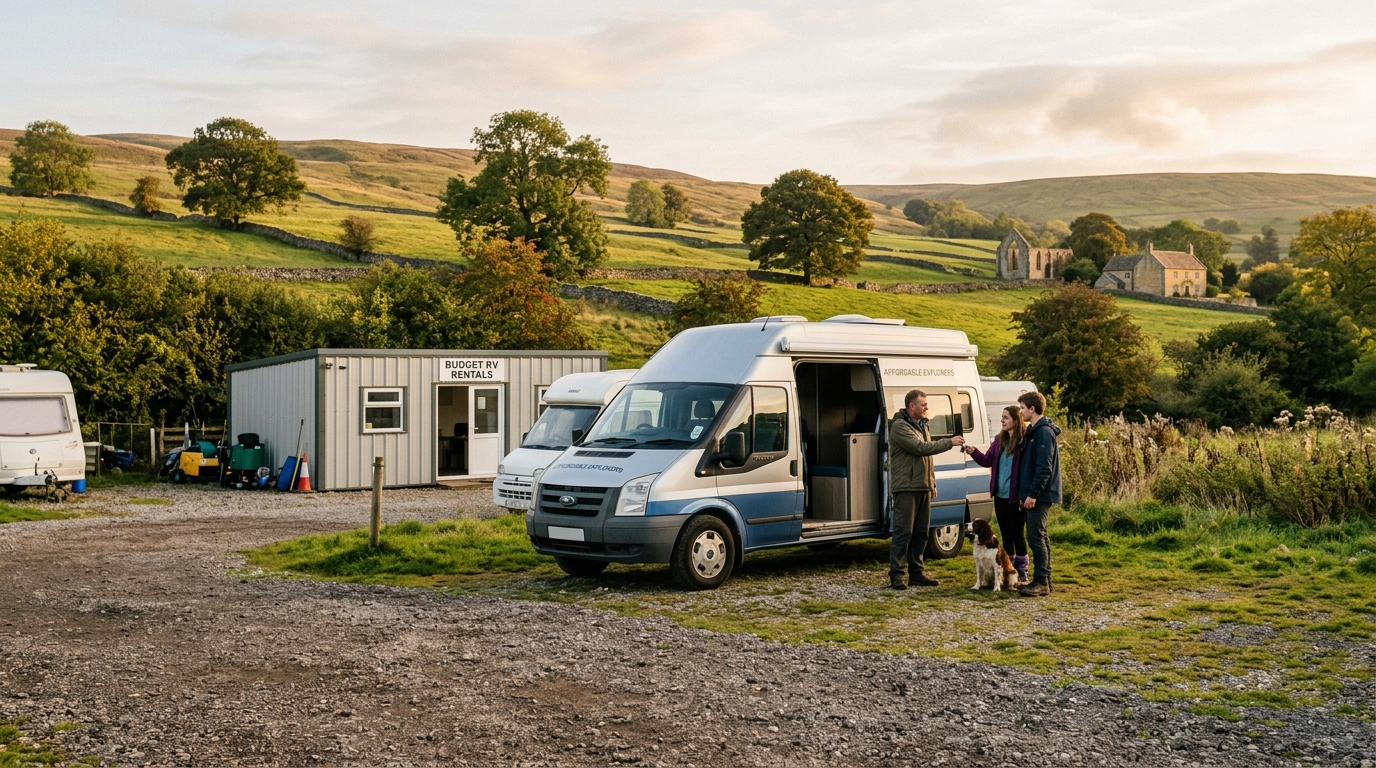
Embarking on your first rented motorhome adventure in England promises an unforgettable journey filled with rolling hills, historic towns, and stunning coastlines. For live availability and current prices, start with our RV Rental England - Complete Guide 2026. As true RV specialists, we understand that planning your first trip can seem a little daunting, but with the right advice, you'll be navigating England's charm like a seasoned pro in no time. Imagine waking up to a different scenic view each morning, with your cozy campervan or spacious Class C motorhome as your mobile home base. We are here to support you before, during, and after your booking, ensuring full transparency with no hidden fees and real people behind you 24/7.
Top 5 Tips for RV Rental Beginners in England
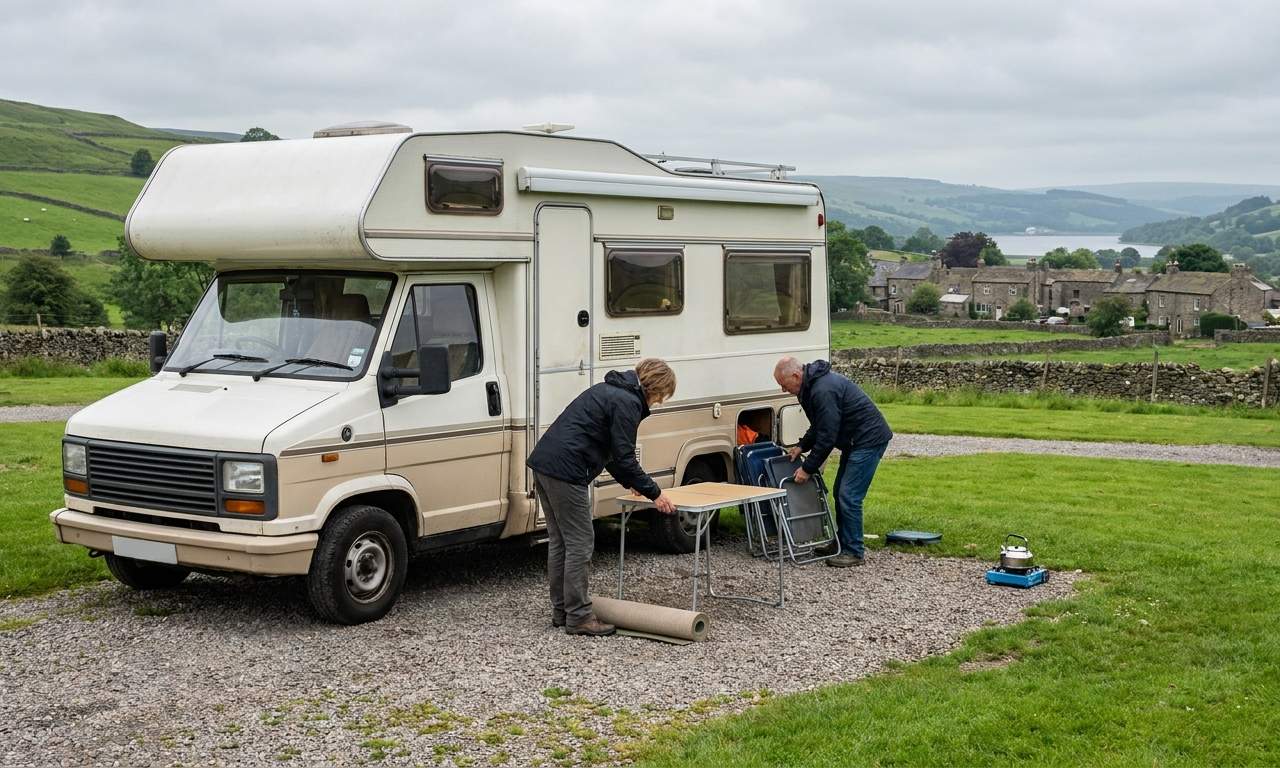
For a smooth first RV trip in England, beginners should prioritize early booking, selecting an appropriately sized vehicle, budgeting comprehensively, understanding local driving conditions, and planning a detailed itinerary. Booking your RV rental several months ahead, particularly for summer or school holidays, secures better availability and often more favorable rates, potentially saving you up to 20% on peak season rates. Opt for a smaller RV or campervan, such as the compact 'hire campervan example Paradise S/T' ideal for a couple, if you are concerned about navigating England's often narrow country lanes and historic village streets, ensuring it comfortably accommodates your travel party. Beyond the rental fee, budget for essentials like fuel, campsite fees, insurance upgrades, food, and entrance to attractions to avoid unexpected expenses; comprehensive expense tracking is available on RV PLANET routes. Before hitting the road, familiarize yourself with driving on the left side, understanding roundabouts, and parking larger vehicles. Finally, research and pre-book campsites along your chosen route, looking for those with good facilities and easy access to local attractions. This proactive approach will help ensure your first week-long trip, or even an extended road trip, is enjoyable and stress-free. On the routes offered through RV PLANET routes, you can itemize and track every expense along the way for easy budgeting.
Before You Book - Class, Dates, Insurance
Before booking your RV rental in England, carefully consider the RV class, your travel dates, and insurance options to ensure a suitable and secure trip. Choosing the right RV class involves balancing the number of travelers with comfort requirements and the practicalities of driving on English roads; smaller campervans or compact motorhomes are often recommended for beginners due to easier maneuverability. For families or groups, a Class C motorhome like the 'cruise america rv rental example Explorer', which sleeps 4 and has a 82-liter fresh water tank, offers more space. Securing your booking dates as early as possible, especially if traveling during summer, Easter, or half-term holidays, will give you access to a wider selection of vehicles and potentially better rates. Regarding insurance, basic insurance is always included with your rental, but you can upgrade to a top-level deductible for extra peace of mind, which we highly recommend for comprehensive coverage on your adventure.
🎬 Video coming soon
Pre-Trip Prep - Packing Checklist for England
Preparing a comprehensive packing checklist tailored for an RV trip in England helps ensure you have everything needed for comfort and convenience, anticipating variable weather and diverse activities. England's weather can be unpredictable, often experiencing 'four seasons in one day,' so layers are key. Essential documents are crucial for rental and travel, while specific kitchen items and safety gear enhance your on-the-road experience. For cooking delicious meals in your rented motorhome, you'll appreciate having a well-stocked kitchen, and you can find inspiration on our RV-friendly recipes playlist. Most rentals come with basic kitchenware, but personal preferences might require bringing your own. Remember to verify what's included with your specific rental. Our true RV specialists can provide detailed lists of what's typically provided by suppliers like Apollo or Britz.
- Waterproof jacket and trousers
- Warm jumpers/fleeces
- T-shirts and long-sleeved tops
- Comfortable walking shoes/boots
- Sleepwear
- Personal toiletries and medications
- Travel towels
- Reusable water bottles and coffee cups
- Basic cooking essentials (oil, salt, pepper)
- Reusable shopping bags
- First-aid kit
- High-visibility vest
- Torch/headlamp
- UK driving license
- Passport/ID
- Rental agreement and insurance documents
- Campsite booking confirmations
- Credit/debit cards and some cash
- Mobile phone and charger
- Portable power bank
- Entertainment (books, games, downloaded movies)
On the Road - Driving, Fueling, Navigation
Navigating England's roads in an RV requires specific attention to driving on the left, understanding roundabouts, planning fuel, and using appropriate navigation. Always remember to drive on the left-hand side of the road and familiarize yourself with the UK's extensive system of roundabouts, giving way to traffic from the right unless otherwise signposted. Drive slowly and carefully, and you can drive almost anywhere without issues. No need to stress - just use common sense and pay attention. Be cautious of narrow country lanes and low bridges, especially when driving through historic villages like those in the Cotswolds; always check your RV's height and width. Fueling up typically involves diesel for most motorhomes, widely available at petrol stations across the country; plan your stops, particularly in rural areas where stations can be sparse. For navigation, consider using a GPS system or app designed for larger vehicles, which can help avoid unsuitable roads, tight turns, and weight-restricted bridges. You might find resources in our RV Rental Deals in England - Latest Offers 2026 to help plan your journey.
At the Campground - Setup, Hookups & Etiquette
Setting up your RV at an English campground involves a specific sequence for utilities and adherence to local etiquette to ensure a pleasant stay for everyone. Upon arrival, carefully position your rented motorhome, ensuring it is level and stable before extending any awnings or steps. Connecting hookups typically starts with electricity (using the standard 240V, 3-pin blue CEEform plug), followed by fresh water, and then securing your waste water hose to an appropriate drain or tank, if available. Always respect quiet hours, usually from 10 PM to 7 AM, and dispose of all waste, including grey water and toilet waste, at designated points only. Keep your pitch tidy, be considerate of your neighbors, and remember that pets must often be kept on a lead and supervised. When preparing to leave, reverse the setup process, ensuring all utilities are disconnected safely and the RV is secure for travel. For finding campsites and campgrounds during your trip, we recommend using rvplan.net - a great resource for locating available spots along your route.
RV Rental Beginners-Specific Tips for England
Tailoring your RV rental experience in England to your specific traveler profile enhances enjoyment, with families, seniors, budget travelers, and luxury seekers each having unique considerations. Families with children should prioritize shorter driving distances, frequent stops for breaks, and selecting campsites that offer playgrounds, swimming pools, or family-friendly activities. Seniors may find that campervans with automatic transmissions and power steering offer greater comfort, while pre-booking campsites with full hookups minimizes physical exertion. For budget-conscious travelers, choosing a smaller, more fuel-efficient RV, planning to cook most meals in the RV's kitchen, and seeking out Certified Locations (CLs/CSs) or pub stopovers can significantly reduce costs, making your trip to places like the Lake District more affordable. Those seeking a luxury experience can explore higher-end RV models, such as a large Class A with an ideal layout for 2 couples like the 'rent rv example E3', consider add-ons like e-bikes or outdoor living sets, and book exclusive 'glamping' style pitches or sites with spa facilities. For specific budget planning, our guides like "Cheap RV Rental in England - Budget Guide 2026" offer excellent insights.
Common Mistakes to Avoid in England
Avoiding common pitfalls can significantly improve a beginner's RV rental experience in England, focusing on preparedness and respectful travel instead of making easily rectifiable errors. One frequent mistake is underestimating the unique driving challenges of English roads, such as narrow lanes, numerous roundabouts, and parking restrictions; instead, plan routes carefully, practice driving a larger vehicle, and consider a smaller RV for better maneuverability. Another common error is over-scheduling every day of the trip; instead, allow for flexibility in your itinerary, enabling spontaneous stops at charming villages or scenic viewpoints. Forgetting that English weather is highly changeable is also a pitfall; instead, pack layers for all seasons and check forecasts regularly. Neglecting proper waste disposal and campground etiquette can lead to issues; instead, always use designated facilities and respect quiet hours. Lastly, failing to prepare essential documents or fully understand your insurance coverage can cause stress; instead, ensure all paperwork is in order and you're adequately covered before you depart. Remember, Bandana RV offers full transparency with no hidden fees, helping you avoid surprises.
How much does it cost to rent an RV in England?
The total cost of renting an RV in England for beginners encompasses not only the rental fee but also significant additional expenses for fuel, campsites, food, attractions, and comprehensive insurance. Rental prices for a mobile home in England typically range from £70-£100 per night for smaller campervans in the low season to £150-£200+ per night for larger motorhomes during peak summer months. For a more detailed breakdown, consult "RV Rental in England - Prices and Best Deals 2026". Fuel costs are a substantial factor, with diesel prices generally higher than in some other countries, so budget based on your planned mileage. Campsite fees usually vary between £20-£50 per night for a pitch with electricity, water, and waste facilities, though some basic sites or Certified Locations (CLs/CSs) might be less. Additionally, factor in your daily food budget, entrance fees for attractions, parking costs, and a contingency for unexpected expenses like toll roads or parking, potentially adding another £50-£100+ per day depending on your travel style. Remember, prices are dynamic, changing daily based on availability and seasonality, much like flight tickets. For luxury options, consider "Luxury RV Rental in England - Premium Prices 2026".
Can you wild camp in an RV in England?
Wild camping in an RV in England is generally illegal without the express permission of the landowner, with strict regulations in place to protect private property and natural environments. Unlike in some other European countries, the 'right to roam' in England does not extend to overnight parking or wild camping in vehicles. National Parks and designated Areas of Outstanding Natural Beauty (AONBs) often have specific bylaws prohibiting such activities. Instead, RV beginners have several legal and practical alternatives, including staying at a vast network of commercial campsites, utilizing 'Certified Locations' (CLs) and 'Certified Sites' (CSs) run by The Camping and Caravanning Club or The Caravan and Motorhome Club (private, smaller sites), or arranging pub stopovers where many establishments welcome RVs overnight for a fee or in exchange for patronage. Utilizing apps like Park4Night or services like Brit Stops can help locate approved overnight parking spots for your rented campervan, providing a unique and legal way to experience local hospitality.
When is the best time to RV in England?
The best time to RV in England for beginners depends on a balance of weather preferences, crowd avoidance, and budget, with late spring and early autumn often providing the most favorable conditions. Late spring (April-May) and early autumn (September-October) typically offer pleasant, milder weather, vibrant landscapes, fewer tourists, and more moderate rental and campsite prices. Summer (June-August) boasts the warmest temperatures and longest daylight hours, ideal for outdoor activities, but coincides with school holidays, leading to higher costs, crowded attractions, and the necessity of booking campsites well in advance. Winter (November-March) can be cold, wet, and dark, with some campsites and attractions closed, but offers a unique, quiet experience, often with lower prices and festive markets in towns. Consider how seasonality affects not just the weather and your comfort, but also road conditions, campsite opening times, and the availability of certain activities, especially for a week-long rental.
Is it difficult to drive an RV in England?
Driving an RV in England can be challenging for beginners primarily due to the necessity of driving on the left-hand side of the road, the prevalence of narrow country lanes, and the extensive use of roundabouts. The UK's road infrastructure, particularly in rural areas and historic towns like Chester or Derby, was not designed for large vehicles, requiring drivers to be constantly aware of their RV's dimensions for low bridges, tight corners, and oncoming traffic. Beginners often find that a smaller RV or campervan, such as the 'rv rental denver example Category Van' which is a small size, is significantly easier to handle and park. Drive slowly and carefully, and you can drive almost anywhere without issues. No need to stress - just use common sense and pay attention. It is highly recommended to practice driving on the left before embarking on your trip, and to allow ample time for journeys, especially through scenic but winding routes. Despite the challenges, English roads are generally well-maintained, and careful planning with an RV-specific GPS can help mitigate difficulties, making the experience rewarding.
What do I need to know before renting an RV in the UK?
Before renting an RV in the UK, beginners should understand key operational aspects, driving regulations, and planning considerations to ensure a smooth journey. Critically, all driving in the UK is on the left-hand side of the road, which requires adjustment for drivers accustomed to right-hand traffic. You must verify your driving license is valid for the weight of the RV you intend to rent; a standard Category B license typically covers vehicles up to 3,500kg, which includes most smaller RVs and campervans like the 'Patagonia Camper 4x4 double cab'. Be mindful of the RV's height, width, and length when planning routes, as narrow roads and low bridges are common, especially in rural and historic areas such as those near Birmingham or Bristol. Familiarize yourself with standard RV features like water, waste, and electrical hookups, and remember that diesel is the prevalent fuel type for motorhomes. Finally, research and pre-book campsites, especially during peak season, and consider a flexible itinerary to account for unforeseen delays or spontaneous discoveries. Our "Weekly RV Rental in England - Pricing 2026" guide offers more details on rental considerations.
What are the rules for driving an RV in England?
Driving an RV in England requires adherence to specific traffic laws and road etiquette, including always driving on the left side of the road. Speed limits vary; generally, for vehicles under 3.5 tonnes, cars and smaller campervans follow standard car speed limits (e.g., 70 mph on motorways, 60 mph on single carriageways, 30 mph in urban areas). For vehicles over 3.5 tonnes or those towing, lower speed limits apply. Drive slowly and carefully, and you can drive almost anywhere without issues. No need to stress - just use common sense and pay attention. When approaching roundabouts, always give way to traffic already on the roundabout coming from your right, unless road signs indicate otherwise. Parking an RV is subject to local council regulations, and it's essential to look for 'no overnight parking' signs, especially in popular tourist areas; always prioritize designated RV parking or campsites. Additionally, be aware of Clean Air Zones (like London's Ultra Low Emission Zone - ULEZ) where non-compliant vehicles may incur daily charges, and check your RV's emission standard to avoid unexpected fees. This is part of our commitment to full transparency, with no hidden fees.
Do you need a special license to drive an RV in the UK?
Whether you need a special license to drive an RV in the UK depends on the vehicle's Maximum Authorised Mass (MAM) and when you passed your driving test. Most standard RVs and campervans available for rental in England have a MAM of 3,500kg or less, which can be driven by anyone with a standard Category B car license (the most common type). However, for larger motorhomes with a MAM between 3,500kg and 7,500kg, a Category C1 license is typically required if you passed your driving test on or after 1 January 1997. Drivers who passed their test before this date often have 'grandfather rights,' allowing them to drive vehicles up to 7,500kg MAM without an additional test. It is crucial to always check the specific MAM of the RV you intend to rent and confirm your driving license categories to ensure legal compliance. Rest assured, all motorhomes and campervans rented through Bandana Caravan can be driven with a standard car license if you are 21 years or older.
Is RV travel popular in the UK?
RV and campervan travel is highly popular in the UK, with its appeal steadily growing, especially in recent years as more people seek flexible and immersive ways to explore the country. The popularity stems from the freedom a rented RV offers to discover diverse landscapes, from coastal paths near Bristol to national parks like the Lake District, at your own pace, often proving more cost-effective than traditional hotel stays for families or longer trips. This widespread enthusiasm is supported by a robust infrastructure of campsites, including large commercial parks, smaller family-run sites, and the unique Certified Locations (CLs) and Certified Sites (CSs) offered by The Camping and Caravanning Club and The Caravan and Motorhome Club. Additionally, many rural pubs, farm shops, and local businesses have adapted to welcome RV travelers, offering overnight parking or dedicated facilities, further enhancing the RV experience across England. Our team of true RV specialists can attest to the growing number of happy travelers exploring England by motorhome.
Discovering Local RV-Friendly Experiences in England
Discovering and engaging with local culture and experiences while RVing in England enriches your trip, with many rural businesses and communities being surprisingly RV-friendly. To find authentic local experiences, prioritize visiting farm shops and farmers' markets, which are abundant in England and often provide parking suitable for RVs, offering fresh local produce, artisanal cheeses, and baked goods. For overnight stays with a local flavor, consider using services like Brit Stops, which lists hundreds of pubs across the UK that welcome self-contained RVs for a free overnight stop in exchange for you dining or drinking at their establishment. Additionally, keep an eye out for 'RV Welcome' signs in smaller villages or consult local tourist information centers for recommendations on RV-friendly attractions, parking in cities like Birmingham or Chester, and events like village fetes or local festivals, which provide a great opportunity to immerse yourself in English life. Remember to travel slowly, aiming for a maximum of 100-150 km per day on average, to truly feel the place, connect to the culture, the food, and the scenery.
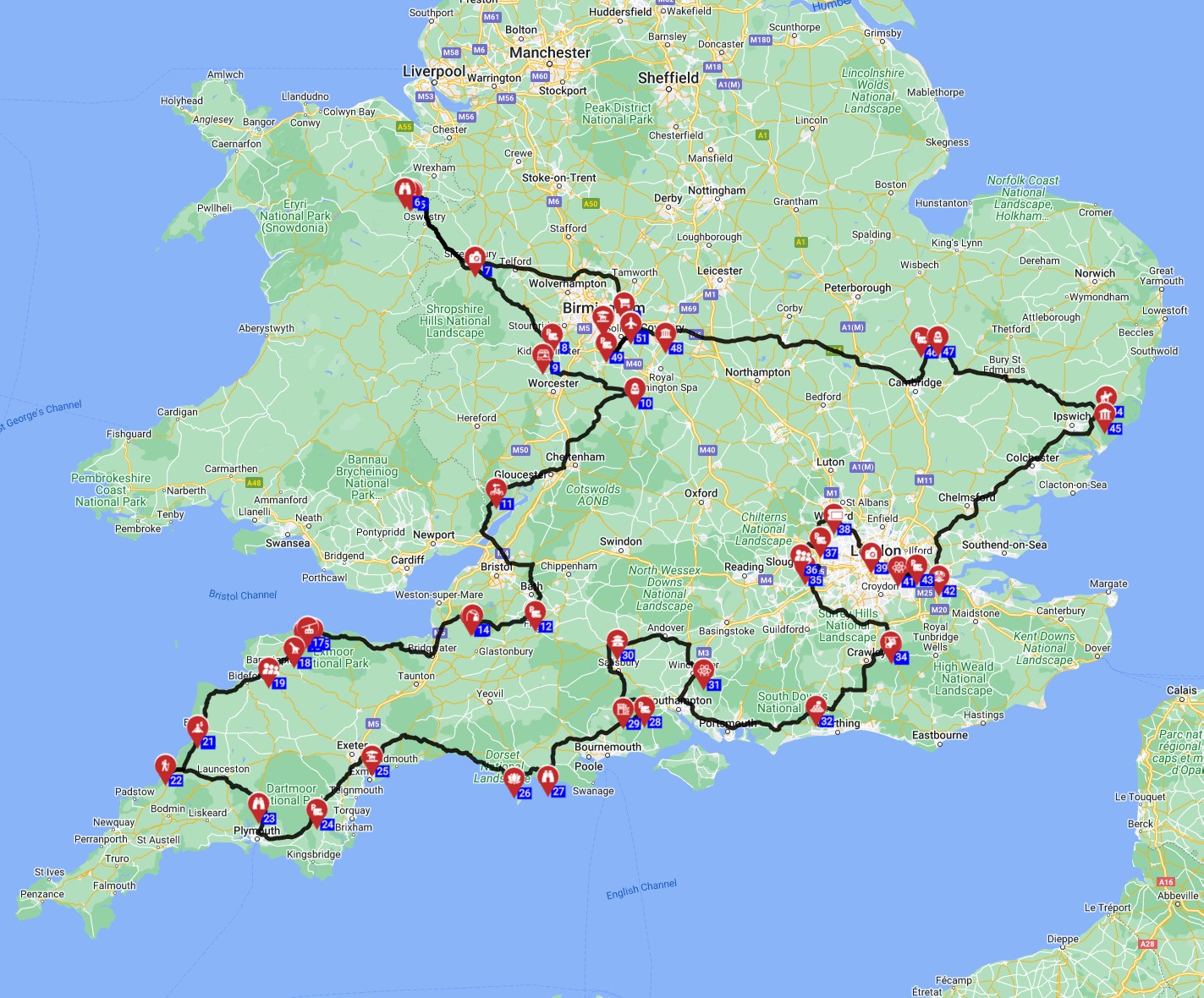
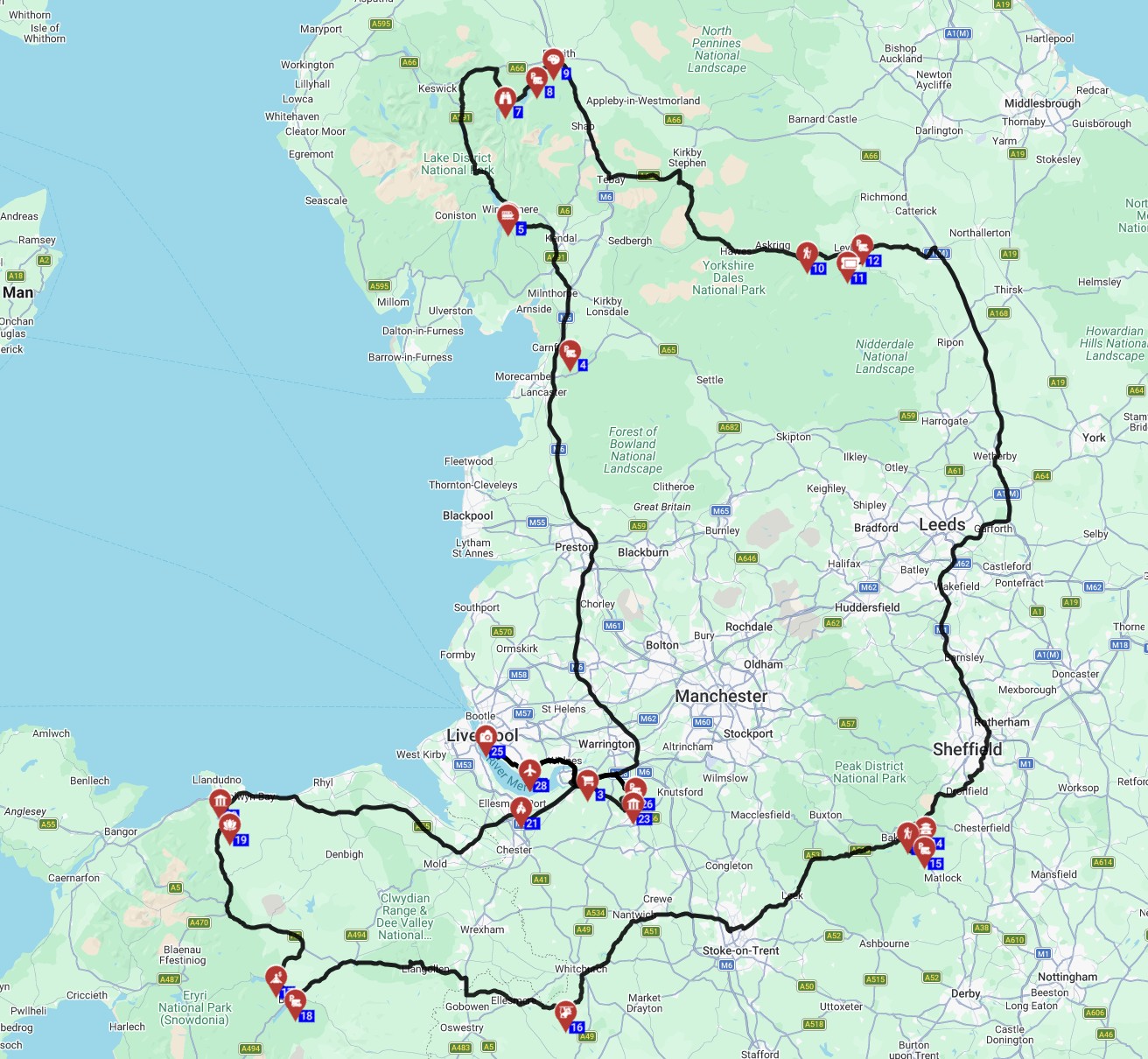
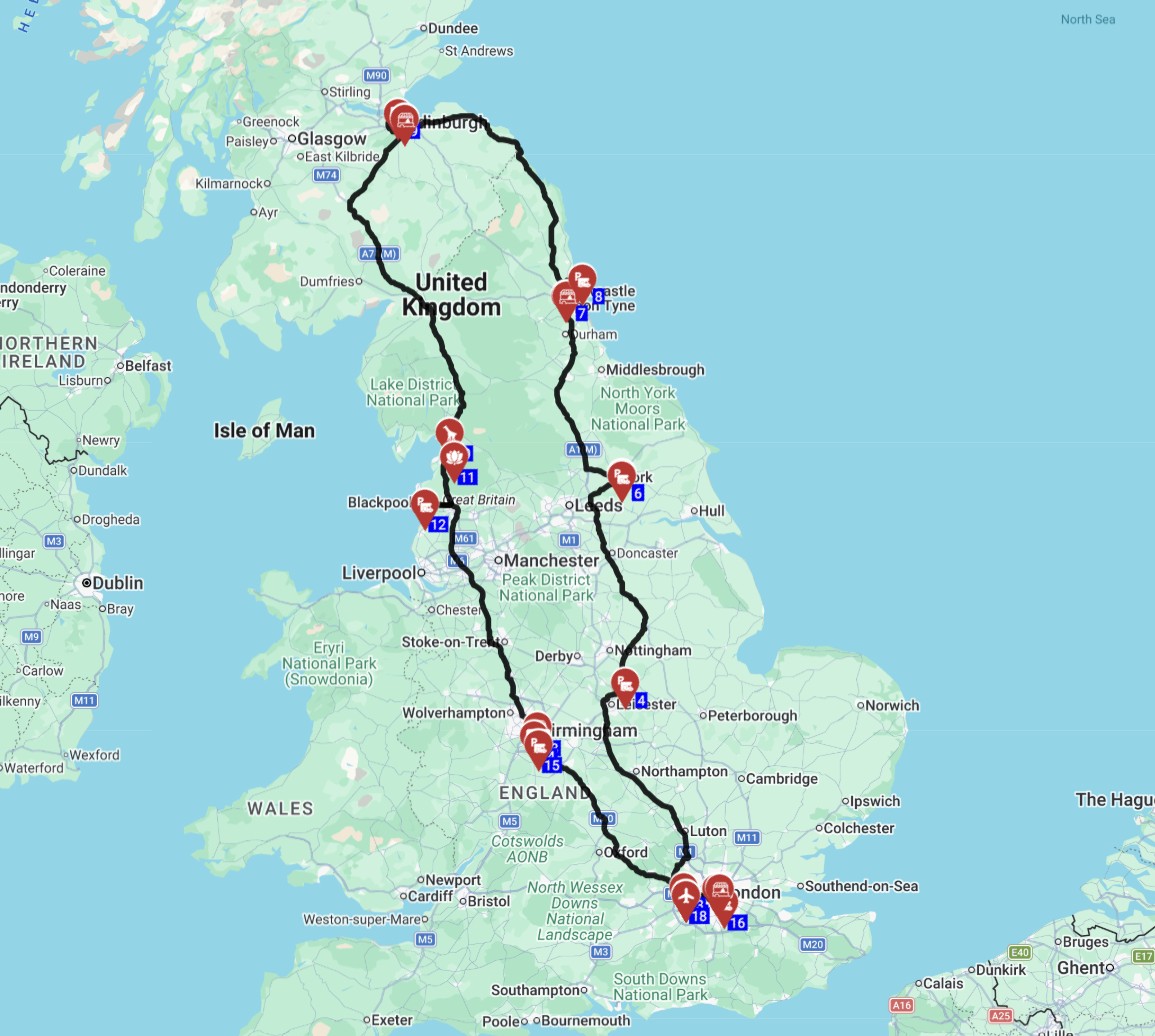
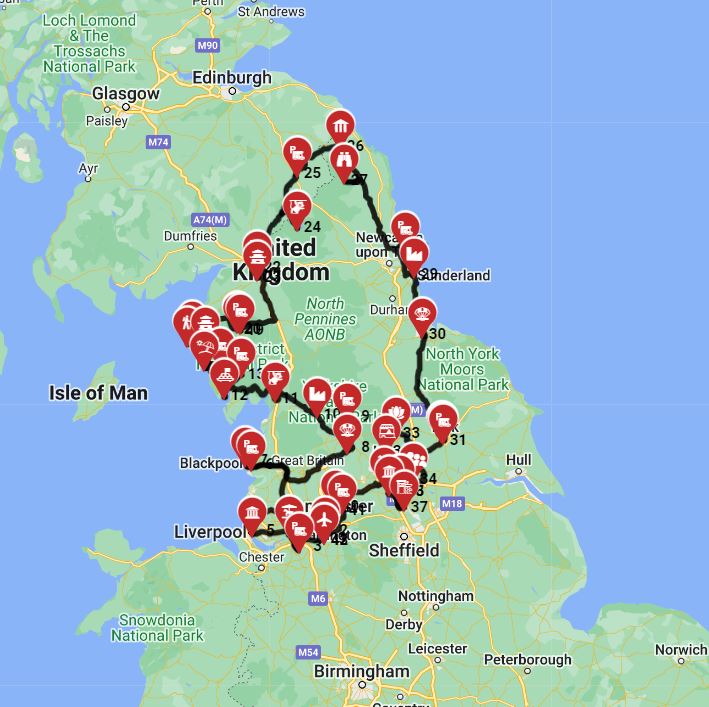
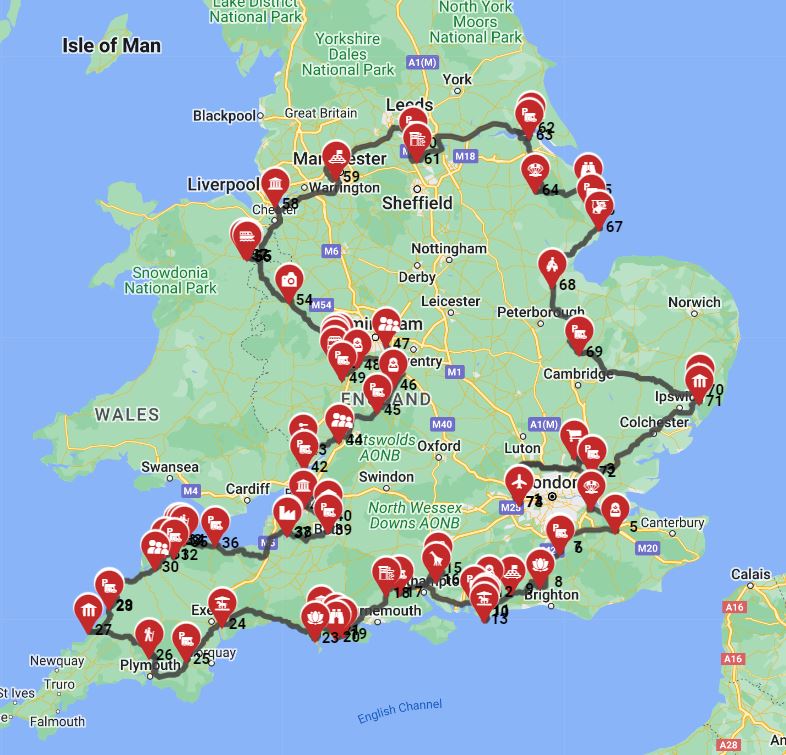
Consider a structured itinerary to make the most of your explorations. The "
Traveling with Pets in an RV Rental in England
Traveling with pets in an RV rental in England is possible but requires careful planning, ensuring compliance with both rental company policies and UK border requirements. Firstly, confirm that your chosen RV rental company permits pets, as policies vary, and there may be additional cleaning fees or restrictions on pet size/type. For pets entering the UK from abroad, ensure they meet all official border requirements, which typically include microchipping, a valid rabies vaccination, and an Animal Health Certificate (or an EU Pet Passport if traveling from the EU). Once in England, always research and book pet-friendly campsites well in advance, as many sites have specific rules or designated pitches for animals, and some may not allow pets at all. It's also advisable to identify local veterinary clinics along your planned route for peace of mind in case of any medical emergencies, contributing to a stress-free journey for both you and your furry companion in your rented camper.
Managing Connectivity and Utilities for Your RV in England
Managing connectivity and utilities effectively is crucial for a comfortable RV trip in England, encompassing mobile signal, Wi-Fi, electricity, and water systems. Mobile signal strength can be inconsistent, particularly in the more rural and remote regions of England; consider purchasing a local SIM card with a generous data plan from a provider known for wider coverage (e.g., EE or Vodafone) if reliable internet is essential. Most commercial campsites offer Wi-Fi, though it may be chargeable, limited in bandwidth, and can be unreliable, especially during peak times. For electricity, rented motorhomes in the UK use a 240V system with a specific 3-pin blue hookup plug (CEEform); ensure your RV is equipped with the correct adapter if necessary and understand how to manage your onboard leisure battery for times without hookup. Efficiently managing your fresh water tank and responsibly disposing of grey (sink/shower) and black (toilet) water at designated points on campsites will maximize your time off-grid and ensure a smooth experience. Our 24/7 support means real people are behind you to help with any technical questions.
Sustainable and Responsible RV Travel in England
Practicing sustainable and responsible RV travel in England allows beginners to minimize their environmental impact and positively contribute to local communities. To minimize waste, commit to recycling all plastics, glass, and paper at designated facilities, reduce your reliance on single-use plastics, and always ensure all rubbish is properly contained and disposed of, leaving no trace. Conserve precious resources by being mindful of your water and electricity consumption, especially when not on a full hookup site, and consider using eco-friendly cleaning products. Actively support local businesses by purchasing produce from farm shops, dining at local pubs, and buying souvenirs from independent artisans, thus injecting money directly into the local economy. Always adhere to 'leave no trace' principles when visiting natural areas, sticking to marked paths and respecting wildlife. Finally, drive efficiently to reduce your fuel consumption, maintaining steady speeds and planning routes to avoid unnecessary detours, lowering your carbon footprint. This approach helps preserve the beauty of places like the Lake District or the coastal areas near Bristol for future rented campervan travelers.
Emergency Preparedness for RV Travel in England
Being prepared for potential emergencies is a critical aspect of RV travel in England for beginners, ensuring safety and peace of mind on the road. Familiarize yourself with the rental RV's specific emergency procedures, including the location of safety equipment like fire extinguishers and the contact details for roadside assistance or breakdown recovery. Always carry a comprehensive first-aid kit, tailored to your group's needs, along with any necessary personal medications. It's vital to know the UK's universal emergency number, 999, which provides direct access to police, fire, or ambulance services for immediate and serious incidents. Ensure you have adequate travel insurance that covers medical emergencies, trip interruptions, and potential vehicle damage beyond the basic rental insurance. Finally, keep all important documents, such as your rental agreement, insurance policy, driving license, and passport, in an easily accessible but secure location, and consider having digital copies saved on your phone or cloud storage. Our top-level deductible reimbursement option provides additional travel peace of mind.
What You Shouldn't Miss
Looking for expert insights from Avi Bandana? Top 5 Adventures - recommendations from Avi Bandana
- Explore the Cotswolds: Wander through charming limestone villages like Bourton-on-the-Water and Bibury, with their honey-colored cottages and idyllic scenery. This area is perfect for slow travel, allowing you to immerse yourself in the quintessential English countryside.
- Visit the Lake District National Park: Discover breathtaking mountains, glacial lakes, and picturesque valleys. Hike Scafell Pike, England's highest mountain, or enjoy a gentle cruise on Windermere. Remember to plan your routes carefully, especially with a larger motorhome, avoiding challenging passes like Honister Pass.
- Wander through Historic York: Step back in time in this ancient city, exploring the medieval Shambles, climbing York Minster, and walking the city walls. Parking your rented RV outside the city center and using public transport is often the easiest way to experience its historic core.
- Discover the Jurassic Coast: Drive along Dorset's stunning World Heritage coastline, famous for its dramatic cliffs, fossil hunting opportunities, and iconic landmarks like Durdle Door and Lulworth Cove. Find RV-friendly campsites with scenic views along this spectacular route.
- Immerse in London's Culture: Park your campervan at an outlying campsite or park-and-ride facility and take public transport into the heart of London. Explore world-class museums, historic palaces, and vibrant markets.
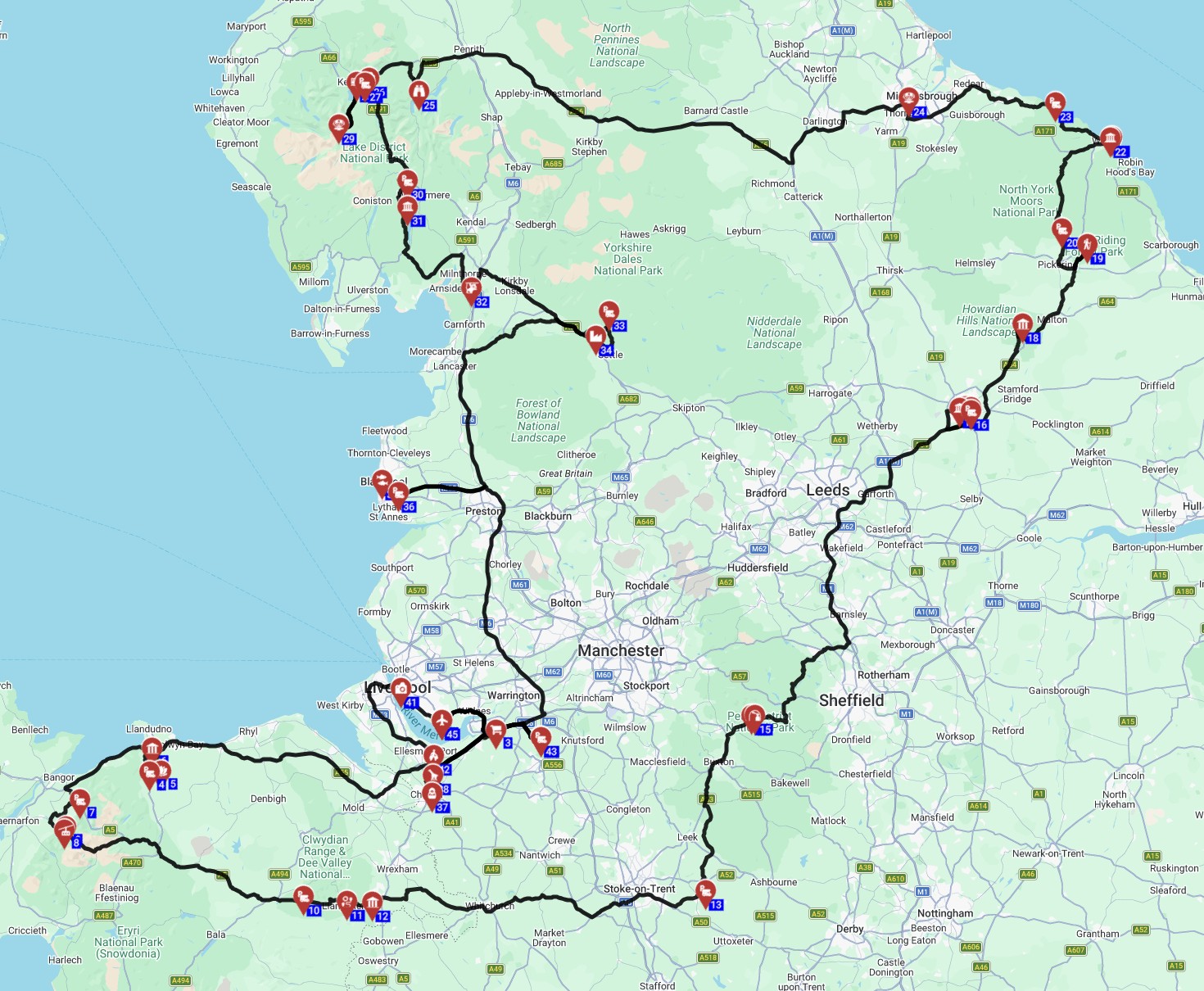
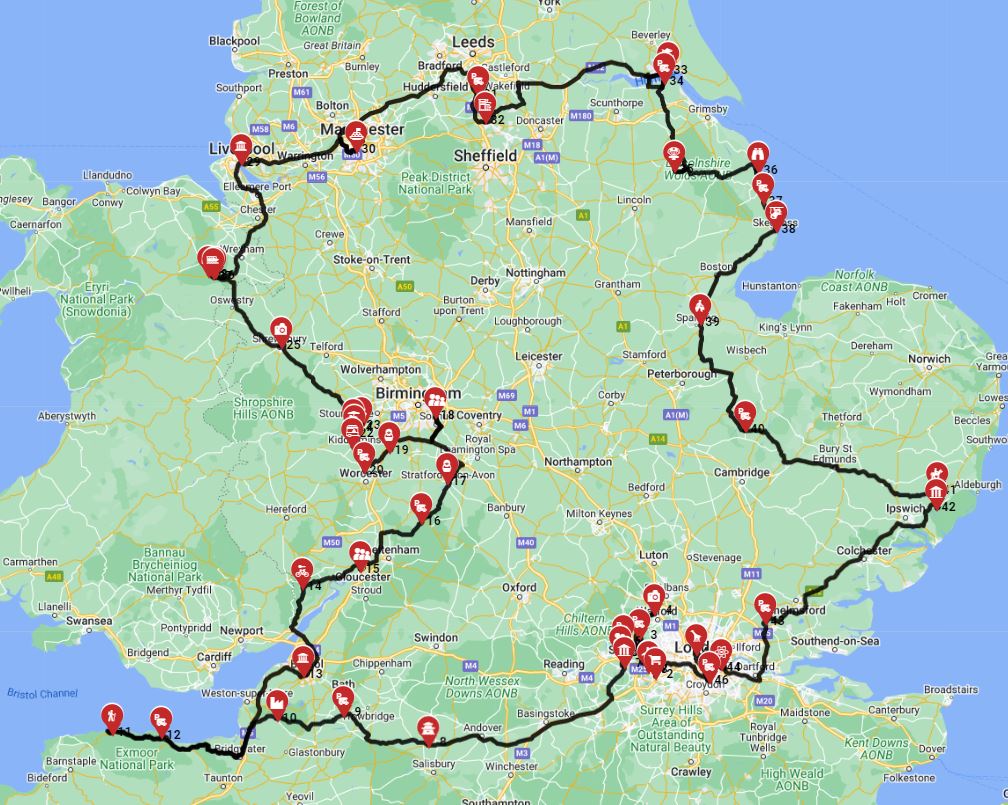
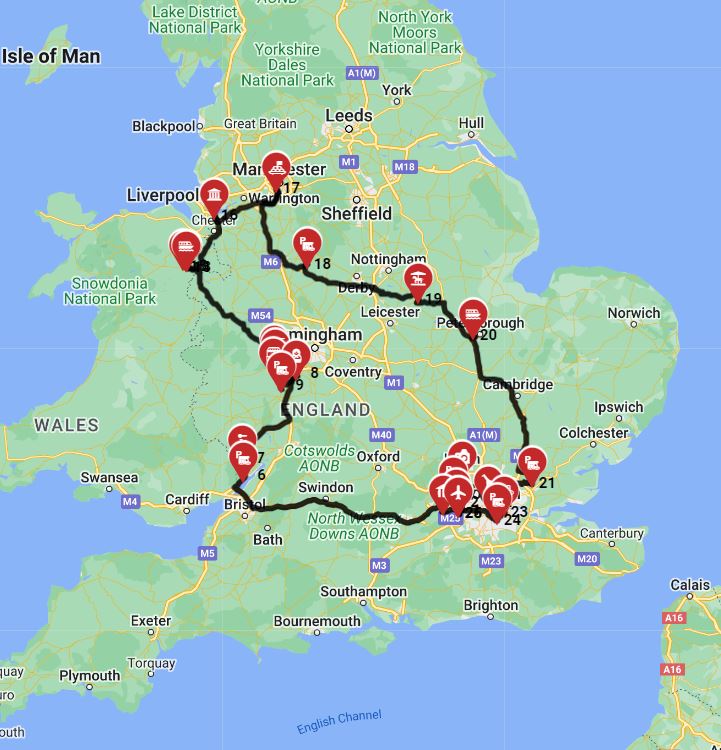
For exploring central England, the "

Final Thoughts
Embarking on your first rented RV trip in England is an exciting prospect, full of potential for discovery and adventure. With these tips and a little planning, you're well on your way to a smooth and memorable journey. Remember that the beauty of RV travel lies in its flexibility; you set your own pace and choose your own path, whether it's exploring historic cities, charming villages, or breathtaking national parks. The roads of England are waiting for you!
We're passionate about helping you experience the freedom of the open road. At Bandana Caravan, we stand by our promise of full transparency and unwavering support, so you can focus on the joy of your trip. Get inspired for your next trip and discover top destinations, planning tips, all in one place!
So, take the leap, choose your perfect motorhome, and get ready to create incredible memories. Your English adventure by rented RV begins now!