In This Guide
- Top 5 Tips for RV Rental Beginners in Africa
- Before You Book - Class, Dates, Insurance
- Pre-Trip Prep - Packing Checklist for Africa
- On the Road - Driving, Fueling, Navigation
- At the Campground - Setup, Hookups & Etiquette
- RV Beginners-Specific Tips for Africa
- Common Mistakes to Avoid in Africa
- What is the 3-3-3 rule for RV travel?
- What is the 4-4-4 rule for RV travel?
- What is the 2-2-2 rule for RV travel?
- How much is 1 month rent in South Africa?
- Which RVs to stay away from?
Top 5 Tips for RV Rental Beginners in Africa
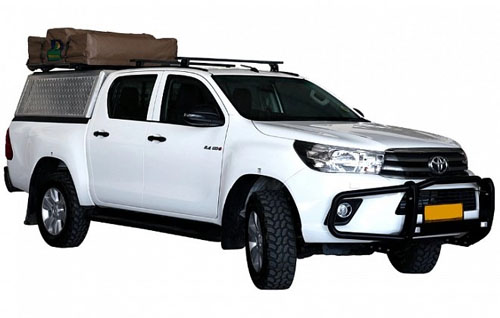
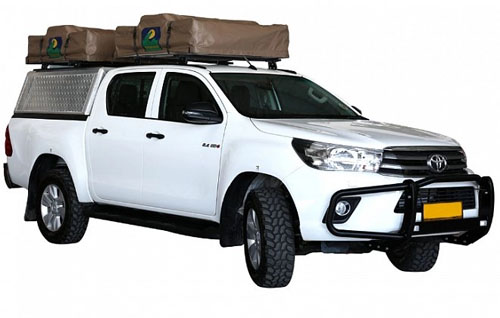
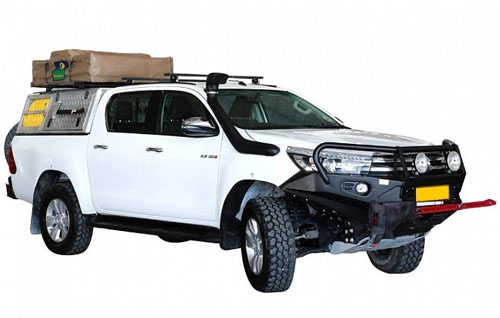
Planning your first RV rental adventure in Africa requires careful consideration to ensure a smooth and memorable trip. To start, prioritize a 4x4 or high-clearance motorhome suitable for Africa's varied terrain, even if your initial routes seem beginner-friendly. For live availability and current prices, begin your planning with our RV Rental Africa - Complete Guide 2026.- **Prioritize a 4x4 or High-Clearance RV:** African roads, particularly outside major cities, can range from paved highways to unpaved gravel and dirt tracks; a 4x4 campervan or motorhome with robust suspension and good ground clearance will greatly enhance your safety and accessibility. A compact camper like a 'Patagonia Camper 4x4 double cab' might be an ideal choice for maneuverability and off-road capability.
- **Thoroughly Research Multi-Country Logistics:** If your trip involves crossing borders, diligently research visa requirements, specific border crossing procedures, and whether a Carnet de Passage is needed for your rented vehicle. Understanding these details well in advance is crucial for seamless travel.
- **Pack Comprehensively for Diverse Conditions:** Prepare for varying climates and potential remote living by including essential health and safety supplies, long-sleeved clothing for sun and insect protection, and reliable water purification methods. Remember, Bandana focuses exclusively on RV rentals, ensuring you get honest advice from true RV specialists who understand the nuances of such trips.
- **Familiarize Yourself with Local Driving Customs and Wildlife Safety:** Before driving, take time to learn about local road rules, common driving behaviors, and critical wildlife safety protocols to protect both yourself and the animals. This includes being extra vigilant at dawn and dusk.
- **Book Well in Advance with Reliable Support:** Secure your RV rental in Africa several months ahead, especially for peak seasons, and choose a reputable rental company known for good breakdown support. We compare final prices across 50+ leading RV suppliers worldwide, including trusted names like Apollo and Britz, ensuring full transparency with no hidden fees or surprises at pickup.
Before You Book - Class, Dates, Insurance
Choosing the right RV class and understanding insurance options for your African adventure are crucial planning steps for beginners. Smaller, more maneuverable 4x4 campervans or Class C motorhomes with robust suspension and good ground clearance are generally recommended for navigating Africa's diverse and often unpaved roads, as opposed to larger, less agile Class A motorhomes. For example, a 'hire campervan example Paradise S/T' offers automatic transmission and is suitable for couples, while a 'rent rv example Comfort Class' might suit a family of 2+2, offering ample space. Booking dates significantly impact both availability and price, so aim to secure your RV rental at least 3-6 months in advance, particularly if traveling during peak seasons like the dry season in Southern Africa (June-October) or major holidays. While last-minute availability can sometimes be found, prices are dynamic and generally increase closer to the travel date. Our guide on "Last-Minute RV Rental in Africa - What to Expect 2026" provides further insights into this. Understanding RV rental insurance options is vital: basic insurance is always included, and our platform allows you to compare prices, including the most comprehensive coverage, by selecting that option during your search. You can upgrade to a top-level deductible for extra peace of mind, which is an optional purchase, not included by default. Consider additional coverage for tire and glass damage, which is especially wise given the varying road conditions across the continent. Bandana, founded in 2001, has over 23 years of experience in helping tens of thousands of travelers explore the world by RV, offering direct partnerships with 50+ leading global RV suppliers to provide transparent pricing and suitable options for every trip.Pre-Trip Prep - Packing Checklist for Africa
A well-organized packing checklist specifically tailored to Africa's unique environment is essential for a smoother RV trip, especially for beginners. Considerations should include the continent's diverse climates, the potential for remote camping, and crucial health preparedness.- Lightweight, breathable clothing (long sleeves/pants for sun & insect protection)
- Wide-brim hat and sunglasses
- Comfortable, sturdy walking shoes/boots
- Sandals or flip-flops
- Swimsuit (if planning water activities)
- Light jacket or fleece for cool evenings
- High-SPF sunscreen and insect repellent (DEET recommended)
- Comprehensive first-aid kit (including anti-malarials if advised for your route, pain relievers, bandages, antiseptic)
- Personal medications and copies of prescriptions
- Water purification tablets or portable filter
- Basic cooking utensils, pots, pans, and cutlery for preparing meals in your rented motorhome. Check out our RV-friendly recipes playlist for inspiration.
- Reusable water bottles and coffee cups
- Non-perishable food items for remote areas
- Headlamp or flashlight with extra batteries
- Binoculars for wildlife viewing
- Power bank and universal adapter (South African Type M if applicable)
- Printed and digital copies of passport, visas, driver's license, international driving permit (IDP recommended for visitors from non-English speaking countries, though not always mandatory).
- Vehicle registration and insurance documents
- Emergency contact information (local and international)
- Proof of vaccinations (e.g., Yellow Fever card)
- Local currency (small denominations) for remote purchases, tolls, and other daily expenses. For an itemized breakdown of costs, check out RV PLANET routes.
- Offline maps (e.g., Maps.Me, iOverlander)
- Satellite phone or robust communication device for deep remote areas where cell signal may be absent.
🎬 Video coming soon
On the Road - Driving, Fueling, Navigation
Driving a rented RV or campervan in Africa requires heightened awareness of varying road conditions, from well-maintained highways to challenging gravel and dirt tracks. Drive slowly and carefully, and you can navigate almost anywhere without issues; there's no need to stress, just use common sense and pay attention. Remember to travel slowly, aiming for a maximum of 100-150 km per day on average, allowing ample time to feel the place, connect to the culture, the food, and the scenery. Fuel availability can be sparse in remote areas, necessitating careful planning for refueling stops and carrying extra fuel where advised by locals or your rental supplier. Navigation is best managed with a combination of a reliable GPS, offline maps, and traditional paper maps, as cell signal can be unreliable in many regions. Be constantly vigilant for wildlife on and near roads, especially at dawn and dusk, and always adhere to speed limits. Understanding basic breakdown and recovery strategies, carrying essential tools, and knowing how to contact your rental company for assistance are crucial in remote African locations. Our partners, such as El Monte, Cruise America, Apollo, and Britz, offer robust vehicles like a 'cruise america rv rental example Explorer' (7.1m length, 2.78m width) which comes with useful features such as a 75-liter fuel tank and 82-liter fresh and waste water tanks. If you're looking for flexibility, our "One-Way RV Rental in Africa - Price Guide 2026" can offer insights into planning a trip with different pick-up and drop-off locations.At the Campground - Setup, Hookups & Etiquette
Setting up your rented RV at an African campsite typically involves parking your vehicle, leveling it on uneven ground, and connecting to any available hookups for water and electricity. Follow a systematic hookup order: connect electrical first, then water (using a filter for safety), and finally your waste hose (if applicable), ensuring all connections have proper seals. Remember that some campsites, especially in national parks, might only offer basic facilities or be entirely off-grid, requiring you to rely on your motorhome's internal water and power storage. Always observe campground quiet hours, which are typically from late evening to early morning, to respect fellow travelers and local wildlife. Practice responsible tourism by properly disposing of all waste, conserving water and electricity, and being culturally sensitive when interacting with local communities. This includes asking for permission before taking photographs. It is essential to always secure your vehicle and belongings, especially in areas known for wildlife, and never approach wild animals on foot. For finding campsites and campgrounds during your trip, we recommend using RV PLANET (rvplan.net) - a great resource for locating available spots along your route.RV Beginners-Specific Tips for Africa
For beginner RV travelers in Africa, consider starting with shorter, well-traveled routes in areas with good infrastructure, such as South Africa's Garden Route or Namibia's Etosha National Park region, to gain confidence. Opt for rented RVs with automatic transmissions and manageable dimensions to simplify driving on unfamiliar and varied roads; smaller campervans like a 'Patagonia Camper 4x4 double cab' or a Class C motorhome can be much easier to handle than a large Class A. Plan for significantly shorter daily driving distances than you might elsewhere, allowing ample time for unexpected stops, wildlife viewing, and navigating diverse conditions. This relaxed pace is crucial for an enjoyable experience. Utilize established campgrounds for the first few nights to become comfortable with your RV's setup and local procedures. Always get local advice from rental companies or campground staff about current road conditions, security, and specific area considerations. For travelers looking to compare options, our "RV Rental in Africa - Prices and Best Deals 2026" provides a comprehensive overview of what to expect. Bandana’s Rent&Plan service also offers pre-planned routes crafted by professionals, and by using rvplan.net for planning, you can get a 25% planning discount.Common Mistakes to Avoid in Africa
Underestimating travel times and distances is a common mistake made by beginners in Africa; instead, build significant flexibility into your itinerary to account for varying road conditions, potential border crossing delays, and unforeseen wildlife encounters. Neglecting comprehensive vehicle preparation and checks before departure can lead to serious issues, so thoroughly inspect your rented motorhome and ensure all fluids, tires, and spare parts are in order. Failing to carry enough local cash, especially in smaller denominations, for tolls, rural purchases, and emergencies is unwise; always have sufficient local currency on hand as card payment options may be limited in remote areas. Ignoring local advice regarding safety, routes, or cultural etiquette can be detrimental; instead, seek and heed guidance from locals, park rangers, and your rental company. Overpacking can lead to a cumbersome trip in your campervan; instead, pack smart and light, prioritizing essentials for remote living and diverse climates. Disregarding wildlife safety protocols is dangerous; always maintain safe distances from animals, especially at waterholes, and never feed them. For premium options, refer to our "Luxury RV Rental in Africa - Premium Prices 2026" guide.What is the 3-3-3 rule for RV travel?
The 3-3-3 rule for RV travel recommends driving no more than 300 miles (approximately 480 km) per day, stopping by 3 PM, and staying for at least 3 nights at each location. This guideline is particularly beneficial for RV rental beginners in Africa, as it allows sufficient time to set up camp, explore surroundings, and rest, which is crucial given potential road challenges and wildlife encounters. Adhering to the 3-3-3 rule helps prevent driver fatigue, provides flexibility for unforeseen delays, and encourages a more relaxed and immersive travel experience, making it easier to adapt to new environments.What is the 4-4-4 rule for RV travel?
The 4-4-4 rule for RV travel is a planning guideline suggesting travelers drive no more than 400 miles (approximately 640 km) per day, stop driving by 4 PM, and stay for a minimum of 4 nights at each destination. While offering more ground coverage than the 3-3-3 rule, the 4-4-4 rule might be ambitious for RV beginners in Africa, especially on less developed roads or when factoring in potential border crossings and frequent wildlife sightings. For African RV adventures, beginners may find the extra driving time and later arrival less conducive to safely navigating unfamiliar terrain, setting up camp before dark, and fully appreciating their surroundings.What is the 2-2-2 rule for RV travel?
The 2-2-2 rule for RV travel advises driving no more than 200 miles (approximately 320 km) per day, stopping by 2 PM, and staying for at least 2 nights at each campsite. This conservative rule is highly recommended for RV rental beginners in Africa, as it minimizes driving stress, allows ample time for unforeseen circumstances, and provides substantial daylight hours for safe arrival and camp setup. Following the 2-2-2 rule enhances safety in areas with challenging roads or wildlife activity, promotes a more leisurely pace, and offers greater opportunities to engage with the environment and local culture.How much is 1 month rent in South Africa?
The cost for a 1-month RV rental in South Africa can vary significantly, typically ranging from ZAR 20,000 to ZAR 60,000+ (approximately USD 1,000 to USD 3,500+) depending on the RV class, age, season, and included amenities. Factors influencing the price include the vehicle type (e.g., a '2 Berth Hi Top' campervan versus a larger '4 Berth Deluxe' motorhome), the time of year (peak season is generally more expensive), unlimited mileage packages, comprehensive insurance options, and one-way rental fees. For long-term rentals, some companies offer discounted monthly rates, and it's essential to compare these with the combined cost of a long-term car rental plus separate accommodation to determine the most cost-effective option for your trip. For detailed budget planning, refer to "Cheap RV Rental in Africa - Budget Guide 2026".Which RVs to stay away from?
For RV travel in Africa, beginners should generally avoid older, less mechanically sound 2WD vehicles, especially large Class A motorhomes, lacking sufficient ground clearance or robust suspension, as these are ill-suited for the continent's diverse and often challenging road conditions. It is advisable to stay away from RVs that do not explicitly state their suitability for rougher terrain if your itinerary includes anything beyond paved highways, as typical domestic RVs may not withstand African conditions. Avoid any rented motorhome that lacks adequate independent water and power storage if you plan on extended boondocking or traveling in very remote areas where hookups are non-existent, as some standard RVs have limited self-sufficiency capabilities. A compact 4x4 campervan like a '2 Person 4WD Camper' with a manual transmission might be a better choice for adventurous routes.What You Shouldn't Miss
An RV adventure through Africa offers unparalleled freedom to explore its natural wonders. Here are some must-do experiences:- **Witness the Great Migration in the Serengeti or Maasai Mara:** Plan your itinerary to align with the wildebeest migration for an awe-inspiring wildlife spectacle.
- **Explore Namibia's Desert Landscapes:** Drive through Sossusvlei and Deadvlei, marveling at towering red dunes and ancient petrified trees.
- **Cruise South Africa's Garden Route:** This scenic drive offers stunning coastal views, lush forests, and charming towns perfect for leisurely stops.
- **Experience a Bush Camp in Botswana:** Opt for a smaller 4x4 campervan to venture into the Okavango Delta or Chobe National Park for an intimate wildlife encounter.
- **Visit Victoria Falls, Zimbabwe/Zambia:** Park your campervan nearby and spend a few days exploring one of the world's largest waterfalls.
- **Discover Morocco's Sahara Desert:** Take a guided excursion into the dunes from a base in your RV at a desert-edge town.
Final Thoughts
Embarking on your first RV rental adventure in Africa is an incredible journey waiting to happen. With the right preparation, a reliable campervan or motorhome, and an open heart for discovery, you're set to create unforgettable memories. Remember to embrace slow travel, allowing yourself to truly connect with the stunning landscapes and vibrant cultures. The continent offers a unique blend of wilderness and cultural immersion that's best experienced at your own pace. Don't let the planning process intimidate you. We are here to support you every step of the way, from comparing the best vehicles across our 50+ suppliers to ensuring full transparency in pricing. Your African RV dream is closer than you think, and we're committed to making it as easy and enjoyable as possible. Get inspired for your next trip and discover top destinations, planning tips, all in one place!Ready to start your African adventure? Find RV Rental Deals in Africa Now.
On the routes offered through RV PLANET routes, you can itemize and track every expense along the way for easy budgeting.