In This Guide
- The 4 RV Families Compared for Switzerland
- Class A (Integrated) - Best For
- Class SI (Semi-Integrated) - Best For
- Class C (Alcove) - Best For
- Class B (Campervan) - Best For
- Price Comparison by RV Class in Switzerland
- Side-by-Side Comparison Table
- Our Recommendation for RV Rental Beginners Travelers in Switzerland
- How Much Does RV Rental Cost in Switzerland and What Are the Hidden Costs?
- What Are the Driving Challenges for RVs in Switzerland?
- How Can I Combine RV Travel with Public Transport in Switzerland?
- Where Can I Park an RV Overnight in Switzerland?
- What Local Etiquette and Cultural Tips Should RVers Know in Switzerland?
- What Specific RV Gear Do I Need for Switzerland?
- What Are the Best RV Itineraries for Exploring Switzerland's Hidden Gems?
- How Can RV Travel in Switzerland Be Tailored for Different Travelers?
- What Are the Best Times to RV in Switzerland and What Are the Seasonal Challenges?
Embarking on an RV adventure through Switzerland promises breathtaking alpine vistas, charming villages, and unparalleled freedom, making it an ideal destination for beginners. With a rented motorhome, you control your pace, allowing for spontaneous stops at stunning viewpoints or leisurely explorations of local culture and cuisine. To help first-timers navigate the options and prepare for a seamless journey, we've compiled a comprehensive comparison of RV classes and essential tips. For live availability and current prices, start with our RV Rental Switzerland - Complete Guide 2026 guide.
The 4 RV Families Compared for Switzerland
The choice of RV class significantly impacts a beginner's experience in Switzerland due to the country's varied terrain, specific climate challenges, and the type of trip envisioned. Factors like vehicle size are crucial for navigating narrow mountain roads and village streets, while amenities are important for comfort in different weather conditions. Beginners should also consider fuel efficiency and load capacity to manage costs and pack essentials for mountainous travel. Bandana RV specializes in motorhome and campervan rentals, ensuring you find the perfect mobile home for your Swiss adventure.Class A (Integrated) - Best For
Class A integrated motorhomes are best suited for beginners seeking a luxurious, spacious travel experience in Switzerland, especially for longer trips or larger groups who prioritize comfort over compact maneuverability. These impressive vehicles offer extensive living space, comprehensive amenities, and panoramic views from the large front windshield, making them ideal for those who prefer to spend considerable time inside their rented RV. Bandana's fleet typically features Class A models with an average length of 7.5 meters, comfortably sleeping about 4.4 people, with a robust average load capacity of 209.5 kg, and common fuel consumption of 11-12 liters/100 km. While offering unmatched comfort, trade-offs include higher rental costs, increased fuel consumption, and significant challenges navigating Switzerland's famously narrow, winding mountain roads and parking in smaller towns.Class SI (Semi-Integrated) - Best For
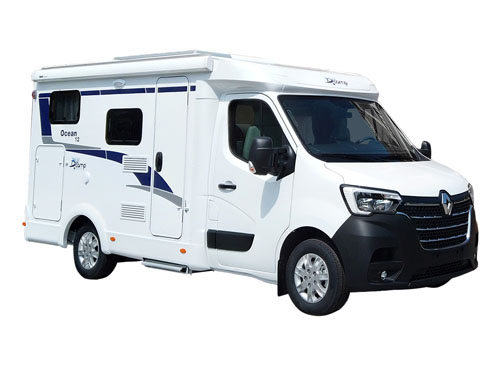
Class SI (Semi-integrated) motorhomes offer a balanced blend of comfort and maneuverability, making them an excellent choice for beginner RV travelers in Switzerland who desire more space than a campervan but prefer easier driving than a large Class A. These models generally outperform Class A motorhomes in ease of driving on Switzerland's winding roads and parking availability, while offering more dedicated living space and amenities than a smaller Class B campervan. They are perfect for small families or couples seeking comfort without excessive bulk. Bandana's fleet typically features Semi-integrated models with an average length of 6.9 meters, sleeping around 3.8 people, an average load capacity of 72.2 kg, and common fuel consumption of 10-11 liters/100 km.Class C (Alcove) - Best For
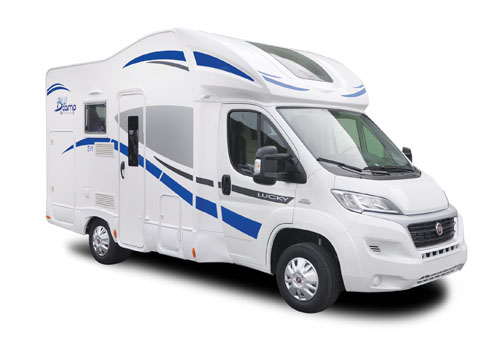
Class C (Alcove) motorhomes are highly suitable for beginner RV travelers in Switzerland, particularly families, due to their dedicated sleeping area located over the cab and a good balance of space, amenities, and relatively manageable size. These vehicles offer generous sleeping capacity, making them a cost-efficient option for larger groups. While they are larger than campervans, they generally handle Switzerland's main roads well, prioritizing family comfort and budget for first-time renters. Bandana's fleet typically features Alcove models with an average length of 7.5 meters, sleeping approximately 5.8 people, an average load capacity of 42.4 kg, and common fuel consumption of 10-12 liters/100 km.Class B (Campervan) - Best For
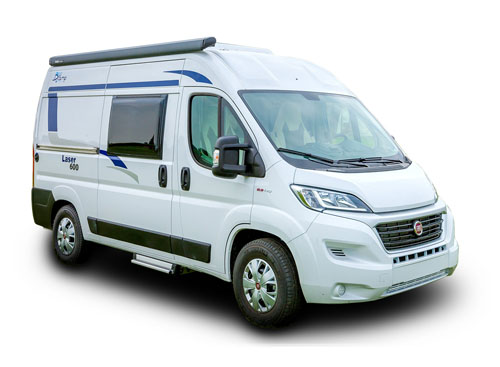
Class B (Campervan) models are ideal for beginner RV travelers in Switzerland prioritizing maneuverability, fuel efficiency, and ease of parking, especially when exploring quaint villages and navigating narrow mountain passes. These compact RVs excel in navigating challenging Swiss terrain and accessing areas larger vehicles cannot, making them perfect for solo travelers, couples, or small groups focused on active outdoor adventures and flexibility over expansive living space. Bandana's fleet typically features Campervans with an average length of 5.8 meters, sleeping about 3.2 people, an average load capacity of 37 kg, and common fuel consumption around 10 liters/100 km. Their compact size allows for more urban exploration and easier parking solutions.Price Comparison by RV Class in Switzerland
RV rental pricing is dynamic and flex-rate, meaning prices change daily based on availability, seasonality, and supplier marketing decisions. The final price is set at the actual booking time. For the most accurate and current figures, it's always best to use our comparison platform with your specific travel dates and preferences. To give you a realistic estimate for planning, here are some example prices for various RV classes and trip durations in Switzerland. For more detailed information on daily rates and potential savings, check out our "RV Rental in Switzerland - Prices and Best Deals 2026" guide or "Cheap RV Rental in Switzerland - Budget Guide 2026".| RV Class | 1 Week Rental (approx. daily rate) | 2 Week Rental (approx. daily rate) | 1 Month Rental (approx. daily rate) |
|---|---|---|---|
| Class A (Integrated) | CHF 350-450 | CHF 300-400 | CHF 250-350 |
| Class SI (Semi-Integrated) | CHF 250-350 | CHF 200-300 | CHF 180-250 |
| Class C (Alcove) | CHF 280-380 | CHF 230-330 | CHF 200-280 |
| Class B (Campervan) | CHF 180-280 | CHF 150-230 | CHF 120-190 |
Side-by-Side Comparison Table
This table provides a concise overview of the key specifications and ideal use cases for each motorhome and campervan family available for rent in Switzerland, helping beginners quickly compare options. It outlines average lengths, sleeping capacities, and typical fuel consumption to assist in making an informed choice for your journey through the Alps.| RV Family | Avg Length | Sleeps | Fuel Use (L/100km) | Best Use Case in Switzerland |
|---|---|---|---|---|
| Class A (Integrated) | 7.5m | 4.4 | 11-12 | Luxury, larger groups, longer stays, comfortable travel; less ideal for narrow roads. |
| Class SI (Semi-integrated) | 6.9m | 3.8 | 10-11 | Balanced comfort & maneuverability, small families/couples, general touring. |
| Class C (Alcove) | 7.5m | 5.8 | 10-12 | Families with children, cost-efficient for groups, good amenities, main roads. |
| Class B (Campervan) | 5.8m | 3.2 | 10 | Maneuverability, fuel efficiency, small groups/couples, active exploration, urban areas. |
Our Recommendation for RV Rental Beginners Travelers in Switzerland
For most beginner RV travelers in Switzerland, the Class B (Campervan) is our primary recommendation due to its superior maneuverability and compact size. These nimble vehicles, often around 5.8 meters long, allow for much easier navigation of Switzerland's famously narrow mountain roads, tighter village streets, and make parking significantly less stressful, while also offering excellent fuel economy which is a major cost factor. As a strong runner-up, we recommend the Class SI (Semi-integrated) motorhome. This class strikes an excellent balance between interior comfort and manageable driving dimensions (typically under 7 meters), making it suitable for small families or couples who desire more amenities and living space than a campervan without the bulk of a larger Class A or C, providing a comfortable yet adaptable base for exploring diverse Swiss landscapes.How Much Does RV Rental Cost in Switzerland and What Are the Hidden Costs?
An RV rental in Switzerland typically costs between 100-250 CHF per day for smaller campervans and up to 250-400+ CHF for larger motorhomes, with prices fluctuating significantly based on season, demand, and RV class. Beyond the base rental fee, beginners should budget for additional costs including a mandatory Swiss motorway vignette (40 CHF for 2026), toll fees for specific tunnels (e.g., Great St. Bernard Tunnel), and significantly higher fuel prices than many neighboring countries. Hidden costs can include cleaning fees (often 100-200 CHF), linen packages (around 30-50 CHF per person), security deposits (often several thousand CHF, released after rental), one-way fees if applicable (typically CHF 150-500), and potential surcharges for additional drivers or specific insurance coverages. Factor in daily camping fees, which range from 30-60 CHF per night, groceries (which can be expensive in Switzerland), and activity passes. Also, be aware of varying fuel efficiency in mountainous terrain, as a larger RV might consume 10-17 liters/100 km, leading to substantial fuel expenses over a week-long trip. For a comprehensive budget breakdown and to itemize every expense along your journey, consult RV PLANET routes.What Are the Driving Challenges for RVs in Switzerland?
Driving a rented RV in Switzerland presents unique challenges, primarily navigating narrow mountain roads, tackling steep inclines and descents with sharp curves, and finding suitable parking in small, historic villages. The best RV sizes for Swiss terrain are generally Class B campervans (under 6 meters) or smaller Class SI semi-integrated models (under 7 meters) due to their enhanced maneuverability. You should expect single-lane sections, tunnels with strict height and width restrictions, and mountain passes that may be closed seasonally; always check current road conditions, especially during spring and autumn, before setting out. Parking in towns can be particularly difficult and expensive, often requiring RVs to park outside village centers and utilize local public transport. Steep grades demand careful gear selection and braking techniques to prevent overheating, but drive slowly and carefully, and you can drive almost anywhere without issues. No need to stress - just use common sense and pay attention.How Can I Combine RV Travel with Public Transport in Switzerland?
Combining RV travel with Switzerland's highly efficient public transport system (trains, buses, and cable cars) is an excellent strategy to access car-free zones, enjoy scenic routes, or avoid driving in congested areas. Travelers can park their rented RV at designated campgrounds or 'Park & Ride' facilities near major train stations or public transport hubs, then utilize a Swiss Travel Pass or individual tickets for seamless access to car-free cities like Zermatt or high-alpine viewpoints. This approach significantly enhances flexibility, allowing you to explore mountainous regions and charming villages without the stress of navigating a larger RV through tight spots, providing diverse scenic experiences that might be missed from the road alone. Consider parking your RV at Interlaken and taking the train to Jungfraujoch, or leaving it in Lauterbrunnen to explore its stunning valley by bus and cable car.Where Can I Park an RV Overnight in Switzerland?
Legal overnight RV parking in Switzerland extends beyond traditional campgrounds to include designated 'Stellplatz' (motorhome parking areas), some farm stays, and certain municipal parking lots, while generic 'wild camping' is largely prohibited. Traditional campgrounds, such as Camping Jungfrau in Lauterbrunnen, offer full amenities like electricity, water, and waste disposal, but require booking, especially in peak season. Stellplatz, often found near towns or scenic spots, typically provide basic services like water and waste disposal and can be located via apps like 'Park4Night' or 'Camping-Infos'. Some private farmers or vineyards also offer informal overnight stays (often for a fee) through platforms like 'Swiss Terroir', providing unique local immersion opportunities. Always confirm legality and check local regulations, as rules can vary by canton and municipality, respecting signage and local environmental norms. For finding campsites and campgrounds during your trip, we recommend using RV PLANET (rvplan.net) - a great resource for locating available spots along your route.What Local Etiquette and Cultural Tips Should RVers Know in Switzerland?
RV travelers in Switzerland should observe local etiquette by maintaining cleanliness, respecting quiet hours at campsites (especially after 10 PM), and properly disposing of waste to uphold the country's high environmental standards. To engage with local culture, seek out small artisan villages, visit local markets for fresh produce and regional specialties, and participate in community events, which are often advertised locally. Always greet locals with a friendly 'Grüezi' (Swiss German), 'Bonjour' (French), or 'Buongiorno' (Italian) depending on the region, and be mindful of privacy in residential areas when parking your rented mobile home. Remember that Swiss culture values punctuality, order, and direct communication; adhering to traffic rules, such as speed limits (typically 80 km/h on rural roads and 120 km/h on motorways, with lower limits for heavier RVs), and posted regulations is essential for a smooth experience. If you plan to cook meals in your RV kitchen, explore our RV-friendly recipes playlist for inspiration.What Specific RV Gear Do I Need for Switzerland?
Specific RV gear for Switzerland's varied terrain and weather includes leveling blocks for uneven pitches, European power adapters (Type J is standard for Switzerland, or Type F/E for general European compatibility), and robust navigation tools capable of handling mountain roads and avoiding restrictions. For winter travel (roughly November to April), essential gear includes winter tires or snow chains (often legally required on designated routes), an insulated water hose, and potentially extra blankets, as many mountain passes mandate specific winter equipment. Always consider packing a reliable headlamp, sturdy hiking boots for alpine trails, and purchasing a Swiss motorway vignette (40 CHF if not provided with your rental motorhome) in advance to avoid fines. A multi-language phrasebook or translation app can also be invaluable for communicating in Switzerland's different linguistic regions (German, French, Italian).What Are the Best RV Itineraries for Exploring Switzerland's Hidden Gems?
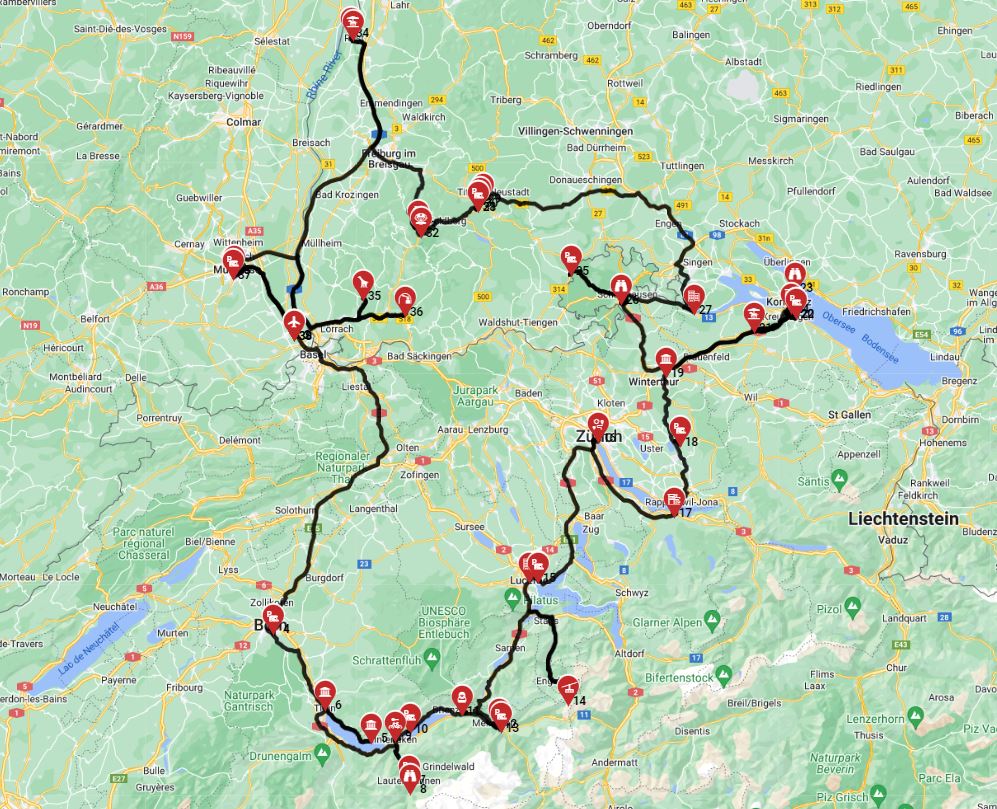
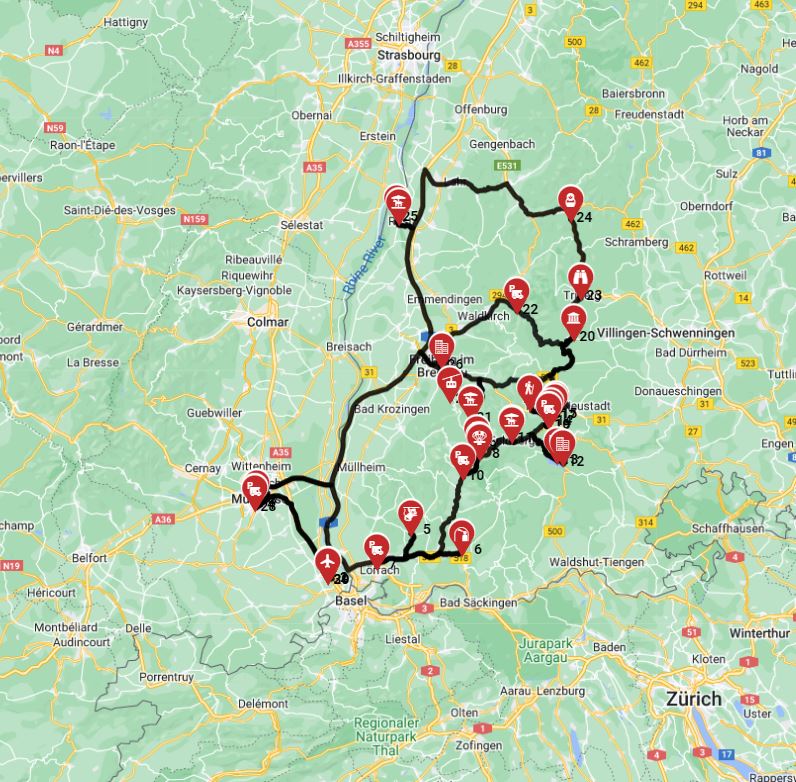
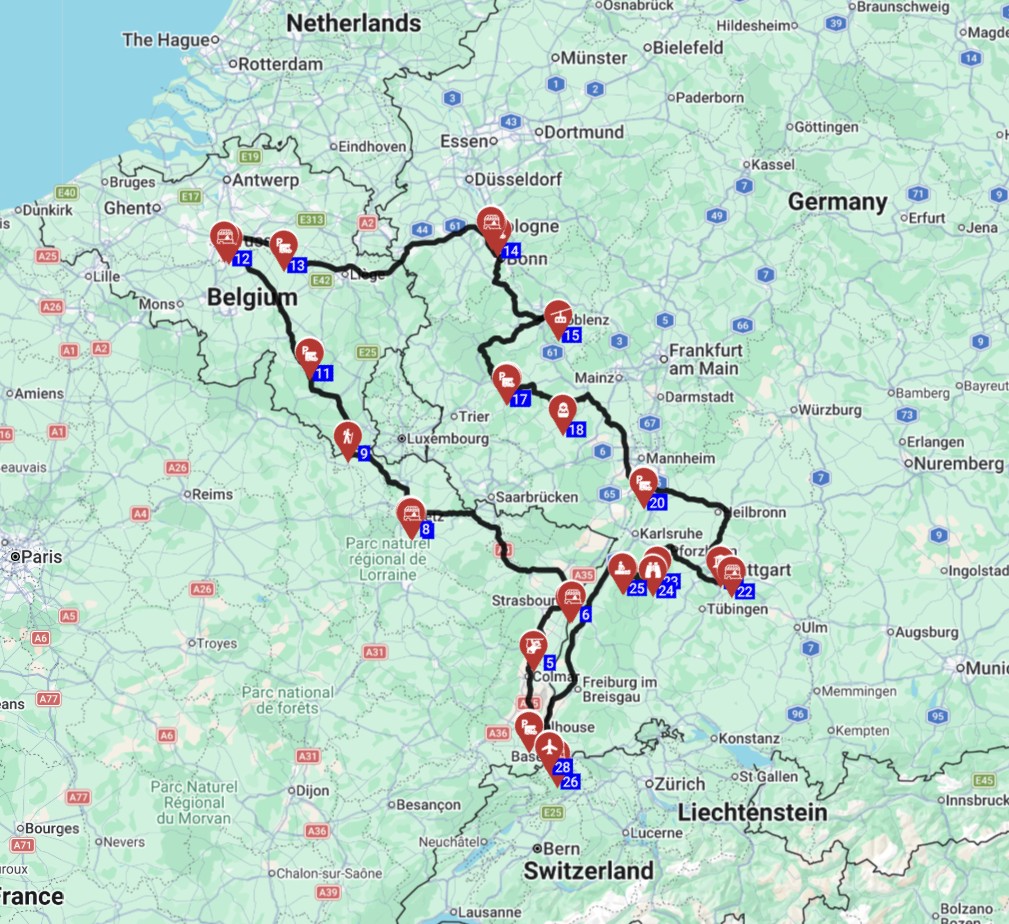
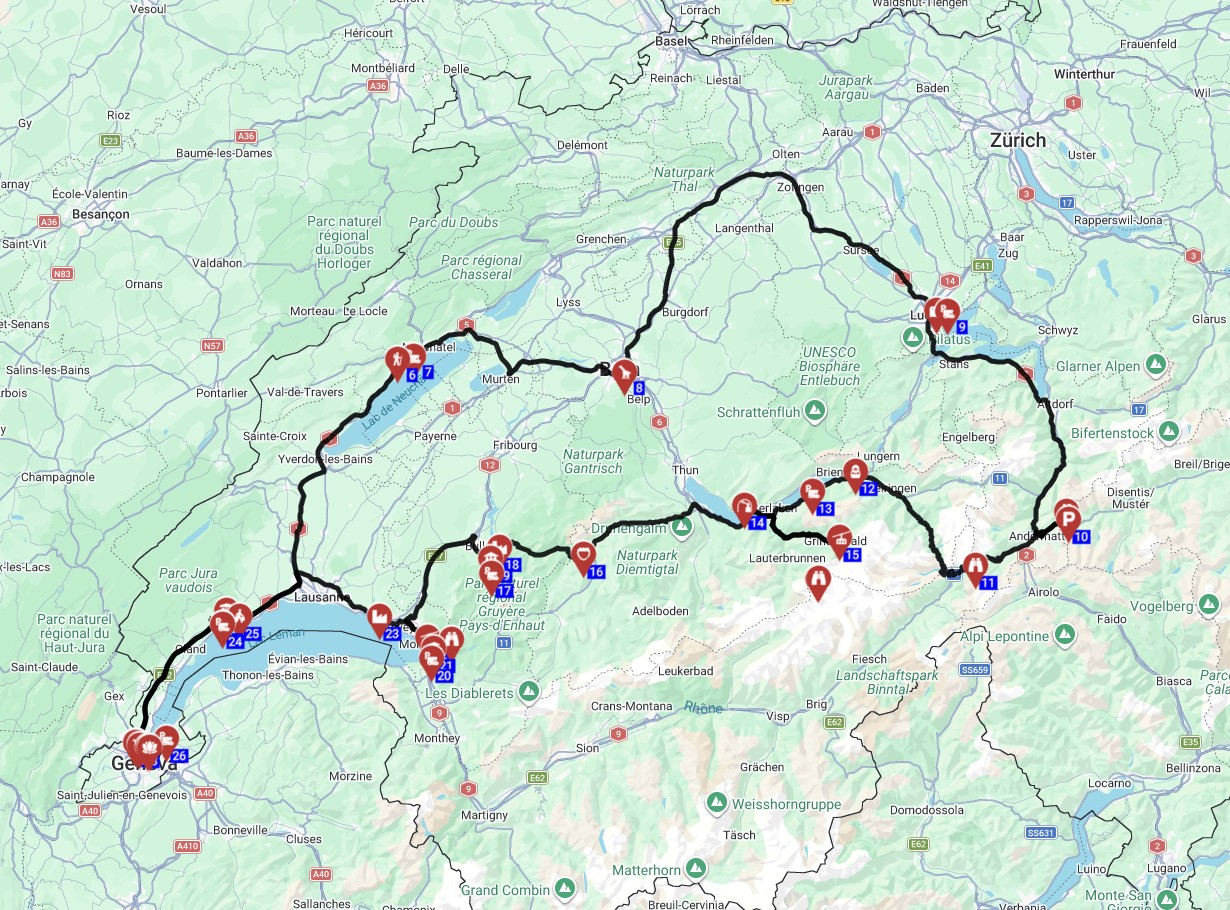
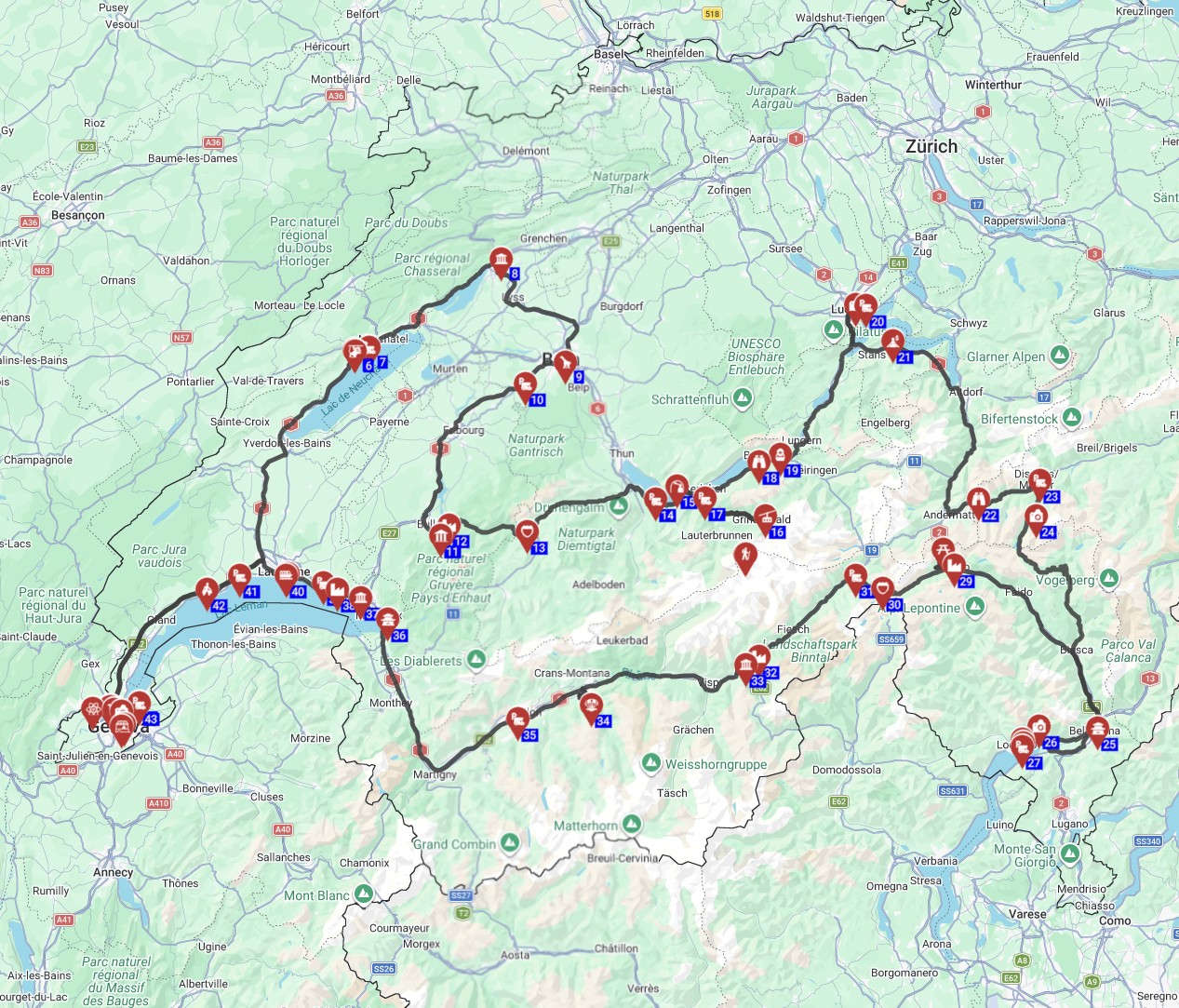
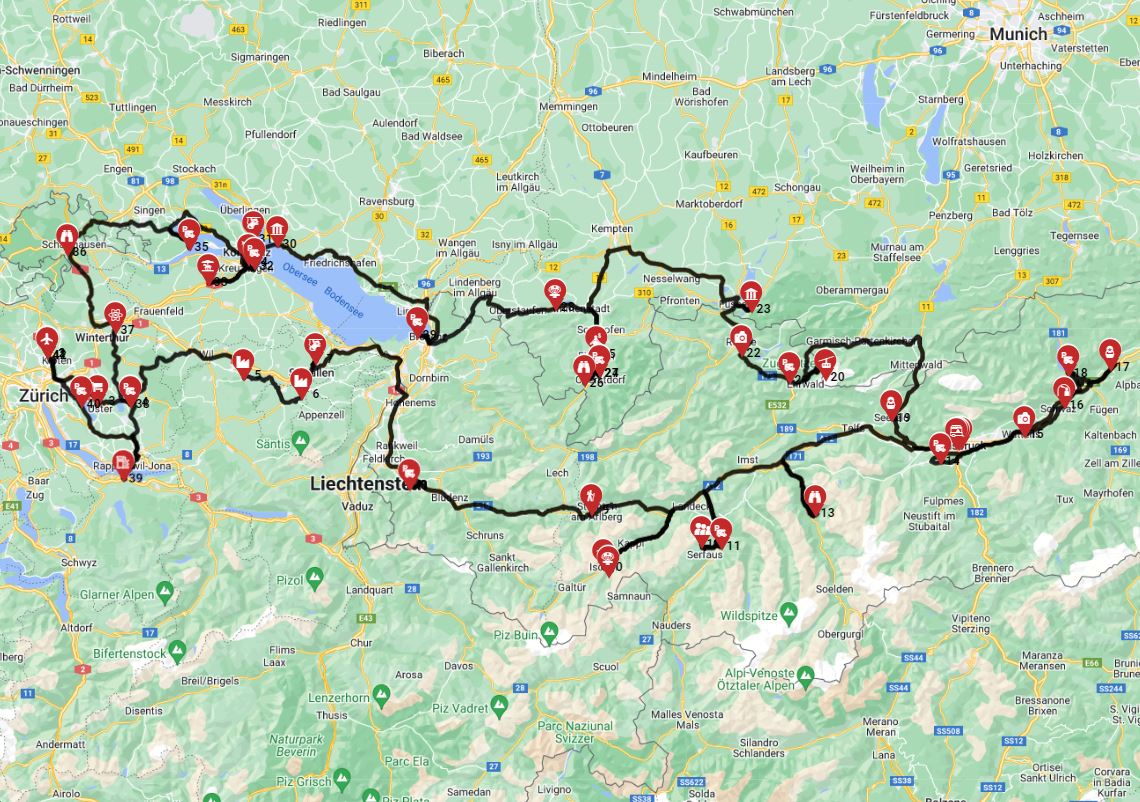
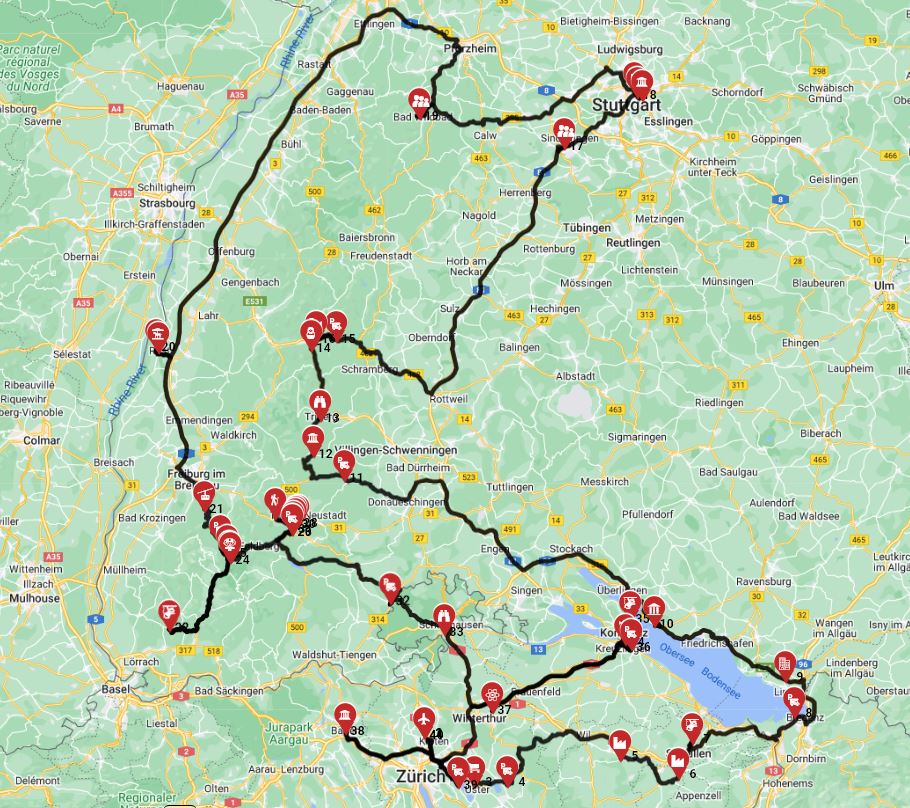
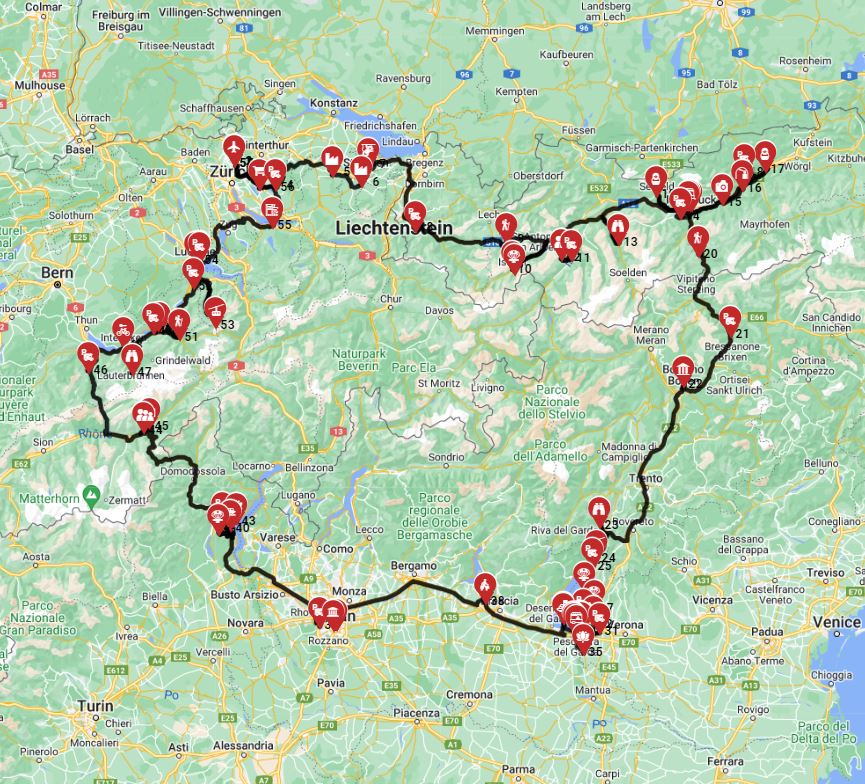
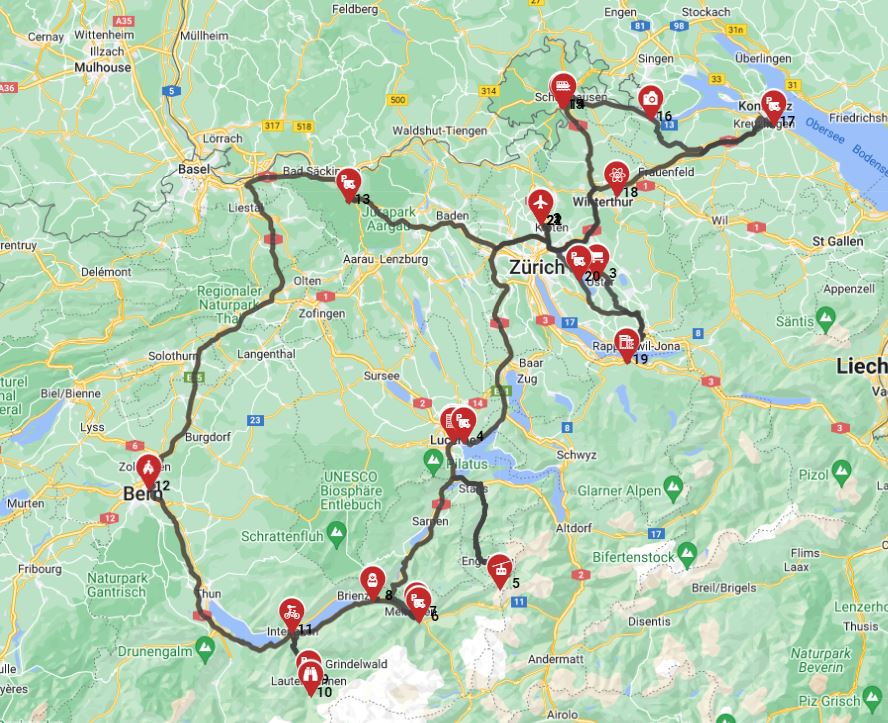
Leveraging the flexibility of a rented RV allows for comprehensive itineraries that uncover Switzerland's less-crowded areas and unique local experiences beyond major tourist spots. Consider an itinerary exploring the 'Grand Tour of Switzerland' but diverting to smaller valleys like the Emmental for authentic cheese tasting, or the Val d'Anniviers for charming wooden villages and less-frequented hiking trails. An RV permits stays at farm campsites in the Appenzell region, offering authentic rural immersion, or discovering hidden mountain lakes in the Engadine valley inaccessible by public transport. Seek out local artisan workshops in places like Gruyères (beyond the castle) or explore the wine routes of Lavaux, stopping at small family-run vineyards for tastings, for truly unique cultural and gastronomic experiences. For a pre-planned route, consider the "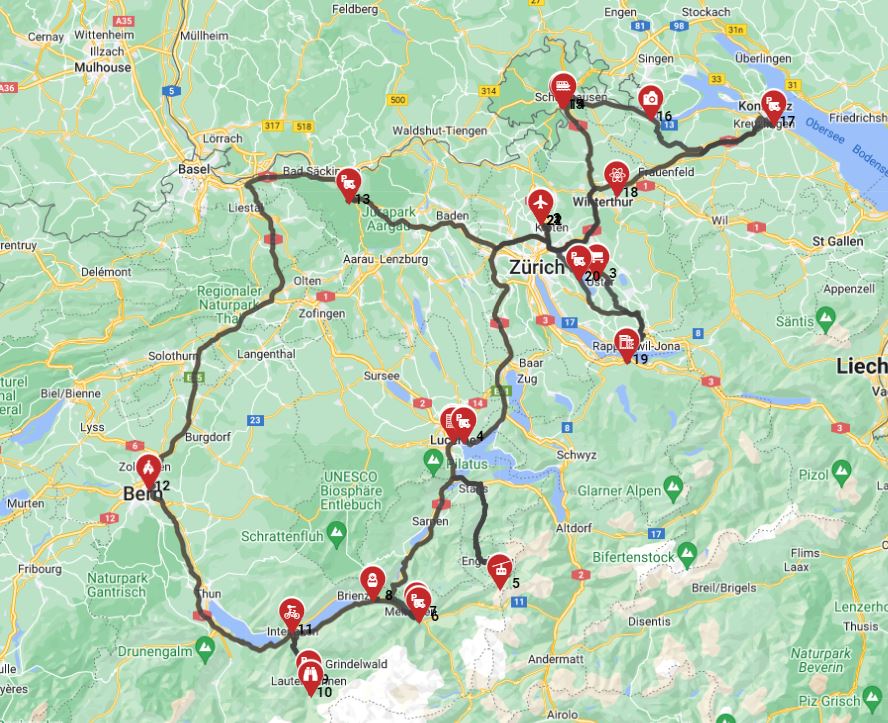
Zurich Roundtrip - Switzerland Short
How Can RV Travel in Switzerland Be Tailored for Different Travelers?
RV travel in Switzerland offers significant adaptability, allowing it to be tailored for diverse traveler types, from families with young children to elderly adventurers and thrill-seeking outdoor enthusiasts. Families can opt for larger Class C (Alcove) RVs, prioritizing separate sleeping areas and child-friendly amenities, with itineraries focusing on theme parks, gentle hikes, and lakeside activities. Elderly travelers or those seeking a relaxed pace might prefer a comfortable Class SI (Semi-integrated) motorhome with easy access, selecting campsites with full facilities, and leveraging public transport for strenuous excursions. Adventure seekers can rent a compact Class B (Campervan) to access trailheads, remote climbing spots, or mountain biking routes, prioritizing flexibility and off-grid capabilities. Bandana RV's comprehensive comparison tools allow you to filter rentals by size, features, and supplier, ensuring you find a campervan rental in Switzerland that perfectly matches your travel style.What Are the Best Times to RV in Switzerland and What Are the Seasonal Challenges?
The best times to RV in Switzerland are late spring (May-June) and early autumn (September-October), offering pleasant weather, fewer crowds, and vibrant natural beauty, though each season presents distinct benefits and challenges. Summer (July-August) is popular for alpine activities but brings peak crowds, higher prices for rentals, and potential difficulty in securing campsites; road closures are minimal during this period. Spring (April-May) sees melting snow and blossoming landscapes, but some higher mountain passes may still be closed, so always check before driving your rented motorhome. Autumn (September-October) offers stunning foliage and cooler temperatures, with fewer road closures than winter, making it ideal for hiking. Winter (November-March) provides opportunities for skiing and unique festive experiences, but many mountain passes are closed, snow chains are often mandatory, and sub-zero temperatures necessitate specific RV preparation (e.g., winterized water systems to prevent pipes from freezing) and careful route planning. For those exploring Europe more broadly, our "RV Rental Europe - Complete Guide 2026" offers wider seasonal advice.What You Shouldn't Miss
- Drive the Furka Pass: Experience one of Switzerland's most iconic mountain passes, offering spectacular hairpin bends and views made famous by James Bond. Ensure your rented RV is a manageable size for this thrilling route.
- Explore Lauterbrunnen Valley: Discover the "Valley of 72 Waterfalls" in your campervan, parking at Camping Jungfrau and exploring car-free villages like Mürren via cable car. It's an unforgettable alpine experience.
- Visit Gruyères for Cheese and Chocolate: Take your mobile home to the medieval town of Gruyères and indulge in a tour of its famous cheese factory and the nearby Maison Cailler chocolate factory.
- Cruise Lake Geneva: Park your motorhome near Montreux or Lausanne and enjoy a scenic boat cruise on Lake Geneva, surrounded by vineyards and the Alps.
- Hike in Appenzell: Immerse yourself in the traditional Swiss-German culture of the Appenzell region, enjoying gentle hikes and staying at charming farm campsites with your rented RV.
- Looking for expert insights from Avi Bandana? Top 5 Adventures - recommendations from Avi Bandana
Final Thoughts
Starting your RV adventure in Switzerland as a beginner is an exciting prospect, and choosing the right vehicle and being prepared makes all the difference. Remember, the smaller and more agile Class B Campervans or Class SI Semi-integrated motorhomes are often the easiest to handle on Swiss mountain roads, offering a perfect blend of comfort and maneuverability. Don't let the details overwhelm you; with our transparent pricing, comprehensive support, and expert-crafted itineraries via RV PLANET, you're set for an incredible journey. Imagine waking up to the sound of cowbells in an alpine meadow, brewing coffee in your rented campervan, and setting off for a day of breathtaking scenery. That's the freedom RV travel in Switzerland offers. Travel slowly, savor each moment, and connect deeply with the culture and natural beauty around you. We're here to support you every step of the way, from comparing options to ensuring a smooth booking. Get inspired for your next trip and discover why so many travelers fall in love with Switzerland by RV. Plan your trip itinerary in advance with minimal effort and maximum enjoyment.On the routes offered through RV PLANET routes, you can itemize and track every expense along the way for easy budgeting.