In This Guide
- The Popular RV Families Compared for Spain
- Class A (Integrated) - Best For
- Price Comparison by RV Class in Spain
- Class SI (Semi-Integrated) - Best For
- Class C (Alcove) - Best For
- Class B (Campervan) - Best For
- Side-by-Side Comparison Table
- Our Recommendation for RV Rental Beginners Travelers in Spain
- What are the specific legalities and etiquette for RV camping in Spain?
- How much does an RV rental cost in Spain for beginners, and what are the detailed expenses?
- How can RVers genuinely experience Spanish culture?
- What are the best RV routes and hidden gems in Spain?
- What are the pros and cons of RVing in Spain during off-season or shoulder season?
- How can I travel responsibly and eco-friendly in an RV in Spain?
- What vehicle-specific advice is there for navigating Spain by RV?
- What You Shouldn't Miss
Embarking on your first RV rental adventure in Spain is an exciting prospect, offering unparalleled freedom to explore its diverse landscapes, vibrant cities, and rich cultural heritage. Choosing the right motorhome or campervan is a crucial first step for beginners to ensure comfort and ease of travel. This guide will walk you through the various types of rental RVs available in Spain, compare their features and typical costs, and provide essential tips to make your first Spanish road trip unforgettable. For live availability and current prices, start with our RV Rental Spain - Complete Guide 2026 guide.
The Popular RV Families Compared for Spain
Choosing the right RV family directly impacts your travel experience on Spain's varied roads and terrains. For beginners, understanding the distinctions between Class A, Class B, and Class C motorhomes and campervans is key to selecting a vehicle that matches your comfort level and itinerary. Your RV choice should reflect factors like the maneuverability you desire, the climate and terrain you'll encounter, and the size of your travel group for optimal comfort. Considering these vehicle trade-offs upfront will set you up for a smooth journey across Spain.
Class A (Integrated) - Best For
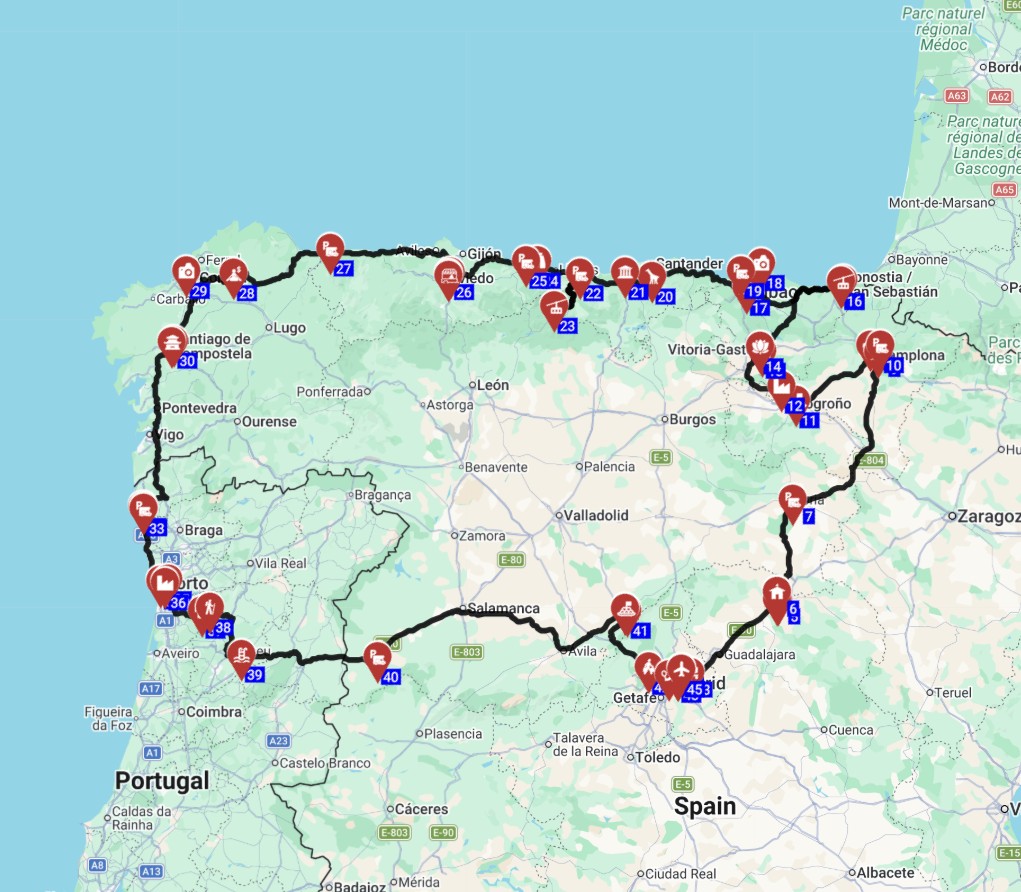
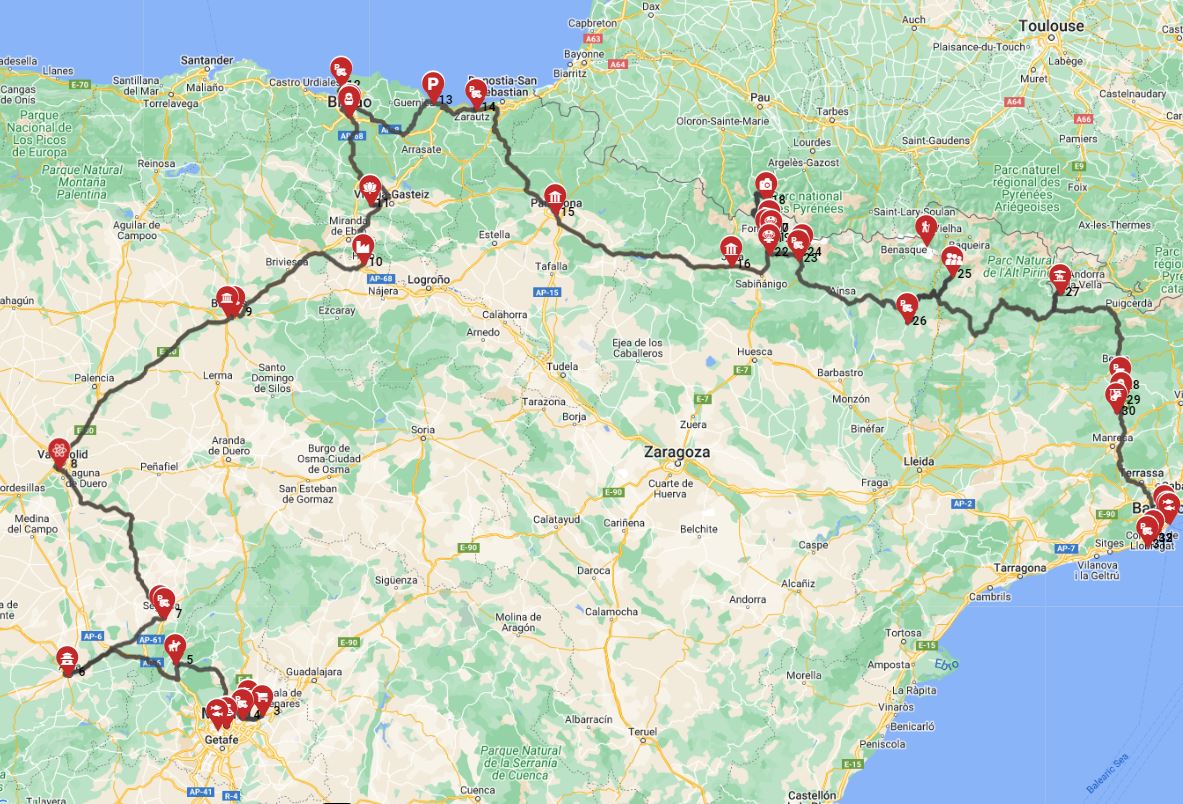
Class A motorhomes, also known as integrated motorhomes, are best for luxury travelers, large families, or groups seeking maximum comfort and expansive living space for extended trips across Spain's major highways. These vehicles typically boast an average length of 7.5 meters and are designed to sleep around 4-5 people comfortably, making them suitable for 4 adults. While providing amenities comparable to a small apartment, Class A motorhomes do have trade-offs; their larger size can be challenging for navigating narrow Spanish village streets and finding parking in urban areas, and their fuel consumption averages 11-12 Liters/100 km, leading to higher rental and fuel costs. On the routes offered through RV PLANET routes, you can itemize and track every expense along the way for easy budgeting.
Price Comparison by RV Class in Spain
RV rental pricing in Spain is dynamic, much like flight tickets, and it changes daily based on availability, seasonality, and individual supplier marketing decisions. The prices you see today for a specific Class A, Class B, or Class C motorhome can differ tomorrow. The following table provides real example prices from Bandana's live search for typical rental periods in 2026, illustrating how costs vary by RV class, season, and duration. It's important to remember that these prices update daily; checking the search box on our platform will always give you the most current live numbers and help you find Cheap RV Rental in Spain - Budget Guide 2026. For an overview of our offerings, consider our RV Rental Europe - Complete Guide 2026.
(Pricing table data dynamically generated from live search results will appear here)
| RV Class | Avg. Daily Rate (Low Season) | Avg. Daily Rate (Mid Season) | Avg. Daily Rate (High Season) |
|---|---|---|---|
| Class B (Campervan) | €70 - €120 | €100 - €180 | €150 - €250 |
| Class SI (Semi-Integrated) | €90 - €150 | €130 - €220 | €200 - €320 |
| Class C (Alcove) | €100 - €170 | €150 - €250 | €220 - €380 |
| Class A (Integrated) | €150 - €250 | €200 - €350 | €300 - €500+ |
Note: These are illustrative price ranges and actual rental costs can fluctuate significantly based on booking lead time, specific vehicle model, amenities, and supplier promotions. Always check live prices for your desired dates.
Class SI (Semi-Integrated) - Best For
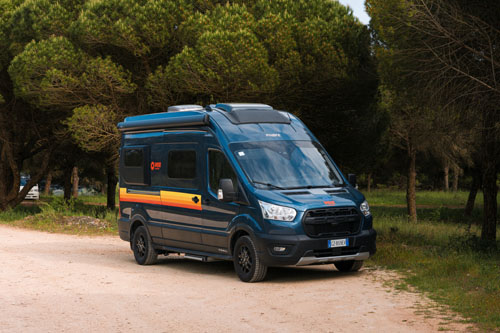
Class SI, or semi-integrated motorhomes, are ideal for couples or small families seeking a balance of comfort and maneuverability, making them perfect for diverse Spanish itineraries. With an average length of 6.9 meters, these models can typically sleep around 3-4 people, offering a more compact yet fully equipped option. They often outperform larger Class A models in urban navigability and provide a more car-like driving experience for beginners compared to Class C alcove models. Fuel consumption averages 10-11 Liters/100 km, making them a relatively efficient choice for extended road trips. You can explore a variety of these vehicles when checking for Weekly RV Rental in Spain - Pricing 2026.
Class C (Alcove) - Best For
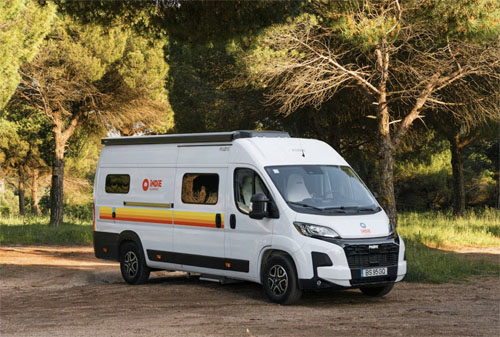
Class C (alcove) motorhomes are highly recommended for families with children, as they offer additional sleeping space in the distinctive over-cab alcove and are generally cost-efficient for exploring Spain's varied coasts and natural parks. These models, with an average length of 7.5 meters, can comfortably sleep around 4-5 adults, often accommodating up to 6 people. They provide ample storage and living space, making them suitable for longer trips without the bulk of some Class A models. Fuel consumption for a Class C typically ranges from 10-12 Liters/100 km.
Class B (Campervan) - Best For
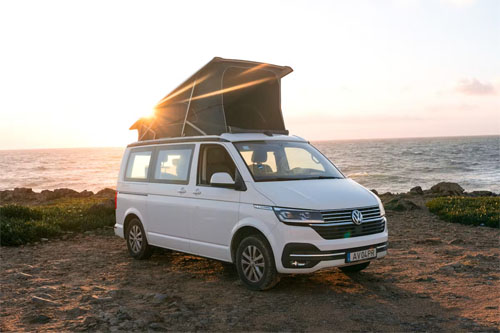
Class B campervans are perfectly suited for couples, solo travelers, or small groups who prioritize maneuverability, fuel economy, and easy city access in Spain. Averaging 5.8 meters in length, these compact vehicles typically sleep 2-3 people. Their smaller size makes them ideal for navigating narrow streets in historic towns, finding parking in regular spots, and embarking on spontaneous trips to surf spots along the coast or remote natural areas. With fuel consumption around 10 Liters/100 km, campervans are often the most economical choice for beginners, making them a popular option for Family RV Rental in Spain - Pricing Guide 2026 for smaller families. Our campervan fleet includes options like the "Active Pop Top" with 4 sleeping places and a 90L fresh water tank, or the "Combi Van" which seats 4 and has a 60L fresh water tank.
Side-by-Side Comparison Table
This table offers a quick overview of the main characteristics for each motorhome and campervan class, helping you compare options at a glance for your Spanish adventure. Factors like average length, sleeping capacity, and fuel consumption are key considerations for first-time renters. For detailed features of a specific model like the "cruise america rv rental example Explorer", which features a 75L fuel tank and sleeps 4, you can check our platform.
| Family | Avg Length (m) | Sleeps (people) | Avg Fuel Use (L/100 km) | Best Use Case in Spain |
|---|---|---|---|---|
| Class A (Integrated) | 7.5 | 4.4 | 11-12 | Luxury, large groups, long highway trips |
| Class SI (Semi-integrated) | 6.9 | 3.8 | 10-11 | Couples/small families, balanced comfort and maneuverability |
| Class C (Alcove) | 7.5 | 5.8 | 10-12 | Families with children, cost-efficient, ample space |
| Class B (Campervan) | 5.8 | 3.2 | 10 | Couples/solo, city exploration, fuel-efficient, maneuverable |
Our Recommendation for RV Rental Beginners Travelers in Spain
For RV rental beginners traveling in Spain, Class SI (Semi-Integrated) motorhomes are highly recommended. These vehicles offer an excellent balance of spaciousness for comfort and a manageable size for navigating Spain's varied roads, from coastal routes to rural countrysides. Their fuel efficiency is also a significant advantage for an extended trip. A strong runner-up recommendation is the Class B (Campervan), especially for beginners prioritizing maximum maneuverability and a more intimate travel experience. Campervans are more budget-friendly and significantly easier to park in cities and smaller villages, making them perfect for solo travelers or couples wanting to explore spontaneously. Whatever you choose, remember that Bandana RV are true RV specialists, not just a travel agency side department. We know RV travel inside and out and are here to support your decision, whether you're looking for RV Rental in Spain - Prices and Best Deals 2026 or specific advice.
What are the specific legalities and etiquette for RV camping in Spain?
Wild camping is generally prohibited across Spain, with severe fines for violations ranging from €150 to €3,000 depending on the region and specific protected status of the area. Travelers should instead utilize the widespread network of designated *áreas de autocaravanas* (RV service areas) and official campsites for overnight stays, which are both legal and culturally accepted. Proper disposal of grey and black water is mandatory at authorized points, such as those found at most campsites or *áreas de autocaravanas*; never discharge waste in public drains or natural areas, as this can incur heavy fines. To avoid noise pollution, especially in quiet zones or at night, limit generator use. Always adhere to local driving customs, such as yielding on narrow rural roads and being mindful of local parking rules, particularly in historic town centers where larger vehicles might not be permitted.
How much does an RV rental cost in Spain for beginners, and what are the detailed expenses?
RV rental prices in Spain typically range from €70-€150 per day for smaller campervans during the off-season (November-March), and can climb to over €250-€400 for larger motorhomes during the peak summer months. Beyond the rental fee, fuel costs are a significant expense, averaging €1.60-€1.80 per liter for diesel, with a Class C motorhome consuming 10-12 Liters/100km. Tolls (peajes) on major highways can add €10-€30 for common routes like Barcelona to Valencia. Campsites generally cost €25-€50 per night for a powered site, while *áreas de autocaravanas* may be free or charge €5-€15 per night for basic services like water and waste disposal. For groceries, budgeting €30-€50 per day for two people can save money by cooking meals in your RV kitchen, making your trip even more affordable. Activity costs vary widely, so set aside €20-€50 per person per day for museum entries or tours. Money-saving tips include choosing shoulder seasons (April-May, September-October), utilizing free *áreas de autocaravanas*, and planning routes to minimize toll roads. On RV PLANET routes, travelers can itemize and track every expense along the way for easy budgeting, ensuring full transparency with no hidden fees or surprises.
How can RVers genuinely experience Spanish culture?
RVers can genuinely immerse themselves in Spanish culture by seeking out and exploring local food markets, like the Mercado de La Boqueria in Barcelona or smaller regional markets in towns like Cadiz, to purchase fresh produce and local specialties while engaging with vendors. Participating in regional festivals, such as the vibrant Fallas in Valencia or the solemn Semana Santa processions, often has RV parking available nearby, allowing for authentic cultural experiences. Dining at local tapas bars and 'menu del día' restaurants, especially in less touristy towns, is a fantastic way to savor traditional Spanish cuisine. Imagine preparing delicious meals using local ingredients in your RV; our RV-friendly recipes playlist offers great ideas! Furthermore, engaging with locals in *pueblos* (villages) by visiting local bakeries, enjoying coffee in a café, or simply strolling in the main square (plaza mayor) fosters meaningful connections. Discover regional music and dance by attending live performances or observing impromptu local gatherings in plazas during warm evenings.
What are the best RV routes and hidden gems in Spain?
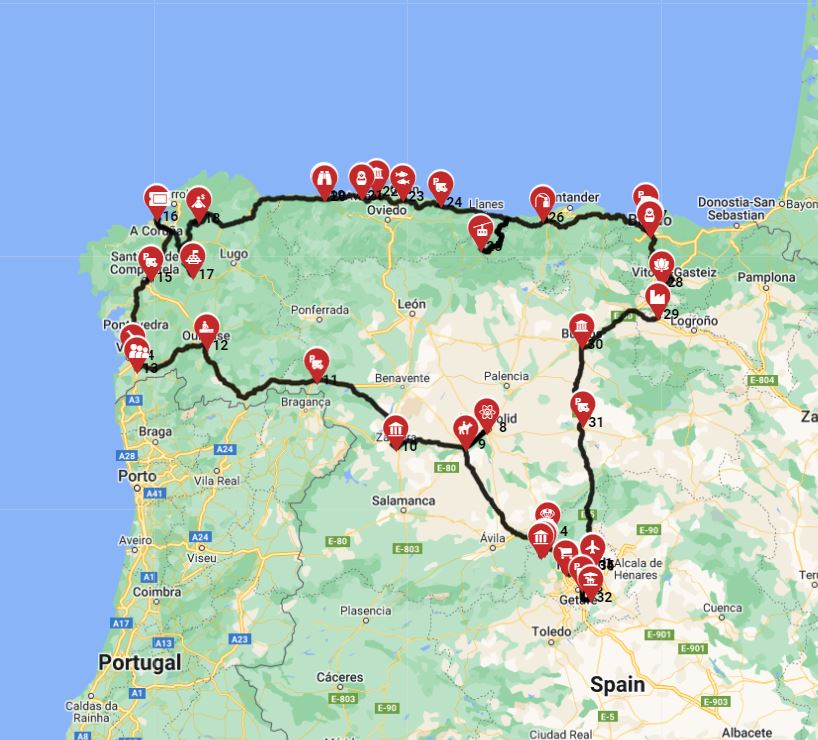
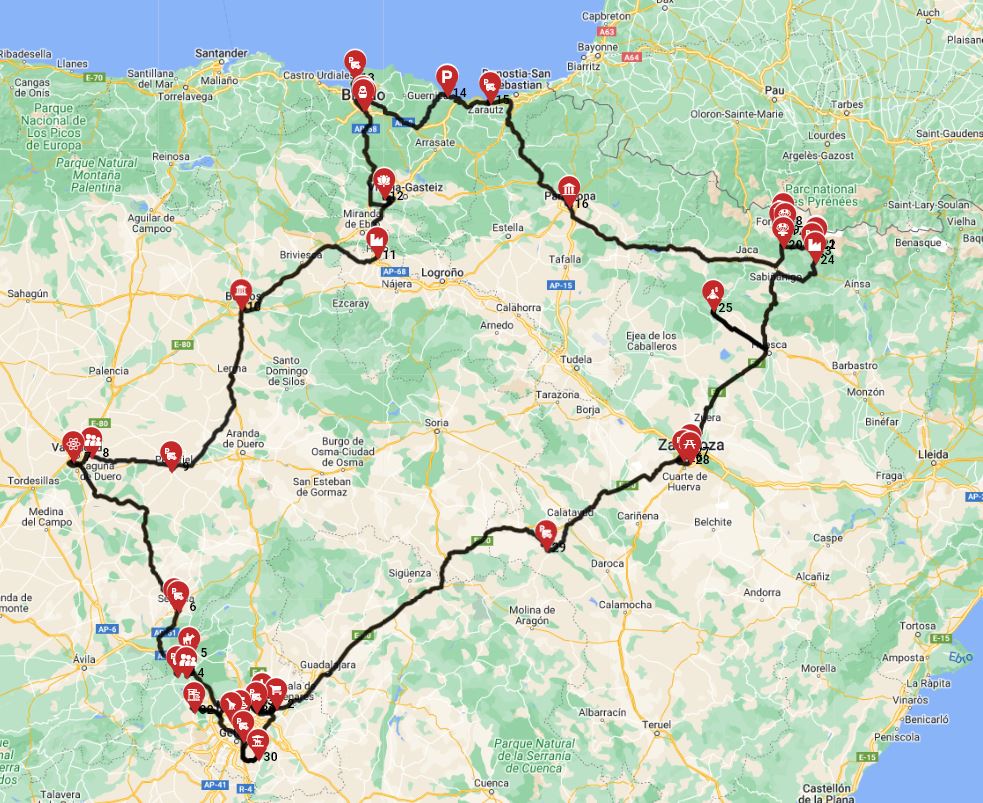
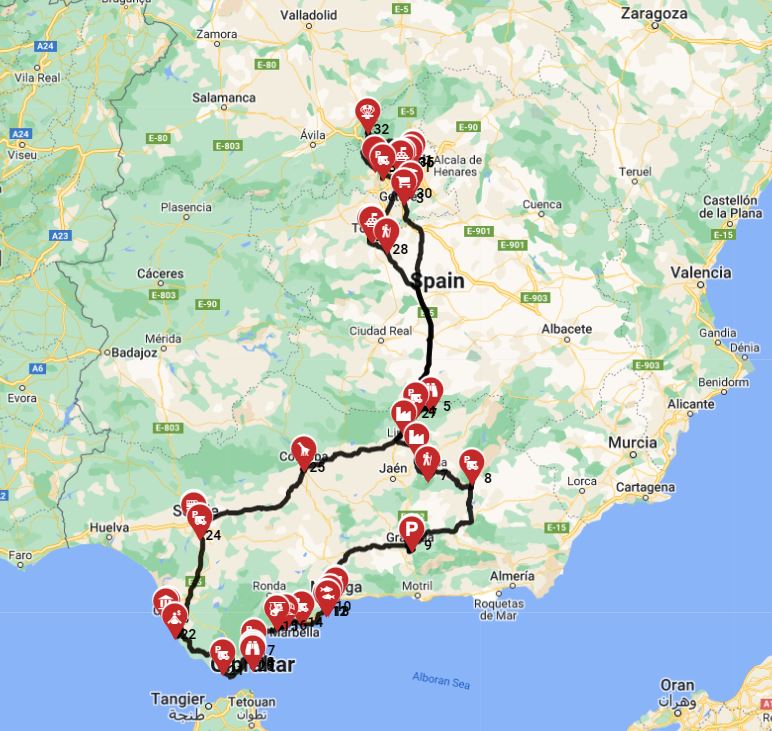
Spain offers distinct RV experiences in less-traveled regions, such as Extremadura, which is renowned for its impressive Roman ruins and natural parks like Monfragüe, home to diverse birdlife. Adventurous travelers can venture into Galicia's wild Costa da Morte, offering dramatic coastal scenery, iconic lighthouses, and delicious fresh seafood, with numerous RV-friendly parking spots often available near stunning beaches. Navigating Asturias' Picos de Europa rewards with breathtaking mountain landscapes, charming villages, and abundant hiking opportunities, though drivers should be mindful of winding roads and vehicle size. Discovering the picturesque Pueblos Blancos (White Villages) of Andalusia, like Grazalema or Ronda, provides a unique cultural immersion, although larger RVs may find navigating their narrow streets challenging, often requiring parking outside the village walls. To find these hidden, RV-friendly spots in national parks or rural areas, utilize dedicated apps like Park4Night, which provides user-submitted locations for overnight stays and services. Consider a One-Way RV Rental in Spain - Price Guide 2026 to cover more ground and discover diverse landscapes.
What are the pros and cons of RVing in Spain during off-season or shoulder season?
Traveling by rented RV in Spain during the off-season (November-March) and shoulder seasons (April-May, September-October) offers several advantages. You'll enjoy significantly reduced crowds at popular attractions and campsites, providing a more peaceful and authentic experience. Expect lower rental prices and cheaper campsite fees during these periods, allowing for a more budget-friendly trip. Milder weather, particularly in southern Spain during autumn and spring, makes outdoor activities like hiking and sightseeing more comfortable than in the intense peak summer heat. However, there are some disadvantages. In smaller, coastal towns, some attractions, shops, or restaurants might operate with reduced opening hours or be closed entirely during the deep off-season. Campsite availability could also be limited in certain rural or high-altitude regions during winter, though major routes and popular tourist areas generally maintain services. Regional weather variations are crucial to consider: Northern Spain can be rainy and cooler, while the south typically enjoys abundant sunshine even in winter months.
How can I travel responsibly and eco-friendly in an RV in Spain?
Traveling responsibly and eco-friendly in a rented RV in Spain involves several key practices. Always practice sustainable waste management by utilizing designated grey and black water disposal points, which are readily available at *áreas de autocaravanas* or official campsites, and separate your recycling where facilities exist. Minimize your environmental impact in natural parks and protected areas by strictly adhering to marked paths, respecting fire restrictions, and following the "leave no trace" principle, ensuring you pack out everything you pack in. Conserving water is crucial, especially in regions prone to drought; take shorter showers and be mindful of your overall usage. Supporting local economies by purchasing groceries from local markets, dining at independent restaurants, and visiting artisan shops helps give back to the communities you visit. Furthermore, choosing eco-friendly products for cleaning and personal care prevents pollution of water systems. Consider routes that minimize fuel consumption by avoiding excessive detours and heavy mountain climbs, or even explore carbon offsetting options for your travel. By following these guidelines, your RV adventure in Spain can be both enjoyable and sustainable.
What vehicle-specific advice is there for navigating Spain by RV?
When navigating Spain by rented RV, it's essential to consider your vehicle's size, as large motorhomes (Class A, Class C, or larger semi-integrated models) may find navigating narrow streets in historic city centers and many traditional Spanish villages (like the Pueblos Blancos) particularly challenging. Always drive slowly and carefully, and you can drive almost anywhere without issues. No need to stress - just use common sense and pay attention to signage. Utilize modern navigation apps such as Google Maps or Waze, but also supplement them with RV-specific apps like Park4Night or Campercontact, which provide valuable information on height and weight restrictions, as well as suitable parking spots for motorhomes. Be aware that larger RVs may need to park on the outskirts of towns and use public transport to explore city centers, while smaller campervans (Class B) often fit into standard parking spaces. For beginners, practicing reversing and maneuvering in open spaces before tackling tight spots is highly recommended, as Spanish roads can be more demanding than those in some other countries. Factor in potential tolls on major highways, known as *peajes*; research toll-free alternatives if budgeting is a concern, but be aware these routes often take longer. Always check your mirrors frequently, especially when turning or reversing, due to the varying width of Spanish roads and the common presence of scooters and bicycles.
What You Shouldn't Miss
- Explore Andalusia's Moorish Heritage: Drive your rented motorhome to Granada for the Alhambra, Córdoba for its Mezquita, and Seville for its stunning Alcázar. These iconic sites offer a profound glimpse into Spain's rich history, providing a perfect blend of culture and breathtaking architecture.
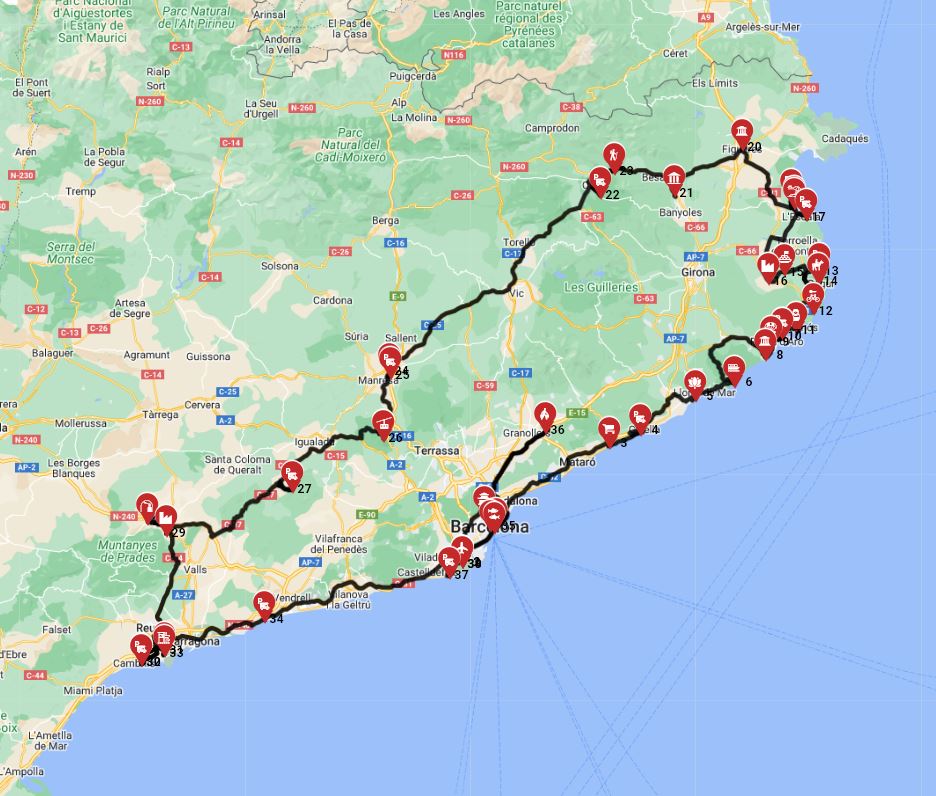
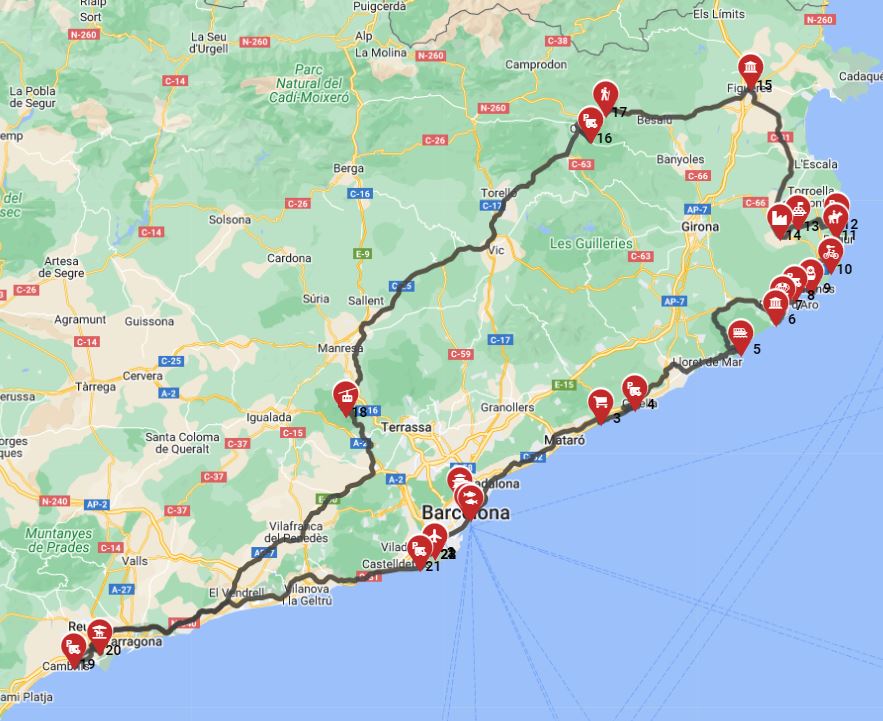
- Coastal Road Trip along the Costa Brava: Discover the rugged cliffs and beautiful coves of Catalonia with a scenic drive from Barcelona towards the French border. Park your campervan near charming fishing villages like Cadaqués and enjoy fresh seafood.
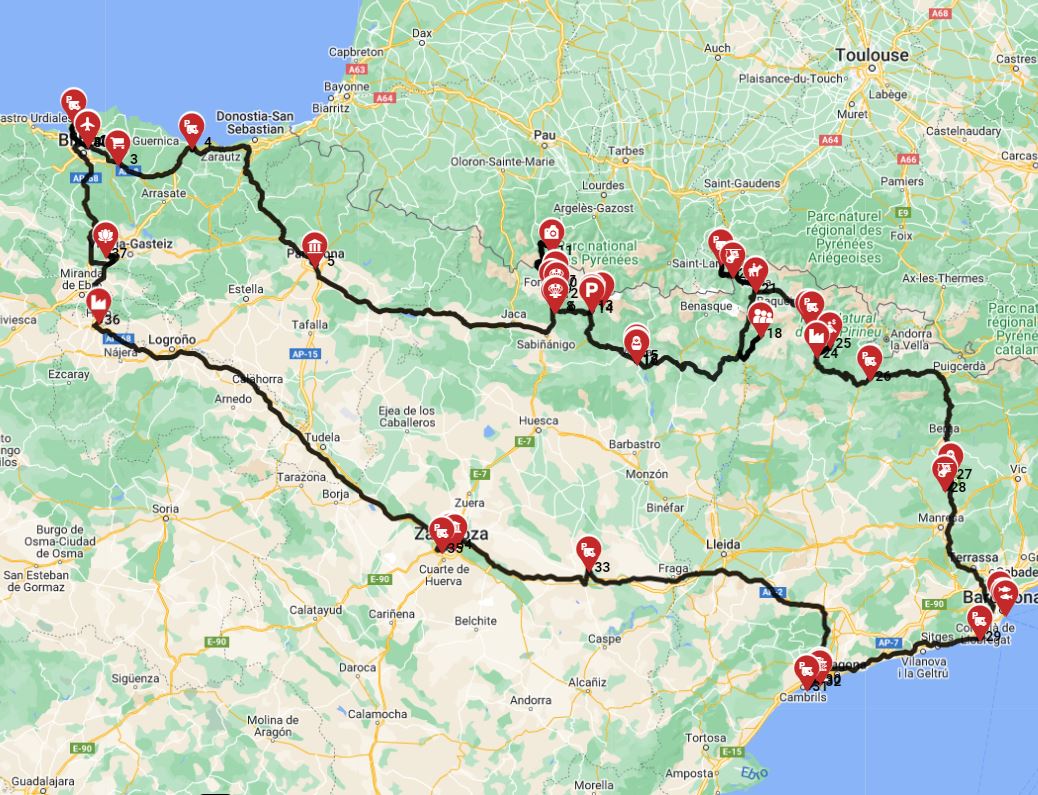
- Taste Tapas in Northern Spain: Head to cities like San Sebastián and Bilbao in the Basque Country to indulge in world-class culinary experiences, including Michelin-starred restaurants and vibrant *pintxos* (Basque tapas) bars.
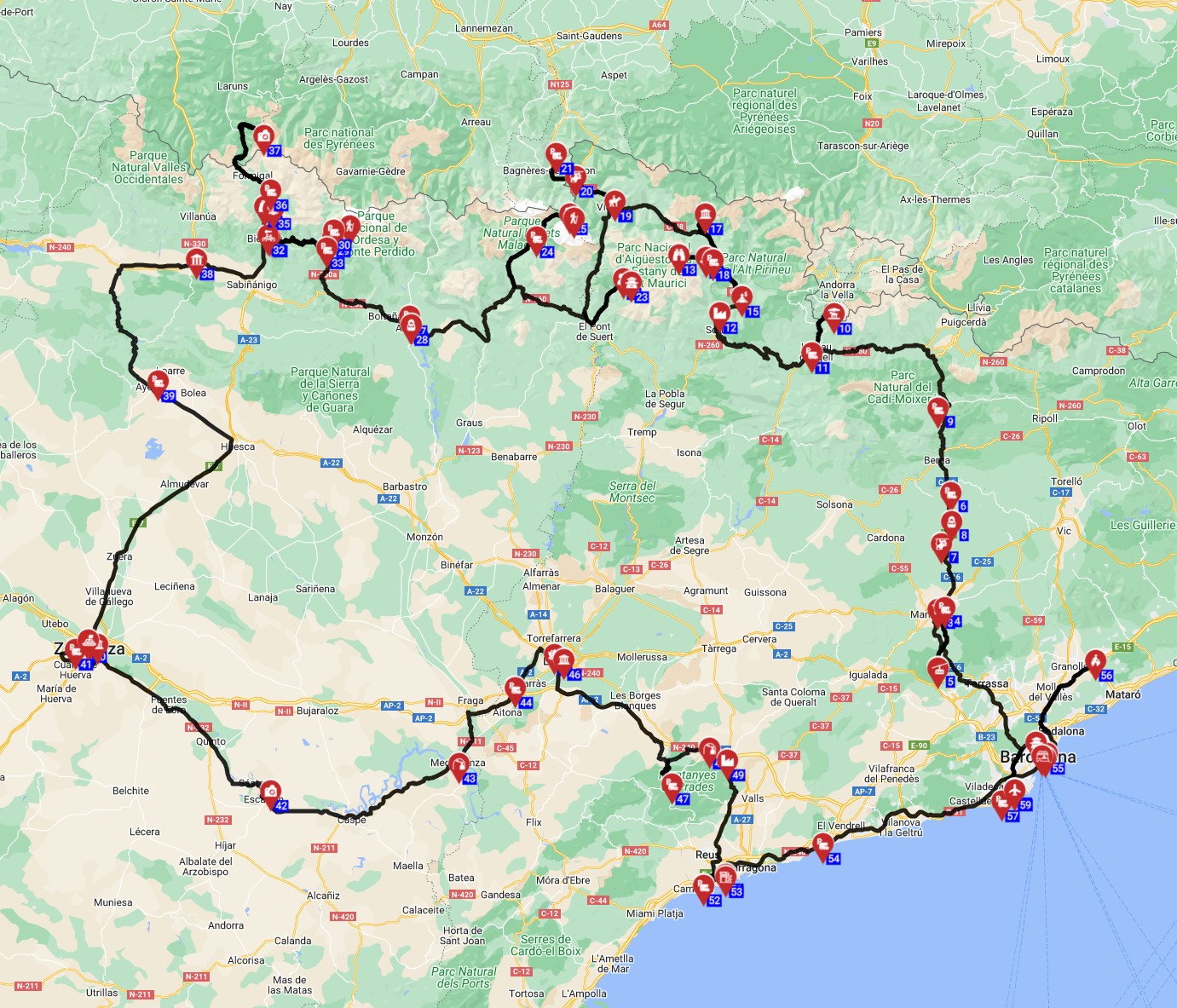
- Hike in the Pyrenees or Picos de Europa: For nature lovers, steer your rental RV towards Spain's majestic mountain ranges. The Pyrenees offer stunning hiking trails and picturesque mountain villages, while the Picos de Europa provides dramatic limestone peaks and lush green valleys, perfect for an adventurous week-long trip.
- Visit a Traditional Spanish Wine Region: Explore the vineyards of La Rioja or Ribera del Duero. Many wineries offer RV parking and tours, allowing you to sample exquisite Spanish wines responsibly.
- Looking for expert insights from Avi Bandana? Top 5 Adventures - recommendations from Avi Bandana
Final Thoughts
Starting your RV rental journey in Spain is an incredible way to discover the country's beauty and culture at your own pace. With the right choice of motorhome or campervan and a little planning, you're set for an adventure filled with memorable moments. Remember to travel slowly, aiming for a maximum of 100-150 km per day on average, allowing yourself ample time to truly feel the place, connect with the local culture, savor the delicious food, and immerse yourself in the breathtaking scenery.
Whether you dream of coastal drives, mountain escapes, or exploring historic cities, Spain by RV rental offers a unique perspective. Our comprehensive comparison and transparent pricing mean you can book with confidence, knowing exactly what to expect. We're here to help you every step of the way, making your first RV trip to Spain as smooth and enjoyable as possible.
Get inspired for your next trip! Discover top destinations, planning tips, all in one place, and compare Motorhome Prices for Spain today!