In This Guide
- The 5 RV Families Compared for South America
- Class A (Integrated) — Best For
- Price Comparison by RV Class in South America
- Class SI (Semi-Integrated) — Best For
- Class C (Alcove) — Best For
- Class B (Campervan) — Best For
- Our Recommendation for rv rental beginners Travelers in South America
- What is the best company to rent an RV from?
- Is it cheaper to rent an RV or stay in a hotel?
- Can you RV in South America?
- What is the most popular RV rental app?
- What is the 3-3-3 rule for RV travel?
- What is the 4-4-4 rule for RV travel?
- Which country is the cheapest to hire a campervan in?
- What is the cheapest way to rent an RV?
- What You Shouldn't Miss
- Why Book with Bandana Caravan
- Final Thoughts
- Frequently Asked Questions
Embarking on your first RV adventure in South America is an exciting prospect, offering unparalleled freedom to explore incredible landscapes from Patagonia's glaciers to the Amazon rainforest. For live availability and current prices, start with our RV Rental South America - Complete Guide 2026 guide. Choosing the right motorhome or campervan is a crucial first step, particularly for beginners navigating the continent's diverse terrains and varying infrastructure. Understanding the different vehicle classes and their ideal uses will help you make an informed decision for an unforgettable journey. We're here to support you before, during, and after your booking, ensuring full transparency with no hidden fees and real people behind you 24/7 for support.
The 5 RV Families Compared for South America
Choosing the right RV type is critical for a successful South American adventure, directly impacting your comfort, maneuverability, and access to diverse terrains. Beginners should consider factors like typical road conditions, fuel availability, desired level of off-grid capability, and group size before selecting a motorhome or campervan. This comparison focuses on how each RV class performs in the unique environments of South America, helping first-timers make an informed decision. Remember that a standard car driver's license is sufficient for all motorhome classes; an International Driving Permit (IDP) is recommended for visitors from non-English-speaking countries but is not mandatory in most cases in South America. For an in-depth look at budgeting your trip, including ancillary costs beyond just the rental, consider planning your journey using RV PLANET routes, which allow you to itemize and track every expense along the way. On the routes offered through RV PLANET routes, you can itemize and track every expense along the way for easy budgeting.
Class A (Integrated) — Best For
Class A integrated motorhomes, typically averaging 7.5 meters in length and comfortably sleeping around 4.4 people, are best suited for beginners prioritizing luxury, spaciousness, and long-term travel on well-maintained highways in South America. These large recreational vehicles, offering generous living areas and a high load capacity (Bandana's fleet averages 209.5 kg), provide a home-like experience, making them ideal for families or groups who plan extended stays in established RV parks or drive between major cities. With common fuel consumption around 11-12 Liters/100 km, their size can be a trade-off, presenting challenges on narrower or unpaved South American roads, and potentially limiting access to remote destinations or smaller towns. Their substantial size also means navigating congested urban areas, finding suitable parking, and addressing potential vehicle-specific maintenance in remote areas requires careful planning and experience. Drive slowly and carefully, and you can drive almost anywhere without issues. No need to stress - just use common sense and pay attention.
Price Comparison by RV Class in South America
RV rental prices in South America are dynamic, varying significantly by vehicle class, season, rental duration, and specific location. As pricing is flex-rate and subject to daily fluctuations, it is crucial for beginners to consult Bandana's live search at the top of the page for the most current and accurate rental costs for their desired dates and RV type. For instance, a Class B campervan, typically more budget-friendly, might average $80-150 per day in low season, while a spacious Class A motorhome could range from $180-350+ per day. Always remember that the final price is set at the actual booking time, reflecting real-time availability and supplier decisions. Transparency is our promise at Bandana: what you see is what you pay, with no surprise fees at pickup.
For more specific price comparisons, you might find our "Cheap RV Rental in South America - Budget Guide 2026" or "Luxury RV Rental in South America - Premium Prices 2026" guides helpful. Renting a motorhome for a two-week adventure or even a month-long trip can often yield better daily rates than shorter durations.
Class SI (Semi-Integrated) — Best For
Class SI semi-integrated motorhomes, averaging 6.9 meters in length and sleeping around 3.8 people, offer a balanced option for beginners seeking comfort without the bulk of a Class A, ideal for diverse South American travel. These models are well-suited for couples or small families aiming for a blend of highway cruising and exploring moderately rugged terrain, with Bandana's fleet averaging 72.2 kg load capacity for essentials. Their more compact design compared to Class A, coupled with common fuel consumption of 10-11 Liters/100 km, provides better maneuverability on varying South American road conditions while still offering ample amenities. Semi-integrated RVs represent a strong choice for beginners who want a comfortable base camp with greater flexibility for accessing a wider range of destinations, from coastal routes to Andean foothills, compared to larger classes.
Class C (Alcove) — Best For
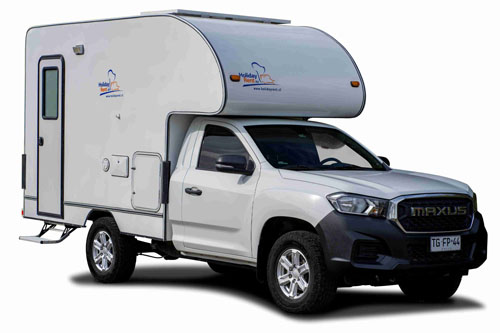
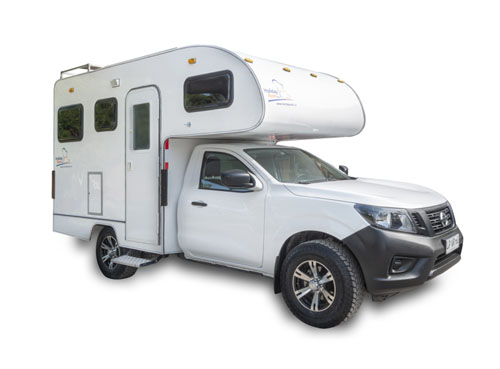
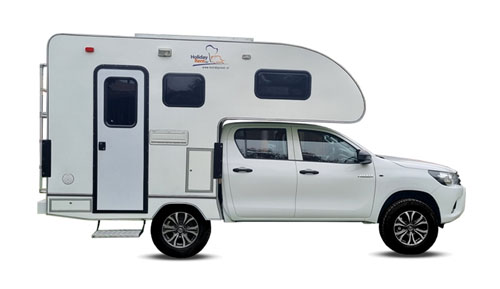
Class C alcove motorhomes, averaging 7.5 meters in length and comfortably sleeping up to 5.8 people, are an excellent choice for beginner families or larger groups exploring South America due to their practical layout and cost-efficiency. Distinguished by the sleeping area above the cab, these RVs offer extra berths (Bandana's fleet averages 4.4 adults), making them highly suitable for those traveling with children or multiple adults on a budget. With common fuel consumption typically between 10-12 Liters/100 km, Class C RVs balance spaciousness with a manageable driving experience, proving resilient on South America's diverse road conditions, including paved highways and some well-maintained unpaved sections. For beginners, the familiarity of driving a truck-based chassis often makes Class C more approachable than a Class A, providing a reliable and family-friendly option for exploring various South American destinations. These models often come equipped with a small kitchen, perfect for preparing simple meals and snacks. Check out our RV-friendly recipes playlist for easy meal ideas on the road!
Class B (Campervan) — Best For
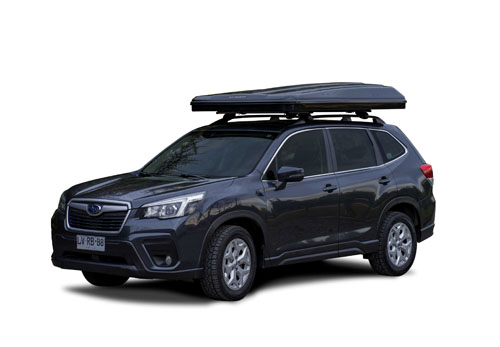
Class B campervans, with an average length of 5.8 meters and sleeping 3.2 people (Bandana's fleet averages 2.7 adults), are ideal for beginner RVers in South America who prioritize maneuverability, fuel economy, and minimalist travel. These compact vehicles excel in navigating narrow city streets, winding mountain passes, and congested areas, making them perfect for solo travelers, couples, or small groups seeking flexibility and a lower environmental footprint. Commonly achieving 10 Liters/100 km, campervans offer superior fuel efficiency compared to larger classes, an important consideration given variable fuel prices and availability across South America. While offering fewer amenities than larger RVs, their 'stealth' camping potential and ability to access more remote locations make them a favored choice for adventurous beginners wanting to immerse themselves fully in South America's diverse landscapes and cultures.
Our Recommendation for rv rental beginners Travelers in South America
For most beginner RV travelers in South America, the Class B (Campervan) is highly recommended as the primary choice due to its unparalleled maneuverability, fuel efficiency, and adaptability to varying road conditions. Its compact size (avg. 5.8m) allows for easier navigation through bustling cities, winding mountain passes, and even some unpaved routes, while also simplifying parking and enabling access to more remote natural attractions without compromising on basic amenities. The minimum rental age of 21 and no young driver surcharges make these accessible to a wide range of adventurers. You can typically find a rental campervan with basic kitchen features like a stove, refrigerator, and sink.
The runner-up recommendation for beginners, especially those traveling as a small family, is a Class SI (Semi-Integrated) motorhome, which offers a robust balance of comfort and reasonable size (avg. 6.9m). A Class SI provides more living space and amenities than a campervan, making longer trips more comfortable, while still being more manageable to drive than larger Class A or C RVs on South America's diverse infrastructure, and generally offering better ground clearance than larger units for varied terrains. This class often includes a shower and toilet, adding to the convenience for longer week-long trips.
| Family | Avg Length (m) | Sleeps (people) | Fuel Use (L/100km) | Best Use Case in South America |
|---|---|---|---|---|
| Class A (Integrated) | 7.5 | 4.4 | 11-12 | Luxury, spacious comfort on major highways, long-term trips for groups. |
| Class SI (Semi-Integrated) | 6.9 | 3.8 | 10-11 | Balanced comfort and maneuverability, small families, mixed highway/moderate terrain. |
| Class C (Alcove) | 7.5 | 5.8 | 10-12 | Family-friendly, cost-effective, good for various road conditions and groups. |
| Class B (Campervan) | 5.8 | 3.2 | 10 | Maneuverability, fuel efficiency, solo/couples, remote access, 'stealth' camping. |
For additional considerations on vehicle types and pricing, explore "RV Rental Deals in South America - Latest Offers 2026" to find current promotions.
What is the best company to rent an RV from?
The best company to rent an RV from, particularly for beginners in South America, is one that offers comprehensive insurance, transparent pricing, and a diverse fleet suitable for the region's unique challenges. Look for platforms like Bandana that aggregate reputable local providers, allowing you to compare options from suppliers such as El Monte, Cruise America, Apollo, and Britz. Our platform allows you to review detailed safety and security protocols specific to various South American regions, and access practical advice for avoiding common issues like petty theft or road hazards. Prioritize companies with clear communication channels, favorable cancellation policies, and positive customer reviews regarding their support before and after booking. Ensure the rental agreement clearly outlines breakdown assistance and emergency procedures, which are crucial for travel in remote South American areas. Bandana, founded in 2001, has over 23 years of experience helping tens of thousands of travelers explore the world by RV, and we partner directly with 50+ leading RV suppliers worldwide.
Is it cheaper to rent an RV or stay in a hotel?
Renting an RV can be more cost-effective than staying in hotels for extended trips in South America, especially for families or groups, due to potential savings on accommodation, dining out, and often transportation. A detailed budgeting breakdown for RV travel includes not just rental costs, but also fuel (a Class B campervan might consume 10 L/100km), campsites, tolls, specific permits for national parks (e.g., Torres del Paine), food expenses, and a contingency for unexpected repairs or roadside assistance. While initial RV rental costs might seem higher than a single night's hotel stay, the cumulative savings from preparing your own meals using your RV's kitchen and avoiding multiple nightly hotel rates across different cities often lead to a lower overall trip expenditure. Consider factors like the RV's fuel efficiency, the cost of campsites (which can range from free wild camping to paid sites with amenities), and the number of people traveling to accurately compare costs against hotel stays. For comprehensive budgeting and route planning, remember that RV PLANET (rvplan.net) offers 1,300+ pre-planned routes across 5 continents, including South America, where you can itemize and track every expense.
Can you RV in South America?
Yes, RV travel in South America is not only possible but offers an incredibly immersive and flexible way to explore the continent's diverse landscapes, though it requires thorough preparation for beginners. Navigating South America in a rented RV necessitates understanding complex border crossing procedures, vehicle import/export regulations, and ensuring you have all required documentation, which often goes beyond standard logistics and varies by country. Practical challenges include managing fuel quality and availability, especially in remote areas; sourcing potable water; properly disposing of waste; and being prepared for vehicle maintenance and repairs where facilities might be scarce. It is crucial to research specific permits and regulations for accessing national parks (e.g., Los Glaciares), protected areas, and unique natural attractions like the Uyuni Salt Flats, as requirements can be strict and fines hefty. Beginners should also be prepared for varying road conditions, from paved highways to unpaved tracks, high-altitude passes, and mountain roads, requiring attentive driving. Drive slowly and carefully, and you can drive almost anywhere without issues. No need to stress - just use common sense and pay attention. Comprehensive insurance options, including local coverage requirements and recommended policies for breakdown and medical emergencies, are paramount, alongside planning for health precautions and access to healthcare on the road. Enhance your journey by learning basic language tips (Spanish/Portuguese) and understanding cultural etiquette for respectful interaction with local communities, while reliable internet connectivity, navigation solutions (GPS, offline maps), and communication tools are essential for remote areas.
What is the most popular RV rental app?
The most popular RV rental apps and platforms for South America often include international aggregators like Bandana, alongside peer-to-peer services that connect renters with private RV owners. For beginners, apps that offer robust search filters, transparent reviews, secure payment systems, and direct communication with rental providers are highly valued. While no single app dominates globally, platforms that specialize in linking travelers with local rental companies or private owners in South America, providing localized vehicle recommendations (e.g., 4x4 options where applicable), insurance information, and regional travel tips, are most beneficial. Always cross-reference app findings with direct website checks and ensure the chosen platform has a strong customer support presence for international travelers. Bandana offers a 25% planning discount when you use rvplan.net for your pre-planned routes, providing an added incentive for smart booking.
What is the 3-3-3 rule for RV travel?
The '3-3-3 rule' for RV travel suggests driving no more than 300 miles (approximately 480 kilometers) in a day, arriving at your destination by 3 PM, and staying for at least 3 nights. This rule is particularly beneficial for RV rental beginners in South America as it promotes a relaxed pace, reduces driver fatigue on potentially challenging roads, and allows ample time to set up camp, explore local areas, and truly enjoy the travel experience. Adhering to the 3-3-3 rule helps minimize the stress of rushed travel, provides a buffer for unexpected delays (like border crossings or vehicle-specific challenges), and ensures you find suitable campsites before dark, enhancing safety and enjoyment. While a guideline, this rule can be adapted based on specific South American routes, allowing for longer drives on well-maintained sections or shorter days when navigating complex terrains or cultural sites. Remember to travel slowly, max 100-150 km per day on average, to truly feel the place and connect to its culture, food, and scenery.
What is the 4-4-4 rule for RV travel?
The '4-4-4 rule' for RV travel is a variation of the 3-3-3 rule, advising travelers to drive no more than 400 miles, stop driving by 4 PM, and stay for at least 4 nights at each destination. This rule caters to RVers who desire a slightly faster pace than the 3-3-3 rule allows but still prioritize relaxation and exploration over constant movement, which can be useful on longer stretches of South American highways. For beginners, the 4-4-4 rule provides a structure for travel planning that balances covering distance with enjoying destinations, offering more flexibility for those with tighter schedules or a greater desire to see multiple regions. Similar to the 3-3-3 rule, it aims to reduce stress, ensure safe arrival at campsites during daylight, and allow for deeper engagement with the unique landscapes and cultures found across South America. When considering route plans, explore "Long-Term RV Rental in South America - Monthly Rates 2026" for extended journey options.
Which country is the cheapest to hire a campervan in?
Determining the cheapest country to hire a campervan in South America involves considering not just rental rates but also fuel costs, road tolls, campsite fees, and the overall cost of living. Countries like Argentina and Chile, particularly Patagonia, are popular RV destinations, but may not always offer the absolute cheapest rental rates due to high demand and import taxes on vehicles. For potentially lower rental costs, explore options in countries with developing tourism infrastructure or less stringent vehicle import regulations, though fleet availability might be smaller. To find the best value, a detailed budgeting breakdown is essential, factoring in daily rental fees, estimated fuel consumption for your chosen RV class (e.g., Class B campervan's 10 L/100km), local food prices, and any required permits for national parks. Our "Cheap RV Rental in South America - Budget Guide 2026" offers more detailed insights into cost-saving strategies across the continent. With Bandana, you can compare prices across 50+ countries in 30+ currencies with full price transparency and no hidden conversion commissions.
What is the cheapest way to rent an RV?
The cheapest way to rent an RV for beginners in South America often involves booking significantly in advance, traveling during the off-season, and being flexible with your pick-up and drop-off locations. Opting for a smaller, more fuel-efficient RV class, such as a Class B campervan, can significantly reduce overall costs due to lower rental rates and decreased fuel expenses, which are major components of a detailed budgeting breakdown. Comparing prices across multiple rental platforms, including peer-to-peer services and international aggregators like Bandana, helps secure the best deals, especially by looking for early bird discounts or long-term rental incentives. Consider renting an older model RV, which often comes at a lower daily rate, and factor in potential savings from preparing your own meals using the RV's kitchen facilities instead of dining out frequently. Even last-minute bookings can sometimes yield deals if you're flexible, as explained in "Last-Minute RV Rental in South America - What to Expect 2026".
What You Shouldn't Miss
- Driving the Pan-American Highway in Chile and Argentina: Experience the vastness of Patagonia with its stunning mountain ranges and wildlife.
- Exploring the Andean Highlands: Navigate the breathtaking landscapes of Peru and Bolivia, rich in indigenous culture and high-altitude marvels.
- Coastal Journeys in Brazil: Discover vibrant cities and serene beaches along the Brazilian coastline with your rented motorhome.
- The Wine Routes of Mendoza, Argentina: Park your campervan and enjoy wine tastings amidst the picturesque vineyards with the Andes as your backdrop.
- Wildlife Spotting in the Pantanal, Brazil/Bolivia/Paraguay: Immerse yourself in one of the world's largest tropical wetland areas, a haven for diverse wildlife, often accessible via more rugged routes.
Looking for expert insights from Avi Bandana? Top 5 Adventures - recommendations from Avi Bandana.
🎬 Video coming soon
Final Thoughts
Venturing into South America with a rented motorhome or campervan for the first time is an adventure filled with endless possibilities. From the bustling streets of major cities to the tranquil vastness of its national parks, your choice of RV will shape your journey. Remember, there's no need to stress about driving larger vehicles or finding campsites; with a little common sense and planning, the roads of South America are yours to discover.
We're here to make your first RV rental experience as seamless and enjoyable as possible. With transparent pricing, dedicated support, and a wide array of options, Bandana is your trusted partner for exploring this incredible continent on wheels. Imagine yourself waking up to a new, breathtaking view each morning, with all the comforts of home right there with you.
Ready to turn that dream into a reality? Discover top destinations, planning tips, all in one place, and plan a trip itinerary in advance with minimal effort and maximum enjoyment. Your ultimate South American RV adventure awaits!