For live availability and current prices, start with our RV Rental South Africa - Complete Guide 2026 guide.
In This Guide
- The 5 RV Families Compared for South Africa
- Class A (Integrated) — Best For
- Price Comparison by RV Class in South Africa
- Class SI (Semi-Integrated) — Best For
- Class C (Alcove) — Best For
- Class B (Campervan) — Best For
- Class TC (Truck Camper) — Best For
- Side-by-Side Comparison Table
- Our Recommendation for RV Rental Beginners Travelers in South Africa
- What Specific RV Vehicle Considerations Are Important for South Africa?
- What is a detailed budget breakdown for RV travel in South Africa?
- What is a comprehensive safety guide for RVers in South Africa?
- What are some RV-specific itineraries for South Africa?
- What RV infrastructure is available in South Africa for campgrounds, waste, and repairs?
- How can RVers practice cultural immersion and responsible travel in South Africa?
- What connectivity and emergency services are available for remote RV travel in South Africa?
The 5 RV Families Compared for South Africa
Choosing the right RV family impacts your South Africa experience due to diverse terrain and climate. Consider trip length, group size, and desired amenities when selecting an RV. Different RV classes offer varying levels of comfort, maneuverability, and off-road capability crucial for beginners.
When planning your South African adventure, understanding the different RV classes is your first step to a fantastic journey. Each type offers a unique experience tailored to different travel styles and group needs. For instance, Class A motorhomes provide the most space and luxury, ideal for longer, more comfortable tours on well-maintained roads. Conversely, campervans (Class B) are prized for their agility and fuel efficiency, perfect for navigating cities and tighter spots.
Semi-integrated (Class SI) and alcove (Class C) motorhomes strike a balance, offering good living space and amenities while remaining manageable for most drivers. Truck campers (Class TC) are the go-to for those seeking true off-road capability and the flexibility to explore more rugged terrains. Each category caters to specific requirements, from the number of passengers to the desired level of comfort and the types of roads you plan to travel.
Class A (Integrated) — Best For
Class A integrated motorhomes, averaging 7.5m in length and sleeping approximately 4.4 people, are best for beginners seeking luxurious comfort and ample space on well-maintained South African roads. Bandana's fleet typically features Class A motorhomes with an average load capacity of 209.5kg and fuel consumption ranging from 8-12 Liters/100 km.
These vehicles are ideal for larger families or groups desiring a true 'home-on-wheels' experience. Their spacious interiors and extensive amenities make them feel like a moving apartment, perfect for travelers who prioritize comfort and a relaxed pace. While their size can be a challenge on narrower roads or in tight parking situations, with slow, careful driving and attention to your surroundings, you can navigate most areas successfully. No need to stress – just use common sense and pay attention.
For those new to RV travel, a Class A offers a familiar driving experience, similar to driving a bus, and provides a substantial living and sleeping area. They are a great option for exploring popular routes where road conditions are generally good and parking facilities are more accommodating.
Price Comparison by RV Class in South Africa
RV rental prices in South Africa vary significantly by RV class, trip duration, and booking flexibility. Generally, smaller classes like Class B (Campervan) and Class TC (Truck Camper) tend to be more budget-friendly than larger Class A (Integrated) or Class C (Alcove) vehicles.
Booking in advance and during off-peak seasons can often secure better rates for beginners. For finding campsites and campgrounds during your trip, we recommend using RV PLANET (rvplan.net) — a great resource for locating available spots along your route. By comparing options through RV PLANET routes, travelers can itemize and track every expense for easy budgeting. On the routes offered through RV PLANET routes, you can itemize and track every expense along the way for easy budgeting.
The final price is dynamic, much like flight tickets, changing daily based on availability, seasonality, and supplier marketing. For instance, a 7-day rental of a Class C motorhome might range from approximately $1000 to $1500 USD during peak season, whereas a campervan of similar duration could be in the $700-$1000 USD range. Flexibility with your travel dates can often unlock significant savings. Remember that ancillary costs like fuel, which averages 8-17 Liters/100 km depending on the RV, also contribute to the overall trip cost.
Class SI (Semi-Integrated) — Best For
Class SI semi-integrated motorhomes, averaging 6.9m in length and sleeping approximately 3.8 people, are best for beginners seeking a balanced option between comfort and maneuverability in South Africa. Bandana's fleet typically features Class SI motorhomes with an average load capacity of 72.2kg and fuel consumption of 10-11 Liters/100 km, making them a practical choice.
They offer more living space and amenities than campervans while being easier to drive and park than larger Class A or C models. This makes them particularly suitable for couples or small families venturing into South Africa for the first time. Their design often provides comfortable sleeping arrangements and a functional kitchen and bathroom, all within a more compact footprint.
Their maneuverability is a key advantage, allowing easier navigation through towns and on scenic routes. For those who appreciate a blend of comfort and practicality, the semi-integrated motorhome is a highly recommended choice for exploring the diverse landscapes of South Africa.
Class C (Alcove) — Best For
Class C alcove motorhomes, averaging 7.5m in length and sleeping approximately 5.8 people, are best for beginner families in South Africa due to their dedicated overhead sleeping space and robust design. Bandana's fleet typically features Class C motorhomes with an average load capacity of 42.4kg and fuel consumption of 10-12 Liters/100 km, offering a good blend of space and efficiency.
They are a popular, cost-effective choice for family adventures, providing ample room for passengers and gear while being relatively straightforward to handle on main South African roads. The distinct alcove (over-cab) sleeping area is a hallmark of Class C RVs, providing extra sleeping capacity without significantly increasing the vehicle's overall length. This makes them very practical for families or groups.
Beginners will find the layout intuitive and the driving experience manageable. Their self-contained nature means you have a mobile base with all the essentials, from sleeping to cooking, making exploration comfortable and convenient. They are a fantastic option for those looking to experience the freedom of RV travel with their entire family. For ideas you can prep on the road, watch our RV-friendly recipes playlist on YouTube.
Class B (Campervan) — Best For
Class B campervans, averaging 5.8m in length and sleeping approximately 3.2 people, are best for beginner solo travelers or couples prioritizing maneuverability, fuel economy, and ease of driving in South Africa. Bandana's fleet typically features Class B campervans with an average load capacity of 37kg and excellent fuel consumption of 8-10 Liters/100 km.
Their compact size makes them ideal for navigating city streets, national park roads, and finding discreet camping spots. They offer a flexible and agile travel experience, allowing you to access areas that larger motorhomes might find challenging. Campervans are also highly fuel-efficient, which can significantly reduce your overall trip costs, especially when covering long distances.
For those who value spontaneity and want the convenience of a vehicle that feels more like a car, a campervan is an excellent choice. They provide essential amenities like a bed, kitchenette, and often a small bathroom, making them surprisingly self-sufficient for shorter trips or for travelers who plan to spend most of their time outdoors.
Class TC (Truck Camper) — Best For
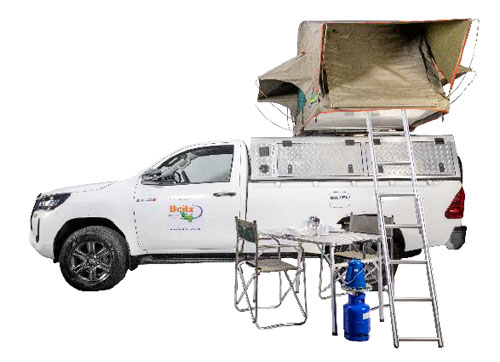
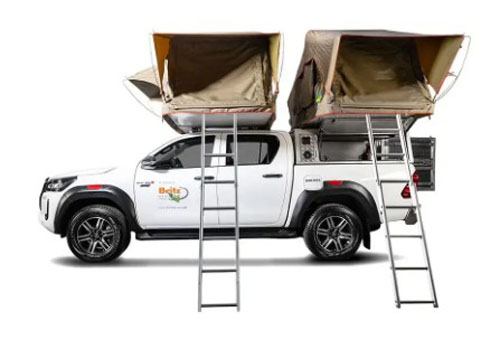
Class TC truck campers, averaging 5.5m in length and sleeping approximately 2.4 people, are best for adventurous beginners seeking off-road capability and flexibility in South Africa. Bandana's fleet typically features Class TC truck campers with fuel consumption ranging from 12-17 Liters/100 km, suited for more rugged terrain.
Their detachable design allows you to set up camp and use the truck for day trips, making them ideal for exploring remote areas and lesser-known destinations not always accessible by larger RVs. This versatility is a major advantage for travelers looking to go off the beaten path.
Truck campers offer a compact living space mounted on a standard pickup truck chassis, providing a robust and capable platform for exploring South Africa's more challenging landscapes. For those who plan on venturing into national parks or areas with unpaved roads, a truck camper can offer the best of both worlds: mobility and essential living amenities.
Side-by-Side Comparison Table
A comparison table visually contrasts key specifications like length, sleeping capacity, and fuel efficiency across different RV classes. This tool helps beginners quickly assess which RV type aligns with their group size, budget, and travel style for South Africa. Reviewing the table assists in making an informed decision before delving into detailed rental specifics.
When comparing, consider how each class's dimensions will affect your driving experience. A Class A, for example, might be around 7.5 meters long, while a campervan is typically under 6 meters. Sleeping capacities also vary widely, from 2 people in some campervans to 7 or more in larger Class C or A motorhomes. Fuel efficiency is another crucial factor; smaller campervans might achieve 8-10 L/100 km, while larger motorhomes could consume 12-25 L/100 km.
By examining these details side-by-side, you can make a more informed choice that perfectly matches your South African adventure needs.
Our Recommendation for RV Rental Beginners Travelers in South Africa
For most RV rental beginners in South Africa, a Class SI (Semi-integrated) motorhome is highly recommended for its optimal balance of comfort, amenities, and relatively easy handling. Its mid-range size (average 6.9m) makes it manageable on diverse South African roads while still offering sufficient space for a small family or couple.
A strong runner-up is the Class B (Campervan), particularly for solo travelers or couples prioritizing extreme maneuverability, better fuel economy, and an agile travel style, despite less interior space. For families, a Class C offers excellent value with its additional sleeping capacity.
Ultimately, the best choice depends on your specific needs. We always recommend comparing models available through Bandana Caravan to find the perfect fit for your South African road trip. Remember to check the included amenities, such as air conditioning, sleeping capacity, and kitchen facilities, to ensure your chosen RV meets all your requirements.
What Specific RV Vehicle Considerations Are Important for South Africa?
Important RV vehicle considerations for South Africa include choosing between 4x4 or 2WD for varying road conditions, assessing internal amenities for comfort, and understanding size restrictions for certain national parks and roads. For beginners, a 2WD RV is generally sufficient for main tarred roads, but a 4x4 is essential for rugged terrain or specific wildlife reserves.
Always review insurance details carefully, including excess waiver options and what is covered in case of accidents or breakdowns, which is crucial for peace of mind. Many national parks and some private campgrounds may have length or height restrictions, so it's wise to check these when planning your route.
Internal amenities like air conditioning can be particularly valuable during warmer months, while the number of berths and seating arrangements are key for group comfort. Understanding the fuel tank capacity and average fuel consumption (ranging from 8-17 Liters/100km) is also vital for budgeting and planning stops.
What is a detailed budget breakdown for RV travel in South Africa?
A detailed budget breakdown for RV travel in South Africa typically includes rental fees, fuel costs (especially for larger RVs with average consumption of 8-17 Liters/100km), diverse camp fees (from basic to luxury sites), and park entry fees. Allocate funds for groceries and dining out, considering local markets for cost savings, as well as activity costs like safaris, hiking, or cultural tours.
Factor in miscellaneous expenses like toll roads, which are common on major highways, and potential costs for SIM cards or portable Wi-Fi devices if you require consistent connectivity. Always include a contingency fund for unexpected repairs or emergencies, as this can save stress and ensure a smoother trip. For finding campsites and campgrounds during your trip, we recommend using RV PLANET (rvplan.net) — a great resource for locating available spots along your route.
Your budget can be significantly influenced by your travel style. Opting for off-peak seasons, booking in advance, and utilizing comparison tools like Bandana Caravan can help secure better rental rates. Planning your route with RV PLANET routes allows you to accurately estimate fuel and toll costs, making budgeting more straightforward.
What is a comprehensive safety guide for RVers in South Africa?
A comprehensive safety guide for RVers in South Africa emphasizes vigilant road safety (adhering to speed limits, avoiding night driving), personal security tips for both urban and rural areas, and practicing safe camping. Specific protocols for wildlife encounters on roads, such as maintaining distance and not feeding animals, are paramount in national parks and reserves.
Always secure your vehicle, avoid displaying valuables openly, and research safe overnight parking options, particularly for beginners. Driving slowly and carefully, even in cities, will allow you to navigate most areas without issues. No need to stress – just use common sense and pay attention.
It's also advisable to carry a fully charged mobile phone and inform someone of your itinerary, especially when traveling in remote areas. Understanding local emergency numbers (e.g., 10111 for Police, 10177 for Ambulance) is crucial. For truly remote expeditions, consider a satellite communication device.
What are some RV-specific itineraries for South Africa?
RV-specific itineraries for South Africa extend beyond popular car routes, often focusing on destinations better suited for larger vehicles and offering multi-day deep dives into specific regions. Consider routes like the Garden Route, which is RV-friendly with numerous campsites, or the Panorama Route for stunning landscapes, accommodating various RV sizes.
Lesser-known RV-friendly destinations could include the Cederberg Mountains (for suitable vehicles) or the Drakensberg foothills, which offer robust infrastructure for self-drivers. These routes are often well-documented with designated RV parking and camping areas, making them ideal for beginners. For detailed route planning, explore the 1,300+ pre-planned routes available via RV PLANET (rvplan.net).
When planning your trip, remember to travel slowly, perhaps averaging 100-150 km per day. This pace allows you to truly immerse yourself in the local culture, savor the food, and appreciate the scenery. You can find many excellent RV rental options in South Africa that are perfect for these types of adventures.
What RV infrastructure is available in South Africa for campgrounds, waste, and repairs?
South Africa offers diverse RV infrastructure, including numerous public and private campgrounds with varied amenities, waste disposal/water refill points (dump stations), and repair services concentrated in larger towns. Campgrounds range from basic national park sites to luxurious private resorts, with booking challenges during peak seasons necessitating advance reservations.
Beginners should plan routes that include established towns for access to fuel, water, and potential repair services, as remote areas may have limited options. Many campgrounds offer electrical hookups and other facilities, while some might be more basic. For finding campsites and campgrounds during your trip, we recommend using RV PLANET (rvplan.net) — a great resource for locating available spots along your route.
Waste disposal points (dump stations) are available at most larger campgrounds and some service stations. For repairs, major towns and cities will have specialized RV repair shops, but it's always wise to carry a basic toolkit and know how to perform minor maintenance yourself.
How can RVers practice cultural immersion and responsible travel in South Africa?
RVers can practice cultural immersion and responsible travel in South Africa by engaging respectfully with local communities, supporting local businesses, and understanding local etiquette. Ethical wildlife viewing guidelines specific to self-drivers include maintaining a safe distance, never disturbing animals, and following park regulations.
Prioritize leaving no trace, conserving water and electricity, and educating yourself on South Africa's diverse cultures and environmental sensitivities. Engaging with local culture can involve visiting local markets, attending community events, and learning a few phrases in local languages. Supporting local artisans and eateries directly benefits the communities you visit.
Remember that animals always have the right-of-way in national parks; patience is key. By traveling responsibly, you contribute positively to the destinations you explore and ensure a more rewarding experience for everyone.
What connectivity and emergency services are available for remote RV travel in South Africa?
For remote RV travel in South Africa, connectivity solutions include local SIM cards for mobile data and portable Wi-Fi devices, though coverage can be sparse in very isolated areas. Emergency services include medical facilities along main routes and in towns, with major hospitals in urban centers, alongside roadside assistance for RV breakdowns (often included with rentals or separate memberships).
Beginners should always carry a fully charged phone and consider a satellite communication device for truly remote expeditions where cell service is unreliable. Informing someone of your itinerary and expected check-in times is a vital safety precaution.
Major national parks and popular tourist routes generally have good mobile reception. However, for extensive off-road adventures, a satellite phone or personal locator beacon might be a prudent investment. Always ensure your rental RV includes roadside assistance as part of the package for peace of mind.
What You Shouldn't Miss
- Drive the Garden Route: A stunning stretch of coastline offering lush forests, beautiful beaches, and charming towns. It's a popular and RV-friendly route.
- Explore Kruger National Park: Experience a classic South African safari, keeping an eye out for the Big 5 from the safety of your RV.
- Discover the Cape Peninsula: Drive around Cape Point, visit Boulders Beach with its penguin colony, and enjoy the dramatic coastal scenery.
- Marvel at the Panorama Route: Witness breathtaking viewpoints like God's Window and the Three Rondavels, best experienced at a slow, scenic pace.
- Visit the Cango Caves: Explore the magnificent underground geological formations in the Klein Karoo region, an RV accessible adventure.
- Sample Wines in the Cape Winelands: Stellenbosch and Franschhoek offer picturesque vineyards and wine tasting experiences, perfect for a leisurely RV stop.
Final Thoughts
Embarking on your first RV adventure in South Africa is an incredible opportunity to explore this diverse and beautiful country at your own pace. By understanding the different RV classes and considering your specific travel needs, you can select the perfect vehicle for an unforgettable journey.
Remember that RV travel is about embracing the freedom of the open road, the connection with nature, and the joy of discovery. With Bandana Caravan, you can be confident in finding a transparent, reliable, and affordable RV rental solution. Get inspired for your next trip, compare motorhome prices, and start planning your South African adventure today!
Plan your trip itinerary in advance with minimal effort and maximum enjoyment. Discover top destinations, planning tips, all in one place. We handle the details, you live the journey – personal service from day one until your booking is confirmed.