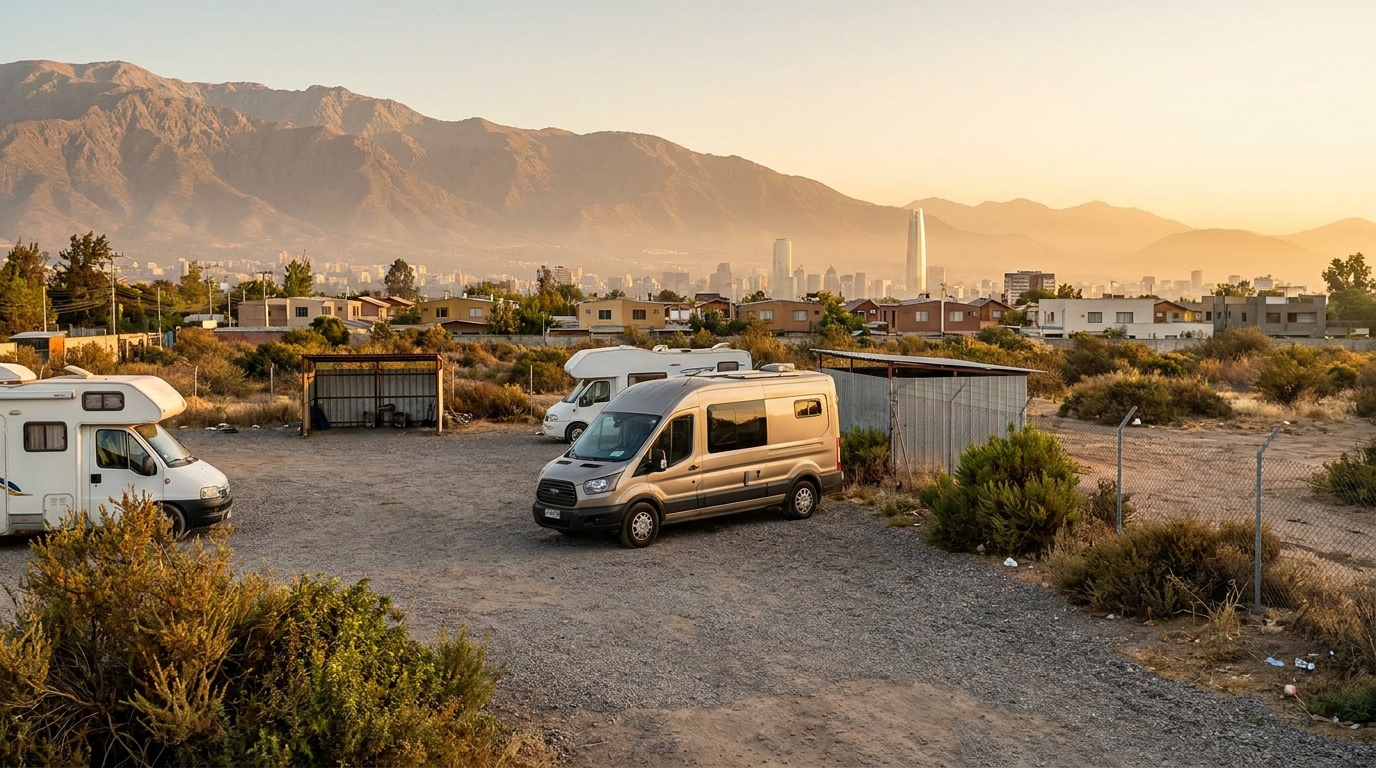
For live availability and current prices, start with our RV Rental Santiago - Complete Guide 2026 guide.
In This Guide
- The 5 RV Families Compared for Santiago
- Price Comparison by RV Class in Santiago
- Class TC (Truck Camper) — Best For
- Side-by-Side Comparison Table
- Our Recommendation for RV Rental Beginners Travelers in Santiago
- Optimal time of year for RV travel to Santiago and surrounding regions
- An in-depth assessment of Chile's overall suitability for RV travel
- Comprehensive cost breakdown for an RV trip in Chile
- RV-specific safety protocols and theft prevention tips for urban parking, campgrounds, and remote areas in Chile
- Detailed guidance on navigating Santiago's urban traffic and specific challenges for RVs
- Practical RV parking solutions within Santiago city center beyond designated campgrounds or parks near the city
- Integrating public transport and ride-sharing from RV parks/parking spots into city exploration to avoid driving the RV downtown
- Specific advice and requirements for crossing land borders with an RV, particularly for those coming from Argentina
- Sustainable and eco-friendly RVing practices tailored to Chilean natural environments and local regulations
The 5 RV Families Compared for Santiago
Choosing the right RV family is critical for beginners in Santiago, influencing everything from navigability on diverse terrains to urban accessibility and overall trip comfort. While a broad range of RV types exists globally, current availability in Santiago for beginners often highlights specialized options like the highly versatile Truck Camper. Understanding the characteristics of available RV classes is essential for matching your travel style, group size, and budget to Santiago's unique environment.
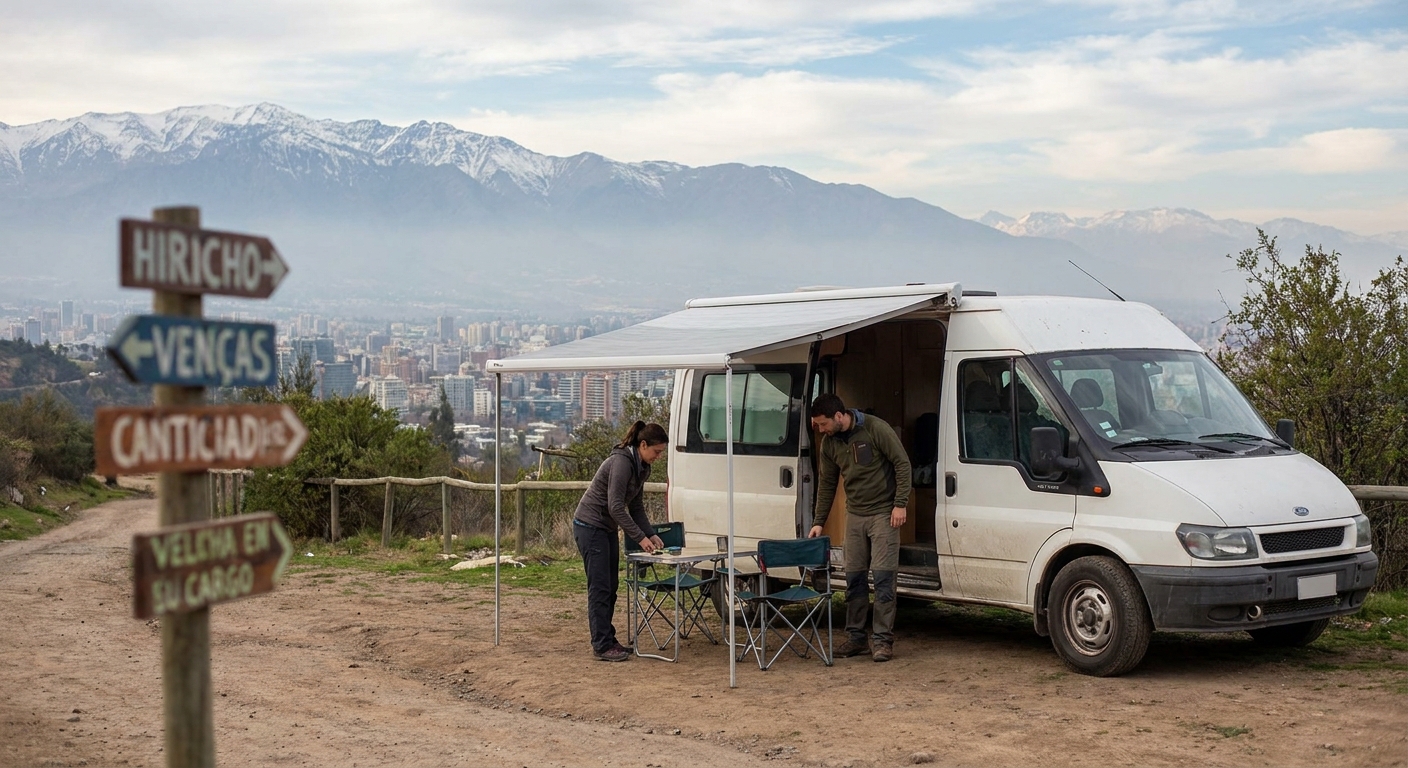
Price Comparison by RV Class in Santiago
Because pricing is flex-rate, the table below pulls real example prices from Bandana's live search, offering a snapshot of rental costs by RV class and duration. These prices update daily based on demand and availability, so for the most current numbers and to explore options, always use the search box at the top of the page.
| Family | Avg Length | Sleeps | Fuel Use | Best Use Case in Santiago |
|---|---|---|---|---|
| Class TC - Truck Camper | 5.6 m | 2-3 | 13 l / 100 km | Off-grid exploration, challenging terrains, flexible city visits (detachable) |
Use this comparison to quickly align RV specifications with your travel style and needs as an RV rental beginner in Santiago.
Class TC (Truck Camper) — Best For
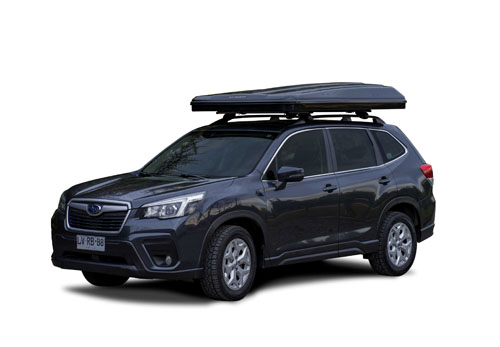
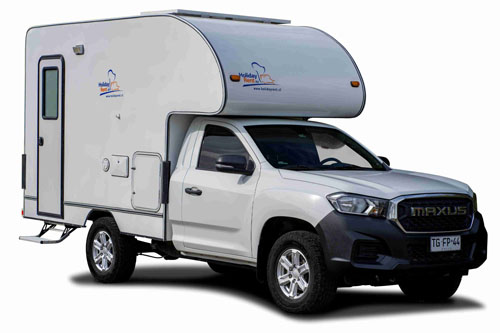
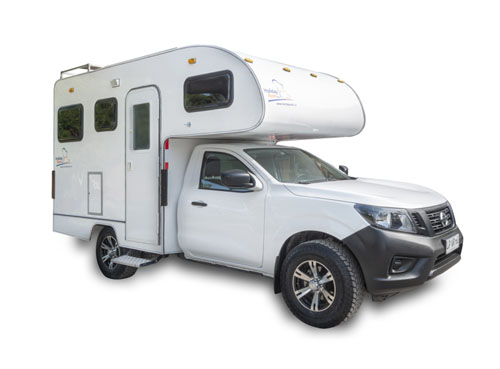
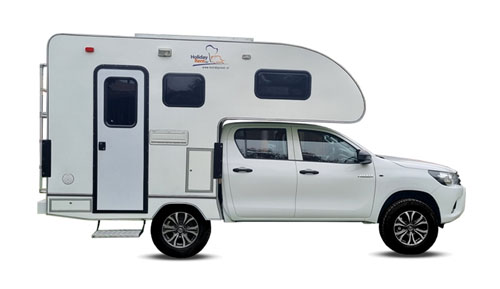
Class TC (Truck Camper) motorhomes are best for RV rental beginners in Santiago seeking exceptional flexibility, off-grid capability, and adventure across Chile's diverse landscapes. With an average length of 5.6 meters, they offer a compact footprint that enhances maneuverability for both urban outskirts and rugged Chilean roads, including an average sleeping capacity for 2-3 people. These vehicles, typically consuming around 13 liters per 100 km, are highly fuel-efficient for their robust capabilities. Their unique design allows the camper unit to be detached from the truck, providing the freedom to explore cities or challenging terrains with a more agile vehicle after setting up camp. Truck Campers are ideal for couples or small groups prioritizing access to remote areas, outdoor activities, and the ability to navigate varying road conditions with confidence.
Side-by-Side Comparison Table
This table provides a concise overview of the key characteristics for available RV families in Santiago, helping beginners quickly grasp their practical differences:
| Family | Avg Length | Sleeps | Fuel Use | Best Use Case in Santiago |
|---|---|---|---|---|
| Class TC - Truck Camper | 5.6 m | 2-3 | 13 l / 100 km | Off-grid exploration, challenging terrains, flexible city visits (detachable) |
Use this comparison to quickly align RV specifications with your travel style and needs as an RV rental beginner in Santiago.
Our Recommendation for RV Rental Beginners Travelers in Santiago
For RV rental beginners in Santiago, a Class TC (Truck Camper) is our top recommendation due to its unparalleled combination of maneuverability, robust capability, and practical flexibility for exploring Chile. Its average length of 5.6 meters makes it significantly easier to navigate both Santiago's sometimes-congested urban fringes and the narrower, unpaved roads leading to Chile's stunning natural attractions, a crucial advantage for those new to RVing. The ability to detach the camper allows travelers to establish a basecamp in an RV park and then use the truck for more agile day trips into city centers or onto challenging routes, addressing common concerns about parking larger vehicles downtown. Sleeping 2-3 people, the Truck Camper perfectly suits couples or small groups seeking a balance between adventure, comfort, and the freedom to explore off the beaten path without the intimidation of a larger motorhome.
Optimal time of year for RV travel to Santiago and surrounding regions
The optimal time for RV travel to Santiago and its surrounding regions is generally from mid-spring (October-November) through mid-autumn (March-April), offering pleasant weather for diverse activities and more predictable road conditions. During spring (October-November), temperatures are mild, landscapes are vibrant, and popular attractions are less crowded, making it ideal for hiking and exploring vineyards. Autumn (March-April) provides comfortable temperatures, stunning fall foliage in certain regions, and excellent conditions for cultural tours and longer drives before winter. Summer (December-February) is hot and dry, perfect for coastal escapes, but Santiago's interior can be very warm, and mountain passes may experience peak traffic or occasional closures due to summer storms. Winter (June-August) brings significant snowfall to the Andes, leading to frequent closures of mountain passes (like Paso Los Libertadores), making this period more suitable for winter sports near Santiago than extensive RV touring.
An in-depth assessment of Chile's overall suitability for RV travel
Chile offers an incredibly rewarding, yet potentially challenging, environment for RV travel, best suited for adventurers looking to explore its vast geographical diversity. Pros include access to breathtaking national parks, from the Atacama Desert to Patagonia, offering unparalleled freedom for exploration; generally good quality on main arterial roads; and a growing network of campgrounds. Cons involve limited dedicated RV infrastructure (dump stations, hookups) in some remote areas; significant driving distances between key attractions; potentially high fuel costs; and challenging mountain roads or unpaved routes in certain regions. Unique cultural aspects present opportunities to engage with vibrant local culture through gastronomy (e.g., empanadas, asado), music, and the welcoming nature of Chileans, enriching the travel experience beyond landscapes. Infrastructure considerations mean that while major highways are well-maintained, secondary roads can be rough; cellular service can be sporadic in remote zones, and planning for fuel and supplies is crucial outside urban centers. This balances Chile's spectacular beauty with the practicalities of RV travel for beginners, aligning with the value gap of providing a realistic overview. On the routes offered through RV PLANET routes, you can itemize and track every expense along the way for easy budgeting.
The Hub Title "RV Rental Santiago - Complete Guide 2026" is naturally integrated here. For live availability and current prices, start with our RV Rental Santiago - Complete Guide 2026 guide.Comprehensive cost breakdown for an RV trip in Chile
A comprehensive RV trip in Chile entails various costs beyond the initial rental fee, including significant expenses for fuel, tolls, permits, and diverse campground fees. Fuel is a major expense, and anticipating higher fuel prices than in some other countries is wise; a Truck Camper averaging 13 liters per 100 km means budgeting accordingly for long distances. Tolls (Peajes) are frequent on Chile's extensive highway network and can accumulate rapidly; be prepared for both electronic TAG payments (often via rental agency) and cash-only booths. While no specific national RV permit is typically required for tourists, entry fees for national parks and protected areas are common, and a 19% IVA (VAT) is included in most goods and services. Campground fees vary significantly, ranging from free wild camping (where permitted and safe) to private campgrounds with amenities costing between CLP 10,000 to CLP 35,000+ (approximately $10-$40 USD) per night, depending on location and services. Additionally, factor in costs for propane, water refills, potential ferry crossings (especially in southern regions), and adequate travel insurance. This breakdown addresses the value gap by offering a realistic financial picture.
RV-specific safety protocols and theft prevention tips for urban parking, campgrounds, and remote areas in Chile
Implementing RV-specific safety protocols and proactive theft prevention tips is paramount for beginners to ensure a secure and enjoyable journey throughout urban, campground, and remote areas in Chile. In urban parking, always prioritize well-lit, secure, and preferably paid parking lots (estacionamientos) in cities; avoid leaving valuables visible and ensure all doors and windows are securely locked, even for brief stops. When choosing campgrounds, opt for reputable, established locations with good reviews, engage with staff for local safety advice, and consider using additional external locks on doors and storage compartments. In remote areas, when wild camping or exploring, research the area's safety beforehand, inform someone of your itinerary, avoid isolated spots, and never leave your RV unattended for extended periods. General prevention includes maintaining awareness of your surroundings, carrying copies of essential documents separately from originals, and considering discreet GPS trackers for your vehicle. This guidance directly addresses safety concerns.
Detailed guidance on navigating Santiago's urban traffic and specific challenges for RVs
Navigating Santiago's urban traffic in an RV, particularly a Truck Camper, requires meticulous planning due to its dense road network, potential height/width restrictions, and varying access to fuel stations. Santiago experiences intense rush hours (typically 7:00-9:30 AM and 5:30-8:00 PM); plan your entry and exit during off-peak times or utilize peripheral highways like Vespucio Norte/Sur. While a Truck Camper (avg. 5.6m length) is more manageable than larger RVs, always be mindful of height clearances for underpasses, parking garages, and certain older city streets; double-check signage. Many streets in Santiago's historic center and older neighborhoods are narrow and busy; it's best to avoid driving your RV in these areas and instead opt for public transport or ride-sharing. Major gas stations on main avenues and highways are typically accessible for larger vehicles, but smaller, local stations may have tight entrances or limited maneuvering space; plan your fuel stops strategically. Utilize GPS applications with real-time traffic updates and, if available, specify RV dimensions to avoid unsuitable routes. This addresses practical urban driving concerns.
Practical RV parking solutions within Santiago city center beyond designated campgrounds or parks near the city
Finding practical RV parking within Santiago's city center, outside of dedicated campgrounds, is challenging but achievable through strategic planning and utilizing private facilities. Paid parking lots (Estacionamientos), particularly near major shopping malls (e.g., Costanera Center, Parque Arauco) or large commercial areas, can accommodate a Truck Camper during business hours, though overnight parking is often prohibited. Some hotels on the city's periphery or in business districts might offer larger parking bays or valet services that can manage an RV; it is crucial to inquire directly when booking. The most recommended approach for beginners is the park-and-ride strategy: park your RV at a secure location on the city's outskirts, such as a major transport hub or a campground, and then use public transportation or ride-sharing to access downtown. Limited street parking is available but generally not recommended for RVs in central areas due to congestion, security risks, and local regulations that may not accommodate larger vehicles. This provides viable downtown parking options.
Integrating public transport and ride-sharing from RV parks/parking spots into city exploration to avoid driving the RV downtown
Integrating Santiago's efficient public transport and readily available ride-sharing services from your RV park or peripheral parking spot is the most effective strategy for beginners to explore the city center without driving their RV downtown. Santiago boasts an extensive and modern Metro system, complemented by a wide bus network; purchase a Bip! card (available at Metro stations and convenience stores) for seamless travel. Choose an RV park or secure parking facility located near a Metro station or major bus stop on the city's periphery, providing convenient access to downtown attractions. Services like Uber and Cabify are widely available and can offer a convenient, door-to-door option for direct trips to and from your RV, especially outside public transport hours or for specific destinations. Utilize apps like Google Maps or Moovit for real-1time public transport routes, schedules, and estimated travel times from your RV's location to your desired city destinations. This advice addresses city exploration challenges.
Specific advice and requirements for crossing land borders with an RV, particularly for those coming from Argentina
Crossing land borders into Chile with an RV, especially from Argentina, necessitates specific documentation and strict adherence to Chilean customs and agricultural regulations for a smooth entry. Ensure you carry your valid passport, vehicle registration (Padrón), proof of RV ownership, a valid driver's license (an International Driving Permit is highly recommended), and mandatory Mercosur third-party liability insurance (SOAPEX) specifically for your RV. Upon entry, you will receive a Temporary Import Permit for your RV, which must be diligently kept and surrendered when you exit Chile; verify all details immediately. Chile has extremely stringent biosecurity rules enforced by SAG (Servicio Agrícola y Ganadero); absolutely no fresh fruits, vegetables, meat, dairy products, or honey are allowed to cross the border. Major crossings like Paso Los Libertadores (from Mendoza, Argentina) can experience significant queues and varying opening hours, particularly during peak seasons or due to adverse weather; always check conditions in advance. Be prepared for border officials to conduct visual inspections of your RV to ensure compliance with import and agricultural regulations. This advice addresses border crossing procedures.
Sustainable and eco-friendly RVing practices tailored to Chilean natural environments and local regulations
Adopting sustainable and eco-friendly RVing practices is crucial when exploring Chile's diverse and often pristine natural environments, ensuring minimal impact and adherence to local regulations. Utilize designated dump stations for grey and black water whenever possible; pack out all trash, including organic waste, and properly dispose of recycling to leave no trace. Given Chile's varying climate, including drought-prone areas, conserve water by taking shorter showers and being mindful of usage for washing and cooking. Maximize natural light and ventilation, use solar power systems if available, and limit generator use to reduce noise pollution and emissions, especially in quiet natural settings. Respect wildlife and habitats by staying on marked roads and trails, maintaining a respectful distance from wildlife, and avoiding disturbance of natural flora and fauna in national parks and protected areas. Familiarize yourself with specific rules regarding camping, campfires, and access restrictions in different regions to protect fragile ecosystems. This guidance promotes responsible travel.
What You Shouldn't Miss
- Explore the vibrant streets and culture of Santiago, perhaps by using public transport from an outer-city RV park to avoid downtown driving.
- Take a day trip to the nearby Cajón del Maipo, a stunning Andean valley accessible by RV, offering hot springs and hiking opportunities.
- Visit local 'fonda' eateries for authentic Chilean cuisine, a delicious cultural experience often found on the roadside.
- Consider a scenic drive that combines mountain landscapes with coastal visits, taking advantage of Chile's diverse geography.
- Keep an eye out for the majestic Andean Condor, often spotted in the higher valleys accessible from Santiago.
Final Thoughts
Renting an RV for your first trip to Santiago and Chile can be an incredibly rewarding experience, offering unparalleled freedom and flexibility to explore this diverse country. By opting for a manageable vehicle like a Truck Camper and preparing adequately for the local conditions, beginners can confidently embark on an unforgettable adventure.
Remember to utilize resources like RV PLANET (rvplan.net) for route planning and campsite discovery to enhance your journey. With Bandana Caravan, you get transparent pricing and expert support, making your RV rental process seamless.
Find Motorhome Rentals in SantiagoFor ideas you can prep on the road, watch our RV-friendly recipes playlist on YouTube.