In This Guide
- The 5 RV Families Compared for Africa
- Class A (Integrated) — Best For
- Class SI (Semi-Integrated) — Best For
- Class C (Alcove) — Best For
- Class B (Campervan) — Best For
- Class TC (Truck Camper) — Best For
- Side-by-Side Comparison Table
- Our Recommendation for RV Rental Beginners Travelers in Africa
- What is the best company to rent an RV from?
- What are the three major rental companies in South Africa?
- What is the most popular RV rental app?
- How much is 1 month rent in South Africa?
- Is it cheaper to rent an RV or stay in hotels?
- What is the best motorhome for beginners?
- What are the drawbacks of renting an RV?
- What are the rates for hiring a motorhome at Kruger Park?
- How much is the average rent in Africa?
- What is the 333 rule for campervan?
The 5 RV Families Compared for Africa
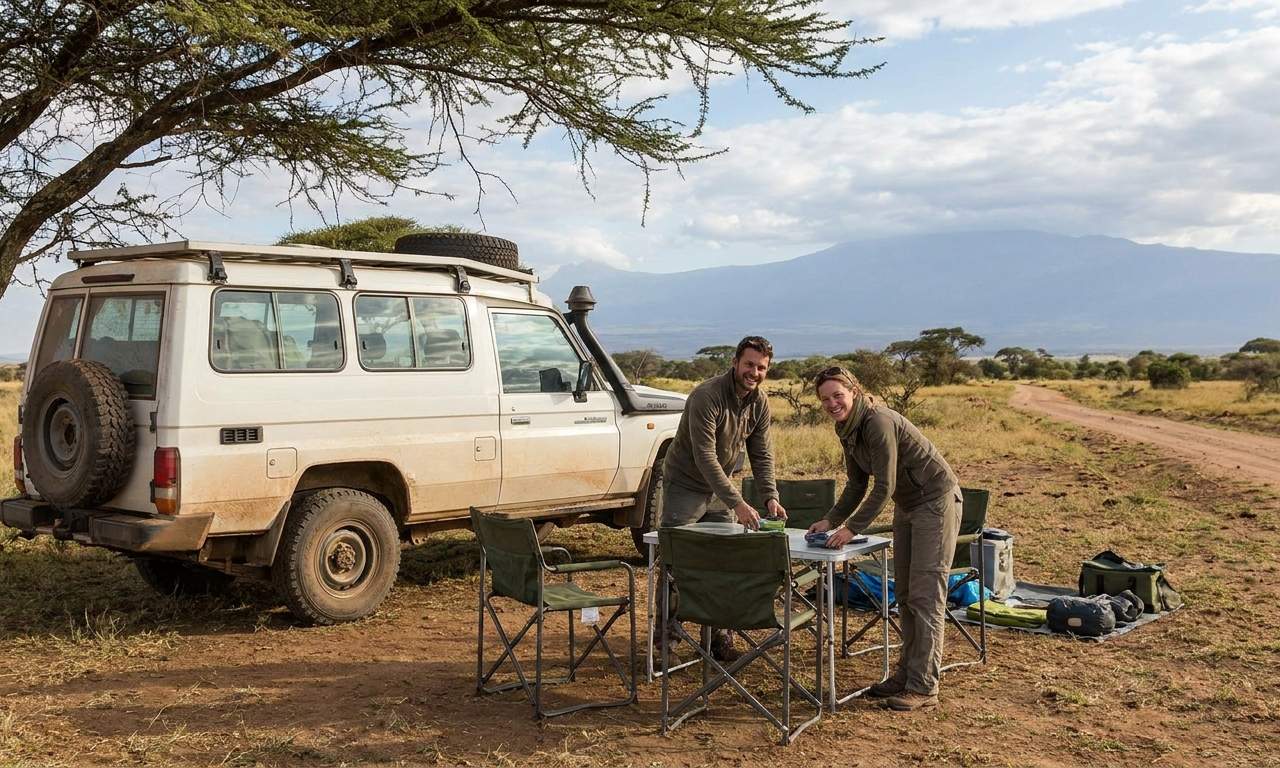
Choosing the right RV family is critical for a successful beginner adventure in Africa, considering diverse terrain, climate extremes, and the implications for trip length and group size. The vehicle choice directly impacts comfort, safety, maneuverability, and cost-efficiency for first-time renters exploring Africa's unique landscapes. Factors like your group size, desired level of off-road capability, and reliance on campsite amenities versus self-sufficiency should guide your selection.
Class A (Integrated) — Best For
Class A integrated motorhomes, averaging 7.5 meters in length and sleeping around 4.4 people according to Bandana's global fleet data, are best suited for beginners prioritizing luxury, spaciousness, and comfort on well-maintained African routes. These larger vehicles offer extensive living space, often resembling luxury buses, and are ideal for longer trips where a 'home-away-from-home' experience is desired, typically accommodating around 4 adults. With an average load capacity of 209.5 kg and common fuel consumption of 11-12 liters/100 km, they offer ample storage but can be less maneuverable on narrower or rougher African roads. Trade-offs include higher fuel costs, potential difficulty navigating smaller towns or challenging terrains, and requiring more skill to drive for first-time RVers. On the routes offered through RV PLANET routes, you can itemize and track every expense along the way for easy budgeting.
Class SI (Semi-Integrated) — Best For
Class SI semi-integrated motorhomes, with an average length of 6.9 meters and sleeping capacity for about 3.8 people from Bandana's global fleet, offer a balanced choice for beginner RVers in Africa seeking comfort without the imposing size of a Class A. These vehicles, typically accommodating around 3.4 adults, are more fuel-efficient (10-11 liters/100 km common consumption) and easier to maneuver than Class A, making them suitable for a broader range of African roads. They outperform Class A in agility and Class C in aerodynamics, providing a good compromise between living space, driveability, and fuel economy for couples or small families. With an average load capacity of 72.2 kg, they support moderate luggage needs while still providing essential amenities for a comfortable journey.
Class C (Alcove) — Best For
Class C alcove motorhomes are an excellent choice for beginner families traveling in Africa, offering abundant sleeping capacity (average 5.8 people, 4.4 adults from Bandana's global fleet) and generally more cost-effective rental rates. These RVs, averaging 7.5 meters in length, are distinguished by the sleeping area located above the cab, making them ideal for families with children or larger groups. Common fuel consumption ranges from 10-12 liters/100 km, similar to Class SI, providing a reasonable balance of fuel efficiency for their size. Their robust build and familiar driving experience (often on a truck or van chassis) can be reassuring for first-time RVers, making them suitable for major paved and well-maintained gravel roads across Africa, despite a lower average load capacity of 42.4 kg.
Class B (Campervan) — Best For
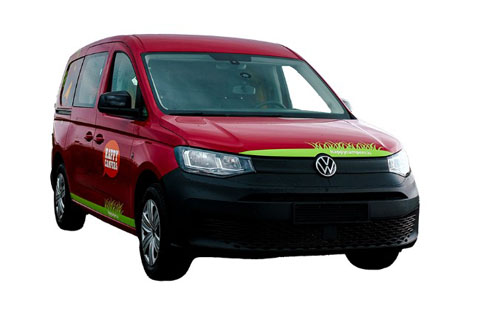
Class B campervans, averaging 5.8 meters in length and accommodating around 3.2 sleepers (2.7 adults) from Bandana's global fleet, are ideal for beginner RVers in Africa prioritizing maneuverability, fuel economy, and spontaneous travel. These compact vehicles consume less fuel (8-10 liters/100 km common consumption) and are easiest to drive and park, making them perfect for navigating bustling towns, smaller campsites, and less-traveled routes where larger RVs might struggle. While offering less interior space and an average load capacity of 37 kg, campervans provide essential amenities in a nimble package, perfect for solo travelers, couples, or small groups seeking a more adventurous and minimalist experience. They are particularly favored for African scenarios requiring agility and quick stops, such as wildlife viewing or exploring diverse landscapes without the commitment of a large vehicle.
Class TC (Truck Camper) — Best For
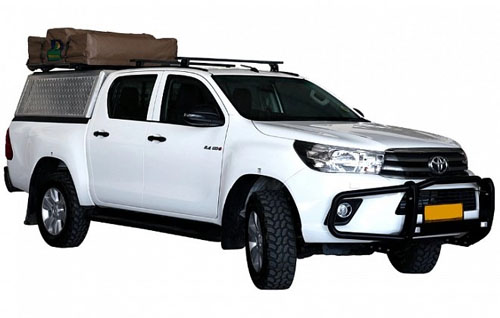
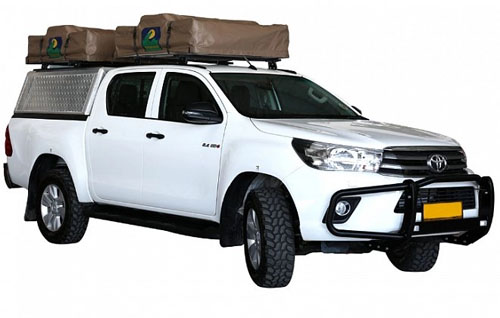
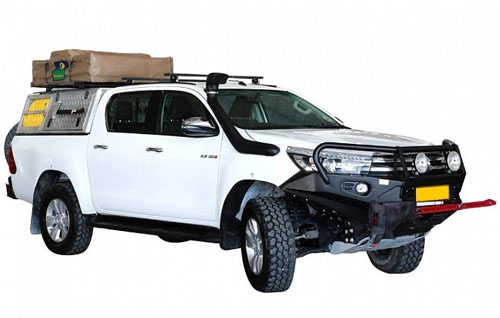
Class TC truck campers, averaging 5.5 meters in length and typically sleeping 2.4 people (2.1 adults) from Bandana's global fleet, are best for beginner RVers in Africa seeking genuine off-grid capability and flexibility, particularly for exploring remote areas. These unique vehicles, where the living unit is mounted onto a pickup truck chassis, offer superior ground clearance and often 4x4 capability, making them ideal for rough African terrains and reaching campsites inaccessible to other RV classes. Though fuel consumption can be higher (12-17 liters/100 km common consumption) due to their truck base, their ability to detach the camper unit for day trips provides unparalleled flexibility. Truck campers are perfect for adventurous beginners who prioritize ruggedness and the ability to traverse challenging landscapes, making them well-suited for wildlife safaris and exploring unpaved roads in national parks.
Side-by-Side Comparison Table
A comparison table offers a quick reference for beginner RV renters to understand the key differences between various RV classes available for African travel. This at-a-glance view helps match vehicle characteristics like length, sleeping capacity, and fuel efficiency with individual travel needs and preferences for an African adventure.
| Family | Avg Length (m) | Sleeps | Fuel Use (L/100km) | Best Use Case in Africa |
|---|---|---|---|---|
| Class A - Integrated | 7.5 | 4.4 | 11-12 | Luxury, spacious, well-maintained routes. |
| Class SI - Semi-integrated | 6.9 | 3.8 | 10-11 | Balanced comfort, moderate terrain, small groups. |
| Class C - Alcove | 7.5 | 5.8 | 10-12 | Families, cost-effective, major roads and light gravel. |
| Class B - Camper Van | 5.8 | 3.2 | 8-10 | Maneuverability, fuel-efficient, spontaneous travel. |
| Class TC - Truck Camper | 5.5 | 2.4 | 12-17 | Off-grid, 4x4 capability, remote and rugged terrain. |
Our Recommendation for RV Rental Beginners Travelers in Africa
For most RV rental beginners in Africa, a Class C (Alcove) motorhome is the primary recommendation due to its balance of space, comfort, and relative ease of driving on common African routes, coupled with its family-friendly sleeping capacity. Its familiar driving dynamics and robust construction make it forgiving for new RVers, offering ample room for luggage and supplies for longer trips without being overly cumbersome. A strong runner-up is the Class SI (Semi-integrated) motorhome, which offers a slightly more streamlined profile and better fuel efficiency than a Class C, ideal for couples or small groups who desire comfort and amenities with enhanced maneuverability. Both options provide a good foundation for first-time African RV adventurers to experience diverse landscapes while maintaining a sense of home and security, supported by an average load capacity suitable for essentials.
What is the best company to rent an RV from?
The 'best' RV rental company for beginners in Africa is one that offers comprehensive support, robust insurance, clear emergency breakdown procedures, and explicit safety guidelines tailored to African travel conditions. Look for companies, often found through aggregators like Bandana, that have a strong local presence, positive customer reviews specific to African road trips, and a fleet suitable for the terrain you plan to cover (e.g., 4x4 options for remote areas). Prioritize operators that provide 24/7 roadside assistance, detailed pre-trip briefings on vehicle operation, local driving conditions, border crossings, wildlife safety protocols, and ethical tourism practices. Inquire about inclusive insurance packages, including comprehensive coverage for damage, theft, third-party liability, and options for additional security features and mobile communication devices for remote travel.
What are the three major rental companies in South Africa?
While specific 'top three' can vary, major RV rental markets in South Africa often feature both international brands with local branches and well-established local operators known for their extensive fleets and support networks. For beginners, it's advisable to search on platforms like Bandana, which aggregate various local providers, allowing you to compare options from reputable companies that have proven track records for RV travel in South Africa. When selecting a company, look for those that explicitly offer 4x4 capable RVs or truck campers if your itinerary includes challenging unpaved roads, and verify their insurance policies for cross-border travel if planning a multi-country African adventure. Always check recent customer reviews focusing on vehicle reliability, customer service, and responsiveness to issues during trips in an African context, along with details on water sources, electricity, and fuel availability.
What is the most popular RV rental app?
For global RV rentals, popular platforms often serve as the primary 'app' or booking site, with Bandana being a leading option for finding and comparing RVs worldwide, including in Africa. Other well-known aggregators that may feature African rentals include Motorhome Republic or specific regional booking platforms, providing a centralized place to browse various rental companies and vehicle types. These platforms offer user-friendly interfaces to filter by location, RV class, amenities, and price, simplifying the search for beginner renters and offering guidance on border crossings and required permits. Beyond booking, apps like iOverlander or Tracks4Africa can be invaluable on the road for finding campsites, fuel stations, water points, and points of interest, enhancing the overall African RV travel experience.
How much is 1 month rent in South Africa?
While the term 'rent' typically refers to housing costs, for RV rental beginners in Africa, a one-month motorhome rental in South Africa can range significantly depending on the RV class, season, and specific company, potentially costing anywhere from $2,500 to over $8,000 USD or more for a premium vehicle. Factors influencing a month-long RV rental price include the vehicle's age, luxury level, included amenities, mileage allowances, and comprehensive insurance packages, all of which should be carefully reviewed. For accurate current pricing for a month-long RV trip in South Africa, utilize the search function on Bandana by inputting your desired dates and location to get real-time, flex-rate quotes. Consider that longer rental periods often have a lower effective daily rate, but total costs must also account for fuel, campsite fees, national park entry fees, cross-border permits, and provisioning for an extended journey.
Is it cheaper to rent an RV or stay in hotels?
For beginners traveling in Africa, renting an RV can often be significantly cheaper than staying in hotels, lodges, or resorts, especially for families or groups and longer trips, as it combines accommodation and transportation costs into one primary expense. The true cost comparison involves not just daily rental rates versus hotel nightly rates, but also factoring in substantial savings on restaurant meals (due to onboard kitchen facilities) and potentially reduced transportation costs (no need for separate safari vehicles or inter-city transfers). However, RV travel also includes additional expenses like fuel (which can be substantial and geographically variable in Africa), campsite fees, national park entry fees, water refills, and insurance, which must be weighed against the all-inclusive nature of some lodge packages. For an authentic, flexible, and often more budget-friendly adventure allowing direct access to nature and remote areas, RV rental often presents a compelling value proposition over traditional hotel stays in Africa, particularly when exploring multiple destinations and considering the lack of detailed itineraries from hotels. For ideas you can prep on the road, watch our RV-friendly recipes playlist on YouTube.
What is the best motorhome for beginners?
The best motorhome for beginners in Africa is generally a Class C (Alcove) or Class SI (Semi-integrated) due to their manageable size, relatively easy driving experience, and comprehensive amenities, offering a good balance of comfort and capability for varied African road conditions. Beginners should look for specific features like automatic transmission, power steering, and a reverse camera to ease driving, especially on unfamiliar African roads, along with clear and intuitive control panels for onboard systems. For those planning more adventurous routes or seeking 4x4 capability, a Class B Campervan or even a Class TC Truck Camper might be considered for their maneuverability and ruggedness, though these require a slightly higher comfort level with compact living and potentially more challenging driving. Ultimately, the 'best' beginner motorhome aligns with your specific itinerary, group size, comfort expectations, and willingness to adapt to unique African road conditions and logistics, including ground clearance and specific vehicle suitability for different terrains.
What are the drawbacks of renting an RV?
Renting an RV in Africa, while rewarding, comes with several drawbacks for beginners, including potential mechanical breakdowns in remote areas, challenges with diverse road conditions (potholes, unpaved tracks), and limited access to fuel or water in certain regions. Safety and security are heightened concerns; this includes the risks of night driving, securing the vehicle in unfenced campsites, understanding specific wildlife safety protocols in national parks and game reserves, and maintaining personal safety. Other practical considerations involve navigating complex border crossing procedures, the necessity for robust insurance coverage (including for off-road damage and emergency preparedness), and the constant need for vigilance regarding vehicle maintenance and breakdown procedures in remote African locations. Dealing with potential mobile communication issues for navigation and emergencies, managing waste disposal in environmentally sensitive areas, and adapting to varying campsite standards also represent significant challenges for first-time RVers in Africa.
What are the rates for hiring a motorhome at Kruger Park?
The rates for hiring a motorhome for a trip to Kruger National Park are generally consistent with broader South African rental prices, influenced by the RV class, rental duration, season, and the specific rental company. Expect daily rates to be higher during peak safari seasons (e.g., dry winter months) and around public holidays, with prices ranging from approximately $80-$200 USD per day for smaller campervans to $250-$400+ USD for larger, more luxurious motorhomes. Beyond the rental cost, budgeting for Kruger Park must include conservation fees (daily entry fees per person, per vehicle), campsite fees within the park (which must be pre-booked well in advance), and fuel costs for extensive driving within the large reserve. Some rental companies may offer specific 'Kruger-ready' packages that include certain equipment or advice on wildlife encounters and safety protocols, so it's worth inquiring about such tailored offerings when booking.
How much is the average rent in Africa?
The query regarding 'average rent in Africa' typically refers to residential housing costs, which vary enormously by country, city, and property type across the continent and is not directly applicable to RV rental costs. However, if interpreted in the context of travel, the 'cost of living' or 'travel expenses' across Africa can vary widely, influencing overall trip budgets whether you choose RV travel or traditional accommodation. For RV travelers, the primary 'rental' cost is the motorhome itself, which, as discussed, is highly variable but represents a significant portion of the overall travel budget. When planning an RV trip through different African countries, focus on researching local fuel prices, campsite fees, national park entry costs, and potential border crossing fees for each destination, rather than residential rental averages, to build an accurate budget.
What is the 333 rule for campervan?
The '333 rule' for campervans or RVs is a popular guideline, especially among beginners, designed to promote safe, enjoyable, and sustainable travel by suggesting a pace that avoids burnout and allows for deeper exploration. The rule states: drive no more than 300 miles (or 500 km) in a day, stay at least 3 days in one spot, and stop driving by 3 PM each day. For RV rental beginners in Africa, adhering to the 333 rule is particularly valuable; stopping by 3 PM allows ample time to find and set up camp before dusk, which is crucial for safety and wildlife awareness in many African locations. Limiting daily mileage helps prevent fatigue on potentially challenging roads, while longer stays enable immersive cultural experiences, wildlife viewing, and time to address practical logistics like water, fuel, mobile communication, and emergency preparedness in unfamiliar environments.
What You Shouldn't Miss
- Self-Drive Safari Adventure: Experience the thrill of spotting the Big Five in their natural habitat from the comfort and safety of your rented motorhome, adhering to park rules and wildlife etiquette.
- The Garden Route, South Africa: Explore this iconic coastal stretch with its lush forests, stunning beaches, and charming towns, offering a taste of South Africa’s diverse natural beauty.
- Morocco’s Atlas Mountains: Navigate winding roads through dramatic mountain scenery, visiting Berber villages and experiencing a unique blend of culture and adventure in your RV.
- Namibia’s Desert Landscapes: Drive through the stark beauty of the Namib Desert, visiting towering dunes in Sossusvlei and exploring ancient canyons like the Fish River Canyon.
- Victoria Falls, Zimbabwe/Zambia: Witness the awe-inspiring power of one of the world's largest waterfalls, a natural wonder accessible by road and a must-see on any southern Africa itinerary.
- Okavango Delta Exploration (Botswana): While direct RV access is limited, use your vehicle to reach gateway towns and arrange mokoro (dugout canoe) or walking safaris for an unforgettable Delta experience.
Final Thoughts
Embarking on an RV adventure in Africa for the first time can be incredibly rewarding. By understanding the different RV classes and their suitability for the diverse terrains and conditions across the continent, you can make an informed choice that enhances your travel experience. Remember to factor in the unique logistical challenges, such as fuel availability and road conditions, and plan accordingly.
At Bandana Caravan, we're here to help you navigate the complexities of RV rental, ensuring you find the perfect vehicle for your African journey. Our transparent pricing and extensive supplier network mean you can book with confidence, knowing you're getting great value and reliable support. So, start planning your unforgettable African road trip today – the adventure of a lifetime awaits!
Get inspired for your next trip! Discover top destinations, planning tips, all in one place! Plan a trip itinerary in advance with minimal effort and maximum enjoyment.