In This Guide
- What is the best Tokyo RV itinerary for RV rental beginners?
- What is a good 7-day classic RV route in Tokyo for beginners?
- What does an extended 14-day RV journey from Tokyo entail?
- How does RVPlan simplify trip planning for Tokyo RV beginners?
- What are Avi Bandana's must-see stops for a Tokyo RV itinerary?
- What are typical daily driving distances and drive times in Tokyo?
- What is the best RV class for a beginner's Tokyo itinerary?
- What are the challenges of driving an RV in Japan?
- Where can I park my RV in Tokyo?
- What are the rules for RV camping in Japan?
- How much does it cost to rent an RV in Japan?
- What is the best month to RV in Japan?
- Is Japan RV friendly for beginners?
What is the best Tokyo RV itinerary for RV rental beginners?
A 7-day RV itinerary starting and ending in Tokyo offers an ideal introduction to RV travel in Japan, covering approximately 700-800 km, making it perfect for first-time renters. This beginner-friendly route focuses on balancing Tokyo's vibrant urban allure with serene scenic escapes to iconic destinations like Hakone, Mount Fuji, and the picturesque Izu Peninsula. Imagine yourself driving through diverse landscapes, from bustling city outskirts to tranquil lake shores and volcanic vistas, all from the comfort of your rented motorhome. The recommended duration for this journey is a minimum of 7 days, with the best seasons for travel being spring (March-May) for spectacular cherry blossoms or autumn (September-November) for stunning vibrant foliage and comfortable temperatures. For live availability and current prices, start with our RV Rental Tokyo - Complete Guide 2026 guide. Avi Bandana's itineraries prioritize scenic drives, cultural immersion, and a relaxed pacing, ensuring an enjoyable experience without feeling rushed. This approach allows plenty of time to savor each stop, connect with local culture, and enjoy delicious food, reinforcing the joy of slow travel.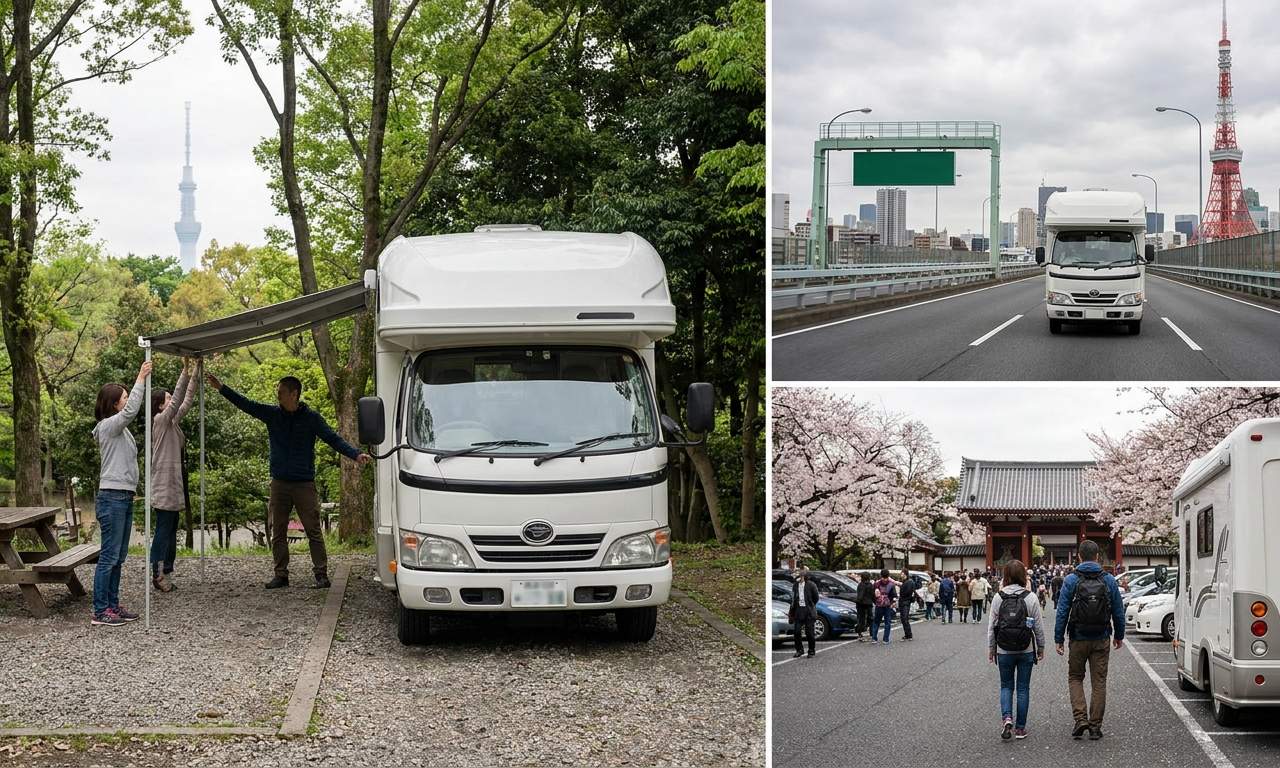
What is a good 7-day classic RV route in Tokyo for beginners?
A 7-day classic RV route from Tokyo for beginners combines urban access with iconic natural and cultural sites, covering a manageable distance of approximately 480 km (300 miles). * **Day 1: Tokyo Arrival & RV Pickup** Arrive at Narita (NRT) or Haneda (HND) airports, then transfer to your RV pickup location just outside Tokyo. Spend the afternoon familiarizing yourself with your rented motorhome's features, like the integrated refrigerator and stove for cooking meals, and completing your initial grocery run. Overnight at an RV park in a neighboring prefecture such as Chiba or Saitama, approximately 50 km from the city center. * **Day 2: Hakone & Lake Ashi** Drive to Hakone, about 100 km from Tokyo. Explore the serene Lake Ashi, visit the Hakone Open-Air Museum, and consider a scenic Hakone Ropeway ride for breathtaking views. Weather permitting, you might even catch a glimpse of Mount Fuji. Sleep comfortably at an RV park near Hakone or a michi-no-eki (roadside station). * **Day 3: Mount Fuji Area (Kawaguchiko)** Head to the Kawaguchiko area, roughly 50 km from Hakone, famous for its stunning views of Mount Fuji. Visit the iconic Chureito Pagoda for classic Fuji photography and explore the beautiful Fuji Five Lakes region. Overnight at an RV park or michi-no-eki in Kawaguchiko, which often offers facilities like clean restrooms and local markets. * **Day 4: Izu Peninsula Coastline** Drive south to the Izu Peninsula, covering about 100 km, to explore charming coastal towns like Shimoda. Enjoy the beautiful beaches, savor fresh seafood, and unwind in traditional hot springs (onsen). Find an RV-friendly campsite along the scenic coastline for a peaceful night. * **Day 5: Shuzenji Onsen & Historic Izu** Explore central Izu, including the historic Shuzenji Onsen town and its tranquil bamboo forest path, approximately 60 km from Shimoda. Immerse yourself in the traditional Japanese onsen village atmosphere before driving back north towards Kanagawa Prefecture. Overnight at an RV park near Odawara. * **Day 6: Kamakura & Yokohama** Visit Kamakura, a historic coastal city approximately 70 km from Odawara, renowned for its ancient temples and the Great Buddha. Continue to Yokohama for dinner and a stroll through the modern Minato Mirai district. Park your rented campervan at a designated spot outside central Yokohama and use public transport for city exploration, a practical hybrid travel strategy. Overnight at a Yokohama area RV park. * **Day 7: Return to Tokyo & RV Drop-off** Drive back to Tokyo for your RV drop-off, a journey of approximately 50 km. This concludes your beginner-friendly adventure. For more detailed routes and points of interest, consider exploring "RV Travel Guide to Tokyo - Tips and Top Spots 2026". The total mileage for this route is approximately 480 km (300 miles), which is well within comfortable limits for first-time RVers.What does an extended 14-day RV journey from Tokyo entail?
An extended 14-day RV journey from Tokyo allows for a deeper exploration of Central Japan's diverse landscapes and culture, covering approximately 800-1000 km, at a leisurely pace. * **Days 1-3: Tokyo & Surroundings (Pickup & Hakone)** Follow Days 1-2 of the 7-day itinerary, focusing on RV familiarization and visiting Hakone. On Day 3, explore more of Hakone, perhaps visiting the Open-Air Museum or getting a unique view of Fuji from the Hakone Ropeway. Enjoy a relaxing evening and sleep near Hakone. This initial segment mirrors the beginning of the "RV Rental in Tokyo - Prices and Best Deals 2026" planning. * **Days 4-6: Mount Fuji & Yamanashi Prefecture** Spend two full days in the Mount Fuji area, covering Kawaguchiko, Saiko, and exploring the Fuji Five Lakes region in depth, including lava caves and panoramic views from various observation points. Head north into Yamanashi Prefecture for seasonal experiences like wineries or fruit picking. Overnight at RV parks or michi-no-eki around Yamanakako or Fuefuki. * **Days 7-9: Izu Peninsula & Coastal Charms** Drive down the scenic Izu Peninsula, dedicating more time to different coastal towns. Day 7 in Shimoda offers beaches and historical sites related to Commodore Perry. Day 8 allows for cliff walks and exploring the dramatic Jogasaki Coast, featuring its suspension bridge. Day 9 can be spent relaxing in Shuzenji Onsen or discovering the less-crowded west coast of Izu. Camp at well-equipped coastal RV parks. * **Days 10-11: Shizuoka Green Tea & Suruga Bay** Head west along Suruga Bay into Shizuoka Prefecture. Explore picturesque tea plantations and enjoy fresh seafood. Visit Nihondaira for panoramic views of Mount Fuji and the bay. Overnight at RV parks near Shizuoka City or Shimizu. When budgeting for your journey, remember that on RV PLANET routes, you can itemize and track every expense. * **Days 12-13: Kamakura, Yokohama & Return Prep** Travel back towards the Tokyo area. Day 12: Immerse yourself in the historical city of Kamakura, visiting its ancient temples and the Great Buddha statue. Day 13: Explore Yokohama, a vibrant port city, utilizing public transport after parking your rented campervan at a city-fringe RV park. Use your RV's kitchen to prepare a final homemade meal from local ingredients before preparing for its return. Prepare for RV drop-off in Tokyo on Day 14. * **Day 14: Tokyo Drop-off** Drive back to Tokyo for RV drop-off. This extended journey provides a comprehensive taste of Central Japan's varied beauty and culture, ideal for those seeking a more immersive motorhome experience.How does RVPlan simplify trip planning for Tokyo RV beginners?
RVPlan.net, Bandana's sister company, significantly simplifies trip planning for Tokyo RV beginners by offering pre-planned itineraries and a comprehensive planning platform. While specific RVPlan data for Tokyo isn't available here, Avi Bandana strongly recommends exploring these custom RVPlan trips, meticulously designed by travel experts. These ready-made route plans, accessible via the Bandana Rent&Plan service, remove the planning headache by providing detailed routes, recommended stops, and overnight parking suggestions perfectly suited for RV travel in Japan. Users can discover curated routes that balance urban exploration with natural beauty, ensuring a stress-free and memorable RV adventure. Plus, when you use rvplan.net for your planning, you unlock a 25% planning discount, making your journey even more affordable. This service is a testament to how Bandana RV acts as true RV specialists, not just a travel agency side department, by providing end-to-end support before you even hit the road.What are Avi Bandana's must-see stops for a Tokyo RV itinerary?
Avi Bandana’s top picks for an RV beginner’s journey around Tokyo include places that offer a rich blend of culture, nature, and unique local experiences, carefully selected for their accessibility and enjoyment for motorhome travelers. * **Hakone Open-Air Museum:** This museum seamlessly blends art with nature, featuring large-scale sculptures set against the stunning backdrop of Hakone's mountains. It's an excellent stop for a leisurely afternoon, offering plenty of space and accessible parking for a rented motorhome. * **Michi-no-Eki Fujiyoshida:** More than just a roadside station, this michi-no-eki near Mount Fuji offers local produce, crafts, and often features an onsen (hot spring) facility. It's a fantastic spot to experience Japanese roadside culture, stock up on local delicacies, and enjoy convenient overnight parking with your campervan. Cooking delicious meals with your local finds is easy with a well-equipped RV kitchen – check out our RV-friendly recipes playlist for inspiration. * **Shimoda Fish Market:** Located on the Izu Peninsula, this vibrant market is perfect for sampling fresh seafood directly from the fishing port. Experience the bustling atmosphere and savor local specialties, enjoying the convenience of having your mobile home nearby to store fresh purchases. * **Shuzenji Onsen Town:** This historic hot spring town in Izu offers a serene escape from the bustling routes. Wander through its beautiful bamboo forest path, visit ancient temples, and indulge in a traditional onsen experience. It's a picturesque spot for cultural immersion, with RV-friendly parking available nearby. * **Any local Soba or Udon restaurant:** Look for small, family-run eateries, especially outside major tourist hubs, to savor authentic Japanese noodles. These often provide a more genuine taste of local cuisine and hospitality, and many are easily accessible by a rented RV on slower travel days.What are typical daily driving distances and drive times in Tokyo?
Avi Bandana recommends a maximum of 100 miles or 150 km per day on average when RVing in Japan, especially for beginners, to ensure a relaxed and enjoyable pace. This recommendation is crucial for truly enjoying the journey, allowing ample time for sightseeing at each destination, comfortably managing Japan's sometimes complex road networks, and accounting for potential traffic in and around urban centers like Tokyo. Remember to drive slowly and carefully, and you can drive almost anywhere without issues. No need to stress - just use common sense and pay attention. Japan's roads, particularly in rural areas, can be narrower than in some Western countries, and navigating unfamiliar signage and toll systems requires focused attention, making a slower pace highly beneficial. **Example Drive Time Estimates for Tokyo Area:** * **Tokyo to Hakone (approx. 100 km):** Typically 1.5 - 2.5 hours, depending on traffic conditions and whether you use expressways or more scenic routes. * **Hakone to Kawaguchiko (approx. 50 km):** Around 1 - 1.5 hours, traversing winding mountain roads that offer stunning views but require careful driving. * **Kawaguchiko to Shimoda (approx. 100 km):** Approximately 2 - 3 hours, offering a mix of mountain and coastal driving experiences.What is the best RV class for a beginner's Tokyo itinerary?
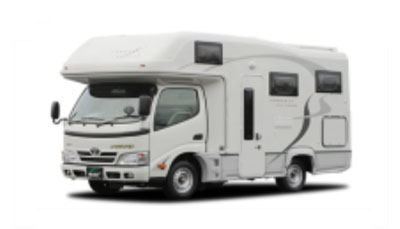
Choosing the right RV for your Tokyo adventure is crucial for comfort and ease of navigation, and a standard car driver's license is sufficient for all motorhome classes. For beginners, Bandana focuses exclusively on motorhomes and campervans. * **For a Couple: Class C - Alcove (Compact Model)** While Bandana's Tokyo fleet typically lists Class C - Alcove models with an average of 6 sleeping places, a compact variant (around 5 meters in length) is highly recommended for couples. These models offer sufficient living space, a comfortable bed (like the 140/200cm double bed found in some Class C models), and are more maneuverable on Japan's narrower roads and in urban environments compared to larger vehicles. Their integrated amenities like a refrigerator and stove provide convenience without the bulk, making parking and driving less intimidating for two. * **For a Family: Class C - Alcove** For families of 2+2 or groups up to 6 people, the Class C - Alcove remains the ideal choice due to its average sleeping capacity for 6 people and accommodation for 3 adults, making it suitable for a family with children. With an average length of 5 meters, it strikes a balance between interior comfort and manageable size for Japanese roads. The overhead alcove bed provides extra sleeping space, ensuring everyone has room to relax after a day of exploration. Bandana’s fleet currently focuses on these practical and family-friendly models for the Tokyo region. Our Rent&Plan service can help you find the best vehicle for your needs.What are the challenges of driving an RV in Japan?
Driving a rented RV in Japan, especially for beginners in and around Tokyo, presents unique challenges including navigating narrow roads, understanding complex toll systems, adhering to specific height and width restrictions, and managing traffic in dense urban areas for larger vehicles. Japanese roads outside major highways can be surprisingly narrow, particularly in traditional towns and rural areas, requiring careful maneuvering of an RV, even compact models. Always remember to drive slowly and carefully, and you can drive almost anywhere without issues. The expressway toll system in Japan is extensive and can be expensive; using an ETC (Electronic Toll Collection) card is highly recommended to streamline payments, though understanding the varying costs is essential for budgeting a trip. Drivers must be acutely aware of height and width restrictions for tunnels, bridges, and parking garages, which may not always be clearly marked in English. Traffic in metropolitan Tokyo is dense, and while RVs are not common within the city center, knowing how to navigate peripheral routes and understanding local traffic management (like specific turns or lanes) is important. Lane discipline is strict, and signage is predominantly in Japanese, although major routes often have English translations; having a reliable GPS with English support is critical for seamless navigation.🎬 Video coming soon
Where can I park my RV in Tokyo?
Parking a rented RV in central Tokyo is generally impractical due to size restrictions and cost, making it essential to identify suitable day parking for sightseeing and safe overnight RV parks within or near the city. For day parking while sightseeing in Tokyo, it's advisable to park your RV at designated larger parking facilities located on the outskirts of the city or near major train stations like Shinjuku or Shibuya and then utilize Japan's efficient public transportation system for inner-city exploration. Safe overnight RV parks are rare directly within Tokyo's 23 wards but can be found in neighboring prefectures like Chiba, Saitama, or Kanagawa, offering amenities such as hookups and waste disposal. Many RV PLANET routes include recommended overnight spots. Michi-no-Eki (roadside stations) are excellent options for temporary rest and often permit overnight parking, though they are primarily rest stops and not full-service campgrounds; always adhere to their rules and be respectful of other users. General car parking lots in Tokyo are typically too small for RVs, and multi-story parking garages will almost certainly have height and weight restrictions that a motorhome cannot meet. Consider hybrid travel strategies by parking your rented campervan at an accessible location outside the immediate city center, like a dedicated RV park or a michi-no-eki, and using trains or buses for your urban adventures.What are the rules for RV camping in Japan?
RV camping in Japan requires adherence to specific cultural etiquette and waste disposal protocols, respectful noise considerations, and understanding the rules for both traditional campgrounds and michi-no-eki (roadside stations). Wild camping or 'boondocking' is generally frowned upon and often illegal in Japan; sticking to designated campsites, RV parks, or approved michi-no-eki is crucial for respectful RV travel. Michi-no-Eki are widespread and excellent for short overnight stops, providing safe parking, restrooms, and often local produce, though they are public facilities, not full campgrounds; respect quiet hours, do not set up extensive outdoor living spaces (like awnings or BBQ grills), and keep the area clean. Waste disposal protocols are strict: always use designated dump stations for black and grey water, often found at RV parks or some michi-no-eki with specific facilities, and separate trash according to Japan's detailed recycling rules. Noise considerations are paramount; keep noise levels low, especially during evening hours, and be mindful of your neighbors to maintain harmony within quiet Japanese communities. When interacting with locals, a polite and respectful demeanor is appreciated; learning a few basic Japanese phrases can significantly enhance your experience and avoid misunderstandings. Information on specific RV amenities and features relevant to Japan, such as hookup standards (usually 100V, two-prong outlets), waste disposal stations ('dump stations'), and water refilling points, can often be found on michi-no-eki websites or dedicated RV park directories. This thoughtful approach ensures a smooth trip, as highlighted in our "RV Rental Japan - Complete Guide 2026".How much does it cost to rent an RV in Japan?
The cost to rent an RV in Japan typically ranges from ¥15,000 to ¥30,000 per day (approximately $100-$200 USD), but a comprehensive budget for an RV trip extends beyond just rental costs to include fuel, tolls (a significant expense), campgrounds, food, and activity costs. Rental prices are dynamic, similar to flight tickets, and vary based on the RV class (e.g., a compact Class C Alcove like the "rent rv example A1" which is ideal for a couple), season, rental duration (week-long vs. extended trip), and included amenities. Booking in advance, especially during peak seasons like spring or autumn, can often secure better rates, potentially saving up to 20%. Fuel costs in Japan are comparable to or slightly higher than Western countries, and a rented RV will consume more than a passenger car; budget for regular fill-ups, especially on longer routes. Tolls on Japan's expressways are a substantial expense, with a multi-day trip easily accumulating several thousand yen; consider purchasing an ETC (Electronic Toll Collection) card for smoother travel, though costs remain. Campground fees generally range from ¥2,000 to ¥5,000 per night for a basic site, with higher prices for full hookups or premium locations; michi-no-eki are often free for overnight parking but offer fewer amenities. Food costs can be managed by cooking some meals in your RV, but dining out for local specialties should also be factored in (e.g., ¥1,000-¥3,000 per person per meal). Activity costs for attractions like museums, onsen (hot springs), or special tours should be included in your daily budget, typically ranging from ¥500 to ¥2,000 per person per activity. For more detailed insights, check our "Cheap RV Rental in Tokyo - Budget Guide 2026".What is the best month to RV in Japan?
The best months to RV in Japan, especially around Tokyo, are generally spring (late March to May) and autumn (October to November), offering mild weather, beautiful scenery, and avoiding the peak summer humidity and winter snow in many areas. Spring is ideal for witnessing Japan's famous cherry blossoms, which typically bloom from late March to early April in the Tokyo region, creating picturesque backdrops for RV travel. Temperatures during this period usually range from 10°C to 20°C (50°F to 68°F), making outdoor activities comfortable. Autumn brings vibrant foliage, particularly from late October to November, with comfortable temperatures perfect for hiking and outdoor activities, typically between 15°C and 25°C (59°F to 77°F). Summer (June to September) can be hot and humid, with June and July also being typhoon season, which can lead to heavy rain and potential travel disruptions; however, coastal areas like the Izu Peninsula offer beach activities. Winter (December to February) around Tokyo is generally cold but with less snow than northern Japan; RVing during this time might require specific winter-proof vehicles and consideration for road conditions if venturing into mountainous regions, but offers unique opportunities like winter illuminations and onsen experiences. Always check seasonal and weather considerations for your specific route closer to your travel dates, especially regarding typhoon warnings or heavy snowfall in higher elevations.Is Japan RV friendly for beginners?
Japan is increasingly RV-friendly, especially with the growing network of michi-no-eki (roadside stations) and dedicated RV parks, although beginners should be prepared for specific challenges like narrow roads, distinct cultural etiquette, and managing urban parking. The concept of 'RV friendliness' in Japan is evolving; while not as prevalent as in North America or Europe, infrastructure for RVers is improving, with a strong emphasis on cleanliness, order, and respect for local communities. Michi-no-Eki are a cornerstone of RV travel, providing safe overnight parking, restrooms, and often local produce, though they require adherence to rules against extended camping setups. Driving a rented motorhome requires extra caution due to narrower roads and complex toll systems, but the excellent road quality and polite driving culture make it a generally safe experience. Remember, drive slowly and carefully, and you can drive almost anywhere without issues. Safety and emergency preparedness are high in Japan, with clear protocols for natural disasters like earthquakes and tsunamis; carrying local emergency numbers and understanding basic procedures is advisable. Hybrid travel strategies, involving parking the RV outside major city centers and utilizing Japan's exceptional public transport, make exploring dense urban areas like Tokyo convenient and efficient. While traditional campgrounds are less common than michi-no-eki, a growing number of private RV parks offer full amenities like hookups and dump stations, catering to a diverse range of RVers, as detailed in our "RV Rental Japan - Complete Guide 2026".What You Shouldn't Miss
- **Hakone Open-Air Museum:** This museum seamlessly blends art with nature, featuring large-scale sculptures set against the backdrop of Hakone's mountains. It's an excellent stop for a leisurely afternoon.
- **Michi-no-Eki Fujiyoshida:** More than just a roadside station, this michi-no-eki offers local produce, crafts, and often has an onsen. It's a fantastic spot to experience Japanese roadside culture and stock up on local delicacies near Mount Fuji.
- **Shimoda Fish Market:** Located on the Izu Peninsula, this market is perfect for sampling fresh seafood directly from the fishing port. Experience the vibrant atmosphere and enjoy local specialties.
- **Shuzenji Onsen Town:** This historic hot spring town in Izu offers a serene escape. Wander through its bamboo forest path, visit ancient temples, and enjoy a traditional onsen experience. It's a picturesque spot for cultural immersion.
- **Chureito Pagoda:** For that iconic, postcard-perfect view of Mount Fuji framed by a beautiful pagoda and cherry blossoms (in spring), this spot near Kawaguchiko is absolutely unmissable.
- **Any local Soba or Udon restaurant:** Look for small, family-run eateries, especially outside major tourist hubs, to savor authentic Japanese noodles. These often provide a more genuine taste of local cuisine and hospitality.
Looking for expert insights from Avi Bandana? Top 5 Adventures - recommendations from Avi Bandana
Avi Bandana, our founder, has personally traversed countless landscapes by RV. His recommendations are born from a deep love for the open road and an unwavering commitment to authentic travel experiences. He firmly believes in the power of slow travel to truly connect with a destination's heart.
Final Thoughts
Embarking on your first RV rental adventure in Tokyo is an experience like no other. Imagine the freedom of a rented motorhome, taking you from the vibrant energy of city outskirts to the tranquil beauty of Mount Fuji and the Izu Peninsula. With a bit of planning and the right mindset for slow travel, you'll discover a side of Japan that many travelers miss. Remember, Bandana Caravan is here to support you every step of the way, from comparing prices and choosing the perfect campervan to providing expert itinerary inspiration through RV PLANET. Our goal is to ensure your first RV trip to Tokyo is not just a vacation, but a truly unforgettable adventure, filled with discovery and cherished memories. So, what are you waiting for? Your Japanese road trip awaits! Find Motorhome Rentals in TokyoOn the routes offered through RV PLANET routes, you can itemize and track every expense along the way for easy budgeting.