In This Guide
- Best Tokyo - Airport RV Itinerary for rv rental beginners - Overview
- 7-Day Classic Route in Tokyo - Airport
- 14-Day Extended Journey in Tokyo - Airport
- Recommended RVPlan Trip for Tokyo - Airport
- Must-See Stops Along the Way (Avi Bandana Picks)
- Daily Driving Distances & Drive Times in Tokyo - Airport
- Best RV Class for This Itinerary - Couple & Family Picks
- How do I pick up my RV from Narita or Haneda Airport?
- What's the difference between picking up an RV at Narita vs. Haneda?
- Where can I buy groceries and supplies after RV pickup in Tokyo?
- How much luggage can I bring in a Japanese RV?
- How do I navigate Japanese roads and tolls from the airport?
- What are my transport options if my RV rental is delayed at the airport?
- What RV etiquette should I know for Japan, especially near the airport?
Best Tokyo - Airport RV Itinerary for rv rental beginners - Overview
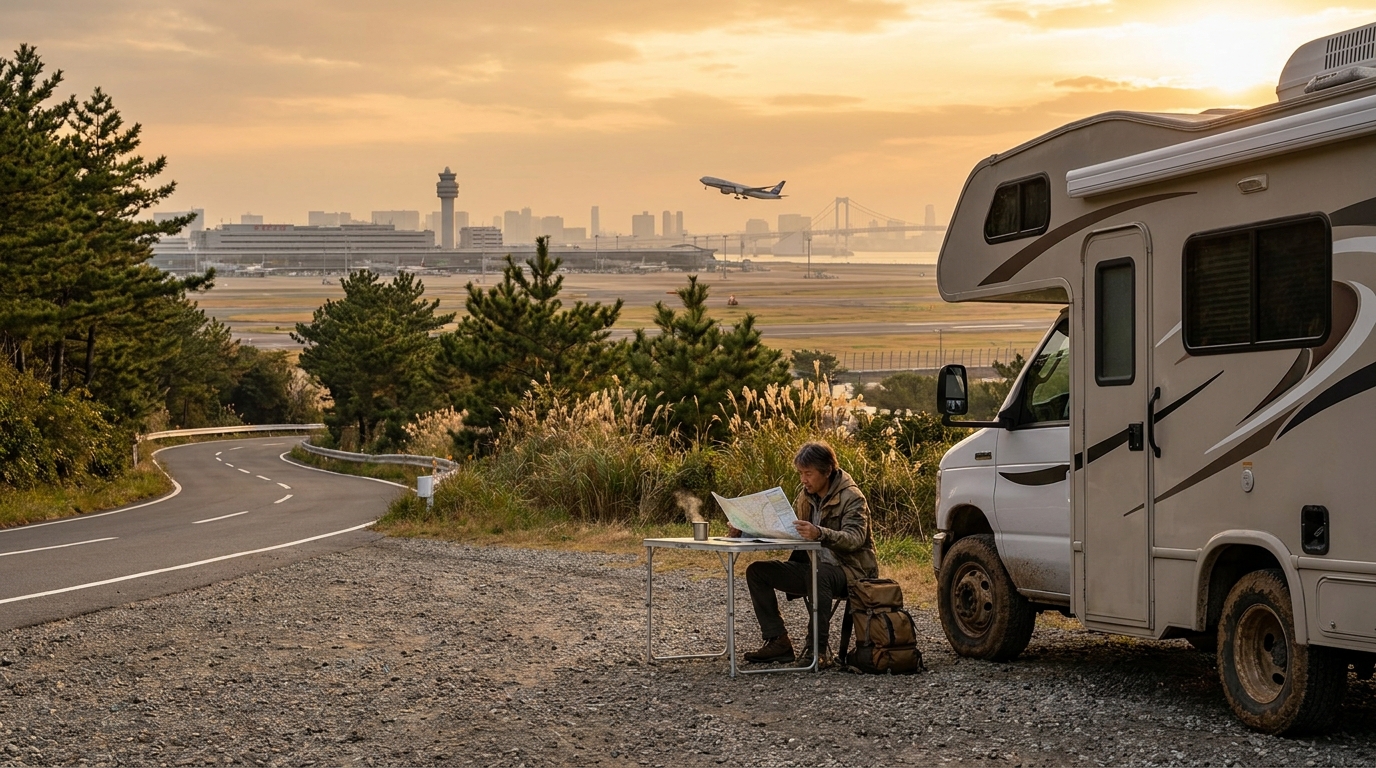
This itinerary guides first-time RV renters through a memorable journey starting from Tokyo's airports, covering approximately 800-1000 km over a recommended minimum of 7 days, with optimal travel during spring (cherry blossoms, late March to early April) or autumn (fall foliage, late October to November). Imagine yourself collecting your cozy rented motorhome near Narita International Airport and immediately heading west towards the iconic Mount Fuji. This initial route prioritizes scenic beauty and manageable daily driving distances, typically around 100-150 km, allowing plenty of time to soak in Japan's unique culture and breathtaking landscapes. For live availability and current prices, start with our RV Rental Tokyo - Airport - Complete Guide 2026 guide.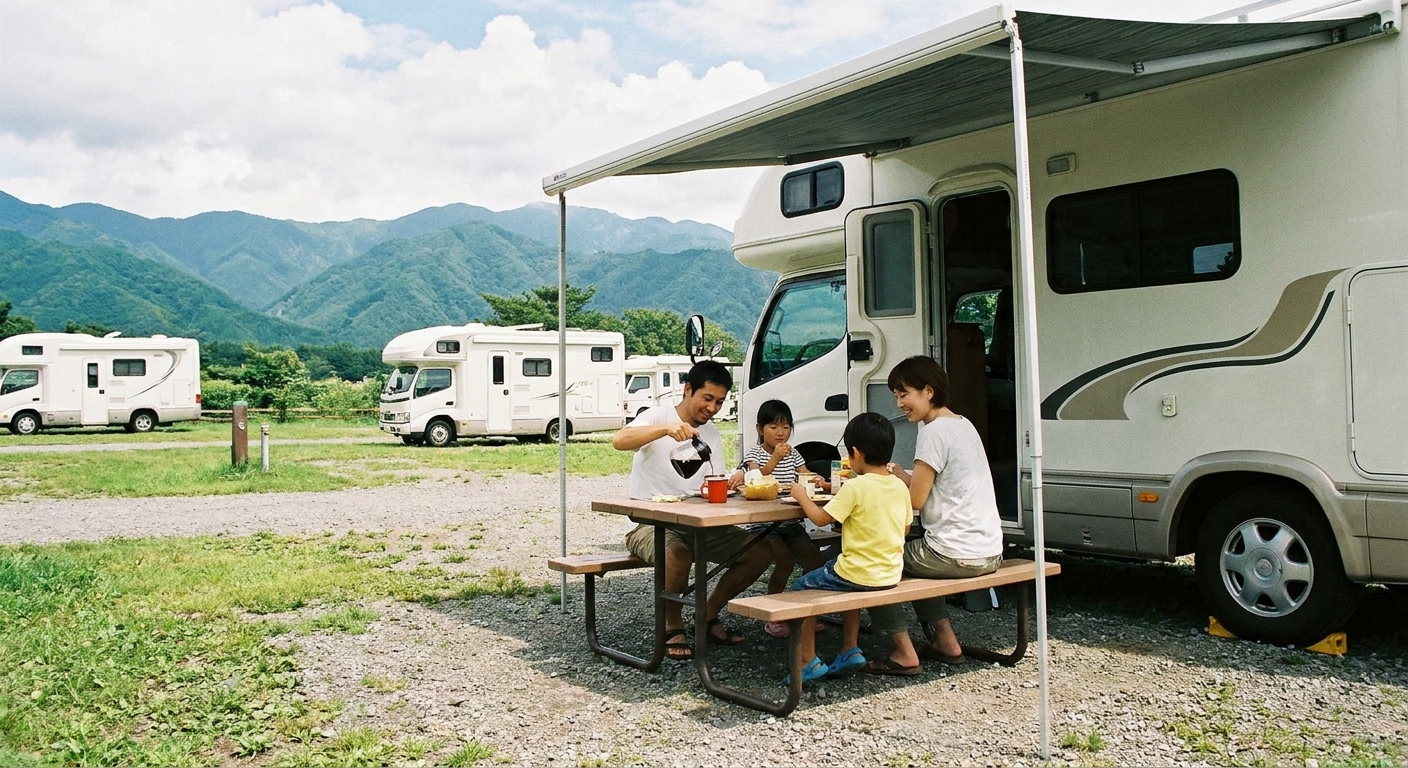
7-Day Classic Route in Tokyo - Airport
A compact, 7-day RV itinerary from Tokyo - Airport offers a perfect introduction to Japan's natural beauty and cultural highlights, ideal for first-time renters. The route is designed to keep driving relaxed, adhering to the recommended maximum of 100-150 km per day. * **Day 1: Airport pick-up → Near Fujinomiya (Lake Tanuki) (approx. 150 km).** After picking up your rental RV, drive southwest to Lake Tanuki, enjoying stunning views of Mount Fuji. Settle in at Fumotoppara Campground, known for its panoramic Fuji vistas and ample space for motorhomes. * **Day 2: Fujinomiya → Hakone (approx. 60 km).** Head to Hakone, a mountainous resort town famous for its hot springs and artistic attractions. Explore the Hakone Open-Air Museum, take a scenic Lake Ashi cruise, and consider an overnight stay at a nearby camping/RV park or 'Michi-no-Eki' near Hakone Yuryo Onsen. * **Day 3: Hakone → Izu Peninsula (approx. 80 km).** Drive along the picturesque Izu coast, renowned for its dramatic cliffs and beautiful beaches. Visit the Jogasaki Coast for a breathtaking walk. Find a comfortable stop at Michi-no-Eki Ito Marine Town, which often provides good facilities for RVs. * **Day 4: Izu Peninsula → Kawaguchiko (approx. 120 km).** Return to the Fuji Five Lakes region, focusing on Lake Kawaguchiko. Don't miss the iconic Chureito Pagoda for postcard-perfect views of Mount Fuji and cherry blossoms (in season). Koan Camping Ground offers a prime location by the lake. * **Day 5: Kawaguchiko → Karuizawa (approx. 150 km).** Journey north to Karuizawa, an upscale mountain resort town. Enjoy cycling through lush forests, explore quaint shops, or visit the Shiraito Falls. Sweet Grass Camping Field is a popular choice for RVs in this area. * **Day 6: Karuizawa → Nikko (approx. 120 km).** Drive to Nikko, home to UNESCO World Heritage shrines and temples. Spend the day visiting the elaborate Toshogu Shrine and the stunning Kegon Falls. Nikko Kirifuri Kogen Campground provides a tranquil setting for your overnight stay. * **Day 7: Nikko → Tokyo Airport drop-off (approx. 150 km).** Conclude your adventure by returning to your designated Tokyo airport (Narita or Haneda) for your RV rental drop-off, allowing ample time for traffic and final checks.14-Day Extended Journey in Tokyo - Airport
For those with more time, a 14-day extended RV rental adventure from Tokyo - Airport allows for deeper exploration of the region’s diverse attractions, still embracing the principle of slow travel with minimal daily distances. This longer route expands upon the classic itinerary, venturing further into Northern Kanto and coastal Chiba. * **Days 1-7: Follow the 7-day Classic Route outlined above.** Enjoy the core highlights of Mount Fuji, Hakone, Izu, and Nikko at a leisurely pace. * **Days 8-9 (Northern Kanto Exploration): Nikko → Oze National Park (approx. 80 km).** From Nikko, head west to Oze National Park, a pristine wetland paradise. Dedicate two days to hiking the boardwalks through untouched nature, especially beautiful in summer or early autumn. Find camping spots or simple overnight parking near Oze National Park. * **Days 10-11 (Coastal Charm): Oze → Hitachi Seaside Park (approx. 180 km, split into two days).** Travel east towards the coast, taking your time to appreciate the changing scenery. Hitachi Seaside Park is famous for its vast seasonal flower fields, like nemophila in spring or kochia in autumn. Plan an overnight stay near Mito to break up the journey and allow for full enjoyment of the park. * **Days 12-13 (Chiba's Nature & Coast): Hitachi Seaside Park → Boso Peninsula (approx. 100 km).** Head south to the Boso Peninsula in Chiba prefecture. Explore its rugged coastal views, discover local surf spots, or visit charming local farms and markets. Consider staying at Mother Farm (or a similar family-friendly campsite) for a unique experience. * **Day 14: Boso Peninsula → Tokyo Airport drop-off (approx. 80 km).** Enjoy a final scenic drive back towards your Tokyo airport pickup location, ensuring you allow plenty of buffer time for traffic before returning your rented RV.Recommended RVPlan Trip for Tokyo - Airport
For rv rental beginners in Tokyo - Airport, RV PLANET (rvplan.net) offers a fantastic way to simplify your travel, eliminating the stress of planning and ensuring you maximize your adventure. As there isn't a specific RVPlan trip provided in this instance, we recommend exploring the diverse range of ready-made itineraries available on the RV PLANET platform. These expertly curated trips are designed to cater to various interests and durations, ensuring a seamless and unforgettable RV adventure across Japan, complete with detailed routes, recommended stops, and practical tips tailored for first-time visitors. With RV PLANET routes, travelers can itemize and track every expense along the way for easy budgeting. This proactive approach to trip planning gives you the peace of mind to focus on enjoying Japan’s incredible sights.Must-See Stops Along the Way (Avi Bandana Picks)
For beginners navigating Japan by rented RV from Tokyo's airports, Avi Bandana recommends prioritizing stops that offer both cultural insight and practical convenience. These selected spots are easily accessible for motorhomes and provide a genuine taste of Japan without the overwhelming crowds often found in city centers. * **Mount Fuji (Fuji Five Lakes Region):** The iconic symbol of Japan, Mount Fuji offers breathtaking views from various spots around the Fuji Five Lakes. Specifically, try Chureito Pagoda for classic views, or a serene overnight stay at a campground around Lake Kawaguchiko. * **Hakone Open-Air Museum:** This unique museum in Hakone blends art with nature, offering an enjoyable and relaxed experience for all ages. It's easily accessible by RV, providing ample parking. * **Michi-no-Eki Roadside Stations:** These Japanese rest stops are an RV traveler's best friend. Look for `Michi-no-Eki` (roadside stations) like Michi-no-Eki Ito Marine Town for local produce, unique snacks, clean facilities, and often free overnight parking for your motorhome. * **Nikko Toshogu Shrine:** A UNESCO World Heritage site, this elaborately decorated shrine offers a deep dive into Japan's history and religious art. It’s a manageable drive from Tokyo - Airport and offers significant cultural value. * **Karuizawa's Shiraito Falls:** For a touch of natural beauty, these cascading waterfalls near Karuizawa offer a tranquil escape. The area is known for its serene atmosphere and pleasant cycling routes, perfect for slow travel.Daily Driving Distances & Drive Times in Tokyo - Airport
Avi Bandana recommends a maximum of 100 miles or 150 km per day on average when traveling by rented RV from Tokyo - Airport to ensure a relaxed pace and ample time to enjoy the scenery and local attractions, allowing beginners to acclimate to driving in Japan without feeling rushed. This philosophy of slow travel is crucial for an enjoyable journey, especially when navigating unfamiliar roads. * Narita Airport (NRT) to Lake Kawaguchiko: Approximately 170 km (105 miles), 2.5-3 hours drive. * Haneda Airport (HND) to Hakone: Approximately 90 km (56 miles), 1.5-2 hours drive. * Lake Kawaguchiko to Nikko: Approximately 150 km (93 miles), 2.5-3 hours drive. These estimates exclude stops for fuel, sightseeing, and meals, emphasizing the importance of not over-scheduling your days. Remember, the journey is as important as the destination when you travel by motorhome. For longer trips, consider our Weekly RV Rental in Tokyo - Airport - Pricing 2026 to budget effectively.Best RV Class for This Itinerary - Couple & Family Picks
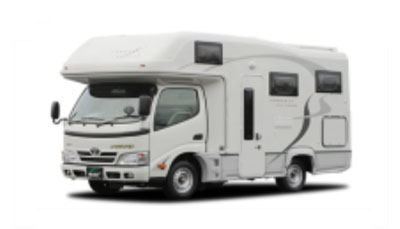
Selecting the right RV class is paramount for a comfortable and enjoyable first-time RV rental adventure from Tokyo's airports. Bandana RV offers full transparency with its fleet details, ensuring you know exactly what you're getting. For a couple embarking on their first RV adventure from Tokyo's airports, the **Class B - Camper Van** is an ideal choice due to its maneuverability and compact size, making it easier to navigate Japan's narrower roads and parking. Bandana's fleet typically shows Class B Camper Vans with an average length of 5.8 meters and sleeping places for 3.2, comfortably accommodating 2.7 adults, offering sufficient space without being overwhelming. These models, like a "rental rv example Category Van" with features like "Front Air condition" and a "Shower," are perfect for two people. For families with kids, the **Class C - Alcove** motorhome provides ample space and comfort, crucial after long flights and for extended travel. Bandana's Class C Alcove models typically average 7.5 meters in length and offer 5.8 sleeping places, accommodating 4.4 adults, ensuring everyone has room to relax and store luggage. A "rental rv example Comfort Class" with "3 double beds" and "RV size - Large" would be an excellent choice for a family of 4-6. Regardless of your choice, consider Bandana's 'Rent&Plan' service, which bundles your RV rental with a ready-made itinerary crafted by travel experts, providing full access to trip-planning software to remove the planning headache for first-time renters. You can even enjoy a 25% planning discount when you use rvplan.net for your routes.How do I pick up my RV from Narita or Haneda Airport?
Upon arrival, collecting your RV rental from Narita (NRT) or Haneda (HND) typically involves taking a pre-arranged shuttle service from the airport terminal to the rental depot, which is often located a short distance away (usually within 10-30 km). The process usually begins with contacting your rental provider after clearing customs to confirm your arrival and shuttle pick-up point, ensuring a smooth transition from plane to rented RV. Many rental companies operate off-site depots; confirm the exact pick-up procedure and location details well in advance of your trip to avoid any surprises. Remember, Bandana RV provides transparent information and support before and during your booking process to clarify all these details.What's the difference between picking up an RV at Narita vs. Haneda?
The primary difference between picking up a rented RV at Narita (NRT) versus Haneda (HND) for RV travelers lies in their geographical location relative to central Tokyo and the immediate driving environment. Narita (NRT), located approximately 60-70 km east of central Tokyo, often involves slightly longer initial travel times to popular destinations like Mt. Fuji or Hakone but typically offers a less congested initial driving experience on wider expressways. Conversely, Haneda (HND), being closer to central Tokyo (around 15-20 km), provides quicker access to the city and potentially faster routes to western destinations, though initial driving might involve more urban traffic immediately after leaving the airport area, impacting ease of access and initial driving conditions. Rental availability can vary; some operators might have primary depots closer to one airport than the other, influencing convenience. Our RV Rental Japan - Complete Guide 2026 provides more context on general RV travel in the country.Where can I buy groceries and supplies after RV pickup in Tokyo?
After picking up your rented RV from Narita or Haneda, the most practical approach for immediate grocery and supply needs is to locate a large supermarket (like Aeon, Ito-Yokado, or Life Supermarket) or a roadside station (Michi-no-Eki) a short drive from the rental depot, usually within 5-15 km. Many rental companies can provide recommendations for the nearest suitable stores, and these locations are ideal for stocking up on groceries, water, and other essentials. For finding fresh ingredients for your RV-friendly recipes playlist, local markets at Michi-no-Eki are excellent. Propane refills are typically handled by dedicated gas stations or camping supply stores, which might require specific local knowledge or assistance from your rental provider. For a convenient first night, consider asking your rental company about recommended camping spots or Michi-no-Eki locations close to the airport that also have nearby shopping facilities.How much luggage can I bring in a Japanese RV?
When renting a Japanese RV, particularly for first-timers, it's crucial to understand that vehicle capacity, especially for luggage, can be significantly smaller than what international travelers might expect from European or North American RVs. Even with Bandana's global fleet average load capacity ranging from 37 kg for a Class B - Camper Van to 72.2 kg for a Class SI - Semi-integrated, Japanese models often prioritize compact design for narrower roads and parking. Travelers should aim for soft-sided bags and minimize non-essential items to maximize space and comfort after a long international flight, as hard-shell suitcases can be cumbersome to store. Prioritize essentials and consider packing light to avoid overloading the vehicle and ensure comfortable movement within the rented RV.How do I navigate Japanese roads and tolls from the airport?
Navigating Japanese roads directly from Narita or Haneda airports involves becoming familiar with their efficient toll road system and potentially narrower local streets, which requires attention to signage (often in Japanese and English) and using a reliable GPS. For tolls, consider purchasing an ETC (Electronic Toll Collection) card from your rental company, which typically costs around $30-$50 USD and allows for automatic payment and smoother passage through toll gates, greatly simplifying the experience of starting your journey from the airport and transitioning to wider expressways. Drive slowly and carefully, and you can drive almost anywhere without issues. No need to stress - just use common sense and pay attention. Familiarize yourself with basic road signs and traffic rules before you set off, and always have a fully charged smartphone with a mapping app as a backup. Our Driving an RV in Tokyo - Airport - Complete Guide 2026 offers more detailed local driving tips.What are my transport options if my RV rental is delayed at the airport?
If your RV rental from Narita or Haneda is unexpectedly delayed, alternative transportation options from the airport include high-speed trains like the Narita Express (N'EX) or Keisei Skyliner from Narita, or the Keikyu Line from Haneda, both providing efficient access to central Tokyo for approximately $10-$30 USD. Taxis are also available, though more expensive (potentially $100+ USD to central Tokyo), and can be a direct option if you're traveling with significant luggage or have immediate accommodation needs near the airport. Depending on the rental depot's location, local bus services might offer a direct route, ensuring you can reach accommodation or a temporary meeting point without significant disruption. Always keep your rental company's contact information handy to communicate any delays and inquire about their contingency plans or recommendations for getting to the depot if the shuttle is affected. Remember, Bandana is with you before and after your booking is confirmed to assist with such concerns.What RV etiquette should I know for Japan, especially near the airport?
RVing in Japan, particularly for first-time visitors immediately after arrival, requires adherence to specific cultural etiquette to ensure a respectful and smooth journey. Key practices include utilizing designated parking at `Michi-no-Eki` (roadside stations) for overnight stays rather than wild camping, as free overnight parking outside these designated areas is generally frowned upon or illegal, though many national/state parks reserve only 25-30% of spots - the rest are first-come-first-serve, so you'll find a spot. If not at the first campground, then the next one; just call ahead before driving. Meticulously separating and disposing of waste according to local municipal rules is crucial; Japan has strict recycling guidelines, often involving multiple bins for burnable, non-burnable, plastics, and glass. Maintain a low profile in residential areas, especially regarding noise, and always ask permission before parking or staying overnight on private property, which is rare but can be possible with direct consent. Be mindful of onsen (hot spring) etiquette if you visit these public baths, showering thoroughly before entering the communal waters and covering tattoos where required, showing respect for local customs.What You Shouldn't Miss
- **A Panoramic View of Mount Fuji:** Head to the Fujisan Hongu Sengen Taisha Shrine in Fujinomiya for a grand view of the mountain, then visit Lake Tanuki for its tranquil reflections, especially at sunrise.
- **Hakone's Cultural Delights:** Take the Hakone Ropeway for aerial views of Lake Ashi and Mount Fuji, then explore the unique sculptures and natural beauty at the Hakone Open-Air Museum.
- **Izu Peninsula's Coastal Wonders:** Drive the Izu Skyline, a toll road offering incredible ocean and mountain vistas, and hike a section of the Jogasaki Coast for dramatic cliffside scenery and the iconic Kadowakitsuri Suspension Bridge.
- **Chureito Pagoda and Fuji-Q Highland:** Capture the classic Mount Fuji shot with the Chureito Pagoda and cherry blossoms (in spring), or for thrill-seekers, spend a day at Fuji-Q Highland amusement park, which boasts rides with Fuji as a backdrop.
- **Karuizawa's Resort Charm:** Cycle along the tranquil Kogen no Michi path, visit the elegant Stone Church, and enjoy shopping at the Prince Shopping Plaza outlets.
- **Nikko's UNESCO Shrines:** Immerse yourself in history at the lavish Toshogu Shrine, Futarasan Jinja Shrine, and Taiyuinbyo Mausoleum. Don't forget to witness the powerful Kegon Falls and the serene Lake Chuzenji.
Final Thoughts
Embarking on your first RV rental journey from Tokyo - Airport is an incredible way to experience Japan beyond its bustling cities. With careful planning and the right vehicle, you can unlock a world of serene landscapes, cultural treasures, and unforgettable memories. Remember to embrace the spirit of slow travel, allowing yourself the flexibility to discover hidden gems and truly connect with the places you visit. At Bandana Caravan, we are true RV specialists who genuinely love helping people discover the joys of motorhome travel. We're here to provide you with full transparency, expert itineraries, and unwavering support before, during, and after your booking, ensuring your first RV adventure in Japan is as smooth and enjoyable as possible. Get inspired for your next trip and start comparing options today! Find Motorhome Rentals in Tokyo - AirportOn the routes offered through RV PLANET routes, you can itemize and track every expense along the way for easy budgeting.