For live availability and current prices, start with our RV Rental North Europe - Complete Guide 2026 guide.
In This Guide
- Best North Europe RV Itinerary for RV Rental Beginners — Overview
- 7-Day Classic Route in North Europe
- 14-Day Extended Journey in North Europe
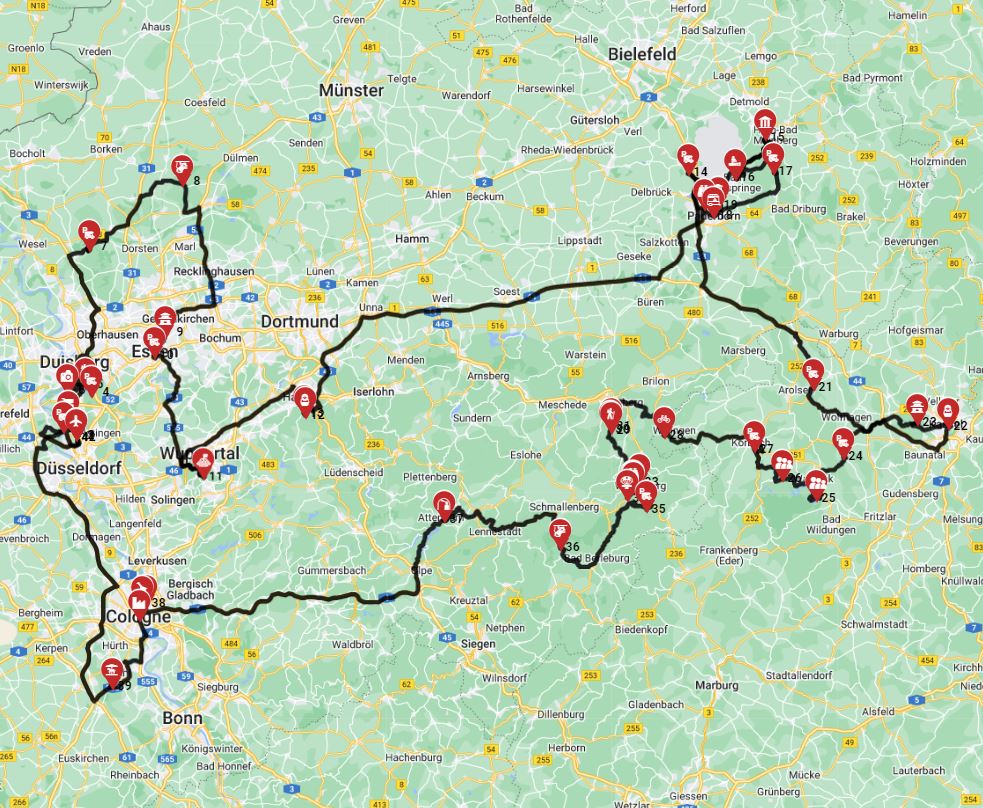
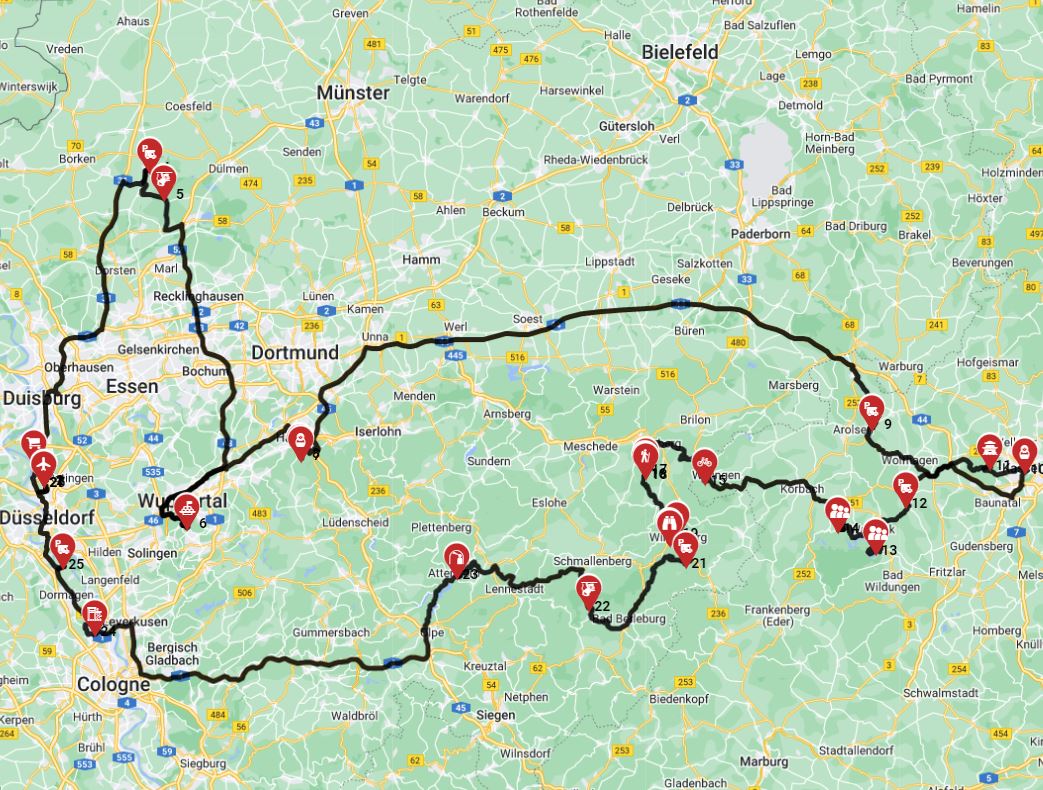
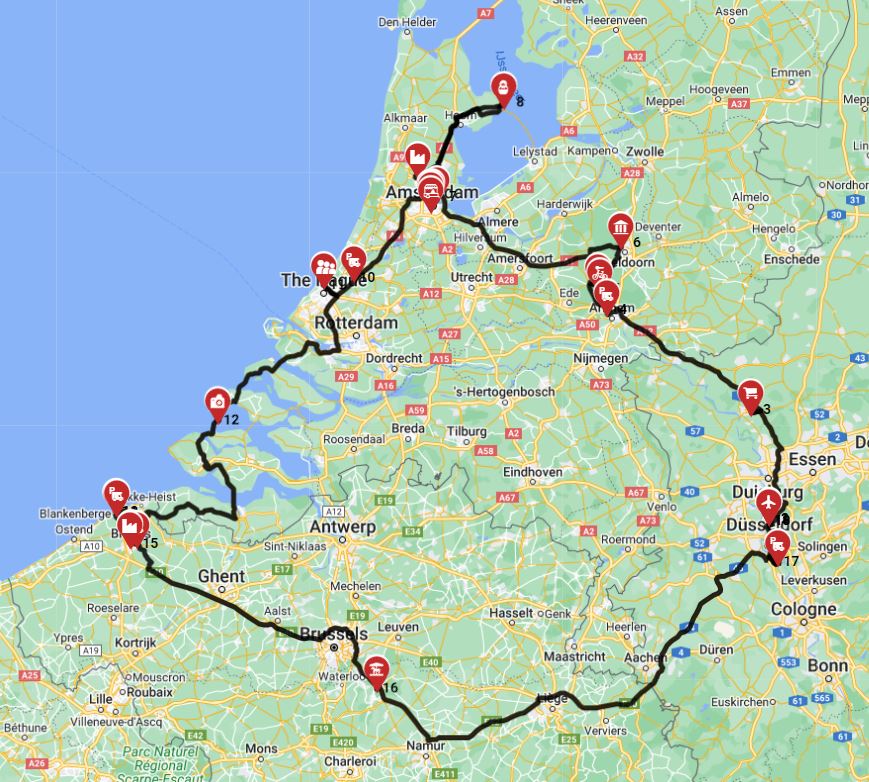
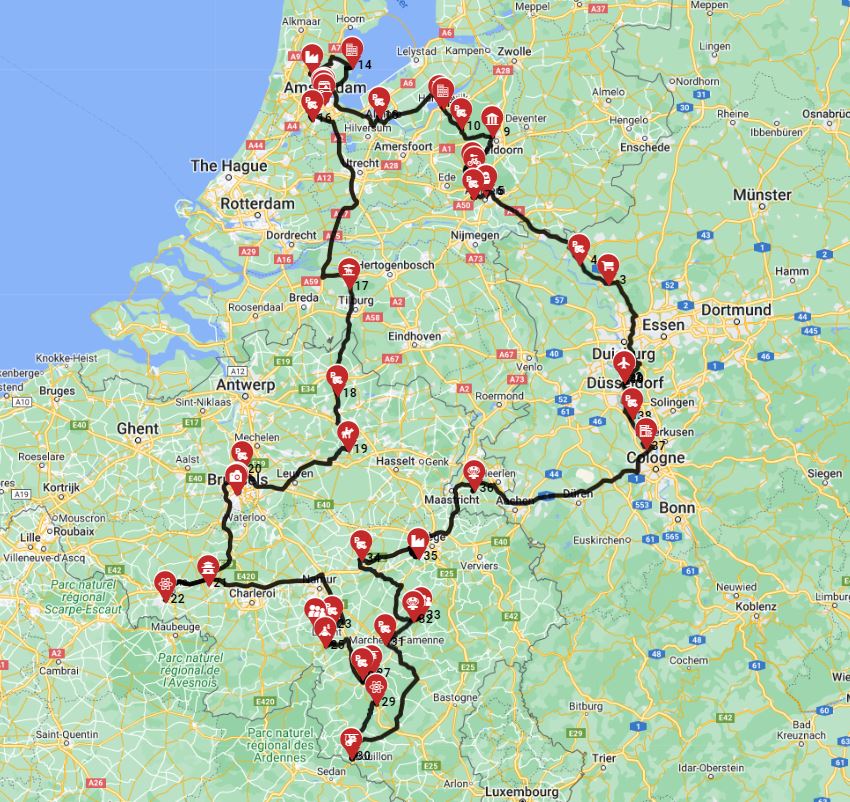
- Recommended RVPlan Trip for North Europe
- Must-See Stops Along the Way (Avi Bandana Picks)
- Daily Driving Distances & Drive Times in North Europe
- Best RV Class for This Itinerary — Couple & Family Picks
- What is the 3-3-3 rule for RV travel?
- What is the 333 rule for campervan?
- How easy is it to travel around Europe in a motorhome?
- What's the best RV rental site?
- What are the best RV trips in Europe?
- What is the 4-4-4 rule for RV travel?
- How much does it cost to rent an RV in Europe?
- Is it cheaper to rent an RV or stay in a hotel?
- Is RVing a thing in Europe?
Best North Europe RV Itinerary for RV Rental Beginners — Overview
Embarking on your first RV adventure in North Europe can be incredibly rewarding, especially with a well-planned, beginner-friendly itinerary. These routes are designed to showcase the stunning natural beauty and rich cultural heritage of countries like Norway, Sweden, and Denmark, without overwhelming new RVers. A recommended minimum duration for such a trip is 7 days, ideally scheduled during the summer months (June to August) for the most pleasant weather and accessible roads. The focus is always on slow travel, enjoying the journey with average daily distances kept to approximately 100-150 km, allowing ample time for spontaneous stops at scenic viewpoints and charming villages.
7-Day Classic Route in North Europe
A classic 7-day RV route in North Europe often focuses on a specific region to maximize enjoyment and minimize long driving days, with Southern Norway being a popular and stunning choice. This itinerary typically offers manageable daily distances and features iconic sights that are perfect for first-time RV explorers.
Day 1: Oslo → Lillehammer (180 km). Begin your journey from Oslo, heading north to Lillehammer, a city renowned for its Olympic heritage. Overnight at Lillehammer Camping.
Day 2: Lillehammer → Lom (160 km). Continue through the picturesque Gudbrandsdalen Valley, stopping to admire the historic Lom Stave Church. Find rest at Lom Camping.
Day 3: Lom → Geirangerfjord (100 km). Experience the dramatic landscapes as you approach the Geirangerfjord, including a visit to the Dalsnibba viewpoint for breathtaking fjord vistas. A fjord cruise is a must. Stay at Geiranger Camping.
Day 4: Geirangerfjord → Ålesund (100 km). Travel to the charming Art Nouveau town of Ålesund, a route that includes a common ferry crossing. Overnight at Ålesund Camping.
Day 5: Ålesund → Atlantic Ocean Road → Molde (120 km). Drive one of Norway's most iconic roads, the Atlantic Ocean Road, offering spectacular coastal views before reaching Molde. Accommodation at Molde Fjordstuer.
Day 6: Molde → Trollstigen → Valldal (100 km). Navigate the famous Trollstigen, a serpentine mountain road (check seasonal opening), and enjoy the mountain landscapes. Consider staying at Valldal Camping.
Day 7: Valldal → Oppdal → Dombås → Oslo (approx. 340 km total). Begin your return journey south. The drive from Dombås back to Oslo is longer, so consider breaking it up or preparing for a full day's travel. You'll typically return your rented RV upon arrival in Oslo.
14-Day Extended Journey in North Europe
An extended 14-day RV journey through North Europe allows for a more immersive experience, enabling you to explore a country's diverse landscapes and cultural sites at a comfortable pace. This longer timeframe is ideal for a regional loop, combining natural wonders with historical insights without feeling rushed. For beginners, this provides a fantastic opportunity to truly settle into the RV lifestyle.
Days 1-7: Fjord Highlights & Mountain Passes (e.g., Oslo loop through central fjords)
Day 1: Oslo → Lillehammer (180 km). Explore Oslo's Olympic sites and Maihaugen open-air museum. Stay at Lillehammer Camping.
Day 2: Lillehammer → Lom (160 km). Journey through Gudbrandsdalen Valley, visit Lom's Stave Church. Overnight at Lom Camping.
Day 3: Lom → Geirangerfjord (100 km). Experience Dalsnibba viewpoint and a fjord cruise. Camp at Geiranger Camping.
Day 4: Geirangerfjord → Ålesund (100 km). Discover Ålesund's Art Nouveau architecture, including ferry travel. Stay at Ålesund Camping.
Day 5: Ålesund → Atlantic Ocean Road → Molde (120 km). Drive the stunning Atlantic Ocean Road, enjoying coastal views. Overnight at Molde Fjordstuer.
Day 6: Molde → Trollstigen → Valldal (100 km). Tackle Trollstigen's scenic passes and explore the "Strawberry Valley." Camp at Valldal Camping.
Day 7: Valldal → Oppdal (150 km). Enjoy more mountain landscapes as you head towards Oppdal. Stay at Oppdal Camping.
Days 8-14: Historic Cities & Return South (e.g., extending to Trondheim and returning to Oslo)
Day 8: Oppdal → Trondheim (120 km). Arrive in Trondheim, explore the Nidaros Cathedral. Overnight at Trondheim InterRail Center.
Day 9: Trondheim (0 km). Dedicate this day to exploring Trondheim's charm. Stay at Trondheim InterRail Center.
Day 10: Trondheim → Røros (160 km). Travel to Røros, a UNESCO World Heritage mining town. Camp at Røros Camping.
Day 11: Røros → Hamar (180 km). Experience rural landscapes on your way to Hamar. Find a local campsite.
Day 12: Hamar → Eidsvoll (100 km). Visit Eidsvoll 1814, the site of Norway's constitution. Stay at Eidsvoll Camping.
Day 13: Eidsvoll → Oslo (70 km). Enjoy a relaxed drive back to Oslo. Settle in at Oslo Fjordcamp.
Day 14: Oslo (0 km). Explore Oslo further before returning your RV.
Recommended RVPlan Trip for North Europe
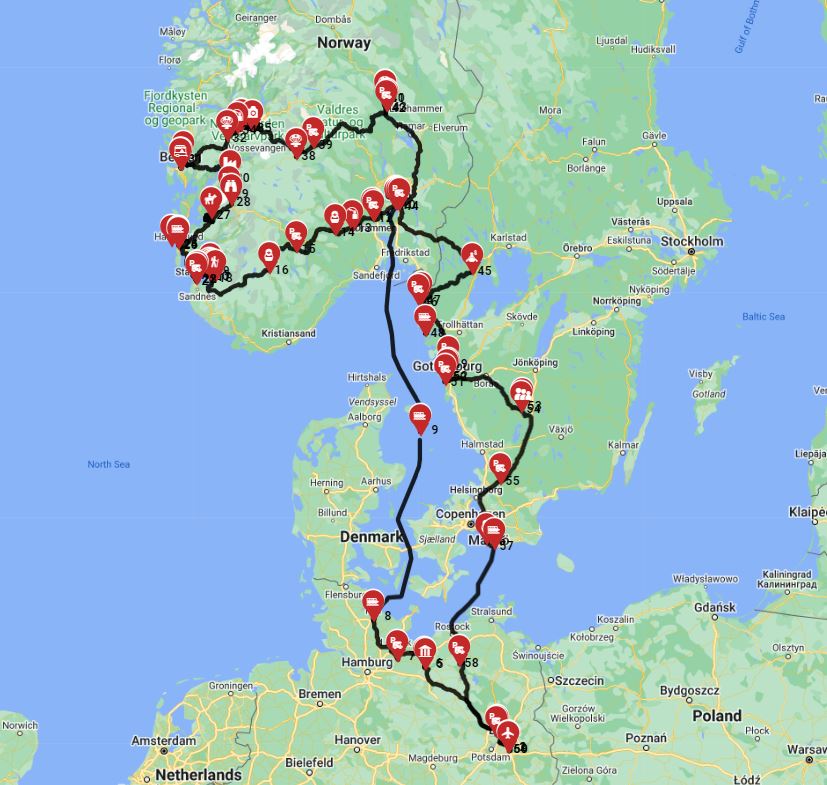
For beginners venturing into North Europe, a meticulously designed RVPlan trip offers a comprehensive, stress-free way to explore the region's highlights. For instance, the "Fjords & Arctic Wonders: A Beginner's Norwegian RV Adventure" itinerary, available through our curated route plans, covers approximately 1200 km over 14 days.
This journey is expertly crafted to guide travelers from Oslo to Tromsø, showcasing the stunning Norwegian landscapes and ensuring a manageable pace for first-time RVers. Using these pre-planned routes can significantly simplify the initial planning process, allowing you to focus on enjoying the experience.
Must-See Stops Along the Way (Avi Bandana Picks)
Avi Bandana, our resident travel expert, emphasizes focusing on unique cultural and natural experiences when exploring North Europe by RV. He highly recommends incorporating stops that offer a genuine connection to the local environment and history. Here are a few of his top picks:
- Geirangerfjord Viewpoint (Traditional Visit): Avi suggests experiencing one of Norway's most iconic UNESCO World Heritage sites, offering unparalleled fjord views that are simply breathtaking.
- Bergen Fish Market (Traditional Market): Immerse yourself in local culture by visiting Bergen's historic Fish Market. It's a fantastic place to sample fresh seafood and soak in the bustling atmosphere.
- Flåm Railway Museum (Local Industry): Learn about the incredible engineering feat behind the Flåm Railway, one of the steepest standard-gauge railways globally. It's a unique insight into local industry and innovation.
- Restaurant Æra (Trondheim) (Traditional Restaurant): For a taste of authentic Norwegian cuisine, Avi recommends Restaurant Æra in Trondheim, known for its focus on fresh, local ingredients.
- Lofoten Islands (Henningsvær) (Traditional Visit): For longer North European journeys, exploring the picturesque fishing villages and dramatic mountains of the Lofoten Islands, particularly Henningsvær, is a true highlight.
Daily Driving Distances & Drive Times in North Europe
To truly embrace the joy of slow travel and fully immerse yourself in the scenery of North Europe, Avi Bandana recommends a maximum of 100 miles or 150 km per day when RVing. This deliberate pace allows for appreciating winding roads, potential ferry crossings, and numerous opportunities for photo stops, which are abundant in these regions.
For instance, the drive from Oslo to Lillehammer, approximately 180 km, typically takes about 2.5 to 3 hours of pure driving time. However, beginners should budget an additional 1.5 to 2 hours to comfortably include breaks and enjoy scenic viewpoints along the way. Similarly, a route like Bergen to Flåm (about 170 km) involves navigating mountain passes and potential ferry waits, easily extending the actual travel time to 3-4 hours of driving, plus the waiting and crossing time.
Best RV Class for This Itinerary — Couple & Family Picks
Selecting the right RV class is crucial for beginners planning a North European adventure, balancing maneuverability with comfort and space. For couples, a Class B camper van is often the ideal pick, while Class C alcove motorhomes are perfect for families.
For Couples (Ideal Pick): Class B - Camper Van
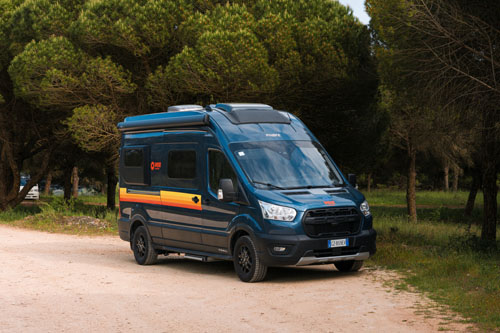
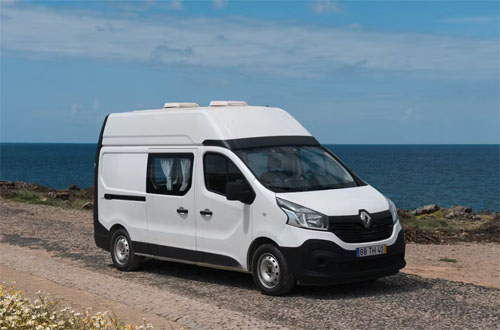
These vehicles are agile and easier to navigate on narrower European roads, making them perfect for two. Bandana's fleet typically features Class B Camper Vans averaging 5.8 meters in length and comfortably sleeping 2-3 adults, ensuring a compact yet comfortable experience. Fuel consumption typically ranges from 8-10 Liters/100 Km, offering good efficiency for your travels.
For Families (Ideal Pick): Class C - Alcove
Offering more sleeping and living space, Class C alcove motorhomes are well-suited for families. Bandana's fleet averages 7.5 meters in length, providing ample room for 4-5 adults and sleeping up to 6 people. The elevated alcove bed provides a separate sleeping area, which is a great feature for families. Fuel consumption is typically 10-12 Liters/100 km.
To further simplify the planning process for beginners, Rent-Motorhome.com offers a 'Rent & Plan' service, which combines RV rental with a ready-made itinerary by travel experts, along with full access to trip-planning software.
What is the 3-3-3 rule for RV travel?
The 3-3-3 rule is a widely recommended guideline for RV travel beginners, aimed at ensuring a relaxed and safe journey. It suggests driving no more than 300 miles (approximately 480 km) in a day, stopping driving by 3 PM, and staying for a minimum of 3 nights at each location. This approach encourages deeper exploration and reduces the stress of constant packing and unpacking.
For North European travel, the '300 miles' aspect of the rule should be adapted to a more realistic 100-150 miles (160-240 km) daily limit. This adjustment is necessary due to the prevalence of winding roads, lower speed limits, and the sheer number of scenic stops that will inevitably slow your progress. Stopping by 3 PM is particularly beneficial for new RVers, providing ample time to find and set up at a campsite before dusk, which is especially useful in regions with earlier sunsets during certain seasons.
What is the 333 rule for campervan?
The 3-3-3 rule applies equally to campervan travel, advising drivers to cover no more than 300 miles (480 km) daily, stop by 3 PM, and stay at each spot for at least 3 nights. However, for North European roads, the daily mileage component must be significantly adjusted downwards, closer to 100-150 miles (160-240 km), to account for varied road conditions and the desire to fully enjoy scenic routes.
Campervan users, especially beginners, benefit greatly from the advice to stop by 3 PM. This allows ample time to secure suitable, sometimes more compact, overnight parking spots. The emphasis on staying for 3 nights is particularly valuable for campervans, as it minimizes the daily time spent on setup and breakdown, leading to a more relaxed and enjoyable itinerary.
How easy is it to travel around Europe in a motorhome?
Traveling around Europe in a motorhome is generally easy and incredibly rewarding, offering unparalleled flexibility and access to stunning landscapes. However, it does require adapting to varied road rules, vehicle sizes, and camping cultures across different countries.
Europe boasts an excellent RV infrastructure, including abundant campsites and dedicated motorhome parking areas (known as Stellplatzer in Germany or Bobilplass in Norway) that often offer basic services, sometimes for free or a nominal fee. In North Europe, particularly in Norway, Sweden, and Finland, the concept of 'Allemannsretten' (Everyman's Right) allows for wild camping in uncultivated land, providing unique opportunities to connect with nature. However, strict rules regarding distance from dwellings and waste disposal apply, and these rights are not always applicable for larger RVs in developed areas.
Challenges can include navigating often narrower, winding roads (especially in fjord regions), understanding local parking regulations, and accounting for ferry travel, which is common and essential in places like Norway. Booking popular campsites in advance during peak season (summer) is also crucial to secure preferred spots.
What's the best RV rental site?
While the "best" RV rental site can vary based on region and individual needs, platforms like Rent-Motorhome.com stand out as reliable resources, particularly for beginners exploring North Europe. They offer a wide selection of vehicles, expert advice, and comprehensive trip-planning services such as the 'Rent & Plan' option.
When choosing a rental site, beginners should prioritize those with a substantial inventory, excellent customer support, clear insurance options, and transparent rental terms and conditions. Booking well in advance, especially for North European summer trips, is essential for securing your preferred vehicle type and better rates. It's also advisable to compare pricing and inclusions—such as mileage limits and cleaning fees—across different platforms and directly with local operators to find the best value.
What are the best RV trips in Europe?
The best RV trips in Europe offer a diverse array of experiences, from the dramatic coastal drives and mountain passes of North Europe to the historic city tours and wine routes found further south. For North European destinations, popular choices often include exploring Norway's breathtaking Fjordland, driving Sweden's scenic coastline, or island-hopping through Denmark's picturesque landscapes.
- Norway's Fjordland: This region is celebrated for its dramatic landscapes, including iconic fjords like Geiranger and Sognefjord, and adventurous routes such as the Atlantic Ocean Road. Longer trips can extend to the Arctic regions and the stunning Lofoten Islands.
- Swedish West Coast & Southern Sweden: Ideal for discovering charming fishing villages, archipelagos, and enjoying easy access to Denmark, with beautiful inland forest and lake regions providing a different kind of natural beauty.
- Danish Islands: Offers gentle, picturesque landscapes, Viking history, and a relaxed "hygge" culture, making for easy-to-navigate and enjoyable routes for any beginner RVer.
- Finnish Lakeland & Lapland: For those seeking a vast wilderness experience, this region is known for the unique phenomena of the Midnight Sun in summer and the Aurora Borealis in winter, providing unforgettable natural encounters.
What is the 4-4-4 rule for RV travel?
The 4-4-4 rule is a less common, but similar, guideline to the 3-3-3 rule, suggesting travelers drive no more than 400 miles (640 km) in a day, stop by 4 PM, and stay for at least 4 nights at each location. This framework is typically aimed at more experienced RVers or those covering larger, more open distances.
The 400-mile daily limit is generally considered too aggressive for beginner RVers and is particularly unsuitable for the winding terrain and often lower speed limits found on North European roads. While stopping by 4 PM still provides ample time for campsite setup and evening relaxation, the extended 4-night stay encourages an even more in-depth exploration of a single location, allowing travelers to truly settle in and enjoy their surroundings without feeling rushed.
How much does it cost to rent an RV in Europe?
The cost to rent an RV in Europe for beginners varies significantly based on vehicle size, rental duration, season, and country. However, you can expect prices to range from approximately €80-€150 per day for smaller camper vans in the off-peak season to €200-€350+ per day for larger motorhomes during the peak summer months in North Europe.
Peak season (June-August) commands the highest prices, while shoulder seasons (May, September) or the off-season can offer better value, especially for popular North European destinations. Smaller Class B camper vans are generally the most affordable, followed by Class SI (Semi-integrated) and Class C (Alcove) motorhomes, with larger Class A (Integrated) vehicles typically being the most expensive.
Remember to factor in additional costs beyond the rental fee, such as fuel (which is notably expensive in North Europe), campsite fees, tolls, ferry charges, potential insurance deductibles, and one-way rental fees if applicable. Using RV PLANET routes can help itemize and track these ancillary expenses for easier budgeting. On the routes offered through RV PLANET routes, you can itemize and track every expense along the way for easy budgeting.
Is it cheaper to rent an RV or stay in a hotel?
For beginners planning a multi-stop trip in North Europe, renting an RV can often be more cost-effective than staying in hotels, especially for families or groups. This is because an RV combines accommodation and transportation costs, while also offering the flexibility to cook meals, significantly reducing dining expenses. For ideas you can prep on the road, watch our RV-friendly recipes playlist on YouTube.
RV travel allows for considerable savings on food by enabling self-catering, which is considerably cheaper than eating out daily, particularly in North Europe where restaurant prices can be higher. While the upfront RV rental costs and fuel expenses can be substantial, these are often offset by lower campsite fees compared to multiple hotel rooms, especially when traveling with a larger group. The overall value proposition of renting an RV increases with longer trips (typically 7 days or more) and for larger groups, providing both a bed and wheels in one accessible package.
Is RVing a thing in Europe?
Yes, RVing (also known as caravanning or motorhoming) is a very popular and well-established form of travel across Europe, including North Europe. It boasts extensive infrastructure, dedicated campsites, and a vibrant community of travelers who appreciate the freedom and flexibility it offers.
Europe features a comprehensive network of well-equipped campsites, ranging from basic facilities to luxurious holiday parks. Additionally, specific motorhome parking areas (Stellplatzer in Germany, Bobilplass in Norway) are common and offer basic services, sometimes for free or a nominal fee. In North Europe, the concept of 'Allemannsretten' (Everyman's Right) in countries like Norway and Sweden allows for wild camping in uncultivated land under specific conditions, offering unique opportunities for RVers to connect with nature.
The natural beauty of North Europe, from its majestic fjords and vast forests to its rugged coastlines, makes it an ideal destination for RV travel, with ample facilities catering to this popular mode of exploration.
🎬 Video coming soon
What You Shouldn't Miss
- Norwegian Fjords: Drive through or cruise along iconic fjords like Geirangerfjord and Sognefjord for unparalleled natural beauty.
- Atlantic Ocean Road: Experience the thrill of driving this scenic route in Norway, a true engineering marvel and a photographer's dream.
- Bergen's Fish Market: Immerse yourself in local culture and enjoy fresh seafood at this historic market in Norway.
- Røros, Norway: Explore this charming UNESCO World Heritage mining town, offering a glimpse into Norway's industrial past.
- Swedish Archipelagos: Discover picturesque coastal villages and islands along Sweden's west coast, perfect for a relaxing RV stop.
- Danish Island Hopping: Experience the gentle, hygge-filled landscapes and Viking history by exploring Denmark's numerous islands via RV.
Final Thoughts
North Europe offers an unparalleled RV adventure for beginners, with its stunning natural beauty and well-developed infrastructure. By choosing the right RV, planning your itinerary with resources like RV PLANET, and embracing the spirit of slow travel, you're set for an unforgettable journey.
Remember that flexibility with your dates and destinations can often lead to better deals. Whether you opt for a compact camper van or a spacious motorhome, the freedom of the open road in North Europe awaits. Get inspired for your next trip and discover top destinations and planning tips all in one place!
Plan your trip itinerary in advance with minimal effort and maximum enjoyment. Compare motorhome prices for North Europe and find the perfect rental for your dream adventure!