For live availability and current prices, start with our RV Rental Austria - Complete Guide 2026 guide.
In This Guide
- Best Austria RV Itinerary for RV Rental Beginners — Overview
- 7-Day Classic Route in Austria
- 14-Day Extended Journey in Austria
- Recommended RVPlan Trip for Austria
- Must-See Stops Along the Way (Avi Bandana Picks)
- Daily Driving Distances & Drive Times in Austria
- Best RV Class for This Itinerary — Couple & Family Picks
- What are the best RV rental options in Austria for beginners?
- How much does it cost to rent an RV in Austria?
- What are the driving rules and regulations for RVs in Austria?
- Where can you wild camp or boondock in Austria with an RV?
- What is the best time of year to RV in Austria?
- What utilities and logistics should beginners know for RV travel in Austria?
- Are there unique RV-friendly experiences in Austria beyond lakes and mountains?
Best Austria RV Itinerary for RV rental beginners — Overview
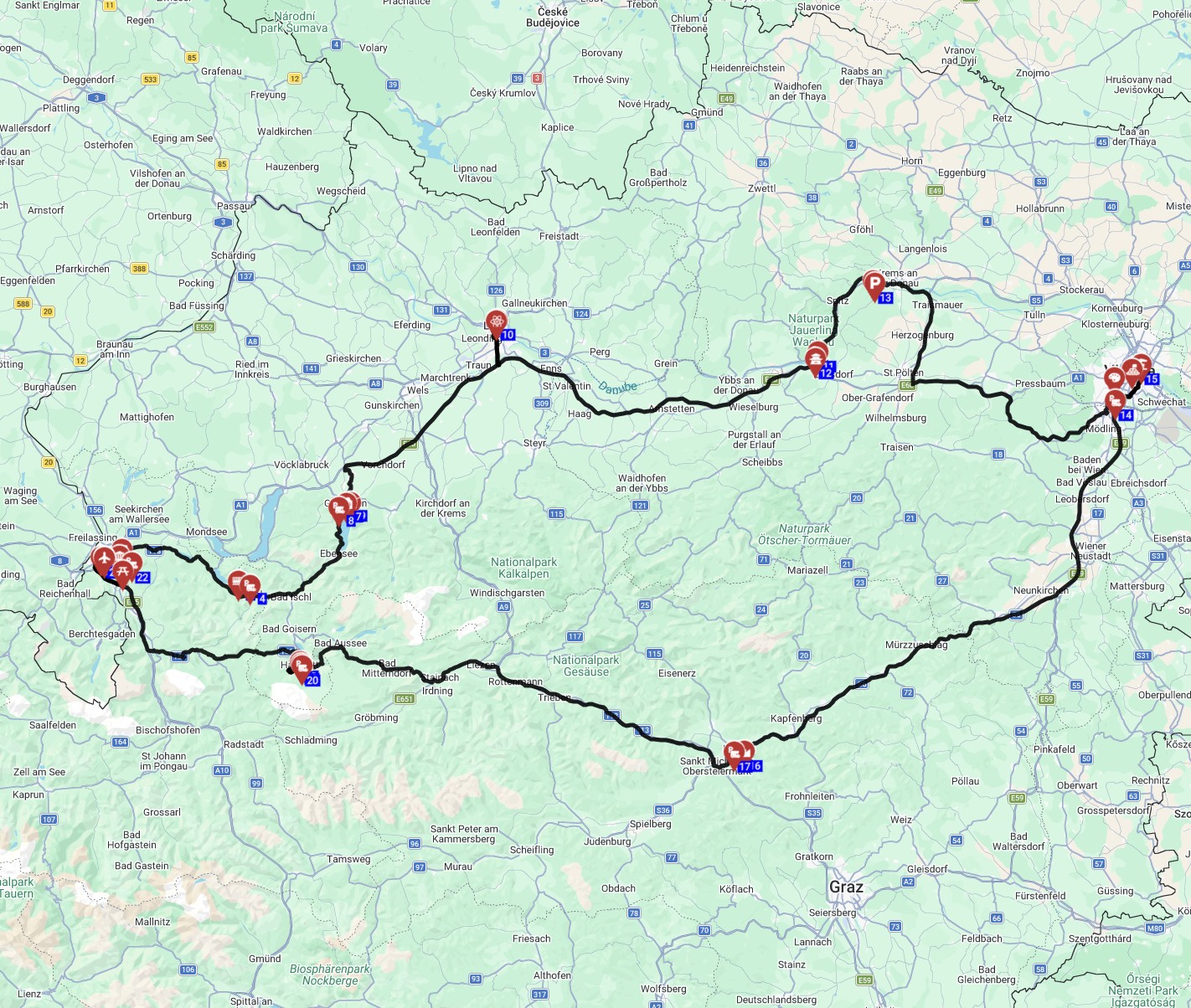
Embarking on your first RV adventure in Austria is an incredible way to experience the country's breathtaking landscapes and rich culture. A minimum 7-day RV trip covering 700-1050 km (430-650 miles) is recommended for beginners to get a feel for RV travel without feeling rushed. Late spring (May-June) or early autumn (September-October) are the prime seasons, offering pleasant weather perfect for touring, hiking, and cultural exploration, with fewer crowds than the peak summer months. This itinerary focuses on central and eastern Austria, providing a balanced mix of cultural immersion in its cities, serene moments by its famous lakes, and exhilarating scenic drives through its majestic mountains. You'll discover a curated selection of RV-friendly routes designed to showcase the best of Austria for first-time renters.
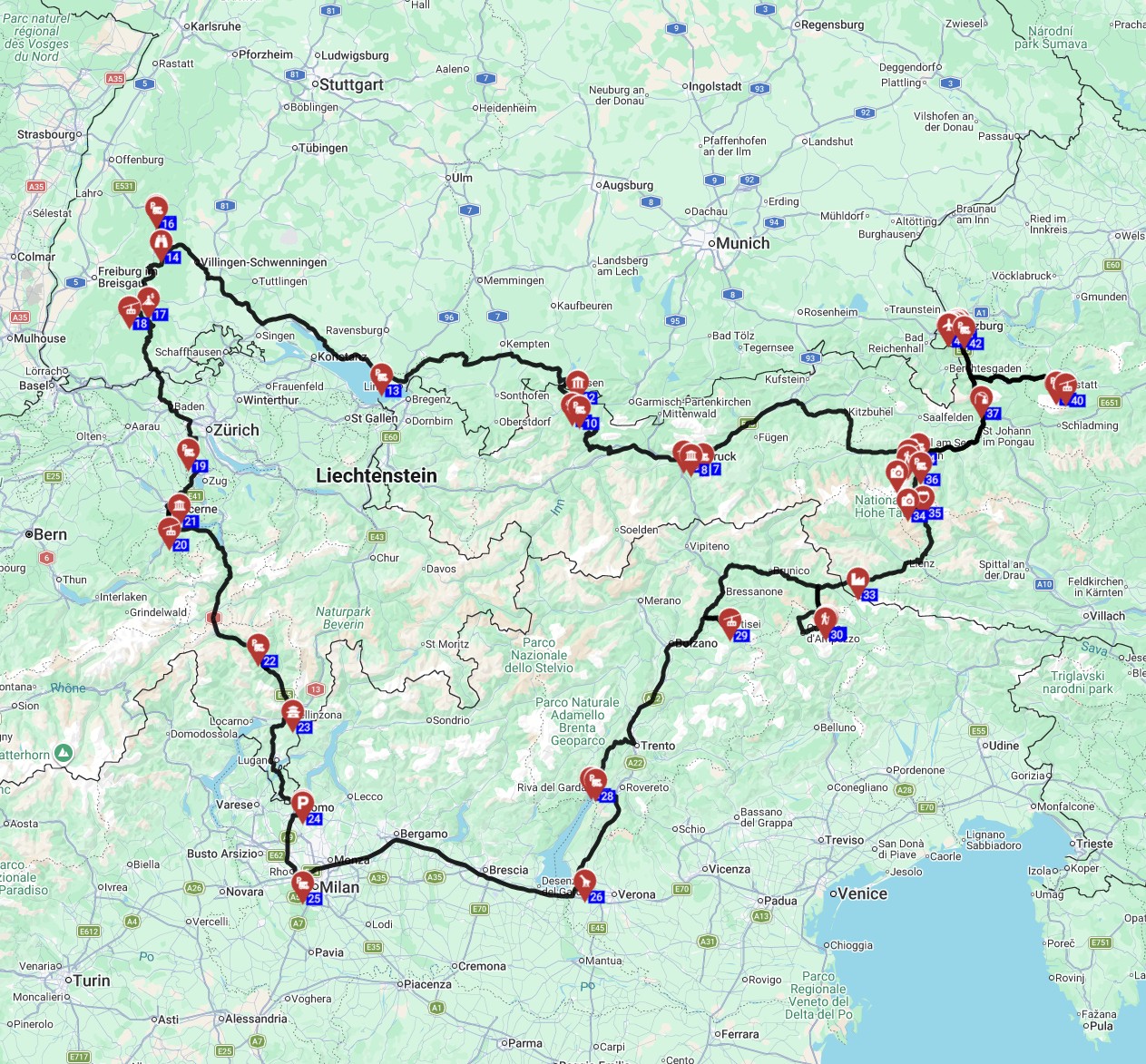
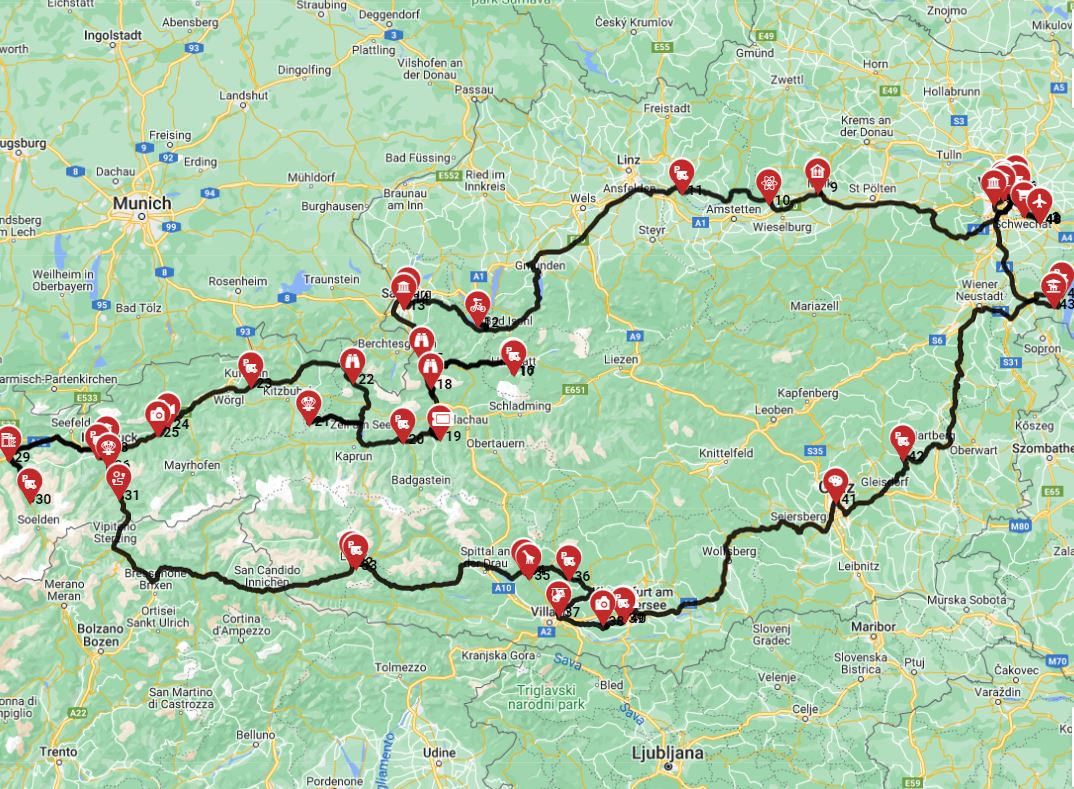
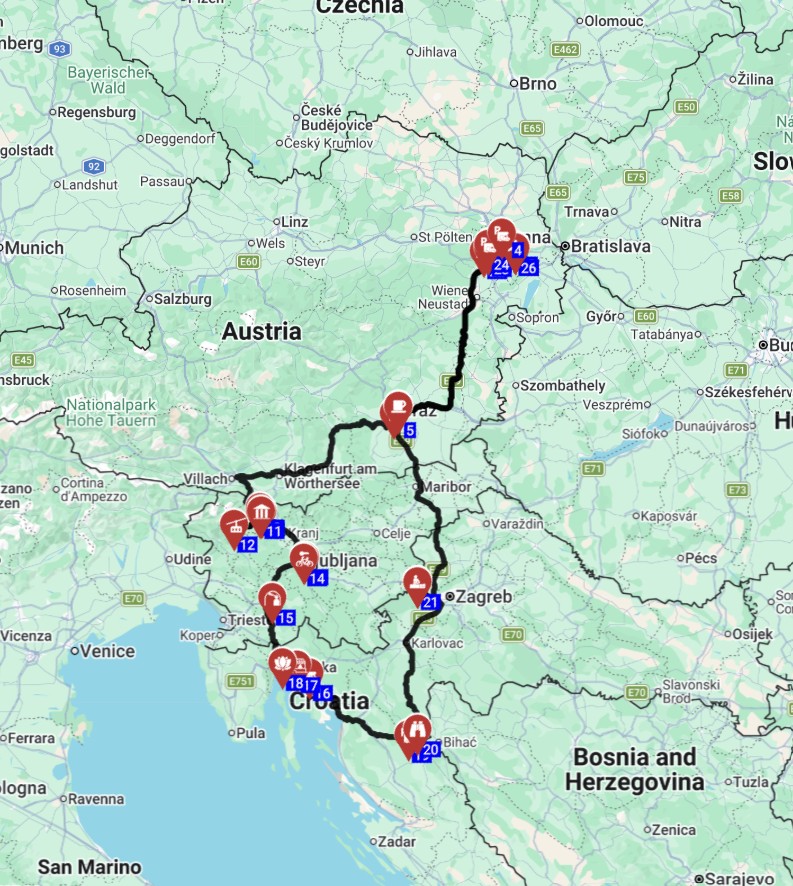
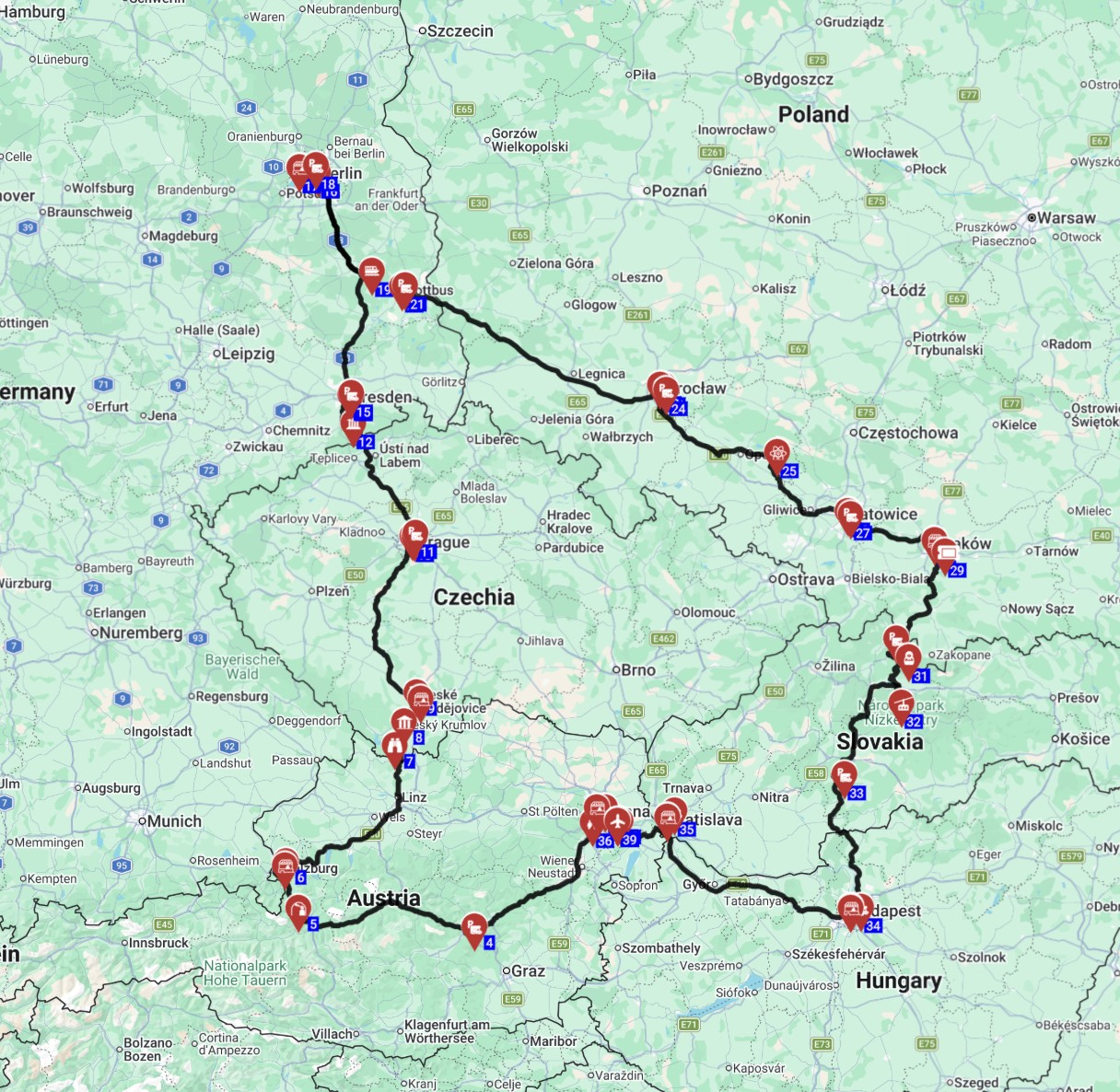
For those seeking a truly comprehensive adventure that might extend beyond Austria's borders, consider the "Zurich Roundtrip - South - Austria Tirol, Italy, Switzerland" route available through RV PLANET. This extensive itinerary spans approximately 1866 km over 22 days, commencing and concluding in Zurich, allowing you to explore not only the Austrian Tyrol but also stunning regions in Italy and Switzerland. You can access this detailed itinerary and many others at: Zurich motorhome road roundtrip with an RV.
7-Day Classic Route in Austria
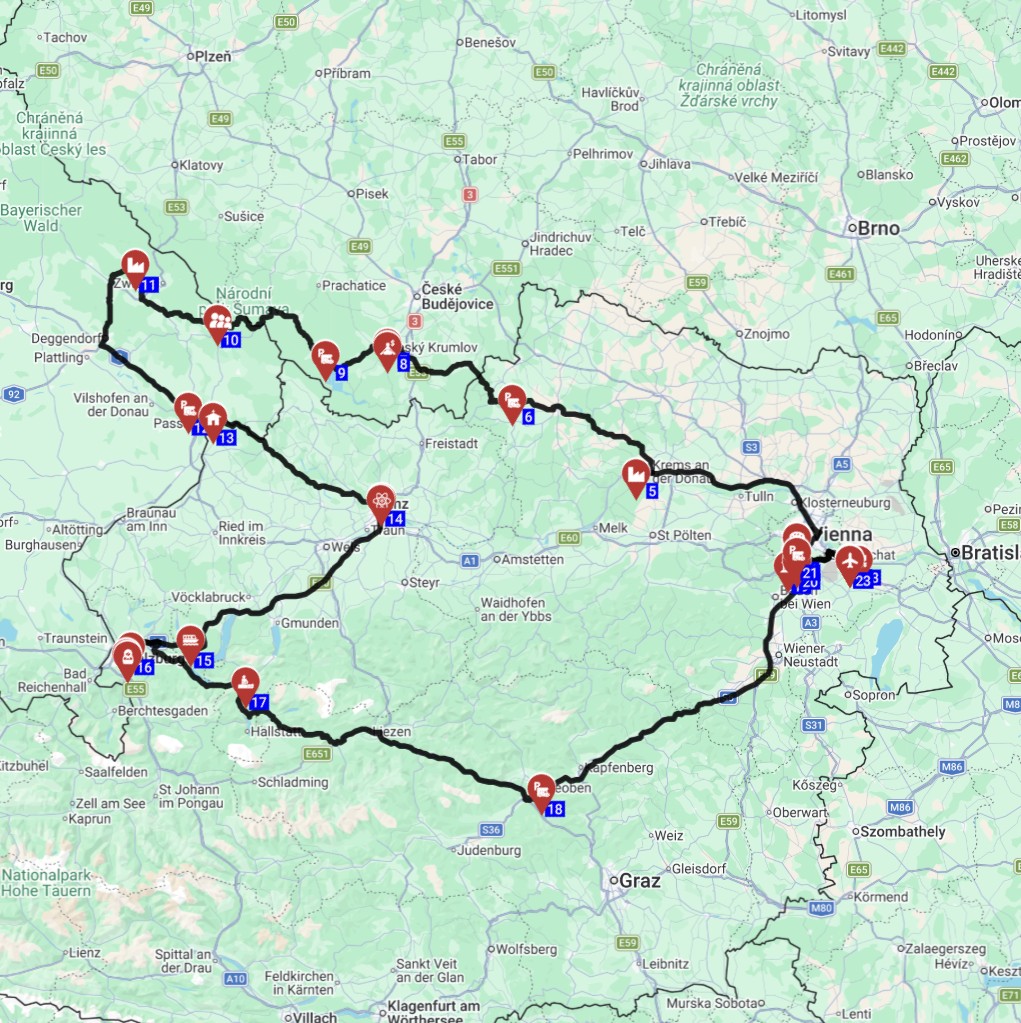
This 7-day classic route is perfect for first-time RV renters in Austria, offering a taste of the country's diverse beauty and cultural highlights. The suggested distances are manageable, allowing for a relaxed pace and ample time for exploration.
Day 1: Vienna → Krems (Wachau Valley) (approx. 80 km / 50 miles). Your journey begins in Vienna. Drive to Krems, the gateway to the picturesque Wachau Valley. Highlights include visiting the magnificent Melk Abbey and perhaps enjoying a scenic bike ride along the Danube River. Your overnight stay will be at Camping Donaupark Krems.
Day 2: Krems → St. Wolfgang im Salzkammergut (approx. 200 km / 125 miles). Today’s drive takes you into the heart of the Salzkammergut lake district. Explore the charming shores of Lake Wolfgang and consider taking the historic Schafbergbahn cog railway for breathtaking panoramic views. Camping Berau is your designated stop for the night.
Day 2: St. Wolfgang → Hallstatt (approx. 40 km / 25 miles). A short, scenic drive brings you to the iconic village of Hallstatt, a UNESCO World Heritage site renowned for its beauty and historic salt mines. Don't miss the Hallstatt Skywalk for stunning vistas. Overnight at Camping Klausner-Höll.
Day 4: Hallstatt → Bad Ischl → Traunsee (Gmunden) (approx. 70 km / 45 miles). Today, you'll journey through more of the Salzkammergut, visiting the imperial spa town of Bad Ischl, perhaps seeing the Imperial Villa. Continue to Gmunden on the shores of Traunsee, famous for its ceramics and the picturesque Schloss Ort. Camp at Camping Traunsee.
Day 5: Traunsee → Linz (approx. 60 km / 35 miles). Drive north to Linz, a vibrant city on the Danube. Explore attractions like the Pöstlingberg hill with its church and scenic railway, or immerse yourself in art and technology at the Ars Electronica Center. Camping Linz is your accommodation for the night.
Day 6: Linz → Eisenstadt (Burgenland) (approx. 150 km / 90 miles). Head east towards Burgenland, Austria's wine region. Visit Eisenstadt, home to the magnificent Esterházy Palace, and explore the shores of Neusiedler See, a unique shallow lake. Camping Oggau am Neusiedler See is your final campsite.
Day 7: Eisenstadt → Vienna (approx. 60 km / 35 miles). Enjoy a final scenic drive back to Vienna. Return your RV, and if time permits, explore more of Vienna’s imperial history and culture before concluding your Austrian RV adventure.
14-Day Extended Journey in Austria
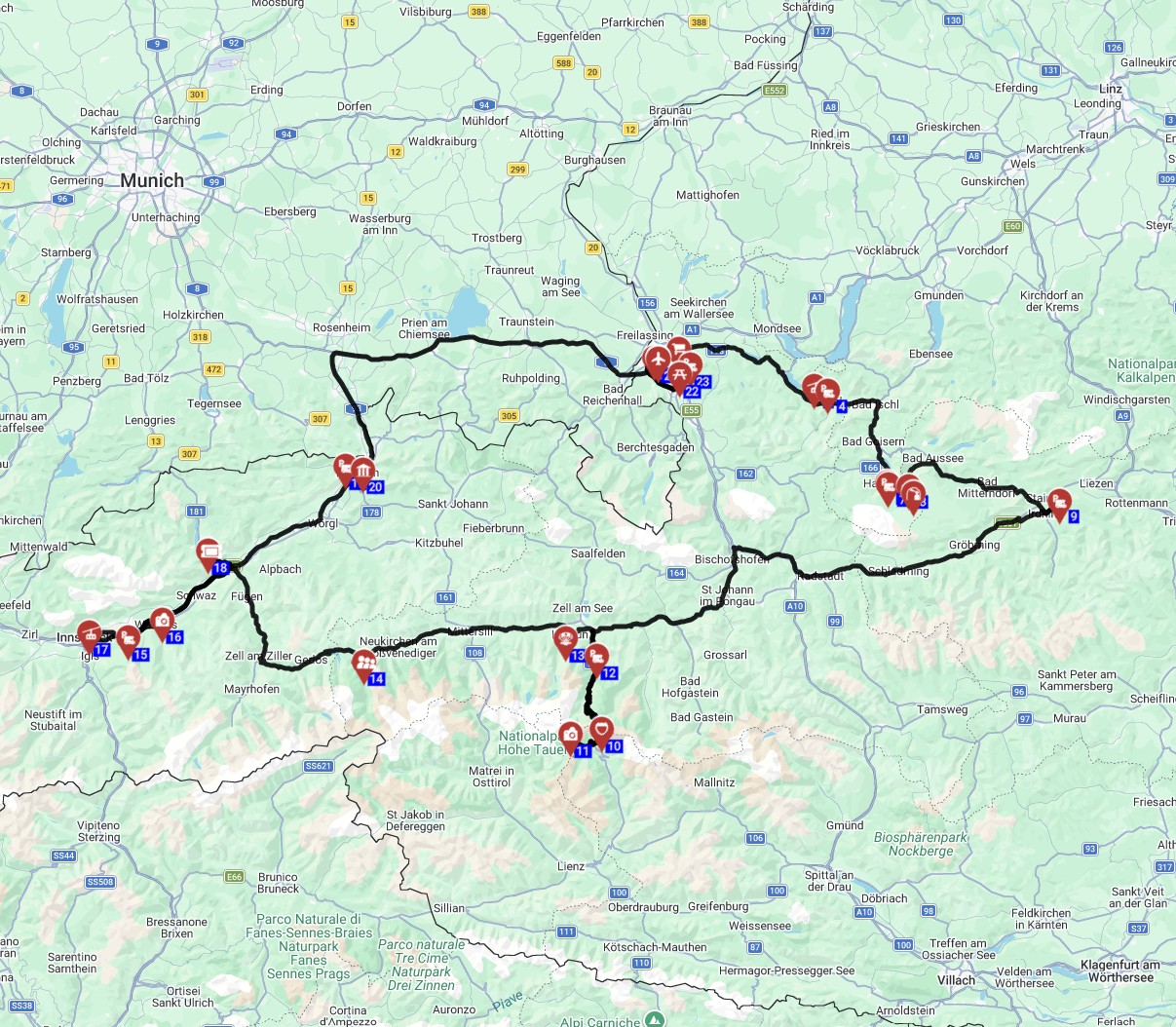
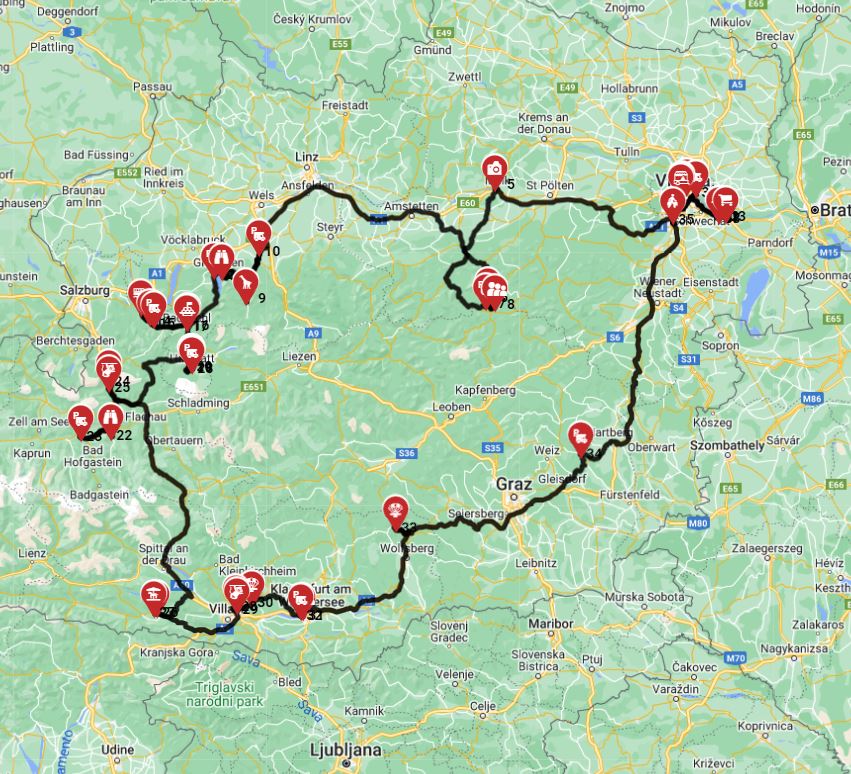
For those with more time, this 14-day itinerary allows for a deeper exploration of Austria's diverse regions, extending the classic route to include the southern and western alpine areas.
Days 1-7: Follow the '7-Day Classic Route' as outlined above, covering Eastern and Central Austria.
Day 8: Vienna area → Graz (Styria) (approx. 200 km / 125 miles). Travel south to Graz, the capital of Styria. Explore its charming Old Town, a UNESCO World Heritage site, and ascend to the Uhrturm (Clock Tower) for panoramic city views. Overnight at Camping Graz.
Day 9: Graz → Klagenfurt (Carinthia) (approx. 140 km / 85 miles). Continue south to Carinthia, known for its stunning lakes. Visit Klagenfurt on the shores of Wörthersee and explore Minimundus, a park featuring miniature versions of famous world buildings. Stay at Strandcamping Klagenfurt.
Day 10: Klagenfurt → Lienz (East Tyrol) (approx. 150 km / 90 miles). Journey into East Tyrol, towards Lienz, surrounded by dramatic Dolomite peaks. This area is ideal for hiking and cycling with spectacular scenery. Camp at Camping Falken.
Day 11: Lienz → Grossglockner High Alpine Road → Zell am See (approx. 100 km / 60 miles + road experience). Prepare for an unforgettable drive on the Grossglockner High Alpine Road, Austria's highest mountain pass, offering unparalleled views of glaciers and peaks, including Austria's highest mountain, the Grossglockner. Descend towards Zell am See for your overnight stay at Camping Sportcamp Woferlgut.
Day 12: Zell am See → Salzburg (approx. 100 km / 60 miles). Drive to the historic city of Salzburg, birthplace of Mozart and setting for "The Sound of Music." Explore the magnificent Hohensalzburg Fortress and charming Baroque streets. Overnight at Camping Nord-Sam.
Day 13: Salzburg → Innsbruck (approx. 140 km / 85 miles). Head west into the heart of the Alps to Innsbruck, capital of Tyrol. Discover its imperial heritage, see the Golden Roof, and perhaps visit the Bergisel Ski Jump for a different perspective. Camping Kranebitten is your final Austrian campsite.
Day 14: Innsbruck → Drop-off. Depending on your rental agreement, you'll either drop off your RV in Innsbruck or proceed to another major hub like Munich or Zurich, enjoying final Alpine vistas along the way.
Recommended RVPlan Trip for Austria
For those seeking a comprehensive, multi-country adventure that includes Austria, the "Zurich Roundtrip - South - Austria Tirol, Italy, Switzerland" is an excellent option. This extensive RVPlan trip covers approximately 1866 km over 22 days, starting and ending in Zurich, allowing travelers to explore the Austrian Tyrol alongside stunning regions in Italy and Switzerland. Access this detailed itinerary and many others at: Zurich motorhome road roundtrip with an RV.
Must-See Stops Along the Way (Avi Bandana Picks)
Avi Bandana, a seasoned RV traveler and our founder, recommends blending the classic must-sees with authentic local experiences for a truly memorable Austrian journey.
- Traditional Visits: Explore the grandeur of Melk Abbey in the Wachau Valley, the fairytale village of Hallstatt, the historic Hohensalzburg Fortress in Salzburg, and the imperial Schönbrunn Palace in Vienna for a deep dive into Austrian history and architecture.
- Traditional Restaurants / Fine Dining: Savor authentic Wiener Schnitzel in Vienna, enjoy hearty Goulash in an Alpine hut, or try fresh fish from Lake Wolfgang, experiencing Austria's diverse culinary traditions.
- Traditional Markets: Wander through Vienna's vibrant Naschmarkt, offering everything from local produce to international delicacies, or discover smaller farmer's markets in regional towns for fresh, local goods.
- Local Industry: Take an immersive tour of the ancient Salt Mines in Hallstatt or Hallein, marvel at the sparkling wonders of Swarovski Crystal Worlds near Innsbruck, or visit a traditional Zillertal dairy in Tyrol to learn about cheese making.
Daily Driving Distances & Drive Times in Austria
To truly savor your Austrian RV road trip, Avi Bandana recommends a maximum of 100 miles (150 km) per day on average. This allows for spontaneous stops, detours to charming villages, and ample time to connect with the local culture and stunning scenery. Traveling at a relaxed pace ensures your journey is enjoyable, not exhausting.
For example, the drive from Vienna to Krems in the Wachau Valley is only about 80 km (50 miles) and takes roughly 1 hour, leaving plenty of time for exploration.
Similarly, the route from Hallstatt to Salzburg covers around 80 km (50 miles) and takes approximately 1.5 hours, allowing you to appreciate the alpine landscapes en route.
Even shorter distances, like the drive from Innsbruck to a picturesque Tyrol mountain village such as Seefeld (roughly 25 km / 15 miles), take only about 30 minutes, showcasing how easily you can navigate between stunning locations.
Best RV Class for This Itinerary — Couple & Family Picks
Choosing the right RV class is key to a comfortable and enjoyable Austrian road trip, especially for beginners navigating diverse terrain.
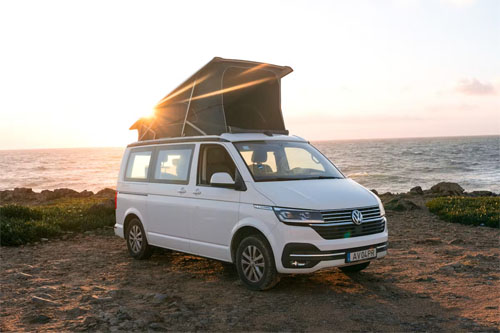
For Couples: The Class B - Camper Van is highly recommended. With an average length of 5.8 meters, these vehicles offer excellent maneuverability, making them ideal for navigating Austria's narrower mountain roads and parking in charming, historic village streets. They typically seat around 2.7 adults and offer fuel consumption of about 8-10 Liters/100 km, striking a great balance for couples.
For Families: The Class C - Alcove motorhome is a superb choice. Bandana's fleet averages 7.5 meters in length, providing ample living space and sleeping capacity for families, typically accommodating up to 5.8 sleeping places (approximately 4.4 adults). Fuel consumption is generally around 10-12 Liters/100 km, offering a comfortable balance of space and manageable driving. The alcove design provides an extra sleeping area, often popular with children.
Consider utilizing Bandana's 'Rent & Plan' service, which can bundle your RV rental with expertly designed itineraries, removing the stress of route planning for beginners. This service ensures you have a well-thought-out trip from the start.
What are the best RV rental options in Austria for beginners?
For beginners RV rental in Austria, the best options typically lean towards smaller, more agile vehicles that are easier to handle on the country's varied road network. Compact campervans (Class B) or semi-integrated motorhomes (Class SI) are excellent starting points, offering a good blend of living space and maneuverability suitable for everything from winding mountain passes to narrow village streets.
Class B Camper Vans, which Bandana's fleet averages around 5.8 meters in length, provide superior agility, making them ideal for navigating tighter mountain roads and parking in smaller towns. They are often equipped with essential amenities for a comfortable experience.
Class SI Semi-integrated motorhomes, averaging about 6.9 meters in length from Bandana's rentals, strike a balance between living space and ease of driving. These are a great fit for couples or small families who desire more comfort without the bulk of a larger RV.
While larger RVs like Class C Alcoves or Class A Integrated models offer more amenities and sleeping capacity, they demand more driving confidence on winding roads and may encounter parking restrictions in historic city centers. For a stress-free introduction, starting with a more compact model is often advisable.
How much does it cost to rent an RV in Austria?
The cost to rent an RV in Austria fluctuates significantly based on the RV class, the rental season, the duration of your hire, and the amenities included. Generally, expect base rental fees to range from €70-€150 per day for smaller models during the low season, escalating to €150-€300+ per day for larger RVs during peak season (July-August and holidays).
Rental Cost: Prices are highest during summer and around major holidays. Booking in advance, especially for peak periods, is recommended.
Fuel: Diesel is the common fuel type. Anticipate consumption of around 10-12 Liters/100 km for most RVs, and fuel costs can represent a substantial portion of your overall budget. On the routes offered through RV PLANET routes, you can itemize and track every expense along the way for easy budgeting.
Tolls & Vignette: A digital vignette is mandatory for using motorways (Autobahnen) and expressways (Schnellstraßen). For vehicles up to 3.5 tons, this is approximately €9.90 for 10 days. Larger RVs (over 3.5 tons) require a GO-Box electronic toll system. Additionally, specific scenic roads, like the Grossglockner High Alpine Road, have separate, higher toll charges (e.g., €40+).
Camping Fees: Overnight stays at official campsites typically range from €25-€50 per night, varying by location, amenities, and season. Stellplatze (designated motorhome parking areas) offer a more budget-friendly alternative, usually costing €10-€25 per night, sometimes even less or free for limited durations.
Food: Budget around €30-€60 per person per day, assuming a mix of cooking meals in your RV and dining out at traditional restaurants. For ideas you can prep on the road, watch our RV-friendly recipes playlist on YouTube.
Activities: Factor in entry fees for attractions, cable car rides, and other experiences you wish to enjoy.
Cost-Saving Tips: Travel during the shoulder seasons (May-June, September-October), cook most of your meals aboard your rented RV, utilize Stellplatze whenever possible, and book campsites in advance, as many offer discounts for early bookings or longer stays.
For precise cost breakdowns and tracking of all ancillary trip expenses, utilizing RV PLANET routes can be incredibly helpful for budgeting.
What are the driving rules and regulations for RVs in Austria?
Navigating Austria in an RV requires understanding specific driving rules to ensure a safe and legal journey. Key regulations include purchasing the correct digital vignette or GO-Box for motorways, adhering to varying speed limits depending on vehicle weight and road type, and being prepared for potential mountain pass tolls and the characteristic narrow village roads.
Vignette & Tolls: A valid digital vignette is compulsory for all motorways (Autobahnen) and expressways (Schnellstraßen). For RVs exceeding 3.5 tons, a GO-Box electronic toll system is required, functioning similarly to a truck toll system. Be aware that panoramic and high alpine roads, such as the Grossglockner High Alpine Road, impose additional toll charges separate from the standard vignette.
Speed Limits: Standard speed limits are 130 km/h (80 mph) on motorways, 100 km/h (60 mph) on main roads, and 50 km/h (30 mph) in urban areas. However, for RVs over 3.5 tonnes, motorway limits can be reduced to 100 km/h, and other roads outside urban areas may have a 80 km/h (50 mph) limit.
Mountain Roads: Austria's mountainous terrain means you'll encounter steep ascents and descents. Utilize engine braking to preserve your brakes and be mindful that uphill traffic generally has priority on narrow mountain passes. Always watch for cyclists and motorcyclists, who are prevalent on these routes. It’s wise to check for any weight or height restrictions on specific passes before you set off.
City Centers & Parking: Many historic city centers have traffic restrictions or limited access for larger vehicles. Utilizing park-and-ride facilities on the outskirts of cities or designated RV parking areas is often the most practical solution.
Driving Culture: Austrian drivers are generally efficient and expect others to follow traffic rules closely. Use your turn signals correctly, keep to the right except when overtaking, and exercise patience on winding roads. During winter months, ensure your RV is equipped with winter tires, and be aware that snow chains might be mandatory in certain alpine regions.
Where can you wild camp or boondock in Austria with an RV?
Wild camping or boondocking with an RV is generally illegal or heavily restricted across most of Austria. Strict regulations are often enforced, making designated campsites, Stellplatze (motorhome parking areas), and private farm stays the primary legal and recommended options for overnight parking.
Legality: While laws can vary slightly by state (Bundesland), the consensus is that overnight parking outside designated areas is forbidden and can result in significant fines.
Designated Campsites: Austria offers a high-quality network of official campsites that provide full facilities, including electricity hook-ups, fresh water refills, waste disposal points, and restrooms, ensuring a comfortable stay.
Stellplatze (Motorhome Parking Areas): These are common and practical in Austria, often situated near towns or attractions. They serve as a more economical alternative to traditional campsites, typically offering basic services, and can sometimes be found for free or a modest fee for limited durations. Helpful apps like Campercontact or Park4Night can assist in locating these spots.
Farm Stays (Bauernhofcamping): A growing trend that offers a unique experience, some farms allow RVs to park overnight, often in exchange for purchasing local produce or a small fee. Resources like 'Landvergnügen' (though primarily German, some Austrian farms participate) or local tourism offices can help you discover these legal, authentic options.
What is the best time of year to RV in Austria?
The best time to RV in Austria largely depends on your travel preferences, with late spring (May-June) and early autumn (September-October) typically offering the most ideal conditions for general touring. During these shoulder seasons, you'll find pleasant weather suitable for hiking and cultural exploration, coupled with fewer crowds and potentially better pricing.
Late Spring (May-June): This period is perfect for general touring, hiking in the lower elevations, and exploring cultural sites. Temperatures are mild, the landscapes are lush with blooming wildflowers, and popular attractions are less congested than in mid-summer. Mountain passes usually begin to open by late May or early June.
Summer (July-August): This is the peak season, characterized by warm weather ideal for enjoying Austria's many lakes and undertaking high-alpine hikes. However, expect larger crowds at popular destinations, higher rental and campsite prices, and the necessity of booking campsites well in advance.
Early Autumn (September-October): Autumn offers a fantastic window for hiking, enjoying the vibrant fall foliage, and participating in local wine harvest festivals. Crowds thin out considerably, and temperatures remain pleasant for outdoor activities.
Winter (December-March): For enthusiasts of winter sports, this season is ideal. Many campsites remain open near ski resorts, but RVers must be prepared for cold weather, potential road closures on high mountain passes, and the mandatory use of winter tires and potentially snow chains.
What utilities and logistics should beginners know for RV travel in Austria?
RV beginners in Austria should familiarize themselves with essential utilities and logistical considerations to ensure a smooth journey. This includes locating propane refill stations, understanding water and dump station access, managing internet connectivity, and using the correct electrical adaptors.
Propane Refills: European propane bottles, commonly 11kg, are available for exchange or refill at larger gas stations, DIY stores, or specialized propane dealers. If you plan to use your own specific bottle type, ensure you have the correct adapters.
Water & Dump Stations: Fresh water refills and grey/black water disposal points (often signed as 'Servicebereiche') are standard amenities at official campsites and many Stellplatze. RV apps can be invaluable for locating these service points along your route.
Internet Connectivity: For reliable and affordable data access, consider purchasing a local Austrian SIM card or an eSIM from major providers like A1, Magenta (T-Mobile), or Drei. Wi-Fi is also widely available at most campsites.
Electrical Adaptors: Austria uses Type F 'Schuko' sockets. Ensure your RV's hook-up cable is compatible with European campsite connections, which typically use a CEE 17 blue plug, or carry a suitable adapter.
Waste Management: Responsible waste disposal is crucial. Austria has robust recycling systems; separate your waste accordingly, and utilize the trash bins commonly found at campsites and public areas. Never dump waste illegally.
'Are there unique RV-friendly experiences in Austria beyond lakes and mountains?
Austria offers RV-friendly experiences that go beyond its famous lakes and mountains, providing unique opportunities for immersion in local culture and lifestyle. These include farm stays (Bauernhofcamping) that connect you with rural life and offer fresh produce, specialized thermal spa resorts that often provide RV parking or nearby campsites, and vibrant cultural festivals or wine regions like Burgenland, which cater to RV travelers with dedicated sites.
Farm Stays (Bauernhofcamping): Immerse yourself in rural Austrian life by staying overnight on a working farm. Many offer direct interaction with animals, fresh local produce, and a tranquil setting, providing an authentic experience.
Thermal Spas: Several Austrian thermal resorts, such as Bad Blumau or Therme Loipersdorf in Styria, feature dedicated RV parking or conveniently located nearby campsites. This allows you to combine your RV journey with relaxing spa experiences.
Wine Regions: Explore the rolling vineyards of Burgenland or the Wachau Valley, where you can often find 'Buschenschanken' (traditional wine taverns) that offer Stellplatze. Enjoy local wines and regional delicacies directly at the source.
Cultural Festivals: Check local event calendars for traditional festivals, markets, or folk music events in smaller towns. These occasions provide a genuine glimpse into Austrian culture away from the main tourist hubs.
Local Industry Tours: Many regions offer tours of local breweries, distilleries, or craft workshops, such as cheese dairies in the Alps, providing an authentic insight into regional industries and traditions.
What You Shouldn't Miss
- Scenic Drives: Traverse the Grossglockner High Alpine Road for unparalleled mountain vistas and the Wachau Valley for a taste of Austria's wine country along the Danube.
- Imperial History: Explore Schönbrunn Palace in Vienna and the Hohensalzburg Fortress in Salzburg to step back into Austria's rich imperial past.
- Fairytale Villages: Wander through the impossibly picturesque village of Hallstatt, a UNESCO World Heritage site, and experience its unique charm.
- Alpine Lakes: Discover the stunning Salzkammergut region, with lakes like Wolfgangsee and Hallstätter See offering crystal-clear waters and charming lakeside towns.
- Culinary Delights: Indulge in traditional Austrian cuisine, from Wiener Schnitzel in Vienna to local pastries in Alpine cafes, and don't miss sampling regional wines in Burgenland.
- Unique Experiences: Consider a farm stay for an authentic rural encounter or visit the Swarovski Crystal Worlds near Innsbruck for a touch of dazzling artistry.
Final Thoughts
Planning your first RV trip to Austria is an exciting endeavor, and with the right preparation, it promises to be an incredibly rewarding experience. From the historic charm of Vienna to the stunning alpine vistas of Tyrol, Austria's diverse landscapes are perfectly suited for exploration by motorhome.
Remember to book your preferred RV class in advance, especially if traveling during peak season, and utilize resources like RV PLANET for route planning and campsite discovery. Embrace the slow travel philosophy, allowing ample time to soak in the beauty and culture. With Bandana Caravan, you have the support and selection to make your Austrian RV adventure seamless and unforgettable.