In This Guide
- Best Anchorage RV Itinerary for rv rental beginners - Overview
- 7-Day Classic Route in Anchorage
- 14-Day Extended Journey in Anchorage
- Recommended RVPlan Trip for Anchorage
- Must-See Stops Along the Way (Avi Bandana Picks)
- Daily Driving Distances & Drive Times in Anchorage
- Best RV Class for This Itinerary - Couple & Family Picks
- How much does an RV trip in Anchorage, Alaska cost for beginners?
- What are the best RV-friendly activities and day trips from Anchorage?
- How do I prepare an RV for Alaskan seasons and wildlife near Anchorage?
- What are key considerations when renting an RV in Anchorage for the first time?
- Where can I find essential RV services and city parking in Anchorage?
Best Anchorage RV Itinerary for rv rental beginners - Overview
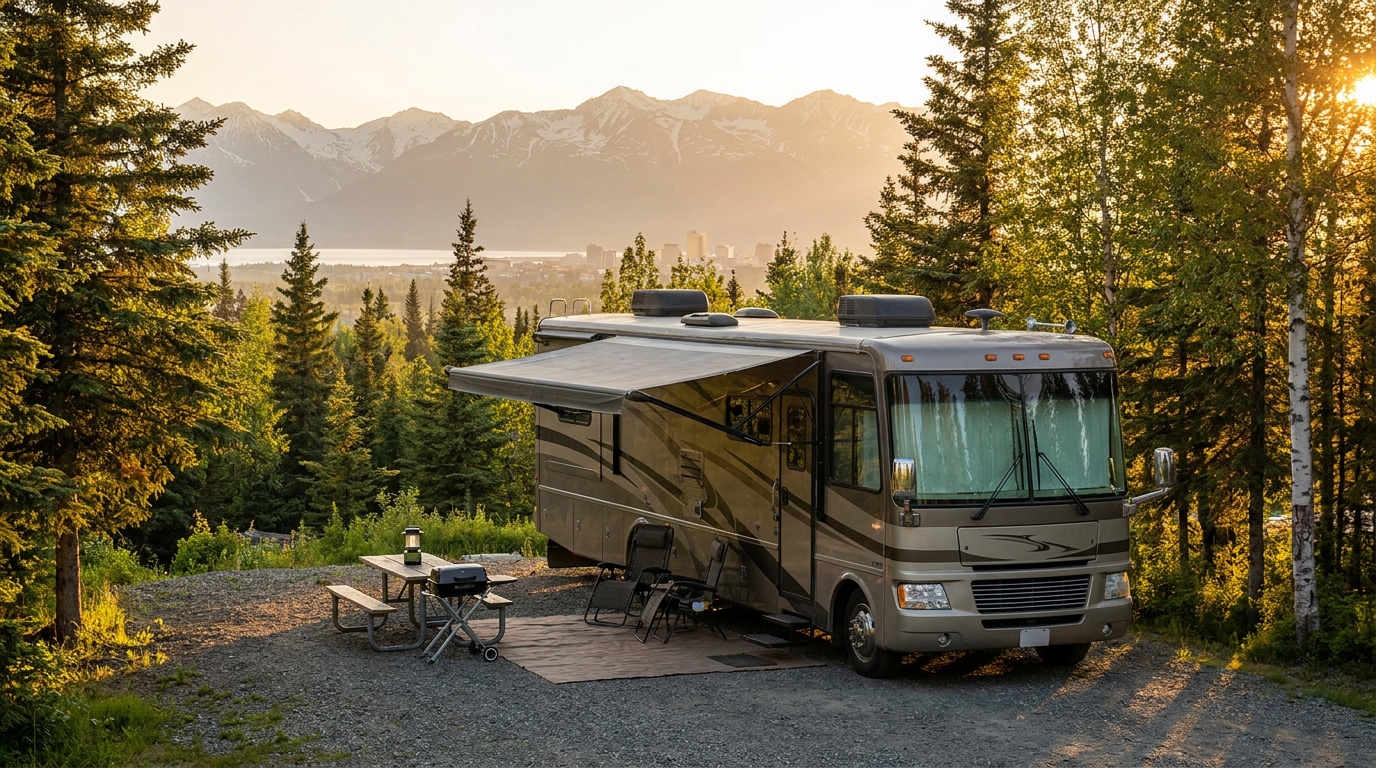
A beginner-friendly RV itinerary in Anchorage typically focuses on exploring Southcentral Alaska, using Anchorage as a convenient starting and ending point. For live availability and current prices, start with our RV Rental Anchorage - Complete Guide 2026 guide. A minimum duration of 7 days is recommended to comfortably experience key highlights, though a 14-day trip allows for a deeper exploration of Alaska's wonders. When planning your adventure, expect total driving distances to be carefully tailored to allow ample time for sightseeing and relaxation, adhering to an average maximum of 150 km (100 miles) per day. The best season for RV travel in Alaska is summer, specifically June to August, offering exceptionally long daylight hours, optimal weather conditions, and full access to most roads and attractions. Remember, the goal is to travel slowly, immersing yourself in the culture, food, and stunning scenery.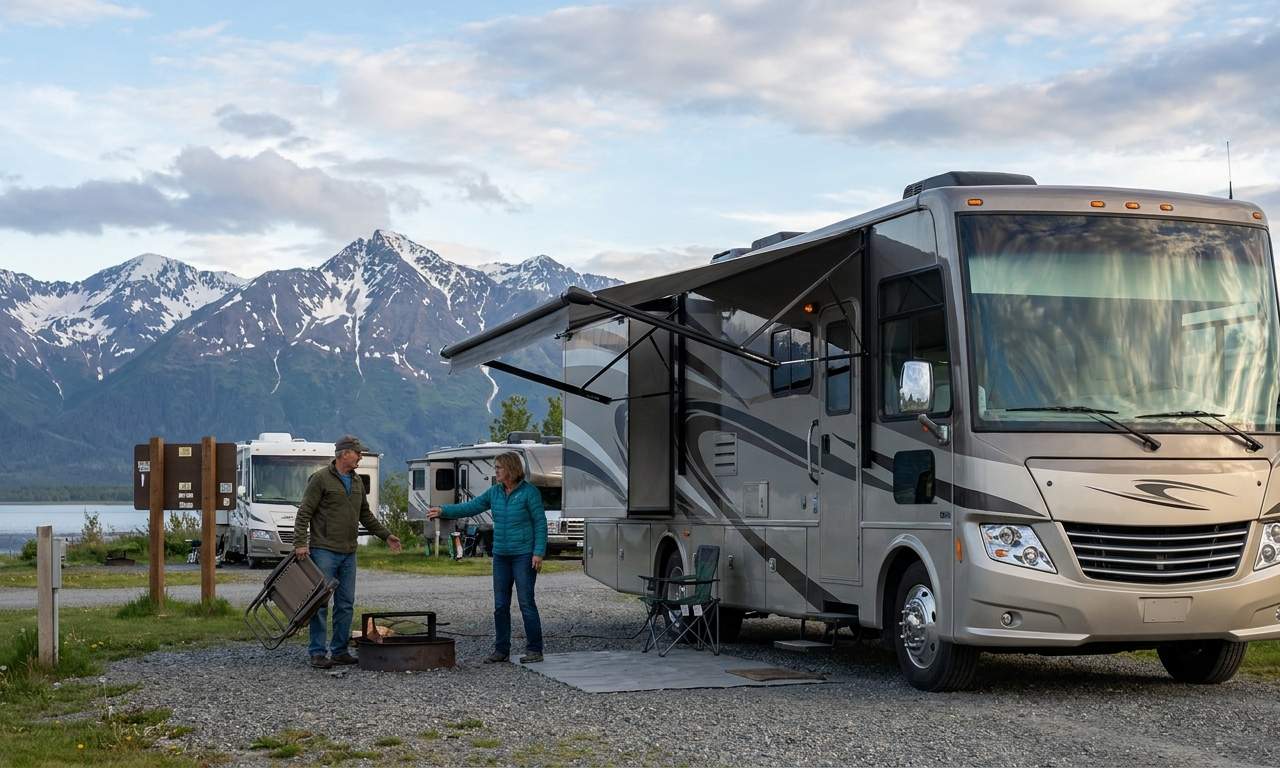
7-Day Classic Route in Anchorage
A classic 7-day RV itinerary from Anchorage provides a fantastic introduction to Alaska's beauty for first-time renters, focusing on manageable drives and unforgettable experiences. Day 1 starts with picking up your rented motorhome in Anchorage, followed by stocking up on groceries at a local Fred Meyer or Carrs/Safeway, then a scenic 60 km drive south along Turnagain Arm to Girdwood. Highlights along the way include the Alaska Wildlife Conservation Center and the Alyeska Resort Tram, with an overnight stay at Girdwood Campground. Day 2 takes you 90 km to Moose Pass, offering picturesque mountain and lake views perfect for short hikes before camping at Moose Pass Campground. On Day 3, a short 50 km drive leads to Seward, the gateway to Kenai Fjords National Park, where you can explore the charming harbor town and park your rental RV at Seward Waterfront Park. Day 4 is dedicated to local exploration in Seward, featuring a highly recommended Kenai Fjords National Park boat tour and a hike to Exit Glacier. Day 5 involves an 80 km drive north along the Kenai Peninsula to Cooper Landing, known for world-class fishing on the Kenai River and scenic pull-offs for your rented campervan. Day 6 returns you towards Anchorage, with a 150 km journey to Eklutna Lake for lakeside activities and a visit to Eklutna Historical Park, staying at Eklutna Lake Campground. Finally, Day 7 is a short 40 km drive back to Anchorage for your final provisions and RV return, perhaps with time for exploring downtown if your schedule allows. This route balances driving with ample time for exploration, perfectly aligning with our philosophy of slow travel.14-Day Extended Journey in Anchorage
For those seeking a more immersive experience, a 14-day extended RV rental journey from Anchorage allows for deeper exploration of Alaska's diverse landscapes. Part 1, covering Days 1-8, focuses on the Kenai Peninsula. Day 1 mirrors the 7-day trip: pick up your rented RV in Anchorage, provision at a major supermarket, and drive 60 km to Girdwood, visiting the Alaska Wildlife Conservation Center and staying at Girdwood Campground. Day 2 proceeds 90 km to Moose Pass for mountain views, camping at Moose Pass Campground. Day 3 is a 50 km drive to Seward and its scenic Waterfront Park, followed by Day 4 dedicated to a Kenai Fjords National Park boat tour and Exit Glacier hike. Day 5 involves a 100 km journey to Sterling for fishing on the Kenai River, with an overnight at Sterling Campground. Day 6 leads 100 km to Homer, the "Halibut Fishing Capital," where you'll explore the Homer Spit and enjoy Kachemak Bay views from Homer Spit Campground. Day 7 offers more Homer exploration, perhaps a bear viewing tour, before Day 8's 60 km return drive to Kenai/Soldotna for Old Town Kenai and King Crab fishing, staying at Kenai RV Park. Part 2, Days 9-14, explores the Mat-Su Valley and Talkeetna. Day 9 is a 140 km drive to Big Lake for recreational activities, camping at Big Lake Campground. Day 10 takes you 50 km to Palmer, the agricultural heart, to visit the Musk Ox Farm and Reindeer Farm, staying at Palmer RV Park. Day 11 is a day trip, 40 km each way, to Hatcher Pass for historic gold mining exploration, returning to Palmer RV Park. Day 12 covers 70 km to Eklutna Lake for biking, kayaking, and Eklutna Historical Park, staying at Eklutna Lake Campground. Day 13 is a short 40 km drive back towards Anchorage for souvenir shopping and preparing your rental mobile home for return, staying at an Anchorage RV Park. Finally, Day 14 involves the essential RV dump and refill before returning your rented RV in Anchorage and departing. This itinerary, like all good routes, allows you to truly feel the place, connect to the culture, the food, and the scenery. To manage your daily budget and track all these potential expenses, remember that RV PLANET routes allow you to itemize and track every expense along the way.Recommended RVPlan Trip for Anchorage
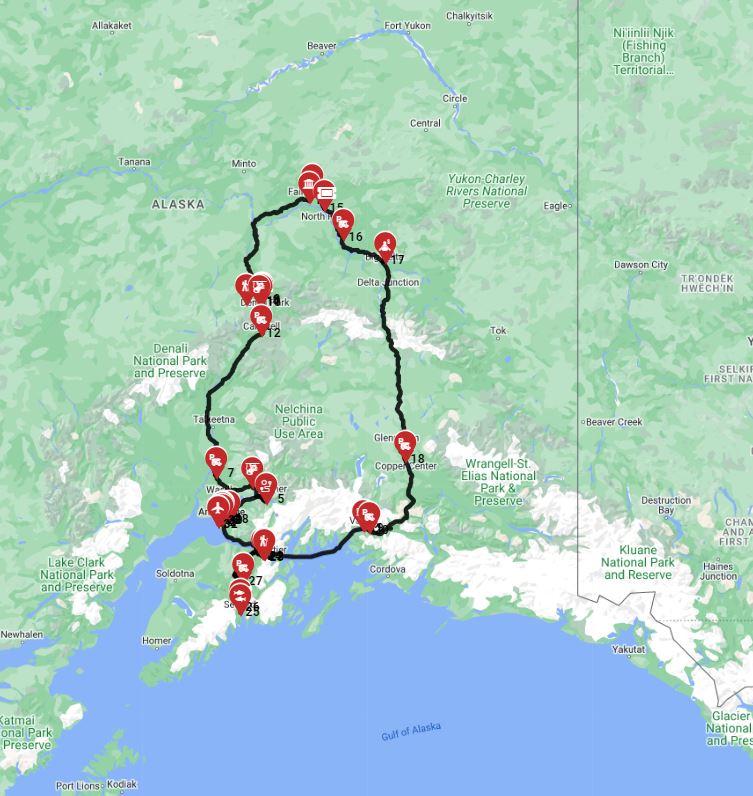
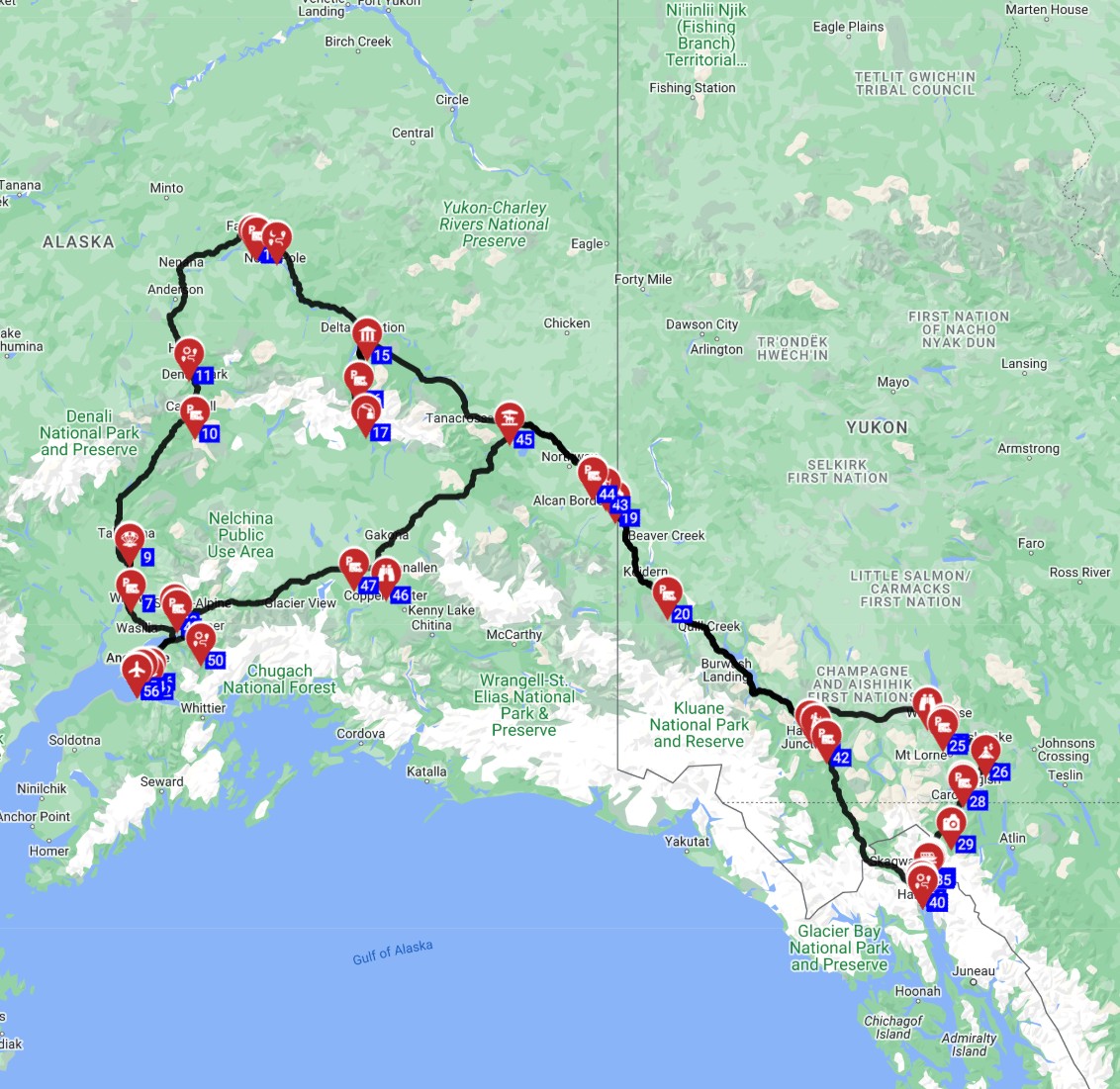
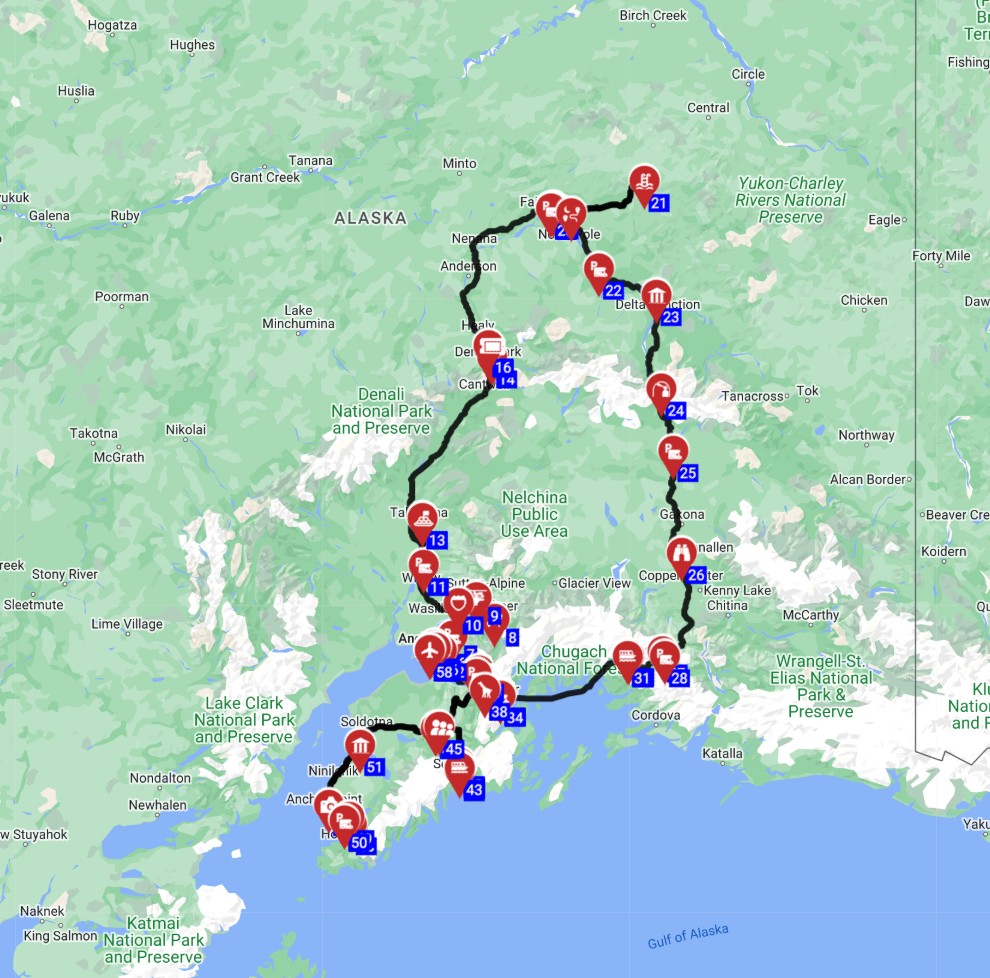
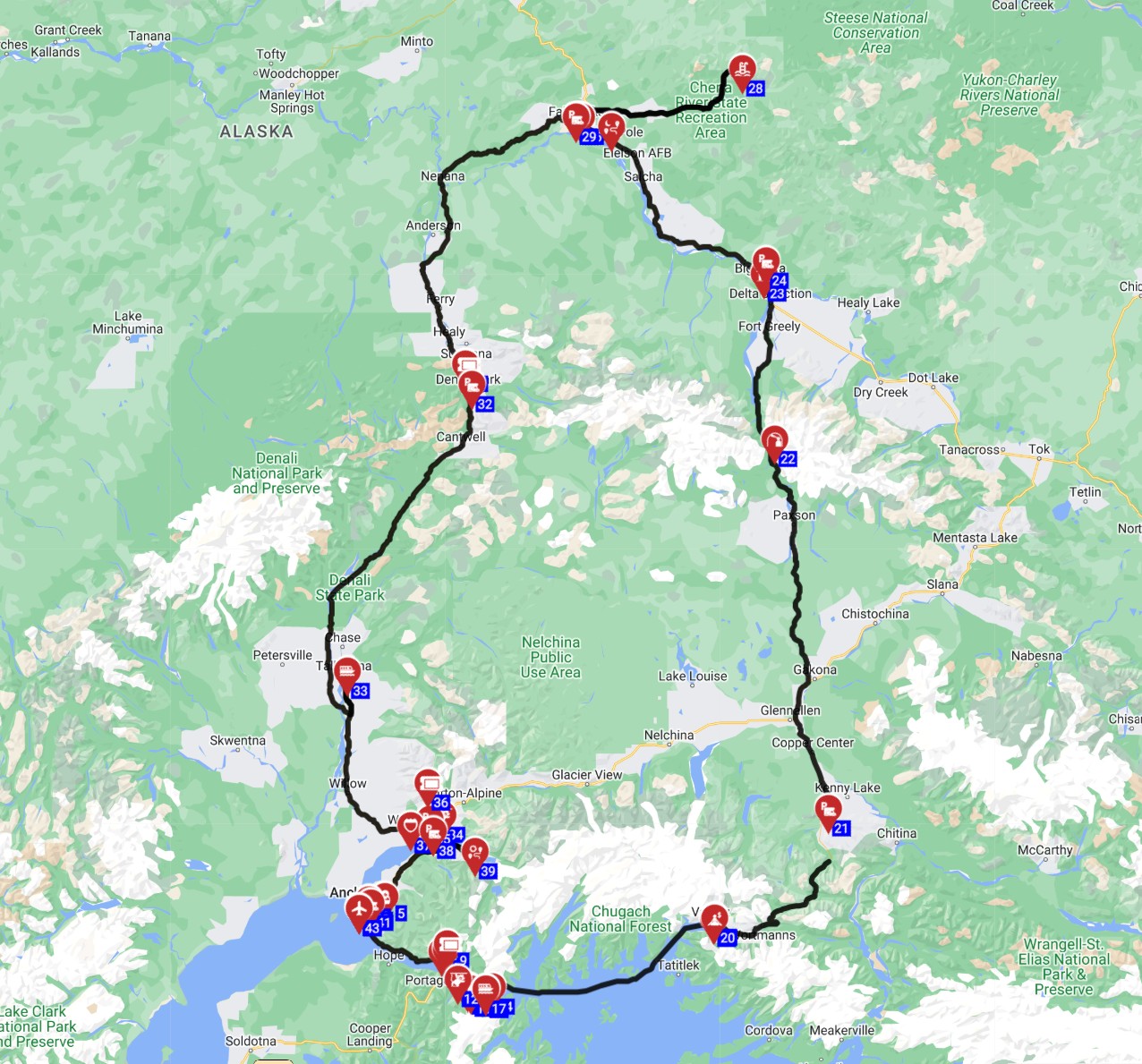
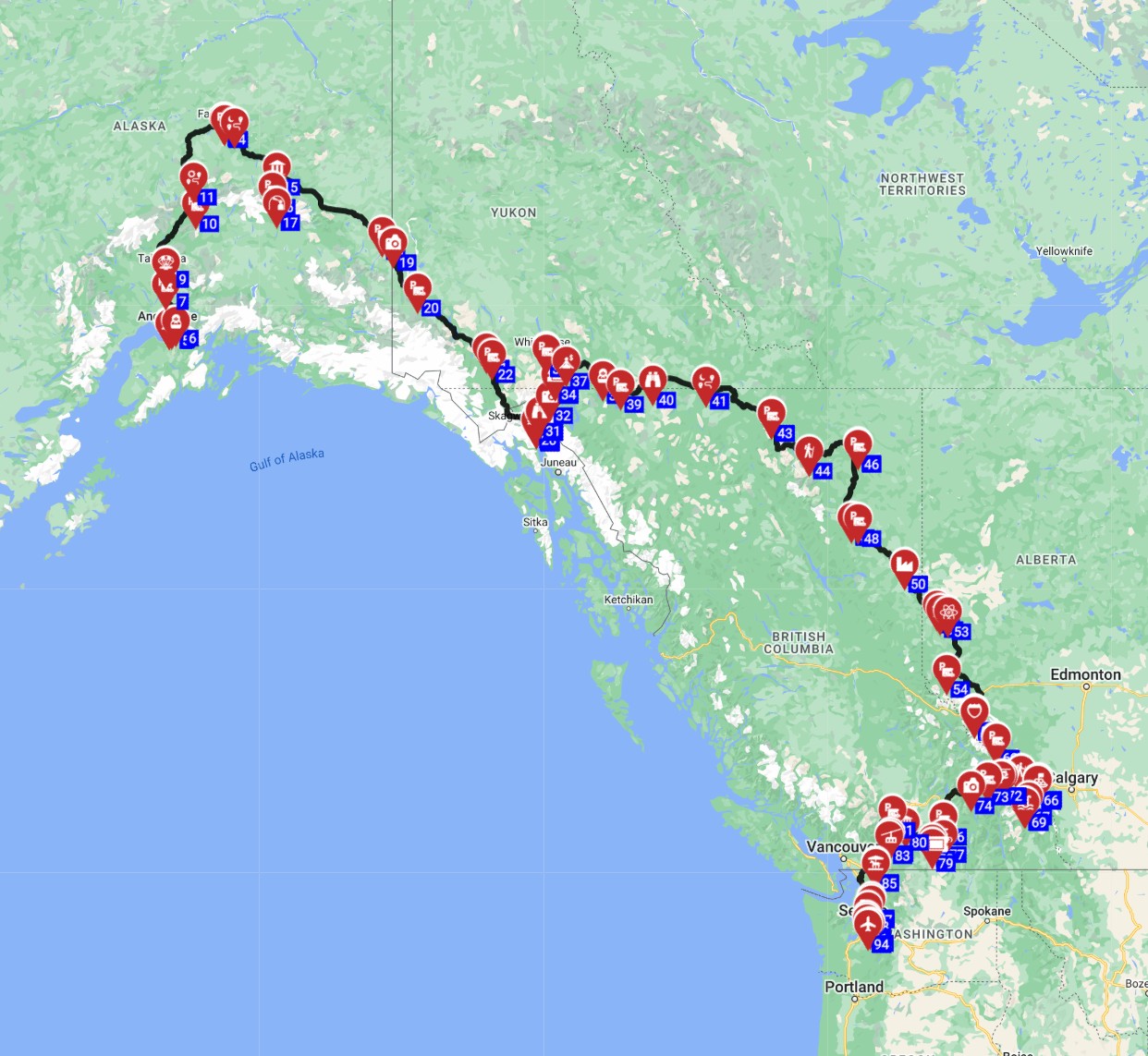
For those seeking an exceptionally grand adventure starting in Anchorage, the RVPLAN trip "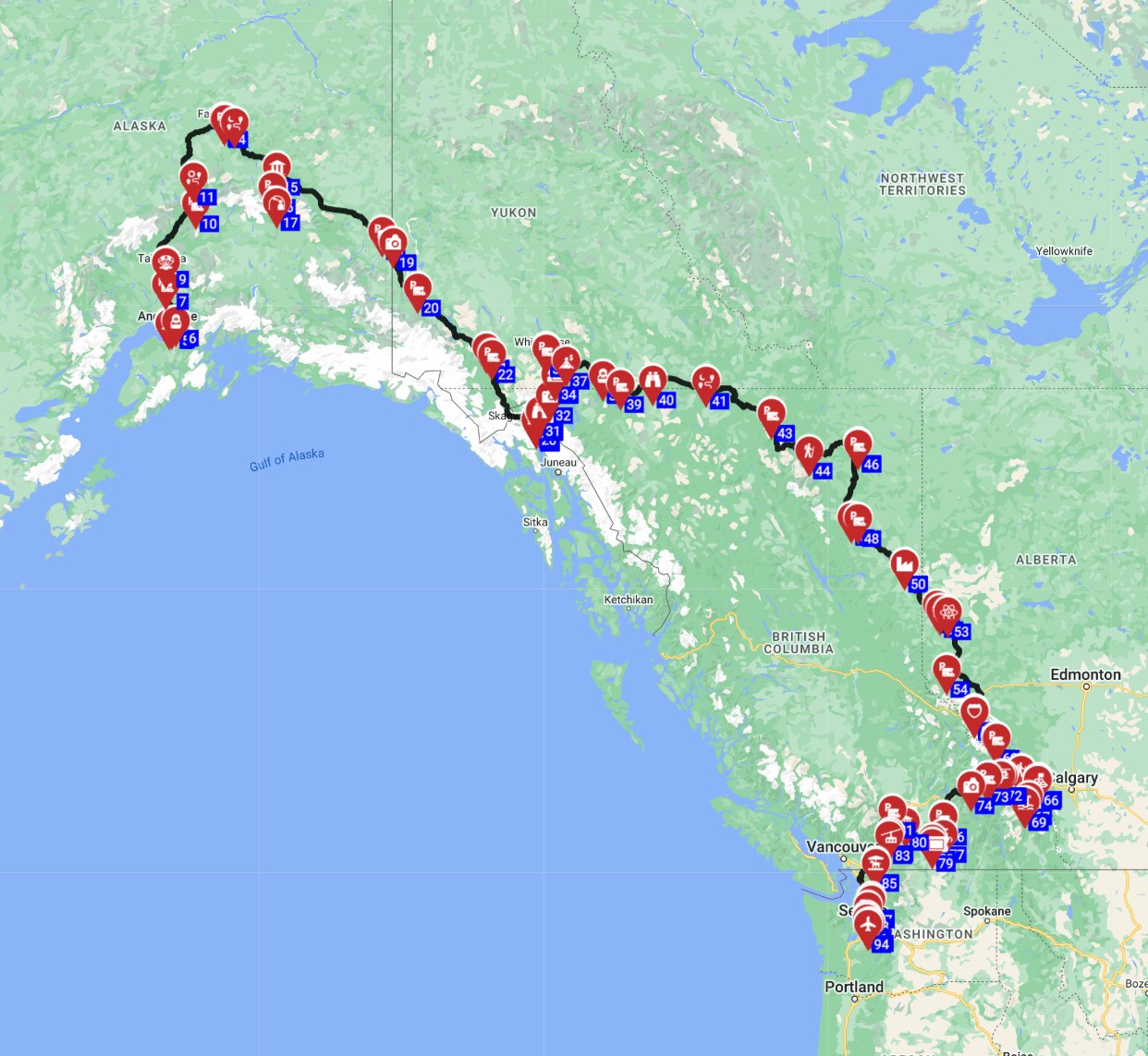
Anchorage to Seattle - The Northern Wilderness Trail
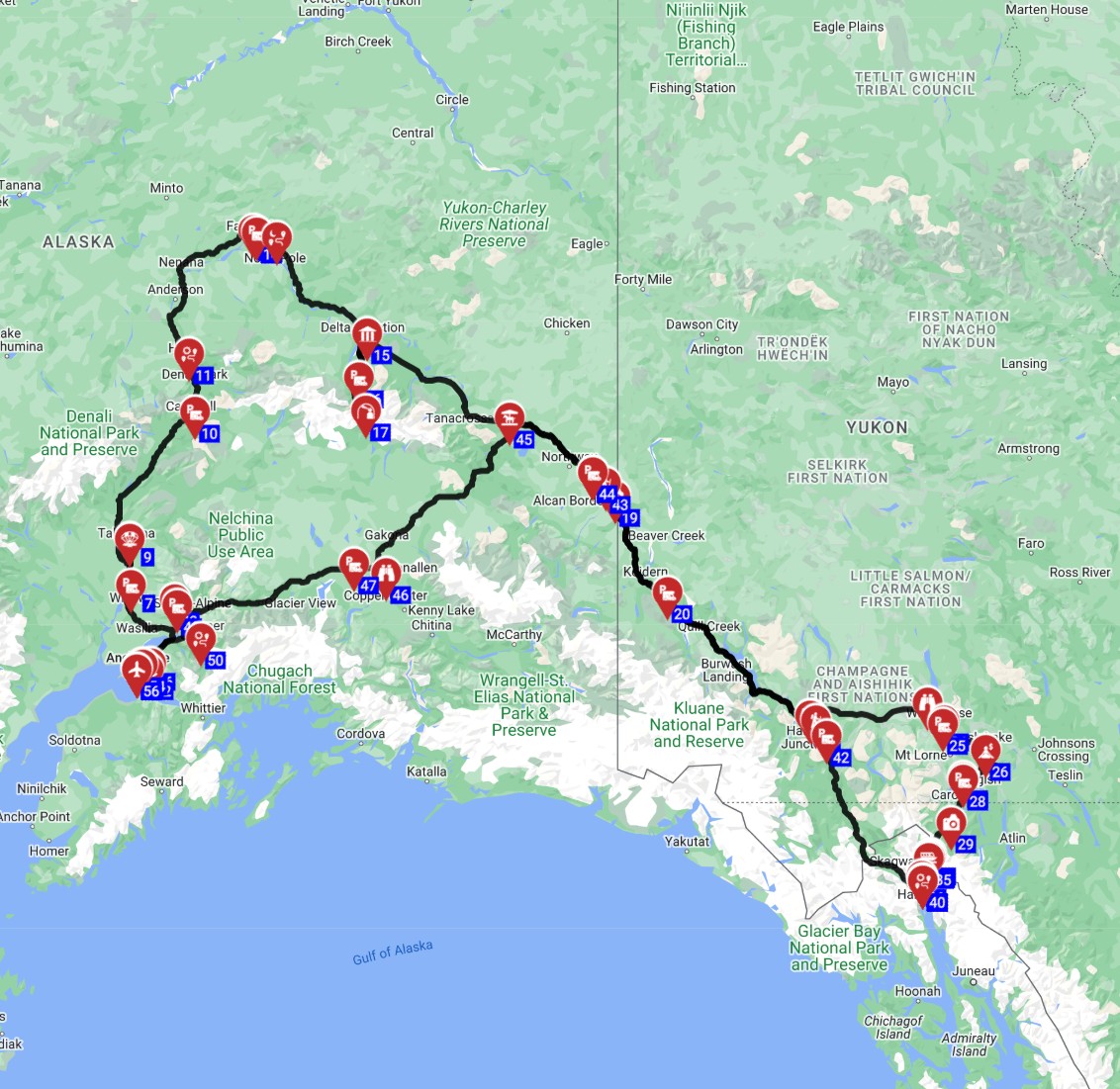
Anchorage Round Trip - Alaska-Yukon Discovery Trail
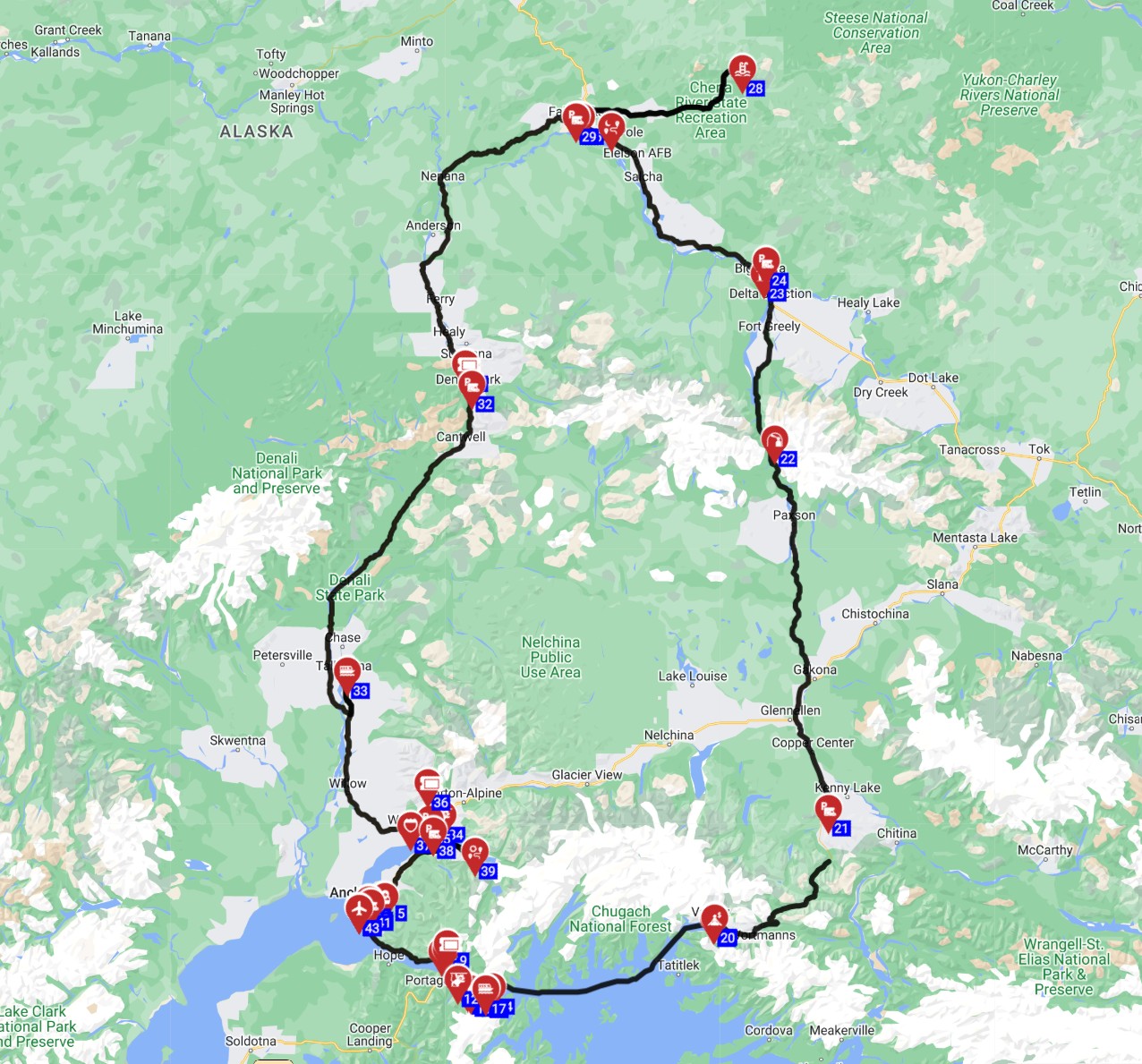
Anchorage Roundtrip Heading North - The Great Alaskan Wilderness Road Trip
Must-See Stops Along the Way (Avi Bandana Picks)
Avi Bandana's picks for a comprehensive Alaskan journey, particularly for those beginning their RV rental adventure in Anchorage, emphasize immersing yourself in local culture and flavors. He often recommends seeking out Traditional Restaurants/Fine Dining to savor authentic Alaskan cuisine, from fresh seafood to unique game meats, providing a true taste of the region. Imagine cooking a delicious meal in your rented motorhome kitchen with freshly caught fish; you can find inspiration in our RV-friendly recipes playlist. Engaging in Traditional Visits to cultural centers or historical sites along your route, like the Alaska Native Heritage Center in Anchorage, allows you to connect with Alaska's rich indigenous heritage and pioneer past. Exploring Local Industry stops, such as fishing operations in Homer, microbreweries in Anchorage, or craft workshops, offers unique insights into the Alaskan way of life and local entrepreneurship.- Anchorage Coastal Wildlife Refuge: Just minutes from downtown Anchorage, this refuge offers incredible opportunities for birdwatching and photography, especially during migration season. It's easily accessible with your rented campervan, providing a peaceful escape without straying far from the city.
- Chugach State Park: Nestled directly against Anchorage, this half-million-acre park offers extensive RV-friendly access to hiking trails and stunning viewpoints. Popular spots like Eklutna Lake provide parking and a serene setting for kayaking or biking.
- Alaska Wildlife Conservation Center: Located about an hour's drive south of Anchorage on the Seward Highway, this accredited sanctuary provides a safe haven for orphaned and injured Alaskan wildlife. It features spacious RV parking, allowing you to observe bears, moose, musk ox, and more up close.
- Portage Glacier & Whittier: Continue beyond Girdwood into the Portage Valley. Park your RV to explore the Begich Boggs Visitor Center, then consider taking a scenic tunnel (requires reservation for RVs) to Whittier for a Prince William Sound boat tour, offering glacier and marine wildlife viewing.
- Seward Waterfront Park: This municipal park in Seward offers prime RV camping with stunning views of Resurrection Bay, often with seals and sea otters visible from your campsite. It's an ideal base for exploring Kenai Fjords National Park.
- Homer Spit: Drive your rented RV down to the famous Homer Spit, a long, narrow finger of land jutting into Kachemak Bay. You'll find RV-friendly campgrounds directly on the spit, offering direct access to fishing charters, art galleries, and fresh seafood restaurants.
Daily Driving Distances & Drive Times in Anchorage
Avi Bandana recommends a maximum of 100 miles or 150 km per day on average when RVing in Alaska, allowing plenty of time to explore without feeling rushed. This guideline helps beginners enjoy the stunning scenery, pull over for wildlife sightings, and engage in spontaneous adventures. Remember, travel slowly, max 100-150 km per day on average. Take time to feel the place, connect to the culture, the food, and the scenery. Even for a larger Class A motorhome, drive slowly and carefully, and you can drive almost anywhere without issues. No need to stress - just use common sense and pay attention, especially when navigating unfamiliar roads near Anchorage. Example drive times around Anchorage include:- Anchorage to Girdwood: Approximately 60 km (37 miles), taking about 45-60 minutes of driving.
- Seward to Cooper Landing: Approximately 80 km (50 miles), requiring about 1 hour 15 minutes of driving.
- Palmer to Eklutna Lake: Approximately 70 km (43 miles), a drive of about 1 hour.
Best RV Class for This Itinerary - Couple & Family Picks
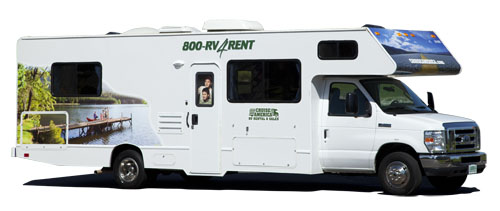
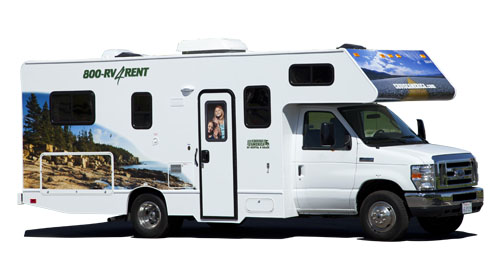
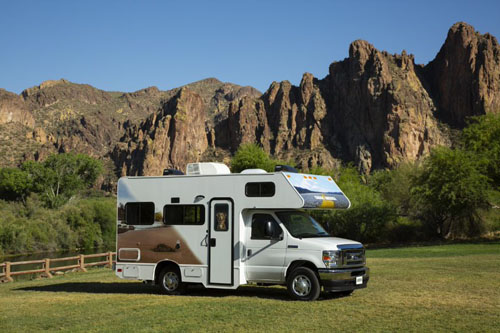
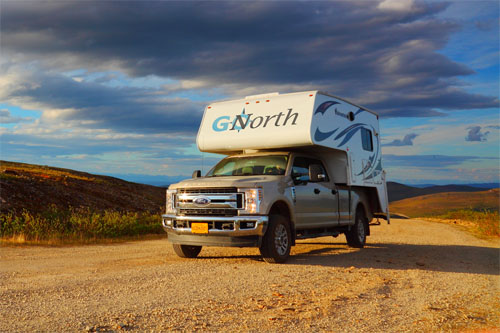
For RV rental beginners embarking on an Anchorage itinerary, selecting the right RV class ensures comfort, maneuverability, and an enjoyable experience. Bandana Caravan exclusively rents motorhomes and campervans, providing specialized knowledge that a general travel agency cannot. For a Couple (Avi Bandana Pick): Consider a Class TC - Truck Camper. Averaging 6 meters (20 feet) in length with sleeping places for 2-3 people (ideal for 2 adults), the Truck Camper offers excellent maneuverability for Alaskan roads and parking, along with good fuel efficiency, typically between 13-19.5 liters per 100km. Another great option for couples is a Class B Camper Van, like the "rv rental denver example Category Van" or "Active Classic", both ideal for a couple and easy to drive. For a Family (Avi Bandana Pick): A Class C - Alcove motorhome is often the perfect choice. Averaging 7.8 meters (25 feet) in length and accommodating 4-6 sleepers, the Class C Alcove provides ample living and sleeping space for families, ensuring everyone has room to relax. Vehicles such as "24' Class C Motorhome" or "rv rentals utah example Sunrise Escape" are popular family choices, offering features like multiple beds, a functional kitchen, and sometimes even a generator. For larger families or groups, models like "Denali Searcher 30 - Gold" with 3 double beds or "C-30" which sleeps up to 7, offer even more space. Fuel consumption for these larger models averages 24-30 liters per 100km. Bandana RV, with over 25 years helping tens of thousands of travelers, are true RV specialists. We compare final prices across 50+ leading RV suppliers worldwide, including trusted partners like El Monte and Cruise America, ensuring full transparency with no hidden fees or surprises. You can upgrade to a top-level deductible for extra peace of mind, an optional enhancement for your rental. Our Rent&Plan service combines your motorhome rental with professionally designed itineraries by travel experts and full access to our trip-planning software at rvplan.net, significantly easing the planning burden for beginners.How much does an RV trip in Anchorage, Alaska cost for beginners?
An RV trip in Anchorage, Alaska, for beginners typically involves daily costs for rental fees, fuel, campground fees, food, and activities, which can range from $200-$500+ per day depending on the RV class, season, and travel style. For a comprehensive overview of costs, see "RV Rental in Anchorage - Prices and Best Deals 2026" or "Cheap RV Rental in Anchorage - Budget Guide 2026".- RV Rental Rates: These vary significantly by season (peak summer is highest), RV class (smaller campervans like a Class B are generally less expensive than large Class A or C models), and rental duration. Expect daily rates from $150 to $400+. Booking early, ideally 3-6 months in advance for summer, often secures better rates.
- Fuel Costs: Alaska has some of the highest fuel prices in the U.S. and Canada, so budgeting a significant portion for gasoline or diesel is crucial. An average RV consumes between 13-30 liters per 100km (depending on class and terrain), making fuel a primary expense for a week-long trip or longer. For specific one-way costs, check "One-Way RV Rental in Anchorage - Price Guide 2026".
- Campground Fees: Most RV-friendly campgrounds in and around Anchorage and along popular routes charge between $20-$60 per night for a standard site, with full hookups (water, electricity, sewer) often at the higher end. Discounts may apply for extended stays or certain memberships.
- Food Expenses: Cooking in your rented RV can save significant money compared to dining out. Budget for groceries from Anchorage's major supermarkets (e.g., Fred Meyer, Carrs/Safeway) and consider fresh local produce or seafood when available.
- Activity and Excursion Costs: Factor in expenses for popular Alaskan activities such as wildlife cruises, flightseeing tours, fishing charters, or national park entrance fees, which can range from $50 to several hundred dollars per person per activity. These should be considered when looking at the overall value of your RV rental.
What are the best RV-friendly activities and day trips from Anchorage?
The best RV-friendly activities and day trips from Anchorage include exploring the Chugach Mountains, driving the scenic Turnagain Arm to Seward or Girdwood, visiting wildlife centers, and hiking accessible trails, all while using Anchorage as a comfortable base camp. With your rented RV, you have a mobile headquarters to venture out and return to the city for supplies or to explore its offerings.- Chugach State Park: Located right on Anchorage's doorstep, this vast park offers numerous RV-accessible trailheads for hiking, fishing, and picnicking. Popular spots include Eklutna Lake for kayaking and biking, and Eagle River Nature Center for easy walks and interpretive programs.
- Alaska Wildlife Conservation Center (AWCC): A prime RV-friendly destination just an hour south of Anchorage along the Turnagain Arm, offering spacious parking and the chance to see Alaskan wildlife like bears, moose, and bison up close in a natural setting.
- Girdwood: A charming ski town nestled in the mountains, accessible via the scenic Seward Highway. RVers can park and take the Alyeska Tram for panoramic views or explore local hiking trails suitable for various skill levels.
- Portage Glacier & Whittier: Continue past Girdwood to the Portage Valley, where you can easily park your RV to visit the Begich Boggs Visitor Center and view Portage Glacier. Consider a short boat tour into Prince William Sound from Whittier (requires a tunnel reservation for RVs for the Anton Anderson Memorial Tunnel, check times in advance).
- Seward: A classic RV day trip or overnight stay (as featured in itineraries), offering Kenai Fjords National Park cruises and the opportunity to hike to Exit Glacier. RV parking is abundant at the Waterfront Park and private campgrounds.
- Scenic Drives: The Seward Highway itself is an attraction, designated an All-American Road, with numerous RV-friendly pull-offs and viewpoints along the Turnagain Arm for stunning vistas and wildlife spotting (beluga whales, Dall sheep).
How do I prepare an RV for Alaskan seasons and wildlife near Anchorage?
Preparing a rented RV for Alaskan seasons and wildlife near Anchorage involves understanding summer daylight hours, being aware of road conditions, packing for mosquitoes, securing food against bears, and having a plan for potential cell service dead zones and emergencies in remote areas. Even for a first-time RV rental traveler, these preparations are manageable with common sense and attention to detail.- Seasonal Considerations (Summer): Alaskan summers feature exceptionally long daylight hours, often up to 19 hours in June/July, so consider RV window coverings for better sleep. While generally pleasant, be prepared for sudden weather changes, including rain and cooler temperatures; packing layers is always a good idea.
- Road Conditions: Many Alaskan roads, including major arteries like the Seward Highway and Glenn Highway, are well-maintained. However, be aware of occasional gravel sections (always check your rental agreement for restrictions on unpaved roads) and frost heaves (bumps from thawing permafrost). Drive defensively and keep headlights on, especially in changing light conditions.
- Mosquito Control: Mosquitoes can be prevalent, especially near water. Pack strong insect repellent, consider mosquito nets for windows or screens already included in your rental RV, and use screens diligently when stationary.
- Wildlife Safety (Bears): Bear encounters are possible, even near Anchorage. Always store food and scented items inside your RV or in bear-proof containers, never leave trash or food scraps outside, and dispose of garbage properly in designated receptacles. When hiking, make noise to avoid startling wildlife, and consider carrying bear spray if comfortable.
- Connectivity & Emergency Planning: Cell service can be spotty to non-existent outside major towns and along remote stretches of highway. Inform someone of your itinerary, consider renting a satellite communicator (e.g., InReach) for emergencies in dead zones, and know local emergency contacts (911 for emergencies, Alaska State Troopers for non-emergencies). For broader context on planning, our "RV Rental Alaska - Complete Guide 2026" offers useful insights.
What are key considerations when renting an RV in Anchorage for the first time?
Key considerations when renting an RV in Anchorage for the first time include understanding specific rental restrictions (e.g., gravel road policies), ensuring adequate insurance coverage for Alaskan roads, and selecting an RV type suitable for both your group size and the desired itinerary. As true RV specialists, Bandana is here to support you before and during your booking process.- Rental Restrictions: Many rental companies have strict policies regarding driving their motorhomes on unpaved or gravel roads (e.g., portions of the Denali Highway, McCarthy Road). Always clarify these restrictions and potential penalties before booking, as violating them can void insurance.
- Insurance Coverage: Confirm your personal auto insurance or credit card coverage extends to RV rentals in Alaska, or purchase supplemental coverage through the rental company. Bandana RV offers full transparency, so you'll clearly see all insurance options. You can upgrade to a top-level deductible for extra peace of mind, an optional feature that many first-time renters appreciate.
- Vehicle Type & Size: Match the RV class to your group size and comfort level. While a Class C Alcove (avg. 7.8m length) is great for families with 4-6 people, a smaller Truck Camper (avg. 6m length) or Class B Camper Van (avg. 6.1m length) might be easier for couples or those less experienced with larger vehicles, especially on narrower roads or parking in towns like Seward or Homer.
- Mileage Packages: Alaskan RV trips often involve substantial distances. Inquire about unlimited mileage packages or the cost per additional mile, as these can significantly impact your budget. Some suppliers like Cruise America offer varied mileage options.
- Pre-Trip Inspection: Before departing the rental depot, thoroughly inspect the rented RV for any existing damage, test all appliances (water, electricity, furnace, fridge), and ensure you understand how to operate all systems (dumping tanks, filling water). Don't hesitate to ask the rental staff questions; they are there to help.
- Early Booking: RV rentals in Anchorage, especially for popular summer months (June-August), book out quickly. Secure your reservation well in advance (3-6 months is ideal) to ensure availability and better rates. Prices are dynamic like flight tickets-they change daily based on availability, seasonality, and supplier marketing decisions. The final price is set at actual booking time.
Where can I find essential RV services and city parking in Anchorage?
In Anchorage, essential RV services like dump/fill stations, propane refills, and accessible grocery stores are widely available at major RV parks, gas stations, and larger supermarkets, while city parking for large vehicles requires planning and often involves designated lots or street parking on wider avenues. This accessibility makes Anchorage a convenient hub for beginners picking up their rental motorhome.- RV Dump and Water Fill Stations: Major RV parks such as Golden Nugget RV Park or Anchorage Ship Creek RV Park offer public dump stations, often for a small fee, and potable water fill-ups. Some larger gas stations or travel centers outside downtown Anchorage may also provide these services. Look for signage or call ahead to confirm availability and cost.
- Propane Refills: Propane for cooking and heating is readily available at many gas stations (e.g., some Holiday Stationstores), U-Haul locations, and hardware stores (e.g., Lowe's, Home Depot) across Anchorage. These are generally easy to access with a rented RV.
- Grocery Stores: Large grocery chains like Fred Meyer and Carrs/Safeway (found throughout Anchorage) offer ample parking for RVs and are ideal for stocking up on provisions. Look for locations with larger parking lots in suburban areas rather than tight downtown spots.
- RV Mechanics: In case of mechanical issues with your rented motorhome, several reputable automotive and RV repair shops are located in Anchorage. A quick online search for "RV repair Anchorage" or asking your rental company for recommendations is advisable.
- City Parking for Large Vehicles: Parking an RV directly downtown Anchorage can be challenging due to size restrictions. Look for designated oversized vehicle parking lots near popular attractions (e.g., Anchorage Museum, Tony Knowles Coastal Trail access points, Merrill Field Airport area) or utilize wider streets further from the immediate city center. Always observe local parking signs and restrictions to avoid fines. Drive slowly and carefully, and you can drive almost anywhere without issues. No need to stress - just use common sense and pay attention.
Final Thoughts
Embarking on your first RV rental adventure in Anchorage is an incredible way to experience the vast beauty of Alaska. With a well-planned itinerary, the right motorhome rental for your group, and an understanding of local conditions, you're set for an unforgettable journey. Remember to embrace the spirit of slow travel, allowing yourself the time to truly connect with the stunning landscapes and unique culture of this incredible region. We at Bandana Caravan are here to make your planning seamless and transparent, ensuring you feel supported every step of the way. From comparing prices across 50+ suppliers to offering professionally designed route plans through RV PLANET, we are your trusted partners in discovery. Get inspired for your next trip! Find Motorhome Rentals in AnchorageOn the routes offered through RV PLANET routes, you can itemize and track every expense along the way for easy budgeting.