In This Guide
- Can You Drive an RV in Vancouver? License & Age Rules
- Road Conditions & Terrain in Vancouver
- RV Size Limits, Bridges & Restricted Zones
- Fuel: Diesel vs. Petrol and Cost per 100 km
- Tolls, Vignettes & Border Rules
- Driving Tips for rv rental deals Travelers
- Recommended RV Class for Vancouver Roads
- Should I Choose a Compact Van Instead of a Large RV in Vancouver?
- Can I Park Anywhere - Free and Wild Camping Rules in Vancouver
- Can I Drive an RV Into the City Center - Heights, Tunnels and Local Signage
- What is the 3-3-3 Rule for RVs and Campers?
- What is the 4-4-4 Rule for RVing?
- How Much Does it Cost to Rent an RV in Vancouver?
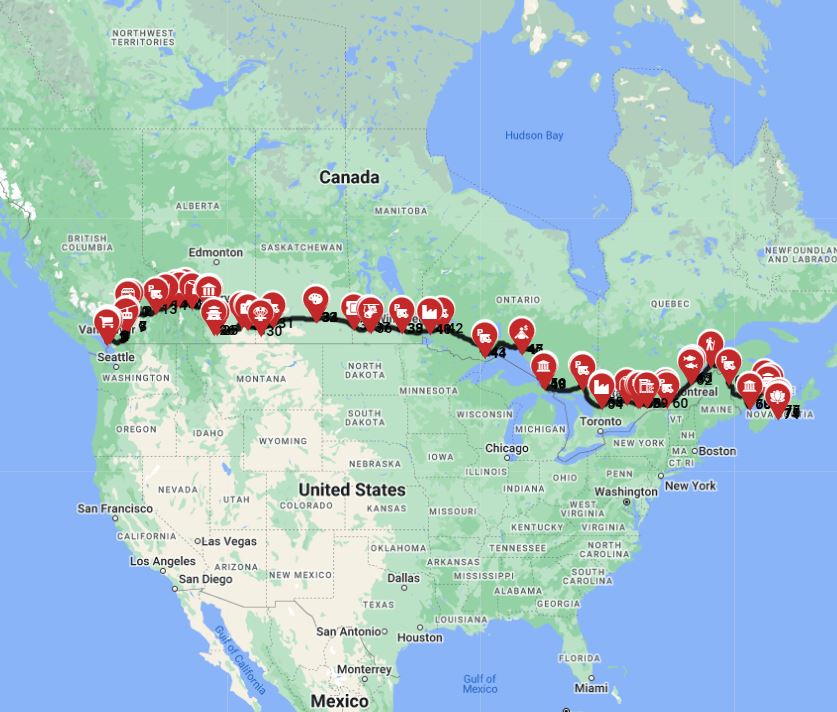
- Can You Rent an RV to Drive Across Canada?
- Is it Easy to Drive an RV in Canada?
- What Do You Need to Rent an RV in Canada?
Embarking on your first RV adventure in Vancouver is an incredibly exciting prospect, offering unparalleled freedom to explore British Columbia's stunning landscapes. From the bustling city streets to the serene coastal highways and majestic mountain passes, Vancouver serves as an ideal starting point for a memorable journey with a rented motorhome or campervan. For live availability and current prices, start with our RV Rental Vancouver - Complete Guide 2026 guide. We're here to provide authoritative insights and supportive guidance to ensure your first-time RV driving experience is smooth, safe, and filled with joy.
Can You Drive an RV in Vancouver? License & Age Rules
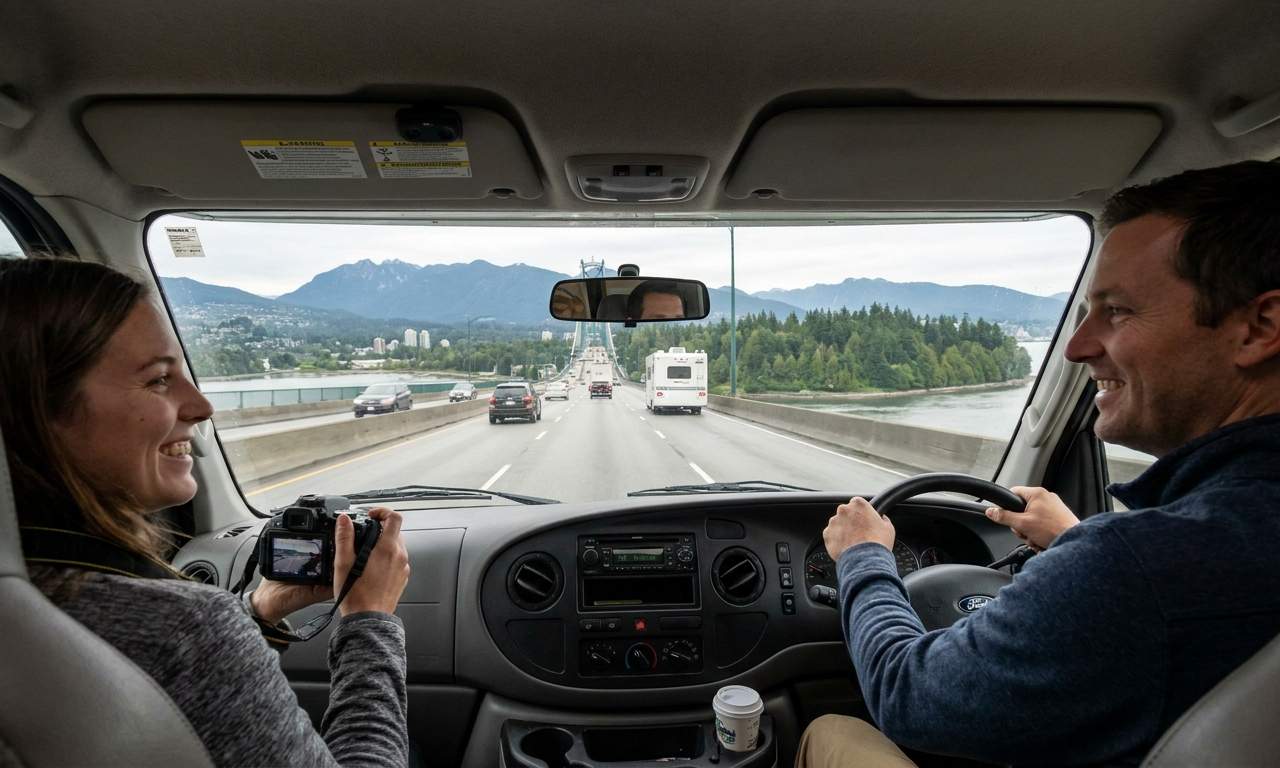
Yes, you can absolutely drive a rented RV in Vancouver and throughout British Columbia with a standard driver's license. In Canada, a regular Class 5 (or equivalent provincial) driver's license is typically sufficient to operate most rental RVs, provided the vehicle does not exceed 11,000 kg (24,250 lbs) gross vehicle weight (GVW), a threshold that easily covers the majority of motorhomes and campervans available for rent.
Drivers must generally be at least 21 years old to rent an RV in Vancouver. We're proud to offer full transparency in our booking process, and unlike some competitors, there are no young driver surcharges or vehicle class restrictions based on age for renters aged 21 and above through Bandana. Foreign visitors can drive an RV in British Columbia with a valid driver's license from their home country for up to six months. However, an International Driving Permit (IDP) is strongly recommended for licenses not in English or French, serving as a helpful translation and supplementary document. For those considering an extended road trip across Canada, understanding these licensing details is key, which you can further explore in "RV Rental British Columbia - Complete Guide 2026".
Road Conditions & Terrain in Vancouver
Road conditions around Vancouver and throughout British Columbia are generally excellent, providing a pleasant driving experience for your rented motorhome. The terrain, however, varies significantly from the urban flatlands of Vancouver to steep, winding mountain passes, particularly on iconic routes like the Sea-to-Sky Highway (Hwy 99).
Drivers renting an RV in Vancouver should be prepared for potential gravel sections on secondary roads leading to some national parks or recreational areas, and for navigating city traffic during peak hours around areas like the Cambie Street Bridge or the Pacific Centre. Traveling slowly and carefully, and using common sense and paying attention, will allow you to drive almost anywhere without issues, regardless of RV size. Winter driving conditions (October to April) often require specific tires (M+S or winter) and chains on designated mountain highways, impacting RV travel. Always check local weather and road reports before heading out, especially if you're planning a week-long trip into the interior.
RV Size Limits, Bridges & Restricted Zones
While Vancouver itself does not have widespread RV size restrictions for major roads, drivers must be mindful of bridge clearances, tunnel heights, and accurate length measurements, especially when booking BC Ferries. Most bridges and tunnels in the greater Vancouver area, including those on major highways like Highway 1 or the Alex Fraser Bridge, accommodate standard RV heights, typically up to 4.5 meters (14.8 feet). Always watch for signage for specific clearances.
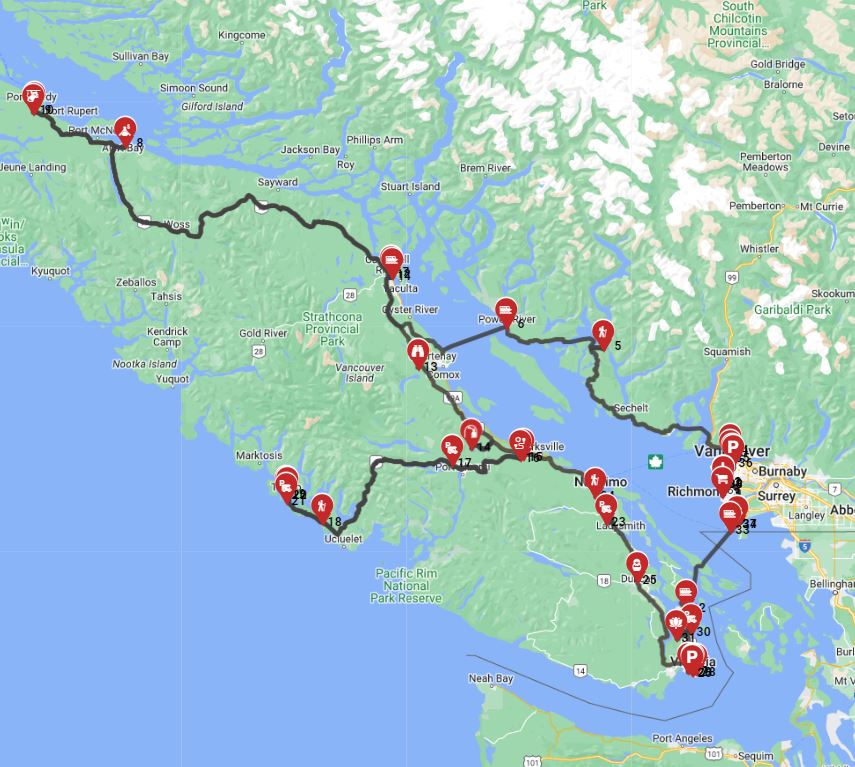
BC Ferries, which connects Vancouver to Vancouver Island, requires accurate RV length measurements for booking and pricing, and longer RVs may have fewer available spots or higher fees, so booking in advance is advisable. Environmental zones or restricted access areas are not common for RVs in Vancouver, but local signage for specific parks, like Stanley Park's inner roads, or residential streets should always be observed for height, weight, or parking restrictions. A comprehensive guide like "RV Travel Guide to Vancouver - Tips and Top Spots 2026" can offer more specific local insights.
Fuel: Diesel vs. Petrol and Cost per 100 km
Most modern rental RVs in Bandana's diverse fleet, including Class SI Semi-integrated and Class C Alcove models, typically run on diesel fuel, which is widely available at service stations across Vancouver and British Columbia. For instance, a Class SI Semi-integrated RV generally averages 10-11 Liter/100 km, while a larger Class C Alcove might average 10-12 Liter/100 km. Campervans like the `hire campervan example Paradise S/T` are very efficient.
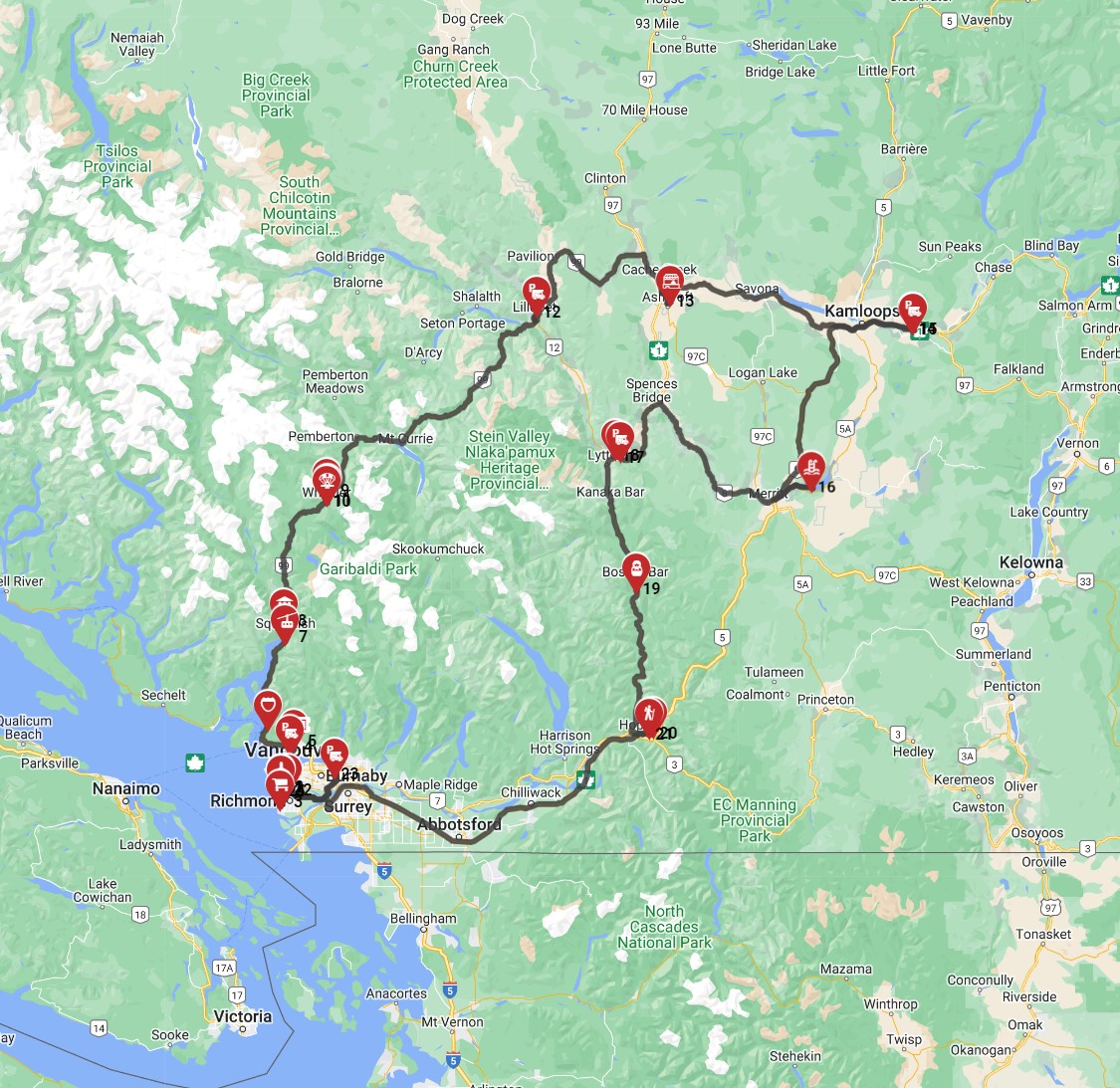
For Class B Camper Vans, common fuel consumption is around 8-10 Liter/100 km. At average 2026 fuel prices in Vancouver, drivers should budget approximately $20-25 CAD per 100 km for diesel, depending on driving style and current market fluctuations. Planning your fuel stops and budgeting for these ancillary costs is essential. On RV PLANET routes, travelers can itemize and track every expense along the way for easy budgeting. Visit RV PLANET routes to discover more. Always check fuel levels before leaving urban areas like Surrey or Richmond, especially if heading into more remote regions of British Columbia. On the routes offered through RV PLANET routes, you can itemize and track every expense along the way for easy budgeting.
Tolls, Vignettes & Border Rules
Within Vancouver and British Columbia, there are currently no significant toll roads or vignettes required for RVs, making local travel straightforward from a payment perspective. The Golden Ears Bridge and Port Mann Bridge in Metro Vancouver previously had tolls but are now toll-free, simplifying navigation for RV renters. This means you can enjoy routes connecting different parts of the Lower Mainland without unexpected fees.
For travelers considering cross-border trips to the United States, specific toll roads (e.g., in Washington State) may require an electronic pass or cash payment; ensure you understand these rules if planning to leave Canada. Always carry necessary travel documents, including your passport, vehicle registration, and rental agreement, when crossing the Canada-U.S. border with an RV from Vancouver. Our full transparency promise means you'll always know about potential fees upfront, but border-specific tolls are managed by the respective jurisdictions.
Driving Tips for rv rental deals Travelers
Driving a rented RV in Vancouver and through British Columbia is a rewarding experience, but a few expert tips will enhance your journey. First, embrace slow travel: aim for a maximum of 100-150 km per day on average. This allows ample time to truly feel the place, connect to the local culture, savor the food, and immerse yourself in the incredible scenery, rather than rushing from one spot to the next. For families, planning stops every 2-3 hours for breaks is crucial, ensuring comfort and preventing driver fatigue, making the journey itself part of the adventure.
When encountering British Columbia's mountainous terrain, particularly on descents like those on the Coquihalla Highway or the Sea-to-Sky Highway, use lower gears to control speed and prevent brake overheating—a critical safety measure. For those planning a two-week adventure or extended road trip, consider a pre-planned route itinerary from RV PLANET to optimize your scenic stops and driving times. When cooking meals in your RV kitchen, you can save significantly on dining costs. For some delicious inspiration, check out our RV-friendly recipes playlist. Additionally, if your itinerary involves BC Ferries, book well in advance, especially for popular routes to Vancouver Island, accurately providing your RV's total length to secure a spot and avoid delays.
Recommended RV Class for Vancouver Roads
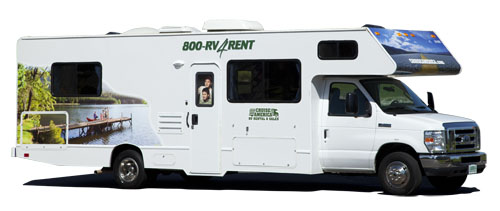
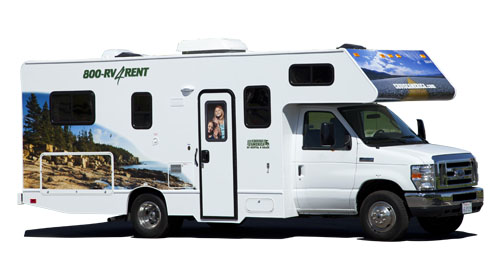
For navigating Vancouver's varied terrain and exploring the wider British Columbia region, a Class SI - Semi-integrated motorhome or a Class B - Camper Van is highly recommended due to their balanced maneuverability and comfort. Class SI - Semi-integrated RVs, such as the `2 Berth Tamar`, averaging 6.9 meters in length, offer a good balance of interior space (often with 3.8 sleeping places) and relative ease of driving compared to much larger units, making them suitable for both city and highway travel.
Class B - Camper Vans, averaging 5.8 meters in length, are excellent for those prioritizing easy parking and agility in urban settings like Gastown or Yaletown, while still providing essential amenities for 2-3 adults, with an average of 3.2 sleeping places. Vehicles like the `Camper Van Plus - V600` are popular choices. While larger Class C Alcove motorhomes (avg. length 7.5 meters), like the `4 Berth Deluxe` or `24' Class C Motorhome`, or Class A Integrated RVs are also suitable for highways, their increased length can make parking and tight city navigation more challenging. Bandana offers a wide range of vehicles, including popular Class B and C rentals for a "Cheap RV Rental in Vancouver - Budget Guide 2026" or a more "Luxury RV Rental in Vancouver - Premium Prices 2026".
Should I Choose a Compact Van Instead of a Large RV in Vancouver?
The decision between a compact van and a larger RV for your Vancouver adventure genuinely hinges on your desired comfort level and indoor space versus maneuverability. Generally, there is no significant issue driving any standard motorhome size in Vancouver and throughout British Columbia. You can drive slowly and carefully, and you can drive almost anywhere without issues. No need to stress - just use common sense and pay attention.
A compact Class B Camper Van, with its average length of 5.8 meters, indeed offers an advantage for navigating very tight historic centers or parking in busy urban areas, as well as on very narrow, winding mountain passes if you plan to venture off main highways. However, for most travelers exploring Vancouver and its surrounding regions, a larger RV like a Class SI Semi-integrated (avg. 6.9m) or Class C Alcove (avg. 7.5m) provides significantly more living space, amenities, and comfort. This added space, featuring amenities like a larger kitchen for preparing RV-friendly recipes playlist or more comfortable sleeping arrangements for families, often outweighs the slight increase in maneuverability challenges. Unless your itinerary focuses heavily on extreme urban exploration or very remote, unpaved roads, opting for a larger RV for the added space and comfort is often the better trade-off for a Vancouver RV rental.
Can I Park Anywhere - Free and Wild Camping Rules in Vancouver
Free camping or "wild camping" is generally not permitted within Vancouver city limits or in developed provincial parks, and is strictly regulated on Crown land throughout British Columbia. Overnight RV parking in urban areas, including around Vancouver International Airport (YVR) or near the Granville Island Public Market, is typically restricted to designated campgrounds, private RV parks, or specific parking lots that explicitly allow it, often with a fee. You will find that many provincial parks operate on a reservation system, which can be explored via RV PLANET (rvplan.net).
On Crown land outside of municipalities and designated parks, there are some opportunities for dispersed camping, but regulations vary by region, require leaving no trace, and often have limits on stay duration. Always consult the specific rules for the area you plan to visit, as penalties for illegal overnight parking or camping can be significant. If you're struggling to find available spots, remember, "You'll find a spot. If not at the first campground, then the next one. Call ahead before driving." A reliable resource for finding campsites and campgrounds during your trip is RV PLANET (rvplan.net) — a great tool for locating available spots along your route.
Can I Drive an RV Into the City Center - Heights, Tunnels and Local Signage
Yes, you can generally drive a rented RV into Vancouver's city center, but drivers must pay close attention to local signage, especially concerning height limits, tunnel clearances, and low bridges. While most main arterial roads, such as Georgia Street or Pacific Boulevard, and routes into downtown Vancouver accommodate standard motorhomes, some specific underground parking garages, smaller streets, or older infrastructure (like certain approaches to the Lions Gate Bridge) might have lower clearances.
Always watch for signs indicating 'No Commercial Vehicles,' 'Height Restriction,' or 'No Thru Traffic' for large vehicles, particularly on residential streets or in designated historical districts like Gastown. Vancouver does not have environmental zones that restrict RV access based on emissions, but parking can be extremely challenging and expensive in the downtown core. It is often more practical for a week-long trip to park your RV at a nearby campground, such as Capilano River RV Park, or a suburban park-and-ride (e.g., at a SkyTrain station) and use public transit to explore the immediate city center.
What is the 3-3-3 Rule for RVs and Campers?
The 3-3-3 rule for RVing is a widely recommended guideline for safe and enjoyable travel, advising drivers to drive no more than 300 miles (approximately 480 km) a day, arrive at their destination by 3 PM, and stay for at least 3 nights. This rule helps prevent driver fatigue, allows ample time to set up camp and relax, and provides opportunities to explore the local area around Vancouver without feeling rushed.
Adhering to the 3-3-3 rule is particularly beneficial when navigating British Columbia's diverse terrain, ensuring drivers remain fresh and attentive to varying road conditions like those on the Sea-to-Sky Highway. While a guideline, adapting it to your Vancouver itinerary (e.g., shorter distances if exploring local attractions or longer stays in popular areas such as Whistler or the Okanagan Valley) enhances the overall RV experience and promotes a more relaxed pace of travel. This approach is key to an inspiring adventure in your rented campervan.
What is the 4-4-4 Rule for RVing?
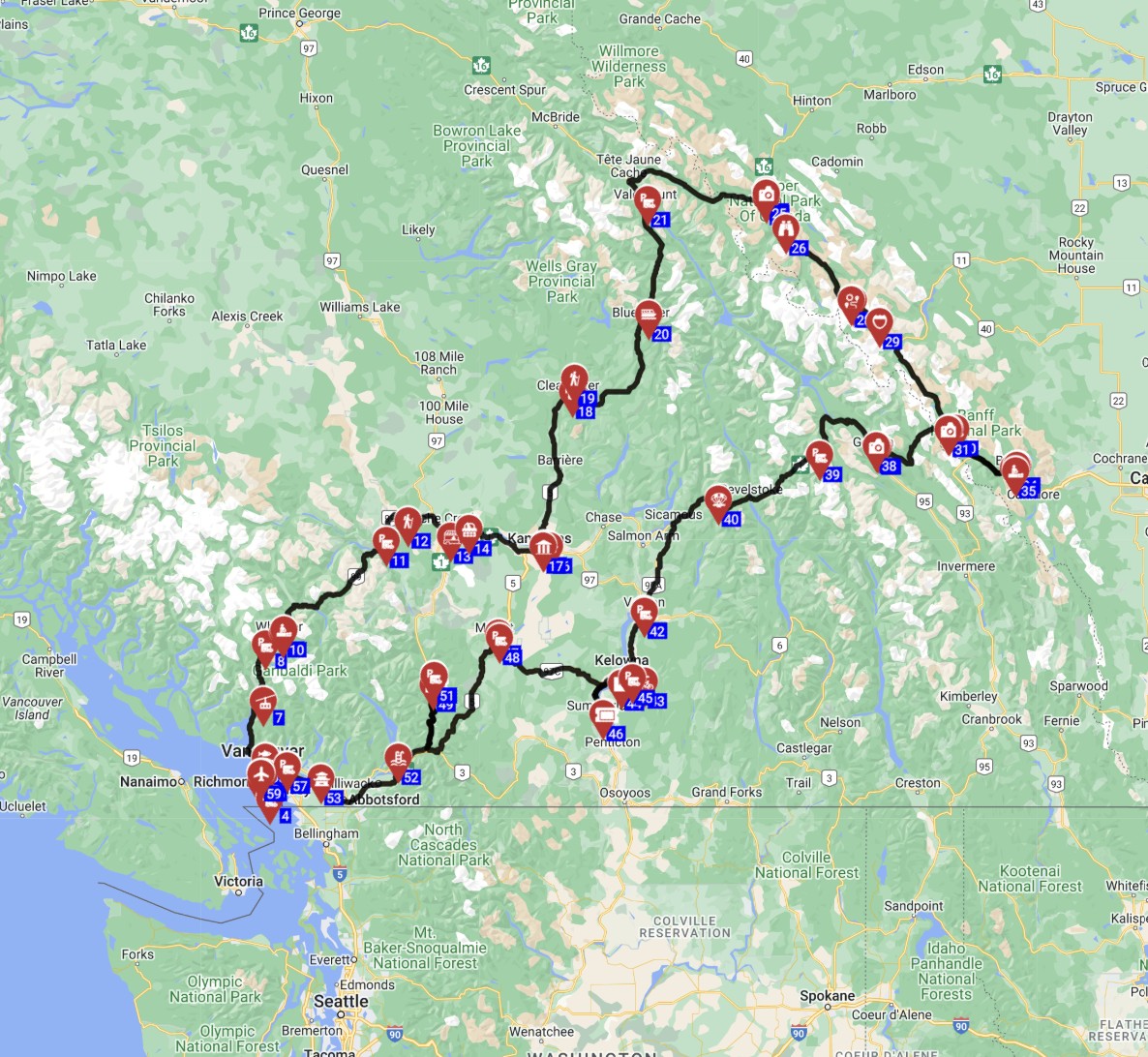
The 4-4-4 rule for RVing is a variation of travel guidelines, suggesting driving no more than 400 miles (approximately 640 km) in a day, stopping every 4 hours for a break, and finishing driving by 4 PM. This rule aims to promote safety by preventing driver fatigue and ensuring drivers take regular breaks, which is especially important when covering longer distances or driving larger motorhomes through British Columbia's scenic routes from Vancouver to destinations like the Canadian Rockies.
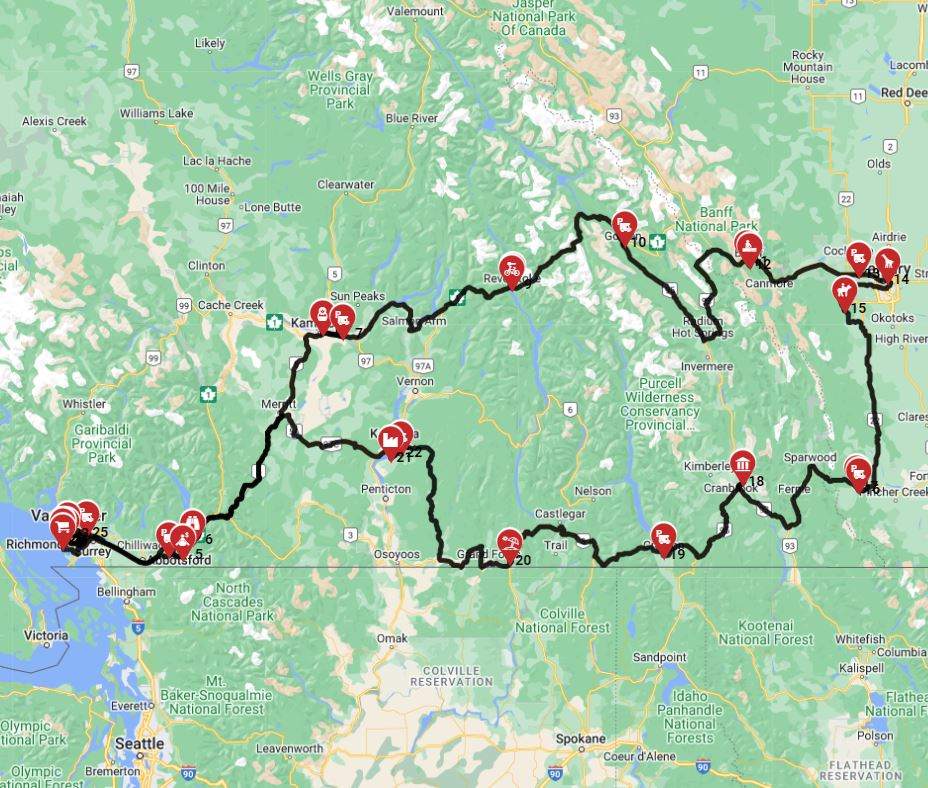
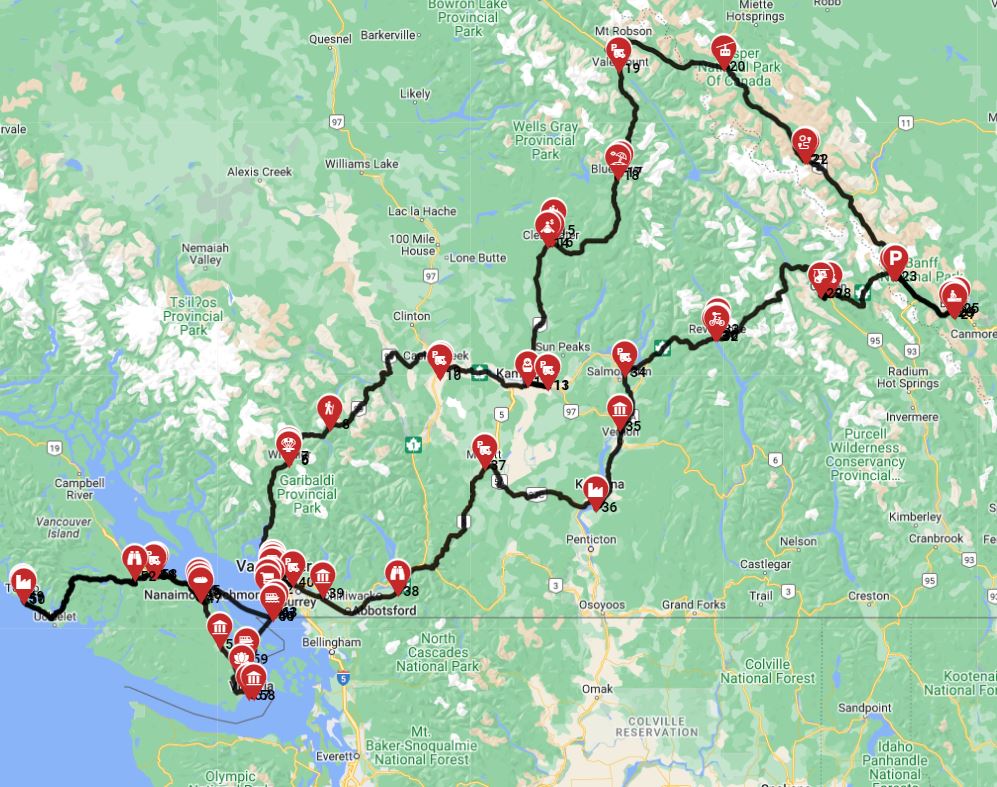
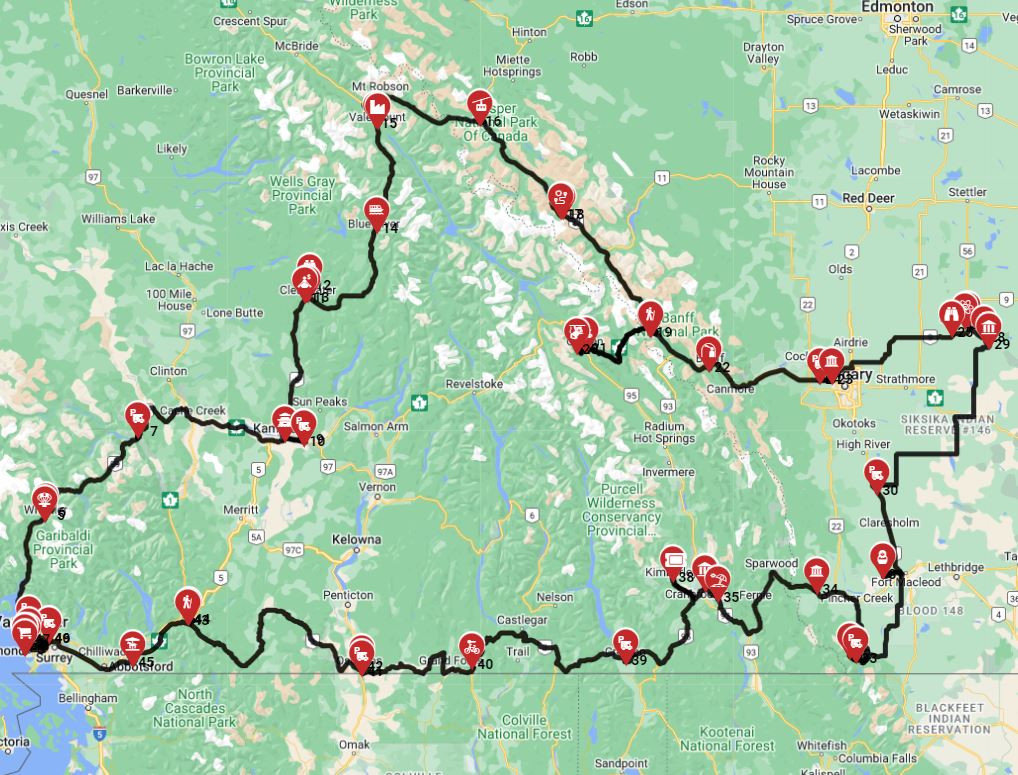
While more aggressive than the 3-3-3 rule, the 4-4-4 rule can be useful for those with tighter schedules or when needing to cover significant ground between key destinations from Vancouver, such as a two-week adventure from Edmonton to Vancouver - Canadian Rockies & BC. Always prioritize safety and adjust driving hours based on weather, road conditions, and personal comfort levels when RVing in Canada. Regular stops allow drivers to stretch, refresh, and maintain focus, ensuring a safer and more enjoyable journey.
🎬 Video coming soon
How Much Does it Cost to Rent an RV in Vancouver?
The cost to rent an RV in Vancouver varies significantly based on factors such as RV class, rental duration, seasonality, and included amenities, typically ranging from $100 CAD to $400+ CAD per night. Compact Class B Camper Vans (avg. 5.8m), like the `Active Classic`, are often the most economical choice, while larger Class C Alcove (avg. 7.5m) or Class A Integrated models, such as the `Family Sleeper (MA)`, command higher prices, especially during peak summer months (June-August).
Beyond the daily rental fee, budget for additional expenses including optional insurance upgrades like top-level deductible reimbursement, fuel (e.g., a Class SI Semi-integrated consuming 10-11 L/100 km), mileage charges, cleaning fees, and campground reservations. Prices are dynamic, similar to flight tickets, changing daily based on availability and supplier decisions, so the final price is set at actual booking time. Exploring options through "RV Rental Deals in Vancouver - Latest Offers 2026" or "Cheap RV Rental in Vancouver - Budget Guide 2026" can help you find suitable options, but remember that booking further in advance can often secure better deals. For more detailed breakdowns, see "RV Rental in Vancouver - Prices and Best Deals 2026" and for longer trips, "Weekly RV Rental in Vancouver - Pricing 2026".
Can You Rent an RV to Drive Across Canada?
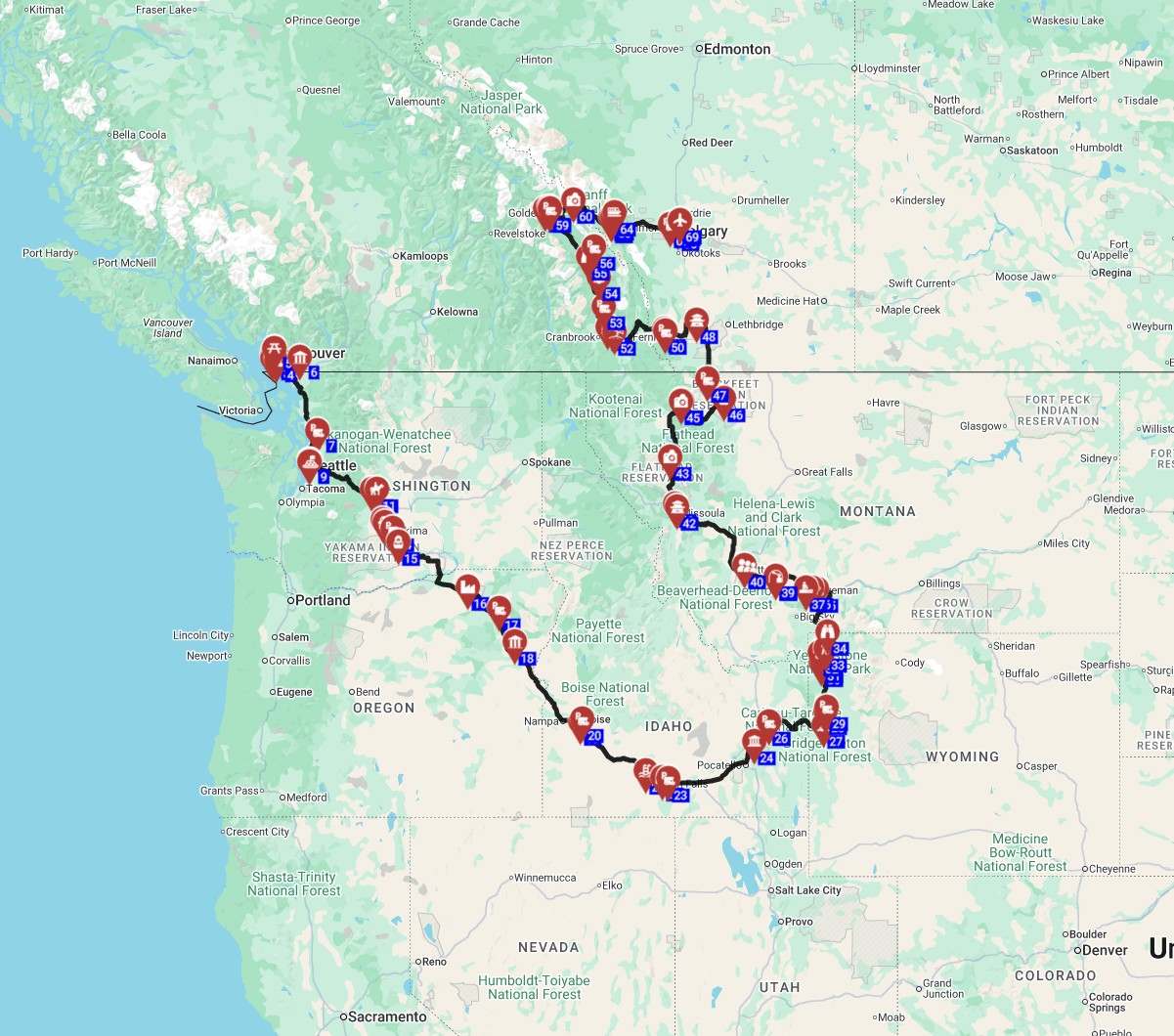
Yes, you can absolutely rent an RV in Vancouver to drive across Canada, with many of Bandana's partner rental companies offering one-way rentals or allowing travel across provincial borders, often for an additional fee. This allows for incredible journeys, such as the "Edmonton to Vancouver - Canadian Rockies & BC" route or the "

It is essential to confirm with your chosen rental provider whether they permit one-way trips, what the associated fees are, and if there are any mileage restrictions for such an extensive journey. For example, a one-way rental might incur a drop-off fee typically ranging from $150 to $500 CAD, depending on the distance and season, as highlighted in "One-Way RV Rental in Vancouver - Price Guide 2026". Driving across Canada requires significant planning, including budgeting for fuel, numerous campground stays, and potential ferry crossings if including Vancouver Island or Newfoundland. Ensure your RV rental insurance coverage is comprehensive for such long distances and diverse terrains across multiple provinces, as we offer top-level deductible reimbursement for added peace of mind.
Is it Easy to Drive an RV in Canada?
Driving a rented RV in Canada, particularly in British Columbia from Vancouver, is generally easy on well-maintained roads, but it requires attention to vehicle size, varying terrain, and local traffic conditions. While highways across Canada are excellent, drivers should be prepared for mountainous routes, winding roads (like the scenic Sea-to-Sky Highway up to Whistler), and denser urban traffic in cities like Vancouver.
RV-specific driving techniques, such as proper braking on descents and making wider turns, contribute to an easier and safer experience. Most rental RVs, like Bandana's Class SI Semi-integrated (avg. 6.9m) and Class C Alcove (avg. 7.5m), handle well, but practice with the vehicle's dimensions in mind is always recommended before longer journeys. Paying attention to weather forecasts, especially for snow on mountain passes in shoulder seasons, and being aware of BC Ferries procedures, will significantly enhance the ease of your RV journey. Remember, Bandana RV offers 24/7 support for any questions before, during, and after your booking, providing peace of mind as you plan your trip.
What Do You Need to Rent an RV in Canada?
To rent an RV in Canada, you typically need a valid driver's license (a standard Class 5 or equivalent for most RVs, as covered in the "Can You Drive an RV in Vancouver? License & Age Rules" section), a major credit card for payment and the security deposit, and you generally must be at least 21 years old. Proof of identity, such as a passport or provincial ID, is also usually required, and an International Driving Permit (IDP) is highly recommended for licenses not in English or French, though not mandatory in most cases.
You will need to understand and agree to the rental agreement terms, which include insurance coverage details, mileage allowances, fuel policies, and specific rules regarding travel restrictions or border crossings. Bandana ensures full transparency with no hidden fees, so what you see is what you pay, providing a professional and confident booking experience. Some rental companies may also require a second driver to be listed on the rental agreement for insurance purposes. It is always advisable to confirm all specific requirements directly with your chosen RV rental provider in Vancouver before booking, which our true RV specialists can help you navigate during your pre-booking comparison.
What You Shouldn't Miss
- **Stanley Park Seawall:** Cycle or stroll along a 10 km portion of the iconic Vancouver Seawall, offering stunning views of the city skyline, North Shore mountains, and Lion's Gate Bridge.
- **Granville Island Public Market:** Indulge in local delights and artisan crafts at this vibrant public market, accessible via public transit from RV-friendly parking just outside downtown.
- **Sea-to-Sky Gondola (Squamish):** Take a breathtaking gondola ride up for panoramic views of Howe Sound, coastal forests, and surrounding peaks, located about an hour's drive north of Vancouver.
- **Whistler Village & Blackcomb Mountain:** Continue along the scenic Sea-to-Sky Highway for world-class skiing in winter or mountain biking and hiking in summer. Camp at nearby provincial parks like Nairn Falls.
- **Gastown's Historic Charm:** Explore the cobblestone streets of Vancouver's oldest neighborhood, home to the famous Steam Clock, independent boutiques, and fantastic dining options.
- Looking for expert insights from Avi Bandana? Top 5 Adventures - recommendations from Avi Bandana
Final Thoughts
Venturing out with a rented RV for the first time in Vancouver opens up a world of possibilities, from exploring bustling cityscapes to serene natural wonders. With the right preparation, understanding local driving conditions, and knowing what to expect, your journey through British Columbia promises to be an unforgettable week-long trip or extended road trip.
At Bandana Caravan, we're dedicated to making your RV rental experience as easy, safe, and affordable as possible. Our commitment to full transparency and personalized support means you can embark on your adventure with confidence, knowing we're with you every step of the way. So, pack your bags, plan your route with RV PLANET (rvplan.net), and get ready to discover the incredible beauty of Vancouver and beyond.
Find Motorhome Rentals in Vancouver