For live availability and current prices, start with our RV Rental Toronto - Complete Guide 2026 guide.
In This Guide
- Can You Drive an RV in Toronto? License & Age Rules
- Road Conditions & Terrain in Toronto
- RV Size Limits, Bridges & Restricted Zones
- Fuel: Diesel vs. Petrol & Cost per 100 km
- Tolls, Vignettes & Border Rules
- Driving Tips for rv rental beginners Travelers
- Recommended RV Class for Toronto Roads
- Should I Choose a Compact Van Instead of a Large RV in Toronto?
- Can I Park Anywhere? Free & Wild Camping Rules in Toronto
- Can I Drive an RV Into the City Center? Heights, Tunnels & Local Signage
- Do you need a license to drive an RV in Canada?
- What do you need to rent an RV in Canada?
- Can you walk around in a motorhome while driving in Canada?
- Can you park an RV on the street in Toronto?
- Can you rent an RV to drive across Canada?
- Do you have to get a license for renting an RV?
- What insurance covers RV rentals?
- How much is RV insurance in Canada?
- How much does it cost to insure a rental RV?
- How to insure an RV in Ontario?
Embarking on your first rented motorhome adventure in Toronto is an exciting way to discover Canada's largest city and the stunning natural beauty of Ontario. With Bandana Caravan, you're not just renting a vehicle; you're gaining a partner who truly understands RV travel, offering full transparency with no hidden fees and dedicated 24/7 support for all your pre-booking and booking needs. Whether you're planning a week-long trip to explore the city's vibrant neighborhoods or a longer cross-country journey, understanding the basics of RV driving in Toronto will ensure a smooth and enjoyable experience. For live availability and current prices, start with our RV Rental Toronto - Complete Guide 2024 guide.
Can You Drive an RV in Toronto? License & Age Rules
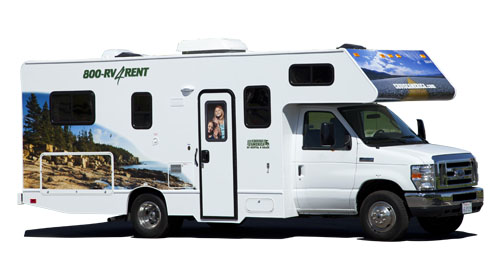
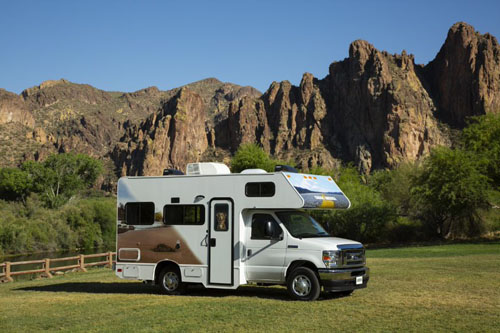
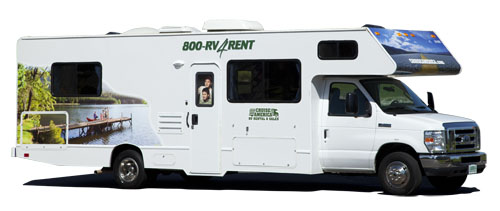
Yes, most RVs under 11,000 kg (24,250 lbs) can be comfortably driven in Toronto with a standard G-class driver's license from Ontario. For international visitors, a valid foreign driver's license is accepted for up to 60 days, while an International Driving Permit (IDP) alongside their home country's license is recommended for longer periods, simplifying any interactions with local authorities. The minimum driver's age for renting a motorhome in Toronto is 21, and Bandana Caravan proudly offers transparent rental options without imposing young driver surcharges or vehicle class restrictions based on age. We believe everyone deserves the chance to experience the open road in a rented RV. Our customer support team is available 24/7 before you book to help compare options and clarify any specific licensing questions related to your chosen vehicle, such as a Class C - Alcove (like the "24' Class C Motorhome" with 166 Liter fresh water tank) or a smaller Class B - Camper Van.
Road Conditions & Terrain in Toronto
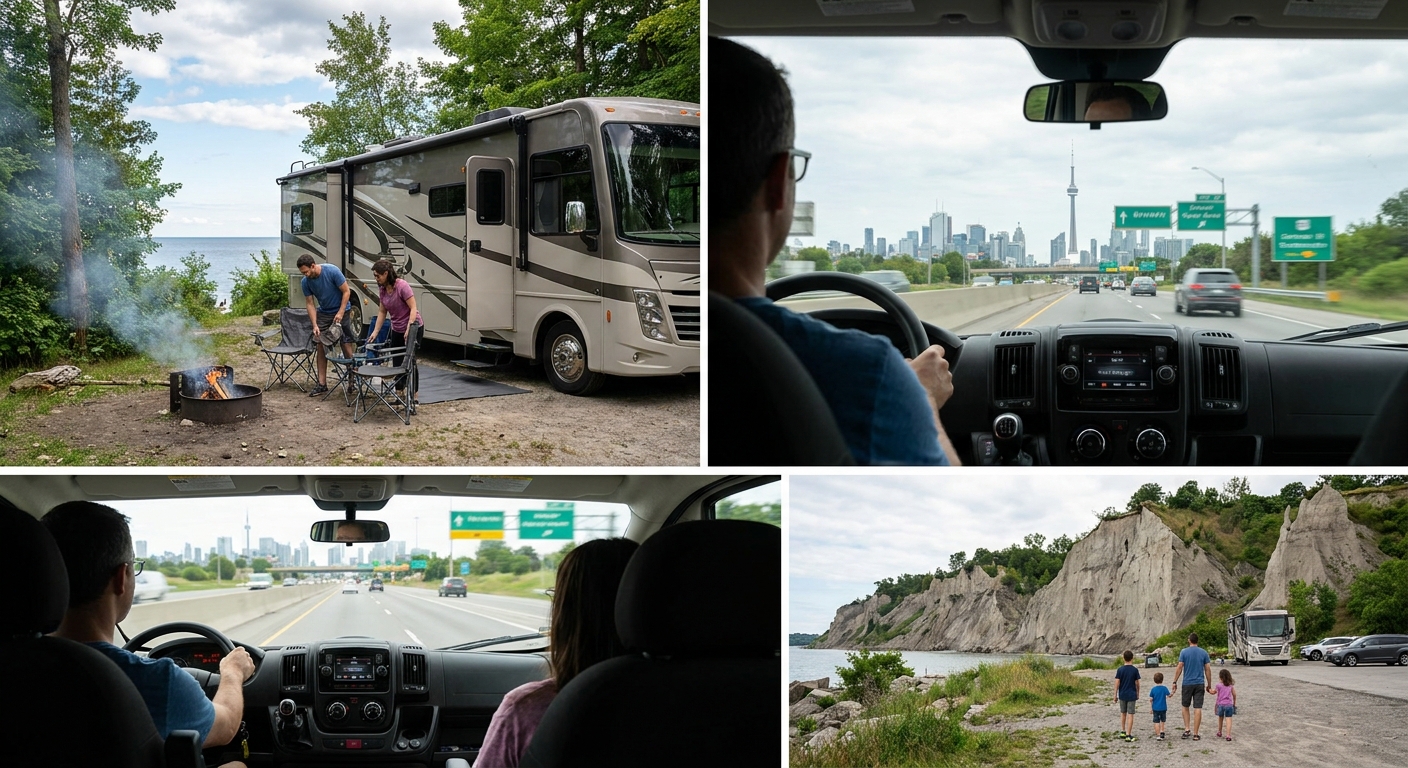
Toronto's road conditions generally feature well-maintained urban and highway surfaces with a predominantly flat terrain, though heavy traffic and construction are common, especially on major arteries like the 401 and 400 series highways. Beginner RV drivers should anticipate navigating multi-lane highways, bustling city streets, and residential areas. While there are no mountainous regions, urban driving demands extra vigilance for potential potholes, streetcar tracks on downtown streets, and frequent stops and starts. We encourage slow and careful driving; you can drive almost anywhere without issues. No need to stress - just use common sense and pay attention. Traveling slowly, averaging a maximum of 100-150 km per day, allows you to truly immerse yourself in the culture, food, and scenery of Toronto and the wider region of Ontario. For broader context on RV travel in the province, explore our RV Rental Ontario - Complete Guide 2024. Take your time to discover the hidden gems and local flavors, like those highlighted in RV PLANET routes, where you can also itemize every expense for easy budgeting. On the routes offered through RV PLANET routes, you can itemize and track every expense along the way for easy budgeting.
RV Size Limits, Bridges & Restricted Zones
Toronto and its surrounding regions generally do not impose strict overall RV size limits on major roads, but drivers must always be aware of specific height and weight restrictions, particularly for underpasses, parking garages, and certain smaller city streets. It is crucial to know your rented RV's exact height and width and diligently check signage for low bridges, which are occasionally found on older city thoroughfares. While environmental zones are not a primary concern for RVs within Toronto, downtown core parking bylaws are restrictive, and drivers should adhere to all posted signs to avoid fines. Planning your route carefully using a reliable RV-specific GPS can help identify and avoid areas with clearance issues, ensuring a stress-free exploration of Toronto.
Fuel: Diesel vs. Petrol & Cost per 100 km
RV rentals in Toronto commonly utilize both petrol (gasoline) and diesel fuels, with widespread availability across the Greater Toronto Area (GTA) and along major routes. Based on Bandana Caravan's local fleet data for Toronto, a smaller Class B - Camper Van typically consumes 11–15 Liters/100 km, offering better fuel efficiency for shorter trips and city driving. For larger Class C - Alcove motorhomes, average consumption is around 25 Liters/100 km, with some larger models like the "MH-A" (a 6-berth motorhome) reaching 25-30 Liters/100 km. Fuel costs fluctuate, but beginners should budget for average petrol prices around $1.60-$1.80 CAD per liter in 2024. This makes a 100 km journey for a Class B Campervan approximately $17.60-$27.00 CAD, and for a Class C RV about $40.00-$54.00 CAD. Some rental motorhomes may offer fuel discount cards, which can help mitigate costs over longer trips. For more detailed insights into managing your trip budget, including fuel and other expenses, our Cheap RV Rental in Toronto - Budget Guide 2024 provides excellent strategies. Imagine making your morning coffee right in your rented campervan before heading out to explore for the day; you can find fantastic ideas and recipes in our RV-friendly recipes playlist.
Tolls, Vignettes & Border Rules
In the Toronto area, the most significant toll road is Highway 407 ETR (Express Toll Route), which operates using an electronic transponder system or plate-recognition billing, meaning there are no physical toll booths. Vignettes are not utilized in Ontario or anywhere else in Canada; instead, toll roads are charged per use, often via automated systems. If your RV adventure includes crossing the US border, ensure all occupants possess valid passports or enhanced driver's licenses, and be sure to verify any specific customs regulations for vehicles or goods you plan to transport. Some rental motorhomes allow for the pre-purchase or inclusion of toll passes for the 407 ETR, which can simplify billing and help you avoid unexpected fines. Our One-Way RV Rental in Toronto - Price Guide 2024 offers more information on additional fees and charges you might encounter on your journey.
Driving Tips for rv rental beginners Travelers
For RV rental beginners in Toronto, practicing wide turns and braking is essential, as motorhomes are significantly longer and heavier than passenger vehicles, demanding wider arcs at intersections and longer distances to stop. Always monitor clearances, being keenly aware of your rented RV's height, width, and length, especially when navigating urban Toronto parking lots, underpasses near Exhibition Place, or gas station canopies along Lake Shore Boulevard. Planning your route carefully using RV-specific GPS or apps is highly recommended to identify low clearances, one-way streets, and potential traffic congestion, particularly in downtown Toronto. If traveling with family, plan regular breaks every 2-3 hours at designated rest areas or RV-friendly attractions, like those around Bronte Creek Provincial Park, to keep everyone comfortable and refreshed. Finally, research RV-friendly parking options near attractions or utilize Toronto's robust public transit system (TTC) after parking your RV at an outlying campground or designated lot; for example, many RVers park at the Toronto Zoo and take public transit into the city. Remember, we are true RV specialists, not just a travel agency side department, and we're here to support you with expert advice before and during your booking process.
Recommended RV Class for Toronto Roads
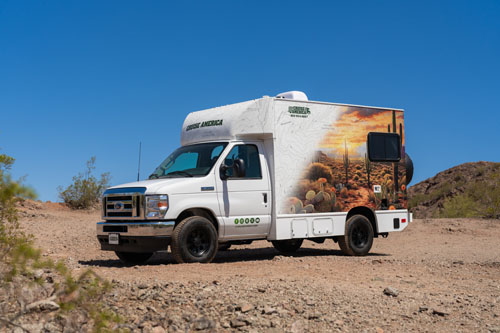
For beginner RV renters navigating Toronto roads, Class B - Camper Vans and Class C - Alcove motorhomes are highly recommended due to their more manageable sizes and relative maneuverability. A Class B - Camper Van, with an average length of 6.3 meters, such as an "Active Classic" or a "VW California Ocean," offers the easiest urban driving experience, fitting into regular parking spots more readily and making city navigation less stressful. For those seeking a balance of space and relative ease of driving, a Class C - Alcove, with an average length of 8.2 meters (like the "MHC24" or "24 Class C Motorhome"), remains a popular choice, providing more living area and amenities like a 150 Liter fresh water tank while still being manageable for most urban driving scenarios after some initial practice. Consider also Class SI - Semi-integrated models, such as the "Euro Quest," which blend compact design with modern comforts. For those interested in premium options, our Luxury RV Rental in Toronto - Premium Prices 2024 guide can provide more details. We partner directly with over 50 leading RV suppliers worldwide, including trusted names like El Monte and Cruise America, ensuring you have a wide selection to compare and choose from.
Should I Choose a Compact Van Instead of a Large RV in Toronto?
While a compact van, like a Class B - Camper Van (such as the "Paradise Family 5" or "Chubby Camper"), offers superior maneuverability and easier parking in urban Toronto, most larger RVs can generally be driven in Toronto with sufficient planning and attention to detail. The primary benefit of a compact van, often averaging less than 6.5 meters in length, is its agility in navigating tighter city streets and its ability to fit into standard parking spaces, which significantly reduces stress for beginners exploring downtown areas or popular attractions like Kensington Market. However, a larger RV, such as a Class C - Alcove (which might be up to 9 meters long and include a "cruise america example R 27-30" with 210 Liter fuel tank), provides significantly more living space, amenities, and comfort, which often outweighs the slight increase in maneuverability challenge, especially for week-long trips or larger families of 4-6 people. Choosing a larger RV is often the better trade-off if comfort, indoor space, and amenities are priorities, provided the driver is comfortable with the vehicle's dimensions and plans routes avoiding very narrow or restricted areas. Drive slowly and carefully, and you can drive almost anywhere without issues. No need to stress - just use common sense and pay attention.
Can I Park Anywhere? Free & Wild Camping Rules in Toronto
Free or wild camping is generally not permitted within the city limits of Toronto or on public lands immediately surrounding the GTA; overnight parking in a rented RV is restricted to designated campgrounds or private properties with explicit permission. Toronto bylaws, similar to many North American cities, specifically prohibit sleeping in vehicles parked on city streets or in public parking lots, making it illegal to 'wild camp' within urban areas. RV renters should plan to stay at established RV parks and campgrounds located just outside the city, such as Indian Line Campground near Toronto Pearson International Airport or those in nearby conservation areas like Albion Hills, which offer necessary amenities like fresh water and dump stations. Always check local regulations and adhere to local law before parking overnight, as fines for illegal overnight parking can be substantial. For finding campsites and campgrounds during your trip, we recommend using RV PLANET (rvplan.net) - a great resource for locating available spots along your route.
🎬 Video coming soon
Can I Drive an RV Into the City Center? Heights, Tunnels & Local Signage
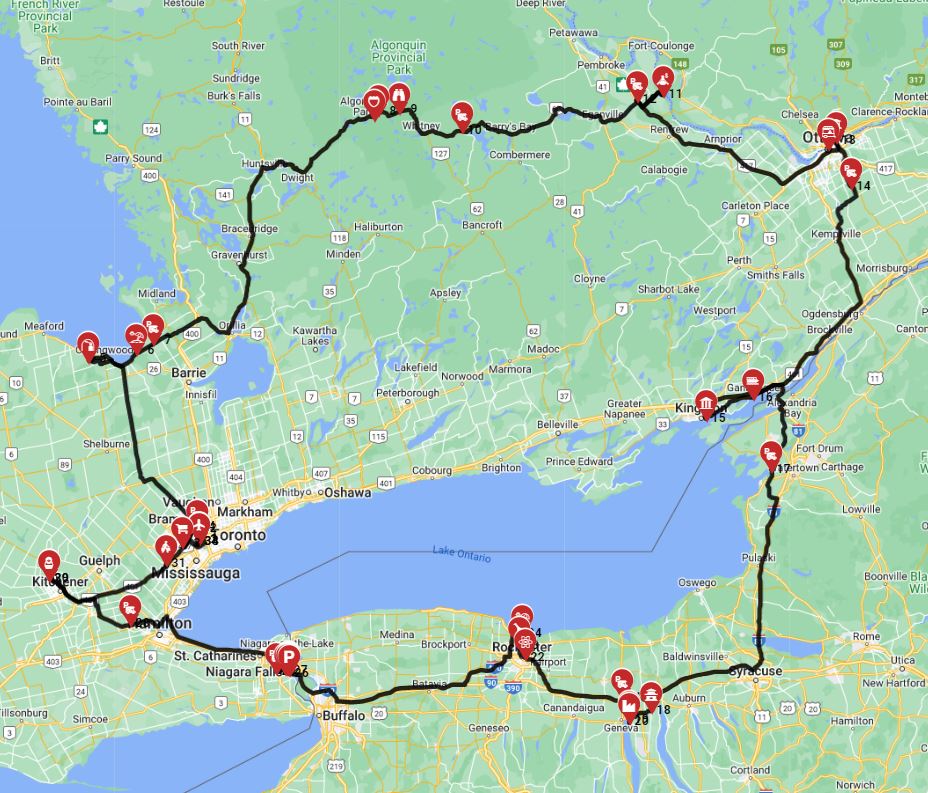
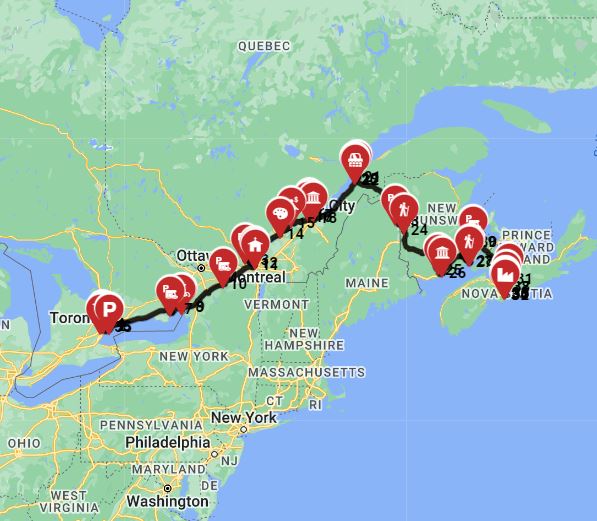
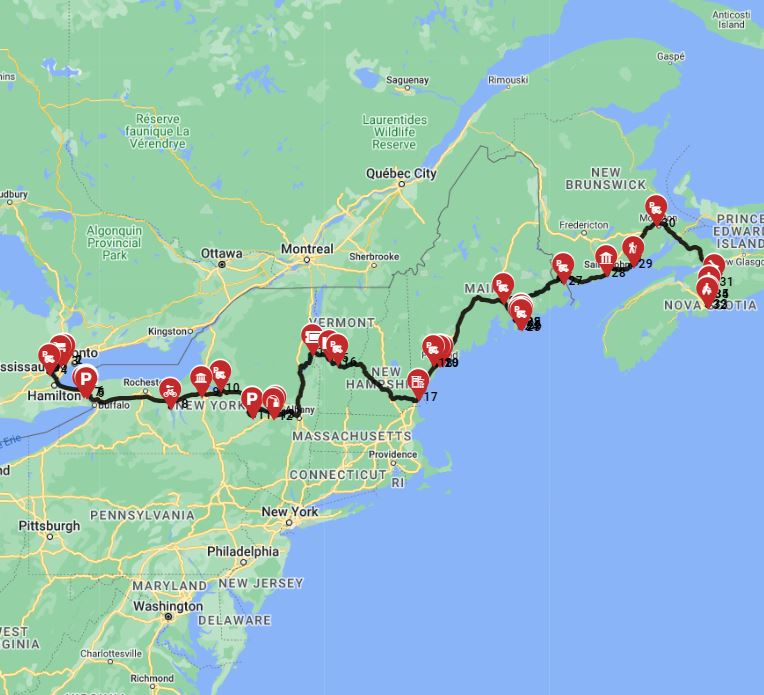
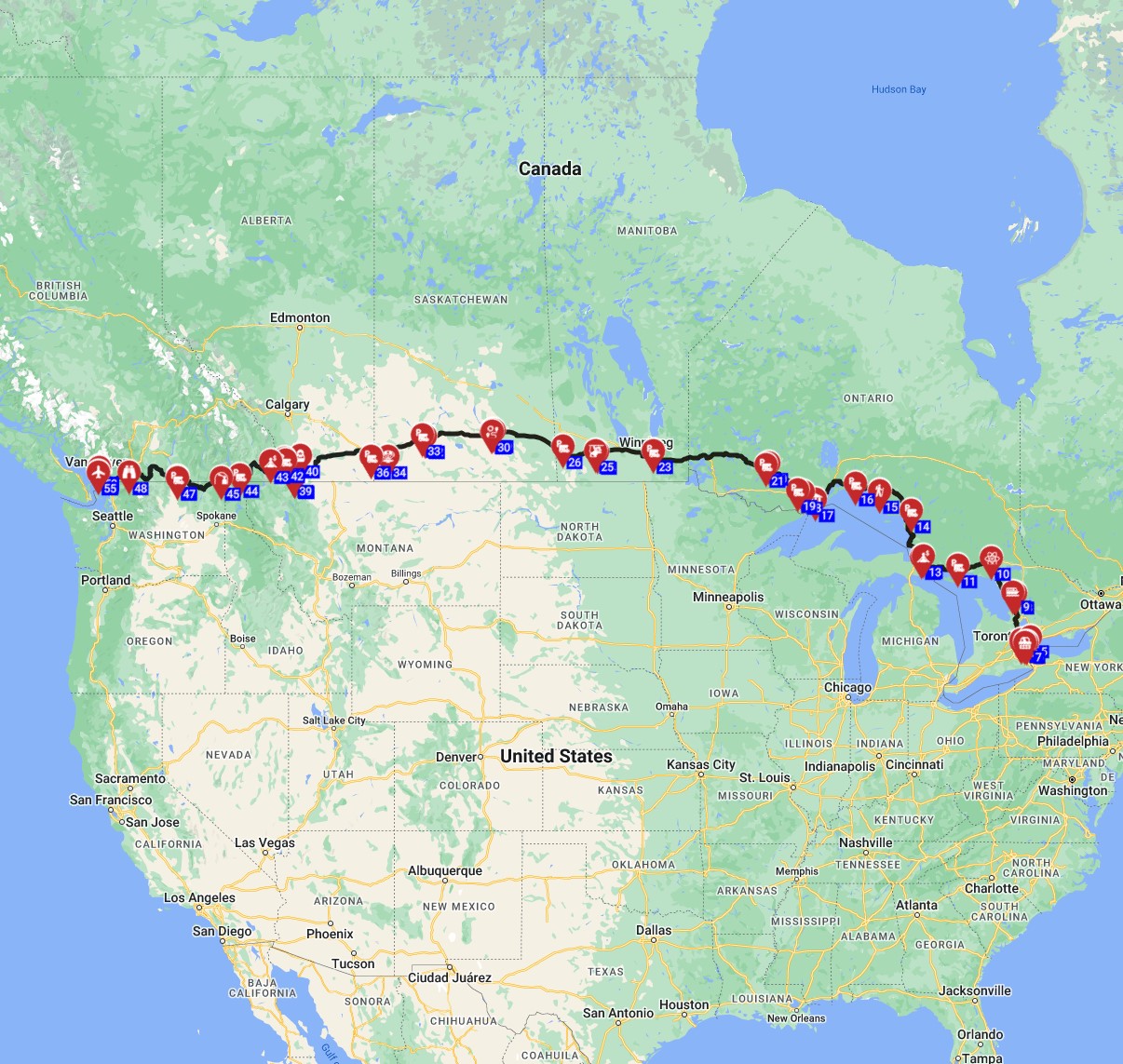
Yes, it is generally possible to drive a rented RV into Toronto's city center, but drivers must pay close attention to local signage, especially concerning height limits, tunnel restrictions, and specific parking regulations. While major downtown thoroughfares like Yonge Street and University Avenue can accommodate RVs, many parking garages, underpasses, and some older residential streets in areas like The Annex or Cabbagetown may have height (e.g., under 3.5 meters) or width restrictions. Always be vigilant for signs indicating low bridges, weight limits, and residents-only streets. Utilizing Toronto's public transit system (TTC) after parking your RV at a designated suburban lot or an RV-friendly campground can often be a more convenient and less stressful way to explore the dense city center and iconic landmarks like the CN Tower and Ripley's Aquarium of Canada. For a longer adventure exploring Canada by RV, check out our route plan How to plan an RV trip route from Whitehorse to Toronto with a motorhome which covers 6633.5999999999985 km over 32 days, including 1 Amusement Park, 1 Animals Show / Wildlife watch, and 1 Aquarium.
Do you need a license to drive an RV in Canada?
In Canada, you typically need a standard Class G (Ontario) or equivalent provincial driver's license to operate most rented recreational vehicles (RVs), provided they do not exceed 11,000 kg (24,250 lbs) gross vehicle weight rating (GVWR). RVs exceeding this weight threshold, or those towing heavy trailers, may require a higher class of license, such as a Class A or D in Ontario, but these are less common for rental motorhomes aimed at beginners. Most rental RVs, including Class B campervans, Class C alcoves like the "MHC30" (which seats 9 people), and smaller Class A units, fall within the weight limits for a standard driver's license. Foreign drivers can use their valid home country license for a limited period, often 60-90 days, or an International Driving Permit (IDP) in conjunction with their license for longer stays, as outlined in our RV Travel Guide to Toronto - Tips and Top Spots 2024.
What do you need to rent an RV in Canada?
To rent a motorhome in Canada, you primarily need a valid driver's license (typically Class G or equivalent) that will be current for the entire duration of your rental, a major credit card for payment and the security deposit, and you must meet the minimum age requirement, which is usually 21 years old (not 25 as some might assume). Rental companies will also require proof of identity, such as a valid passport for international visitors, along with an International Driving Permit if your home country's license is not in English or French. It is advisable to have a clear understanding of the rental agreement terms, including insurance coverage options (like top-level deductible reimbursement you can upgrade to), mileage limits, and fuel policies, before your pickup in Toronto. A comprehensive pre-rental inspection checklist, which is often provided by the rental company, helps document the RV's condition at pickup and protects against disputes upon return. Our RV Rental Deals in Toronto - Latest Offers 2024 can guide you to great value options.
Can you walk around in a motorhome while driving in Canada?
No, passengers are legally required to be seated and properly restrained by a seatbelt while a rented motorhome is in motion on Canadian roads, including those in Toronto and across Ontario. While some larger motorhomes like a "6 Berth Discovery" (which has beds for 6 people and a 125 Liter fresh water tank) may feature amenities that could tempt passengers to move around, Canadian provincial laws, such as Ontario's Highway Traffic Act, strictly mandate that all occupants wear seatbelts if available. Children must be secured in appropriate car seats or booster seats as per provincial regulations. Failure to adhere to seatbelt laws can result in fines for both the driver and unbelted passengers, and, critically, can void insurance coverage in the unfortunate event of an accident. Safety is paramount on your rented RV adventure, so ensure everyone is buckled up before you hit the road!
Can you park an RV on the street in Toronto?
Parking a rented RV on the street in Toronto for extended periods or overnight is generally prohibited by city bylaws, which restrict oversized vehicle parking and sleeping in vehicles on public roadways. While you might be able to temporarily park an RV on a street in some areas for loading or unloading for a short duration, specific time limits and restrictions for larger vehicles often apply, particularly in dense residential areas like those surrounding the University of Toronto. It is strictly illegal to use an RV as overnight accommodation on any public street or municipal parking lot in Toronto. For authorized overnight parking, RV renters should utilize private campgrounds, designated RV parks, or specific private properties with permission outside the city core, ensuring compliance with local laws. This full transparency on local rules helps you plan your trip without surprises, aligning with our commitment to clear, upfront information.
Can you rent an RV to drive across Canada?
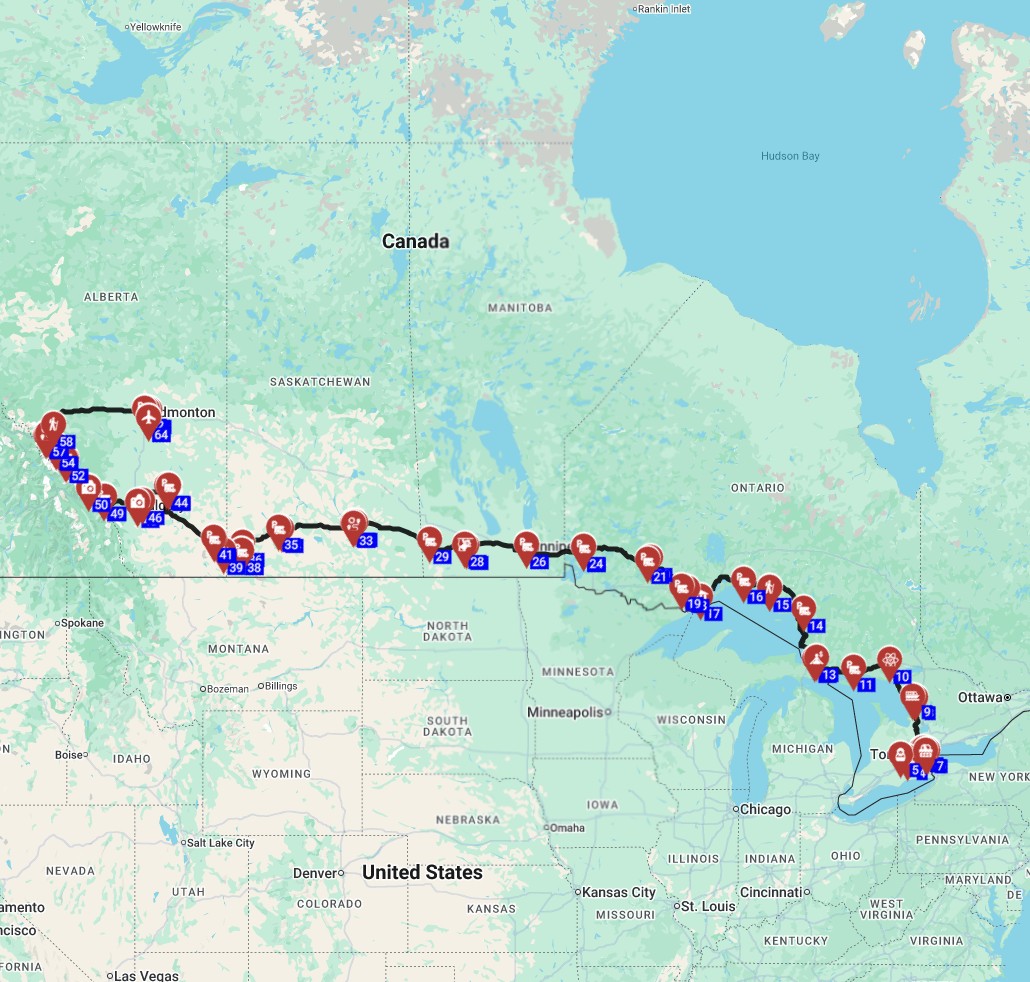
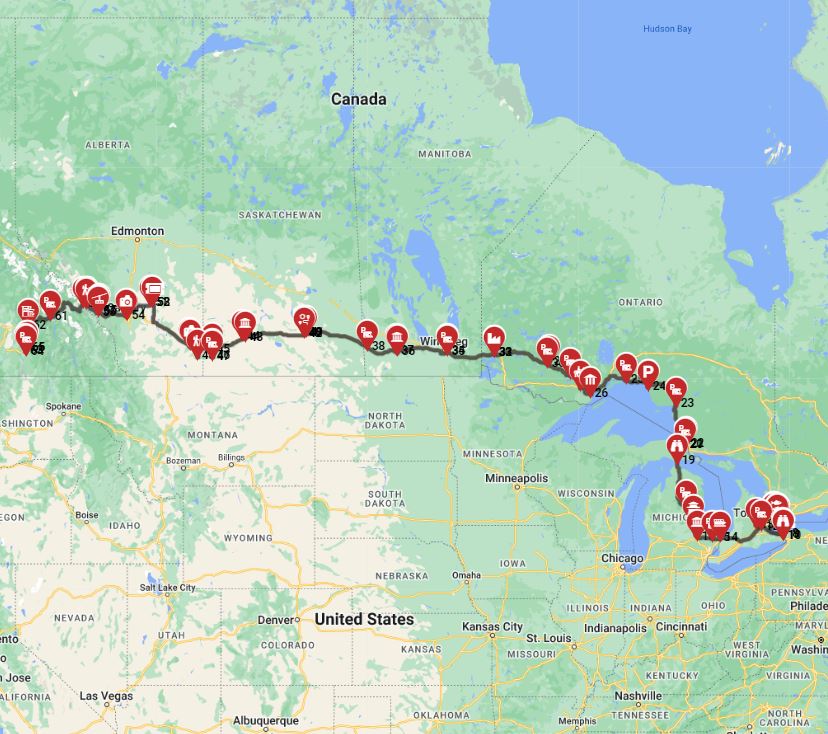
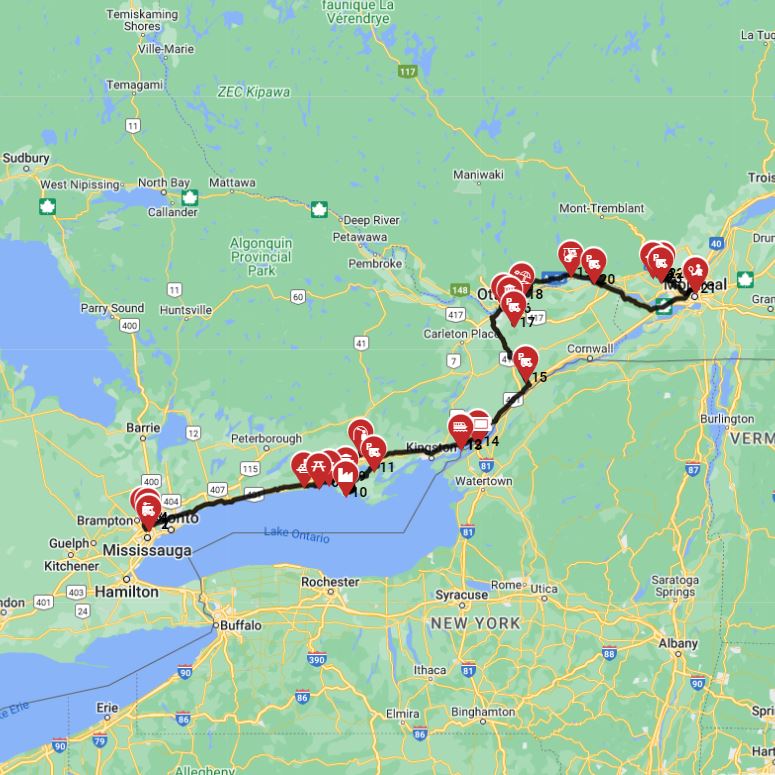
Yes, you can absolutely rent a motorhome in Toronto and drive it across Canada, as most reputable rental companies, including Bandana Caravan's partners like CanaDream, permit cross-provincial travel within Canada. Before embarking on such an extensive journey, confirm any specific mileage restrictions, one-way rental fees (if you plan to drop off in a different city like Edmonton), and comprehensive breakdown assistance policies with your rental provider. Long-haul RV trips, such as the "Toronto to Edmonton - Trans Canada" route plan (which spans 5125.2 km over 23 days and includes 4 hiking areas and 4 museums), require careful planning for fuel stops, overnight camping, and understanding varying provincial road rules and speed limits. Ensure your rental agreement covers the duration and distance of your entire itinerary, as some specialized long-distance or one-way rentals may have specific terms, details you can confirm with our 24/7 support. God is in the small details, and we take care of them. That's what makes the big difference.
Do you have to get a license to drive an RV?
Yes, you absolutely need a valid driver's license to rent and operate a motorhome in Canada, with the specific class of license depending on the RV's size and weight. For the majority of beginner-friendly RVs, including Class B campervans and Class C motorhomes (which often have a Gross Vehicle Weight Rating (GVWR) below 11,000 kg), a standard G-class driver's license (or equivalent from another province/country) is sufficient. Rental companies in Toronto will verify the validity of your license and may have their own additional requirements, such as a minimum age of 21 or a certain number of years of driving experience. International renters must present their valid foreign driver's license, often accompanied by an International Driving Permit (IDP) if the license is not in English or French, to ensure legal operation. Our booking process is designed to be straightforward; we handle the details, you live the journey, with personal service from day one until your booking is confirmed.
What insurance covers RV rentals?
RV rentals in Toronto are typically covered by a combination of the rental company's basic insurance, supplemental insurance that you can purchase through the rental provider, and potentially coverage from your personal auto insurance policy or credit card benefits. Most rental agreements include mandatory basic liability insurance, but this often provides minimal coverage for damages to the rental RV itself or third-party claims. Supplemental options like Collision Damage Waiver (CDW) or Loss Damage Waiver (LDW) are crucial as they reduce your financial responsibility for damage to the rented motorhome. You can also upgrade to a top-level deductible for extra peace of mind, a key differentiator offered by Bandana Caravan. It's crucial to confirm the specifics of your coverage, including deductibles and exclusions, with both the rental company and your personal insurance provider prior to pickup. For a thorough understanding of what's typically included versus paid add-ons, our RV Rental in Toronto - Prices and Best Deals 2024 can provide clarity.
How much is RV insurance in Canada?
The cost of RV insurance in Canada for a personally owned RV varies widely based on factors such as the RV's type, value, age, driver's record, and chosen coverage, typically ranging from a few hundred to over a thousand dollars annually for personal ownership. For rental RVs in Toronto, insurance costs are usually either integrated into the overall rental fee or offered as an additional daily charge for supplemental coverage, rather than a separate annual premium. Beginners should focus on the daily or trip-specific insurance costs provided by the rental company, which can range from approximately $20 to $50 CAD or more per day for comprehensive supplemental coverage, depending on the chosen plan and supplier. Always inquire about the specific costs and coverages when getting a rental quote, as these can significantly impact the overall rental price, and remember that with Bandana Caravan, what you see is what you pay, with no surprise fees at pickup.
How much does it cost to insure a rental RV?
The cost to insure a rented RV in Toronto is typically presented as an additional daily fee or as a component within the overall rental package, ranging from approximately $20 to $50 CAD per day depending on the level of coverage and the rental company you choose. This fee usually provides supplementary collision, comprehensive, and liability protection beyond the basic provincial requirements, giving you greater peace of mind. Factors influencing this daily cost include the RV's class (e.g., a compact Class B Campervan versus a larger Class C motorhome), its value, the duration of your week-long trip, and the deductible amount chosen. While some personal auto insurance policies or premium credit cards may offer partial coverage for rental vehicles, it's absolutely imperative to verify if RVs are included and what specific protections apply before relying on them. For instance, our Weekly RV Rental in Toronto - Pricing 2024 breaks down typical costs for different rental durations.
How to insure an RV in Ontario?
When renting a motorhome in Ontario, especially in Toronto, insurance is typically arranged directly through the rental company, which provides basic mandatory coverage and offers optional supplemental insurance for added protection. Renters should thoroughly review the rental agreement's insurance section to understand the included liability and physical damage coverage, as well as the applicable deductibles. Many rental companies in Ontario will offer a Collision Damage Waiver (CDW) or Loss Damage Waiver (LDW) that, for an additional daily fee, reduces or eliminates the renter's financial responsibility for damage to the RV. It is also wise to check with your personal auto insurance provider or credit card company to see if any existing policies extend coverage to RV rentals in Ontario, ensuring there are no unexpected gaps in protection. Remember, Bandana Caravan focuses on full transparency, so all insurance options and costs are clearly presented upfront, helping you make informed decisions.
What You Shouldn't Miss
- Explore Niagara Falls & Wine Country: Just a 90-minute drive from Toronto, witness the majestic Niagara Falls, then explore the charming towns and world-class wineries of Niagara-on-the-Lake. Many RV-friendly campgrounds are available, such as Niagara Falls KOA Holiday.
- Discover Algonquin Provincial Park: Head north from Toronto (approx. 3-hour drive) to experience Ontario's most famous provincial park. Enjoy canoeing, hiking, and wildlife viewing, with numerous RV camping options like Lake of Two Rivers Campground.
- Wander Through Prince Edward County: A scenic 2-hour drive east will bring you to "The County," known for its picturesque vineyards, farm-to-table cuisine, and beautiful beaches. RV camping is available at Sandbanks Provincial Park.
- Experience Blue Mountain Village: Located less than a 2-hour drive northwest of Toronto, this four-season resort offers outdoor adventures, charming shops, and restaurants. RV parks are available in the Collingwood area.
- Urban Oasis at Toronto Islands: Park your RV at a downtown lot (like one near the Jack Layton Ferry Terminal) and take the ferry to the car-free Toronto Islands for stunning skyline views, beaches, and family-friendly activities.
Looking for expert insights from Avi Bandana? Top 5 Adventures - recommendations from Avi Bandana.
Final Thoughts
Your first RV rental adventure in Toronto is poised to be an incredible experience, blending urban exploration with serene natural escapes. Remember that planning is key, but don't let the details overwhelm you. With a standard driver's license and our expert guidance, you're ready to navigate Toronto's roads and beyond. Choose a campervan or motorhome that fits your comfort needs, understand local driving nuances, and embrace the freedom of the open road.
We at Bandana Caravan are here to ensure your journey is seamless from the moment you start comparing prices to the exciting day you pick up your rented RV. Our commitment to full transparency and genuine support means you can embark on your Toronto adventure with confidence. So, get inspired, pack your bags, and prepare to create lasting memories.
Find Motorhome Rentals in Toronto