In This Guide
- Can You Drive an RV in Tokyo? License & Age Rules
- Road Conditions & Terrain in Tokyo
- RV Size Limits, Bridges & Restricted Zones
- Fuel: Diesel vs. Petrol & Cost per 100 km
- Tolls, Vignettes & Border Rules
- Driving Tips for RV Beginners Travelers
- Recommended RV Class for Tokyo Roads
- Should I Choose a Compact Van Instead of a Large RV in Tokyo?
- Can I Park Anywhere? Free & Wild Camping Rules in Tokyo
- Can I Drive an RV Into the City Center? Heights, Tunnels & Local Signage
- Tokyo-Specific RV Navigation & Driving Challenges
- Integrated Public Transport Strategy for RVers
- Cultural Etiquette & Local Laws Specific to RV Camping
- Feasibility & Enjoyment Assessment of RVing Tokyo
- Ideal RV Types for Tokyo's Landscape
- Comprehensive Cost Breakdown for RV Travel near Tokyo
- Emergency Preparedness & Local Support for Non-Japanese Speakers
Embarking on your first RV adventure in a vibrant metropolis like Tokyo promises an extraordinary blend of urban exploration and serene escapes. With a rented motorhome, you're not just booking a vehicle; you're unlocking the freedom to discover Japan at your own pace, from the neon-lit streets of Shibuya to the tranquil temples nestled in the countryside. Our aim at Bandana Caravan is to ensure your first-time RV driving in Tokyo is seamless and exciting, providing you with all the essential information you need.
For live availability and current prices, start with our RV Rental Tokyo - Complete Guide 2026 guide. We believe in full transparency, which means no hidden fees or surprises at pickup. What you see is what you pay, allowing you to budget with confidence and focus on the adventure ahead.
Can You Drive an RV in Tokyo? License & Age Rules
Yes, you can absolutely drive an RV in Tokyo, provided you meet the necessary license and age requirements. Visitors from non-Japanese speaking countries are typically required to obtain an International Driving Permit (IDP) in their home country before travel, which must be carried alongside their valid national driver's license. The minimum age for RV rental in Tokyo is 21 years old across most Bandana suppliers, with no young driver surcharges or additional vehicle class restrictions based on age, making it accessible for a wide range of travelers. Most rental RVs, including Class C motorhomes and campervans under 3,500 kg, fall under standard passenger car licenses, meaning no special license or CDL is required.
Always verify specific licensing and age requirements directly with your chosen rental company, as policies can vary slightly. We at Bandana streamline this process, working with over 50 leading RV suppliers worldwide, including trusted names like Apollo and Britz, to ensure you get clear, honest information from the start. Our true RV specialists are here to answer your questions before, during, and after your booking, guaranteeing a smooth start to your Japanese adventure.
Road Conditions & Terrain in Tokyo
Tokyo's roads are generally well-maintained and paved, providing a smooth driving experience. However, navigating the urban environment requires careful attention due to narrow streets, heavy traffic, and complex intersections that are common, especially in central areas like Shinjuku and Ginza. The terrain within Tokyo is mostly flat, dominated by an extensive network of expressways, local roads, and numerous tunnels and bridges.
You'll find limited opportunities for off-road or gravel driving, as the focus is on efficient urban and suburban transit. For first-time RV drivers, the key is to drive slowly and carefully, paying close attention to your surroundings. You can drive almost anywhere without issues; there's no need to stress-just use common sense and be mindful of your vehicle's size. Tokyo's well-organized infrastructure, while dense, is manageable with a cautious approach.
RV Size Limits, Bridges & Restricted Zones
While there are no universal RV size limits in Tokyo that prohibit larger vehicles outright, specific infrastructure presents practical restrictions. Drivers must remain vigilant for low clearance signs, particularly on tunnels, underpasses, and parking garage entrances, where height limits often range from 2.1 to 2.3 meters (around 7-7.5 feet). Width restrictions are also strictly enforced on some older or narrower streets in residential districts.
Larger motorhomes or RVs may find navigating tight turns and narrow urban lanes challenging, emphasizing the benefit of smaller rental options. Environmental zones, common in some European cities, are less prevalent in Japan, but it's always wise to check local signage for any specific vehicle restrictions. Planning your route carefully using a GPS system that can account for vehicle dimensions is highly recommended to avoid unexpected detours or inaccessible areas.
Fuel: Diesel vs. Petrol & Cost per 100 km
Both diesel (軽油 - keiyu) and petrol (ガソリン - gasorin) are widely available at fuel stations in and around Tokyo. Most rental RVs, particularly smaller Japanese models and campervans, typically run on petrol, so it's crucial to verify your specific RV's fuel type before filling up. Fuel costs in Japan are dynamic and can fluctuate, but travelers should budget an estimated ¥1,500 - ¥2,500 per 100 km for an RV, depending on the vehicle's size and your driving style. On the routes offered through RV PLANET routes, you can itemize and track every expense along the way for easy budgeting.
To help manage ancillary trip costs beyond the RV rental itself, such as fuel, campground fees, tolls, and groceries, remember that on RV PLANET routes, travelers can itemize and track every expense along the way for easy budgeting. Inquire with your Bandana rental supplier about potential fuel discount cards or specific recommendations for fuel stops on your journey to ensure a cost-effective trip.
Tolls, Vignettes & Border Rules
RV travel in and around Tokyo extensively involves paying tolls on expressways and highways, which are essential for covering longer distances efficiently. Japan does not utilize a vignette system for road use, unlike some European countries; instead, tolls are paid per use at booths or electronically. An ETC (Electronic Toll Collection) card is highly recommended for convenience and often provides potential discounts on tolls, significantly streamlining your journey.
Specific toll rates vary by distance and route; reliable navigation systems or apps can provide estimates. For example, traversing the scenic Tokyo Bay Aqua-Line can incur higher tolls for RVs compared to standard cars. There are no international borders to cross when driving within Japan, allowing for unrestricted travel throughout the country once you've picked up your rented motorhome. Many RV rental companies through Bandana may offer pre-purchased ETC cards or rental options for these devices, which can be a valuable add-on for your trip.
Driving Tips for RV Beginners Travelers
For RV beginners in Tokyo, adopting a slow and steady approach is paramount for an enjoyable trip. Allow ample extra time for navigating unfamiliar roads and adjusting to the RV's size, especially in dense urban traffic, and remember that Japan drives on the left side of the road with right-hand drive vehicles. Utilize modern GPS systems with real-time traffic updates and, if available, features that warn of potential height or width restrictions.
Plan regular breaks every 2-3 hours at Michi-no-Eki (roadside stations) or expressway service areas, which offer clean restrooms, local food, and space to stretch your legs. Managing tolls with an ETC card will make payments hassle-free, allowing you to focus on the road. Remember, slow travel is the best way to experience Japan; aim for a maximum of 100-150 km per day on average, taking time to feel the place, connect to the culture, the food, and the scenery.
Recommended RV Class for Tokyo Roads
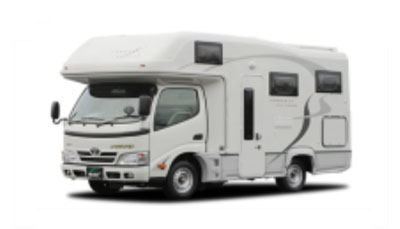
For navigating Tokyo's urban infrastructure and the broader Japanese road network, a smaller, more maneuverable RV class is ideal. Bandana offers Class C - Alcove RVs, often averaging around 5 meters in length, which provide a good balance of interior comfort and agility on the road. This size typically accommodates 3-4 adults comfortably (sleeping up to 6), making it highly suitable for families or small groups.
The compact dimensions of these motorhomes greatly assist in parking and making tight city turns, offering a practical solution for both urban sightseeing and extended road trips to nearby natural attractions. While you'll never be discouraged from driving any RV size, a smaller footprint significantly reduces stress associated with maneuvering larger vehicles in dense areas. Consider models like the "campervan for rent example Alcove Sport Plus" or "rent rv example A1" which offer features like shower and toilet in a manageable size, making your journey more comfortable. Or if you like cooking inside, many of these models feature a stove and refrigerator, perfect for preparing an RV-friendly meal, and you can find inspiring recipes in our RV-friendly recipes playlist.
Should I Choose a Compact Van Instead of a Large RV in Tokyo?
While a compact campervan offers superior maneuverability in extremely tight urban spots, a well-chosen smaller Class C or Class B RV often provides a significantly more comfortable and amenity-rich experience for your Tokyo trip. Compact vans are indeed easier to park and more fuel-efficient in very dense areas, mimicking the driving feel of a standard car. However, they typically offer limited living space and minimal integrated facilities.
A smaller Class C Alcove motorhome, averaging 5-6 meters in length, provides ample living space, a dedicated dining area, integrated kitchen, and a private bathroom, making it much better suited for week-long trips or extended road trips. Tokyo's main roads are generally wide enough for these smaller RVs, allowing most areas to be manageable for careful drivers. Opt for a compact van if supreme agility in very narrow historic alleys is your absolute top priority; otherwise, a smaller motorhome offers a better overall balance of convenience and onboard comfort for exploring both Tokyo's periphery and beyond.
Can I Park Anywhere? Free & Wild Camping Rules in Tokyo
In Tokyo and throughout Japan, official 'wild camping' or overnight parking outside designated areas is generally not permitted and can lead to fines or unwelcome interactions. Overnight RV parking is typically restricted to official campsites, designated Michi-no-Eki (roadside stations), or paid parking lots that can accommodate larger vehicles. While Michi-no-Eki are excellent for resting and offer amenities like restrooms and local produce, they are intended for temporary stops, not extended camping with awnings or outdoor setups; always check local rules at each station.
Disposing of greywater and blackwater is strictly limited to official dump stations, usually found at well-equipped campsites or service areas outside the city center. Always respect private property, local community regulations, and clearly marked 'No Overnight Parking' signs. Rules vary by region, so it's always best to call ahead or consult resources like RV PLANET (rvplan.net) to locate available spots and confirm local regulations before parking overnight to avoid any inconvenience.
Can I Drive an RV Into the City Center? Heights, Tunnels & Local Signage
Yes, you can generally drive a rented RV into Tokyo's city center, but it demands meticulous attention to local signage, especially concerning vehicle dimensions. You'll need to pay very close attention to height and width restrictions clearly indicated on tunnels, underpasses, and entrances to multi-story parking garages, as these are often designed for standard passenger cars. Most major routes within the city are accessible for standard motorhomes or campervans; however, older districts or residential streets can be exceptionally narrow.
Japanese road signs clearly indicate height limits (高さ制限 - takasa seigen) and other vehicle restrictions, which you must heed. For sightseeing within the bustling core of Tokyo, parking your RV on the outskirts, perhaps near a train or subway station, and utilizing Tokyo's world-class public transport system, is often a more practical, enjoyable, and less stressful strategy than attempting to navigate and park a large vehicle in the busiest areas.
Tokyo-Specific RV Navigation & Driving Challenges
Driving an RV in Tokyo presents several unique challenges, requiring drivers to be prepared and observant. The city features extremely narrow streets in older districts and residential areas, which can be particularly challenging for larger RVs. Heavy traffic is common on expressways and major urban routes, especially during morning and evening rush hours, necessitating patience and careful lane changes.
Complex, multi-lane intersections around key landmarks like the Tokyo Imperial Palace or Shibuya Crossing demand quick decision-making and awareness of surrounding vehicles. Drivers must maintain constant vigilance for numerous low clearance warnings on tunnels, underpasses, and parking facilities. Strict and limited parking regulations for larger vehicles can be a significant hurdle, making pre-planned parking spots crucial. Furthermore, drivers from countries with right-hand traffic must adapt to driving on the left side of the road and operating right-hand drive vehicles, which can take some getting used to.
Integrated Public Transport Strategy for RVers
The most efficient and enjoyable way for RVers to explore Tokyo's city center is by strategically parking their RV on the outskirts or at a designated campsite outside the immediate downtown area. This approach allows travelers to seamlessly integrate with Tokyo's world-class public transport system, including its extensive network of trains and subways, for stress-free sightseeing. Identify RV-friendly parking lots or campgrounds, such as those near Tokyo Bay or in neighboring prefectures like Chiba or Saitama, that are conveniently located within walking distance of a train or subway station.
Purchasing a Suica or Pasmo IC card upon arrival will facilitate easy and cashless travel on most public transport lines. This strategy not only helps you avoid expensive and scarce city parking fees for larger vehicles but also eliminates the stress of driving a rented motorhome in dense urban areas. For instance, you could park at a campground near Wakasu Seaside Park and take a local bus or train directly into central Tokyo, transforming your RV into a comfortable mobile base camp for wider exploration of Japan.
Cultural Etiquette & Local Laws Specific to RV Camping
RVers in Japan must adhere to a high standard of cultural etiquette, prioritizing cleanliness, quietness, and respect for public and private spaces. When staying at Michi-no-Eki (roadside stations), remember they are primarily for resting, not prolonged camping; limit extensive setups like awnings, outdoor furniture, or loud activities. Waste disposal is strictly regulated; greywater and blackwater must only be discharged at designated dump stations found at official campsites, never onto the ground or in public drains.
Maintain low noise levels, especially at night and in residential or shared parking areas, demonstrating consideration for local communities. Wild camping (often called 'Nogaru' by some travelers) is generally frowned upon and frequently illegal in Japan; always respect 'No Overnight Parking' signs and seek out official campsites or approved overnight parking. Familiarize yourself with local customs for public facilities, such as the bathing procedures at onsen (hot springs), to ensure a respectful and harmonious travel experience. Proper rubbish disposal, which often involves meticulous separation into different categories, is also a crucial aspect of Japanese etiquette to follow diligently.
Feasibility & Enjoyment Assessment of RVing Tokyo
RVing *around* Tokyo offers significant flexibility and enjoyment for exploring the diverse outer regions, natural landscapes, and nearby cultural attractions. As a base for day trips to areas like Hakone, Mount Fuji, or Nikko, a rented RV is an excellent choice, providing a mobile headquarters for your adventures. However, driving an RV directly *into* Tokyo's dense urban core is generally not the most practical or enjoyable way to experience the city itself due to several factors.
Pros of RVing near Tokyo include the freedom to carry more gear, access to scenic campsites, and the ability to discover unique cultural experiences beyond major cities. Cons involve challenging city driving conditions, scarce and expensive parking for larger vehicles, high expressway tolls, and potential navigation stress. The best use case for your RV rental is as a comfortable base for exploring the areas surrounding Tokyo, while using a 'park and ride' strategy for specific city sightseeing. This allows you to maximize enjoyment by focusing RV travel on the picturesque routes outside the immediate metropolis while leveraging Tokyo's efficient public transport for urban exploration.
Ideal RV Types for Tokyo's Landscape
For navigating Tokyo's urban landscape and the broader Japanese road network, smaller, more agile RVs are unequivocally the most suitable choice. Japanese campervans (Class B equivalent) or compact Class C - Alcove models, like the "Active Bunk Auto" or "Active Compact Select" are ideal. Bandana's Class C - Alcove models, averaging around 5 meters (approximately 16.4 feet) in length, offer a practical balance of interior space and maneuverability, perfect for a family of 2+2 or even a larger group. These vehicles, often built on smaller chassis like Toyota Hiace or similar, handle narrow roads and parking much better than larger foreign-made RVs.
Prioritize RVs under 5.5 meters in length for significantly easier navigation, parking access (many parking garages have a 2.1-2.3 meter height limit), and overall driving comfort. Larger North American-style Class A or longer Class C RVs will face substantial challenges with very narrow streets, extremely limited parking availability, and numerous clearance limits on bridges and tunnels. Micro-campervans (Kei-vans), though offering minimal amenities, provide the ultimate compactness for those prioritizing extreme agility.
Comprehensive Cost Breakdown for RV Travel near Tokyo
A comprehensive RV travel budget for a week-long trip near Tokyo must account for several key expenses beyond the initial rental fee. RV rental fees are dynamic, much like flight tickets; they change daily based on availability, seasonality, and supplier marketing decisions. They typically range from $100-$250 USD per day for a standard Class C motorhome, excluding optional upgrades or insurance. Significant expressway tolls can be a major cost, budgeting ¥2,000 - ¥5,000+ per day depending on travel distance and routes taken (e.g., the Tokyo Bay Aqua-Line can be costly).
Fuel costs can be estimated at ¥1,500 - ¥2,500 per 100 km for an average RV. City parking is generally expensive, ranging from ¥500-¥1,000+ per hour in central areas and is often scarce for larger vehicles, while Michi-no-Eki often provide free overnight stops for resting. Official campsite charges typically run ¥3,000 - ¥8,000 per night, depending on amenities and location. Budgeting for public transport (approximately ¥1,000-¥2,000 per person per day) is also crucial if exploring Tokyo from an RV base. Remember, on RV PLANET routes, you can itemize and track every expense for easy budgeting, ensuring full price transparency.
Emergency Preparedness & Local Support for Non-Japanese Speakers
Proactive emergency preparedness is crucial for non-Japanese speakers embarking on an RV adventure near Tokyo. Before your trip, memorize essential emergency numbers: 110 for Police and 119 for Fire and Ambulance services. It's also vital to have your specific rental company's roadside assistance contact readily available, as they often have protocols for foreign customers.
Utilize offline translation apps like Google Translate, downloading the Japanese language pack before you travel, for effective communication in unexpected situations. Familiarize yourself with your rental company's emergency procedures and any support they offer for foreign customers; Bandana Caravan partners with suppliers who are equipped to assist. While JAF (Japan Automobile Federation) offers roadside assistance, their primary services are in Japanese, so direct assistance via your rental provider is often the best first step. Additionally, identifying hospitals with English-speaking staff in your planned travel areas can provide extra peace of mind. Ensure you have comprehensive travel insurance that covers both medical emergencies and roadside assistance for a worry-free experience.
🎬 Video coming soon
What You Shouldn't Miss
- Explore Hakone and Mount Fuji: Drive your RV to the Fuji Five Lakes region or Hakone National Park for breathtaking views of Mount Fuji, serene lakes, and relaxing onsen experiences. There are several RV-friendly campgrounds in these areas.
- Visit Nikko National Park: Head north from Tokyo to discover Nikko's UNESCO World Heritage shrines and temples, nestled amidst stunning natural beauty, especially vibrant in autumn.
- Stroll through Kawagoe's Historic Streets: Experience "Little Edo" in Kawagoe, just an hour from Tokyo. Park your RV on the outskirts and wander through traditional merchant houses and enjoy local sweets.
- Relax at Michi-no-Eki: Embrace the Japanese roadside station culture. While few are directly in Tokyo, those outside the city offer fresh local produce, unique souvenirs, and clean facilities, perfect for a break.
- Indulge in Japanese Cuisine: With your RV's kitchen, try preparing local dishes with ingredients from farmers' markets, but also venture out to sample street food and regional delicacies.
Looking for expert insights from Avi Bandana? Top 5 Adventures - recommendations from Avi Bandana
Final Thoughts
Your first RV driving experience in Tokyo, and Japan as a whole, is sure to be an unforgettable adventure. While Tokyo's bustling heart requires a thoughtful approach, the surrounding regions offer endless opportunities for discovery and connection with nature and culture. Remember to embrace the local customs, drive with care, and leverage Japan's excellent public transport to make the most of your journey.
At Bandana Caravan, we are true RV specialists, dedicated to making your rental experience as straightforward and enjoyable as possible. We provide the tools and information you need, from comparing final prices across top suppliers to offering meticulously planned itineraries through RV PLANET. So, get inspired for your next trip and embrace the freedom of the open road.
Find Motorhome Rentals in Tokyo