In This Guide
- Can You Drive an RV in Slovakia? License & Age Rules
- Road Conditions & Terrain in Slovakia
- RV Size Limits, Bridges & Restricted Zones
- Fuel: Diesel vs. Petrol & Cost per 100 km
- Tolls, Vignettes & Border Rules
- Driving Tips for rv rental beginners Travelers
- Recommended RV Class for Slovakia Roads
- Should I Choose a Compact Van Instead of a Large RV in Slovakia?
- Can I Park Anywhere? Free & Wild Camping Rules in Slovakia
- Can I Drive an RV Into the City Center? Heights, Tunnels & Local Signage
- What are the specific rules for tolls and vignettes for RVs in Slovakia, including purchase locations and potential penalties?
- What are Slovakia's wild camping rules, legality, ethical considerations, and recommended alternatives?
- What are the road conditions in Slovakia like for RVs, including suitability for different sizes, mountain passes, and urban accessibility?
- Where can I find LPG availability, dump/fill stations, and specialized RV repair services in Slovakia?
- How can RV travelers integrate local culinary experiences, markets, and cultural etiquette in Slovakia?
- What are the considerations for RV travel in Slovakia with children or pets?
- How can I practice sustainable and responsible RV travel in Slovakia's natural parks and protected areas?
- What emergency preparedness information is tailored for RVers in Slovakia?
- What are some lesser-known, off-the-beaten-path RV routes and hidden gems in Slovakia?
- What are the specific tips for winter RV travel in Slovakia, including road closures and vehicle preparations?
Can You Drive an RV in Slovakia? License & Age Rules
Most RVs up to 3,500 kg can be driven in Slovakia with a standard B driving license, typically requiring drivers to be at least 21 years old. A standard B license is sufficient for RVs with a maximum authorized mass (MAM) not exceeding 3,500 kg, which covers most rental camper vans and semi-integrated models. For RVs exceeding 3,500 kg, a higher license category such as C1 (for vehicles between 3,500 kg and 7,500 kg) is required. Rental companies generally impose a minimum driver age of 21, and sometimes 25, with a requirement for 1-3 years of driving experience. Foreign drivers from EU/EEA countries can use their national license; those from other countries should carry an International Driving Permit (IDP) alongside their national license.
Road Conditions & Terrain in Slovakia
Slovakia offers a mix of well-maintained motorways and regional roads, with mountainous terrain in central and northern regions requiring careful driving for RV beginners. Motorways (D roads) and expressways (R roads) are generally in excellent condition, providing smooth and efficient travel between major cities. Regional roads vary in quality; while many are good, some can be narrower or have less perfect surfaces, especially in remote or mountainous areas. The High Tatras, Low Tatras, and other mountain ranges feature winding roads with steep inclines and descents, which are navigable by RVs but require slower speeds and careful gear management. Urban accessibility can be challenging due to narrower streets and denser traffic in historic city centers, encouraging slower, more scenic driving outside of major hubs.
RV Size Limits, Bridges & Restricted Zones
While Slovakia generally accommodates RVs, drivers should be aware of potential height restrictions (e.g., tunnels, underpasses, urban garages, typically signposted starting from 3.5m) and weight limits on some smaller bridges. Height restrictions for tunnels and underpasses are clearly marked, usually ranging from 3.5 to 4.2 meters; always pay close attention to signage. Weight limits primarily apply to older or smaller bridges, especially in rural areas, and these will be prominently signposted. Slovakia does not have widespread environmental zones with RV restrictions like some Western European cities, but pedestrianized areas in city centers are off-limits. There are no significant ferry limits within Slovakia, but if crossing borders via river ferries (e.g., on the Danube), check for specific length and weight considerations.
Fuel: Diesel vs. Petrol & Cost per 100 km
Most rental RVs in Slovakia run on diesel, which is widely available, with average fuel consumption for a semi-integrated RV typically ranging from 10-11 liters per 100 km. Diesel (Nafta) is the predominant fuel type for motorhomes and is readily available at petrol stations across Slovakia, alongside Petrol (Benzín 95 or 98). Based on Bandana's global fleet averages, a Class SI Semi-integrated RV typically consumes 10-11 Liters/100 km, a Class C Alcove RV 10-12 Liters/100 km, and a Class B Camper Van 8-10 Liters/100 km. Assuming an average diesel price of around €1.60/liter, the cost per 100 km for a Semi-integrated RV would be approximately €16.00-€17.60, a Class C Alcove €16.00-€19.20, and a Class B Camper Van €12.80-€16.00. Some RV rental companies may offer fuel discount cards or perks, which can help manage costs over longer journeys.
Tolls, Vignettes & Border Rules
Slovakia requires an electronic vignette (e-vignette) for all vehicles up to 3.5 tonnes, including most RVs, when using motorways and expressways. The e-vignette is digital, linked to your vehicle's license plate, and can be purchased online at eznamka.sk, via mobile app, at petrol stations, or border crossings. RVs exceeding 3.5 tonnes fall under a separate electronic toll system (Myto), requiring an on-board unit (OBU) for distance-based toll calculation. Failure to have a valid vignette or OBU when required can result in significant fines. If planning to cross borders into neighboring countries like Austria, Czech Republic, or Hungary, be aware that each has its own vignette or toll system that must be acquired in advance. On the routes offered through RV PLANET routes, you can itemize and track every expense along the way for easy budgeting.
Driving Tips for rv rental beginners Travelers
For RV rental beginners in Slovakia, prioritize slow and steady driving, take frequent breaks, and be mindful of your vehicle's dimensions, especially in rural and mountainous areas. Go Slow & Steady: Embrace the scenic routes; a relaxed pace allows for better enjoyment and safer navigation, particularly on winding or narrower roads. Mind Your Size: Always be aware of your RV's height, length, and width when approaching tunnels, low bridges, parking garages, or navigating tight village streets. Vignette Vitals: Ensure your electronic vignette is correctly purchased and activated for all motorways to avoid fines. Plan Your Stops: Use apps like Campercontact or Park4Night to locate official campsites, dump/fill stations, and LPG availability in advance. Mountain Driving: When ascending or descending mountain passes, use lower gears to maintain control, prevent overheating, and reduce strain on brakes.
Recommended RV Class for Slovakia Roads
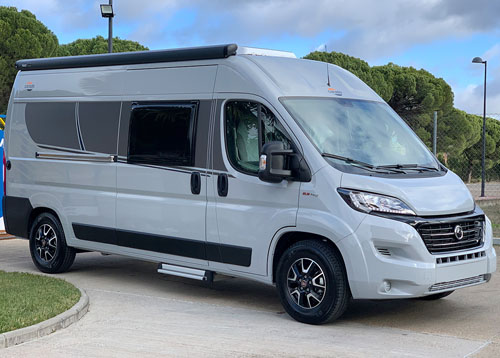
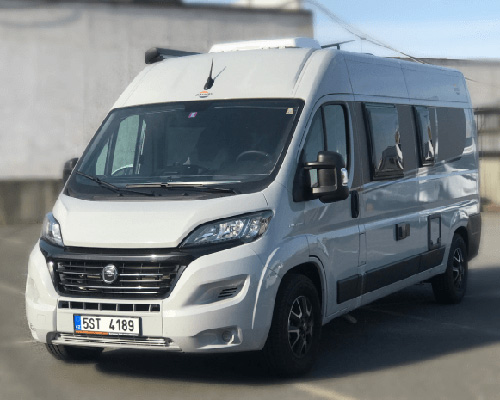
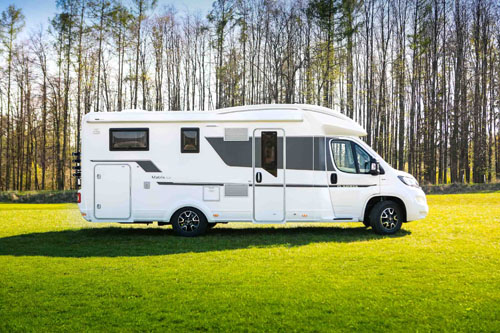
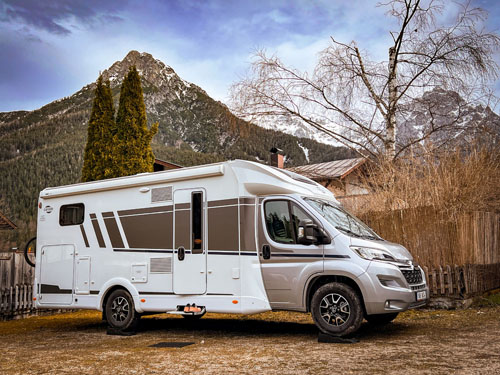
For RV rental beginners in Slovakia, a Class B Camper Van (average length 5.8m) or a Class SI Semi-integrated RV (average length 6.9m) are highly recommended due to their balanced maneuverability and living space. Class B - Camper Van: With an average length of 5.8m (Bandana's global fleet average), these are highly agile, easier to park, and ideal for navigating narrower rural roads and charming small-town centers. Class SI - Semi-integrated: Averaging 6.9m in length (Bandana's global fleet average), these offer a good compromise between comfortable living space and manageable driving dimensions, suitable for couples or small families. While larger Class C Alcove (7.5m) or Class A Integrated (7.5m) RVs are certainly viable, their increased length and height might feel more challenging for beginners on some of Slovakia's more winding or confined routes.
Should I Choose a Compact Van Instead of a Large RV in Slovakia?
While a compact camper van offers superior maneuverability, especially in tight village centers or challenging mountain passes, larger RVs are generally comfortable to drive in Slovakia and offer significantly more living space and amenities, often making them a better trade-off for comfort. Compact vans (Class B) excel in tight spaces, are easier to park, and offer better fuel economy, which can be advantageous if your itinerary focuses heavily on historic city centers or very remote, narrow routes. Larger RVs (Semi-integrated, Alcove, Integrated) provide more spacious living areas, full kitchen and bathroom facilities, and greater storage, making them ideal for families or longer trips requiring more comfort. Most main roads and motorways in Slovakia are perfectly suitable for larger RVs, meaning that comfort and indoor space often matter more than the slight gain in maneuverability a compact van provides for the majority of travel. Consider a compact van if you prioritize extreme agility and plan to spend extensive time exploring very narrow, historic urban environments; otherwise, a larger RV provides a more comfortable 'home on wheels' experience without significant driving compromise. For ideas you can prep on the road, watch our RV-friendly recipes playlist on YouTube.
Can I Park Anywhere? Free & Wild Camping Rules in Slovakia
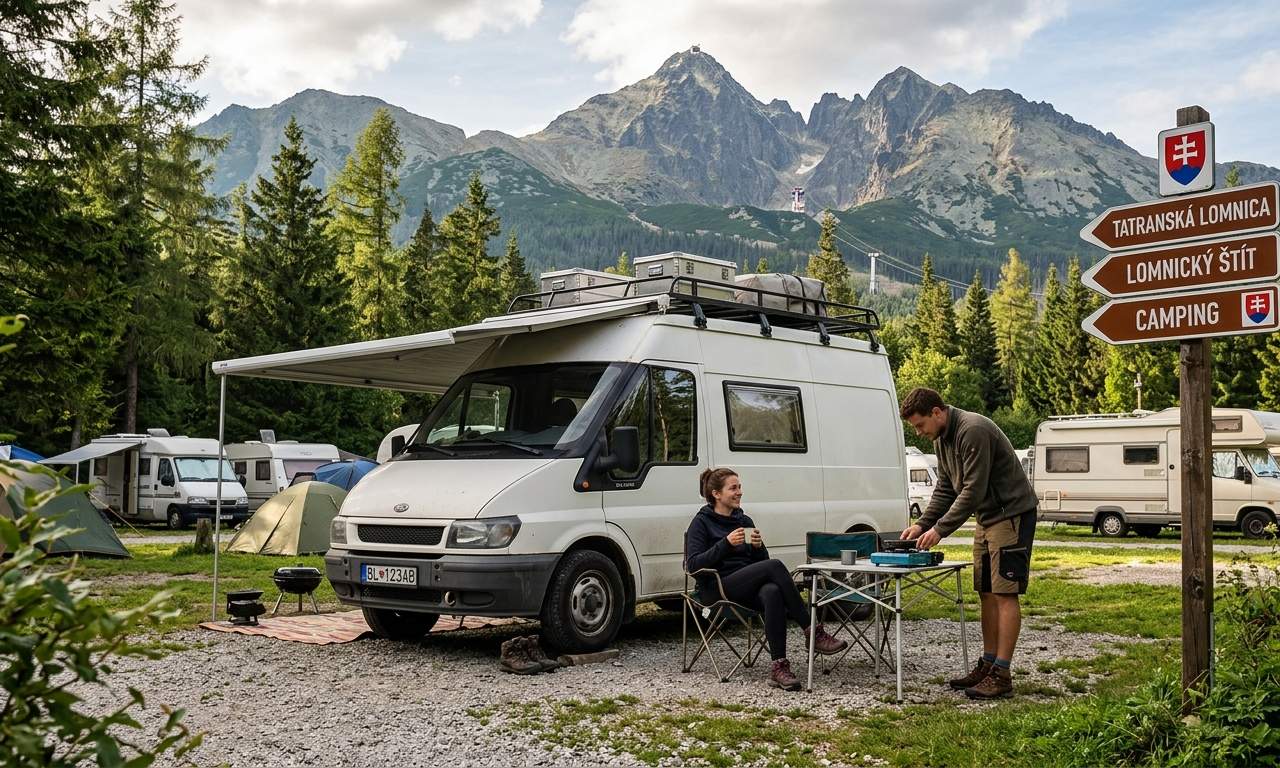
Wild camping is generally prohibited in Slovakia, particularly within national parks and protected natural areas; it is always recommended for RVers to use designated campsites for overnight stays. Overnight parking in non-designated areas, while sometimes tolerated if not explicitly forbidden and causing no disturbance, is a legal grey area and not considered 'camping'. Strict prohibition of wild camping applies within all National Parks, Protected Landscape Areas, and on private property without express permission from the landowner. Official campsites (kempy) are numerous and well-equipped across Slovakia, offering safe and legal overnight options with essential facilities. Alternative legal options include small, private campsites, farm stays, or designated 'Stellplatz' / RV parking areas which may or may not offer full amenities. Rules vary by region — check local regulations and follow local law before parking overnight.
Can I Drive an RV Into the City Center? Heights, Tunnels & Local Signage
Yes, you can generally drive an RV into city centers in Slovakia, but it's crucial to pay close attention to local signage indicating height restrictions, weight limits, and zones reserved for residents or public transport. Most major city centers, including Bratislava and Košice, are accessible by RV via main thoroughfares. Always be vigilant for height limit signs on underpasses, tunnels, and parking garage entrances, which typically start from 3.5m-4m. Narrow streets in historic city centers can be challenging for larger RVs; consider parking on the outskirts or in designated RV parking lots and using public transport to explore. Slovakia does not widely implement environmental zones (low emission zones) that restrict RVs, unlike some other European countries. Pay attention to local signage indicating pedestrian zones, 'residents only' streets, or areas restricted to public transport, as fines apply for unauthorized entry.
What are the specific rules for tolls and vignettes for RVs in Slovakia, including purchase locations and potential penalties?
In Slovakia, RVs up to 3.5 tonnes require an electronic vignette (e-vignette) for motorways and expressways, purchased online via eznamka.sk, at border crossings, or petrol stations, while RVs over 3.5 tonnes utilize an electronic toll system requiring an on-board unit. E-vignette (up to 3.5t MAM): Mandatory for all motorways (D1, D2, D3, D4) and expressways (R1, R2, R4, R6). It's a digital sticker linked to your license plate. Purchase Locations: The official website (eznamka.sk), the eznamka mobile app, selected petrol stations (e.g., Slovnaft, OMV), border crossings, and Slovak Post offices. Potential Penalties: Driving on tolled roads without a valid e-vignette can result in fines ranging from €140 to €700, enforced by cameras. RVs Over 3.5t MAM: These vehicles fall under the 'Myto' electronic toll system for trucks, which uses a pre-paid or post-paid on-board unit (OBU) to calculate distance-based tolls. OBUs must be obtained from SkyToll distribution points. For cross-border travel, remember that neighboring countries (e.g., Austria, Czech Republic, Hungary) have their own separate toll or vignette requirements.
What are Slovakia's wild camping rules, legality, ethical considerations, and recommended alternatives?
Wild camping is generally prohibited in Slovakia, particularly within national parks and protected natural areas, and it is crucial to respect private property and local regulations to avoid fines. Legality: Camping outside designated campsites is largely forbidden throughout Slovakia, with strict enforcement in all national parks (e.g., High Tatras, Slovak Paradise) and protected landscape areas. Penalties apply for violations. Ethical Considerations: To preserve Slovakia's pristine nature, travelers should adhere to 'leave no trace' principles, minimizing environmental impact, properly disposing of waste, and avoiding disturbance to wildlife or local communities. Respect for Private Property: Never park or camp on private land without explicit permission from the landowner. Recommended Alternatives: Official Campsites: Slovakia has numerous well-maintained campsites offering full facilities, providing a legal and convenient option for overnight stays. Small, Private Campsites & Farm Stays: Many rural areas offer smaller, privately run campsites or farm stays (agritourism) that welcome RVs, often providing a more authentic experience. Designated RV Parking (Stellplatz): Some towns or attractions may offer designated overnight parking spots, sometimes with basic services, which are a safe alternative to wild camping.
What are the road conditions in Slovakia like for RVs, including suitability for different sizes, mountain passes, and urban accessibility?
Slovakia's main motorways are excellent for all RV sizes, while regional roads vary in quality, and mountain passes require careful navigation due to winding routes and gradients, being generally suitable for most RVs with caution. Motorways & Expressways: These primary arteries are generally high-quality, multi-lane, and well-suited for all RV sizes, ensuring smooth transit between major cities. Regional Roads: The quality of secondary and tertiary roads can be inconsistent; some are well-maintained, but others in more rural or mountainous areas may be narrower, less evenly paved, or have potholes, which might be more challenging for larger RVs (Class A, C). Mountain Passes: Common in the High and Low Tatras, these feature steep ascents, descents, and sharp turns. While most RVs can navigate them, beginners should drive slowly, use appropriate gears, and be mindful of their vehicle's dimensions. Suitability for RV Sizes: Smaller Class B Camper Vans (avg. 5.8m) offer maximum flexibility on all road types, including very narrow ones. Larger Class SI Semi-integrated (avg. 6.9m) and Class C Alcove (avg. 7.5m) RVs handle most roads well but require more caution on the tightest rural or mountain routes. Urban Accessibility: Main roads leading into cities are typically fine, but historic city centers often have narrow streets, pedestrian zones, and limited parking, making smaller RVs more advantageous or requiring parking on the outskirts.
Where can I find LPG availability, dump/fill stations, and specialized RV repair services in Slovakia?
LPG for cooking and heating is available at many petrol stations in Slovakia, and dedicated dump/fill stations are typically found at official campsites, while specialized RV repair services might require searching in larger cities. LPG (Propán-bután / Autoplyn): Widely available at larger petrol stations throughout Slovakia, primarily for automotive use. Adapters may be necessary for refilling domestic RV cylinders, and local regulations on cylinder refilling should be checked. Dump/Fill Stations: The most reliable places to find facilities for emptying grey and black water (dump stations) and refilling fresh water are at official campsites (kempy). Apps like Campercontact or Park4Night are excellent resources for locating these points. Fresh Water: Besides campsites, fresh water taps suitable for drinking can sometimes be found at larger petrol stations or public parks, though verification of potability is always recommended. Specialized RV Repair Services: For specific motorhome issues, it's advisable to seek repair shops in larger cities (e.g., Bratislava, Košice, Banská Bystrica, Žilina). Workshops that service commercial vehicles or are authorized dealers for common RV chassis brands (like Fiat Ducato or Ford Transit) are good starting points for more specialized repairs.
How can RV travelers integrate local culinary experiences, markets, and cultural etiquette in Slovakia?
RV travelers can deeply integrate into Slovakia's local culture by visiting regional markets for fresh produce, sampling traditional dishes at local 'kolibas' or 'reštaurácias,' and observing common etiquette like greeting locals respectfully. Culinary Exploration: Local Markets (Trh): Seek out farmers' markets in towns and villages for fresh, seasonal produce, local cheeses, smoked meats, honey, and traditional baked goods. Traditional Eateries: Visit 'kolibas' (traditional shepherd's huts) for authentic Slovak cuisine like Bryndzové Halušky (sheep cheese dumplings), or 'reštaurácias' for hearty soups, goulash, and schnitzel. Don't miss local wines from regions like the Small Carpathian Wine Route. Cultural Etiquette: Greetings: A simple 'Dobrý deň' (good day) or 'Dobrý večer' (good evening) is always appreciated when entering shops or interacting with locals. Punctuality: Slovaks generally value punctuality, so strive to be on time for any arranged meetings or tours. Tipping: It's customary to tip 5-10% in restaurants and cafes for good service. Beyond Tourist Traps: While medieval towns are charming, venture into smaller villages, explore national parks, or attend local festivals to experience deeper cultural immersion.
What are the considerations for RV travel in Slovakia with children or pets?
RV travel in Slovakia with children or pets requires planning for child-friendly activities and pet-friendly accommodations, ensuring proper documentation for animals, and prioritizing safety and comfort for all passengers. Traveling with Children: Campsite Amenities: Many Slovak campsites are family-friendly, offering playgrounds, swimming pools, and organized activities. Attractions: Plan visits to zoos (Bratislava, Košice), aquaparks, castles (many have interactive exhibits), and hiking trails suitable for various ages in national parks. Safety: Ensure appropriate child safety seats are used (if applicable) and all loose items inside the RV are secured during transit. Plan regular stops for children to stretch and play. Traveling with Pets: Documentation: Pets (dogs, cats, ferrets) require an EU Pet Passport, up-to-date vaccinations (especially rabies), and microchipping for entry into Slovakia. Pet-Friendly Accommodations: Confirm in advance that campsites or designated RV parks welcome pets, as some may have restrictions or charge a small fee. Access to Attractions: While many national parks allow dogs on leashes on designated trails, always check specific park rules. Outdoor cafes are often pet-friendly. Veterinary Services: Be aware of veterinary clinic locations in larger towns for any unforeseen medical needs. Keep a record of your pet's health information. Comfort: Ensure pets have adequate ventilation, water, and rest breaks, especially during warmer months, and never leave them unattended in a hot vehicle.
How can I practice sustainable and responsible RV travel in Slovakia's natural parks and protected areas?
Practicing sustainable RV travel in Slovakia's natural parks and protected areas involves adhering strictly to 'leave no trace' principles, staying on designated routes and campsites, and minimizing waste and resource consumption. Leave No Trace: Always pack out everything you pack in, dispose of grey and black water only at designated dump stations, and avoid disturbing wildlife or damaging plant life. Stay on Designated Paths: When hiking or exploring, stick to marked trails and roads. Avoid off-roading or creating new paths, especially in sensitive ecosystems within national parks. Use Official Campsites: Within national parks and protected areas, wild camping is strictly prohibited. Always utilize designated, authorized campsites for overnight stays to protect fragile environments. Conserve Resources: Minimize your water and electricity consumption in your RV. Use environmentally friendly cleaning products when possible. Support Local & Respect Culture: Purchase local produce and goods, support local businesses, and be mindful of local customs and traditions in communities you visit. Fire Safety: Only use designated fire pits and follow all local fire regulations, especially during dry periods, to prevent wildfires.
What emergency preparedness information is tailored for RVers in Slovakia?
RV renters in Slovakia should have roadside assistance contact information, knowledge of local emergency numbers (112 for general emergencies), and a basic understanding of key Slovak phrases to navigate potential breakdowns or medical situations. Emergency Numbers: The universal European emergency number is 112 for police, fire, and ambulance services. Specific numbers are 158 (Police), 155 (Ambulance), and 150 (Fire Department). Roadside Assistance: Ensure your RV rental agreement includes roadside assistance and have the contact number readily available. Know the procedures for reporting a breakdown. Medical Preparedness: European citizens should carry their EHIC card. All travelers should have comprehensive travel insurance and know the location of nearby hospitals or pharmacies (lekáreň). Vehicle Breakdown Kit: Carry essentials like a reflective triangle, reflective vest, first-aid kit, a spare tire or repair kit, basic tools, and a fully charged mobile phone. Language Barrier: While English is spoken in tourist areas and by younger generations, learning a few basic Slovak phrases (e.g., 'Prosím' - please, 'Ďakujem' - thank you, 'Pomoc' - help, 'Kde je…?' - Where is…?) can be invaluable, especially in rural regions. Translation apps are also helpful. Important Documents: Always keep your passport/ID, driving license, RV registration, rental agreement, and insurance details easily accessible, preferably in digital and physical formats.
What are some lesser-known, off-the-beaten-path RV routes and hidden gems in Slovakia?
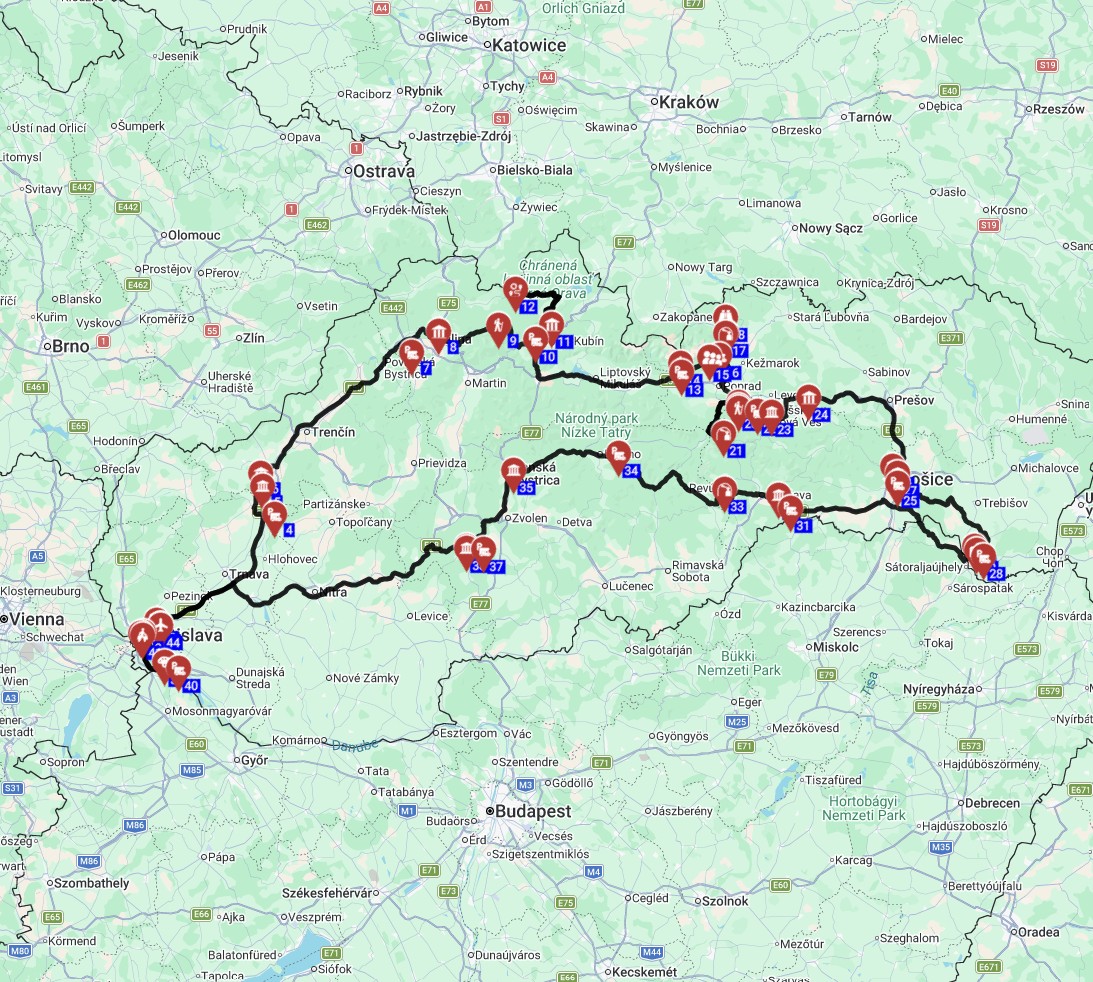
Beyond popular destinations, Slovakia offers numerous off-the-beaten-path RV routes, such as exploring the Spiš region's lesser-known castles and villages, the diverse landscapes of the Slovak Paradise National Park, or the tranquil beauty of the Poloniny National Park in the east. Spiš Region's Hidden History: While Spiš Castle is famous, explore other charming castles like Stará Ľubovňa or visit the region's wooden churches (some UNESCO-listed) and traditional villages. Slovak Paradise National Park: Known for its unique gorges, ladders, and waterfalls. RVs can park at designated entrances (e.g., Čingov, Podlesok) for hiking adventures. Poloniny National Park (Eastern Slovakia): Part of a UNESCO World Heritage site of ancient beech forests, this park offers incredibly pristine nature, dark sky reserves, and traditional wooden architecture. It's remote and ideal for those seeking tranquility. Orava Region: Discover the stunning Orava Castle perched on a rock, traditional log cabins, and the vast Orava Dam lake, offering water sports and scenic views. Banská Štiavnica and the Tajchy: Visit this UNESCO-listed former mining town, famous for its unique system of artificial water reservoirs (tajchy) nestled in the hills, offering beautiful walks and swimming spots. Thermal Spas Beyond the Popular: Explore smaller, less crowded thermal spas in regions like Turiec or Liptov for a relaxing, authentic Slovak spa experience.
What are the specific tips for winter RV travel in Slovakia, including road closures and vehicle preparations?
Winter RV travel in Slovakia requires specific preparations, including ensuring your RV is winterized, being aware of potential road closures in mountainous regions, and carrying appropriate gear like snow chains. Winterized RV: Confirm with your rental company that the RV is properly winterized, including adequate insulation, effective heating systems, and antifreeze in all water tanks and pipes to prevent freezing. Road Conditions & Closures: While main roads are typically cleared, mountainous passes (especially in the Tatras) can experience heavy snow or ice and may close. Check real-time road conditions via sources like cestnasprava.sk or local weather apps before traveling. Winter Tires & Snow Chains: Winter tires are legally required in certain conditions in Slovakia. It is highly recommended to carry snow chains, particularly if planning to drive in high-altitude or remote mountainous areas. Campsite Availability: Fewer campsites operate during winter; research and book ahead to ensure open facilities (with heated amenities and snow removal) that can accommodate RVs. Fuel Considerations: Ensure your diesel tank is filled with 'winter diesel,' which contains additives to prevent gelling in cold temperatures, especially if arriving from a warmer climate. Emergency Kit: Pack an enhanced emergency kit including extra blankets, warm clothing, a shovel, sand or salt for traction, and a fully charged phone with power bank. Driving Style: Adopt a cautious driving style, reduce speed significantly, increase braking distances, and avoid sudden steering or braking maneuvers on icy or snowy roads.
What You Shouldn't Miss
- Explore the UNESCO-listed Spiš Castle and its surrounding historic towns, easily accessible for RVs.
- Hike through the dramatic gorges and waterfalls of Slovak Paradise National Park, with designated RV parking available.
- Discover the charm of Banská Štiavnica, a former mining town with unique water reservoirs (tajchy), offering picturesque RV-friendly walks.
- Experience the tranquil beauty and ancient beech forests of Poloniny National Park in eastern Slovakia, a UNESCO World Heritage site.
- Sample traditional Slovak cuisine, like Bryndzové Halušky, at a local 'koliba' after a day of exploring scenic routes.
- Visit the High Tatras, the world's smallest high mountain range, offering accessible alpine scenery perfect for RV travelers.
Final Thoughts
Embarking on an RV adventure in Slovakia offers a unique way to explore its diverse landscapes and rich culture. From the majestic peaks of the High Tatras to the charming historic towns, a rented RV provides the freedom and flexibility to discover it all at your own pace.
Remember to plan ahead, especially regarding vignettes and campsite bookings, but don't be afraid to embrace spontaneity. With a little preparation and a spirit of adventure, your first RV trip in Slovakia promises to be an unforgettable experience.
Ready to start planning? Compare RV rental prices across Slovakia and find the perfect mobile home for your journey. Discover top destinations, planning tips, and inspiration all in one place to make your trip seamless and enjoyable!