For live availability and current prices, start with our RV Rental Santiago - Complete Guide 2026 guide.
In This Guide
- Can You Drive an RV in Santiago? License & Age Rules
- Road Conditions & Terrain in Santiago
- RV Size Limits, Bridges & Restricted Zones
- Fuel: Diesel vs. Petrol & Cost per 100 km
- Tolls, Vignettes & Border Rules
- Driving Tips for rv rental beginners Travelers
- Recommended RV Class for Santiago Roads
- Should I Choose a Compact Van Instead of a Large RV in Santiago?
- Can I Park Anywhere? Free & Wild Camping Rules in Santiago
- Can I Drive an RV Into the City Center? Heights, Tunnels & Local Signage
- How much does it cost to rent an RV in Santiago?
- RV Rental Santiago vs. Car Rental & Hotels: Which is better?
- What are the best RV routes from Santiago?
- Where can I find RV campgrounds near Santiago?
- Is RV travel safe in Chile?
- What do I need to know about RV hookups and utilities in Chile?
- Can I cross borders from Chile with an RV?
- Tips for sustainable RV travel in Santiago and Chile
Embarking on your first RV adventure in Santiago, Chile, is an exciting prospect, opening up a world of natural beauty from the Andes to the Pacific coast. Driving a rented RV for the first time might seem daunting, but with the right information and a confident approach, you'll find it's a wonderfully rewarding way to explore. We’re here to help you navigate the essentials of RV travel in this vibrant region, ensuring a smooth and enjoyable journey.
For live availability and current prices, start with our RV Rental Santiago - Complete Guide 2024 guide. It's packed with everything you need to know, from vehicle options to booking procedures. We believe in full transparency, providing all the information upfront with no hidden fees or surprises.
Can You Drive an RV in Santiago? License & Age Rules
Yes, you can confidently drive a rented RV in Santiago, as a standard car driver's license is generally sufficient for all motorhome classes. Foreign visitors can typically drive an RV in Santiago and throughout Chile for up to one year using their valid home country driver's license, alongside an International Driving Permit (IDP) which is strongly recommended for non-English speaking licenses. A Chilean B-class driver's license, equivalent to a standard car license, is sufficient for RVs with a Gross Vehicle Weight Rating (GVWR) up to 3,500 kg (7,716 lbs), encompassing most rental motorhomes and campervans. Always carry your valid driver's license, IDP, passport, and the vehicle registration documents with you while driving in Chile.
The minimum age for RV rental in Santiago is typically 21 years old, though some suppliers might have specific vehicle classes or insurance requirements that push this to 23 years. Unlike some regions, there are no young driver surcharges and no vehicle class restrictions based on age when renting through our trusted partners. Bandana RV specializes in RV travel, offering expert advice to ensure you understand all the legal requirements before your trip, providing unparalleled personal experience and attention to the smallest details.
Road Conditions & Terrain in Santiago
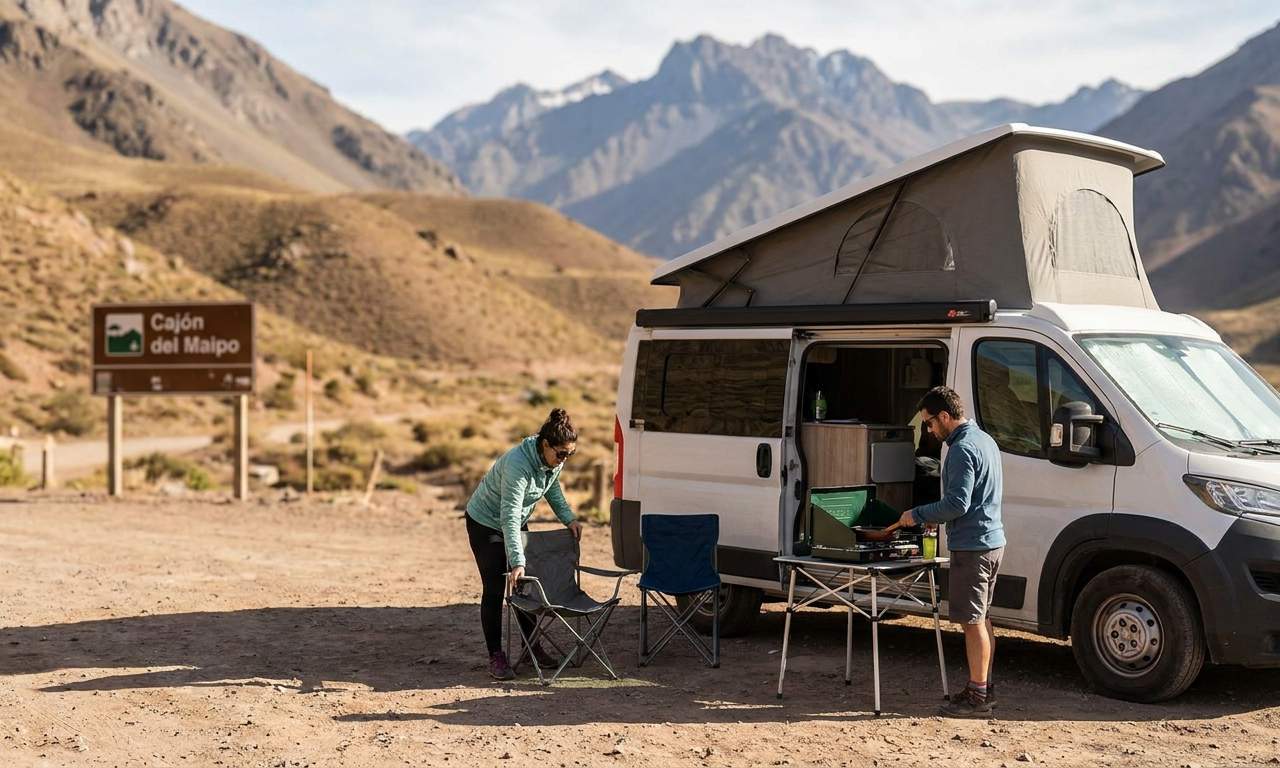
Road conditions in and around Santiago are generally excellent on major highways like Ruta 5, which connects the city to other regions, but they can indeed vary significantly on secondary roads, especially those leading to rural areas or mountain passes in the Andes foothills. Santiago's diverse terrain includes bustling urban density, surrounding rolling hills, and close proximity to the formidable Andes mountains, requiring RV drivers to be prepared for varied inclines, curves, and even some unpaved sections, particularly if exploring off the beaten path. Beginner RVers should prioritize slow, defensive driving, especially in city traffic and when navigating winding mountain roads or gravel tracks, always paying close attention to road signs and local conditions. Proper RV navigation strategies, including awareness of your vehicle's dimensions for turns on narrow streets and maintaining safe passing distances, are vital in Santiago's dynamic urban environment.
Always allow extra time for travel due to potential traffic congestion in and around metropolitan Santiago, particularly during peak hours (roughly 7-9 AM and 5-7 PM), to ensure a relaxed and stress-free journey. Remember, the goal is slow travel, averaging max 100-150 km per day, allowing you to truly feel the place, connect to the culture, the food, and the scenery. For finding campsites and campgrounds during your trip, we recommend using RV PLANET (rvplan.net) - a great resource for locating available spots along your route.
RV Size Limits, Bridges & Restricted Zones
While specific universal height and weight restrictions are less common on Chile's main routes, RV drivers must always pay close attention to local signage in Santiago for low bridges, tunnels, and certain urban zones. Generally, most standard rental RVs, such as Bandana's Class TC - Truck Campers (averaging 5.6 meters in length), can navigate Santiago's roads without major issues related to size, but vigilance for specific localized restrictions is highly advised. Drivers should be particularly cautious of environmental zones, often found in central Santiago, which can impose restrictions on vehicle access during periods of high pollution; it's crucial to check local regulations for the current day before entering these areas.
If your adventure includes island hopping or crossing specific water bodies by ferry, be mindful of length or weight limitations for RVs, and remember that advance booking is often required for such services. Before starting your journey, it’s always wise to confirm your rented RV's exact dimensions (height, length, width) and weight to avoid unexpected challenges. We advocate for full transparency, so our detailed vehicle specifications are always clear, helping you choose the right mobile home for your adventure. For a deeper dive into planning your costs, including potential tolls and fees, check out RV Rental in Santiago - Prices and Best Deals 2024. On the routes offered through RV PLANET routes, you can itemize and track every expense along the way for easy budgeting.
Fuel: Diesel vs. Petrol & Cost per 100 km
Both diesel (Diésel) and petrol (Bencina, available in various octane ratings like 93, 95, and 97) are widely available at fuel stations across Santiago and throughout Chile, so you'll have no trouble fueling your rented motorhome. Many of Bandana's smaller RVs, such as the Patagonia Camper 4x4 double cab, which is a Class TC - Truck Camper, typically consume around 13 liters per 100 km, providing a good estimate for budgeting your fuel costs on your journey. Diesel is often slightly more economical than petrol in Chile, making diesel RVs a cost-effective option, particularly for longer road trips across the country. For 2024, budgeting for around CLP 1,000 to CLP 1,200 per liter is a reasonable estimate for your fuel expenses in the Santiago area, though prices can fluctuate.
While some rental companies may offer fuel discount cards, it's essential to understand that these benefits vary by supplier and vehicle type. When planning your route with RV PLANET routes, you can itemize and track every expense along the way, making budgeting for fuel and other ancillary costs much easier. Remember to always fill up when you see a station in more remote areas, especially when traveling from Santiago into the Andes or rural coastal regions.
Tolls, Vignettes & Border Rules
Chile has numerous toll roads (autopistas) around Santiago and on major intercity routes, which primarily operate using an electronic TAG system or can be paid manually at booths, particularly on older highways. When renting an RV in Santiago, it's crucial to inquire with your rental company about toll payment options; some Bandana RVs allow for the pre-purchase of toll passes to avoid fines and streamline your travel experience. These electronic tolls are prevalent on urban highways like Autopista Central and Costanera Norte in Santiago, and also on major routes leading out of the city, such as Ruta 68 towards Valparaíso.
For adventurous travelers planning international border crossings from Santiago, such as to Argentina via Paso Los Libertadores, comprehensive documentation is required. This typically includes the RV's registration, a notarized authorization from the rental company granting permission for international travel, your passport, and your International Driving Permit. Always confirm border crossing requirements and procedures well in advance with your rental provider and the respective consulates, as rules can change frequently. Our promise of full transparency means we ensure you're aware of all potential costs, including tolls and international border crossing fees, which will be part of a detailed budget for your RV rental in Chile.
Driving Tips for rv rental beginners Travelers
Beginner RV travelers in Santiago should prioritize safety and comfort by making frequent stops every 2-3 hours to rest and stretch, especially when traveling with family or on longer stretches from the city. Familiarize yourself with Santiago's urban traffic laws, including posted speed limits, right-of-way rules at intersections, and specific parking strategies for larger vehicles like Class C motorhomes, looking for designated RV parking zones or larger commercial lots outside the immediate city center. Always plan your route in advance, especially when navigating mountain passes like those leading to Cajón del Maipo or unfamiliar coastal terrain, using a GPS system that can accommodate your RV's dimensions to avoid unsuitable roads.
Be prepared for RV-specific safety considerations such as securing all valuables out of sight when parked to prevent theft, having a clear plan for breakdown assistance for larger vehicles, and understanding how to safely navigate steep inclines and descents common in Chile's diverse landscapes. If budgeting is a concern, consider pre-paying tolls if possible and planning routes to minimize usage of high-toll roads. For a seamless experience, many of our rental motorhomes are equipped with automatic transmissions, making driving in Santiago's varied terrain even easier. To discover more tailored advice, consider looking at our RV Travel Guide to Santiago - Tips and Top Spots 2024.
Recommended RV Class for Santiago Roads
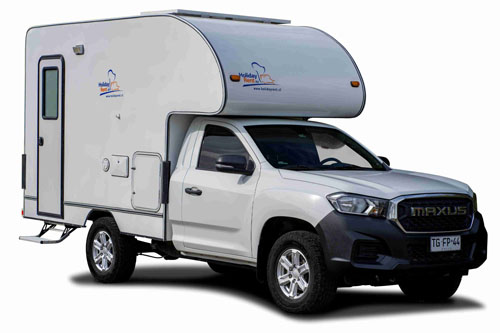
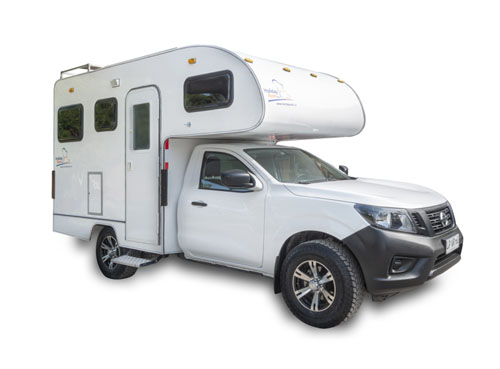
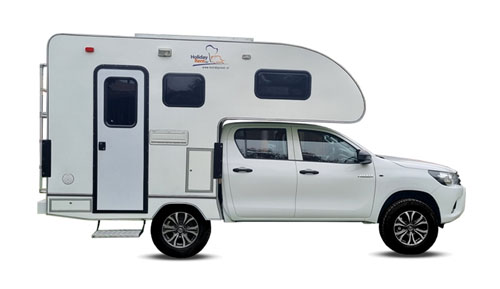
For RV rental beginners navigating Santiago and its beautiful surrounding regions, a smaller and more maneuverable option like the Class TC - Truck Camper is highly recommended. These versatile units, such as the "Patagonia Camper 4x4 double cab" available through Bandana, average around 5.6 meters in length, providing an excellent balance between comfortable living space for 2-3 adults and ease of driving on varied Chilean roads. Their relatively compact size compared to larger Class C motorhomes makes parking in city outskirts or smaller towns around Santiago less challenging, and they are adept at handling winding mountain paths. While ground clearance can vary, truck campers generally offer sufficient capability for gravel roads commonly found in more rural Chilean destinations, allowing for deeper exploration.
These models typically offer sleeping places for 2-3 adults and often include essential features like a gas stove and refrigerator, ideal for preparing meals on the go. Imagine preparing a delicious dinner in your rented RV after a day of exploring the Andes foothills, just before settling in for the night. Our RV-friendly recipes playlist has some great ideas for easy meals on the road! Choosing a vehicle that instills confidence is key for first-time RV drivers in Santiago, and the Class TC - Truck Camper provides that peace of mind. For a comprehensive look at various options and pricing, check out our Weekly RV Rental in Santiago - Pricing 2024 guide. For ideas you can prep on the road, watch our RV-friendly recipes playlist on YouTube.
Should I Choose a Compact Van Instead of a Large RV in Santiago?
For most RV rental beginners in Santiago, choosing a larger motorhome over a compact van generally poses no significant driving issues, as the enhanced comfort and indoor space often outweigh minimal maneuverability gains. While a compact van, such as a smaller Class B campervan, truly helps when navigating extremely tight historic city centers, very narrow mountain passes, or seeking easier parking in highly congested urban areas, the trade-off is often reduced living space and fewer amenities. For example, a larger Class TC - Truck Camper offers significantly more head-room, a proper kitchen area, and often dedicated bathroom facilities, providing greater comfort for week-long trips or extended road trips across Chile.
Consider a compact van if your itinerary focuses heavily on urban exploration within Santiago with frequent parking in constrained spaces and shorter travel distances between stops. However, if your goal is to tour Chile and immerse yourself in its diverse landscapes, a larger rented RV like a Class TC - Truck Camper offers a superior travel experience with its additional amenities, making it a true home on wheels. Bandana's fleet includes options that strike a good balance, offering decent maneuverability while providing ample comforts for a memorable journey.
Can I Park Anywhere? Free & Wild Camping Rules in Santiago
While free or wild camping (often called boondocking) is generally tolerated in some remote, undeveloped areas of Chile, it is largely restricted or discouraged within Santiago's urban and developed zones. For RV beginners near Santiago, it is strongly advised to seek out designated RV-friendly campgrounds, which offer essential amenities like electrical hookups, fresh water, and waste disposal, along with enhanced security for your stay. Established campgrounds are readily available in popular tourist areas such as Cajón del Maipo, near the Embalse El Yeso, and in coastal towns like Valparaíso and Algarrobo, providing safe and legal overnight spots.
When considering boondocking in truly rural and remote areas outside Santiago, always ask for local permission from landowners to avoid trespassing and adhere strictly to Leave No Trace principles, ensuring you leave no impact on the natural environment. Rules and regulations regarding overnight parking vary significantly by region and municipality across Chile, so always check local laws and inquire at local information centers before parking overnight to avoid fines or safety issues. Your best bet for a worry-free experience in Santiago is to plan your stays at official campgrounds. Our RV Rental Chile - Complete Guide 2024 provides broader context on national camping rules.
Can I Drive an RV Into the City Center? Heights, Tunnels & Local Signage
Yes, you can generally drive a rented RV into Santiago's city center, but it absolutely requires careful attention to specific local signage regarding height limits, tunnels, and low bridges, especially when navigating older districts. Drivers must be particularly vigilant for signs indicating environmental zones or resident-only streets, which might restrict RV access during certain hours or for specific vehicle types to manage pollution and traffic. Always assume that height and width restrictions exist for underground parking garages and some older urban passages in Santiago, and plan to park in open-air lots or on the outskirts if venturing into very dense areas.
Utilizing a modern GPS system that allows you to input your RV's dimensions is highly recommended to avoid unsuitable routes, and always visually confirm all road signage before proceeding into potentially restricted areas. Planning your city center visits to include designated RV-friendly parking areas on the outskirts of Santiago, such as those near metro stations like Pajaritos or Vespucio Norte, and then using public transport (metro or bus) for inner-city exploration, can often be a much more stress-free and efficient alternative. This approach ensures you experience Santiago's urban charm without the stress of navigating a larger vehicle through tight spots. We aim for our travelers to have adventures with peace of mind, not surprises!
How much does it cost to rent an RV in Santiago?
The cost to rent an RV in Santiago typically ranges from $100 to $300 USD per night, depending on factors such as the RV class (e.g., a compact campervan versus a larger Class C motorhome), the rental season (peak season like December-February will be higher), the duration of your trip, and the included amenities. A detailed and transparent cost breakdown for your RV rental in Chile should always include the base rental fee, specific insurance coverage (like collision damage waiver and liability), estimated fuel costs, tolls, and any potential fees like cleaning or mileage charges. For instance, a Class TC - Truck Camper might have a base rate in the lower end of the spectrum, whereas a larger motorhome such as the "rv rentals example Comfort Class" would be higher, offering more space and features for 2-3 couples or a big family/group of friends.
Budgeting for fuel is essential, as a typical Class TC - Truck Camper consumes around 13 liters per 100 km, which can add a significant amount to your overall trip cost depending on your planned itinerary from Santiago. Understanding insurance specifics is critical; always clarify what is covered, the deductible amount, and options for additional protection, as these can vary widely between rental providers. Remember to factor in additional expenses like campground fees (averaging $20-$50 USD per night), propane/gas bottle exchange, water refills, waste disposal fees, and any desired excursions or activities. For more detailed pricing, refer to our Cheap RV Rental in Santiago - Budget Guide 2024 and RV Rental Deals in Santiago - Latest Offers 2024.
RV Rental Santiago vs. Car Rental & Hotels: Which is better?
Choosing between an RV rental in Santiago and a traditional car rental combined with hotel stays depends heavily on your preferred travel style, budget, and desire for flexibility and immersive experiences. RV travel offers unparalleled freedom, allowing you to change itineraries spontaneously, cook your own meals in a fully equipped kitchen (perhaps even trying local Chilean ingredients!), and wake up to scenic views from diverse camping locations, providing a deeper connection with the Chilean landscapes. Our RV-friendly recipes playlist can give you some inspiration for your meals on the road!
A car rental with hotels, conversely, might be better suited for those prioritizing urban exploration within Santiago's bustling neighborhoods like Barrio Lastarria, luxury accommodations, or travelers who prefer not to manage vehicle utilities like water, waste, and power, or campground logistics. For families or groups of 4-6 people, a rented motorhome or campervan can often be more cost-effective than booking multiple hotel rooms and paying for restaurant meals daily, especially when considering the comfort of having a "home on wheels." Weigh your comfort with driving a larger vehicle, managing utilities, and adapting to local camping regulations when making your decision. Our true RV specialists can guide you through the process, as we are not just a side department of a travel agency.
What are the best RV routes from Santiago?
Unique RV-accessible itineraries from Santiago extend beyond the popular southern routes towards Patagonia, offering diverse and enriching experiences in central Chile, including its renowned wine regions, the stunning Andes foothills, and vibrant coastal areas. Consider embarking on a scenic loop through the Casablanca Valley and Colchagua Valley for world-class wine tasting, enjoying picturesque vineyards and charming towns like Santa Cruz that are easily accessible by a rented RV. Imagine sampling local wines and then parking your motorhome right there overnight!
Another fantastic option is to explore the Andes foothills towards Cajón del Maipo, offering stunning mountain landscapes, opportunities for hiking, and relaxing visits to natural hot springs. This route provides numerous RV camping options amidst dramatic scenery. Alternatively, head west from Santiago to the Pacific coast, visiting vibrant cities like Valparaíso, a UNESCO World Heritage site known for its colorful hills, and then continue south along the coast to quieter beaches and fishing villages. When planning your routes, prioritize well-maintained highways while also allowing for exploration of scenic, less-traveled secondary roads that are suitable for RVs, such as the maneuverable Class TC - Truck Camper. We recommend using RVPLAN.net to plan your routes, and with our 25% planning discount, it's a fantastic incentive to get started!
Where can I find RV campgrounds near Santiago?
Information on specific, vetted RV-friendly campgrounds near Santiago can be readily found through online directories like RV PLANET (rvplan.net), specialized travel forums, and direct recommendations from your RV rental company, all of which offer amenities and security for your stay. Look for established campsites in popular tourist areas surrounding Santiago, such as those nestled in Cajón del Maipo, offering mountain views and access to outdoor activities like hiking and rafting. Coastal towns like Valparaíso, Algarrobo, and Viña del Mar also host numerous campgrounds that cater to RVs, providing beachfront or near-beach options.
Prioritize campgrounds that provide essential amenities for your rented RV, including electrical hookups (typically 220V), fresh water refills, and convenient waste disposal facilities (dump stations), which are crucial for a comfortable trip. Booking procedures often require advance reservations, especially during Chile's peak season (December to February) and around major holidays, to ensure availability. Always verify local regulations for overnight stays and inquire about any specific rules regarding generator use, campfires, or pet policies before arriving at a campground near Santiago. Bandana ensures full transparency, so you'll have access to all necessary information to plan your stops.
Is RV travel safe in Chile?
RV travel in Chile is generally safe, but like any travel destination, it requires adherence to general travel safety practices and specific RV-related precautions to ensure a worry-free adventure. RV-specific safety considerations include securing all entry points and windows of your rented motorhome or campervan when parked, especially in urban areas of Santiago or when staying overnight, to prevent theft. It's always wise to keep valuables out of sight or secured.
Ensure you have comprehensive breakdown assistance coverage for your larger vehicle and understand how to contact emergency services in Chile, which is 133 for Carabineros (police). Be particularly cautious when navigating Chile's stunning mountain passes, always driving slowly, using lower gears for descents to prevent brake overheating, and monitoring engine temperature. Stay informed about local conditions, traffic advisories, and any safety recommendations from local authorities or your rental provider, particularly regarding natural events or civil unrest. By taking these common-sense precautions, your RV adventure through Santiago and beyond will be as safe as it is spectacular. We're with you before, during, and after your booking, offering our authoritative guidance.
What do I need to know about RV hookups and utilities in Chile?
Practical advice for RV utility management in Chile includes understanding the availability and standards for water refills, waste disposal, and propane/gas bottle exchange, all crucial for a comfortable journey from Santiago. Most established campgrounds throughout Chile, especially those catering to international travelers, will offer electrical hookups (typically 220V, with two-pin Type L outlets being common, so a universal adapter might be useful), fresh water connections, and dump stations for both grey and black water. Water refills are generally available at campgrounds, some larger gas stations on major routes, and occasionally municipal sources, but always confirm potability or carry purification tablets as a precaution.
Waste disposal for black and grey water must only be done at designated dump stations to protect the environment and comply with local regulations. Never dump waste water in undesignated areas. Propane (known as gas licuado or GLP) bottles are commonly used for cooking and heating in rented RVs; exchange or refill options can be found at specialized gas suppliers (often co-located with larger service stations) in and around Santiago, as well as in major towns along popular tourist routes. Check with your rental supplier regarding the type of propane connector if you plan to refill. Our full transparency means we ensure you're well-informed on all these practical details for your RV rental in Chile.
Can I cross borders from Chile with an RV?
Yes, you can cross international borders from Chile with a rented RV, most commonly into Argentina via spectacular Andes passes like Paso Los Libertadores, but it requires detailed preparation and specific documentation. The RV rental company must provide a notarized power of attorney or authorization document (known as a "Permiso de Salida" or "Autorización de Salida") explicitly permitting you to take the RV out of Chile and into another country. This document is non-negotiable and crucial for seamless border procedures.
Required documentation typically includes your valid passport, an International Driving Permit (IDP), the RV's registration papers, and the aforementioned rental company's authorization for international travel. Be prepared for potentially lengthy customs and immigration procedures at the border posts, which can involve thorough vehicle inspections and declarations for goods. Always confirm all necessary documentation and procedures with your RV rental company and the consulates of both Chile and your destination country (e.g., Argentina) well in advance of your trip, as requirements can change frequently. Our experienced RV specialists at Bandana will guide you through this process during your booking to ensure you have all the correct paperwork for one-way RV rental in Santiago.
Tips for sustainable RV travel in Santiago and Chile
To foster respectful interaction and immerse yourself more deeply in Chilean culture during your RV adventure from Santiago, make an effort to learn basic Spanish phrases and engage politely with local communities. Simple greetings and thank yous go a long way. Practice Leave No Trace principles rigorously: pack out everything you pack in, dispose of all waste properly in designated bins, and respect wildlife and natural habitats by observing from a distance and never feeding animals. This includes properly using dump stations for your RV’s grey and black water tanks.
Support local economies by actively purchasing fresh produce, goods, and services from small businesses, farmers' markets (like La Vega Central in Santiago), and local artisans. Conserve precious resources by being mindful of your water and electricity consumption in your RV, especially in water-scarce regions or high-altitude areas of the Andes. Finally, educate yourself on Chilean cultural etiquette, such as mealtime customs, appropriate greetings, and local traditions, to enhance your travel experience and demonstrate genuine respect for the country's rich heritage. Traveling slowly, averaging max 100-150 km per day, allows you to truly connect with the culture, food, and scenery.
What You Shouldn't Miss
- Explore Cajón del Maipo: Just southeast of Santiago, this Andean canyon offers stunning mountain scenery, hiking trails, hot springs (like Termas Colina), and opportunities for white-water rafting, perfect for a day trip or an overnight stay in your rented RV.
- Wine Tasting in Maipo Valley: Drive south from Santiago to discover the Maipo Valley, one of Chile's most famous wine regions. Visit vineyards like Concha y Toro or Santa Rita for tours and tastings. Many offer RV-friendly parking.
- Coastal Escape to Valparaíso: Head west from Santiago to the vibrant port city of Valparaíso, a UNESCO World Heritage site. Navigate the colorful hills by funiculars, explore street art, and savor fresh seafood. Park your RV in a secure lot on the city's outskirts and use public transport to explore.
- Visit the Cerro San Cristóbal Park: In Santiago itself, drive or take the funicular up Cerro San Cristóbal for panoramic views of the city framed by the Andes. Enjoy the botanical garden, zoo, and the iconic Virgin Mary statue. Look for larger parking areas nearby.
- Discover the Colchagua Valley: For a slightly longer RV trip from Santiago, venture further south to the Colchagua Valley, known for its award-winning Cabernet Sauvignon and Carmenère wines. Enjoy a scenic drive and indulge in more wine country experiences.
- Looking for expert insights from Avi Bandana? Top 5 Adventures - recommendations from Avi Bandana.
Final Thoughts
Your first RV adventure in Santiago is more than just a trip; it's an invitation to freedom, discovery, and creating unforgettable memories on the open road. From navigating the bustling city streets to exploring the tranquil vineyards and majestic Andes, Santiago offers a spectacular starting point for any RV beginner. Don't let the thought of driving a larger vehicle intimidate you; drive slowly and carefully, and you can drive almost anywhere without issues. No need to stress - just use common sense and pay attention.
At Bandana, we're dedicated to making your RV rental experience seamless and joyful. With our transparent pricing, expert advice, and comprehensive planning resources, you'll feel confident and prepared for every mile of your Chilean journey. So, go ahead, imagine yourself exploring the diverse landscapes of central Chile, cooking delicious meals in your rented motorhome, and waking up to breathtaking views. The adventure of a lifetime awaits!
Find Motorhome Rentals in Santiago