In This Guide
- Can You Drive an RV in North Europe? License & Age Rules
- Road Conditions & Terrain in North Europe
- RV Size Limits, Bridges & Restricted Zones
- Fuel: Diesel vs. Petrol & Cost per 100 km
- Tolls, Vignettes & Border Rules
- Driving Tips for RV rental beginners Travelers
- Recommended RV Class for North Europe Roads
- Should I Choose a Compact Van Instead of a Large RV in North Europe?
- Can I Park Anywhere? Free & Wild Camping Rules in North Europe
- Can I Drive an RV Into the City Center? Heights, Tunnels & Local Signage
- What is the 3-3-3 rule for RV travel?
- What is the 4-4-4 rule for RV?
- What do Europeans call an RV?
- Can you rent an RV in Europe?
- Does my auto insurance cover me in a rental car in Europe?
Can You Drive an RV in North Europe? License & Age Rules
Yes, you can drive most rental RVs in North Europe with a standard car driver's license from your home country. For vehicles up to 3,500 kg (7,700 lbs), which includes most camper vans and smaller semi-integrated RVs, a Category B license is typically sufficient. Many North European countries, particularly outside the EU, may also require or strongly recommend an International Driving Permit (IDP) for non-EU citizens to serve as a certified translation of your license. If you plan to drive larger RVs exceeding 3,500 kg, a Category C1 or C license might be necessary, though these are less common for standard rentals.
Rental companies generally impose a minimum driver age, usually between 21 and 25 years, and sometimes apply surcharges for drivers under 25. It's crucial to always carry your physical driver's license, your IDP (if applicable), and your passport or ID card when you are driving. Remember that non-EU citizens also need to verify specific visa and entry requirements for each North European country they intend to visit.
Road Conditions & Terrain in North Europe
North Europe presents a diverse and generally well-maintained road network, from expansive highways in Denmark and Sweden to the dramatic, winding roads and mountain passes characteristic of Norway and Iceland. While major routes are excellent, be prepared for narrower, more challenging conditions in fjord regions and some rural areas, which may include gravel sections. Norway, in particular, features extensive and sometimes very long tunnel systems, requiring strict adherence to signage and speed limits.
Gravel roads are common in Iceland and parts of rural Scandinavia, so it's advisable to reduce speed and increase your following distance when driving on these surfaces. Winter driving, typically from November to April, often necessitates the use of winter tires or studded tires, especially in northern regions and mountainous areas, as snow and ice can be prevalent. Be aware of extreme daylight variations, such as the Midnight Sun in summer, which can affect visibility and sleeping patterns, and the Polar Night in winter, which limits daylight driving hours. Adapting your driving schedule to these conditions is key for a safe journey.
RV Size Limits, Bridges & Restricted Zones
When traveling in North Europe with a rented RV, it's essential to be mindful of vehicle size restrictions, particularly concerning tunnels, low bridges, and urban environmental zones. While most standard rental RVs are manageable, always verify your vehicle's exact height, weight, and length. Cities like Oslo, Stockholm, and Copenhagen have Low Emission Zones (LEZs) or Environmental Zones that may restrict access for older, more polluting vehicles; however, most modern rental RVs from Bandana are compliant.
Pay close attention to all signage indicating height and width limitations, which are common for tunnels and underpasses. Ferry travel is a frequent necessity in coastal Norway and for connecting islands or crossing between countries like Denmark and Sweden. Ferry costs are calculated based on vehicle length and weight, and some smaller routes may have specific RV size limits or require advance booking. Always ensure your RV's total weight, including passengers and luggage, does not exceed the legal maximum for your license category.
Fuel: Diesel vs. Petrol & Cost per 100 km
Diesel is the dominant fuel type for RVs across North Europe, and it's readily available at most service stations. However, fuel prices in this region are among the highest globally, which significantly impacts your cost per 100 km. For instance, a Class SI RV might consume approximately 10-11 liters per 100 km, translating to a substantial daily fuel budget. For context, a typical Class B camper van uses about 8-10 liters per 100 km, while larger Class C or alcove models can range from 10-17 liters per 100 km, depending on the specific vehicle and driving conditions.
When budgeting for your trip, allocate a considerable amount for fuel. For example, a 100 km drive in a semi-integrated RV could cost between €15-€20, depending on the prevailing fuel prices in countries like Norway or Denmark. It's always worth inquiring with your rental provider if any Bandana RVs come with fuel discount cards or loyalty program benefits that could help offset these costs. On the routes offered through RV PLANET routes, you can itemize and track every expense along the way for easy budgeting.
Tolls, Vignettes & Border Rules
North European countries primarily use automated toll systems rather than physical vignettes for RVs. Norway, in particular, has an extensive automated toll network (AutoPass); rental RVs are typically equipped with an electronic tag, and tolls are automatically charged and later billed to the renter. Sweden also implements congestion charges in major cities like Stockholm and Gothenburg, alongside tolls on specific bridges, such as the Øresund Bridge connecting to Denmark.
Denmark charges tolls on its major bridges, most notably the Storebælt Bridge and the Øresund Bridge. Finland and Iceland generally do not have tolls on their public road networks. Border crossings within the Schengen Area, which includes most of these countries, are usually seamless with minimal to no checks, but it is essential to always carry your passport or ID. Some Bandana RVs may offer the option to pre-purchase toll passes or have systems in place to simplify toll payments, helping you avoid potential fines for missed payments.
Driving Tips for RV rental beginners Travelers
For those new to RV travel in North Europe, a focus on safety, meticulous planning, and awareness of local driving conditions is paramount. This includes being prepared for varied weather, understanding unique road features like tunnels and narrow passes, and adapting to extreme daylight variations. Before embarking on your journey, spend ample time getting acquainted with your rented RV's dimensions and handling in a quiet, open area – practice makes perfect.
Adopt a more relaxed pace of driving; North Europe's stunning scenery is best appreciated without rushing. Plan for regular stops every 2-3 hours, especially if traveling with family, to combat fatigue and allow everyone to stretch their legs. Prepare for the Midnight Sun in summer with good blackout blinds to ensure restful sleep, and in winter, maximize your daylight driving hours. Responsible waste management is crucial; identify designated facilities for water refills and waste disposal along your route. Consider purchasing a local SIM card for reliable navigation and connectivity, as Wi-Fi can be inconsistent in remote areas. Familiarize yourself with ferry logistics and pre-booking if your itinerary includes coastal routes or islands, and always have emergency numbers like 112 readily accessible.
Recommended RV Class for North Europe Roads
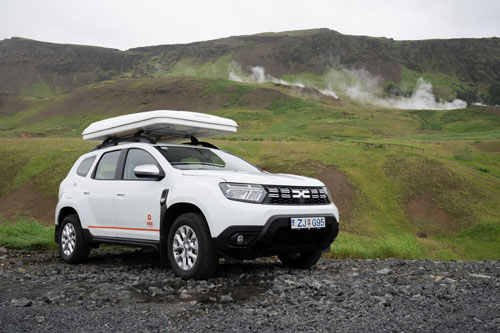
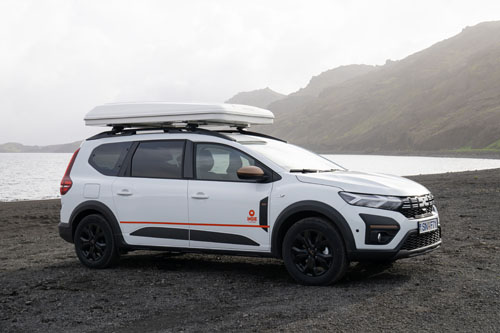
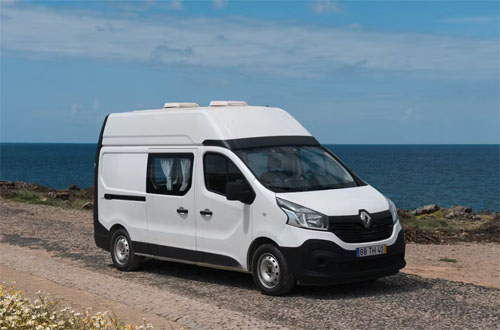
For first-time RV renters in North Europe, Class B Camper Vans and Class SI Semi-integrated RVs are often the most recommended choices. These vehicles strike an excellent balance between maneuverability on varied roads and comfortable living amenities. For example, a Class B Camper Van, averaging about 5.8 meters in length and sleeping up to 3.2 people, is ideal for navigating tighter city streets and narrower fjord roads while offering good fuel efficiency (around 8-10 Liters/100 km).
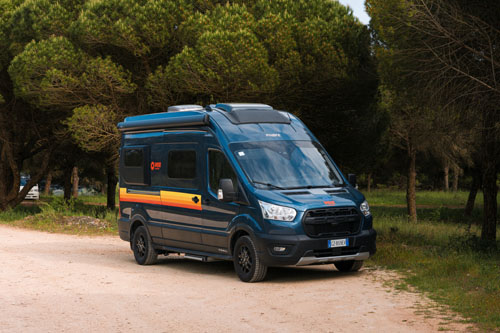
The Class SI Semi-integrated RV, typically around 6.9 meters long and accommodating 3.8 sleeping places, offers more living space and amenities than a camper van, making it a popular choice for couples or small families. While larger Class C Alcove or Class A Integrated RVs provide greater comfort and sleeping capacity, their size can present more challenges on very narrow routes or in crowded urban centers. For those specifically planning to tackle Iceland's infamous F-roads, specialized 4x4 modified campervans or truck campers are essential, as standard RVs are generally prohibited on these demanding routes.
Should I Choose a Compact Van Instead of a Large RV in North Europe?
While compact vans, like Bandana's Class B Camper Vans, offer superior maneuverability for navigating tight spots and are generally more fuel-efficient and less intimidating for new drivers, larger RVs often provide a better overall comfort and living experience in North Europe. Most main roads and popular scenic routes are well-equipped to handle moderate to large RVs, making the concern about size often overstated when proper planning is involved.
Larger RVs, such as semi-integrated or alcove motorhomes, typically feature more generous indoor living space, often including a dedicated bathroom, more functional kitchen facilities, and multiple sleeping areas, which significantly enhances comfort during longer trips or periods of inclement weather. Ultimately, the choice depends on your priorities: if maximum flexibility, easier parking, and a smaller footprint are key, a compact van is advantageous. However, if comfort, amenities, and the ability to enjoy extended indoor living are more important, a larger RV usually offers a superior experience. For very specific, challenging terrains like Iceland's F-roads, neither standard large RVs nor typical compact vans are suitable; specialized 4x4 vehicles are typically required and rented separately. For ideas you can prep on the road, watch our RV-friendly recipes playlist on YouTube.
Can I Park Anywhere? Free & Wild Camping Rules in North Europe
The concept of "Right to Roam" or "Allemansrätten" in some Nordic countries, like Sweden, Norway, and Finland, permits limited wild camping, allowing short overnight stays in undeveloped areas provided you are respectful, leave no trace, and maintain a distance from private dwellings. However, it's crucial to understand that this freedom has strict limitations. Motorized vehicles are typically not permitted off-road, and you must always respect private property and natural environments. Key limitations include maintaining a respectful distance (e.g., 150 meters from houses in Norway) and not disturbing wildlife or blocking access.
Conversely, Iceland and Denmark have significantly stricter regulations against wild camping, generally prohibiting it outside of designated campgrounds and imposing heavy fines for violations. Therefore, while the allure of spontaneous, wild camping is strong in some parts of North Europe, it's always best to err on the side of caution. Plan your route to include designated campsites or service stations for essential amenities and to ensure you are complying with local laws, thereby avoiding fines and protecting the pristine natural landscapes.
Can I Drive an RV Into the City Center? Heights, Tunnels & Local Signage
Driving an RV into North European city centers is generally feasible, but requires a keen eye for local signage indicating height and weight restrictions, especially for tunnels and underpasses, as well as awareness of any environmental or resident-only zones. Most North European cities have adequate road infrastructure to accommodate moderate-sized RVs, making city center access possible.
Be particularly vigilant about signs for Environmental Zones (Miljøzoner) in cities like Oslo, Stockholm, and Copenhagen, which might restrict access for older vehicles; modern rental RVs are typically exempt. Finding suitable parking in city centers can be challenging and costly. Consider utilizing designated RV parking areas on the outskirts of cities and utilizing public transport for exploring the urban core. Historic city centers often feature narrow streets where larger RVs may struggle to maneuver, so careful route planning is essential. Always prioritize local signage over GPS, as it reflects current traffic regulations, one-way systems, and temporary restrictions.
What is the 3-3-3 rule for RV travel?
The 3-3-3 rule is a popular guideline for new RV travelers aiming for a relaxed and safe journey. It suggests driving no more than 300 miles (approximately 480 km) per day, stopping your driving by 3 PM, and staying in one location for at least 3 nights.
This rule helps prevent driver fatigue and allows for spontaneous stops to enjoy North Europe's scenic landscapes without feeling rushed. Stopping by 3 PM ensures you have ample daylight to find a suitable campsite, set up your RV, and settle in before dark, which is particularly beneficial during periods of shorter daylight. Staying in one place for at least three nights encourages deeper exploration of an area, reduces the frequency of packing and unpacking, and fosters a more immersive travel experience.
What is the 4-4-4 rule for RV?
The 4-4-4 rule is a variation of the 3-3-3 guideline, suggesting a slightly more ambitious pace: drive no more than 400 miles (approximately 640 km) per day, stop driving by 4 PM, and stay in one location for at least 4 nights.
This allows for covering a bit more ground if your destinations are farther apart, while still promoting a balanced approach to travel. Stopping by 4 PM provides an extra hour of daylight compared to the 3-3-3 rule, offering more flexibility in finding campsites. Committing to at least four nights in one location encourages deeper immersion in your surroundings, allowing for more activities and relaxation without the feeling of constantly moving.
What do Europeans call an RV?
In North Europe, the term "RV" (Recreational Vehicle), commonly used in North America, is less frequent. Instead, Europeans typically refer to these vehicles as "campervans" or "motorhomes." The term "campervan" often describes smaller, van-based conversions, similar to Bandana's Class B vehicles, known for their agility and fuel efficiency.
"Motorhome" is the most common and widely understood term for larger, self-propelled recreational vehicles, encompassing integrated (Class A), semi-integrated (Class SI), and alcove (Class C) models. "Camper" is a more general, informal term that can refer to either a campervan or a motorhome. It's important to note that a "caravan" in Europe specifically refers to a travel trailer that is towed by a car, not a self-propelled recreational vehicle.
Can you rent an RV in Europe?
Yes, renting an RV is a popular and accessible way to explore Europe, including all the countries within North Europe such as Norway, Sweden, Finland, Denmark, and Iceland. Numerous rental companies operate throughout the region, offering a wide variety of vehicle types to suit different needs and budgets.
Rental fleets commonly feature compact campervans (Class B), comfortable semi-integrated motorhomes (Class SI), family-friendly alcove motorhomes (Class C), and sometimes more luxurious integrated motorhomes (Class A) or rugged truck campers (Class TC). It is highly recommended to book your rental RV well in advance, especially if you plan to travel during the peak summer season (June to August), to ensure the availability of your preferred vehicle type and to potentially secure better rates. Standard rental requirements typically include a valid driver's license, often an IDP for non-EU citizens, a major credit card for the security deposit, and meeting the rental company's minimum driver age requirements, usually 21 or 25 years.
Does my auto insurance cover me in a rental car in Europe?
It is highly unlikely that your personal auto insurance from outside Europe will cover you for an RV rental within North Europe, making dedicated rental vehicle insurance essential. Most personal auto policies from countries like the US or Canada do not extend coverage to rental vehicles in European countries. While some credit cards offer rental car insurance benefits, these typically have significant limitations, often excluding RVs or larger vehicles, and may only cover damage to the rental vehicle itself (Collision Damage Waiver), not third-party liability.
European rental companies are legally obligated to provide basic Third-Party Liability (TPL) insurance, which covers damages to other vehicles or property but generally not to your rental RV. Therefore, it is strongly recommended to purchase a Collision Damage Waiver (CDW) or Loss Damage Waiver (LDW) from the rental company or an independent insurer. This reduces your financial responsibility for damage to the rental RV, typically subject to an excess or deductible. Always review your rental agreement thoroughly and confirm insurance coverage details with your personal insurer, credit card company, and the rental provider before booking to fully understand your protection.
Final Thoughts
Embarking on your first RV adventure in North Europe is an incredible way to experience the region's breathtaking landscapes and unique cultures. By familiarizing yourself with the driving requirements, road conditions, and local regulations, you can ensure a smooth and unforgettable journey.
Remember that planning is key, but so is embracing the freedom and flexibility that RV travel offers. Whether you opt for a nimble campervan or a more spacious motorhome, the open road awaits, promising discovery and adventure at every turn. We’re here to help you make that dream a reality!