In This Guide
- Can You Drive an RV in Lithuania? License & Age Rules
- Road Conditions & Terrain in Lithuania
- RV Size Limits, Bridges & Restricted Zones
- Fuel: Diesel vs. Petrol & Cost per 100 km
- Tolls, Vignettes & Border Rules
- Driving Tips for rv rental beginners Travelers
- Recommended RV Class for Lithuania Roads
- Should I Choose a Compact Van Instead of a Large RV in Lithuania?
- Can I Park Anywhere? Free & Wild Camping Rules in Lithuania
- Can I Drive an RV Into the City Center? Heights, Tunnels & Local Signage
- What are the specific costs for an RV trip (fuel, campsites, food, attractions) and how they compare to Western Europe?
- What are the detailed, actionable guidance on wild camping rules, designated spots, and local etiquette beyond just 'it's allowed'?
- What are the suggested RV-friendly itineraries or routes, including distances, estimated travel times, and notable stops?
- What is the practical advice for international RVers: border crossings, visa requirements, driving laws, road conditions, and parking challenges for larger rigs?
- What are the cultural immersion opportunities: local festivals, traditional crafts, specific food experiences, and tips for interacting with locals?
- What information is available on RV specific services: propane/LPG availability and adapters, water and dump stations, and local repair shops?
- What are the safety and security tips tailored for RV travelers in rural and urban areas?
- When are the best times to visit and seasonal considerations for RV travel (weather, crowd levels, accessibility)?
- What is the detailed information on accessing national parks with an RV and associated regulations/fees?
Embarking on your first RV adventure in Lithuania is an exciting journey into a land of serene landscapes, historic cities, and welcoming culture. Imagine waking up to the gentle sounds of nature, brewing your coffee in your rented motorhome, and setting off to explore ancient castles, pristine lakes, and the unique Baltic coastline at your own pace. With Bandana RV, we’re here to ensure your debut RV trip is smooth, memorable, and filled with confidence. As true RV specialists, we offer full transparency with no hidden fees and 24/7 support from real people to guide you through every step of your booking process and preparation. For live availability and current prices, start with our RV Rental Lithuania - Complete Guide 2026 guide.
Can You Drive an RV in Lithuania? License & Age Rules
Yes, most recreational vehicles (RVs) under 3,500 kg in Lithuania can be driven with a standard B-category driving license, valid for vehicles with a maximum authorized mass (MAM) not exceeding 3,500 kg and seating up to eight passengers in addition to the driver. This means that for many popular campervan and smaller Class C motorhome rentals, your regular car license will suffice. For international visitors, a valid national driving license from an EU/EEA country is accepted; non-EU citizens typically require an International Driving Permit (IDP) in conjunction with their national license, although it's not strictly mandatory in all cases, it is highly recommended for clarity and ease of communication with local authorities. The minimum driving age for an RV rental in Lithuania is generally 21 years across our partner suppliers, with no young driver surcharges or vehicle class restrictions based on age, making RV travel accessible to a wide range of adventurers. For larger RVs exceeding 3,500 kg MAM, such as some expansive Class A Integrated models, a C1 or C category license would be required, so always check the specific vehicle weight and license requirements when booking a larger motorhome.
Road Conditions & Terrain in Lithuania
Lithuania boasts a generally good road infrastructure, particularly its main highways and intercity routes, which are well-maintained and perfectly suitable for comfortable rented RV travel, encouraging slow, scenic driving. These primary roads connect all major cities and tourist destinations, making navigation straightforward for beginners. While major roads are excellent, expect varying conditions on smaller regional and rural roads, which may include gravel sections, especially when accessing remote natural parks or charming smaller villages. The terrain in Lithuania is predominantly flat or gently rolling, with no significant mountainous regions, which greatly simplifies driving a motorhome or campervan for novice RV drivers. Drivers should simply be mindful of narrower roads in older town centers and be prepared for potential potholes on less-traveled routes, always allowing for a relaxed pace to fully appreciate the picturesque Lithuanian landscape and cultural richness.
RV Size Limits, Bridges & Restricted Zones
Lithuania generally has few specific height or weight restrictions that would impede standard RV travel on main roads, providing more freedom than some other European countries, though drivers should always observe local signage. Low bridges are rare on primary routes but can be encountered in older town centers or on rural roads, making it crucial to be aware of your rented RV's exact height (which can average around 3 meters for a Class SI Semi-integrated or up to 3.2 meters for a Class C Alcove) and width. There are currently no widespread environmental or low-emission zones (LEZs) restricting RV access in Lithuanian cities, ensuring greater flexibility for exploring urban areas; however, drivers should still check for specific local regulations in large urban areas like Vilnius or Kaunas, as rules can change. Ferry limits primarily apply to routes to the Curonian Spit (Neringa), where fees are charged per vehicle and passenger, and larger RVs may incur higher costs due to their length and weight, so it's wise to factor this into your budget.
Fuel: Diesel vs. Petrol & Cost per 100 km
Most RVs in Bandana's fleet operate on diesel fuel, which is widely available at service stations across Lithuania, with petrol options also readily accessible for smaller campervans. Based on Bandana's global fleet averages, a Class SI Semi-integrated RV typically consumes 10-11 liters/100 km, while a Class C Alcove consumes 10-12 liters/100 km, and a Class B Camper Van averages 8-10 liters/100 km, providing a good range for fuel efficiency expectations. To estimate your fuel cost per 100 km, multiply the average consumption by the current average diesel price in Lithuania, which is generally comparable to or slightly lower than Western European prices, offering a cost-effective travel experience. Some rental RVs may offer fuel discount cards, which can help reduce overall running costs, making budgeting for fuel an important part of trip planning. For detailed budget tracking and planning, including fuel costs, you can utilize RV PLANET routes to itemize every expense along your journey. On the routes offered through RV PLANET routes, you can itemize and track every expense along the way for easy budgeting.
Tolls, Vignettes & Border Rules
In Lithuania, passenger cars and RVs with a maximum authorized mass (MAM) under 3.5 tonnes do not typically require a vignette for motorways; tolls are generally limited to heavy goods vehicles, simplifying travel for most renters. Drivers planning to visit the Curonian Spit (Neringa) will encounter a specific ferry fee and an entrance fee to the national park, applicable to all vehicles, which is a small but important cost to consider. When traveling from neighboring countries like Poland, Latvia, or Estonia, RVers should be aware of their respective toll or vignette systems (e.g., electronic tolls in Poland, vignettes in Latvia for some roads) and ensure compliance before crossing borders. For EU citizens, border crossings between Lithuania and other Schengen Area countries are generally seamless, requiring only a valid ID; non-EU citizens should verify visa requirements for all intended transit and destination countries to avoid any unexpected delays.
Driving Tips for rv rental beginners Travelers
As a beginner RV traveler in Lithuania, always perform a thorough walk-around check of your vehicle before driving, paying attention to tire pressure, fluid levels, and ensuring all compartments are securely latched. This simple habit can prevent many common issues. Practice wide turns and allow extra braking distance, as rented RVs are longer and heavier than standard cars, especially important for families making frequent stops. Familiarize yourself with the RV's dimensions (height, length, width) and keep them handy, particularly when navigating urban areas, parking, or passing under bridges. Plan your routes in advance, opting for main roads where possible, and avoid rushing; remember to travel slowly, max 100-150 km per day on average, taking time to feel the place, connect to the culture, the food, and the scenery. Consider pre-purchasing any necessary toll passes or checking local road rules for neighboring countries if your itinerary includes border crossings, as some rental providers offer this convenience.
🎬 Video coming soon
Recommended RV Class for Lithuania Roads
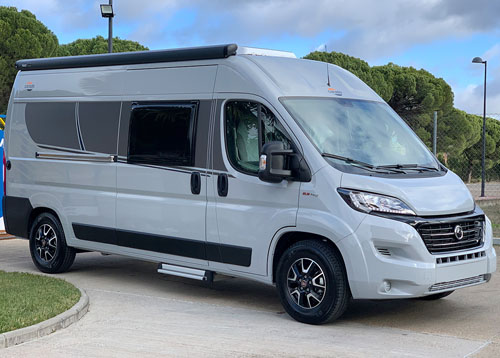
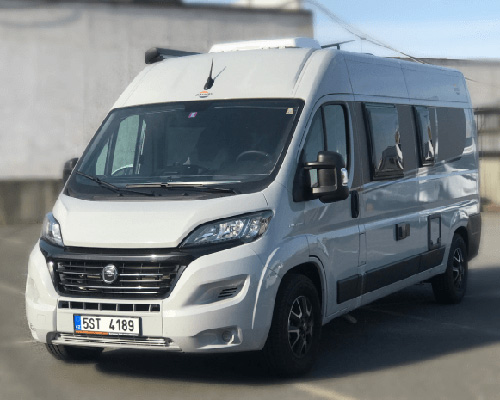
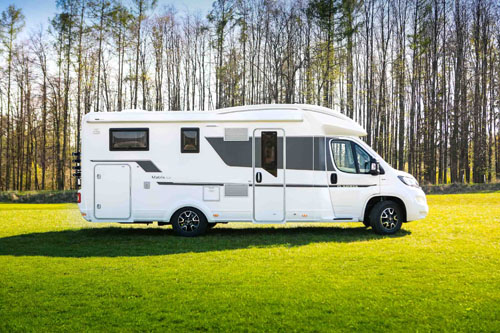
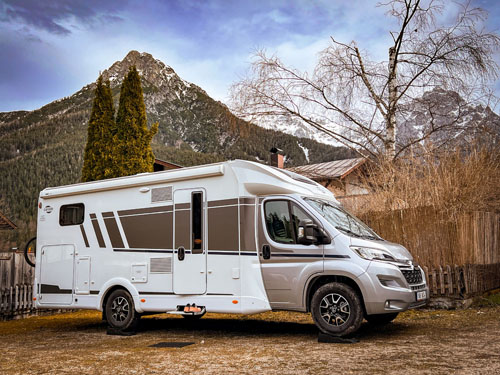
For RV beginners exploring Lithuania, a Class SI Semi-integrated RV or a Class B Camper Van are highly recommended due to their balanced maneuverability, comfort, and suitability for local roads. Class B Camper Vans, averaging 5.8 meters in length, offer excellent maneuverability for navigating smaller towns and rural roads while providing sufficient space for 2-3 adults, with Bandana's fleet averaging 3.2 sleeping places. These smaller campervans are perfect for couples or solo adventurers. Class SI Semi-integrated RVs, averaging 6.9 meters in length, strike a great balance between interior comfort and ease of driving, accommodating 3-4 adults (Bandana's fleet averages 3.8 sleeping places) and proving very capable on Lithuania's well-maintained main roads. While larger Class C Alcove (7.5m average length) or Class A Integrated (7.5m average length) RVs offer more living space, their increased size may present minor challenges in very tight historic centers or smaller campsites, making the mid-sized options more beginner-friendly for your first journey.
Should I Choose a Compact Van Instead of a Large RV in Lithuania?
While there is generally no issue driving any RV size in Lithuania, choosing between a compact van and a large RV depends on your travel priorities, with comfort and indoor space often outweighing slight maneuverability gains in most situations. A compact Class B Camper Van (averaging 5.8 meters in length) offers advantages for navigating tight historic city centers, finding parking more easily, and accessing more remote, narrower roads, which can be particularly appealing to couples or solo travelers seeking a more agile experience. However, for families or those seeking more amenities and living space, a larger RV like a Class SI Semi-integrated (averaging 6.9 meters) or Class C Alcove (averaging 7.5 meters) provides significantly more comfort, dedicated sleeping areas, and a more spacious kitchen and bathroom, enhancing your overall living experience. Unless your itinerary focuses heavily on extremely narrow village lanes or extensive off-road adventures, the enhanced living experience of a larger rented RV often makes it the better trade-off for a comfortable beginner RV trip in Lithuania.
Can I Park Anywhere? Free & Wild Camping Rules in Lithuania
Wild camping or 'free camping' in a rented RV is generally restricted in Lithuania, particularly within national parks, nature reserves, and protected coastal areas, where overnight parking is only permitted in designated campsites. Outside of protected areas, overnight parking may be permissible on private land with the explicit permission of the landowner, and some municipalities may have specific bylaws regarding overnight stays in public parking areas, so always be respectful and inquire locally. Designated RV-friendly spots, often called 'motorhome parking' (Aikštelė kemperiams) or 'camper stops,' are becoming more common in Lithuania, offering basic services like waste disposal and sometimes water. Always prioritize official campsites, which are widely available across Lithuania and provide essential facilities, ensuring both legality and convenience for RV travelers. Rules vary by region- always check local regulations and follow local law before parking overnight, and remember you'll find a spot; if not at the first campground, then the next one, just call ahead before driving.
Can I Drive an RV Into the City Center? Heights, Tunnels & Local Signage
Yes, you can generally drive an RV into most city centers in Lithuania, though caution and attention to local signage are crucial due to potential height limits, narrow streets, and residents-only zones. Drive slowly and carefully, and you can drive almost anywhere without issues; no need to stress- just use common sense and pay attention. Major cities like Vilnius and Kaunas may have specific height restrictions for underground parking garages and some older underpasses, so always be aware of your rented RV's exact height (which can be up to 3.2 meters for larger models) to avoid any surprises. It is essential to pay close attention to local signage, which will indicate any restricted access zones, low-emission zones (though rare in Lithuania for RVs), or residents-only streets, especially in historic Old Town areas. For ease of navigation and parking, consider parking your RV on the outskirts of city centers in designated larger parking lots and utilizing public transport or cycling to explore the urban core, particularly with bigger rigs, ensuring a stress-free visit.
What are the specific costs for an RV trip (fuel, campsites, food, attractions) and how they compare to Western Europe?
The overall cost of a rented RV trip in Lithuania, encompassing fuel, campsites, food, and attractions, is generally more affordable than comparable trips in Western Europe, making it an attractive destination for budget-conscious travelers. Fuel costs, based on Bandana's fleet averaging 8-12 liters/100 km for most RVs, are typically lower in Lithuania than in many Western European countries, contributing to significant savings over longer distances. Campsite fees range from €15-€30 per night for a pitch with electricity, which is considerably less than the €30-€60+ often encountered in popular Western European destinations. Grocery prices for food are notably lower, especially for local produce and dairy, allowing for more economical meal preparation in your RV, while dining out also offers good value compared to Western standards. Attraction entry fees, such as for national parks, museums, or castles, are usually modest, typically ranging from €5-€15 per person, providing excellent cultural experiences without breaking the bank. For more detailed insights into planning your budget, you might explore our "RV Rental in Lithuania - Prices and Best Deals 2026" or "Cheap RV Rental in Lithuania - Budget Guide 2026" guides. Our transparent pricing policy, a cornerstone of Bandana's service since 2001, ensures no hidden fees or surprises.
What are the detailed, actionable guidance on wild camping rules, designated spots, and local etiquette beyond just 'it's allowed'?
Beyond the general rule of restricted wild camping, actionable guidance for RVers in Lithuania includes strictly avoiding national parks, nature reserves, and coastal areas for overnight stays, as these are heavily monitored. To find legitimate overnight parking, utilize apps like Park4Night or Campercontact to locate designated 'motorhome parking' (kemperio stovėjimo vieta) spots, which often include basic services or are simply safe, legal overnight parking areas. For genuine wild camping, seek explicit permission from private landowners; approaching local farmers or property owners can often lead to a friendly welcome and a unique experience, always offering a small token of appreciation if accepted. Local etiquette dictates leaving no trace: pack out all trash, dispose of greywater and blackwater at designated dump stations found at official campsites or service points, and minimize noise, particularly in quiet rural settings or near residential areas. Always be respectful of local communities and the environment; if a spot feels unofficial or you are unsure, it is always best to move on to a formal campsite or designated RV park.
What are the suggested RV-friendly itineraries or routes, including distances, estimated travel times, and notable stops?
An excellent RV-friendly itinerary for beginners is the 'Baltic Coast and Curonian Spit Adventure,' covering approximately 350 km over 5-7 days, with an estimated driving time of 6-8 hours, encouraging slow travel to savor each moment. Start in Vilnius (explore Old Town and its UNESCO sites), then head west to Kaunas (90 km, 1.5 hrs), known for its modernist architecture, before continuing to the charming coastal city of Klaipėda (220 km, 2.5 hrs). From Klaipėda, take the ferry to the Curonian Spit National Park, a UNESCO World Heritage site (explore Nida, Juodkrantė, and the Parnidis Dune), allocating 2-3 days for this unique narrow peninsula and its stunning natural beauty. Another option is the 'Historic Heartlands Route,' focusing on central and northern Lithuania, approximately 400 km over 7-10 days, with 8-10 hours of driving. This route includes stops at the medieval Trakai Island Castle (30 km from Vilnius), the powerful Hill of Crosses near Šiauliai (200 km from Trakai, 2.5 hrs), and the picturesque Aukštaitija National Park (100 km from Šiauliai, 1.5 hrs) for nature and traditional villages. These itineraries offer a perfect blend of culture and nature, and remember you can customize any pre-planned route or create your own with a 25% planning discount by using RV PLANET.
What is the practical advice for international RVers: border crossings, visa requirements, driving laws, road conditions, and parking challenges for larger rigs?
International RVers, particularly non-EU citizens, should ensure they have the necessary Schengen visa if required, allowing entry into Lithuania and seamless travel across neighboring Schengen states like Latvia or Poland, as Bandana offers coverage across 50+ countries. When crossing borders from non-Schengen countries (e.g., Belarus, Russia), prepare for standard passport and vehicle document checks, including international insurance (Green Card) for your rented RV. Specific Lithuanian driving laws include mandatory daytime running lights year-round, a legal blood alcohol content limit of 0.04% (effectively zero for new drivers), and winter tires required from November 10th to April 1st, so plan accordingly. Road conditions on primary routes are generally excellent, but rural roads can be narrower or gravel-surfaced; always adjust speed accordingly and be mindful of wildlife, especially in forested areas. Parking challenges for larger RVs (e.g., Class C Alcove, Class A Integrated) are most pronounced in historic city centers and popular tourist spots; always look for designated large vehicle parking or peripheral lots, or utilize the smaller Class B Camper Van for urban exploration, making your trip more enjoyable. For more insights on diverse travel scenarios, consider our "RV Rental Europe - Complete Guide 2026" as part of your research.
What are the cultural immersion opportunities: local festivals, traditional crafts, specific food experiences, and tips for interacting with locals?
Lithuania offers rich cultural immersion opportunities for RV travelers, including vibrant festivals such as the Midsummer (Joninės) celebrations in June, the Sea Festival in Klaipėda in July, and numerous regional harvest festivals throughout the autumn. Explore traditional crafts by visiting local markets or artisan workshops, particularly for amber jewelry, linen products, and unique wood carvings, often found in smaller towns or at ethnographic open-air museums. For authentic food experiences, seek out traditional Lithuanian dishes like 'cepelinai' (potato dumplings), 'šaltibarščiai' (cold beet soup), and 'kugelis' (potato pudding), which are widely available in local restaurants and rural eateries. If you’re looking to try your hand at cooking these in your rented motorhome kitchen, our RV-friendly recipes playlist can provide inspiration. To interact with locals, learn a few basic Lithuanian phrases like 'Labas' (Hello) and 'Ačiū' (Thank you), as a small effort in their language is always appreciated and can open doors to friendly conversations. Lithuanians are generally hospitable and reserved; being polite, respectful, and open to engaging in conversation (especially in English, which is commonly spoken by younger generations) will enhance your cultural experience.
What information is available on RV specific services: propane/LPG availability and adapters, water and dump stations, and local repair shops?
RV-specific services in Lithuania are growing, with propane (LPG) readily available at most major fuel stations; however, it is advisable to carry an adapter kit (e.g., Euro-connector) as pump nozzles can vary. Water and dump stations (for greywater and blackwater) are primarily found at official campsites and an increasing number of designated 'motorhome service points,' often listed on RV travel apps like Park4Night. Planning your route with an eye on these service points is essential, as free public dump stations are less common than in some other European countries. For unexpected repairs, general vehicle service centers in larger towns can usually assist with common RV chassis issues, as many motorhomes are built on standard van platforms (e.g., Fiat Ducato). It is always prudent to have your rental company's roadside assistance contact details and to inquire about their policy for unexpected breakdowns before your trip begins, ensuring you travel with peace of mind. Bandana offers top-level deductible reimbursement as an optional upgrade for added security.
What are the safety and security tips tailored for RV travelers in rural and urban areas?
For RV travelers in Lithuania, maintaining vigilance and taking standard precautions is key to ensuring safety and security in both rural and urban environments. In urban areas, particularly when visiting city centers, utilize secure, well-lit parking lots, preferably those with surveillance, and avoid leaving valuables visible inside your rented RV. When overnighting in rural areas or at informal spots, ensure your RV is locked, windows are secured, and consider using additional security measures like steering wheel locks or alarm systems for extra peace of mind. Be cautious of unsolicited approaches or offers of help from strangers, especially at rest stops, and trust your instincts; if a situation feels unsafe, move on to a more secure location. Keep copies of important documents (passport, driver's license, RV rental agreement, insurance) separate from the originals, and know the local emergency numbers: 112 for all emergencies, connecting you to prompt assistance from police, fire, or ambulance services.
When are the best times to visit and seasonal considerations for RV travel (weather, crowd levels, accessibility)?
The best time to visit Lithuania for RV travel is typically during the late spring (May-June) and early autumn (September-October) for pleasant weather and fewer crowds. Spring features blossoming landscapes and mild temperatures (averaging 15-20°C), while autumn provides stunning fall foliage and comfortable conditions (10-18°C) perfect for hiking and cultural exploration. Summer (July-August) offers the warmest temperatures, ideal for enjoying beaches and outdoor activities, but also brings the highest crowd levels, especially in popular coastal areas and national parks, making campsite reservations essential for popular spots. Winter RV travel (November-April) is challenging due to cold temperatures (often below freezing), snow, and icy road conditions, requiring winterized RVs and specialized tires, though attractions may be less accessible and some campsites might be closed. Consider seasonal festivals and events when planning, as these can offer unique cultural experiences but may also lead to temporary road closures or increased local traffic.
What is the detailed information on accessing national parks with an RV and associated regulations/fees?
Accessing Lithuania's national parks with an RV is generally straightforward, but it is crucial to adhere to specific regulations, as wild camping and off-road driving are strictly prohibited within their boundaries. National parks like Aukštaitija, Dzūkija, Žemaitija, and the Curonian Spit each have designated entrances and visitor centers where you can obtain maps, pay any applicable entrance fees, and learn about local rules. Entrance fees for national parks are typically modest, often a few Euros per person or vehicle, and contribute to the park's maintenance and conservation efforts. Within national parks, RVs must stick to paved roads and designated parking areas; some parks may have specific RV-friendly campsites or designated overnight parking spots, which should be booked in advance, especially during peak season. It is important to respect the natural environment: do not litter, do not disturb wildlife, and adhere to fire restrictions, which are particularly stringent during dry periods. You'll find a spot; if not at the first campground, then the next one; just call ahead before driving, even if you’re a planner. Remember that many national and state parks reserve only 25-30% of their spots, with the rest being first-come-first-serve.
What You Shouldn't Miss
- **Explore Vilnius Old Town:** Wander through the cobbled streets of Vilnius, a UNESCO World Heritage site, discovering its stunning Gothic, Renaissance, and Baroque architecture. Don't miss Gediminas Castle Tower for panoramic views.
- **Visit Trakai Island Castle:** Just 30 km from Vilnius, this fairytale castle is spectacularly set on an island in Lake Galvė. Rent a rowboat or enjoy a scenic walk around the lake.
- **Discover the Curonian Spit:** Drive your rented motorhome onto this unique sand dune peninsula, taking a ferry from Klaipėda. Explore the charming fishing villages of Nida and Juodkrantė, climb the Parnidis Dune, and relax on the pristine Baltic Sea beaches.
- **Hike in Aukštaitija National Park:** Immerse yourself in Lithuania’s oldest national park, known for its dense forests, over 100 lakes, and traditional wooden villages. Enjoy canoeing, cycling, or simply finding a tranquil spot to connect with nature.
- **Witness the Hill of Crosses:** Near Šiauliai, this powerful pilgrimage site adorned with over 100,000 crosses is a profound symbol of Lithuanian faith and resilience. It's a truly unique and moving experience.
Looking for expert insights from Avi Bandana? Top 5 Adventures - recommendations from Avi Bandana
For more personalized recommendations and hidden gems in Lithuania, check out Avi Bandana's top 5 adventures. His decades of RV travel experience make him the perfect guide to truly unique and authentic experiences that you won't find in standard guidebooks.
Final Thoughts
Your first RV rental trip in Lithuania promises an unforgettable adventure, offering the freedom to explore its hidden gems and charming landscapes at your leisure. With Bandana RV, you're not just renting a vehicle; you're gaining a partner dedicated to making your journey seamless and transparent. We've laid out the essential information to help you navigate Lithuania's roads with confidence, from understanding local driving rules to finding the perfect campsite.
Embrace the open road and the unique cultural experiences that await. Whether you're planning a week-long trip along the Baltic coast or an extended road trip through historic heartlands, our expertise and support are with you every step of the way. Compare final prices across suppliers- what you see is what you pay, with no surprise fees at pickup, because God is in the small details, and we take care of them.
Ready to start your Lithuanian adventure? Discover top destinations, planning tips, all in one place! Find Campervan Rentals in Lithuania today and prepare for the trip of a lifetime!