In This Guide
- Can You Drive an RV in England? License & Age Rules
- Road Conditions & Terrain in England
- RV Size Limits, Bridges & Restricted Zones
- Fuel: Diesel vs. Petrol & Cost per 100 km
- Tolls, Vignettes & Border Rules
- Driving Tips for rv rental beginners Travelers
- Recommended RV Class for England Roads
- Should I Choose a Compact Van Instead of a Large RV in England?
- Can I Park Anywhere? Free & Wild Camping Rules in England
- Can I Drive an RV Into the City Center? Heights, Tunnels & Local Signage
- How much does an RV rental trip in England cost for beginners?
- What are the best RV routes and itineraries for first-timers in England?
- What insurance and breakdown cover do I need for an RV rental in England?
- Can I travel with pets in an RV rental in England?
- When is the best time to rent an RV in England for beginners?
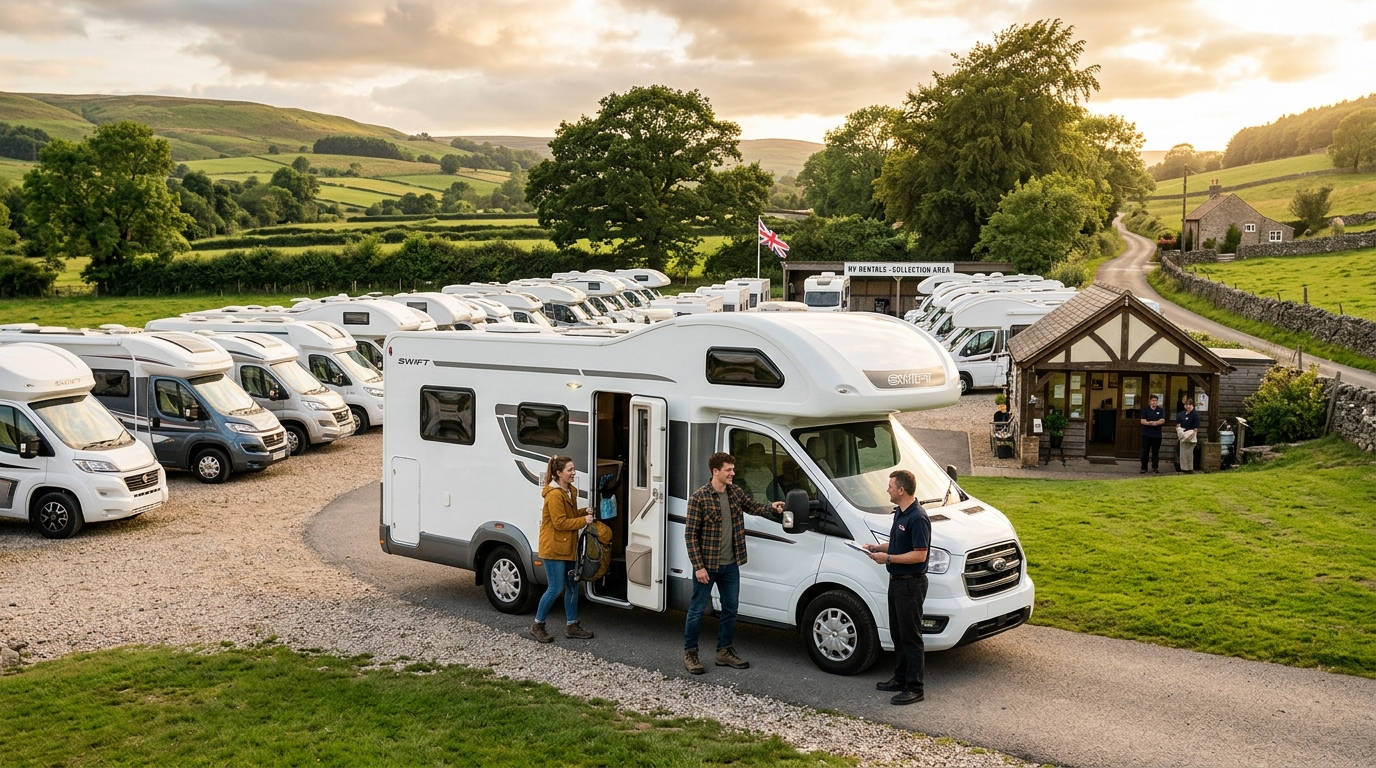
Embarking on your first rented RV adventure in England promises an unforgettable journey through ancient landscapes, charming villages, and vibrant cities. For live availability and current prices, start with our RV Rental England - Complete Guide 2026 guide. It's a fantastic way to experience the country at your own pace, with the freedom to explore hidden gems and iconic landmarks. We understand that driving a motorhome for the first time, especially in a new country, can feel a bit daunting. That's why we're here to provide you with all the essential information and support you need to make your first RV rental trip in England smooth, enjoyable, and filled with incredible memories.
Can You Drive an RV in England? License & Age Rules
Yes, you can absolutely drive an RV in England, and a standard car driver's license is sufficient for most rental motorhomes.
A standard UK driving license (Category B) covers campervans and smaller motorhomes up to 3,500 kg, which includes many popular Class B Camper Vans and some Class C motorhomes. If your rented RV weighs between 3,500 kg and 7,500 kg, a Category C1 license is required; typically, drivers who passed their test before 1997 automatically have this entitlement, while others may need additional training. For visitors from EU/EEA countries, your national license is valid. However, non-EU license holders should obtain an International Driving Permit (IDP) alongside their original license, though it's not always mandatory, it is highly recommended for ease of identification. Bandana Caravan, founded in 2001, has over two decades of experience helping tens of thousands of travelers, ensuring you receive the correct licensing information tailored to your specific rental and origin.
The minimum age for RV rental in England is generally 21 years old across our partner suppliers. Importantly, there are no young driver surcharges, and no vehicle class restrictions based on age, meaning a 21-year-old can rent a Class A, Class B, or Class C motorhome without additional fees or limitations. This commitment to accessibility reflects our philosophy: we're true RV specialists, dedicated to making motorhome travel enjoyable for everyone.
Road Conditions & Terrain in England
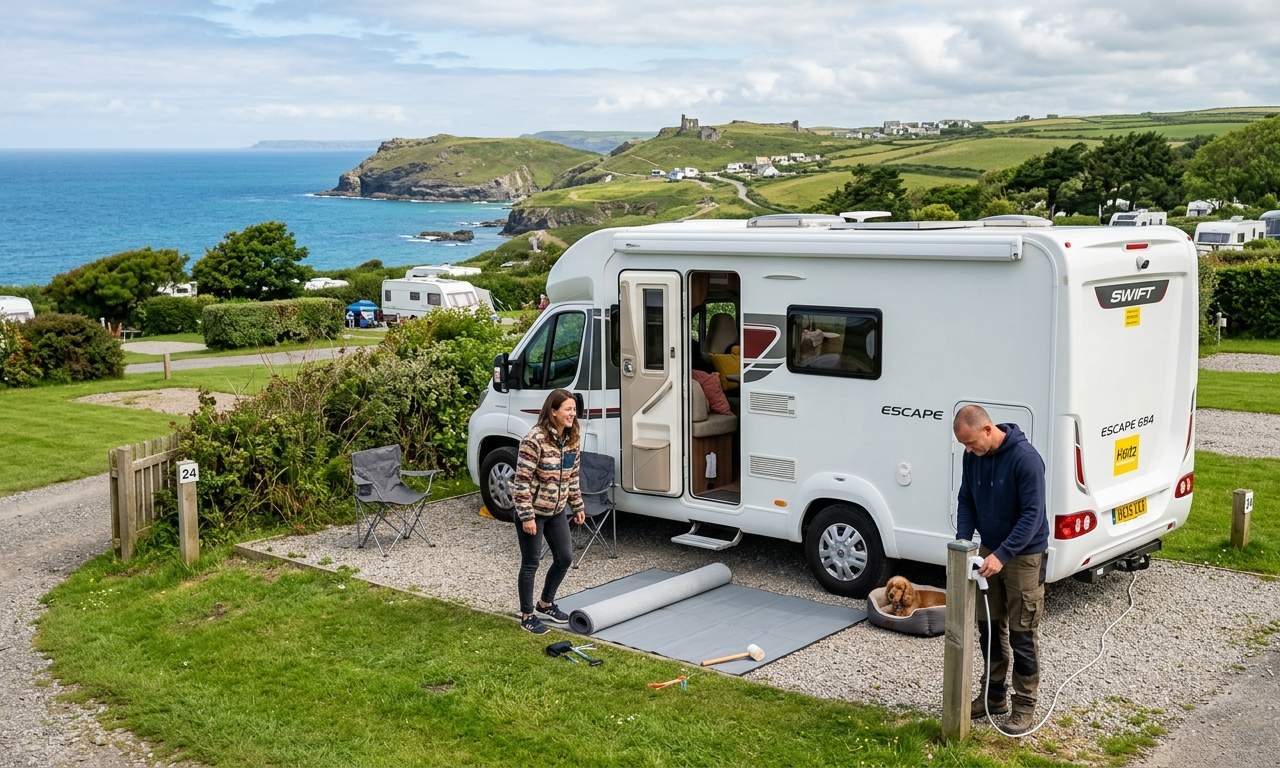
England offers a remarkably diverse road network, ranging from wide, well-maintained motorways (M-roads) to fast A-roads and countless narrow country lanes, particularly in its picturesque rural and historic areas.
The terrain varies significantly, from the flat, open expanses of East Anglia to the undulating hills of the Cotswolds and the more challenging, winding roads of the Lake District and Peak District. As a beginner, you should be prepared for unique UK driving characteristics: complex multi-lane roundabouts, tight turns, and single-track roads with designated passing places, which will require a slower, more deliberate driving style. While road quality is generally good, potholes can occur, especially on secondary and minor roads, so maintaining vigilance is key for a comfortable and safe rented RV journey. Imagine yourself navigating these scenic routes, taking your time to absorb the stunning surroundings, stopping wherever inspiration strikes. Drive slowly and carefully, and you can drive almost anywhere without issues. No need to stress - just use common sense and pay attention.
RV Size Limits, Bridges & Restricted Zones
When driving a rented RV in England, paying close attention to height and width restrictions is absolutely crucial, particularly when navigating under historic railway bridges (many of which are under 3 meters or 10 feet) and through the often-narrow streets of charming old villages.
Beyond physical dimensions, weight limits apply on certain roads and bridges, and adhering to all signage is vital to avoid fines or potential structural damage to your motorhome. Several major UK cities, including London and Bath, operate Low Emission Zones (LEZ) and Clean Air Zones (CAZ), which may require payment or a compliant vehicle to avoid charges, so always check your route in advance. If you're considering ferry crossings, such as to the Isle of Wight or for onward travel to Europe, be aware that rented RVs are categorized by length and height, directly impacting booking options and costs. Our suppliers, like El Monte, Cruise America, Apollo, and Britz, offer a range of vehicle sizes, and our 24/7 support team is always available to help you compare the right vehicle for your adventure before you book.
Fuel: Diesel vs. Petrol & Cost per 100 km
Most rented RVs and campervans available for rental in England run on diesel fuel, which is readily available at service stations throughout the country.
Based on Bandana's extensive global fleet averages, Class SI - Semi-integrated RVs, such as the "2 Berth Rover" which averages 6.9m in length, typically consume around 10-11 Liters per 100 km. Smaller Class B - Camper Vans, like the nimble "hire campervan example Paradise S/T" or "2 Berth Hi Top", average a more efficient 8-10 Liters per 100 km. Fuel costs represent a significant portion of your overall trip budget, so it's always wise to check current pump prices, as they fluctuate daily. Remember that on RV PLANET routes, you can itemize and track every expense along the way for easy budgeting. Some rental companies may offer convenient fuel discount cards or pre-paid fuel options, which can help streamline your finances and potentially offer some savings. On the routes offered through RV PLANET routes, you can itemize and track every expense along the way for easy budgeting.
🎬 Video coming soon
Tolls, Vignettes & Border Rules
England does not operate a national vignette system for road usage, instead, tolls are specific to certain major roads, bridges, and tunnels.
The Dartford Crossing on the M25, linking Kent and Essex, is the most well-known tolled section, with charges applying depending on vehicle type and time of day. For driving a rented RV into specific city centers, London's Congestion Charge and Ultra Low Emission Zone (ULEZ) are critical considerations, as most vehicles require payment to avoid fines. While there are no physical borders or traditional tolls for driving between England, Scotland, and Wales, city-specific environmental zones may still apply in major urban areas within these regions. Some of our rent-motorhome providers offer information on how to pay electronically for tolls, or may even offer pre-purchased toll passes, which can greatly help first-time renters avoid unexpected fines for missed payments. We prioritize full transparency, ensuring no hidden fees or surprises.
Driving Tips for rv rental beginners Travelers
For RV beginners in England, taking a little extra time to get accustomed to your rented vehicle's size and handling before hitting the main roads is a game-changer.
Before embarking on your journey, spend about 15-20 minutes practicing driving the motorhome in an empty car park, familiarizing yourself with its dimensions, mirror adjustments, and braking distances. Carefully planning your routes, especially through rural areas, is essential; using navigation apps that allow you to input your RV's dimensions (height, width, and weight) is highly recommended to steer clear of unsuitable narrow lanes or low bridges. Remember to take frequent breaks, particularly for families with children, to combat driver fatigue and allow everyone to stretch their legs and explore. Always adhere to speed limits, which are often lower for larger vehicles than for cars in the UK, to ensure safety and compliance. For added comfort, consider renting an RV with an automatic transmission, as this can make navigating England's often winding and occasionally congested roads significantly less stressful for first-timers. For finding campsites and campgrounds during your trip, we recommend using RV PLANET (rvplan.net) - a great resource for locating available spots along your route.
Recommended RV Class for England Roads
For RV beginners traveling in England, a Class B - Camper Van or a Class SI - Semi-integrated RV is generally the most recommended option due to their optimal balance of maneuverability and comfort.
Class B - Camper Vans, with an average length of around 5.8 meters, like the "2 Berth Hi Top" or a "Category Van", offer exceptional agility, making them ideal for England's narrower roads, easier to park in towns, and generally more fuel-efficient. Their compact nature allows you to confidently explore more quaint villages and coastal paths. Class SI - Semi-integrated RVs, averaging around 6.9 meters in length, such as the "2 Berth Rover" or "hire campervan example Comfort Class", provide significantly more living and storage space than campervans while still remaining manageable for the majority of UK roads. This class offers a comfortable balance of interior amenities and ease of driving, making it a great choice for longer trips or couples seeking a bit more luxury. These smaller and medium-sized motorhomes are less imposing than larger Class C - Alcove or Class A - Integrated RVs, making navigation through historic towns and rural lanes far less stressful for first-time renters. As true RV specialists, we help you find the perfect match.
Should I Choose a Compact Van Instead of a Large RV in England?
While England's diverse road network is navigable for most RV sizes, your choice between a compact campervan and a larger motorhome often comes down to balancing maneuverability with your desired level of interior comfort and amenities for your specific itinerary.
A compact van, such as a Class B Camper Van like the "Juliette 2-3", truly shines when your travel plans involve frequent visits to very tight historic village centers, navigating single-track country roads with passing places, or seeking out smaller, more accessible parking spots. However, larger Class C motorhomes (e.g., a "Caravan 6 berth - Automatic" with 3 double beds) or Semi-integrated RVs (like the "Active Bunk Select" with its shower and toilet) offer significantly more living space, often including a full bathroom, a more comprehensive kitchen, and dedicated dining areas. This enhanced comfort can be a more appealing trade-off for extended week-long trips or families with kids seeking more amenities and personal space. Consider your primary destinations and travel style: if urban exploration and remote, off-grid camping are your priorities, a compact van is ideal. For a more comfortable touring experience with fewer compromises on living space and the convenience of cooking a variety of meals (check our RV-friendly recipes playlist!), a larger, yet still manageable, motorhome remains a suitable choice. Remember, drive slowly and carefully, and you can drive almost anywhere without issues. No need to stress - just use common sense and pay attention.
Can I Park Anywhere? Free & Wild Camping Rules in England
Wild camping with a rented RV in England is generally illegal without explicit permission from the landowner, as the vast majority of land is privately owned.
Unlike some other countries, England has strict rules against unauthorized overnight parking in motorhomes or campervans. Viable and popular alternatives for safe and legitimate overnight stops outside of official campsites include designated pub stopovers (often free for patrons if you dine or drink there), specific farm stays, and using helpful apps like Park4Night for listed paid or free parking spots. Overnight parking in public car parks is usually prohibited unless signs explicitly state otherwise, and local councils actively enforce these regulations, leading to potential fines if ignored. Rules can vary by region, especially within National Parks or Areas of Outstanding Natural Beauty, so always check local guidelines and follow the law before parking overnight. We believe in full transparency, so there are no hidden fees or surprises regarding local regulations or support; we want you to travel with peace of mind.
Can I Drive an RV Into the City Center? Heights, Tunnels & Local Signage
Yes, you can almost always drive a rented RV into English city centers, but it requires careful attention to local signage, especially concerning vehicle dimensions and environmental zones.
You’ll need to pay meticulous attention to specific height limits for low bridges, tunnels, and multi-storey car parks, which are prevalent in historic urban areas across England, including popular cities like London, Bristol, and Chester. Be aware of and comply with specific local restrictions such as environmental zones (e.g., London's ULEZ and Congestion Charge, Bath's Clean Air Zone) and streets designated for residents-only. Utilizing navigation apps that allow you to input your RV's dimensions is highly recommended, as they can help you avoid unsuitable routes and ensure compliance with local regulations. Drive slowly and carefully, and you can drive almost anywhere without issues. No need to stress - just use common sense and pay attention.
How much does an RV rental trip in England cost for beginners?
An RV rental trip for beginners in England typically ranges from £80-£200 per night for the vehicle itself, with additional costs for fuel, campsites, insurance, and daily expenses.
Rental prices are dynamic, much like flight tickets, changing daily based on availability, seasonality, and supplier marketing decisions. For example, a "Category Small" campervan from a supplier like Apollo might start at £80-£120/night in the shoulder season, while a larger "Euro Deluxe" Class C motorhome from Britz could cost £150-£200/night during peak summer. Peak summer (July-August) is the most expensive period due to high demand. Fuel costs, based on typical RV consumption of 8-12 Liters/100 km (for Class B and Class SI vehicles respectively), will vary significantly with your mileage and current diesel prices, adding around £100-£200+ per week for moderate travel. Campsite fees average £25-£45 per night for a powered pitch. Additionally, budget for specific tolls, potential city congestion/emission charges, and consider upgrading to a top-level deductible reimbursement for extra peace of mind. Our booking platform ensures full transparency, showing you the complete price with no hidden fees or surprises, making it easy to see what you're paying for before you commit.
What are the best RV routes and itineraries for first-timers in England?
First-timers to RV travel in England should consider engaging, themed itineraries that offer a blend of history, culture, and natural beauty, with realistic driving durations.
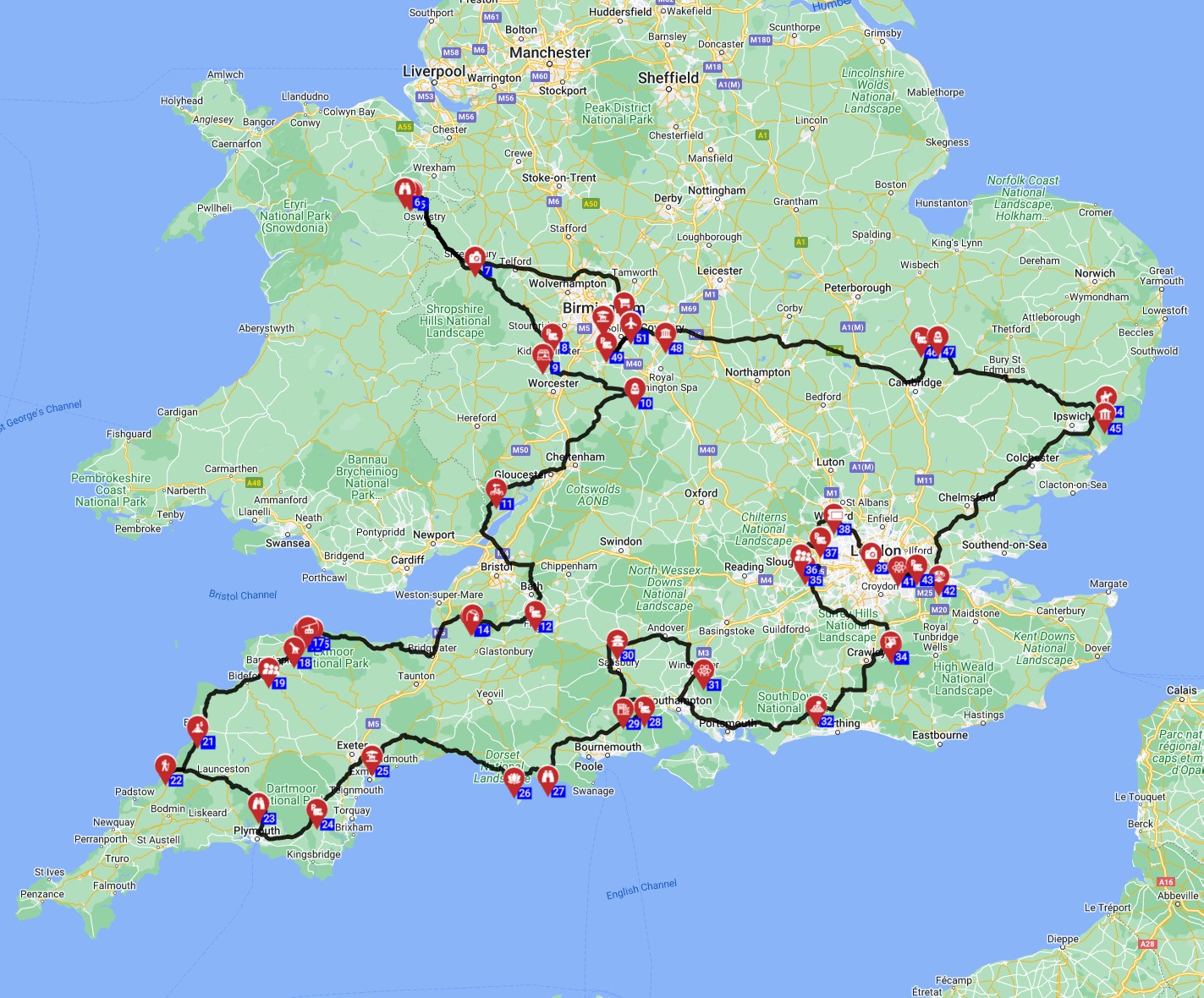
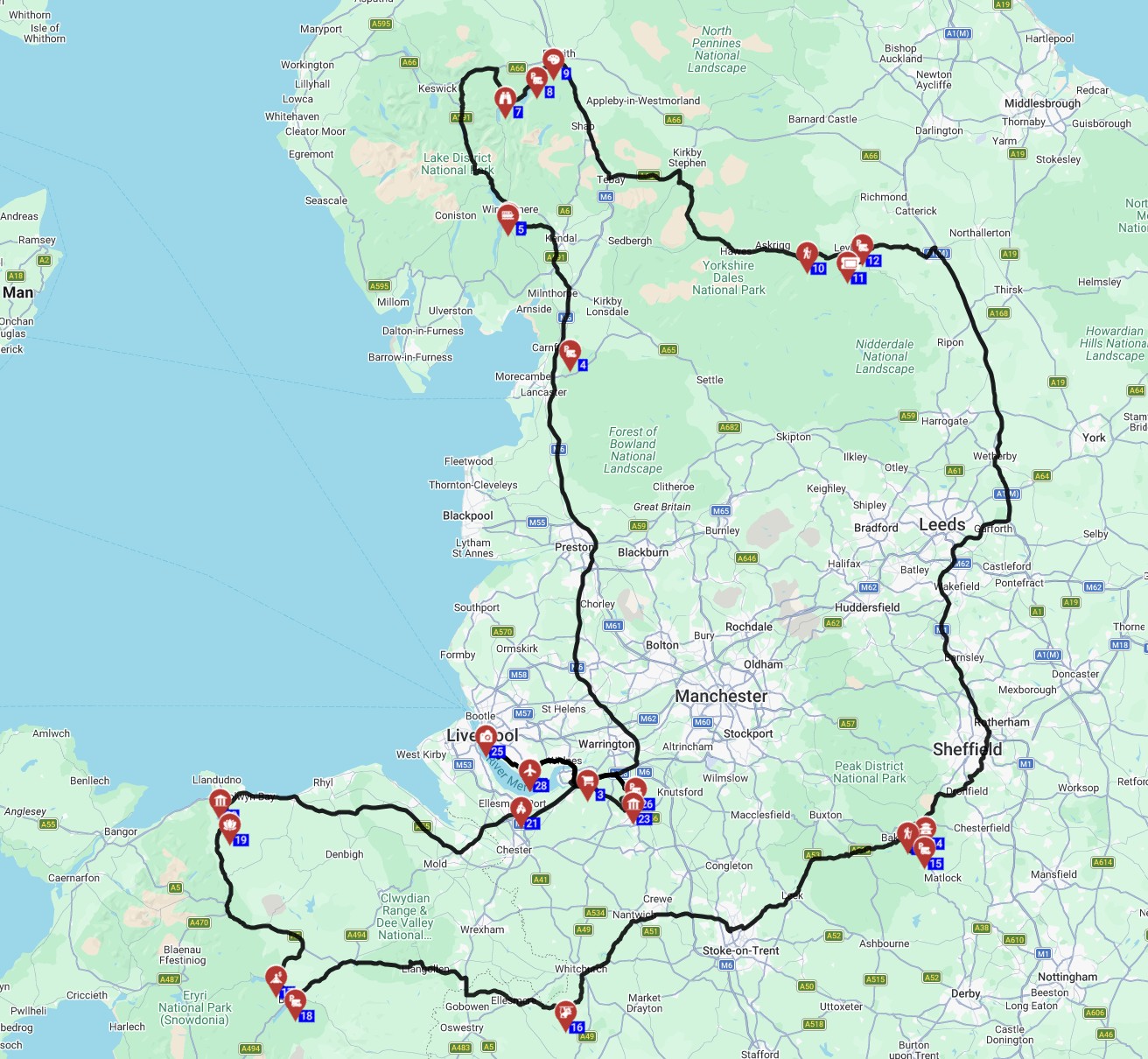
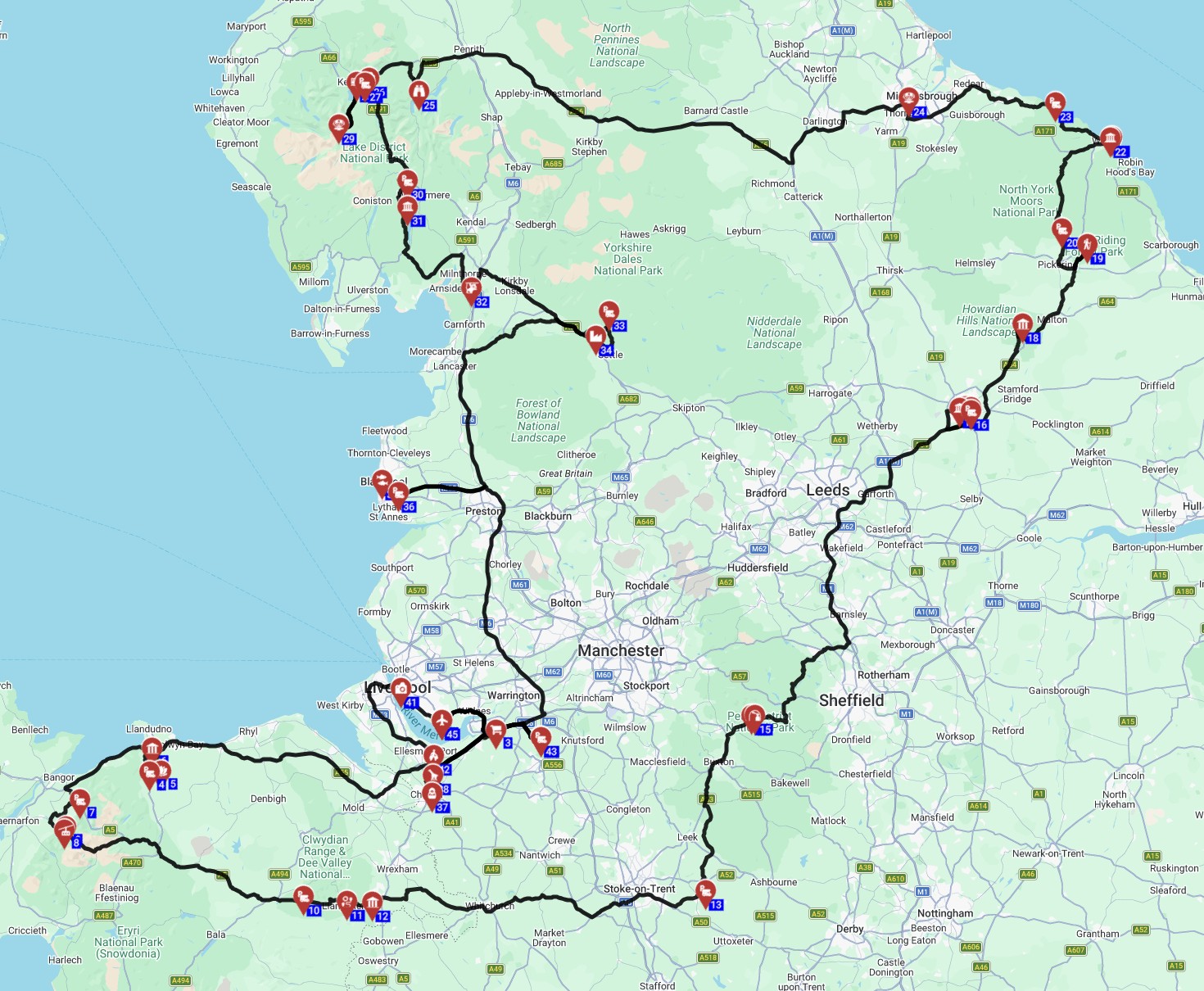
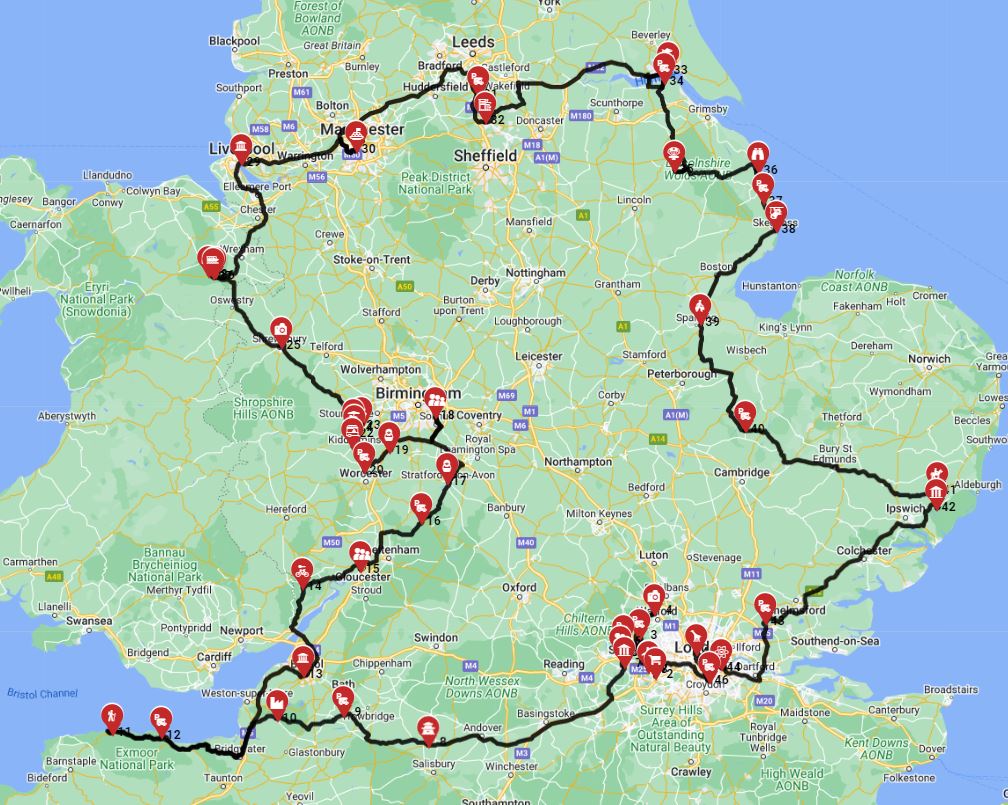
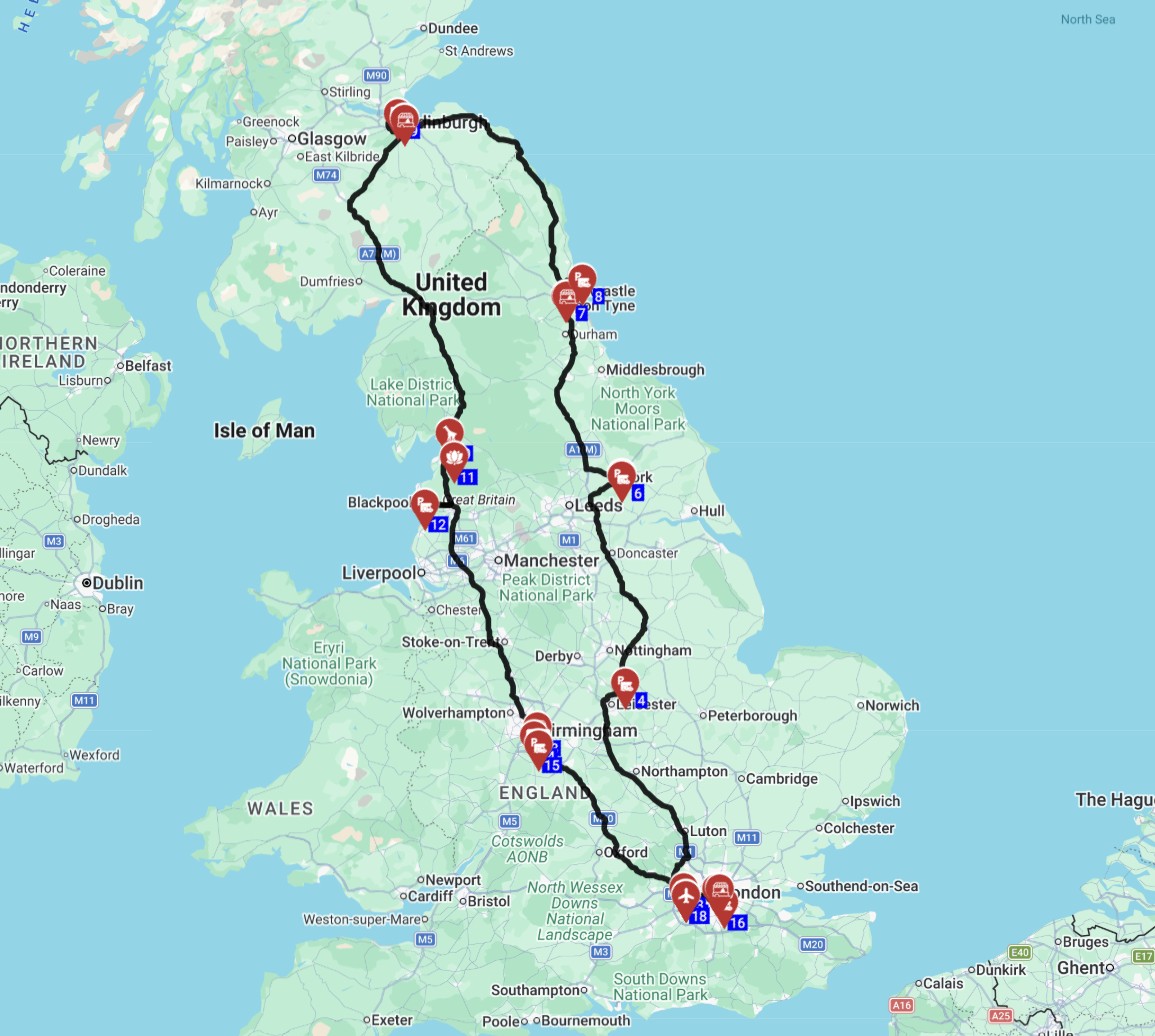
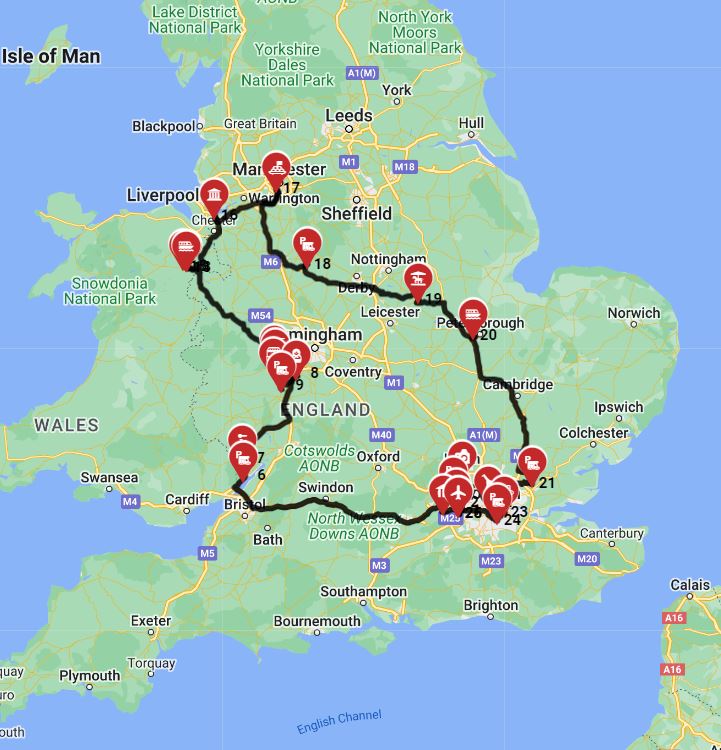
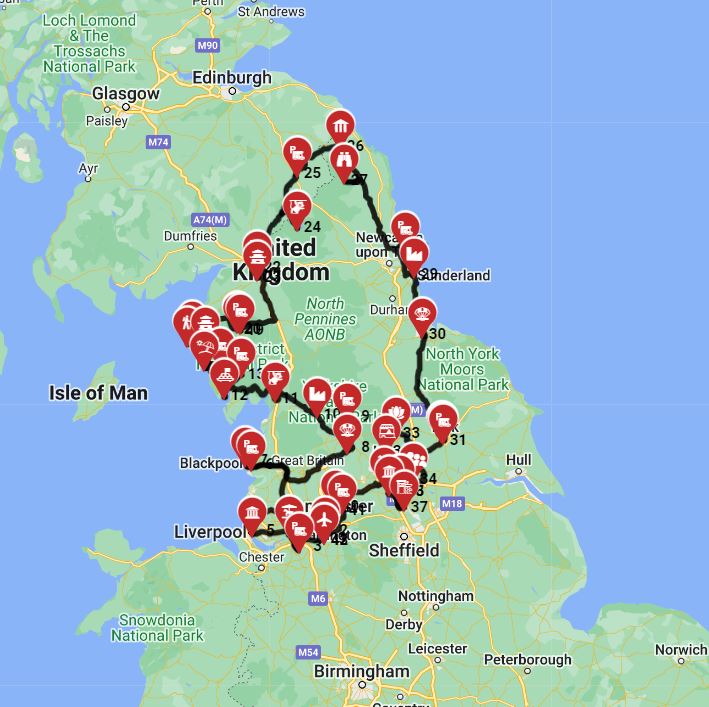
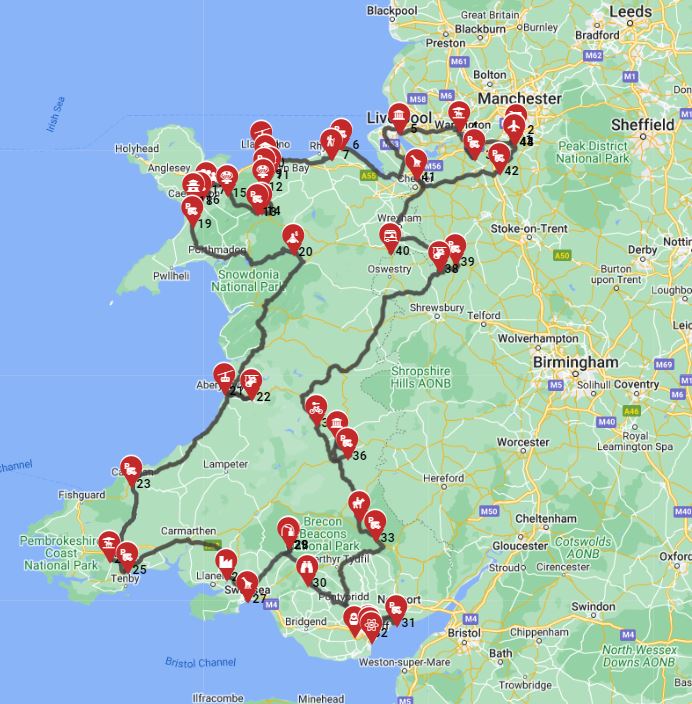
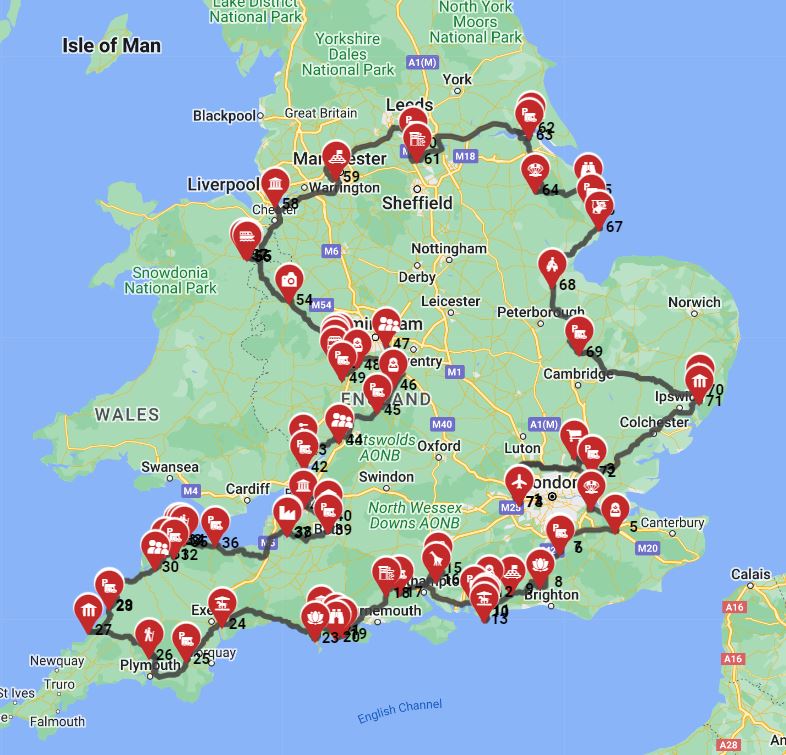
A great option is the "London Roundtrip - Central England" route, which covers 1909.7 km over 15 days, allowing ample time to visit places like an amusement park, an aquarium, 3 family activities, 2 historical sites, and 3 natural features across the heart of England. This itinerary provides a structured yet flexible approach, perfect for getting comfortable with your rented motorhome. Another excellent choice is the more extensive "
What insurance and breakdown cover do I need for an RV rental in England?
When renting an RV in England, comprehensive insurance is typically included by the rental company as part of your booking, but understanding the deductible (excess) and considering additional excess reduction insurance is crucial for complete peace of mind.
A robust 24/7 breakdown cover is absolutely essential for any RV rental, ensuring that real people are behind you to provide assistance for larger vehicles anywhere in the UK, including roadside repairs or recovery if needed. We advise reviewing your specific rental agreement carefully to understand what types of damages are covered (e.g., tires, windscreen, undersides) and any exclusions that might apply. While your personal travel insurance might offer some coverage, it’s rare for it to include RV-specific damage, so the rental company’s policies and any optional add-ons, like our top-level deductible reimbursement, are key to a worry-free adventure. We're with you before, during, and after your booking, ensuring you have all the information and support you need.
Can I travel with pets in an RV rental in England?
Many RV rental companies in England offer pet-friendly vehicles, but it's essential to confirm their specific policies, any potential additional cleaning fees, and ensure your pet complies with all UK pet travel regulations.
Always declare that you are bringing a pet during the booking process, as not all rented RVs are pet-friendly, and specific units may be allocated with an extra cleaning charge, typically ranging from £50-£150. If you are traveling from outside the UK, ensure your pet holds a valid pet passport or health certificate, is microchipped, and has up-to-date vaccinations (including rabies) as per the stringent Pet Passport Scheme rules. It’s also wise to research pet-friendly campsites and attractions in advance, as many establishments in England have restrictions on where pets are allowed. Our friendly support team can help clarify these details before your trip.
When is the best time to rent an RV in England for beginners?
For beginners, the best time to rent an RV in England is typically during the shoulder seasons (April-May or September-October) to enjoy milder weather, fewer crowds, and more readily available campsites.
Spring (March-May) brings blooming landscapes and moderate temperatures, perfect for leisurely drives and outdoor exploration, while Autumn (September-November) offers stunning foliage and a crisp atmosphere, both providing a pleasant travel experience with fewer tourists compared to peak season. Summer (June-August) offers the warmest weather and longest daylight hours, which is ideal for outdoor activities and coastal visits, but it also comes with higher rental prices, more competition for campsites (often requiring bookings 6-12 months in advance for popular spots), and crowded attractions. Many national and state parks reserve only 25-30% of their spots, with the rest being first-come, first-serve, so you'll find a spot; if not at the first campground, then the next one – just remember to call ahead before driving. Winter (December-February) is generally less ideal for beginners due to colder temperatures, shorter daylight hours, and the potential for adverse weather conditions or even road closures, particularly in northern regions like the Lake District.
What You Shouldn't Miss
- Looking for expert insights from Avi Bandana? Top 5 Adventures – recommendations from Avi Bandana:
- **The Cotswolds' Quaint Villages:** Drive through rolling hills and stop at picture-perfect villages like Bibury and Bourton-on-the-Water, famous for their honey-coloured stone cottages and meandering rivers. Explore the local markets for fresh, regional produce.
- **Historical Wonders of Bath & Stonehenge:** Immerse yourself in history with a visit to Bath's Roman Baths and Georgian architecture, then travel to the mysterious standing stones of Stonehenge, an iconic UNESCO World Heritage site, experiencing thousands of years of history.
- **Coastal Charm of Cornwall & Devon:** Navigate the dramatic coastlines of the Southwest, enjoying fresh seafood in fishing villages, exploring sandy beaches, and visiting unique spots like St. Michael's Mount. The scenery is simply breathtaking.
- **Lake District's Majestic Beauty:** Hike or cruise through the stunning fells and lakes of the Lake District National Park, discovering literary connections and breathtaking vistas. Campsites often offer incredible views of the landscape.
- **York's Medieval Magic:** Wander through the cobbled Shambles, visit York Minster, and walk the ancient city walls in York, a city steeped in Viking and Roman history. It's a journey back in time accessible by motorhome.
Final Thoughts
Beginning your RV journey in England is an adventure waiting to unfold, offering unparalleled flexibility to explore its rich history, diverse landscapes, and vibrant culture at your own pace. With Bandana Caravan, you're not just renting a vehicle; you're gaining a partner dedicated to ensuring your first-time experience is as smooth and enjoyable as possible.
From understanding the nuances of driving on English roads to finding the perfect campsite and budgeting effectively, we're here to support you with transparent pricing, expert advice, and genuine care. Embrace the open road, discover quaint villages, dramatic coastlines, and bustling cities, all from the comfort of your mobile home. Remember to travel slowly, max 100-150 km per day on average, and take time to feel the place, connect to the culture, the food, and the scenery.
Your first RV adventure in England will be filled with memories to cherish for a lifetime. So, why wait? Get inspired for your next trip and discover top destinations, planning tips, all in one place!