In This Guide
- Can You Drive an RV in Croatia? License & Age Rules
- Road Conditions & Terrain in Croatia
- RV Size Limits, Bridges & Restricted Zones
- Fuel: Diesel vs. Petrol & Cost per 100 km
- Tolls, Vignettes & Border Rules
- Driving Tips for RV Beginners in Croatia Travelers
- Recommended RV Class for Croatia Roads
- Should I Choose a Compact Van Instead of a Large RV in Croatia?
- Can I Park Anywhere? Free & Wild Camping Rules in Croatia
- Can I Drive an RV Into the City Center? Heights, Tunnels & Local Signage
- How to Plan a Detailed RV Itinerary for Croatia?
- Where Can I Find Off-the-Beaten-Path RV Experiences in Croatia?
- What is the Best Time of Year for an RV Trip to Croatia? Seasonal Breakdown
- How Much Does an RV Trip in Croatia Cost? Budget Breakdown
- Can I Travel with Pets in an RV in Croatia? Rules & Tips
- Is Croatia Good for Digital Nomads Traveling by RV? Connectivity & Work Tips
- How to Experience Local Culture & Food During an RV Trip in Croatia?
- How Can I Travel Sustainably by RV in Croatia?
- What to Do in an Emergency While RVing in Croatia? Safety & Support
Embarking on your first RV rental adventure in Croatia is an exhilarating way to explore this stunning country, offering unparalleled freedom and flexibility. Whether you dream of cruising along the sun-drenched Adriatic coast, discovering ancient Roman ruins, or hiking through pristine national parks, a motorhome provides your very own mobile sanctuary. Croatia is a fantastic destination for RV beginners, and with the right information and preparation, you'll feel like a seasoned traveler in no time. For live availability and current prices, start with our RV Rental Croatia - Complete Guide 2026 guide. At Bandana RV, we’ve been helping tens of thousands of travelers explore the world by RV since 2001, and we're here to share our expertise and ensure your first trip to Croatia is smooth and unforgettable.
Can You Drive an RV in Croatia? License & Age Rules
Driving an RV in Croatia is permissible for individuals meeting specific age and licensing requirements, making it an accessible destination for most international travelers. For nearly all rented motorhome classes, including Class A, B, and C vehicles, a standard car driver's license (Category B in the EU) is usually sufficient, as most rental RVs weigh under 3,500 kg (7,700 lbs). This means you generally don't need any special permits or a Commercial Driver's License (CDL).
Non-EU drivers should obtain an International Driving Permit (IDP) in addition to their national license, though it's not always mandatory, it is highly recommended for smooth navigation and to avoid potential language barriers with local authorities. The minimum driver age for most RV rentals in Croatia is 21 years old, with no young driver surcharges or vehicle class restrictions based on age, making it easier for younger adventurers to hit the road.
Road Conditions & Terrain in Croatia
Croatia offers diverse road conditions that cater to RV travel, ranging from modern, well-maintained highways to charming, winding coastal and mountain routes. The A1 motorway, connecting major cities like Zagreb, Split, and Dubrovnik (via the Pelješac Bridge), provides excellent, smooth driving for quick transit between regions. However, for a truly immersive experience, you'll find yourself on the scenic D8 coastal road, which offers breathtaking sea views but can be narrow, winding, and busy, especially during peak season.
Interior and island roads in Croatia might include narrower sections, steep inclines, and occasional gravel patches, requiring attentive driving. For RV beginners, embracing a slow, careful driving style is key, especially when navigating mountainous terrain or bustling urban areas. There's no need to stress about road conditions; just use common sense and pay attention, and you'll find them manageable. We highly recommend you travel slowly, averaging a maximum of 100-150 km per day, to truly soak in the diverse scenery.
RV Size Limits, Bridges & Restricted Zones
Most standard RVs can comfortably navigate Croatia's main roads and highways without issue, giving you the freedom to explore extensively. However, when venturing into older towns, historic centers, or specific tunnels, drivers should be mindful of potential height and width restrictions. Always keep your rented motorhome's dimensions handy (perhaps a sticker in the cockpit) and watch for local signage.
For those dreaming of island hopping, be aware that ferry travel to Croatia's numerous islands may impose length, width, and weight limits, and larger RVs often incur higher costs. While less common for RVs, some urban areas might have temporary restricted zones or limited access, so always observe local signage. Remember, drive slowly and carefully, and you can drive almost anywhere without issues. No need to stress - just use common sense and pay attention.
Fuel: Diesel vs. Petrol & Cost per 100 km
Diesel is the prevalent fuel type for RVs in Croatia, mirroring its common use across Bandana’s global fleet, ensuring easy availability at most fuel stations. Bandana's global fleet averages indicate common fuel consumption for Class B camper vans at 8-10 Liters/100 km, Class SI semi-integrated models at 10-11 Liters/100 km, and Class C alcove RVs typically consuming 10-12 Liters/100 km. Fuel prices in Croatia are generally comparable to other EU countries and can fluctuate based on global markets, so it’s wise to check current prices before you travel. Most fuel stations are readily available along main routes and offer both diesel (dizel) and unleaded petrol (benzin).
For efficient budgeting and tracking of ancillary costs like fuel, tolls, and campground fees, remember that on RV PLANET routes, travelers can itemize and track every expense along the way for easy budgeting. On the routes offered through RV PLANET routes, you can itemize and track every expense along the way for easy budgeting.
Tolls, Vignettes & Border Rules
Croatia primarily uses a barrier toll system for its highways, meaning payment is made per distance traveled upon exiting the motorway, rather than requiring a pre-purchased vignette. Tolls can be conveniently paid in Croatian Kuna (HRK) or by credit card; Euro payments are sometimes accepted, but change is usually given in HRK. If your RV adventure extends beyond Croatia, be aware that neighboring countries such as Slovenia and Hungary require a digital vignette for highway use, which must be purchased in advance online or at border crossings.
When crossing any borders in your rented motorhome, ensure all vehicle documents, passports, and an International Driving Permit (if applicable) are readily accessible to expedite the process. While Bandana does not offer pre-purchased toll passes, some suppliers may include options like an ENC device for Croatian tolls, which can save time at toll booths and potentially avoid fines.
Driving Tips for RV Beginners in Croatia Travelers
For RV beginners in Croatia, prioritizing a relaxed pace is essential; Croatian roads, especially coastal and mountain routes, are best enjoyed without rushing, allowing you to fully appreciate the stunning scenery. Plan frequent stops every 2-3 hours, particularly important for families, not just for rest but also to connect with the local culture and landscapes. Before hitting the road in your rented motorhome, familiarize yourself with its dimensions (height, width, length), perhaps by using a visual reminder in the cockpit, to confidently navigate tight spots.
Practicing parking and maneuvering in open spaces before arriving at crowded campsites or urban areas can significantly reduce stress and build confidence. Always be mindful of local speed limits, which are often lower for larger vehicles, and adhere to local driving customs, such as drivers potentially overtaking on two-lane roads. Drive slowly and carefully, and you can drive almost anywhere without issues. No need to stress – just use common sense and pay attention, and your trip will be a joy.
Recommended RV Class for Croatia Roads
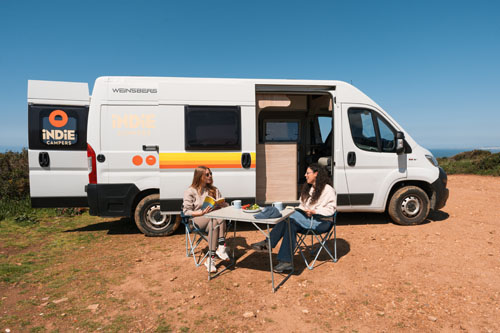
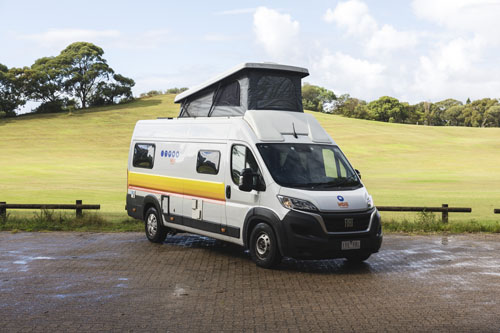
For first-time RVers exploring Croatia, Class B Camper Vans and Class SI Semi-integrated RVs are highly recommended due to their balanced maneuverability and comfort on diverse Croatian roads. Class B Camper Vans, often averaging around 5.8 meters in length, such as a "Category Van", offer exceptional agility for navigating narrow coastal roads, charming village streets, and provide easier parking solutions. The "Category Van" includes features like front air conditioning, a shower, and toilet, making it ideal for a couple.
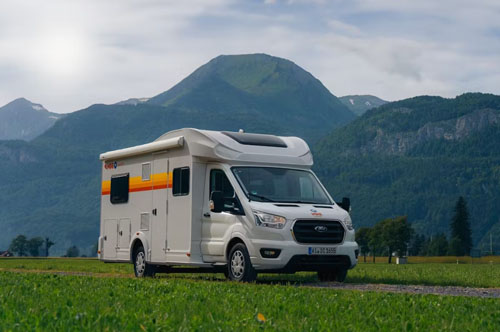
Class SI Semi-integrated RVs, typically averaging 6.9 meters in length, like a "Luxury Small" model, provide a good balance of indoor space, a comfortable double bed, and amenities like a 100 Liter fresh water tank, without being overly cumbersome. These classes generally offer sufficient ground clearance for most Croatian roads, including less-traveled routes. While larger Class C Alcove models (avg. 7.5m, often with 10-12 Liters/100 km fuel consumption) and Class A Integrated models (avg. 7.5m) are available, their increased length and width can present more challenges for beginners on tight turns or in busy towns, though they offer more expansive living spaces like the "camper for rent example Big Six" which features three double beds.
Should I Choose a Compact Van Instead of a Large RV in Croatia?
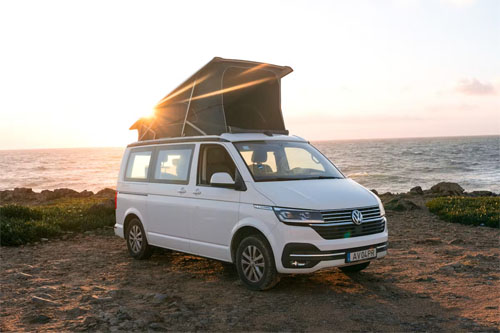
While a compact van offers superior maneuverability in very tight historical centers and narrow mountain passes, most standard RV sizes can comfortably navigate Croatia's main roads, with larger models providing significantly more living space and amenities. Compact vans (Class B Camper Vans), like the "Active Original" or "Juliette 2-3" are ideal for urban exploration and accessing remote, narrow roads often found on islands or in the Dalmatian hinterland, typically offering a flexible living area and basic cooking facilities.
Larger RVs (Class SI, Class C, Class A), such as a "Comfort Family" or "Euro Deluxe" often feature multiple sleeping areas, a larger refrigerator, and more dedicated storage, enhancing the overall living experience on longer trips. The trade-off involves sacrificing some interior space and amenities for enhanced agility with a compact van, versus enjoying more home-like comfort but requiring more careful driving with a larger RV. For most RV rental beginners, prioritizing comfort and indoor space over extreme maneuverability proves beneficial, as Croatia's infrastructure generally supports standard RVs. Drive slowly and carefully, and you can drive almost anywhere without issues. No need to stress - just use common sense and pay attention.
Can I Park Anywhere? Free & Wild Camping Rules in Croatia
Wild camping and free overnight parking outside of designated campsites are generally illegal in Croatia and can result in significant fines, typically ranging from €100 to €400. Croatia, however, has a well-developed network of official campsites, including private camps and those within national parks, offering a wide range of facilities from basic pitches to full hook-ups. Always seek out and utilize these established campsites or designated RV parking areas for overnight stays to comply with local laws and ensure your safety.
An excellent alternative to traditional campsites is 'agricamping' or 'ethno camping' sites, often found on farms, vineyards, or olive groves. These unique spots, sometimes bookable through apps like Park4Night, provide a rustic yet legal overnight experience, often including opportunities to sample homemade produce and connect with local culture. Disregarding regulations not only risks financial penalties but can also harm the environment and local communities, which Bandana RV strongly discourages. Rules can vary slightly by region, so always check local regulations before parking overnight.
Can I Drive an RV Into the City Center? Heights, Tunnels & Local Signage
It is often possible to drive a rented RV into city centers in Croatia, but drivers must pay close attention to local signage indicating height limits, restricted zones, and parking regulations, especially in historic areas. Many historic city centers, like those in Split or Dubrovnik, have narrow streets, pedestrian-only zones, or height-restricted tunnels that are entirely unsuitable for larger RVs. Always observe local traffic signs for vehicle dimensions, one-way systems, and residents-only streets to avoid any issues.
Parking for RVs within city centers is typically limited to designated parking lots or the outskirts, often requiring payment, which can add to your total trip cost. Consider parking on the periphery and utilizing local public transport (buses, trams) or walking to explore dense urban areas; this approach can be far more convenient and stress-free, allowing you to truly immerse yourself in the city’s charm without worrying about navigating a large vehicle. Remember to drive slowly and carefully, and you can drive almost anywhere without issues.
How to Plan a Detailed RV Itinerary for Croatia?
Planning a detailed RV itinerary for Croatia involves considering diverse routes from stunning coastal drives to majestic national parks, incorporating authentic local experiences, and allowing ample flexibility for spontaneous discoveries. Begin by developing themed routes, such as a 'Historical Dalmatia Tour' visiting sites like Diocletian's Palace in Split, an 'Istrian Foodie Adventure' through charming hilltop towns, or a 'Plitvice & Krka Nature Journey' exploring breathtaking waterfalls. These itineraries should include specific day-by-day outlines, keeping in mind that slow travel, averaging max 100-150 km per day, allows you to truly feel the place.
Integrate off-the-beaten-path destinations and local village stops to experience authentic Croatian culture and food, moving beyond just tourist hotspots. Factor in realistic drive times for your rented motorhome, allowing extra time for picturesque detours and necessary ferry crossings to islands. Crucially, include campsite bookings in advance, especially during peak season, as many popular national and state parks reserve only 25-30% of spots; the rest are first-come-first-serve, so call ahead. RV PLANET (rvplan.net) offers over 1,300 pre-planned routes across 5 continents, designed by professionals, and using this resource rewards you with a 25% planning discount. You can save up to 25% by letting professionals plan your itinerary, ensuring you discover the best of Croatia with minimal effort and maximum enjoyment. For instance, consider the comprehensive route plan below:
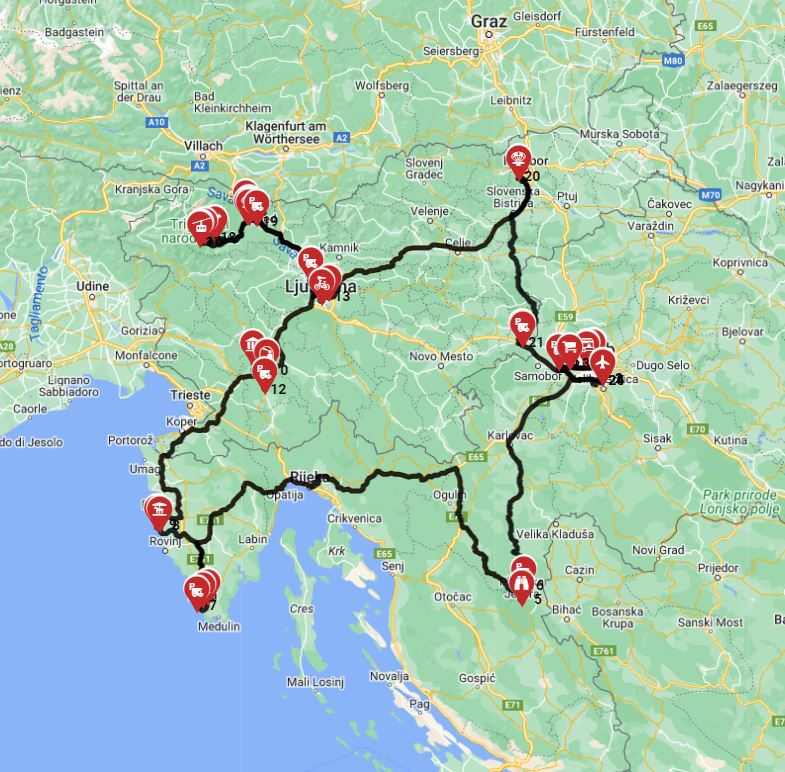
This 16-day, 2060.1 km Ljubljana Roundtrip - Adriatic sea Round -> Slovenia, Croatia & Italy route plan includes visits to 2 amusement parks, 1 botanical garden, 1 cave, 2 cruise terminals, 2 extreme activities, 1 family activity, 3 historical sites, 2 natural features, 2 points of interest, 2 traditional markets, 2 traditional restaurants, and 4 traditional visits, providing a diverse itinerary across three countries.
Where Can I Find Off-the-Beaten-Path RV Experiences in Croatia?
Beyond popular destinations like Dubrovnik and Plitvice Lakes, off-the-beaten-path RV experiences in Croatia can be found by exploring lesser-known regions like the interior of Istria, the eastern plains of Slavonia, or specific islands outside the peak season, focusing on local villages and hidden natural spots. Instead of solely sticking to the bustling coastal towns, explore the green heart of Istria, visiting charming hilltop towns such as Motovun or Grožnjan, which offer picturesque views and local truffle products. Discover the Baranja region in Slavonia for its traditional food, historic wine routes, and the diverse wildlife of Kopački Rit Nature Park.
For a truly tranquil experience, venture to less-touristed islands accessible by ferry, such as Lastovo or Vis, which offer pristine nature, secluded coves, and a slower pace of life. Seek out local farmers' markets for fresh produce, visit small family wineries (konobas) for tastings, and engage in regional events to immerse yourself in local life away from the main tourist crowds. Croatia's emerging 'Wine Roads' (Vinske Ceste) tradition in regions like Istria and Slavonia often provides opportunities to park at family-run wineries, offering a rich cultural and culinary experience that extends beyond the typical tourist fare. Remember, many national parks reserve only 25-30% of spots, so calling ahead for campsites is always a good idea.
What is the Best Time of Year for an RV Trip to Croatia? Seasonal Breakdown
The best time of year for an RV trip to Croatia is typically during the shoulder seasons (April-May and September-October) to enjoy pleasant weather, fewer crowds, and better availability at campsites compared to the peak summer months. Spring (April-May) offers blooming landscapes, mild temperatures ranging from 15-22°C (59-72°F), and lower prices for RV rentals and attractions, though the sea might still be too cool for swimming for some.
Autumn (September-October) provides wonderfully warm sea temperatures, comfortable weather between 18-25°C (64-77°F), and coincides with the grape harvest season, offering delightful culinary experiences with significantly fewer tourists after the summer rush. Peak summer (June-August) means hot weather (25-35°C or 77-95°F), crowded beaches, and higher prices for everything, requiring early booking for RVs and campsites up to 6 months in advance. While winter RVing (November-March) is possible, it can be challenging with many coastal campsites closed, cooler temperatures, and a focus on Christmas markets in cities like Zagreb or exploring the interior. For those spontaneous travelers, however, many national/state parks reserve only 25-30% of spots, with the rest available first-come-first-serve, so you'll often find a spot even if not at the first campground, then the next one.
How Much Does an RV Trip in Croatia Cost? Budget Breakdown
An RV trip in Croatia involves costs for rental, fuel, campsites, tolls, and activities, with a comprehensive budget breakdown needing to consider daily averages for each category to help travelers save money effectively. RV rental costs vary widely by vehicle class, season, and duration, ranging from approximately €80-€200+ per day, with smaller campervans like the "Active Original" generally being on the lower end and larger Class C motorhomes like a "Comfort Family" on the higher end. Fuel expenses, primarily diesel, can be estimated using consumption rates of 8-12 Liters/100 km, so checking current fuel prices is crucial.
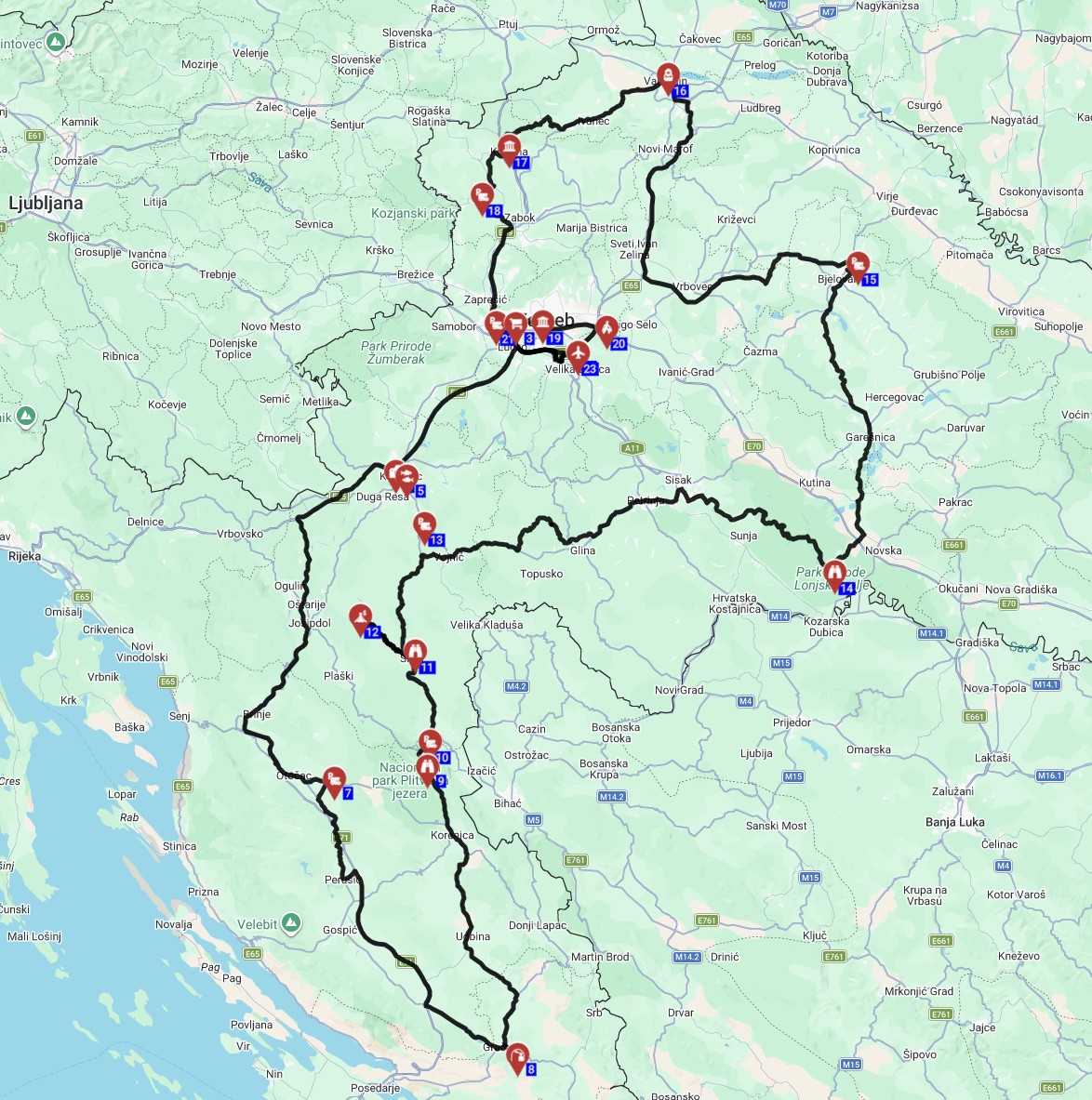
Campsite fees range from €20-€60+ per night depending on location, facilities, and season, with off-peak rates being more budget-friendly. Tolls on highways are an additional expense, averaging €5-€20 per section depending on vehicle size and distance. Budgeting for food (groceries purchased at local markets vs. dining at restaurants) and activities (national park entry fees like Plitvice Lakes, tours) is crucial for a complete budget. For example, a 15-day, 1250.7 km Zagreb Roundtrip - Croatia & Slovenia route includes multiple activities like an amusement park, a bike rental, kayaking, and historical sites, showing the diversity of experiences available. On RV PLANET routes, you can easily itemize and track every expense along the way for easy budgeting, ensuring full transparency with no hidden fees or surprises.
For more detailed insights into managing your expenses, you might also find our "RV Rental in Croatia - Prices and Best Deals 2026" guide helpful. We believe in full transparency: no hidden fees, no surprises, just honest pricing.
Can I Travel with Pets in an RV in Croatia? Rules & Tips
Traveling with pets in a rented RV in Croatia is generally possible and can be a wonderful experience, but it requires adherence to specific EU pet passport regulations, ensuring your chosen campsites and attractions are pet-friendly, and knowing the locations of emergency veterinary services. Before your trip, ensure your pet has an EU Pet Passport, is microchipped, and has up-to-date rabies vaccinations, all validated by a certified vet, ideally at least 21 days before travel. Many campsites in Croatia are pet-friendly, but always confirm their specific rules, any extra fees (typically €5-€15 per night), and designated pet areas before booking.
Research pet-friendly beaches and attractions in advance, as regulations can vary widely, with some areas restricting pets during peak season. Keep a list of local emergency veterinary clinics along your route, carry basic pet first-aid supplies, and ensure your pet has plenty of water, especially during warmer months. Bandana RV offers several pet-friendly motorhome options, including the "24' Class C Motorhome" and the "Adventure Camper," making it easier to find the perfect home-on-wheels for your entire family. Remember, we are true RV specialists, and we understand the unique needs of traveling with pets.
Is Croatia Good for Digital Nomads Traveling by RV? Connectivity & Work Tips
Croatia offers a growing appeal for digital nomads traveling by RV, providing good cellular network coverage in most populated areas and tourist regions, with ample options for local SIM cards and finding reliable Wi-Fi at campsites or cafes. Purchasing a local Croatian SIM card from major providers like A1, T-Hrvatski Telekom, or Telemach provides affordable data plans and reliable 4G/5G connectivity across much of the country, essential for staying connected for work.
Many modern campsites offer Wi-Fi, though quality can vary, so consider investing in a portable Wi-Fi hotspot as a backup for guaranteed connectivity. Look for cafes or co-working spaces in larger cities like Zagreb, Split, or Zadar, or explore quieter spots in nature with good signal for focused work. Ensure your rented RV has sufficient power options, such as an inverter or solar panels, to keep all your devices charged throughout the day. Be mindful of data roaming costs if using a non-Croatian SIM card, and always plan your work schedule around scenic drives to fully embrace the work-life balance an RV trip offers.
How to Experience Local Culture & Food During an RV Trip in Croatia?
To experience authentic local culture and food during an RV trip in Croatia, engage with communities by visiting vibrant local markets, learning a few basic Croatian phrases, and seeking out family-run taverns (konobas) away from major tourist hubs. Start your day by visiting a 'tržnica' (local market) in towns like Split or Pula to buy fresh produce, local cheeses, olive oil, and cured meats directly from producers, allowing you to prepare delicious meals in your RV's kitchen.
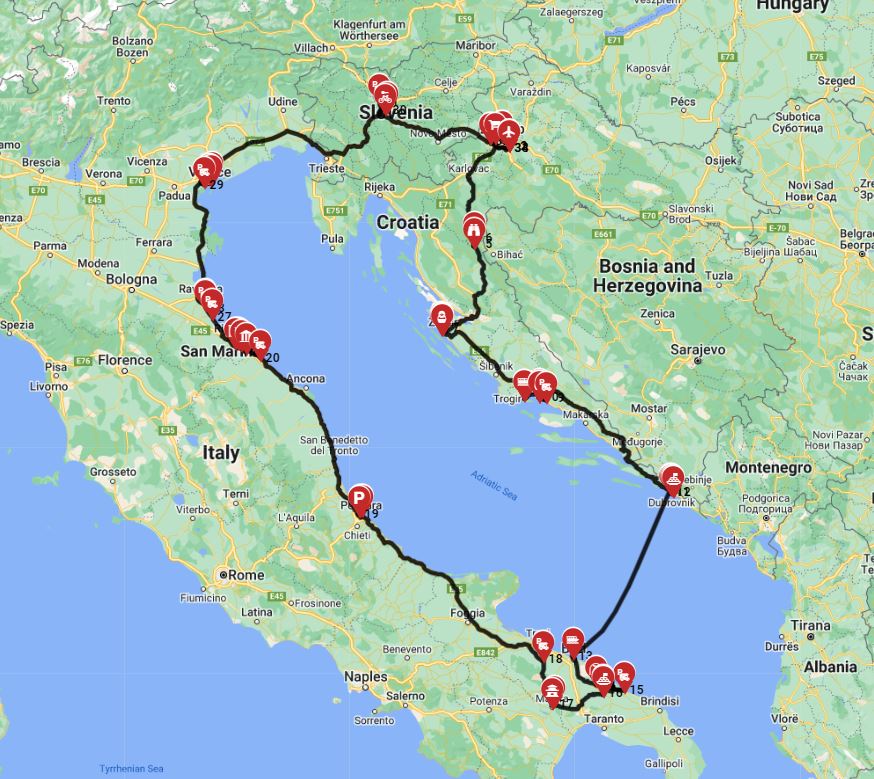
Learning a few basic Croatian phrases like 'Dobar dan' (Good day), 'Hvala' (Thank you), and 'Molim' (Please) can significantly enhance your interactions with locals and open doors to unique experiences. Dine at 'konobas' in smaller villages for traditional dishes such as 'peka' (meat and vegetables slow-cooked under a bell) or freshly caught seafood, often offering a more authentic and intimate dining experience than tourist-focused restaurants. Consider participating in local festivals, workshops (e.g., olive oil tasting, traditional craft), or simply engaging in casual conversations with locals to gain deeper cultural insights. For ideas on what to cook in your RV, check out our RV-friendly recipes playlist. To inspire your journey, consider the comprehensive Venice Roundtrip - South - Adriatic sea, Croatia, Slovenia, Italy, a 22-day, 2682.9 km route that weaves through these culinary and cultural landscapes:
This route plan includes 4 traditional markets, 4 traditional restaurants, and 4 traditional visits, alongside numerous natural and historical sites, ensuring a rich blend of experiences.
How Can I Travel Sustainably by RV in Croatia?
Sustainable RV travel in Croatia involves responsible waste disposal at designated facilities, conserving precious water and energy resources, actively supporting local businesses, and minimizing your overall environmental impact by respecting natural areas. Always utilize designated waste and greywater disposal points at official campsites, never emptying tanks in undesignated locations, as wild dumping is illegal and harmful to the environment. Conserve water by taking shorter showers and using efficient appliances in your rented motorhome, and manage electricity consumption, especially when off-grid, to reduce your footprint.
Support local economies by purchasing food and goods from small producers at markets and visiting family-run establishments and konobas, ensuring your travel benefits the local communities directly. Minimize your environmental footprint by adhering to 'leave no trace' principles: pack out everything you pack in, stay on marked trails, and always respect protected natural areas and wildlife. Choosing a compact campervan like the "EcoLine2 Camper" can also reduce fuel consumption, contributing to a greener journey. For a week-long trip or more, embracing sustainable practices makes your RV adventure in Croatia truly enriching.
What to Do in an Emergency While RVing in Croatia? Safety & Support
In case of an emergency while RVing in Croatia, travelers should have local emergency numbers readily available, understand basic medical procedures, and know how to contact their rental provider for breakdown assistance or to navigate language barriers. The universal European emergency number, 112, connects you to police, fire, and ambulance services, so always state your location clearly and calmly. Keep your RV rental agreement and contact details for your specific rental provider accessible for immediate breakdown assistance or mechanical issues with your motorhome.
Familiarize yourself with a few basic Croatian phrases for emergencies, or have a translation app ready on your phone to help with communication in a crisis. Ensure you have comprehensive travel and medical insurance before your trip, and know the location of the nearest hospitals or clinics along your planned route for any medical emergencies. At Bandana RV, we provide pre-booking comparison, booking support, and post-booking coordination, ensuring you have reliable assistance before and after you pick up your RV, making your journey with a rented RV as worry-free as possible. This commitment to supportive service is part of why we've been operating successfully since 2001, helping tens of thousands of travelers.
What You Shouldn't Miss
- Plitvice Lakes National Park: Wander along wooden boardwalks through a series of 16 interconnected lakes and countless waterfalls. Stay at nearby Camp Korana for convenient shuttle access.
- Dubrovnik's Old Town: Walk the historic city walls of this UNESCO World Heritage site, enjoying panoramic views of the Adriatic Sea. Park your RV on the city's periphery and use public transport to explore the pedestrianized center.
- Istrian Hilltop Towns: Explore charming medieval towns like Motovun and Grožnjan, famous for their truffles and local wine. Many small 'agricamping' sites in the region offer unique overnight stays.
- Krka National Park: Discover the stunning travertine waterfalls and serene pools, perfect for swimming (in designated areas). There are several RV-friendly campsites surrounding the park.
- Island Hopping (e.g., Hvar, Korčula): Take your rented motorhome on a ferry to explore Croatia's beautiful islands. Book ferry spots in advance, especially for larger vehicles during peak season, to secure your passage.
- Culinary Delights of Dalmatia: Savor fresh seafood, "peka" dishes, and exquisite local wines at a traditional "konoba" along the coast. Don't forget to visit local markets for fresh ingredients to cook in your RV.
🎬 Video coming soon
Looking for expert insights from Avi Bandana? Top 5 Adventures - recommendations from Avi Bandana. For a broader perspective on RV travel in the region, check out our "RV Rental Europe - Complete Guide 2026" to plan your perfect European motorhome adventure.
Final Thoughts
Starting your first RV rental journey in Croatia is an adventure waiting to unfold, filled with breathtaking landscapes, rich history, and delicious cuisine. With this guide, you now have the foundational knowledge to navigate its roads, understand local regulations, and plan an itinerary that perfectly suits your travel style. Remember, the beauty of RV travel in Croatia lies in taking your time, connecting with the culture, the food, and the scenery at your own pace. Travel slowly- max 100-150 km per day on average to truly savor every moment.
At Bandana RV, we are true RV specialists, dedicated to making your travel dreams a reality with full transparency and unwavering support. From choosing the right motorhome to understanding all the costs, we're here to ensure your Croatian road trip is nothing short of spectacular. So, imagine yourself waking up to a different stunning view each morning, with the freedom of your home on wheels, and get ready for an unforgettable Croatian escapade.
Get inspired for your next trip and compare motorhome prices for Croatia now to begin planning your incredible journey!