For live availability and current prices, start with our RV Rental Botswana - Complete Guide 2026 guide.
In This Guide
- Can You Drive an RV in Botswana? License & Age Rules
- Road Conditions & Terrain in Botswana
- RV Size Limits, Bridges & Restricted Zones
- Fuel: Diesel vs. Petrol & Cost per 100 km
- Tolls, Vignettes & Border Rules
- Driving Tips for RV Rental Beginners Travelers
- Recommended RV Class for Botswana Roads
- Should I Choose a Compact Van Instead of a Large RV in Botswana?
- Can I Park Anywhere? Free & Wild Camping Rules in Botswana
- Can I Drive an RV Into the City Center? Heights, Tunnels & Local Signage
- Is it safe to drive around Botswana?
- How much does it cost to rent an RV in Botswana?
- What is the best time of year to RV in Botswana?
- What do I need to pack for an RV trip in Botswana?
- Can you drive an RV through the Okavango Delta?
- Are there designated RV campsites in Botswana?
- Do I need a 4x4 RV for Botswana?
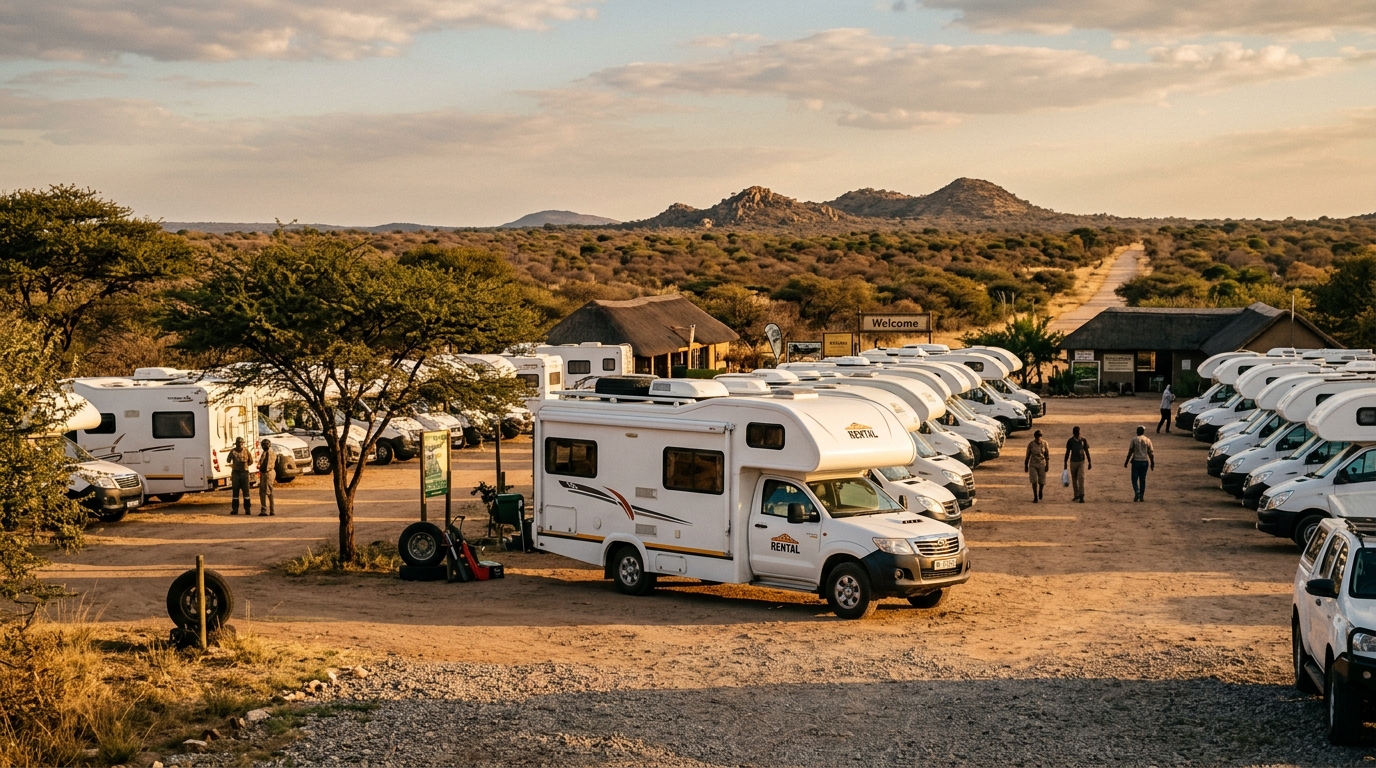
Embarking on a motorhome adventure in Botswana is an extraordinary way to immerse yourself in Africa's stunning wilderness. As true RV specialists, Bandana RV has been helping tens of thousands of travelers explore the world by rented RV since 2001, and we're here to guide you through your first time driving a motorhome in this unique country. For live availability and current prices, start with our RV Rental Botswana - Complete Guide 2024. Imagine yourself waking up to the sounds of the African bush, a hot coffee in hand, ready for another day of exploration – that's the freedom a rented RV offers.
Can You Drive an RV in Botswana? License & Age Rules
Yes, you can absolutely drive a rented RV in Botswana, provided you meet the necessary licensing and age requirements. A standard car driver's license (Category B) is typically sufficient for operating most motorhomes and campervans under 3,500 kg Gross Vehicle Mass (GVM) in Botswana. However, for international visitors whose licenses are not issued in English, an International Driving Permit (IDP) is highly recommended and sometimes required to ensure your national license is officially recognized by local authorities. Drivers must generally be at least 21 years old to rent an RV in Botswana, with no young driver surcharges or vehicle class restrictions based on age across Bandana's extensive network of partner suppliers. For larger RVs exceeding 3,500 kg GVM, a higher license category such as C1 or C might be necessary, aligning with international licensing standards, so always confirm your vehicle's specifications before booking. For those planning a broader African adventure, our RV Rental Africa - Complete Guide 2024 provides a comprehensive overview of regulations across the continent.
Road Conditions & Terrain in Botswana
Botswana's main arterial roads are generally well-maintained tar, but venturing into national parks and remote areas means encountering challenging gravel, sand, and corrugated tracks. Travelers should expect significant variations in road quality, ranging from smooth highways around major towns like Gaborone and Maun to deep sand tracks common in areas such as the Central Kalahari Game Reserve and Moremi Game Reserve. Slow, scenic driving is highly encouraged due to the diverse terrain and the high probability of wildlife encounters, especially outside fenced areas. During the rainy season, which typically runs from November to April, flash floods can occur, making some river crossings impassable or extremely hazardous for RVs without adequate ground clearance and a snorkel. Always check local road and weather conditions before embarking on a journey into less developed regions.
RV Size Limits, Bridges & Restricted Zones
Botswana generally does not impose strict height or weight restrictions for rented RVs on its main roads, providing good accessibility for various motorhome sizes. However, certain game reserves and off-road tracks may have natural limitations or be impassable for exceptionally large vehicles, particularly in areas with deep sand or dense bush. Low bridges are uncommon on main routes, but travelers should be aware that remote access roads or specific campsites might have narrower entry points or culverts with weight restrictions. Environmental zones, especially within national parks and game reserves, strictly regulate vehicle movement, restricting all vehicles to designated tracks; off-road driving is prohibited to protect fragile ecosystems. Any ferry limits primarily apply to crossing the Chobe River at Kazungula into Zambia, where larger RVs might face weight or length restrictions on the pontoon, potentially requiring prior arrangement or alternative routes. For a comprehensive understanding of RV travel in the region, consult our RV Rental Botswana - Complete Guide 2024, which covers essential regulations and tips for smooth travel.
Fuel: Diesel vs. Petrol & Cost per 100 km
Diesel is the predominant fuel type for rented RVs in Botswana and is widely available in most towns and larger villages, while petrol stations are also common but might be scarcer in very remote regions. Bandana's diverse fleet typically consists of efficient diesel RVs, with Class SI (Semi-integrated) models averaging 10-11 Liters/100 km, Class C (Alcove) models 10-12 Liters/100 km, and Class B (Camper Van) models around 8-10 Liters/100 km. The average cost per 100 km for a rented RV in Botswana, based on current fuel prices and typical consumption, ranges from BWP 150-250 (approximately $11-$19 USD) depending on the vehicle class and driving conditions. Fuel stations in remote areas can be few and far between, necessitating careful planning for refueling stops and carrying extra fuel in jerry cans, particularly for extended trips into national parks. For comprehensive budgeting and expense tracking on your adventure, including fuel costs, explore the tools available through RV PLANET routes. On the routes offered through RV PLANET routes, you can itemize and track every expense along the way for easy budgeting.
Tolls, Vignettes & Border Rules
Botswana does not operate a national toll or vignette system for its roads; however, specific border crossings and entry into some national parks may incur fees. When entering Botswana from neighboring countries like Namibia or South Africa, travelers should expect various vehicle entry fees, road permit fees, and potentially carbon taxes, which vary by vehicle type and country of origin. Border crossing procedures require a valid passport, original vehicle registration papers (or a certified copy), a formal letter of authorization from your rental company for cross-border travel, and proof of third-party insurance. Some Bandana RV partners may offer guidance on specific border requirements, simplifying the process for beginners and helping to avoid potential fines. For detailed information on planning multi-country RV adventures, including potential one-way rentals, consult our One-Way RV Rental in Botswana - Price Guide 2024.
Driving Tips for RV Rental Beginners Travelers
For first-time RV travelers in Botswana, careful planning and cautious driving are paramount for a safe and enjoyable adventure. First, always plan your route meticulously, researching road conditions, especially for sandy or corrugated tracks, and allocate realistic driving times, as speeds in game reserves are often much lower than on tar roads. Second, driving in Botswana is on the left side of the road, and speed limits are typically 120 km/h on national roads and 60 km/h in urban areas, though lower speeds are common and advisable on gravel and dirt tracks. Third, carry essential spares and recovery gear, such as at least two spare tires, a high-lift jack, a tire repair kit, a compressor, recovery straps, and basic tools, as assistance can be hours or days away in remote areas. Fourth, drive defensively and constantly watch for wildlife, as animals frequently cross roads, even major highways; be extra vigilant and prepared for sudden stops, particularly at dawn, dusk, and night. Finally, manage your fuel and water supplies diligently, carrying extra fuel and sufficient water for both drinking and emergencies, as resupply points are scarce in remote regions; consider investing in a satellite phone or reliable two-way radio for emergencies in areas without mobile network coverage, and always inform someone of your itinerary. Remember, drive slowly and carefully, and you can drive almost anywhere without issues. No need to stress - just use common sense and pay attention.
🎬 Video coming soon
Recommended RV Class for Botswana Roads
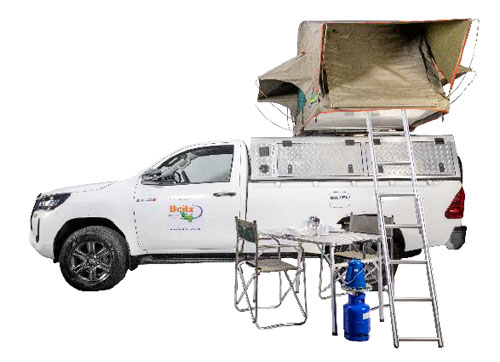
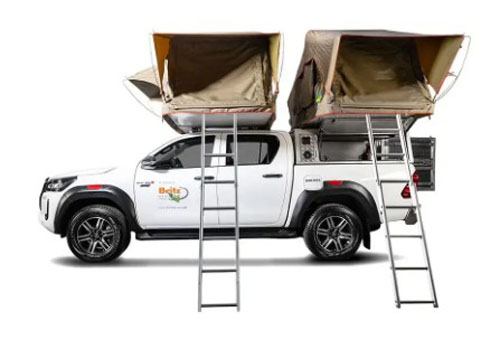
For beginners tackling Botswana's diverse terrain, a Class B - Camper Van or a Class SI - Semi-integrated RV is often recommended, offering a practical balance of maneuverability and comfort. Class B - Camper Vans, with an average length of 5.8 meters, provide greater agility on narrower tracks and in sandy conditions while offering essential amenities for 2-3 adults, like our "Category Van" which features a front air condition, shower, and toilet, and is ideal for a couple. Similarly, Class SI - Semi-integrated RVs, averaging 6.9 meters in length, such as the "2 Berth Rover", provide more interior space and amenities for up to 3-4 adults without being overly cumbersome for most improved gravel roads. While a 4x4 specific RV (like a modified truck camper) is ideal for deep sand and extensive off-road exploration, many beginners find 2WD RVs sufficient for sticking to main routes or areas with more established campsites, recognizing their limitations. For current options and to compare features, explore our RV Rental in Botswana - Prices and Best Deals 2024.
Should I Choose a Compact Van Instead of a Large RV in Botswana?
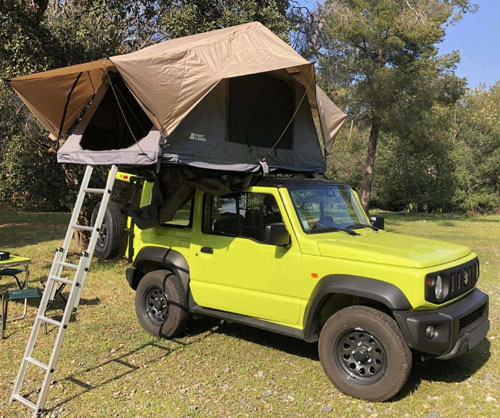
Choosing a compact campervan instead of a larger rented RV in Botswana depends heavily on your intended itinerary and desired comfort level, as both vehicle types offer distinct advantages. Compact vans, like a Class B Camper Van with an average length of 5.8 meters, provide superior maneuverability and are easier to navigate on narrower tracks and through dense bush in certain park areas, though they are not typically suitable for deep sand. Conversely, larger RVs, such as a Class C Alcove (averaging 7.5 meters) or a Class SI Semi-integrated (averaging 6.9 meters), provide significantly more indoor space, amenities, and overall comfort, which can be invaluable for longer trips or during inclement weather. While a compact van might seem appealing for off-road access, true off-road capability in Botswana's wilderness, especially the deep sands of the Delta, generally requires a robust 4x4 vehicle, often a truck camper or modified 4x4 with a rooftop tent, rather than just a compact 2WD van. For families traveling with kids, a larger rented motorhome may offer more living space, as detailed in our Family RV Rental in Botswana - Pricing Guide 2024.
Can I Park Anywhere? Free & Wild Camping Rules in Botswana
Free and wild camping is generally not permitted in Botswana, particularly within national parks, game reserves, and populated areas, due to critical conservation efforts and genuine safety concerns regarding wildlife. All overnight stays within Botswana's protected areas require booking designated campsites well in advance, especially during peak season, as capacity is strictly limited and permits are rigorously enforced. Outside of official campsites, finding truly 'wild' camping spots is challenging and discouraged due to land ownership regulations, security risks, and the pervasive presence of dangerous wildlife. Always check local regulations and adhere strictly to local law before parking overnight, prioritizing established private or national park campsites for both your safety and compliance. For finding campsites and campgrounds during your trip, we recommend using RV PLANET (rvplan.net) - a great resource for locating available spots along your route.
Can I Drive an RV Into the City Center? Heights, Tunnels & Local Signage
Yes, you can generally drive a rented RV into city centers in Botswana, such as Gaborone, Maun, or Kasane, as these towns typically lack the restrictive infrastructure, like low bridges or narrow historic streets, often found in older European cities. While major height or tunnel restrictions are uncommon on main city routes, always pay close attention to local signage, especially around commercial areas or shopping malls, which might have parking garages with height limits for their internal parking. City driving will primarily involve navigating standard traffic, looking out for pedestrians and local road rules; parking can certainly be a challenge for larger RVs in busy central areas. Importantly, environmental zones or residents-only streets are not a common feature in Botswanan cities, making access generally straightforward for RVs. Remember: drive slowly and carefully, and you can drive almost anywhere without issues. No need to stress - just use common sense and pay attention.
Is it safe to drive around Botswana?
Driving a rented RV in Botswana is generally safe if proper precautions are taken, particularly concerning wildlife, variable road conditions, and remote area preparedness. Travelers should mitigate wildlife risks by driving slowly, especially at dawn and dusk, and remaining highly aware that large animals like elephants, kudu, and cattle can roam freely on roads, especially in unfenced areas outside of parks. Address severe road conditions, such as deep sand, potential water crossings, and corrugated tracks, by ensuring your RV has adequate ground clearance and appropriate tires, and by driving conservatively, significantly reducing speed. Emergency preparedness is crucial: carry a satellite phone for communication in remote areas, a comprehensive first-aid kit, sufficient water and fuel, and basic recovery gear like a shovel and recovery straps. In case of a vehicle breakdown, contact your rental company immediately; reputable companies often provide roadside assistance or support networks, though response times can be extended in remote wilderness areas.
How much does it cost to rent an RV in Botswana?
The cost of renting an RV in Botswana varies widely based on the RV class, rental duration, season, and included features, typically ranging from $150 to $400+ USD per day. Prices are dynamic, similar to flight tickets, changing daily based on availability, seasonality, and supplier marketing decisions; the final price is set at the actual booking time. Budget for variable costs such as fuel, which can be significantly higher in remote areas; based on Bandana's fleet, a Class SI RV averages 10-11 Liters/100 km, a Class C RV 10-12 Liters/100 km, and a Class B campervan 8-10 Liters/100 km, all of which will influence your overall fuel budget. National park and camping fees are a significant and often overlooked expense, frequently charged per person per day, plus a daily vehicle entry fee, with specific fees varying by park (e.g., Okavango Delta, Chobe National Park). Factor in additional expenses such as cross-border fees (if traveling to neighboring countries), specific permits for certain wilderness areas, and a contingency budget for unforeseen circumstances or repairs. Consider that a seemingly 'cheap' RV rental might exclude essential features for Botswana like a dual battery system, long-range fuel tank, or recovery gear, potentially leading to higher overall trip costs. For detailed pricing and to compare options, check out RV Rental in Botswana - Prices and Best Deals 2024.
What is the best time of year to RV in Botswana?
The best time of year to RV in Botswana is generally during the dry winter months, from May to October, when wildlife viewing is excellent and road conditions are significantly more manageable. During this dry season, water levels in the Okavango Delta are high (peaking June-August), offering prime mokoro (traditional canoe) and other water-based safari experiences. For driving a rented RV, roads are typically firmer with less mud, reducing the risk of getting stuck, which makes remote areas like the Central Kalahari Game Reserve and Makgadikgadi Pans more accessible. The wet summer months, from November to April, bring lush landscapes, migratory birds, and newborn animals, but also intense heat, heavy rains, and challenging road conditions (mud, deep water crossings, flash floods) that can make RV travel difficult and restrict access to certain areas.
What do I need to pack for an RV trip in Botswana?
Beyond standard camping gear, a comprehensive packing list for a rented RV trip in Botswana should include specific items for self-sufficiency and navigating challenging conditions. Essential vehicle-specific items include a reliable tire pressure gauge, a robust puncture repair kit, an air compressor for adjusting tire pressures, a high-lift jack, heavy-duty recovery straps, an extra fuel tank (jerry cans) for remote stretches, and a sturdy shovel. For navigation and communication, pack detailed paper maps (as GPS can be unreliable in wilderness areas), a satellite phone or reliable two-way radio for emergencies in areas without mobile network coverage, and a power bank for electronic devices. Personal essentials should include light, breathable clothing, wide-brimmed hats for sun protection, strong insect repellent, high-SPF sunscreen, a well-stocked medical kit (including anti-malarials if necessary), and a good pair of binoculars for wildlife viewing. Don't forget sturdy closed-toe shoes for walking in the bush, headlamps or flashlights for night-time activities, and sufficient reusable water bottles or a water purification system to stay hydrated. If you plan to cook many meals in your RV kitchen, you might enjoy our RV-friendly recipes playlist for inspiration.
Can you drive an RV through the Okavango Delta?
Driving a standard rented RV directly through the Okavango Delta is generally not possible or advisable due to the deep sandy tracks, extensive water crossings, and fundamental lack of developed roads within the core wetland areas. Access to areas bordering the Delta, such as Moremi Game Reserve (which is part of the broader Okavango ecosystem), often requires a specialized 4x4 vehicle, and even then, deep sand and seasonal water crossings present significant challenges for any RV. Most RV travelers will typically park their vehicle at a designated campsite on the periphery of the Delta, for instance in Maun or areas just outside the game reserves, and then utilize organized 4x4 safari vehicles or mokoro (traditional canoe) excursions for delta exploration. Specific vehicle features crucial for navigating the delta's periphery or challenging access roads include high ground clearance, a snorkel for potential water crossings, robust off-road tires with adjustable pressure, and a dual battery system for remote camping without external power sources.
Are there designated RV campsites in Botswana?
Yes, Botswana offers a network of designated RV-friendly campsites, particularly within its renowned national parks, game reserves, and at private lodges, though these often require advance booking. National park campsites typically provide basic facilities, often including ablution blocks (toilets and showers, sometimes with cold water only) and a designated fire pit, but power hookups are generally rare. Private campsites and lodges, especially those catering to self-drivers, usually offer more amenities such such as powered sites, communal kitchens, swimming pools, and sometimes even Wi-Fi. It is crucial to book all campsites well in advance, particularly for popular destinations like Moremi Game Reserve, Chobe National Park, and Nxai Pan, as spots are limited and fill up quickly, especially during the dry season. Many national park campsites, such as those in Moremi, are unfenced, offering an exhilarating and immersive wildlife experience where animals roam freely.
Do I need a 4x4 RV for Botswana?
While a dedicated 4x4 RV is highly recommended for accessing many of Botswana's premier wilderness areas, it is not strictly necessary for all RV trips, depending on your itinerary. A 4x4 RV, such as a modified truck camper or an overland vehicle, is essential if you plan to venture into deep sand tracks of the Central Kalahari Game Reserve, the more challenging parts of the Okavango Delta's periphery (e.g., Moremi Game Reserve), or during the wet season when conditions become exceptionally tough. For routes primarily sticking to tarred roads and well-maintained gravel tracks between major towns like Gabarone, Kasane, and Maun, and accessing more established national park entrances, a 2WD RV (such as a Class SI or Class C) can be sufficient. Opting for a 4x4 RV provides significant peace of mind, greater access to remote campsites, and the capability to handle unexpected difficult terrain, greatly enhancing the immersive wilderness experience. To explore rental options, including 4x4 capable RVs, check out RV Rental Deals in Botswana - Latest Offers 2024.
What You Shouldn't Miss
- Chobe National Park: Witness one of Africa's largest concentrations of elephants, particularly along the Chobe Riverfront, often best explored via a game drive with your rented RV or a boat safari.
- Okavango Delta Mokoro Safari: Experience the unique inland delta by gliding through its waterways in a traditional mokoro (dugout canoe), observing diverse birdlife and aquatic animals from a serene perspective.
- Central Kalahari Game Reserve: Venture into this vast, remote wilderness for an authentic desert safari, encountering unique wildlife adapted to arid conditions, often with unfenced camping providing ultimate immersion.
- Makgadikgadi Pans National Park: Explore the otherworldly landscape of ancient salt pans, spot the famous baobab trees, and during the wet season, witness spectacular zebra and wildebeest migrations.
- Tsodilo Hills: Visit this UNESCO World Heritage site, home to thousands of ancient rock art paintings, offering a deep dive into the spiritual and cultural history of the San people.
Looking for expert insights from Avi Bandana? Top 5 Adventures - recommendations from Avi Bandana.
Final Thoughts
Botswana offers an unparalleled RV travel experience, combining the thrill of a self-drive safari with the comfort and flexibility of your own mobile home. While the roads can be adventurous and wildlife ever-present, with proper preparation and a spirit of adventure, a rented motorhome journey through this incredible country is truly rewarding. Remember to travel slowly, aiming for a maximum of 100-150 km per day on average, allowing yourself to fully immerse in the stunning scenery, rich culture, and diverse wildlife that Botswana has to offer.
Whether you're exploring the elephant-filled plains of Chobe, navigating the watery wonders of the Okavango Delta, or marveling at the ancient rock art of Tsodilo Hills, a rented RV provides the perfect base for your adventure. With Bandana RV, you're choosing a partner dedicated to transparency, support, and expert guidance, ensuring your first-time RV driving experience in Botswana is smooth, safe, and unforgettable.
Get inspired for your next trip! Discover top destinations, planning tips, all in one place, or plan a trip itinerary in advance with minimal effort and maximum enjoyment through RV PLANET's 1,300+ pre-planned routes across 5 continents.