In This Guide
- Can You Drive an RV in Anchorage? License & Age Rules
- Road Conditions & Terrain in Anchorage
- RV Size Limits, Bridges & Restricted Zones
- Fuel: Diesel vs. Petrol & Cost per 100 km
- Tolls, Vignettes & Border Rules
- Driving Tips for luxury rv rental Travelers
- Recommended RV Class for Anchorage Roads
- Should I Choose a Compact Van Instead of a Large RV in Anchorage?
- Can I Park Anywhere? Free & Wild Camping Rules in Anchorage
- Can I Drive an RV Into the City Center? Heights, Tunnels & Local Signage
- Do you need a CDL to drive a luxury RV?
- Does an RV need a special license?
- Who insures expensive motorhomes?
- How can I lower my RV insurance premium?
- What You Shouldn't Miss
- Why Book with Bandana Caravan
- Final Thoughts
- Frequently Asked Questions
Embarking on a luxury RV adventure in Anchorage, Alaska, offers an unparalleled sense of freedom, allowing you to immerse yourself in stunning wilderness and vibrant city life. At Bandana RV, we believe that discovering the joy of RV travel should be a straightforward and transparent experience, which is why we provide full transparency with no hidden fees and 24/7 support to assist you before and after your booking. For live availability and current prices, start with our RV Rental Anchorage - Complete Guide 2026 guide.
Can You Drive an RV in Anchorage? License & Age Rules
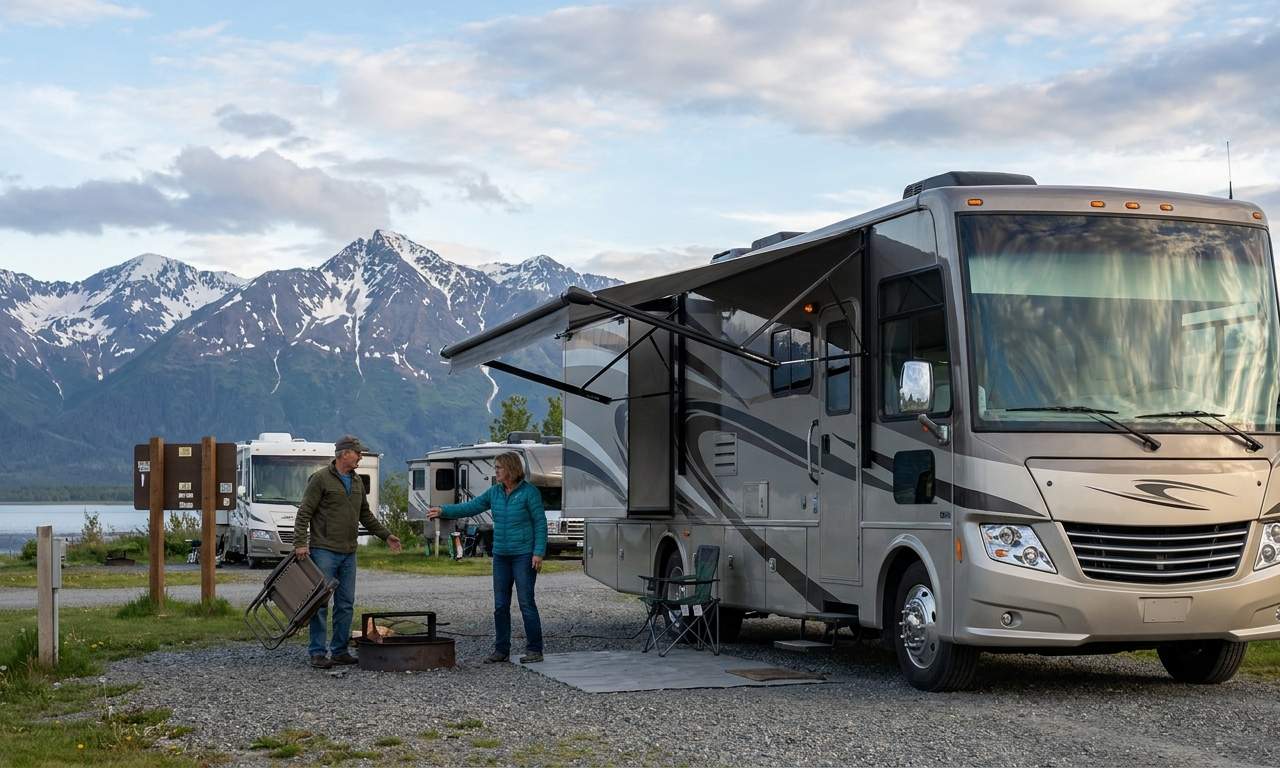 In Alaska, a standard Class D driver's license (or an equivalent out-of-state license) is perfectly sufficient to operate most rented luxury RVs, provided their gross vehicle weight rating (GVWR) remains under 26,001 pounds. The vast majority of Class B campervans, Class C motorhomes, and even many Class A motorhomes available for rental in Anchorage fall comfortably below this weight threshold, meaning a Commercial Driver's License (CDL) is simply not required. Most RV rental companies in Anchorage stipulate that drivers must be at least 21 years old and possess a valid driver's license held for a minimum of one year. For international visitors, an International Driving Permit (IDP) is recommended for non-English licenses to ensure smooth processing and understanding, though it is not mandatory in all cases. This clarity in licensing helps you focus on the excitement of your upcoming adventure.
🎬 Video coming soon
Road Conditions & Terrain in Anchorage
Road conditions in and around Anchorage are generally well-maintained, ensuring a comfortable journey for your luxury RV rental. However, travelers should remain vigilant for potential frost heaves, especially during spring and early summer, which can create uneven surfaces and require slower speeds. The diverse Alaskan terrain gracefully transitions from relatively flat urban and coastal areas to stunning rolling hills and majestic mountainous regions as you venture outside the city towards iconic destinations like Turnagain Arm or Hatcher Pass. Luxury RVs, including models like the "24' Class C Motorhome" with its robust build, handle most paved Alaskan roads with ease, but accessing remote trailheads or secluded campsites often involves unpaved roads. On these gravel sections, increasing caution and reducing speed is always a good practice. Remember, slow, scenic driving is not just recommended for safety, but also encouraged to fully appreciate Alaska's breathtaking landscapes and to safely navigate winding roads and potential wildlife crossings.RV Size Limits, Bridges & Restricted Zones
Anchorage is remarkably RV-friendly, with no widespread RV size limits, low bridges, or environmental zones that typically restrict motorhome travel, allowing most luxury RVs to navigate freely throughout the area. When driving your rented motorhome, always pay close attention to local signage, particularly for parking garages in downtown areas, which will inevitably have height restrictions not suitable for larger RVs. Lengthier luxury RVs, such as Class A models averaging 9.1 meters, may simply require more careful maneuvering and advanced planning for parking spaces, especially in tighter urban areas or smaller campground loops. For those considering broader exploration, while ferry travel is a quintessential Alaskan experience via the Alaska Marine Highway System, it's crucial to always check the specific length, width, and height requirements, along with associated costs, for your chosen RV model before booking.Fuel: Diesel vs. Petrol & Cost per 100 km
Fuel availability in Anchorage is generally good for both petrol (gasoline) and diesel, though you might find diesel stations less frequent in very remote parts of Alaska. Many luxury RVs, particularly larger Class A and Class C models, often run on petrol, while some heavy-duty units like certain Class C - Alcove motorhomes can be diesel-powered. For Bandana's Class C - Alcove fleet, a typical "rv rentals example Comfort Class" model, fuel consumption can range from 23-30 liters per 100 km, while more agile options like a "Truck Camper" average a more efficient 13-19.5 liters per 100 km. The average cost per 100 km will fluctuate significantly based on current fuel prices, which are generally higher in Alaska compared to the national average. It's wise to budget accordingly for these ancillary trip costs. For comprehensive route planning and expense tracking, including fuel, tolls, and campground fees, remember that RV PLANET routes allow you to itemize and track every expense for easy budgeting.Tolls, Vignettes & Border Rules
Alaska simplifies RV travel by not imposing any state-wide tolls or vignettes on its roadways, which is great news for your luxury RV rental adventure within the state. This means you won't encounter unexpected fees for simply driving on main highways or scenic byways around Anchorage. However, if your journey plans extend beyond Alaska's borders, particularly into Canada, you'll need to adhere to Canadian border crossing regulations. This includes having proper identification, vehicle registration, and potentially specific insurance documentation for your rented motorhome. While there are no tolls within Alaska itself, understanding international border crossing procedures and potential insurance requirements is crucial for cross-border itineraries.Driving Tips for luxury rv rental Travelers
Driving a luxury RV in Alaska is an incredible experience, but a few key tips will make your journey from Anchorage even smoother. Firstly, always maintain acute wildlife awareness: be vigilant for moose, bears, and caribou, particularly at dawn, dusk, and along roadsides, and remember to always keep a safe distance and never feed them. Secondly, embrace slow travel by pacing your journey; plan for frequent stops every 2-3 hours to stretch, soak in the magnificent scenery, and allow everyone, especially families in spacious luxury RVs, to relax. Before departing Anchorage, always check current road conditions and weather forecasts, as conditions in Alaska can change rapidly, particularly outside the city. Fuel management is critical due to potentially long stretches between services; aim to keep your fuel tank at least half full when exploring beyond Anchorage's immediate vicinity. For parking, utilize designated RV parking areas found at many attractions, campgrounds, and some urban lots, as larger luxury RVs naturally require more space. Consider scouting ahead or using satellite views for tighter spots in downtown Anchorage. Finally, understand that cell service can be spotty outside major population centers, so for emergencies in remote areas, consider carrying a satellite communication device. Our "RV Travel Guide to Anchorage - Tips and Top Spots 2026" offers more detailed advice.Recommended RV Class for Anchorage Roads
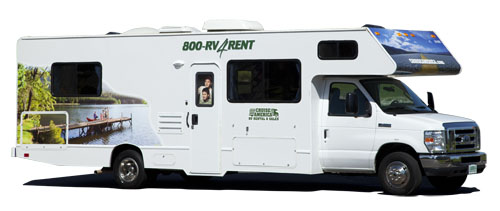
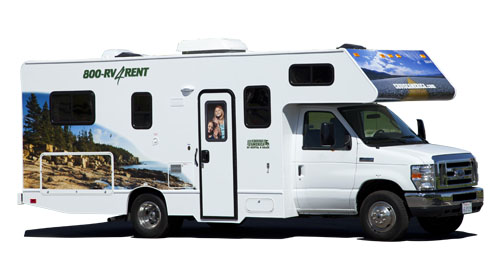
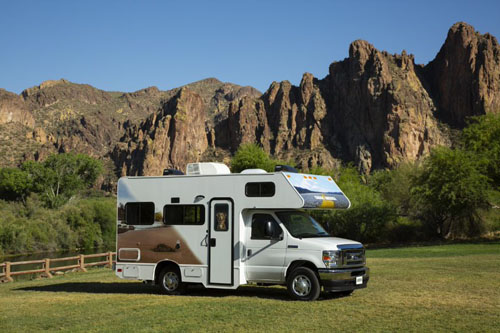
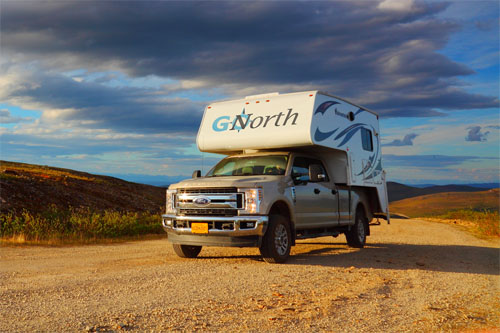
For exploring Anchorage and its breathtaking surrounding areas with comfort and confidence, the Class C - Alcove and Class TC - Truck Camper models from Bandana RV's fleet are highly recommended options. Class C - Alcove motorhomes, often averaging 7.8 meters in length and designed to sleep around 5-6 people, provide generous living space, private bathrooms, and full kitchens, making them ideal for families. A "24' Class C Motorhome" for example, has 166 liters of fresh water and a 208 liter fuel tank, ensuring self-sufficiency. These motorhomes are manageable on Alaskan roads while delivering all the amenities of a true luxury experience. Alternatively, Class TC - Truck Campers, typically around 6 meters in length, such as the "Truck Camper Slide-Dinette", offer excellent ground clearance and impressive versatility, making them perfect for accessing more rugged terrain or remote trailheads around Anchorage. While larger Class A - Integrated RVs, averaging 9.1 meters like a "Class A - Thor ACE 30", are perfectly suitable for main highways, their size might be less convenient for navigating tighter parking lots or some smaller local roads. Ultimately, the best choice depends on your preference for space versus agility, but both recommended classes are exceptionally well-suited for a luxurious RV adventure near Anchorage.Should I Choose a Compact Van Instead of a Large RV in Anchorage?
For most travelers seeking a luxury RV rental experience in Anchorage, choosing a larger motorhome over a compact campervan presents no significant driving challenges, as the main roads and infrastructure are generally wide and accommodating to all vehicle sizes. The primary advantage of a larger RV, such as a spacious Class C - Alcove or even a Class A - Integrated, is the enhanced comfort, generous living areas, dedicated private bathrooms, and full kitchens, which collectively elevate the luxury travel experience for families and groups. For example, a "rv rentals example Comfort Class" typically offers ample room and amenities. While compact vans, like Bandana's Class B - Camper Vans (e.g., "2 Berth Hi Top" campervan), do offer slightly greater maneuverability and easier parking in very tight urban spaces or small, crowded lots, these situations are rare in Anchorage's generally open urban layout. The trade-off for a compact van is typically less indoor living space and fewer amenities, which can make extended road trips or travel with families feel more confined. Unless your itinerary specifically targets navigating extremely narrow historic centers or very challenging mountain passes (which are uncommon around Anchorage), the added comfort and luxury of a larger RV often significantly outweigh the minor maneuverability benefits of a compact van.Can I Park Anywhere? Free & Wild Camping Rules in Anchorage
In Anchorage, free or 'wild camping' is generally restricted within city limits and on private property without explicit permission from the owner, adhering to standard practices across the United States. To avoid legal issues, always respect local regulations and signage. Dispersed camping (a form of wild camping) may be permitted on some federal lands, such as National Forests or Bureau of Land Management (BLM) lands, located outside of Anchorage. If you choose this option, it's crucial to adhere strictly to Leave No Trace principles and verify specific local regulations before setting up camp. For safe and legal overnight parking in your luxury RV rental, prioritize designated campgrounds, RV parks, and some private businesses (like certain Walmart locations, with prior permission) that cater specifically to RV travelers. These locations often provide essential amenities like electrical hookups, fresh water refills, and convenient dump stations. For finding campsites and campgrounds during your trip, we recommend using RV PLANET (rvplan.net) - a great resource for locating available spots along your route. You'll find a spot; if not at the first campground, then the next one, but it's always wise to call ahead before driving.Can I Drive an RV Into the City Center? Heights, Tunnels & Local Signage
Yes, you can generally drive a luxury RV into the city center of Anchorage without major issues, as the city is notably RV-friendly with wider streets compared to many older urban areas across the globe. When navigating downtown Anchorage, drivers should pay close attention to local signage, particularly for height limits on parking garages and any overhead structures, as larger RVs will not fit into most multi-story garages found near popular spots like the 5th Avenue Mall. Anchorage does not feature extensive tunnels or significant low bridges in its central core that typically restrict RV access, but always be aware of posted clearances. Finding suitable parking for larger RVs in downtown Anchorage may require utilizing designated oversized vehicle lots or finding street parking a few blocks further from the immediate core, perhaps near the Tony Knowles Coastal Trail or the Delaney Park Strip. Crucially, environmental zones are not a feature of Anchorage's city center, meaning your RV rental is not restricted based on emissions standards, offering a hassle-free urban experience.Do you need a CDL to drive a luxury RV?
A Commercial Driver's License (CDL) is generally not required to drive most luxury RVs for personal use, including rentals, in Anchorage or anywhere else in the United States, as long as the vehicle's Gross Vehicle Weight Rating (GVWR) is below 26,001 pounds. The vast majority of Class B campervans, Class C alcove models, and even many Class A luxury motorhomes fall under this weight limit, meaning a standard Class D driver's license is entirely sufficient. CDLs are primarily designated for operating commercial vehicles, buses, or vehicles designed to transport hazardous materials, or for very large RVs exceeding the 26,001-pound threshold, which are rarely found in standard rental fleets. Always confirm the specific GVWR of your rented luxury RV and, if you have any concerns about vehicle weight, consult local Department of Motor Vehicles (DMV) regulations.Does an RV need a special license?
An RV typically does not require a special license beyond a standard Class D driver's license in most U.S. states, including Alaska, provided its Gross Vehicle Weight Rating (GVWR) is under 26,001 pounds. While a few states have specific non-commercial Class B or Class A licenses for very large RVs or heavy towing combinations, Alaska does not impose such endorsements for personal RV use when the vehicle is under the 26,001-pound limit. This means most luxury Class B camper vans, Class C alcove models, like a "Paradise Family 5" motorhome, and even many Class A integrated motorhomes can be driven with a regular license. Always verify the licensing requirements for the specific RV you intend to rent and cross-reference them with your state of residence, though typical luxury RV rentals in Anchorage will only require a standard license.Who insures expensive motorhomes?
Expensive motorhomes, especially luxury RV rentals in Anchorage, are insured through a combination of providers: specialized RV insurance companies, major national insurance firms with dedicated RV divisions, or most commonly, via the rental company's included or supplemental coverage. For rental luxury RVs, the rental company will typically provide basic liability insurance as part of the rental agreement, offering renters the option to purchase additional collision and comprehensive coverage for greater peace of mind. Renters may also be able to extend coverage from their personal auto insurance policy or benefits provided by their credit card, though it is absolutely crucial to confirm that these policies specifically cover RV rentals in Alaska. We even offer the option to upgrade to a top-level deductible reimbursement for extra peace of mind. For owned expensive motorhomes, companies such as Progressive, National General, Geico, and Foremost are well-known providers offering comprehensive policies tailored specifically to RVs, covering aspects like total loss replacement, personal effects, and roadside assistance.How can I lower my RV insurance premium?
To lower an RV insurance premium, whether it's for a rental add-on or an owned vehicle, several strategic approaches can significantly reduce costs. For rentals in Anchorage, one effective method is choosing higher deductibles for supplemental collision/comprehensive coverage, which can reduce the upfront premium cost. For owned luxury motorhomes, other options include maintaining a clean driving record, installing anti-theft devices, and actively seeking discounts for bundling multiple policies (e.g., home and auto) with the same insurer. Taking an RV-specific driving safety course can also demonstrate responsible driving habits to insurers and potentially qualify you for additional discounts on owned RV policies. Furthermore, inquiring about discounts for low annual mileage, seasonal usage, or membership in an RV club can further reduce premiums for both rented and owned luxury RVs, offering "RV Rental Deals in Anchorage - Latest Offers 2026".What You Shouldn't Miss
Alaska offers an extraordinary backdrop for your rented motorhome adventure, with Anchorage serving as a perfect launchpad for exploration. Here are some must-do experiences:- Flightseeing over Denali: Experience Alaska's highest peak, Denali (6,190 meters), from a breathtaking aerial perspective. Various tour operators near Merrill Field Airport (PANC) offer RV-friendly parking for easy access.
- Explore Chugach State Park: Drive your rented RV to stunning campgrounds like Eagle River Campground or Eklutna Lake Campground. These spots, just minutes from downtown Anchorage, offer direct access to incredible hiking trails and spectacular Alaskan views, allowing you to immerse yourself in the wilderness.
- Visit the Alaska Native Heritage Center: Discover Alaska's 11 major Native culture groups through engaging presentations, traditional dances, and authentic native dwellings. The center provides ample RV parking, making it an accessible and enriching cultural stop.
- Drive the Turnagain Arm Scenic Byway: This iconic 80-kilometer stretch from Anchorage offers breathtaking views of mountains, glaciers, and potentially beluga whales during summer months. Be sure to look out for the fascinating bore tide phenomenon.
- Stroll along the Tony Knowles Coastal Trail: This accessible 17.7-kilometer paved trail starts in downtown Anchorage and offers panoramic views of Cook Inlet and the majestic Alaska Range. Convenient parking for your RV is available at Westchester Lagoon, making it easy to enjoy a leisurely walk or bike ride.
- Indulge in Fresh Alaskan Seafood: Many local restaurants in downtown Anchorage, such as Simon & Seafort's or Glacier Brewhouse, offer fresh, delectable salmon and king crab. While large RV parking directly in the bustling core can be challenging, designated oversized vehicle lots or street parking a few blocks away (e.g., near 3rd or 4th Avenue) are usually available.
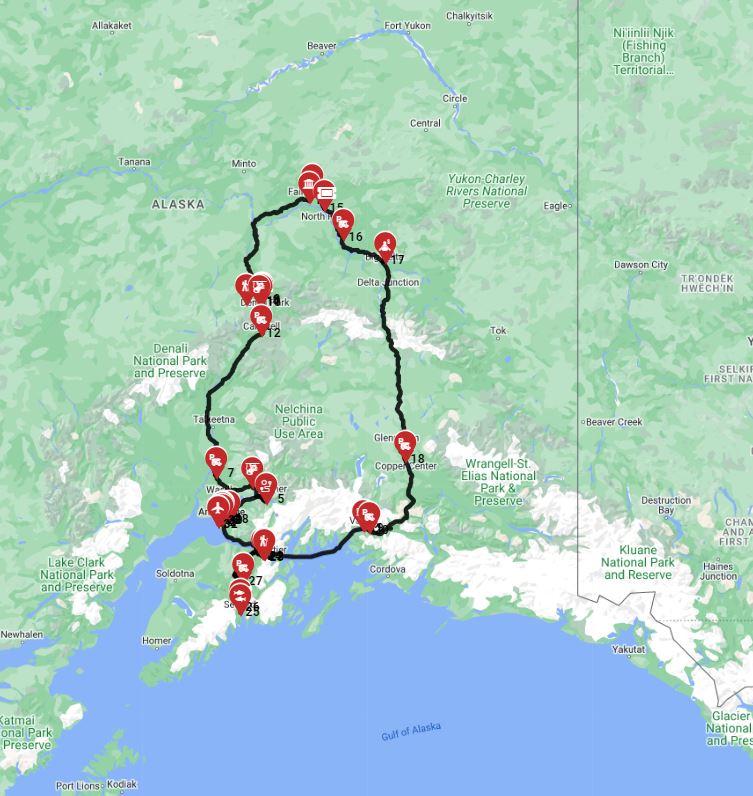
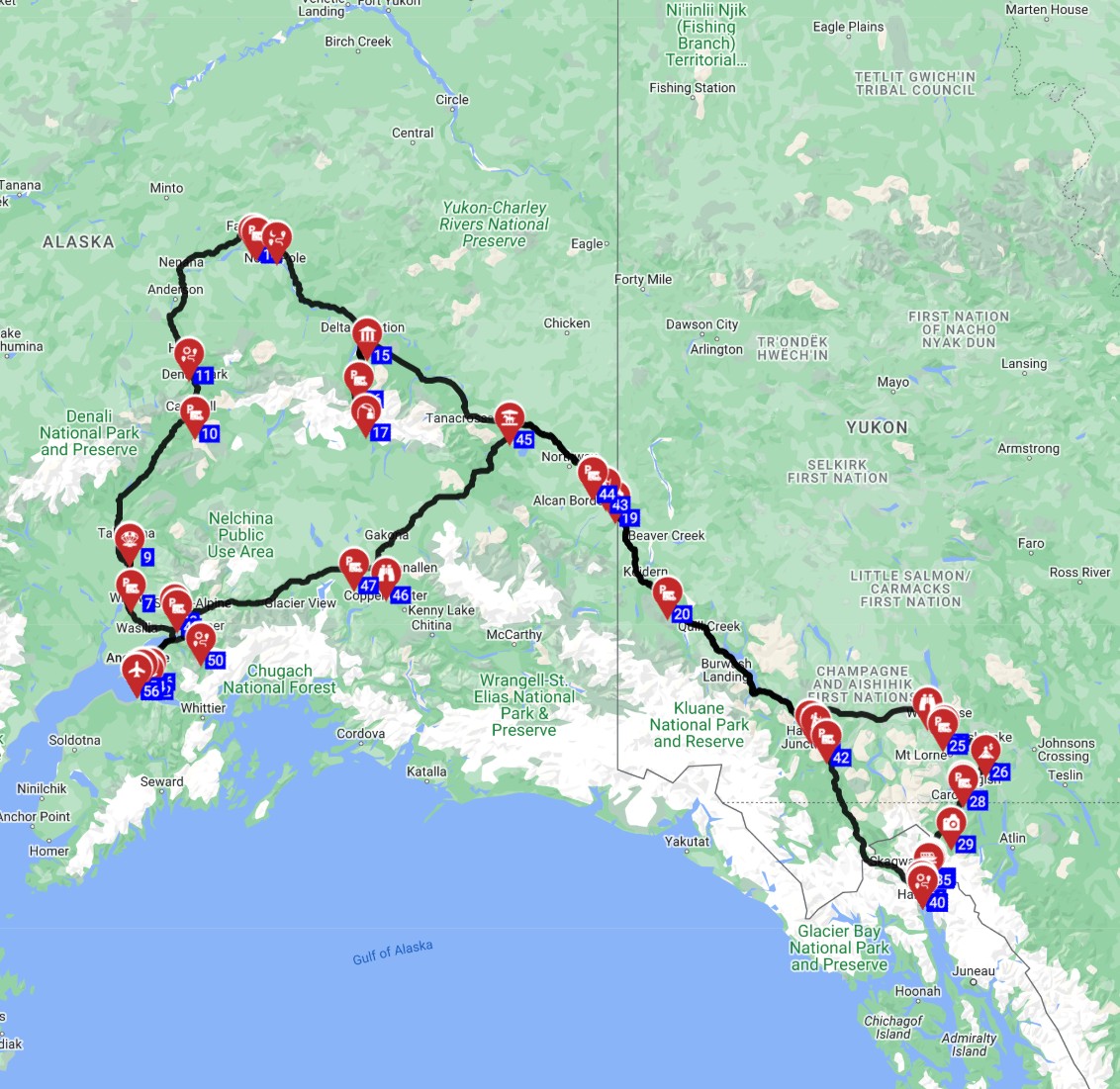
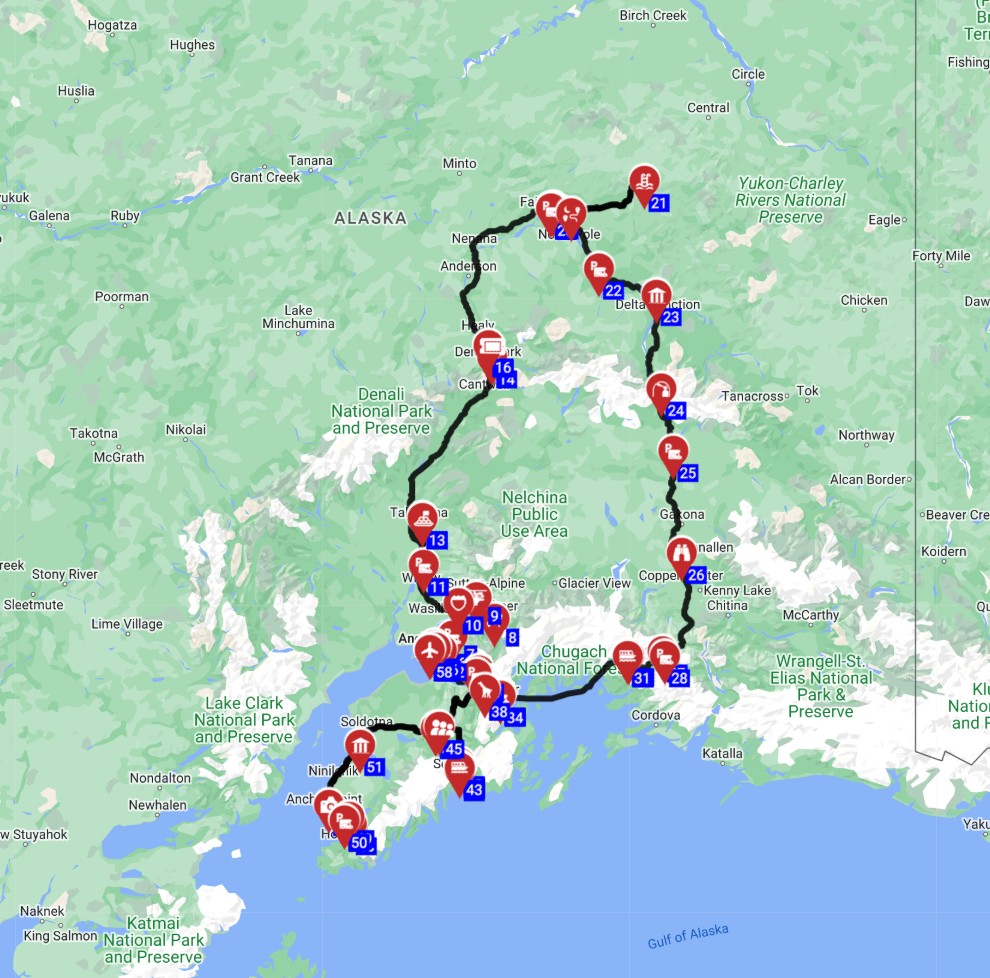
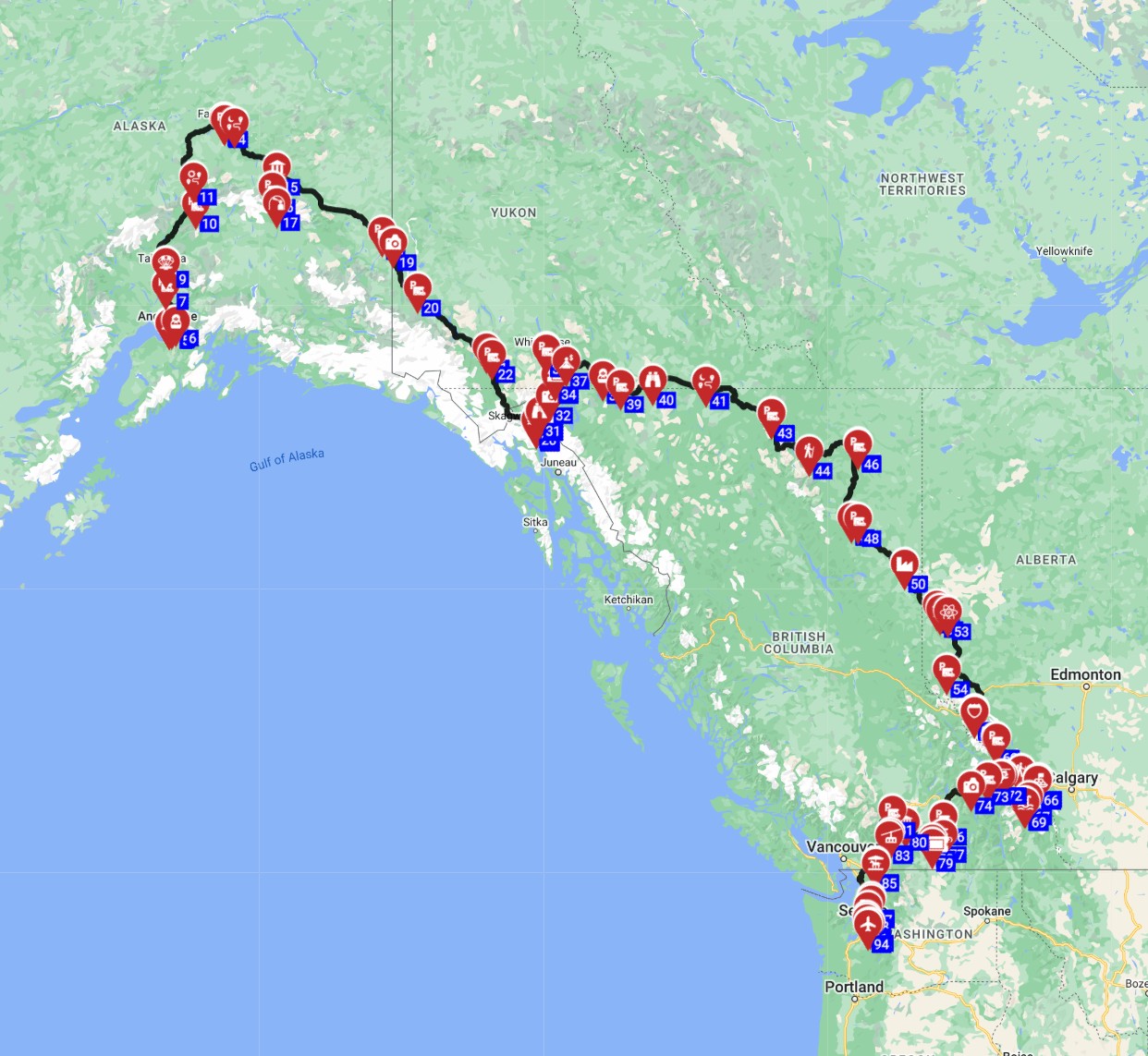
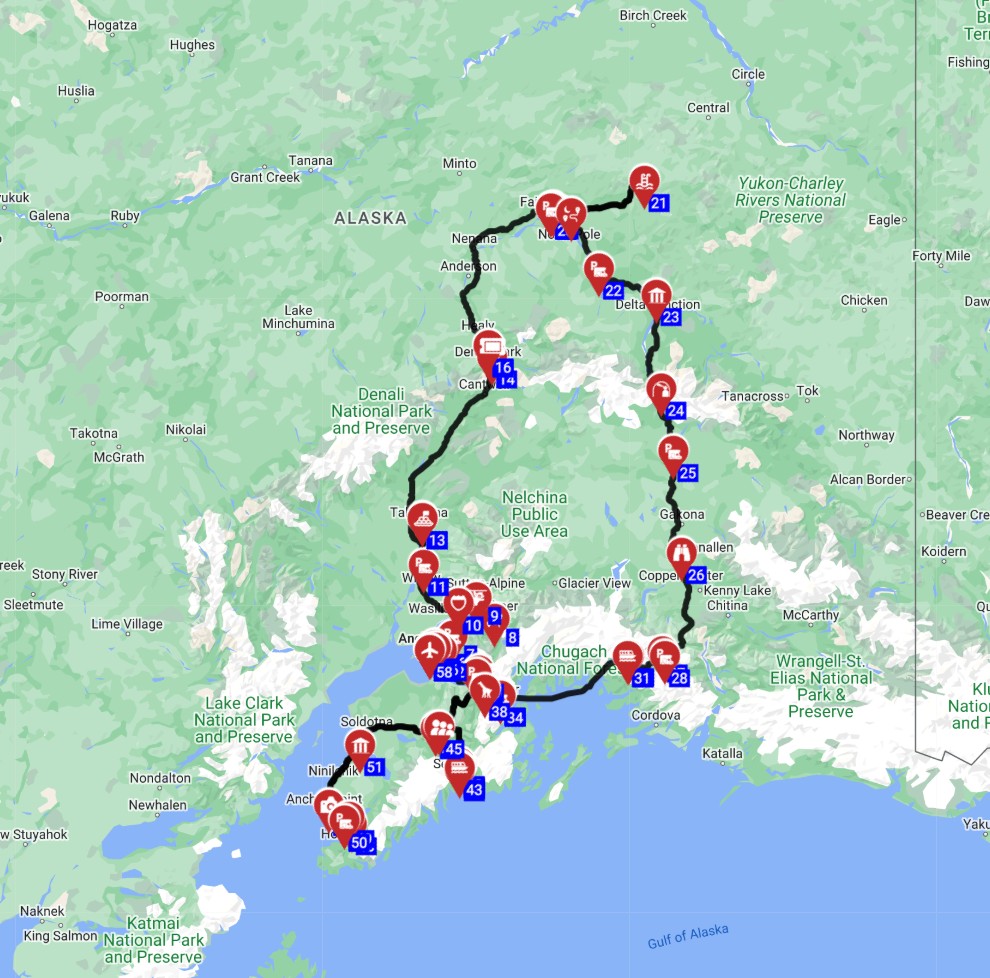
This comprehensive "
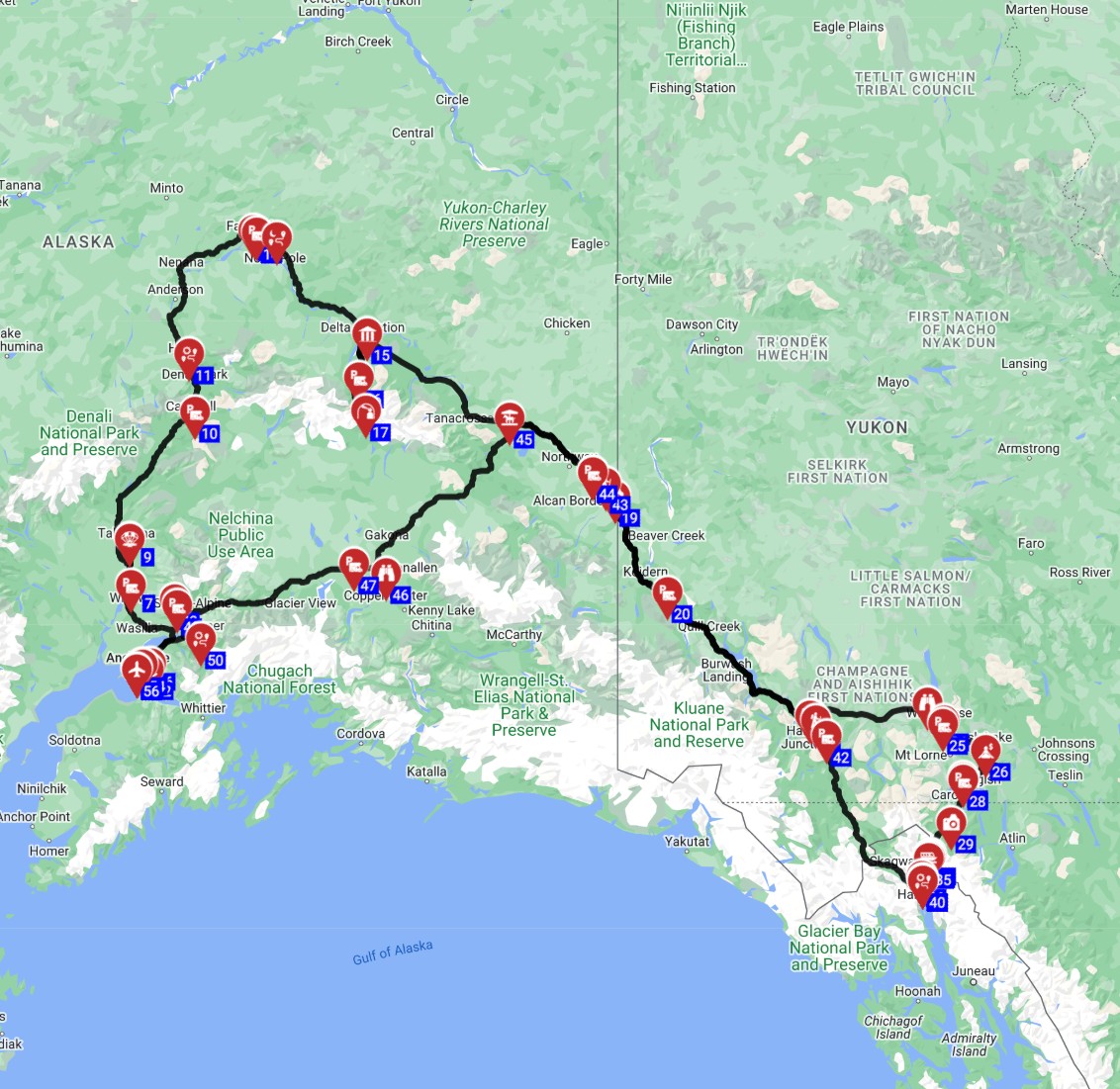
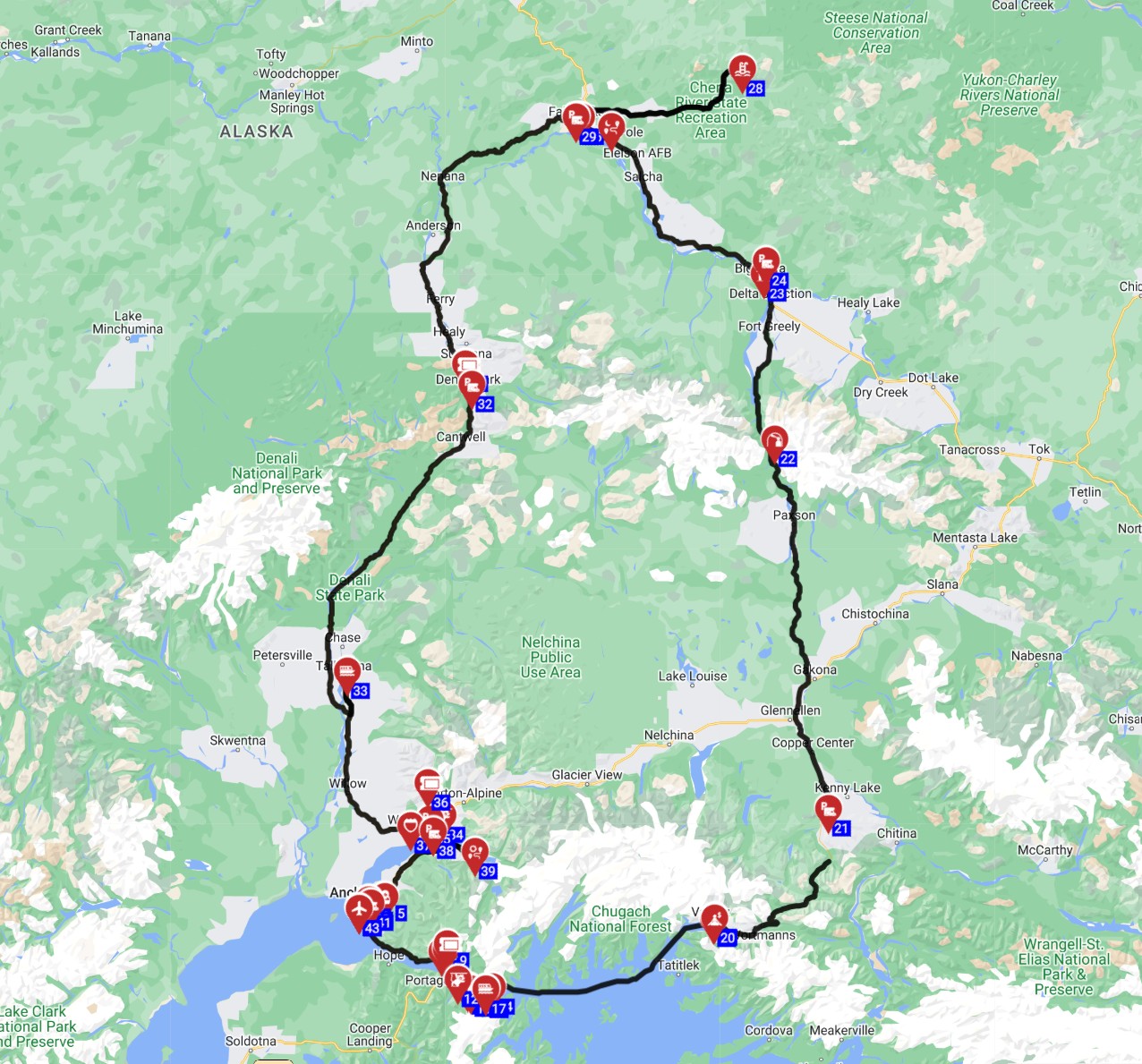
For a shorter but equally immersive experience, the "
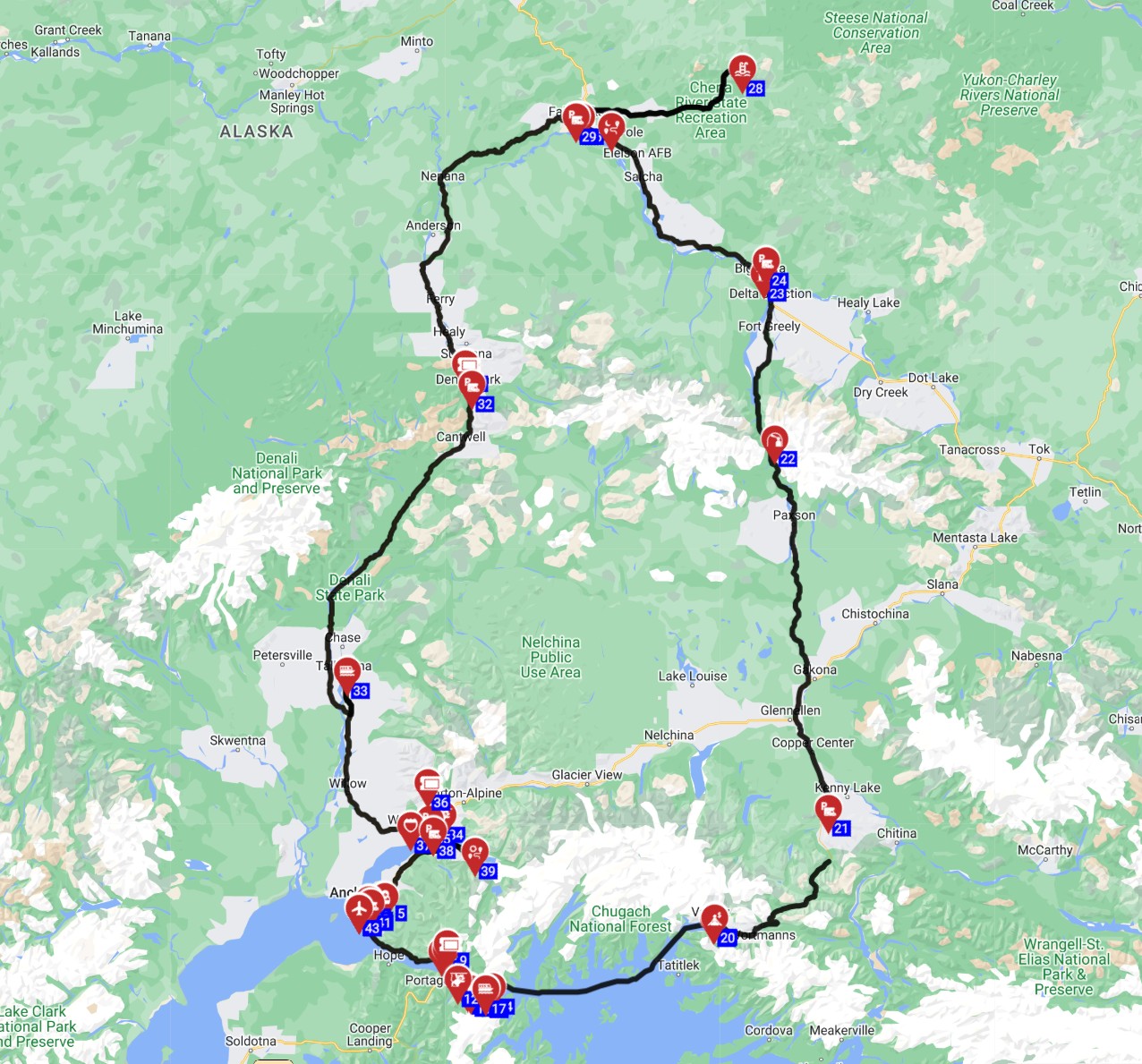
Finally, the "
Final Thoughts
Driving a luxury RV in Anchorage, Alaska, is an extraordinary way to experience the Last Frontier, offering both the comforts of home and the thrill of discovery. From navigating city streets with care to exploring vast wilderness areas, your first RV journey here will be filled with memorable moments. Remember to drive slowly and carefully, paying attention to local conditions and wildlife, and you'll find that Anchorage is incredibly welcoming to RV travelers. At Bandana RV, we're dedicated to making your luxury RV rental experience in Anchorage as seamless and enjoyable as possible. With our transparent pricing, reliable support, and expert planning resources like RV PLANET, you have everything you need for an unforgettable adventure. Get inspired for your next trip and plan a journey of a lifetime with confidence! Find Motorhome Rentals in AnchorageFor ideas you can prep on the road, watch our RV-friendly recipes playlist on YouTube.
On the routes offered through RV PLANET routes, you can itemize and track every expense along the way for easy budgeting.