In This Guide
- Can You Drive an RV in Africa? License & Age Rules
- Road Conditions & Terrain in Africa
- RV Size Limits, Bridges & Restricted Zones
- Fuel: Diesel vs. Petrol & Cost per 100 km
- Tolls, Vignettes & Border Rules
- Driving Tips for RV Rental Beginners Travelers
- Recommended RV Class for Africa Roads
- Should I Choose a Compact Van Instead of a Large RV in Africa?
- Can I Park Anywhere? Free & Wild Camping Rules in Africa
- Can I Drive an RV Into the City Center? Heights, Tunnels & Local Signage
- What is the 3-3-3 rule for RV?
- Can you rent a car in South Africa with a US driver's license?
- Do you need a special license to rent and drive an RV?
- What is the 333 rule for campervan?
- Which countries are RV friendly?
- Is it safe to rent a car in Africa?
- Can I rent an RV to drive across country?
- Can I drive to Africa from the US?
- What kind of license do I need to rent an RV?
- Can I rent a car in South Africa with a US license?
- What You Shouldn't Miss
- Why Book with Bandana Caravan
- Final Thoughts
- Frequently Asked Questions
Embarking on a motorhome rental adventure across Africa is an experience that promises unparalleled freedom, breathtaking landscapes, and unforgettable wildlife encounters. For first-time RV drivers in Africa, careful planning and a good understanding of local conditions are key to a smooth and enjoyable trip. With Bandana RV, you’re never alone in this journey; we provide full transparency and support to help you navigate every step, from pre-booking comparisons to post-booking coordination. For live availability and current prices, start with our RV Rental Africa - Complete Guide 2026 guide.
Can You Drive an RV in Africa? License & Age Rules
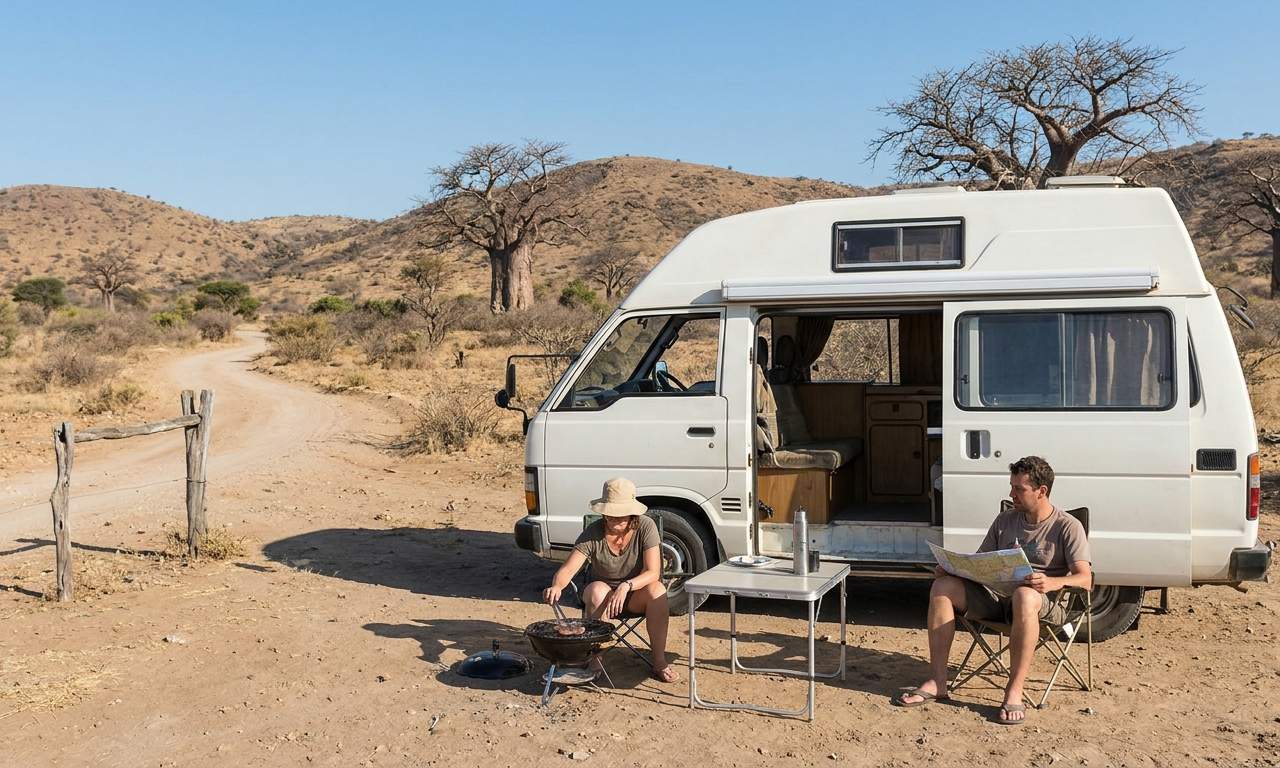
Yes, you can absolutely drive a rented RV in Africa, and it's an incredible way to explore the continent's diverse beauty. To drive most rental RVs in Africa, typically those with a Gross Vehicle Mass (GVM) under 3,500 kg (7,700 lbs), a standard national driver's license, like a Class B or Code B in South Africa, is usually sufficient. Foreign drivers, especially those with licenses not in English or a local official language, are strongly advised and often required to carry an International Driving Permit (IDP) alongside their valid national license. The minimum driver age for RV rentals in Africa is typically 21 years old, with no young driver surcharges or vehicle class restrictions based on age, making it accessible for many adventurers. Ensure your national license is valid for the entire rental period and confirm specific requirements with your RV rental provider and the respective African countries you plan to visit, as rules can vary.
Road Conditions & Terrain in Africa
Africa's road conditions are highly diverse; while major routes in countries like South Africa and Namibia are often well-maintained tarred roads, secondary and rural roads can be gravel, dirt, or even sandy tracks. RV rental beginners should anticipate varying terrain, from flat plains to mountainous regions, requiring cautious driving, especially on unpaved surfaces where good ground clearance is beneficial. Driving slowly and deliberately is essential, allowing time to react to unexpected potholes, wildlife, pedestrians, and livestock common on African roads. Certain national parks and remote areas may require 4x4 vehicles, so confirm road suitability for your chosen RV and itinerary, particularly if venturing off main routes. Travel slowly, aiming for a maximum of 100-150 km per day on average, to truly immerse yourself in the scenery and local culture.
RV Size Limits, Bridges & Restricted Zones
Most standard rental motorhomes will not encounter significant height or weight restrictions on Africa's main arterial roads and highways, which are generally built to accommodate larger vehicles. However, caution is advised in smaller towns, rural areas, or specific national park entrances where narrower roads, low-hanging tree branches, or smaller bridges might exist; always observe local signage. Environmental zones or restricted access areas, particularly in sensitive conservation areas, may have specific vehicle size or type limitations, requiring prior research and permits. While less common for multi-country travel, if planning to use local ferries for river crossings (e.g., Okavango Delta region), verify any length or weight restrictions in advance to avoid surprises. We believe in full transparency, meaning no hidden fees and no surprises throughout your booking process with us.
Fuel: Diesel vs. Petrol & Cost per 100 km
The vast majority of rented RVs available in Africa operate on diesel, which is generally widely available at fuel stations across main routes and in most towns. Bandana's global fleet averages for semi-integrated and alcove motorhomes typically show a fuel consumption of 10-12 Liters/100 km, while camper vans might average 8-10 Liters/100 km. Fuel costs in Africa vary significantly by country and fluctuate with global oil prices; always budget adequately and monitor your fuel gauge, especially when traveling in remote areas where stations can be sparse. On RV PLANET routes, travelers can itemize and track every expense along the way for easy budgeting, ensuring you’re prepared for ancillary costs like fuel. Some motorhome rental providers may offer fuel discount cards or specific instructions on fuel types, which can help manage costs over longer journeys. On the routes offered through RV PLANET routes, you can itemize and track every expense along the way for easy budgeting.
Tolls, Vignettes & Border Rules
Tolls are common on major highways in some parts of Africa, particularly in South Africa, where some are electronic (e-Tolls) while others accept cash or card payments at plazas. Vignettes, common in parts of Europe, are not a standard system for road usage in most African countries; instead, specific route tolls apply. Multi-country travel in a rented RV requires meticulous planning for border crossings, including obtaining necessary vehicle permits, proof of ownership or rental permission, and possibly separate insurance policies for each country. Always allow ample time at border posts, as procedures can be lengthy, and ensure all passport, visa, and vehicle documentation is in order to avoid delays or fines. Our 24/7 support means real people are behind you before, during, and after your booking, ready to assist with such crucial coordination.
Driving Tips for RV Rental Beginners Travelers
For RV rental beginners embarking on an African adventure, prioritizing safety is paramount; avoid driving at night due to poor visibility, presence of pedestrians, livestock, and potential road hazards, and plan your routes to arrive at your campsite before sunset. Pace yourself by adopting the '3-3-3 rule,' which recommends driving no more than 300 miles a day, arriving at your destination by 3 PM, and staying at least 3 nights in one location, promoting a more relaxed and enjoyable trip. Be prepared for anything by carrying extra water, fuel (if venturing into remote areas), a spare tire, basic tools, and a reliable navigation system; satellite phones are advisable for very remote trips. Practice cultural etiquette by being respectful of local communities, slowing down in villages, and being mindful of local customs, which can significantly enrich your travel experience. Stay informed by keeping updated on local news and travel advisories, and have emergency contacts readily available, including your rental company and local authorities.
🎬 Video coming soon
Recommended RV Class for Africa Roads
For RV rental beginners in Africa seeking a balance of comfort and capability, a Class SI (Semi-integrated) or Class C (Alcove) motorhome is generally recommended. Class SI vehicles, with Bandana's fleet averaging 6.9 meters in length and offering around 3.8 sleeping places (e.g., the "Luxury Small" model with a double bed at 110/200cm), provide good maneuverability while ensuring comfortable living space. Class C (Alcove) RVs, typically averaging 7.5 meters in length and accommodating up to 5.8 sleeping places (like the "4 Berth Derwent" with three double beds), offer more interior space and headroom, which is beneficial for longer trips. These classes generally provide sufficient ground clearance for well-maintained main roads and some graded gravel roads, suitable for most popular tourist routes in Southern and East Africa. For an unforgettable family adventure, consider a spacious option like a Jayco Excursion, designed for larger groups.
Should I Choose a Compact Van Instead of a Large RV in Africa?
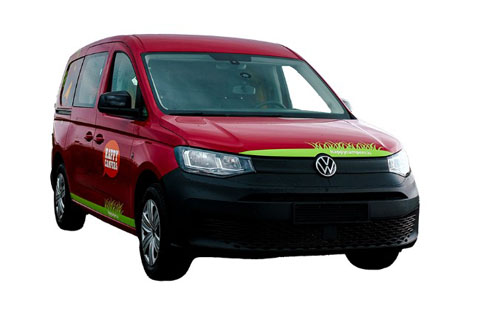
While a compact campervan (Class B) offers greater agility and is easier to navigate through bustling city centers or tighter parking spots, a larger RV often provides superior comfort and self-sufficiency for African road trips. For beginners, the added space, larger water and waste tanks (like the 167-liter fresh water tank in a "C-MEDIUM PLUS" motorhome), and more robust construction of a Class SI (Semi-integrated) or Class C (Alcove) RV often outweigh the maneuverability benefits of a compact van. Larger RVs generally offer more comfortable sleeping arrangements, better storage for luggage and supplies, and more amenities such as a three-burner gas stove for cooking on board from our RV-friendly recipes playlist, which are valuable for extended periods in potentially remote areas. Consider a compact van (Bandana's fleet averages 5.8 meters in length, for example, the "Active Original" campervan) if your itinerary primarily involves urban exploration, shorter trips, or if you prefer a more nimble vehicle for specific mountain passes or narrow tracks, though these are less common as primary RV routes in Africa.
Can I Park Anywhere? Free & Wild Camping Rules in Africa
Wild camping, which means free camping outside designated sites, is generally discouraged and often illegal in most parts of Africa, particularly within national parks, private game reserves, and populated areas. Designated campsites, which range from basic park facilities to luxury private resorts, are widely available across RV-friendly countries like South Africa and Namibia, offering essential amenities and enhanced security. When traveling through areas like Southern Africa, always aim to stay in established campsites for safety reasons, access to facilities, and to minimize environmental impact. Rules vary by region; always check local regulations and follow local law before parking overnight, especially near protected areas or private land. With Bandana RV, we help you plan effectively, ensuring you have all the information needed for secure and compliant stops.
Can I Drive an RV Into the City Center? Heights, Tunnels & Local Signage
Yes, you can generally drive a rented RV into most city centers in Africa, though navigating can be challenging due to traffic congestion, narrow streets, and limited parking. Drive slowly and carefully, and you can drive almost anywhere without issues. No need to stress - just use common sense and pay attention. Always pay close attention to local signage for height limits (especially for underground parking garages, which are often too low for RVs), tunnel restrictions, and any environmental zones. Most African city infrastructure accommodates standard vehicle sizes, but specific historical districts or older parts of cities might have tighter clearances. For convenience, consider parking your RV on the outskirts of major cities at a secure location or campsite and using public transport or ride-sharing services to explore the city center.
What is the 3-3-3 rule for RV?
The 3-3-3 rule is a popular guideline for RV travel, particularly beneficial for beginners, recommending driving no more than 300 miles (approximately 480 km) a day, arriving at your destination by 3 PM, and staying at least 3 nights in one location. This rule promotes a more relaxed and enjoyable pace, allowing ample time for unexpected stops, scenic detours, campsite setup, and experiencing each location fully, which is especially pertinent for African adventures. Adhering to the 3-3-3 rule helps reduce driver fatigue, minimizes the stress of rushing, and ensures you're not driving in unfamiliar areas after dark, which is a crucial safety consideration in Africa. For African RV trips, adapting this rule can help manage variable road conditions, unexpected wildlife encounters, and allows for flexibility at border crossings or in remote areas, making your week-long or extended road trip more pleasurable.
Can you rent a car in South Africa with a US driver's license?
Yes, a valid US driver's license is generally accepted for renting a car or an RV in South Africa for short-term tourist visits, typically up to 90 days. However, it is highly recommended and often a requirement by rental companies or local traffic authorities to also carry an International Driving Permit (IDP) alongside your valid national license for seamless travel and legal compliance. The IDP translates your license details into multiple languages, which is essential if your national license is not in English, and can prevent misunderstandings with law enforcement. Always confirm specific license requirements with your chosen RV rental company in South Africa prior to your trip to ensure all documentation is in order, as regulations can sometimes change.
Do you need a special license to rent and drive an RV?
No, a special license (like a commercial driver's license) is not required for most rental RVs in Africa. To rent most standard motorhomes and campervans in Africa, which typically have a Gross Vehicle Mass (GVM) under 3,500 kg (7,700 lbs), a standard national driver's license (e.g., a Class B or equivalent) is sufficient. A 'special license' is usually only required for heavier vehicles exceeding 3,500 kg or 7,500 kg, which are rarely offered as standard recreational rental RVs. Foreign drivers should ensure their national license is valid and, as mentioned, carry an International Driving Permit (IDP) to legally operate an RV in most African countries. Always verify the GVM of the specific motorhome you intend to rent and confirm the exact licensing requirements with your rental provider to ensure full compliance for your rented mobile home.
What is the 333 rule for campervan?
The 3-3-3 rule, which advises driving no more than 300 miles (approximately 480 km) a day, arriving by 3 PM, and staying a minimum of 3 nights, applies universally to campervans just as it does to larger RVs. This guideline is especially useful for campervan travelers in Africa, promoting a measured pace that allows time to set up camp, explore local surroundings, and address any unforeseen travel challenges. Following the 3-3-3 rule ensures a more enjoyable and less rushed travel experience, which is crucial for appreciating Africa's diverse landscapes and cultures. Even with a smaller, more nimble campervan (like a "Class B - Camper Van" that averages 5.8 meters in length), adhering to this rule helps prevent fatigue and enhances safety, particularly on unfamiliar roads or in remote regions during your extended road trip.
Which countries are RV friendly?
Southern African countries are highly regarded as RV-friendly destinations, with South Africa, Namibia, and Botswana offering excellent infrastructure, well-maintained campsites, and stunning natural attractions. These countries provide varied landscapes suitable for RV travel, from coastal routes and wine regions in South Africa to the vast deserts of Namibia and the wildlife-rich parks of Botswana. East African nations like Kenya and Tanzania also offer RV opportunities, particularly for those seeking safari adventures, although road conditions can be more challenging and infrastructure less developed in some areas. When planning multi-country RV trips, research border crossing requirements, visa regulations, and ensure your rental company provides all necessary vehicle documentation and cross-border insurance for each destination. RV PLANET (rvplan.net) offers numerous pre-planned routes for these regions, making your trip seamless.
Is it safe to rent a car in Africa?
Renting a car or RV in Africa can be a safe and rewarding experience, especially when sticking to well-traveled tourist routes and observing common-sense safety precautions. Prioritize planning your route, avoiding night driving, securing your vehicle and belongings, and staying informed about local conditions and any travel advisories. Always book through reputable rental companies, ensure comprehensive insurance coverage, and keep emergency contacts readily available, including local police and roadside assistance. You can also upgrade to a top-level deductible for extra peace of mind. Be aware of local driving customs, remain vigilant in urban areas, and secure your rented RV in established, secure campsites; consulting with your rental provider or local tour operators for area-specific safety tips is highly recommended to ensure your rented campervan adventure is worry-free. Bandana is a true RV specialist, not a travel agency side department, meaning our advice is always tailored to RV travelers.
Can I rent an RV to drive across country?
Yes, renting an RV to drive across country within Africa is possible and a popular way to explore multiple nations, particularly within Southern Africa (e.g., South Africa to Namibia or Botswana). Cross-country RV travel requires extensive pre-planning, including obtaining all necessary cross-border permits from the rental company, ensuring your insurance covers all countries, and checking visa requirements for each destination. It's crucial to clarify with your RV rental provider their policies on international travel, as some may restrict certain routes or require specific documentation at borders. Factor in potential delays at border crossings and budget for additional fees, such as temporary import permits or road taxes, which can vary by country. Our 24/7 support team is here to help you coordinate all these details before and after booking.
Can I drive to Africa from the US?
Driving directly from the US to Africa is not physically possible due to the vast oceanic distances between the continents; there are no roads or bridges connecting North America to Africa. To bring a vehicle from the US to Africa, it would need to be shipped via cargo vessel, a process that is complex, time-consuming, and expensive. For RV travel in Africa, the standard approach is to fly into a major city in an RV-friendly country (e.g., Johannesburg, Windhoek) and rent an RV locally from a reputable provider. This method avoids the logistical challenges and costs associated with international vehicle shipping and allows for immediate exploration upon arrival, ensuring a smooth start to your rented motorhome adventure in Africa.
What kind of license do I need to rent an RV?
To rent most standard RVs in Africa, typically those with a Gross Vehicle Mass (GVM) under 3,500 kg, you will need a valid national driver's license that allows you to operate vehicles of that weight class. For international visitors, it is strongly recommended, and often legally required, to also carry an International Driving Permit (IDP) in addition to your domestic license, especially if your license is not in English or a local language. The IDP acts as an official translation of your license, which can be crucial for interactions with rental agencies and local authorities across different African nations. Always confirm the specific license requirements, including minimum age (21 years old) and license validity period, directly with your chosen RV rental company and for each country on your itinerary to ensure a hassle-free rented motorhome experience. There are no young driver surcharges or vehicle class restrictions based on age.
Can I rent a car in South Africa with a US license?
Yes, you can rent a car or a rented RV in South Africa with a valid US driver's license for tourist purposes. However, to ensure full legal compliance and avoid any potential issues with traffic authorities or rental agencies, it is highly advisable to also obtain and carry an International Driving Permit (IDP). The IDP provides a translation of your US license into several languages, which is officially recognized internationally and can simplify bureaucratic processes. It's a good practice to present both your valid US driver's license and your IDP when picking up your rental vehicle and to carry both documents at all times while driving in South Africa, ensuring a smooth and legal journey for your rented camper.
What You Shouldn't Miss
- Safari in Etosha National Park, Namibia: Drive your rented RV through this incredible park, known for its vast salt pan and abundant wildlife, including elephants, lions, and rhinos, often visible from waterholes.
- Garden Route, South Africa: Explore one of the world's most scenic coastal drives with your motorhome, featuring lush forests, charming towns like Knysna and Hermanus, and stunning beaches.
- Victoria Falls, Zambia/Zimbabwe: Witness the awe-inspiring power of one of the Seven Natural Wonders of the World. Park your RV at a nearby campsite and explore the falls from both sides for different perspectives.
- Chobe National Park, Botswana: Famous for its enormous elephant populations, a rented RV allows you to comfortably stay at nearby campsites and enjoy river safaris or game drives at your own pace.
- Cape Peninsula, South Africa: Take a scenic drive from Cape Town, past Chapman's Peak, to the Cape of Good Hope, stopping at picturesque beaches and enjoying the vibrant local culture in your campervan.
Looking for expert insights from Avi Bandana? Top 5 Adventures - recommendations from Avi Bandana
Final Thoughts
Driving a rented RV in Africa is an incredible way to connect with nature, experience diverse cultures, and create lasting memories with family and friends. While it may seem daunting for first-timers, with the right preparation and a supportive partner like Bandana RV, it's an accessible and deeply rewarding adventure. Remember to travel slowly, averaging 100-150 km per day, allowing yourself to truly feel the place, its people, and its magnificent scenery. We're here to support you every step of the way, ensuring your booking is transparent and worry-free, because God is in the small details, and we take care of them.
So, why wait? Imagine yourself waking up to a breathtaking African sunrise, with the day's adventure unfolding before you. Start planning your dream trip today. Discover top destinations, planning tips, all in one place with Bandana RV.
Ready to hit the open road? Compare Motorhome Prices for Africa and find your perfect rented mobile home for an unforgettable journey.