In This Guide
- Where to Camp in West Europe - Top Options
- Campground Types in West Europe (National, Private, Wild)
- Featured RV Park or Campground in West Europe
- Hookups & Amenities - What to Expect
- Booking Windows & Reservations in West Europe
- Nearby Supermarkets & Resupply Points
- Best RV Class for Camping in West Europe
- How to Save on Campgrounds in West Europe
- What is the best type of RV for European roads
- How do I get Wi-Fi in an RV in Europe
- What do I do if my RV breaks down in Europe
- When is the best time to RV in Europe
- Can I bring my dog in an RV to Europe
- How hard is it to drive an RV in Europe
- How do I RV responsibly in Europe
- What are unique cultural experiences for RVers in West Europe
- What are alternatives to traditional campgrounds in West Europe
- What You Shouldn't Miss
- Why Book with Bandana Caravan
- Final Thoughts
- Frequently Asked Questions
Embarking on your first motorhome adventure in West Europe is an incredible way to experience the continent's diverse landscapes and rich cultures at your own pace. With a rented RV, you gain unparalleled freedom to explore everything from the dramatic coastlines of Portugal to the historic cities of Germany. For live availability and current prices, start with our RV Rental West Europe - Complete Guide 2026 guide. Bandana RV has been helping tens of thousands of travelers discover the joy of RVing since 2001, making us true RV specialists who understand the nuances of an unforgettable road trip.
Where to Camp in West Europe - Top Options
West Europe offers diverse camping experiences from the scenic French Alps to the Portuguese coast, with popular regions like the Atlantic coastlines of France and Portugal, the picturesque Rhine Valley in Germany, and the stunning Dolomites in Italy providing excellent destinations. Beginners can confidently explore countries known for their well-developed camping infrastructure, such as France, Germany, and the Netherlands. Consider areas with a rich blend of nature and cultural sites, like Tuscany in Italy for its rolling hills and art cities, or Bavaria in Germany for its alpine scenery and charming villages.
Imagine parking your rented campervan with a view of the sun setting over the Mediterranean, or waking up to the fresh mountain air in the Swiss Alps. France alone boasts over 8,000 campgrounds, offering everything from basic pitches to full-service resorts. Germany's Black Forest provides excellent opportunities for forest camping, while Portugal's Algarve region offers coastal campgrounds with easy beach access. Many of these regions also feature dedicated motorhome aires or Stellplätze, which are specialized parking areas that often provide basic services like water and waste disposal, ideal for short stays and exploring towns. Remember, planning your route slowly, aiming for a maximum of 100-150 km per day on average, allows you to truly connect with the local culture and scenery.
Campground Types in West Europe (National, Private, Wild)
West Europe features a range of campground types, including organized national or regional parks, amenity-rich private facilities, and limited opportunities for wild camping, each with distinct rules and amenities. National and regional park campgrounds often provide basic facilities, a natural setting, and are frequently located near hiking trails or scenic viewpoints, costing an average of €15-€30 per night. Private campgrounds, also known as Camping Villages, are typically amenity-rich, offering pools, restaurants, and entertainment, making them suitable for families and usually costing €25-€50 per night. Wild camping, also known as freedom camping, is largely illegal across West Europe, with a few exceptions or tolerated areas in Scandinavia and some remote parts of Spain and Portugal; always check local regulations to avoid fines that can exceed €100.
For beginners, sticking to official campgrounds and Stellplätze offers the most straightforward and stress-free experience. These sites ensure access to essential services and a secure overnight stay. Many European countries, such as France and Germany, have extensive networks of these dedicated motorhome parking areas, which often include fresh water, grey/black water disposal points, and sometimes electrical hookups, often for a small fee or even free. We encourage travelers to use resources like RV PLANET (rvplan.net) to find and compare these various options along their planned routes, ensuring they have a comfortable and compliant place to stay each night.
Featured RV Park or Campground in West Europe
When selecting an RV park in West Europe, beginners should prioritize locations with excellent accessibility, essential services like water and electricity, and close proximity to cultural sites or natural attractions. For example, Camping Jungfrau in Lauterbrunnen, Switzerland, offers stunning alpine views and full hookups for around €40-€60 per night, with easy access to cable cars and hiking trails. Other top choices include Camping Europa Silvella on Lake Garda, Italy, which provides family-friendly amenities such as swimming pools and restaurants for about €50-€80 per night in peak season. To ensure a comfortable stay, research reviews on platforms like Campercontact or Park4night to confirm the park aligns with your preferences for quiet, family-friendly, or activity-oriented stays. Many campgrounds also offer easy access to public transport for city excursions, minimizing the need to drive and park your rented motorhome in urban centers, which can save on parking fees and stress.
Hookups & Amenities - What to Expect
In West Europe, RV campgrounds typically provide 230V electricity with a two-pin CEE 7/4 (Schuko) or CEE 7/7 plug for hookups, along with fresh water, grey/black water disposal, and often Wi-Fi, laundry, and shower facilities. Electrical hookups generally deliver 6 to 16 amps of power, requiring a specific CEE 7/7 adapter for many RVs; ensure your rental RV is compatible or secure an adapter before your trip. Fresh water taps are widely available at most sites, often requiring your own hose and connector for refills of the 100-150 liter fresh water tanks common in rental motorhomes. Dump stations for grey and black water are standard features, crucial for responsible waste management. While Wi-Fi is common, its speed and reliability can vary significantly between campgrounds, and laundry facilities are often coin-operated at €3-€5 per wash, so plan accordingly. Many RVs, like a Cruise America RV rental example Explorer (with 82 Liter fresh and waste water tanks), come equipped with comfortable living amenities like a refrigerator and gas stove, making it easy to prepare meals on the go. For ideas on what to cook in your RV, check out our RV-friendly recipes playlist. On the routes offered through RV PLANET routes, you can itemize and track every expense along the way for easy budgeting.
Booking Windows & Reservations in West Europe
For RV camping in West Europe, advance booking is recommended for peak season (June-August) or popular national park campgrounds, although spontaneous travelers can frequently find same-day or next-day availability, especially during shoulder seasons (April-May, September-October). Pre-planners should aim to book several months ahead, ideally 3-6 months, for stays between June and August, particularly for sought-after coastal areas, popular lakes, or major attractions like the French Riviera. Many national and state park campgrounds in West Europe only release 25%-30% of their spots for advance reservations, with the remaining 70%-75% available on a first-come, first-served basis, offering flexibility for last-minute trips. Spontaneous travelers are advised to use apps like Campercontact or Park4night to check availability and always call ahead before driving to a campground, particularly if arriving late or during busy periods, to ensure you'll find a spot. If not at the first campground, then the next one. Call ahead before driving, and you'll always find a beautiful spot.
Nearby Supermarkets & Resupply Points
When RVing in West Europe, you can easily find resupply points at major supermarket chains such as Carrefour, Lidl, Aldi, or Super U, which are often conveniently located near towns and main routes. These supermarket chains are widely available across West Europe, offering a full range of groceries, fresh produce, and often in-store bakeries, allowing you to stock up your rental motorhome's refrigerator with ease. Larger hypermarkets may also feature dedicated RV parking spaces, making resupply stops straightforward and stress-free for motorhome travelers. For smaller, unique provisions and an authentic cultural experience, explore local markets in towns and villages, where you can find fresh, regional products and connect with local vendors. Remember, managing ancillary trip costs like groceries is easier with tools that track expenses, such as those found on RV PLANET routes.
Best RV Class for Camping in West Europe
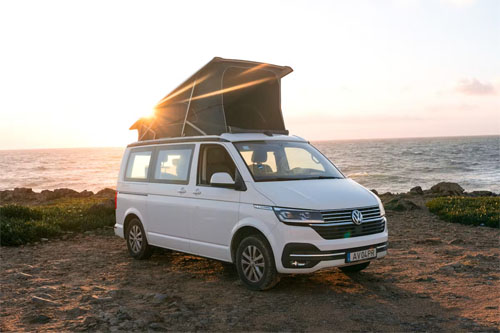
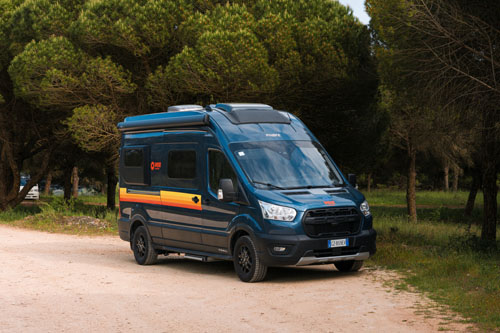
For beginners RVing in West Europe, a Class B Camper Van or a Class SI Semi-integrated model is often ideal due to their superior maneuverability on narrower roads and ease of parking in towns. Bandana's Class B Camper Vans, typically averaging 5.8 meters in length, such as the V2L (5.99m length with 100L fresh water tank), offer excellent agility, making them suitable for navigating historic city centers and smaller rural roads. These campervans typically consume 8-10 Liters/100 km, offering good fuel efficiency. Class SI Semi-integrated RVs, with an average length of 6.9 meters in Bandana's fleet, like the K2D (6.99m length with 115L fresh water tank), strike a good balance between interior comfort and exterior maneuverability, consuming around 10-11 Liters/100 km. These smaller classes are also generally more accommodating to ferry bookings and often face fewer restrictions in urban low-emission zones compared to larger Class A motorhomes, providing a smooth first-time rental experience in West Europe.
How to Save on Campgrounds in West Europe
To save on RV campgrounds in West Europe, utilize discount cards like ACSI or CampingCard International, consider traveling during shoulder seasons, and prioritize municipal or regional campgrounds over more expensive private resorts. Camping discount cards, such as the ACSI card (costing around €19.95 annually) and CampingCard International, offer reduced rates, often in the off-peak and shoulder seasons, at thousands of participating campsites across West Europe, providing savings of up to 50% per night. Booking during shoulder seasons (April-May, September-October) typically results in lower prices, fewer crowds, and pleasant weather conditions, with daily rates often €10-€20 lower than peak summer rates. Opt for municipal or regional campgrounds, which are frequently more affordable than large private resorts that can cost upwards of €50 per night, and always look for weekly rates that can provide significant savings when staying for 3 or more nights. Many RV PLANET routes also highlight budget-friendly camping options, helping you plan a cost-effective week-long trip.
What is the best type of RV for European roads
The best RV types for European roads, especially for beginners, are typically smaller models like Class B Camper Vans or Class SI Semi-integrated RVs due to their improved maneuverability in narrow streets and adherence to various low-emission zone requirements. Compact RVs, such as Class B Camper Vans (averaging 5.8m in Bandana's fleet), are ideal for navigating historic towns, rural roads, and fitting into smaller parking spaces, offering a more agile driving experience. For example, a "V3" campervan, at 6.36m in length, provides sleeping for 2 and offers good fuel consumption of 11-13 Liters/100km. When choosing a rented motorhome, consider vehicle dimensions-height, width, and length-carefully, as many tunnels, bridges, and city streets across West Europe have restrictions, with some historic city gates limiting height to 3 meters. Be aware of Low-Emission Zones (LEZ) in many European cities, which may require specific emission stickers (e.g., Crit'Air in France, Umweltplakette in Germany) or ban older diesel vehicles; newer rental RVs are typically compliant. Drive slowly and carefully, and you can drive almost anywhere without issues. No need to stress - just use common sense and pay attention.
How do I get Wi-Fi in an RV in Europe
To ensure consistent connectivity while RVing in West Europe, consider purchasing a local SIM card with a data plan, using portable Wi-Fi hotspots, or relying on campground Wi-Fi, which varies in speed and reliability. Local pre-paid SIM cards from providers like Orange Holiday or Three offer cost-effective data across multiple EU countries without roaming charges, providing up to 20-30GB of data for around €20-€30, which is essential for navigation and communication. Portable Wi-Fi hotspots, or MiFi devices, allow you to create your own secure Wi-Fi network using a data SIM, providing consistent internet access for multiple devices for approximately €50-€100 to purchase the device. Utilize navigation apps like Google Maps or Waze for real-time traffic updates, and specialized RV apps like Campercontact or Park4night for campsite information, ideally downloading offline maps for areas with limited mobile coverage in remote regions. Many campgrounds offer complimentary Wi-Fi, but expect speeds to be inconsistent, especially during peak hours or at larger sites with many users.
What do I do if my RV breaks down in Europe
In the event of an RV breakdown in West Europe, immediately contact your rental provider's emergency roadside assistance, or if rented privately, use a European breakdown service like ADAC or AA, ensuring you have local emergency numbers (112 for all emergencies) readily available. Familiarize yourself with your rental agreement's breakdown procedures and emergency contact numbers before starting your week-long trip, and keep these numbers easily accessible. It is mandatory in many European countries, including France and Germany, to carry essential documents like your driver's license (a standard car driver's license is sufficient for all motorhome classes), rental papers, insurance details, and an EU-compatible reflective vest and warning triangle in your vehicle. For medical emergencies, dial 112, the universal European emergency number, and ensure you have a European Health Insurance Card (EHIC) if you're an EU resident, or adequate travel insurance that covers medical repatriation if you're from outside the EU. Our 24/7 support means real people are behind you before, during, and after your booking, providing peace of mind from our true RV specialists.
When is the best time to RV in Europe
The best time to RV in West Europe for beginners is typically during the shoulder seasons-April to May and September to October-to avoid peak crowds, benefit from milder weather, and often secure better prices. Spring (April-May) offers blooming landscapes, fewer tourists, and pleasant temperatures ranging from 10°C to 20°C for city visits and coastal routes, though some alpine passes may still be closed due to snow until late May or early June. Autumn (September-October) brings vibrant foliage, comfortable weather for hiking (10°C to 18°C), and the harvest season with local festivals, making it ideal for vineyard regions and cultural immersion. Summer (June-August) is peak season with warm weather perfect for beaches and mountains, but expect larger crowds, higher prices (daily rates can increase by 30-50%), and the necessity to book campgrounds well in advance. Traveling in the shoulder season can also lead to more spontaneous finds and shorter queues at popular attractions.
Can I bring my dog in an RV to Europe
Yes, you can generally bring your dog in a rented RV to West Europe, provided you comply with specific country-entry requirements such as microchipping, rabies vaccinations, and a valid EU Pet Passport or animal health certificate. All dogs must be microchipped with an ISO 11784/11785 compliant chip, have an up-to-date rabies vaccination (administered at least 21 days before travel), and possess a valid EU Pet Passport (for EU residents) or an Animal Health Certificate (for non-EU residents) issued by an authorized veterinarian within 10 days of travel. Some countries, like Ireland and Finland, may require additional treatments such as a tapeworm treatment administered by a vet 1-5 days before entry. Research country-specific rules regarding dog breeds, leash laws, muzzle requirements, and the availability of pet-friendly campsites and attractions, as many private campgrounds welcome pets for a small additional fee of €3-€10 per night. Many rental suppliers, including Bandana partners, offer pet-friendly motorhomes, ensuring your furry family member can join the adventure.
How hard is it to drive an RV in Europe
Driving a rented RV in West Europe can present unique challenges, particularly for beginners, due to narrower roads, different driving cultures, and varied parking rules, but it is manageable with preparation and a flexible mindset. European roads are often narrower and more winding, especially in older towns and rural areas, making smaller RV classes like a Class B campervan (e.g., a "Combi Van" at 5m length) or Class C motorhome more suitable compared to larger American-style Class A models. Familiarize yourself with local driving laws, including speed limits (e.g., 90 km/h on main roads, 130 km/h on motorways in France), toll road systems (e.g., vignettes in Switzerland, electronic tolls in Portugal), and specific parking regulations for RVs, as illegal parking can incur fines of €50 or more. Drive slowly and carefully, and you can drive almost anywhere without issues. No need to stress - just use common sense and pay attention. Embrace spontaneity and expect the unexpected; being flexible with your itinerary and maintaining a positive attitude will enhance your travel experience despite potential challenges, ensuring a joyful adventure across West Europe. Even in major cities like Rome or Paris, with careful navigation and planning for city parking at designated RV lots, driving is perfectly feasible.
How do I RV responsibly in Europe
RVing responsibly in West Europe involves adhering to local waste management and water conservation practices, respecting natural environments by staying on designated paths, and engaging positively with local communities. Always dispose of grey and black water at designated dump stations found at campsites or motorhome aires (Stellplätze), which are widely available across West Europe and typically cost €2-€5 for non-campers. Properly sort your waste for recycling, using the color-coded bins commonly found in European towns and campgrounds, to minimize environmental impact. Conserve water and electricity by being mindful of your usage, and always avoid wild camping in unauthorized areas to preserve the pristine beauty of natural landscapes and comply with local laws. Respect local customs and noise regulations, especially in quieter campgrounds, keep noise levels down after 10 PM, and support local businesses by purchasing food and souvenirs from small, independent shops and markets. Leaving no trace of your presence is key to preserving the beauty and culture of the regions you visit.
What are unique cultural experiences for RVers in West Europe
RV travel in West Europe offers unparalleled opportunities for cultural immersion, allowing access to local festivals, authentic food markets in off-the-beaten-path villages, and unique regional experiences beyond typical tourist routes. With a rented motorhome, you can easily detour to discover charming, less-visited villages that offer a genuine glimpse into traditional European life away from tourist crowds, perhaps stumble upon a local "Fête de la Musique" in France or a regional wine festival in Germany. Seek out local farmers' markets for fresh, seasonal produce, cheeses, and regional specialties, and enjoy cooking them in your RV's kitchen, providing a truly local culinary experience. Engage with local communities through activities like vineyard tours with tastings in Bordeaux, cooking classes in Tuscany, or traditional craft workshops in Bavarian towns. You might also find local events and hidden gems mentioned in route plans from RV PLANET (rvplan.net), which are crafted by professionals who genuinely know and love RV travel.
What are alternatives to traditional campgrounds in West Europe
Beyond traditional campgrounds, RVers in West Europe can explore unique accommodation options such as farm stays (e.g., France Passion, España Discovery), vineyard parking, and private land options, offering more authentic and immersive experiences. Organizations like France Passion (with over 2,000 participating hosts in France) and España Discovery offer free overnight stays at vineyards, farms, and artisan producers, requiring only a self-contained RV and typically encouraging the purchase of local products as a thank you. Many European countries also have 'aires de services' (France) or 'Stellplätze' (Germany and Austria), which are dedicated motorhome parking areas, often with basic services like water, waste disposal, and sometimes electricity, some free, some paid (typically €5-€15). Apps and websites like Park4night or Campercontact can help you find these unique parking spots, including private land options and unofficial, tolerated wild camping spots, enhancing your flexibility. For more detailed route plans and a "RV Travel Guide to West Europe - Tips and Top Spots 2026", consider exploring rvplan.net.
What You Shouldn't Miss
- **The Romantic Road, Germany**: Drive through picturesque medieval towns like Rothenburg ob der Tauber and Fussen, ending at Neuschwanstein Castle, covering approximately 400 km.
- **Alsace Wine Route, France**: Explore charming villages such as Eguisheim and Riquewihr with your rented campervan, enjoying wine tastings along this 170-km route.
- **The Amalfi Coast, Italy**: Navigate the winding coastal roads with breathtaking views, stopping at towns like Positano and Ravello, ensuring you book smaller RVs and plan for narrow streets.
- **Douro Valley, Portugal**: Discover terraced vineyards and historic quintas by rented motorhome, experiencing port wine country with scenic drives and river views.
- **Swiss Alpine Passes**: Challenge yourself on iconic routes like the Furka Pass (2,429m elevation) or Grimsel Pass (2,164m elevation), only open seasonally, for spectacular mountain vistas.
Looking for expert insights from Avi Bandana? Top 5 Adventures - recommendations from Avi Bandana
🎬 Video coming soon
Final Thoughts
Your first RV rental trip in West Europe is an adventure waiting to happen, full of incredible sights, rich history, and delicious food. Don't let the idea of navigating unfamiliar roads or planning logistics intimidate you. With a little preparation and the right rented motorhome, you'll find yourself enjoying the freedom of the open road, discovering charming villages, and connecting with nature in a truly unique way. Remember to embrace slow travel, allowing yourself the time to truly immerse in each destination.
At Bandana RV, we're here to support you every step of the way, offering transparent pricing and expert advice. We want you to feel confident and excited about your journey. So, whether you're dreaming of the vineyards of France, the coastal beauty of Portugal, or the alpine majesty of Switzerland, your West Europe RV adventure is within reach. It's time to create those unforgettable memories.
Discover top destinations, planning tips, all in one place! Plan a trip itinerary in advance with minimal effort and maximum enjoyment. Get inspired for your next trip! Compare Motorhome Prices for West Europe today!