In This Guide
- Is Turkey good for RV camping?
- What's the best time of year for an RV trip in Turkey?
- Where to Camp in Turkey - Top Options
- Campground Types in Turkey (National, Private, Wild)
- Featured RV Park or Campground in Turkey
- Hookups & Amenities - What to Expect
- Booking Windows & Reservations in Turkey
- Nearby Supermarkets & Resupply Points
- Best RV Class for Camping in Turkey
- How to Save on Campgrounds in Turkey
- How much does it cost to rent an RV in Turkey?
- What do I need to know about driving an RV in Turkey?
- Do I need a special license to drive an RV in Turkey?
- What are the rules for wild camping in Turkey?
- Is it safe to RV camp in Turkey?
- Are there RV parks in Turkey?
- Where can I find RV service and repair shops in Turkey?
- How do I dump my RV waste in Turkey?
- Are there any specific cultural etiquette tips for RVers in Turkey?
- What are the best RV routes in Turkey?
- What currency is used in Turkey for RV travel?
Is Turkey good for RV camping?
Turkey is an excellent destination for RV camping, offering a rich tapestry of historical sites, diverse landscapes, and a welcoming culture that makes it ideal for adventurous travelers. The country boasts a developing RV infrastructure, stunning coastal routes, ancient ruins, and unique natural wonders like Cappadocia, providing unparalleled flexibility to explore both popular tourist hubs and off-the-beaten-path locations. For a comprehensive overview of planning your trip, consider starting with our RV Rental Turkey - Complete Guide 2026, which covers essential details for first-time renters. Exploring Turkey by a rented motorhome fosters deeper engagement with local communities and natural beauty, allowing you to immerse yourself in its vibrant history and breathtaking scenery at your own pace. With Bandana RV, you’ll find that we handle the details, so you can truly live the journey, enjoying personal service from day one until your booking is confirmed.What's the best time of year for an RV trip in Turkey?
The best time for an RV trip in Turkey is typically during the shoulder seasons of spring (April-May) and autumn (September-October), offering pleasant weather and fewer crowds. Spring brings blooming landscapes and mild temperatures perfect for exploring historical sites and hiking, while autumn offers comfortable warmth, especially along the coasts, and vibrant fall foliage inland. Summer (June-August) can be very hot, particularly in the interior and southern regions, often exceeding 35°C (95°F), making coastal areas more appealing. Winter (November-March) can bring snow to mountainous areas and cooler, rainy weather to the coasts, though it can still be suitable for exploring specific regions if you enjoy cooler temperatures and less tourist traffic.Where to Camp in Turkey - Top Options
Turkey offers diverse camping experiences from scenic coastal sites to historical regions, providing ample opportunities for a memorable RV journey. Popular regions for RV camping include the Mediterranean coast (e.g., Antalya, Fethiye) for stunning scenic views and pristine beaches, and the Cappadocia region for its unique 'fairy chimney' landscapes. You can also consider areas near major cities like Istanbul for initial setup and supplies before heading out, or venture towards the Aegean coast for a rich mix of ancient culture and nature, with charming towns and olive groves. Planning your route to include these varied regions ensures a well-rounded Turkish adventure.Campground Types in Turkey (National, Private, Wild)
Turkey provides a variety of RV camping options, including dedicated private RV parks, designated campsites within national parks, and 'wild camping' in tolerated areas. Private campgrounds often offer full amenities like 220-240V electricity hookups, fresh water, dump stations, Wi-Fi, and hot showers, along with enhanced security. National park sites are typically more basic but offer stunning natural surroundings, sometimes requiring permits or having specific restrictions on campfire usage or stay duration. Wild camping, while widely practiced and often tolerated in rural, non-private areas, is not explicitly legal everywhere; always seek local permission or observe local signage and respect private property to ensure a smooth trip. Remember to utilize resources like rvplan.net for finding campsites and campgrounds during your trip, as it's a great tool for locating available spots along your route.Featured RV Park or Campground in Turkey
When looking for a featured RV park in Turkey, prioritize locations with well-maintained facilities, secure parking, and easy access to local attractions. Ideal parks, often found along the Aegean and Mediterranean coasts, should offer essential hookups like electricity and fresh water, and waste disposal points for grey and black water. Look for amenities such as clean restrooms, hot showers, Wi-Fi, and potentially on-site restaurants or shops, which significantly enhance the RV experience for beginners. A prime example would be a park near Pamukkale, offering both essential services and direct access to the famous travertine terraces.Hookups & Amenities - What to Expect
In Turkey, RV parks generally provide standard hookups including 220-240V electricity (requiring a European adapter), fresh water, and grey/black water dump stations. Many established campgrounds also offer Wi-Fi access, though quality can vary, along with laundry facilities and hot showers, making your extended road trip more comfortable. Beginners should confirm specific amenities when booking, as national park sites or more rural campgrounds might have fewer hookups or limited services, sometimes only offering fresh water access. Planning for your meals on board is also part of the adventure; find inspiration with our RV-friendly recipes playlist to make the most of your RV kitchen facilities.Booking Windows & Reservations in Turkey
RV rental beginners planning a trip to Turkey are advised to book campsites ahead, especially during peak season (June to September) or for popular locations like Cappadocia and the Mediterranean coast. Many national park campgrounds in Turkey typically release only 25%-30% of their spots for advance reservations, leaving the majority (70%-75%) available on a first-come, first-served basis, which is particularly beneficial for spontaneous travelers. While advance booking for specific spots is recommended for peace of mind, it is generally possible to find a campsite by calling ahead on the day or the day before, ensuring you have a place even if your first choice is full. Don't stress too much about last-minute availability, as options often arise.Nearby Supermarkets & Resupply Points
Resupplying your RV in Turkey is convenient, with major supermarket chains like Migros, CarrefourSA, and BIM widely available across cities and larger towns. These stores offer a comprehensive range of groceries, fresh produce, and essential supplies for your RV journey, making meal planning effortless. For fresh, local produce and unique regional items, exploring local markets ('pazarlar') is highly recommended and often a short drive from popular camping areas, providing a wonderful cultural experience. Be sure to check out RV PLANET routes for itineraries where you can itemize and track every expense, including groceries, for easy budgeting.Best RV Class for Camping in Turkey
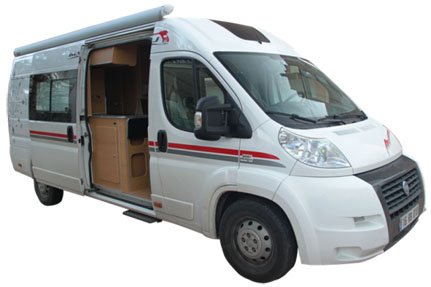
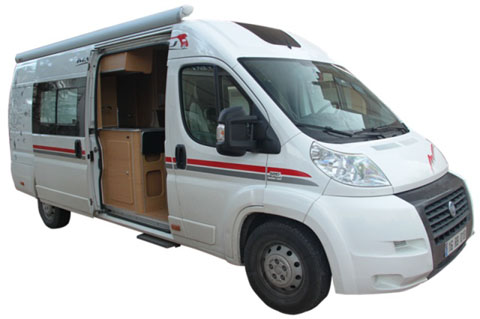
For RV rental beginners in Turkey, Class SI (Semi-integrated) and Class B (Camper Van) RVs often strike the best balance between comfort, maneuverability, and fuel efficiency. Class SI vehicles, like a typical 3-4 berth motorhome measuring around 6.9m in length, provide ample living space and amenities such as a shower and toilet, consuming 10-11 Liters/100 km. These are comfortable without being overly cumbersome for smaller roads, offering a good balance for couples or small families. Class B Camper Vans, averaging 5.8m in length and sleeping 2-3 people, are excellent for navigating tighter city streets and smaller villages, and are more fuel-efficient at 8-10 Liters/100 km, making them ideal for those prioritizing flexibility and off-grid camping.How to Save on Campgrounds in Turkey
RV rental beginners in Turkey can significantly save on campground costs by utilizing international camping discount cards, often offered by rental providers like Bandana. Booking during the shoulder seasons (spring or autumn) avoids peak prices, while choosing municipal or regional campgrounds over private resorts can offer more affordable rates, sometimes as low as €15-€25 per night. Additionally, many campgrounds offer weekly rates that provide savings for stays of three nights or more, and travelers with a group may inquire about sharing hookups to reduce individual costs.How much does it cost to rent an RV in Turkey?
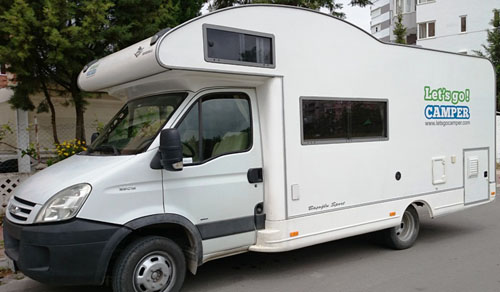
The cost to rent an RV in Turkey varies significantly based on the RV class, rental duration, season, and the specific rental company, as prices are dynamic and change daily. For beginners, a smaller Class B Camper Van might cost less per day than a larger Class C Alcove or Class A Integrated motorhome, with prices ranging from approximately €70 to €150+ per day during peak season. Additional costs include fuel (Bandana's fleet averages 8-12 Liters/100 km), campground fees, optional top-level deductible reimbursement, tolls, and groceries. For a detailed breakdown of potential expenses, exploring resources like "Budget RV Tips for Turkey - Save Money 2026" can be very helpful. Remember that the final price is always set at the actual booking time.What do I need to know about driving an RV in Turkey?
Driving a rented RV in Turkey requires familiarity with local road conditions, which range from modern multi-lane highways to narrow, winding mountain passes and busy city traffic. Drive slowly and carefully, and you can drive almost anywhere without issues; no need to stress, just use common sense and pay attention. Tolls are common on major motorways, typically paid via the HGS (Hızlı Geçiş Sistemi) sticker system; ensure your rental RV has one or arrange for payment upon pickup. Foreign drivers should carry their national driving license, an International Driving Permit (IDP), the vehicle registration, and proof of insurance, including a Green Card specifically covering Turkey, to ensure compliance with local regulations. Always plan your routes to travel slowly, averaging a maximum of 100-150 km per day, allowing time to truly feel the place, connect to the culture, the food, and the scenery.Do I need a special license to drive an RV in Turkey?
No special license is required to drive most rental motorhomes and campervans in Turkey; a standard car driver's license (B category) is sufficient for all motorhome classes (Class A, Class B, and Class C). This applies as long as the maximum authorized mass (MAM) does not exceed 3,500 kg, which is the case for the vast majority of rental vehicles. An International Driving Permit (IDP) is highly recommended for all foreign drivers in Turkey, especially for visitors from non-English-speaking countries, as it provides a certified translation of your national license, though it is not mandatory in all cases. The minimum rental age is 21, and Bandana RV imposes no young driver surcharges or vehicle class restrictions based on age.What are the rules for wild camping in Turkey?
While not explicitly legal nationwide, wild camping (or 'boondocking') in a rented RV is widely tolerated in many rural and non-private areas across Turkey, especially outside of national parks and designated protected zones. Always seek local permission if camping near villages or private land, and prioritize discreet, respectful parking locations that do not obstruct traffic or local activities. Adhere to 'leave no trace' principles: pack out all trash, avoid disturbing wildlife, and ensure no fires are left unattended, especially in dry seasons, to respect both the environment and local communities. Wild camping is typically prohibited within national parks and archaeological sites.Is it safe to RV camp in Turkey?
RV camping in Turkey is generally considered safe, particularly in established campgrounds and well-traveled tourist regions. Beginners should exercise standard travel precautions: keep valuables secure, always lock the RV, and be aware of your surroundings, especially when wild camping or in less populated areas. For added security, consider joining online RV communities for up-to-date local advice, avoid isolated areas at night, and always have emergency contacts and roadside assistance information readily available. Bandana RV supports you before, during, and after your booking, ensuring you have peace of mind with our top-level deductible reimbursement option.Are there RV parks in Turkey?
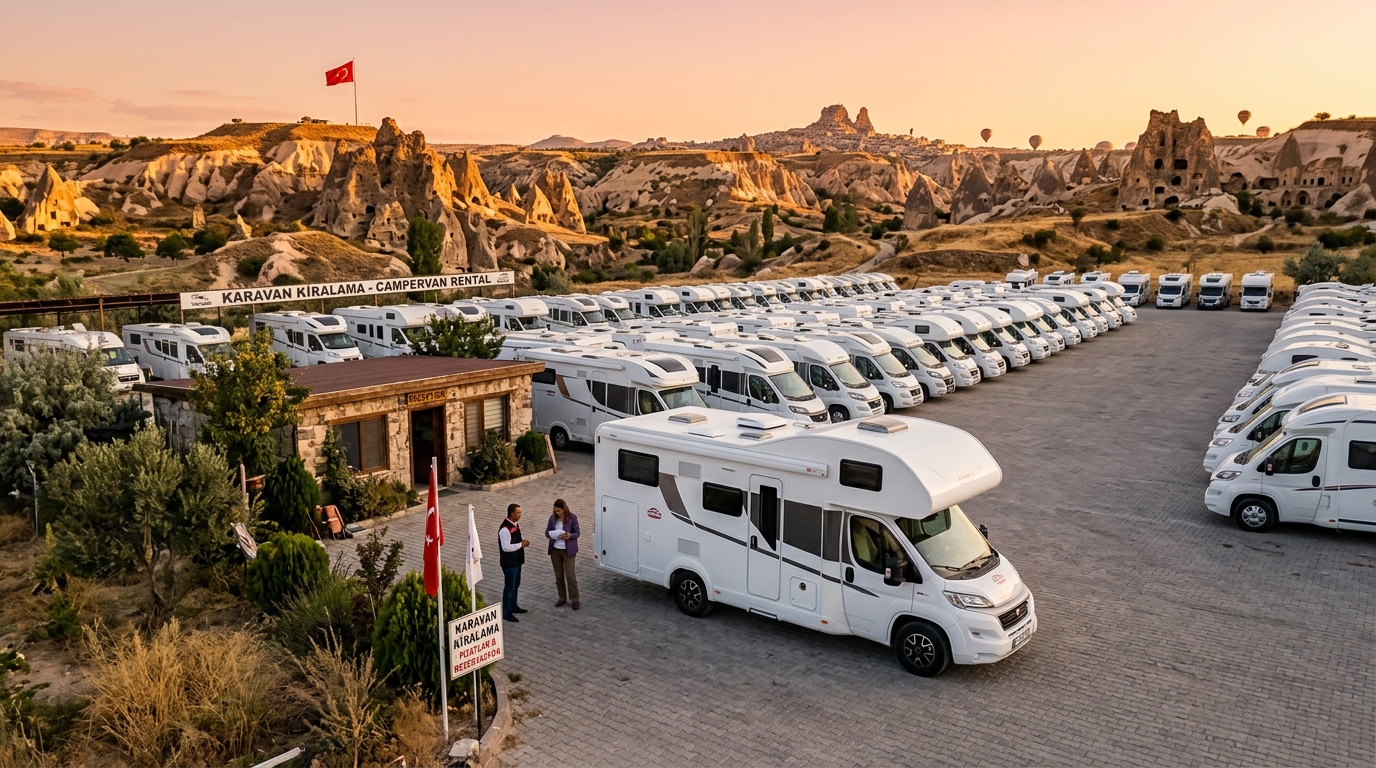
Yes, Turkey has a growing number of RV parks and dedicated campgrounds, primarily concentrated along its popular coastal regions (Aegean and Mediterranean), near major cities like Izmir and Antalya, and within some national parks. These parks vary in amenities, from basic sites with essential hookups like electricity and water, to more luxurious resorts offering pools, restaurants, and entertainment. While not as ubiquitous as in Western Europe, the network of RV-friendly establishments is expanding, making it increasingly feasible for beginners to plan a week-long or extended road trip with secure, serviced overnight stays. For example, some sites in the Cappadocia region offer stunning views of the 'fairy chimneys'.Where can I find RV service and repair shops in Turkey?
RV service and repair shops in Turkey are typically found in or near larger cities and along major travel routes, especially in regions popular with European tourists such as the Aegean and Mediterranean coasts. For general vehicle maintenance, most standard auto service centers can assist with engine or chassis issues, as many rental RVs are built on common European chassis like Fiat Ducato or Ford Transit. Specialized RV appliance or habitation area repairs might require finding larger camping stores or contacting your RV rental provider for assistance or referrals to specific technicians. Bandana RV works with direct partnerships with over 50 leading RV suppliers worldwide, ensuring a wide network for support.How do I dump my RV waste in Turkey?
Dumping RV waste in Turkey is primarily done at designated grey and black water dump stations, which are available at most established RV parks and some larger campgrounds. Some petrol stations along major highways may also offer dump facilities, often signposted or available upon request, but it's always best to call ahead. It is crucial to never dump waste water in undesignated areas due to environmental and public health concerns, and always use appropriate hoses and hygiene practices. For finding these essential service points, checking resources like RV PLANET (rvplan.net) before or during your trip is highly recommended.Are there any specific cultural etiquette tips for RVers in Turkey?
When RVing in Turkey, demonstrating respect for local customs is paramount, particularly when interacting with communities in rural areas and small villages. Dress modestly, especially when visiting religious sites or conservative villages, and be mindful of public displays of affection. Learning a few basic Turkish phrases like 'Merhaba' (hello), 'Teşekkür ederim' (thank you), and 'Rica ederim' (you're welcome) can significantly enhance interactions and show appreciation for local hospitality, often leading to warmer welcomes. Offering small gifts, like tea or coffee, when invited to local homes is a common and appreciated gesture.What are the best RV routes in Turkey?
Turkey offers numerous captivating RV routes, with popular choices including the Mediterranean coast (often called the Turquoise Coast) for stunning beaches and ancient ruins like Phaselis and Olympos. The historic Aegean region provides a rich cultural journey through sites such as Ephesus and Pamukkale, offering a mix of history and natural beauty. For unique landscapes, the Central Anatolian route to Cappadocia is iconic, featuring fairy chimneys and hot air balloons, while the lush Black Sea coast offers green mountains and charming villages. Beginners can plan themed itineraries such as an 'Ancient Wonders Tour' or a 'Nature Explorer Journey' through national parks like Saklıkent Gorge, leveraging the rented RV's flexibility for an unforgettable two-week adventure. You can find more detailed route plans and itineraries on rvplan.net, our sister company.What currency is used in Turkey for RV travel?
The official currency used in Turkey for RV travel, and all other transactions, is the Turkish Lira (TL or TRY), which is essential for all purchases. While credit and debit cards are widely accepted in cities, larger establishments, and most petrol stations, it's advisable to carry some cash for smaller purchases, local markets, and rural areas where card machines might be less common. ATMs are readily available throughout the country for withdrawing Turkish Lira, and currency exchange offices can be found in airports and major tourist centers. Bandana RV offers bookings in 30+ currencies with full price transparency, meaning no hidden conversion commissions.🎬 Video coming soon
What You Shouldn't Miss
- **Cappadocia's Hot Air Balloons**: Witness the magical sunrise over the fairy chimneys from a hot air balloon, an iconic Turkish experience easily accessed from many RV parks in the region.
- **Ephesus Ancient City**: Explore the remarkably preserved ruins of Ephesus, including the Library of Celsus and the Great Theater, a must-see for history buffs.
- **Pamukkale's Travertine Terraces**: Relax in the mineral-rich thermal waters cascading down white travertine terraces, often referred to as the "Cotton Castle," with nearby RV-friendly facilities.
- **Mediterranean Coastline (Turquoise Coast)**: Drive along scenic routes from Antalya to Fethiye, stopping at secluded coves and charming coastal towns for swimming and fresh seafood.
- **Istanbul's Grand Bazaar**: Immerse yourself in the bustling atmosphere of one of the world's oldest and largest covered markets, perfect for experiencing local culture and finding unique souvenirs.
- **Turkish Cuisine Exploration**: Use your RV kitchen for cooking, but also seek out authentic local eateries in small towns for traditional dishes like kebabs, mezzes, and baklava.
Looking for expert insights from Avi Bandana? Top 5 Adventures - recommendations from Avi Bandana
Final Thoughts
Embarking on your first RV camping trip in Turkey is an incredible way to experience this country's rich history and stunning natural beauty. From the moment you pick up your rented motorhome to the last scenic overlook, you'll find freedom and flexibility that traditional travel simply can't match. Remember, slow travel is the key to truly savoring the experience; aim for a maximum of 100-150 km per day to allow yourself to soak in every moment. Whether you're exploring the ancient ruins of Ephesus or marveling at Cappadocia's unique landscapes, a rented RV provides a comfortable and convenient home base. With full transparency on pricing and dedicated support from Bandana RV, you can book with confidence, knowing we're here to help every step of the way. So, pack your bags, prepare for an adventure, and discover the magic of Turkey on your terms. Plan a trip itinerary in advance with minimal effort and maximum enjoyment.On the routes offered through RV PLANET routes, you can itemize and track every expense along the way for easy budgeting.