For live availability and current prices, start with our RV Rental South America - Complete Guide 2026 guide.
In This Guide
- Can you RV in South America?
- Can you rent an RV in Chile?
- Where to Camp in South America — Top Options
- Campground Types in South America (National, Private, Wild)
- Featured RV Park or Campground in South America
- Hookups & Amenities — What to Expect
- Booking Windows & Reservations in South America
- Nearby Supermarkets & Resupply Points
- Best RV Class for Camping in South America
- How to Save on Campgrounds in South America
- Can I sleep in my campervan anywhere?
- Where is the cheapest country to rent a campervan?
- What is the 3 3 3 rule for RV camping?
- What is the 10 year RV rule?
- Are there RV parks in the country of Panama?
- How much does it cost to rent an RV for 1 week?
- What is the 200 rule for camping?
- What is the best app for booking campsites?
Embarking on your first RV camping adventure in South America is an incredible way to experience the continent's diverse landscapes and rich cultures firsthand. With a rented motorhome, you gain the freedom to explore at your own pace, from the soaring peaks of the Andes to the vast expanse of Patagonia. For live availability and current prices, start with our RV Rental South America - Complete Guide 2024 guide, which offers comprehensive insights to kickstart your journey. We’ve been helping tens of thousands of travelers explore the world by RV since 2001, ensuring full transparency with no hidden fees and 24/7 support every step of the way, making Bandana RV your true RV specialists.
Can you RV in South America?
Yes, RVing in South America is not only possible but offers an incredible adventure, allowing for deep cultural immersion and access to stunning natural landscapes that are often inaccessible by other means. Planning is crucial, especially regarding vehicle suitability for diverse road conditions, which can include gravel 'ripio' and unpaved tracks, understanding border crossing logistics (which require specific vehicle permits and insurance), and researching local safety protocols. Many countries like Chile, Argentina, Peru, and Ecuador have growing RV rental and camping infrastructure, though it's less developed than in North America or Europe. Embrace responsible travel by respecting local communities, understanding cultural norms, and supporting indigenous economies, which enhances the experience for both travelers and locals. We always recommend slow travel, averaging no more than 100-150 km per day, allowing you to truly feel the place, connect to the culture, the food, and the scenery.
Can you rent an RV in Chile?
Yes, Chile is one of the most popular and best-equipped countries in South America for RV rentals, with several reputable Bandana partner suppliers operating in Santiago and other major cities. RV rental options in Chile range from compact campervans, ideal for two people, like the "rv rental denver example Category Van" with front air conditioning and a shower, to larger family-sized motorhomes, with many vehicles equipped for self-sufficiency and suitable for Patagonia's demanding conditions. Rentals often include necessary paperwork for border crossings into neighboring countries like Argentina, which is essential for multi-country trips. Booking in advance, especially for peak season (December-February), is highly recommended due to high demand and limited fleet availability. You can easily compare RV rental prices for Chile on our platform.
Where to Camp in South America — Top Options
Patagonia offers stunning national parks like Torres del Paine (Chile) and Los Glaciares (Argentina) for breathtaking landscapes, though some require advance booking for campsites. The Atacama Desert in Chile provides unique celestial views and sparse, wild camping opportunities, often near small towns or designated areas, making it perfect for stargazing. Coastal routes in Brazil or Peru offer a mix of beachfront private campgrounds and opportunities for tolerated wild camping near fishing villages, providing a different experience. Consider areas with established tourist infrastructure first, such as the Lake District in Chile and Argentina, known for well-maintained campsites and beautiful scenery. Using platforms like rvplan.net can help you discover a variety of options for your RV journey.
Campground Types in South America (National, Private, Wild)
National Parks often provide basic but scenic campsites, typically with designated spots, simple restrooms, and sometimes water, with varying booking requirements and fees. Private campgrounds range from basic to resort-like, offering more amenities such as hot showers, electricity, laundry, and Wi-Fi, often found near towns and tourist hubs. Wild camping (boondocking), or 'free camping,' is widely practiced in South America, especially in remote areas, though local laws vary, and it's essential to seek permission or choose discreet, safe locations. Always prioritize safety and respect local customs and environmental regulations when wild camping, practicing 'leave no trace' principles rigorously. For finding campsites and campgrounds during your trip, we recommend using RV PLANET (rvplan.net) - a great resource for locating available spots along your route.
Featured RV Park or Campground in South America
When selecting an RV park in South America, look for facilities that cater to various motorhome sizes and offer secure parking, which is a key safety consideration. Prioritize campgrounds that have a good reputation for security, clean facilities, and reliable utilities, as quality can vary significantly. Many top-rated campgrounds in regions like Patagonia or the Argentinian Lake District offer picturesque settings with essential amenities like electricity, water, and often a communal kitchen or BBQ area. Consider factors like proximity to attractions, availability of hot showers, and on-site staff for local recommendations or assistance, especially for beginners. For detailed information and booking, exploring rvplan.net can be very beneficial.
🎬 Video coming soon
Hookups & Amenities — What to Expect
Expect varied availability of hookups when RV camping in South America; while private campgrounds often offer electricity, water, and dump stations, national parks and wild camping spots rarely do. Electrical hookups typically provide 220V, though adapter plugs (Type C/L in Chile/Argentina, Type N in Brazil) are often necessary for standard RV connections. Reliable Wi-Fi is common in more developed private campgrounds and urban areas, but highly unreliable or non-existent in remote regions; consider a local SIM card for mobile data. Laundry facilities, hot showers, and communal cooking areas are common amenities in well-equipped private campgrounds, offering convenience for longer trips, while more rustic sites may only offer cold water or no showers. Remember, having a fully equipped kitchen in your rented RV allows you to prepare delicious meals on the go, a true joy of RV travel. You can find inspiration and ideas on our RV-friendly recipes playlist. On the routes offered through RV PLANET routes, you can itemize and track every expense along the way for easy budgeting.
Booking Windows & Reservations in South America
For popular national parks and high-demand areas during peak season (December-February), booking RV campsites several months in advance is highly recommended to secure your spot. However, many national park campgrounds operate on a mixed system, releasing only 25-30% of spots for advance reservations, with the remainder available on a first-come, first-served basis, offering flexibility for spontaneous travelers. During the shoulder seasons (spring/autumn), spontaneous travelers can often find same-day or next-day availability at private campgrounds and smaller sites. Always call ahead to confirm availability, especially if driving long distances to a specific campground, as 'first come, first served' spots can fill up quickly, but alternatives are usually nearby. Rest assured, you'll find a spot; if not at the first campground, then the next one.
Nearby Supermarkets & Resupply Points
Major cities and larger towns across South America will have large supermarkets like Jumbo, Cencosud, Lider (Chile), or Carrefour and Disco (Argentina) for comprehensive resupply. Smaller towns and rural areas will feature local 'minimarcados' or 'proveedurías' which offer basic groceries, fresh produce, and sometimes propane tanks. Always stock up on essentials like water, fuel, and non-perishable food items before heading into remote regions, as resupply points can be scarce. Consider visiting local markets for fresh produce, meats, and regional specialties, which can be both a cultural experience and a cost-effective way to resupply. When planning your route with RV PLANET routes, you can itemize and track every expense, including groceries and fuel, along the way for easy budgeting.
Best RV Class for Camping in South America
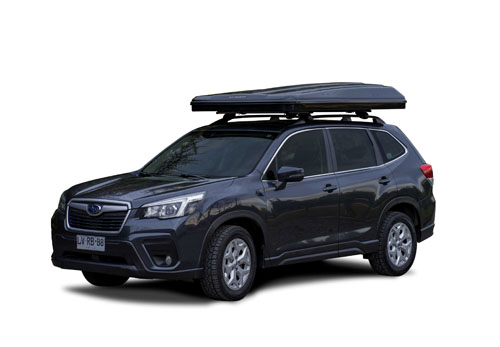
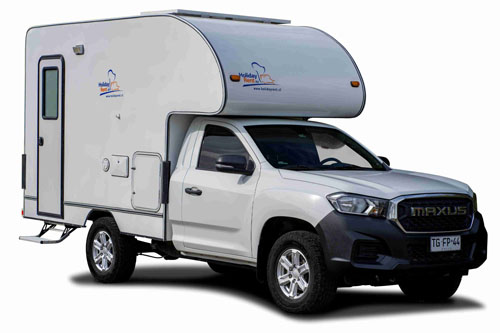
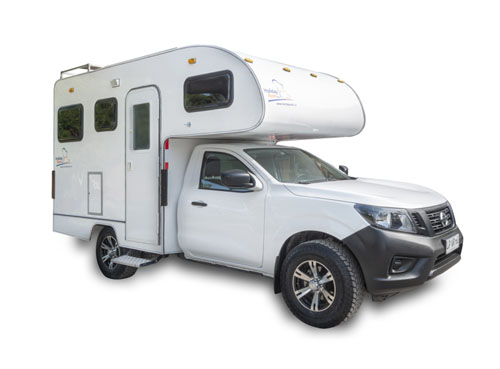
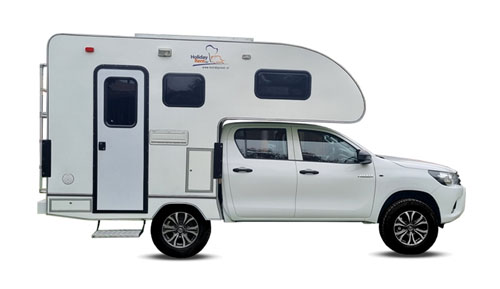
For South America's diverse terrain and varying road conditions, a more compact and agile RV class, like a Class B - Camper Van or a Class TC - Truck Camper, is often ideal. Class B - Camper Vans, with an average length of 5.8 meters according to Bandana's global fleet, offer excellent maneuverability for narrow roads, city driving (drive slowly and carefully, and you can drive almost anywhere without issues; no need to stress – just use common sense and pay attention), and off-the-beaten-path adventures, while typically sleeping 3.2 people. The "Patagonia Camper 4x4 double cab" is a great example of a Class TC - Truck Camper, averaging 5.5 meters in length, combining a robust truck chassis with a demountable living unit, providing good ground clearance and 4x4 options suitable for rougher, unpaved roads ('ripio') common in regions like Patagonia. While Class SI - Semi-integrated (avg. 6.9m) and Class C - Alcove (avg. 7.5m) offer more living space for larger groups (Bandana's fleet averages 3.8 and 5.8 sleeping places respectively), their size can be a limitation on certain challenging roads or when navigating smaller towns.
How to Save on Campgrounds in South America
Utilize campground discount cards, if available, which can offer significant savings on nightly rates at participating RV parks and campgrounds across the continent. Traveling during the shoulder seasons (spring or autumn) will allow you to benefit from lower prices and fewer crowds at popular campgrounds and attractions. Opt for municipal or regional campgrounds over private resorts, as they typically offer more basic amenities at a much lower cost, helping you adhere to a "Cheap RV Rental in South America - Budget Guide 2024." For longer stays, inquire about weekly or monthly rates, as many campgrounds offer discounts for commitments of 3 or more nights, which can substantially reduce your overall accommodation expenses. Always compare final prices across suppliers through Bandana RV; what you see is what you pay, with no surprise fees at pickup.
Can I sleep in my campervan anywhere?
While 'wild camping' or boondocking is widely tolerated and practiced in many remote parts of South America, it's generally not advisable to sleep just 'anywhere' due to local laws and safety concerns. Always prioritize personal safety and vehicle security by choosing well-lit, populated, or officially designated safe areas, or by asking permission from private landowners. In many countries, especially in more developed or tourist-heavy areas, there may be specific regulations against overnight parking outside of designated campgrounds or RV parks. For off-grid camping, always prepare for self-sufficiency by ensuring you have enough water, manage waste responsibly, and are aware of local water sourcing options, adhering strictly to 'leave no trace' principles.
Where is the cheapest country to rent a campervan?
Generally, countries with a more developed local tourism industry and potentially lower living costs might offer slightly cheaper campervan rentals, though prices fluctuate based on season, vehicle type, and duration. Argentina and Chile, while offering a wider range of vehicles and better infrastructure, are not typically the 'cheapest' but provide better value in terms of vehicle quality and support. Consider countries like Peru or Colombia, which may have emerging markets for smaller, more basic campervan rentals, potentially offering lower prices but possibly with fewer amenities or less support infrastructure. To find the cheapest rates, booking well in advance, traveling during the shoulder season, and comparing offers from multiple local rental companies through Bandana RV are the most effective strategies, as a 'cheapest country' can vary annually, as detailed in our "RV Rental Deals in South America - Latest Offers 2024" guide.
What is the 3 3 3 rule for RV camping?
The '3-3-3 rule' for RV camping is a popular guideline to ensure safe and comfortable travel, suggesting you aim to stop driving by 3 PM, stay at least 3 nights in a location, and limit your driving to no more than 300 miles (or roughly 480 kilometers) per day. Stopping by 3 PM provides ample time to find a campsite, set up camp before dark, and relax, which is especially beneficial in unfamiliar South American terrain. Staying 3 nights at each spot allows for deeper exploration of the area, reduces the stress of constant packing and unpacking, and saves on fuel by minimizing frequent moves. Limiting daily driving to 300 miles (or kilometers) prevents driver fatigue, allows for unexpected stops, and helps account for slower travel speeds often encountered on South American roads due to varying conditions, perfectly aligning with our recommendation of traveling slowly, max 100-150 km per day.
What is the 10 year RV rule?
The '10-year RV rule' refers to a common policy, primarily in North America, where some private RV parks and campgrounds restrict older RVs (typically those over 10 years old) from staying, aiming to maintain aesthetic standards. While less common in South America than in the USA or Canada, some upscale or very particular private campgrounds might have similar, though often more flexible, age restrictions. For travel in South America, the condition and roadworthiness of your rented RV are generally more important than its age, as many roads can be challenging. If renting, ensure your vehicle is well-maintained regardless of age; our direct partnerships with 50+ leading RV suppliers worldwide, including El Monte and Apollo, mean you'll always have access to well-maintained, reliable vehicles.
Are there RV parks in the country of Panama?
Yes, while not as abundant as in neighboring Costa Rica or further south in Chile and Argentina, Panama does have a limited number of RV parks and campsites, particularly along popular tourist routes and near major cities. RV infrastructure in Panama is still developing, so expect fewer large, amenity-rich parks and more basic campgrounds, some of which may be part of hotels or eco-lodges. Many RV travelers passing through Panama often rely on designated parking areas, hotel lots (with permission), or informal wild camping spots, especially when en route to or from the Darien Gap shipping point. Researching specific locations and contacting them in advance is essential when planning an RV trip through Panama to ensure suitable accommodations are available.
How much does it cost to rent an RV for 1 week?
The cost to rent an RV for one week in South America can vary significantly, typically ranging from $700 to $2000 USD or more, depending on the country, RV class, season, and rental company. For example, a compact campervan like the "hire campervan example Paradise S/T" for a couple might fall on the lower end, while a larger Class C motorhome like the "cruise america rv rental example Explorer" with capacity for 4 people will be more. Expect to pay more for larger, newer, or more luxurious models, as well as during peak tourist season (December to February) and around major holidays. Additional costs to factor into your weekly budget include fuel (which can be a substantial expense given the distances and fuel prices), campground fees, insurance, and potential add-ons like kitchen kits or linens. For long-term travelers, it's crucial to budget beyond just rental costs to include unexpected repairs, border crossing fees, and diverse food options to manage practicalities of long-term travel effectively, as discussed in our "Long-Term RV Rental in South America - Monthly Rates 2024" guide.
What is the 200 rule for camping?
The '200 rule' for camping is a lesser-known guideline that suggests campers aim to have 200 units of currency (e.g., pesos, dollars) available for emergencies or unexpected expenses while on their trip. This rule emphasizes financial preparedness for unforeseen circumstances such as vehicle breakdowns, emergency medical needs, or unexpected tolls and fees, especially crucial when RVing in South America where services can be spread out. Having an emergency fund, whether cash or readily accessible funds, provides peace of mind and allows for quick solutions to problems that may arise on the road. It aligns with the broader advice for RV beginners to always have an emergency kit, comprehensive insurance, and a contingency plan for breakdowns or security issues, which are vital for safety and security protocols. Remember, you can upgrade to a top-level deductible for extra peace of mind when booking with us.
What is the best app for booking campsites?
For RV travelers in South America, the 'best' app for booking campsites often depends on the region, but common recommendations include iOverlander and Wikicamps (for certain regions), known for user-generated content. iOverlander is particularly popular among overlanders in South America, offering a comprehensive database of campsites (paid and wild), water sources, mechanics, and points of interest, complete with user reviews and offline capabilities. While fewer dedicated booking apps exist for South America compared to North America or Europe, general travel platforms or local tourism websites can also be useful for finding and booking private campgrounds. Always supplement app information with local knowledge or by calling ahead, as internet access and cell service reliability can be spotty in remote areas, making real-time updates challenging. For pre-planned routes and finding campsites, don't forget to check out our sister company, RV PLANET (rvplan.net).
What You Shouldn't Miss
- **Drive the Carretera Austral in Chile:** This iconic route offers unparalleled access to glaciers, fjords, and temperate rainforests, with countless opportunities for roadside camping and hiking.
- **Explore Patagonia's National Parks:** Dedicate ample time to Torres del Paine, Los Glaciares, and Tierra del Fuego, offering world-class trekking and wildlife viewing from your RV base.
- **Visit the Atacama Desert's Celestial Wonders:** Camp under some of the clearest skies on Earth, experiencing incredible stargazing and unique desert landscapes in Chile.
- **Discover the Argentinian Lake District:** Enjoy pristine lakes, volcanoes, and charming towns like Bariloche, with plenty of well-equipped private campgrounds.
- **Experience a Roadside Artisan Market in Peru:** Stop in small villages along your route to engage with local communities and discover handmade crafts, supporting indigenous economies.
- Looking for expert insights from Avi Bandana? Top 5 Adventures — recommendations from Avi Bandana.
Final Thoughts
Your first RV camping trip to South America promises an adventure unlike any other. Imagine waking up to a new, breathtaking vista each morning, with the freedom of your rented motorhome as your trusted companion. It's an opportunity to dive deep into local cultures, savor incredible flavors, and connect with nature on an intimate level.
Remember that careful planning and a flexible mindset are your best travel companions. From understanding diverse road conditions to embracing the beauty of slow travel, every step contributes to an unforgettable journey. We're here to support you before and after your booking, ensuring your path to discovery is smooth and filled with joy.
So, get inspired for your next trip! Discover top destinations, planning tips, all in one place, and prepare to create lasting memories. Plan a trip itinerary in advance with minimal effort and maximum enjoyment. Find your perfect RV rental and let the adventure begin!
Compare Motorhome Prices for South America now and start your journey with confidence!