In This Guide
- Where to Camp in Namibia - Top Options
- Campground Types in Namibia (National, Private, Wild)
- Featured RV Park or Campground in Namibia
- Hookups & Amenities - What to Expect
- Booking Windows & Reservations in Namibia
- Nearby Supermarkets & Resupply Points
- Best RV Class for Camping in Namibia
- How to Save on Campgrounds in Namibia
- What are the requirements for RV rental in Namibia?
- Is a 4x4 RV necessary for Namibia?
- How do you manage resources like water and fuel in remote Namibia?
- What permits do I need for national parks in Namibia with an RV?
- What are the safety tips for RV camping in Namibia?
- How much does an RV trip to Namibia cost?
- How can I stay connected while RVing in Namibia?
- What are the "Leave No Trace" principles for RVers in Namibia?
- What are the pros and cons of off-season RV travel in Namibia?
Embarking on your first RV camping trip to Namibia is an adventure of a lifetime, offering unparalleled freedom to explore its vast, stunning landscapes. Imagine waking up to the desert sunrise from your mobile home, preparing a delicious breakfast in your fully equipped kitchen, and setting off to discover incredible wildlife and dramatic scenery at your own pace. For live availability and current prices, start with our RV Rental Namibia - Complete Guide 2026 guide. At Bandana RV, we're true RV specialists, dedicated to making your first journey seamless and unforgettable. We believe in full transparency, meaning no hidden fees and no surprises from the moment you compare prices until your booking is confirmed.
Where to Camp in Namibia - Top Options
Namibia offers diverse camping experiences from popular tourist hubs to remote wilderness, providing a perfect backdrop for your RV adventure. Popular regions for RV camping in Namibia include Etosha National Park for unparalleled wildlife viewing, Sossusvlei for its iconic red dunes, and the rugged Fish River Canyon in the south. Coastal towns like Swakopmund and Walvis Bay also provide well-equipped campgrounds for rented RVs, offering a refreshing break from the desert heat and a chance to explore marine activities. You can find excellent camping facilities around the capital city of Windhoek as well, providing a convenient starting or ending point for your journey. Many of these locations offer secure, well-maintained sites, and serve as fantastic bases for exploring the surrounding attractions. Planning your route to include a mix of these unique landscapes will allow you to fully appreciate Namibia's natural grandeur with your rental motorhome.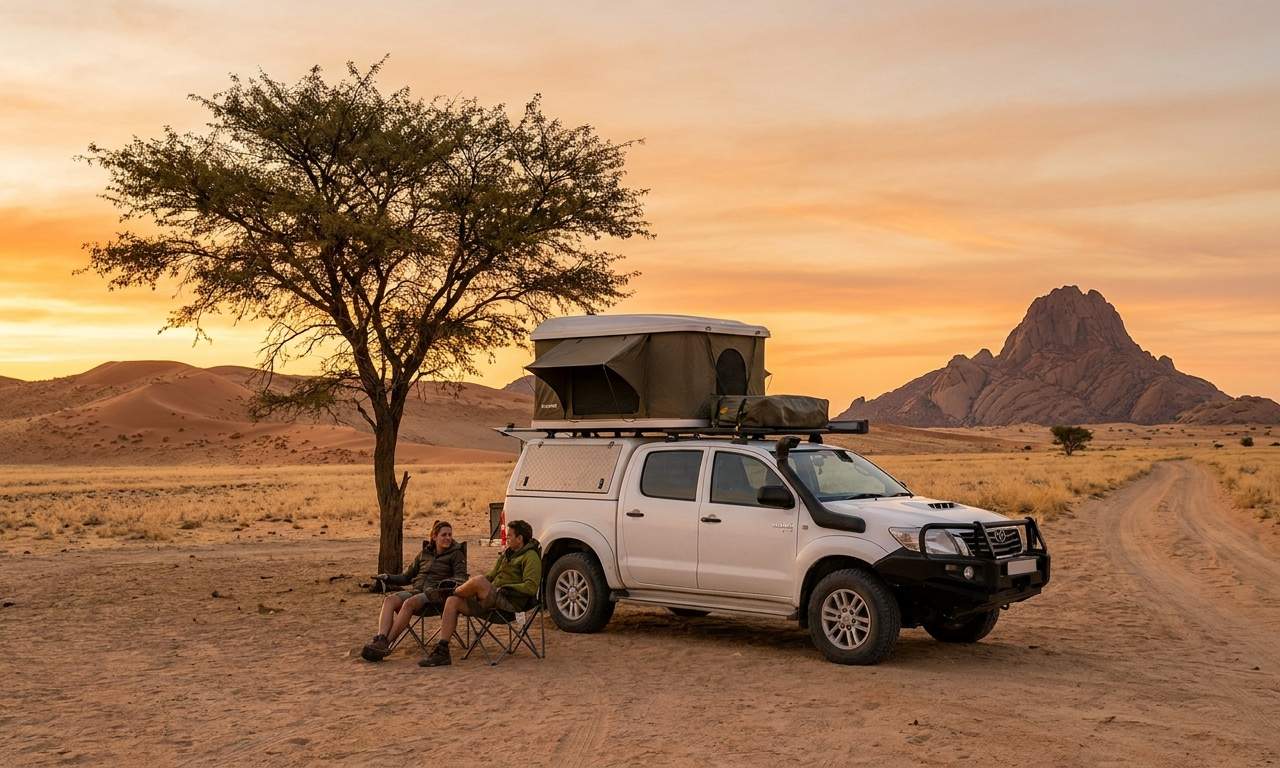
Campground Types in Namibia (National, Private, Wild)
Namibia features a variety of campground types for RVers, including national park campsites, private resorts, and limited, strictly regulated wild camping options. National park sites, primarily managed by NWR (Namibia Wildlife Resorts), are often located within the parks themselves, offering unique advantages like direct access to wildlife and early entry to attractions such as the Sossusvlei dunes. These camps provide basic to moderate amenities, which might include ablution blocks and communal braai (barbecue) areas. Private campgrounds and lodges, found both inside and outside parks, often provide more luxurious facilities, such as swimming pools, restaurants, and reliable connectivity, suitable for those seeking a higher level of comfort with their rented campervan. Wild camping, or freedom camping, is generally not permitted in national parks or on private land without explicit permission due to wildlife and land ownership concerns. It is sometimes tolerated in very remote, unfenced conservancy areas, but this requires extreme self-sufficiency, robust planning, and strict adherence to 'Leave No Trace' principles to protect Namibia's fragile ecosystems.Featured RV Park or Campground in Namibia
When choosing an RV park in Namibia, selecting one with suitable amenities and strategic location enhances your trip significantly. A prime example is the Okaukuejo Camp within Etosha National Park, renowned for its floodlit waterhole where a diverse array of wildlife, including elephants, rhinos, and lions, gathers at night. This unique feature allows guests to observe incredible animal interactions directly from the comfort of the campsite, making it an unforgettable experience for anyone with a rented RV. Beyond the exceptional wildlife viewing, Okaukuejo offers secure parking, basic electrical hookups (220V), a swimming pool, and a restaurant, providing a blend of nature access and essential conveniences. When considering other campgrounds, always prioritize features like shaded sites to escape the desert sun, secure facilities, and clear guidance from friendly staff on local activities and safety protocols, particularly concerning wildlife.Hookups & Amenities - What to Expect
Most established RV campgrounds in Namibia offer essential hookups and amenities, although availability can vary significantly, especially in more remote areas. At private parks and many national park sites, you can generally expect electrical hookups, typically 220-240V with Type M or Type D sockets, so remember to bring an appropriate adapter for your rented motorhome. Water access and dump stations for grey and black water are also common at private parks and larger national park campgrounds, but fresh water can be a precious commodity in more remote regions, necessitating careful planning and conservation. While amenities like Wi-Fi and laundry facilities are increasingly available at private resorts, they are rare or non-existent in national park camps, where hot showers might also be limited or rely on solar heating. Always confirm specific amenities when booking your campsite to avoid surprises and ensure a comfortable experience with your rental RV.Booking Windows & Reservations in Namibia
For RV rental beginners, booking campsites in Namibia significantly ahead of time, especially for popular national parks and during peak season (July-October), is highly recommended to secure desired spots. Many national park campgrounds, particularly those managed by NWR, operate on a system where only 25-30% of spots are released for advance reservations, with the remainder available on a first-come, first-served basis. This means spontaneous travelers might still find same-day or next-day campsites, especially during shoulder seasons (April-May or November). However, to minimize stress and long drives, it is always advisable to call ahead before driving long distances to confirm availability. Rest assured, you will almost certainly find a place to park your rented camper, if not at the first campground, then at the next one down the road, although popular sites like those in Etosha or Sossusvlei truly require early booking.Nearby Supermarkets & Resupply Points
Effective resupply planning is crucial for RVers in Namibia, given the vast distances between major towns and limited options in remote areas. Major towns like Windhoek, Swakopmund, and Walvis Bay offer well-stocked supermarkets, including popular chains such as Shoprite and Pick n Pay, where you can acquire most food, water, and essential supplies for your rented motorhome. It is highly recommended to stock up on all necessary provisions, including sufficient water, non-perishable food items, and cooking gas, before venturing into more remote regions. Smaller settlements along your route may only have basic shops with limited stock, and specialized items might be hard to find. Creating a detailed meal plan and shopping list will help ensure you have everything you need, allowing you to enjoy the stunning landscapes without unnecessary concern for provisions. For great cooking ideas, check out our RV-friendly recipes playlist.Best RV Class for Camping in Namibia
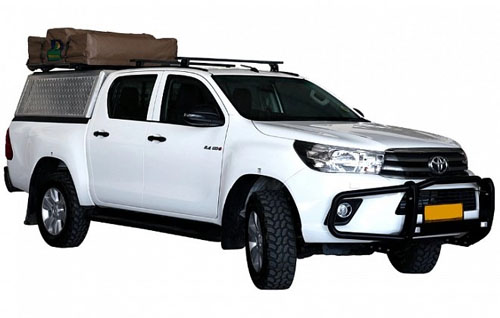
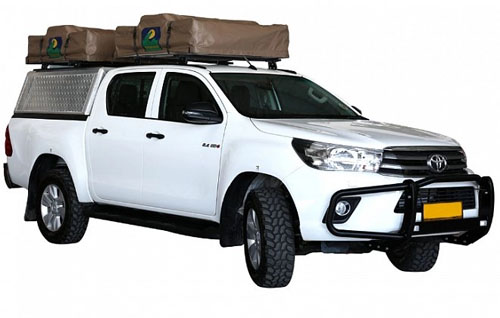
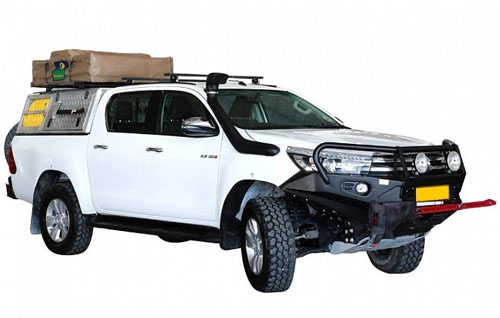
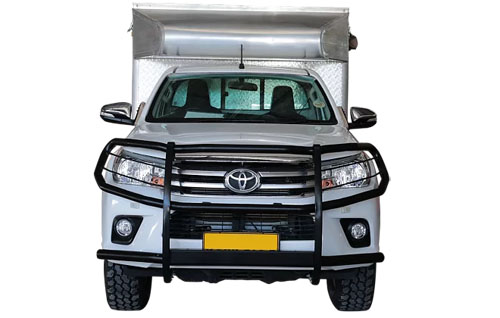
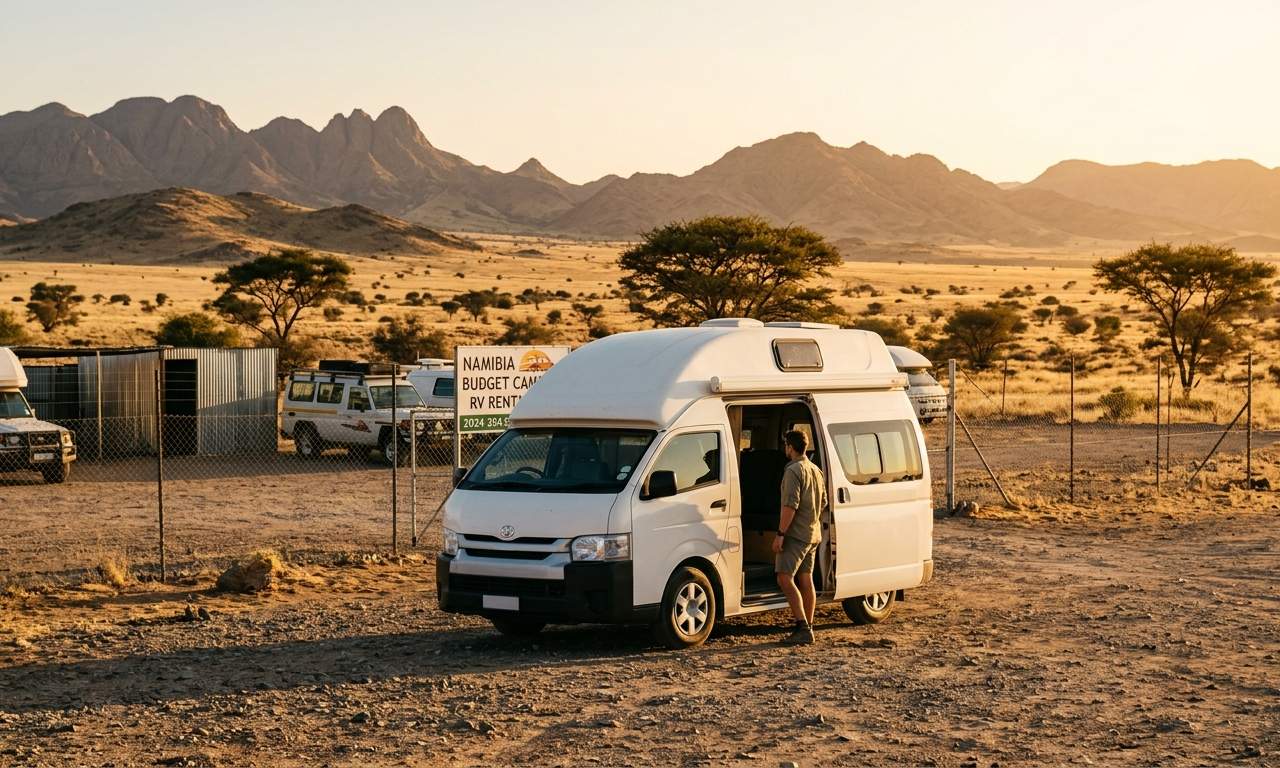
For camping in Namibia, Class B Camper Vans and Class SI Semi-integrated RVs offer excellent balances of maneuverability, fuel efficiency, and comfort, suitable for both established campgrounds and some boondocking scenarios. Class B Camper Vans, averaging 5.8 meters in length and often offering around 3 sleeping places (like the "Active Pop Top" or "Combi Van"), are agile and fuel-efficient (typically 8-10 Liter/100 km), ideal for navigating diverse road conditions and reaching more secluded campsites. Class SI Semi-integrated RVs, with an average length of 6.9 meters and accommodating 3-5 sleeping places (such as the "2 Berth Rover" or "Comfort Standard"), provide more living space and amenities while maintaining manageable fuel consumption (typically 10-11 Liter/100 km), offering a comfortable base for longer stays. While Class TC Truck Campers offer robust 4x4 capabilities for truly off-grid adventures, their higher fuel consumption (12-17 Liter/100 km) and smaller living space might be less ideal for beginners focused on comfortable camping in well-serviced areas. You can find an extensive range of these rental RVs by checking prices for RV rentals in Windhoek.How to Save on Campgrounds in Namibia
To save on campground costs during your RV trip to Namibia, consider utilizing campground discount cards, if offered by your rental provider or available through local tourism associations. Traveling during the shoulder season (e.g., April-May or November) often presents lower demand, leading to potentially reduced rates and better availability at popular sites. Opting for municipal or regional campgrounds over private luxury resorts will frequently provide essential amenities at a more budget-friendly price point for your rented motorhome. Many campgrounds also offer weekly rates, making stays of three or more nights a cost-effective option, particularly for slow travel, where you average no more than 100-150 km per day to truly soak in the local culture and scenery. If traveling in a group, consider sharing hookups with another RV where permissible, to split utility costs and maximize your savings.What are the requirements for RV rental in Namibia?
Renting an RV in Namibia typically requires a valid car driver's license (a standard license is sufficient for all motorhome classes), and for visitors from non-English speaking countries, an International Driving Permit (IDP) is recommended alongside your domestic license, though not always mandatory. The minimum rental age is generally 21 years old, with no young driver surcharges or vehicle class restrictions based on age across Bandana's suppliers. You will also need a credit card for the security deposit, which is standard practice. It is crucial to understand the RV-specific insurance details provided by your supplier, including what is covered for damage, theft, and third-party liability, as well as any exclusions related to off-road driving or specific road conditions in Namibia. Remember, you can upgrade to a top-level deductible for extra peace of mind, an optional feature that provides significant benefits should any unforeseen incidents occur.Is a 4x4 RV necessary for Namibia?
While a 4x4 RV is not strictly necessary for all of Namibia, it is highly recommended and often essential for accessing remote areas, national parks, and during certain seasons. A 2WD RV or campervan (like a Class B Camper Van with 8-10 Liter/100 km fuel consumption) is generally suitable for major paved roads, well-maintained gravel roads (e.g., the B1 and B2 highways), and established private campgrounds. However, for routes to iconic sites like Sossusvlei (especially the last 5km to Deadvlei), much of Damaraland, Kaokoland, and many national park tracks, a 4x4 RV (such as a Class TC Truck Camper or a 4x4-equipped Class B like the "4x4 Camper B - THOR") provides the necessary clearance and traction, particularly in sandy or wet conditions. Before choosing your rental RV, compare the suitability of 2WD versus 4x4 options based on your planned itinerary and desired level of adventure, considering that routes like the C14 or gravel roads in Etosha National Park can be challenging for 2WD vehicles. Bandana RV offers a range of 4x4 options, like the "Patagonia Camper 4x4 double cab", ensuring you can venture further with confidence.How do you manage resources like water and fuel in remote Namibia?
Managing resources like water, fuel, and waste is paramount for RVers in Namibia's remote areas due to vast distances between supply points. Always carry significantly more water than you think you will need for drinking, cooking, and basic hygiene; plan for at least 5-10 liters per person per day, factoring in a contingency for unexpected delays. It is critical to refuel your rented RV at every opportunity, especially when your tank is half full, as fuel stations can be hundreds of kilometers apart in some regions. Many RVs from Bandana's global fleet, such as Class SI and Class C models like the "cruise america rv rental example Explorer", typically consume 10-12 Liter/100 km (or a larger Class C like the "MHC28" consuming 14-18 miles/gallon), which should factor into your fuel budgeting and planning. Implement strict waste management by carrying out all trash, utilizing designated dump points for grey and black water whenever available, and ensuring no organic waste is left behind to protect the fragile desert ecosystems. For easy budgeting and tracking of all these expenses, RV PLANET routes allow travelers to itemize every cost along the way.What permits do I need for national parks in Namibia with an RV?
Accessing national parks in Namibia with an RV requires specific park permits, which can usually be purchased directly at the park gates or through Namibia Wildlife Resorts (NWR) offices. Separate permits and entry fees apply to each national park, such as Etosha National Park, Sossusvlei, and the Skeleton Coast Park, with varying costs for conservation and vehicle entry. For example, Sossusvlei has strict access times, with park gates typically opening at sunrise and closing at sunset, meaning only those staying inside the Sesriem Camp can experience the dunes during these golden hours. Be aware of specific regulations for RV camping within parks, including designated campsites, quiet hours, and restrictions on off-road driving to protect the natural environment. For any border crossings with your rental RV into neighboring countries (if permitted by your rental agreement), you will need special documentation from the rental company (e.g., a cross-border letter) and may incur additional permits, road taxes, and insurance requirements for the specific country.What are the safety tips for RV camping in Namibia?
Advanced RV safety protocols in Namibia involve vigilant awareness of your surroundings, secure vehicle practices, and robust emergency communication strategies. When camping with your rented motorhome, always keep all doors and windows secured, especially at night, and never leave food or scented items outside to avoid attracting wildlife. Familiarize yourself with procedures for potential wildlife encounters, such as maintaining a respectful distance from elephants and never feeding any animals. Implement security measures for your RV by parking in designated, well-lit areas at night, using robust locks, and keeping valuables out of sight within the vehicle. For emergency communication in Namibia's vast and remote areas with limited cell coverage, a satellite phone or a satellite messenger device is highly recommended for summoning help in critical situations, as regular cell service is unreliable in much of the remote terrain. Drive slowly and carefully, and you can drive almost anywhere without issues. No need to stress - just use common sense and pay attention.How much does an RV trip to Namibia cost?
A detailed RV travel budget for Namibia must encompass several key expenses beyond the initial rental fee, including fuel, national park entry fees, camping fees, food provisioning, and a contingency fund. RV rental costs vary widely by vehicle class, season, and duration; generally, expect daily rental rates from $120-$250 USD for a Class C motorhome like the "24' Class C Motorhome", often including a basic mileage allowance. Fuel will be a significant expense, as distances are vast and current 2026 prices fluctuate; plan for consumption rates of 8-17 Liter/100 km for Bandana's diverse fleet, depending on the specific model and driving conditions. Allocate funds for national park entry fees (typically charged per person per day and per vehicle), campsite fees (which can range from $20-$50 USD per night for basic national park sites to more expensive private resorts), and adequate food and drink provisioning. It is always wise to include a 15-20% contingency for unexpected repairs, emergency supplies, or unforeseen delays. For a more precise cost estimation, considering a route planner can itemize and track every expense along the way for easy budgeting on RV PLANET routes.How can I stay connected while RVing in Namibia?
Maintaining connectivity while RVing in Namibia's remote regions can be challenging, as cell coverage is limited outside of major towns and along the main highways. Purchasing a local SIM card from providers like MTC or Telecom Namibia can offer reasonable coverage in populated areas such as Windhoek, Swakopmund, and Walvis Bay, but travelers should anticipate significant dead zones in national parks and very remote landscapes. For consistent communication and emergency purposes, especially when venturing off the main routes with your rented campervan, consider renting or purchasing a satellite phone or a satellite messenger device. Many private campgrounds and lodges do offer Wi-Fi, often at an additional cost, providing opportunities to check emails or make calls when available. It is advisable to download offline maps and essential travel information before heading into areas with no anticipated connectivity.What are the "Leave No Trace" principles for RVers in Namibia?
Adhering to 'Leave No Trace' principles is crucial for RVers in Namibia's fragile desert ecosystems to minimize environmental impact and preserve its natural beauty for future generations. First, plan ahead and prepare by understanding local regulations for your rented RV, packing out all trash (including organic waste), and minimizing reliance on local resources. Second, travel and camp on durable surfaces, sticking to established roads and designated campsites to avoid damaging sensitive vegetation and soil. Third, properly dispose of all waste by carrying out every piece of litter, utilizing designated dump stations for grey and black water, and never polluting water sources. Fourth, respect wildlife by observing from a safe distance, never feeding animals, and securing food and trash to prevent attracting them, thus protecting both them and your safety. Lastly, be considerate of other visitors and protect cultural resources, leaving rocks, plants, and historical artifacts undisturbed, ensuring Namibia's pristine wilderness remains so.What are the pros and cons of off-season RV travel in Namibia?
Off-season or shoulder season RV travel in Namibia (typically November to April) presents both unique challenges and rewarding opportunities for beginners. The primary pros include significantly lower prices for RV rentals and campsites, fewer crowds at popular attractions like Etosha National Park, and the spectacular lush green landscapes that emerge after the seasonal rains. However, the cons involve higher temperatures, an increased likelihood of rainfall (which can severely affect road conditions, especially gravel and dirt tracks), and the possibility of some campgrounds or attractions having reduced hours or temporary closures due to weather. While road conditions can be more challenging with mud or flash floods, off-season travel with your rented motorhome allows for a more intimate and serene experience with Namibia's natural beauty and prolific wildlife, without the bustling crowds of the peak season. It requires careful preparation for variable weather but offers a truly authentic adventure.What You Shouldn't Miss
- Sossusvlei Dunes: Witness the iconic towering red dunes at sunrise or sunset. Consider an early morning entry to Sesriem Canyon before the crowds arrive.
- Etosha National Park: Experience world-class wildlife viewing, especially at floodlit waterholes like Okaukuejo Camp.
- Fish River Canyon: Visit Africa's largest canyon, offering breathtaking panoramic views and serene hiking opportunities.
- Coastal Charms of Swakopmund: Explore the German colonial architecture, enjoy fresh seafood, and try adventure activities like sandboarding or quad biking. Remember, you can easily pick up a rental RV in Swakopmund or a rental campervan in Walvis Bay for this part of your trip.
- Damaraland's Ancient Engravings: Discover the ancient rock art at Twyfelfontein, a UNESCO World Heritage site, and keep an eye out for desert-adapted elephants.
- Stargazing in the Namib Desert: With minimal light pollution, Namibia offers some of the clearest night skies on Earth for incredible stargazing from your campsite.
Looking for expert insights from Avi Bandana? Top 5 Adventures - recommendations from Avi Bandana.
Final Thoughts
Your first RV camping trip in Namibia promises an unforgettable journey through breathtaking landscapes and unique wildlife encounters. With proper planning and a spirit of adventure, you'll discover the immense joy of having your home on wheels as you explore this incredible country. From securing the right rental RV to understanding local camping nuances and managing resources, every detail contributes to a richer experience.
Remember, Bandana RV is here to support you every step of the way, providing expert advice and transparent pricing to ensure your trip is as smooth and enjoyable as possible. So, pack your bags, prepare your route, and get ready to create lasting memories in Namibia.
Discover top destinations, planning tips, all in one place! Plan your extraordinary week-long RV adventure in Namibia today. Find RV Rental Deals in Namibia - Routes and Savings 2026.
On the routes offered through RV PLANET routes, you can itemize and track every expense along the way for easy budgeting.