
In This Guide
- Where to Camp in Mozambique - Top Options
- Campground Types in Mozambique (National, Private, Wild)
- Featured RV Park or Campground in Mozambique
- Hookups & Amenities - What to Expect
- Booking Windows & Reservations in Mozambique
- Nearby Supermarkets & Resupply Points
- Best RV Class for Camping in Mozambique
- How to Save on Campgrounds in Mozambique
- How much does it cost to rent an RV in Mozambique?
- Is it safe to RV in Mozambique?
- What are the road conditions like for RVs in Mozambique?
- Do you need a 4x4 RV for Mozambique?
- What permits do I need to RV in Mozambique?
- Can you wild camp in Mozambique?
- What is the best time of year to RV in Mozambique?
- Are there RV rental companies in Mozambique?
- How do you dispose of waste in an RV in Mozambique?
- Where can I get fuel and propane for my RV in Mozambique?
- What should I pack for an RV trip to Mozambique?
- What are some good RV itineraries for Mozambique?
- How do I deal with emergencies when RVing in remote Mozambique?
- How can RVers travel responsibly in Mozambique?
- What You Shouldn't Miss
- Why Book with Bandana Caravan
- Final Thoughts
- Frequently Asked Questions
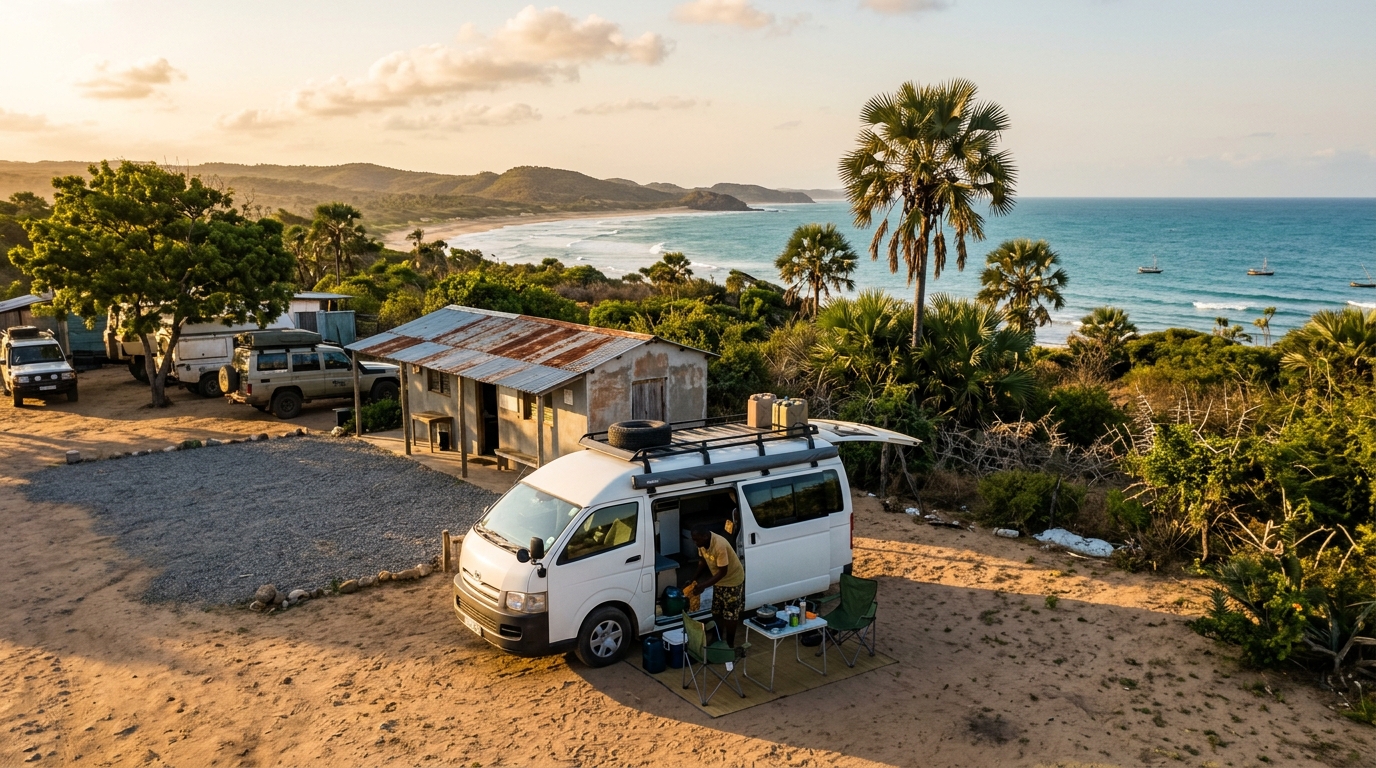
Imagine yourself cruising along a vibrant coastline, setting up camp with the sound of the ocean as your lullaby, or waking up to the calls of the wild in a national park. Mozambique, with its breathtaking beaches, rich marine life, and diverse landscapes, offers an unparalleled adventure for first-time RV campers. This guide is designed to equip you with all the essential knowledge to confidently embark on your motorhome or campervan journey across this incredible East African gem. For live availability and current prices, start with our RV Rental Mozambique - Complete Guide 2026 guide.
🎬 Video coming soon
Where to Camp in Mozambique - Top Options
Mozambique offers diverse camping experiences across its stunning 2,500 km coastline and expansive interior. Popular camping areas include the southern beaches like those near Ponta do Ouro and Tofo, offering vibrant coastal life, crystal-clear waters perfect for snorkeling or diving, and well-maintained private campgrounds averaging $20-$50 USD per night. National Parks such as Gorongosa National Park and Limpopo National Park provide immersive bush camping opportunities, with park entry fees typically ranging from $10-$30 USD per person per day. You’ll find both established campsites in tourist hubs and more remote, undeveloped spots for adventurous overlanders. When planning your route, be sure to look into RV Camping in Las Vegas - Best Campgrounds & Tips 2026 for inspiration on varied camping environments, though tailored for a different region.
Campground Types in Mozambique (National, Private, Wild)
Mozambique's camping landscape includes national park sites, private campgrounds, and opportunities for wild camping. National park campgrounds, such as those within Gorongosa, often offer basic facilities like long-drop toilets and cold showers, providing a profound connection to nature, and are governed by specific park regulations that usually prohibit open fires outside designated areas. Private campgrounds, typically found in tourist areas like Maputo or Vilankulos, provide a wider range of amenities, including hot showers, swimming pools, restaurants, and secure parking, with nightly rates from $25-$70 USD. Wild camping, while generally tolerated in very remote, undeveloped areas (far from villages or private land), is not officially permitted everywhere and requires extreme caution, self-sufficiency (carrying enough water, food, and fuel for several days), and profound respect for local communities and wildlife. It's crucial to understand local customs and potential risks before attempting remote boondocking.
Featured RV Park or Campground in Mozambique
When choosing an RV park in Mozambique, prioritize establishments that offer a genuine local experience and essential amenities. An excellent example is the Campismo Da Barra in Inhambane, which typically provides fenced perimeters, 24/7 on-site staff, and direct access to pristine beaches. This location offers both powered and unpowered sites, with prices starting around $30 USD per night for a motorhome, and is ideally situated for exploring nearby attractions such as the Inhambane Central Market and engaging in marine activities like snorkeling with whale sharks. Focusing on locations known for good accessibility and positive traveler reviews, especially concerning safety and available services, ensures a smoother experience for first-time RV renters. For detailed information on specific locations, checking RV PLANET (rvplan.net) is a great resource.
Hookups & Amenities - What to Expect
Expect varied levels of hookups and amenities at Mozambican campgrounds, with full hookups (electricity, water, sewer) being less common than in more developed RV destinations. Electricity (220-240V, Type M or C/F plugs) might be available at private sites, but surges and outages are possible, so surge protectors are highly recommended to protect your rented RV's electrical system. Water access varies; some sites offer potable water, while others may require you to filter or boil water for consumption to ensure safety. Dump stations for grey and black water are rare outside major private campgrounds or resorts, necessitating careful waste management and planning for remote travel; a portable waste tank can be a valuable addition. Basic amenities like communal ablutions (showers and toilets) are typically available, though hot water might be intermittent, and Wi-Fi and laundry facilities are usually limited to higher-end private resorts or larger towns like Maputo and Vilankulos. Cooking delicious meals on board your RV is part of the adventure; find inspiration with our RV-friendly recipes playlist. On the routes offered through RV PLANET routes, you can itemize and track every expense along the way for easy budgeting.
Booking Windows & Reservations in Mozambique
For RV beginners in Mozambique, it is generally advisable to book popular campgrounds and national park sites in advance, especially during peak dry season (June to October) and public holidays. Many national park campgrounds operate on a system where only 25%–30% of spots are reservable, with the remainder available on a first-come, first-served basis, providing flexibility for spontaneous travelers. We always encourage travelers to book at their own pace; whether you're a pre-planner who likes everything organized months ahead or a spontaneous explorer booking day-to-day, you'll find a spot. If not at the first campground, then the next one. Always call ahead before driving long distances to confirm availability, especially for specific sites near popular destinations like Maputo or Vilanculos. Booking 90+ days ahead can yield average savings of 25% on peak-season rates, particularly for a popular 'Class SI - Semi-integrated' model, ensuring you secure your preferred vehicle and locations.
Nearby Supermarkets & Resupply Points
Resupplying your rented RV in Mozambique is manageable in major towns and cities, but options become scarce in rural and remote areas, requiring careful planning. Look for supermarket chains like Shoprite or SPAR in larger population centers such as Maputo, Vilankulos, or Inhambane for a comprehensive range of groceries, fresh produce, and general supplies. Smaller villages will have local markets offering fresh produce, fish, and basic staples, which are excellent for experiencing local culture and supporting communities. Always stock up on essentials like non-perishable food, bottled water (aim for 5-10 liters per person per day for drinking and cooking), and fuel whenever you encounter a well-stocked town, as distances between reliable resupply points can be significant. On RV PLANET routes, travelers can itemize and track every expense along the way for easy budgeting of these ancillary costs.
Best RV Class for Camping in Mozambique
For RV camping in Mozambique, the Class B - Camper Van and Class SI - Semi-integrated vehicles are often excellent choices for beginners due to their balance of maneuverability and comfort. Class B Camper Vans, averaging 5.8 meters in length and sleeping around 3.2 people, are nimble, fuel-efficient (typically 8-10 Liter/100 Km), and ideal for navigating diverse Mozambican roads while offering essential amenities like a compact kitchen and sleeping area. For example, a "Camper Van" with features like "Front Air condition" and "Shower" is perfect for a couple. Class SI Semi-integrated RVs, with an average length of 6.9 meters and sleeping about 3.8 people, provide more interior space and comfort without being overly cumbersome, typically consuming 10-11 Liter/100 km. These classes, such as an "EcoLine 2" with a 135/200cm double bed, are suitable for both established campgrounds and some less-developed areas, offering sufficient load capacity for supplies without the bulk of larger RVs, making them adaptable to varying road conditions.
How to Save on Campgrounds in Mozambique
To save on campground costs in Mozambique, consider leveraging campground discount cards, if available through your RV rental provider like Bandana, as a primary saving lever. Booking during the shoulder season (e.g., April-May or November) can often yield lower rates, sometimes saving up to 15-20%, and fewer crowds compared to peak dry season (June-October). Opt for municipal or regional campgrounds over private resorts, which typically offer more basic amenities but at a significantly reduced price, potentially as low as $10-$20 USD per night. Many campgrounds offer weekly rates that are more economical than nightly stays, so planning longer stops in one location can lead to savings of 5-10% on your overall camping budget. If traveling with a group of 4-6 people, sharing hookups or larger sites designed for multiple vehicles can also distribute costs effectively. Our dedication to full transparency means you’ll always know the true cost, with no hidden fees, helping you budget accurately for your adventure.
How much does it cost to rent an RV in Mozambique?
The cost to rent an RV in Mozambique varies significantly based on vehicle class, rental duration, season, and inclusions, typically ranging from $100 to $300 USD per day. For instance, a compact Class B Camper Van might start at $100-$150 USD/day in the low season, while a larger Class C motorhome for a family of four could be $200-$300 USD/day in peak season. Beyond the rental fee, beginners should budget for additional RV-specific expenses including insurance (which can add $15-$30 USD/day), varying fuel prices (currently around $1.30 USD/liter for diesel, but higher in remote areas), and camping fees (ranging from $10-$70 USD/night). Consider other granular costs such as specific permits for national parks (ranging from $10-$30 USD per person per day), potential one-way rental fees (which can be $150-$500), and activity costs. Fuel consumption for popular RV classes like the Class B Camper Van averages 8-10 Liters/100 km, while Class SI Semi-integrated RVs typically consume 10-11 Liters/100 km, directly impacting overall trip costs, particularly on longer routes up to 1,500 km. Remember, prices are dynamic and change daily, much like flight tickets, so the final price is set at the actual booking time. For more pricing insights, explore our "RV Rental Deals in Mozambique - Latest Offers 2026" or "Cheap RV Rental in Mozambique - Budget Guide 2026".
Is it safe to RV in Mozambique?
RV travel in Mozambique is generally safe for beginners with appropriate precautions, though awareness of local conditions and security measures is crucial. Prioritize secure parking at designated campgrounds or guesthouses with guarded premises, especially overnight, to mitigate risks of theft. Familiarize yourself with specific safety protocols for remote RV travel, including keeping valuables out of sight and being cautious in isolated areas. For enhanced peace of mind, consider upgrading to a top-level deductible reimbursement option, which provides significant financial protection. In emergencies, know your rental company's roadside assistance number and carry a local SIM card for communication; comprehensive travel insurance that covers medical evacuation is highly recommended. Bandana RV's 24/7 support ensures real people are behind you throughout the pre-booking, booking, and post-booking coordination process, giving you confidence for your trip.
What are the road conditions like for RVs in Mozambique?
Road conditions for rented RVs in Mozambique are highly variable, ranging from well-maintained tarred roads to challenging gravel, dirt, and sand tracks. Major routes, like the EN1, are generally paved but can have significant potholes, especially after the wet season (November to April). Access to many scenic and remote destinations often involves unpaved roads, which can be sandy, muddy, or corrugated. For beginners, understanding that a 2WD RV might suffice for primary routes, but a vehicle with higher clearance is often recommended for off-the-beaten-path adventures. Drive slowly and carefully, and you can drive almost anywhere without issues. No need to stress - just use common sense and pay attention. Essential vehicle preparation includes carrying at least one spare tire, a comprehensive tool kit for basic roadside repairs, and knowing how to change a tire and check fluid levels, as breakdown services can be sparse in remote regions. Always account for slower travel speeds on unpaved roads; aim for a maximum of 100-150 km per day on average to truly feel the place and connect with the scenery.
Do you need a 4x4 RV for Mozambique?
While a 4x4 rented RV is not strictly necessary for all of Mozambique, it is highly recommended for beginners planning to explore beyond major tarred roads or venture into national parks and remote coastal areas. A 4x4 capability significantly enhances safety and accessibility, especially during the wet season (November to April) when unpaved roads can become muddy, rutted, or impassable for 2WD vehicles. If sticking to main highways like the EN1 and well-developed coastal towns such as Maputo or Vilankulo, a standard 2WD RV like a Class B Camper Van or Class SI Semi-integrated can be sufficient, but your flexibility to explore will be limited. For destinations like the interior of Gorongosa National Park or the more secluded beaches, a 4x4 is often essential to navigate challenging terrain and sandy tracks safely. A "4x4 Camper B - THOR" with a 40-liter fresh water tank or a "2 Person 4WD Camper" with automatic transmission are examples of capable vehicles for such adventures.
What permits do I need to RV in Mozambique?
To RV in Mozambique, beginners typically need a valid national driver's license from their home country and an International Driving Permit (IDP). While an IDP is recommended for visitors from non-English-speaking countries, it is not mandatory in all cases, but always best to have one. For rental RVs, ensure your rental agreement covers cross-border travel if entering from a neighboring country (like South Africa), and carry all vehicle registration documents provided by the rental company at all times. Accessing national parks and protected areas requires separate entry fees and sometimes specific permits, which should be secured in advance or at park gates; daily fees typically range from $10-$30 USD per person. Always carry copies of your passport, visa (if applicable), driver's license, and all vehicle documents, as authorities may request them at police checkpoints. Our true RV specialists can guide you through these requirements before you book.
Can you wild camp in Mozambique?
Wild camping, also known as freedom camping or boondocking, is generally tolerated in very remote and undeveloped areas of Mozambique, but it is not officially recognized or encouraged nationwide due to security and environmental considerations. For beginners, it's safer and often more practical to stick to established campgrounds or private properties with permission, which offer amenities and a higher degree of security. If considering wild camping, prioritize locations that are genuinely isolated and away from populated areas, always seeking permission from local communities or landowners if possible, which can prevent misunderstandings. Responsible wild camping practices are paramount: leave no trace by packing out all trash, staying on designated tracks, and properly disposing of all waste; never discharge waste near water bodies or in public view. Carrying a minimum of 20 liters of fresh water and robust provisions for cooking and cleaning in your rented RV is essential for self-sufficiency.
What is the best time of year to RV in Mozambique?
The best time of year to RV in Mozambique for beginners is generally during the dry season, which runs from May to October. During these months, the weather is cooler and drier, with average temperatures around 20-25°C, significantly improving road conditions, especially on unpaved tracks, and reducing the risk of malaria in many areas. The dry season also offers excellent wildlife viewing opportunities in national parks like Gorongosa as animals congregate around fewer water sources. Conversely, the wet season (November to April) brings high temperatures and humidity (often above 30°C), heavy rainfall (up to 200mm per month), and an increased risk of malaria and challenging road conditions due to flooding and mud, making RV travel more difficult. Booking your RV rental for a trip during this peak dry season 3-6 months in advance is advisable to secure preferred models and rates.
Are there RV rental companies in Mozambique?
Yes, RV rental companies operate in Mozambique, offering a range of vehicles suitable for exploring the country, from compact campervans to larger motorhomes. Beginners can find both local Mozambican rental services and international operators with presences or partnerships in the country. It is advisable to book through reputable platforms like Bandana, which partners directly with 50+ leading RV suppliers worldwide including respected names to compare options and ensure reliable vehicles and support. When choosing a company, prioritize those that offer comprehensive insurance, a transparent top-level deductible reimbursement option, and clear policies regarding mileage, cross-border travel (if applicable), and vehicle preparation for local conditions. Our team of true RV specialists, founded in 2001 and with over 20 years of experience, provides personal service from day one until your booking is confirmed, offering local expertise and support in over 50 countries.
How do you dispose of waste in an RV in Mozambique?
Disposing of RV waste in Mozambique requires careful planning, as dedicated dump stations for grey and black water are rare outside major private campgrounds or tourist resorts. Beginners should aim to utilize the facilities at established campsites whenever possible, even if it means driving out of the way, as many will have at least basic amenities for waste disposal. When wild camping or in remote areas, practice extreme caution and responsible disposal: pack out all solid waste (including food scraps), and dispose of grey water responsibly over permeable ground away from water sources and at least 60 meters from any natural water body. Biodegradable soaps and minimal water usage are essential for minimizing environmental impact when not using dump stations. Never discharge black water anywhere other than a designated dump station or appropriate sewage system. A rental motorhome often has a fresh water tank of around 80-120 liters and a waste water tank of similar size, necessitating mindful consumption and planning for refills and dumps every 2-3 days.
Where can I get fuel and propane for my RV in Mozambique?
Fuel for rented RVs is generally available in most towns and cities across Mozambique, with major brands like Total, BP, and Puma having stations along main routes such as the EN1, typically open from 6:00 AM to 6:00 PM. For beginners, it's critical to refuel whenever possible, especially before heading into remote areas, as fuel stations can be sparse and unreliable off the main thoroughfares. Carrying an extra jerry can of fuel (up to 20 liters) is a wise precaution for extended journeys between major towns like Maputo and Vilankulos. Propane (LPG) refills for RVs are significantly harder to find; dedicated RV propane stations are almost non-existent. Travelers should consider carrying a spare propane tank or planning routes to ensure sufficient supply, as local gas bottles and connections may differ from standard RV requirements. A typical RV gas bottle might be 9-11 kg, providing cooking fuel for about 1-2 weeks depending on usage. Always confirm the fuel type (petrol or diesel) for your specific motorhome model, like the "Paradise Family 5" which uses 2.7L Unleaded Petrol and gets 13L/100km.
What should I pack for an RV trip to Mozambique?
For an RV trip to Mozambique, essential packing for beginners goes beyond personal items to include vehicle spares, comprehensive medical supplies, and navigation tools. Consider spare parts like at least one extra tire, a tire repair kit, basic hand tools, and essential fluids such as engine oil and coolant, especially for remote travel where assistance is limited. A well-stocked remote first-aid kit is crucial, containing items for cuts, burns, stomach upsets, anti-malarial medication if advised for your travel region (such as northern Mozambique), and insect repellent with at least 30% DEET. Other critical items include a reliable GPS, physical maps, a satellite phone or personal locator beacon (PLB) for emergencies in areas without mobile network coverage, sufficient potable water (at least 5 liters per person per day), high-energy non-perishable food, sunscreen (SPF 30+), and wide-brimmed hats. Don’t forget comfortable, breathable clothing for the warm climate, and good walking shoes for exploring. Most rented RVs will include basic kitchenware, bedding, and towels, but always check with your supplier for specifics. For example, a "Category Family 5" motorhome will provide a spacious interior perfect for storing all these essentials.
What are some good RV itineraries for Mozambique?
Good RV itineraries for Mozambique often focus on its stunning coastline or adventurous national parks, allowing for flexible exploration and averaging 100-150 km per day for slow travel. A popular beginner-friendly route might involve the Southern Coast, from Maputo up to Vilankulos (the gateway to the Bazaruto Archipelago), including stops at Ponta do Ouro, Tofo, and Inhambane for beach activities and marine life. This route covers approximately 1,200 km and can be comfortably completed in a two-week adventure, with numerous private campgrounds along the way. For those seeking wildlife, a loop including Gorongosa National Park and Limpopo National Park offers incredible safari experiences, though it is more challenging for 2WD RVs and may require a 4x4. When planning your route plans, incorporate resupply points in major towns, allow extra time for varied road conditions, and research specific RV-friendly campgrounds along your chosen path. RV PLANET offers 1,300+ pre-planned routes across 5 continents, including options for Africa, making planning seamless and efficient.
How do I deal with emergencies when RVing in remote Mozambique?
Dealing with emergencies in remote Mozambique requires proactive preparation, including robust communication, comprehensive insurance, and basic self-sufficiency skills. Always carry a fully charged satellite phone or a Personal Locator Beacon (PLB) to communicate in areas without mobile network coverage, which can be extensive in the interior. Ensure you have comprehensive travel insurance that includes medical evacuation and roadside assistance, with clear contact information readily available. Bandana's 24/7 support is invaluable for pre-booking and booking coordination, providing peace of mind as you prepare. For health emergencies, a well-stocked remote first-aid kit, knowledge of basic first aid (including treating snake bites or severe cuts), and awareness of the nearest medical facilities (which may be rudimentary) are vital. Keep enough water (5 liters per person per day minimum) and non-perishable food for several days in case of breakdown. Always inform someone of your planned route and estimated time of arrival, especially when venturing into very remote regions.
How can RVers travel responsibly in Mozambique?
RVers can travel responsibly in Mozambique by prioritizing cultural immersion, minimizing environmental impact, and directly supporting local communities. Practice 'Leave No Trace' principles by packing out all trash, staying on designated tracks, and properly disposing of all waste, especially when wild camping, to protect Mozambique’s pristine natural environments. Engage respectfully with local communities: learn a few basic Portuguese phrases (e.g., "Olá" for hello, "Obrigado/a" for thank you), ask permission before taking photos, and dress modestly where appropriate, particularly in rural villages. Support the local economy by purchasing goods from local markets, eating at small family-run restaurants, and hiring local guides for activities, which contributes directly to their livelihoods and fosters positive interactions. Always be mindful of water and electricity consumption in your rented motorhome, as these resources can be scarce in many parts of the country. Travel slowly, averaging a maximum of 100-150 km per day, to truly feel the place, connect to the culture, the food, and the scenery, making your journey more meaningful.
What You Shouldn't Miss
- Bazaruto Archipelago: A stunning chain of islands off Vilankulo, perfect for diving, snorkeling, and exploring pristine beaches. Park entry fees apply, typically $15-$20 USD/day.
- Gorongosa National Park: Witness incredible wildlife recovery efforts and diverse ecosystems. Best visited during the dry season (May-October) in a 4x4 RV, with daily entry around $20-$30 USD.
- Inhambane & Tofo: Experience a vibrant coastal town with a rich history, and Tofo, a world-renowned spot for swimming with whale sharks and manta rays (tour prices average $50-$100 USD).
- Maputo's Culture: Explore the capital city's bustling markets, colonial architecture, and delicious seafood. Parking an RV in Maputo is manageable if you drive slowly and carefully, and opt for secure private lots.
- Ponta do Ouro: Famous for its dolphin encounters and stunning beaches in the far south, offering numerous private campgrounds with facilities for RVs, starting at $25 USD/night.
- Roadside Cashew Stalls: Sample fresh, local cashews, a Mozambican specialty, along main routes like the EN1 for an authentic taste of local life.
Looking for expert insights from Avi Bandana? Top 5 Adventures - recommendations from Avi Bandana
Final Thoughts
Embarking on your first rented RV adventure in Mozambique is an experience filled with stunning natural beauty, vibrant culture, and unforgettable memories. It’s an opportunity to truly immerse yourself in the country’s diverse landscapes, from the serene beaches of Vilankulo to the wild heart of Gorongosa National Park. With a bit of planning and the right mindset, your journey will be smooth and enriching.
Remember, the essence of RV travel is about embracing flexibility, being prepared, and savoring every moment. Drive slowly, take your time, and let the magic of Mozambique unfold before you. We're here to support you in crafting a journey that meets your expectations and creates stories you’ll cherish for a lifetime.
Get inspired for your next trip! Discover top destinations, planning tips, all in one place, or plan a trip itinerary in advance with minimal effort and maximum enjoyment using RV PLANET.
