In This Guide
- Where to Camp in East Europe - Top Options
- Campground Types in East Europe (National, Private, Wild)
- Featured RV Park or Campground in East Europe
- Hookups & Amenities - What to Expect
- Booking Windows & Reservations in East Europe
- Nearby Supermarkets & Resupply Points
- Best RV Class for Camping in East Europe
- How to Save on Campgrounds in East Europe
- Can you park a motorhome anywhere in Europe?
- What is the 333 rule for campervan?
- Is Europe RV friendly?
- Is it cheaper to rent an RV or stay in hotels?
- Which European country has the best campsites?
- Is RVing a thing in Europe?
- What is the 10 year RV rule?
- What is the app for finding campsites in Europe?
- What is the 28 day rule regarding camping?
- Which European country is best for camping?
- Top Cities for RV Rental in East Europe
- Road Rules and Safety Tips for East Europe
- What You Shouldn't Miss
- Why Book with Bandana Caravan
- Final Thoughts
- Frequently Asked Questions
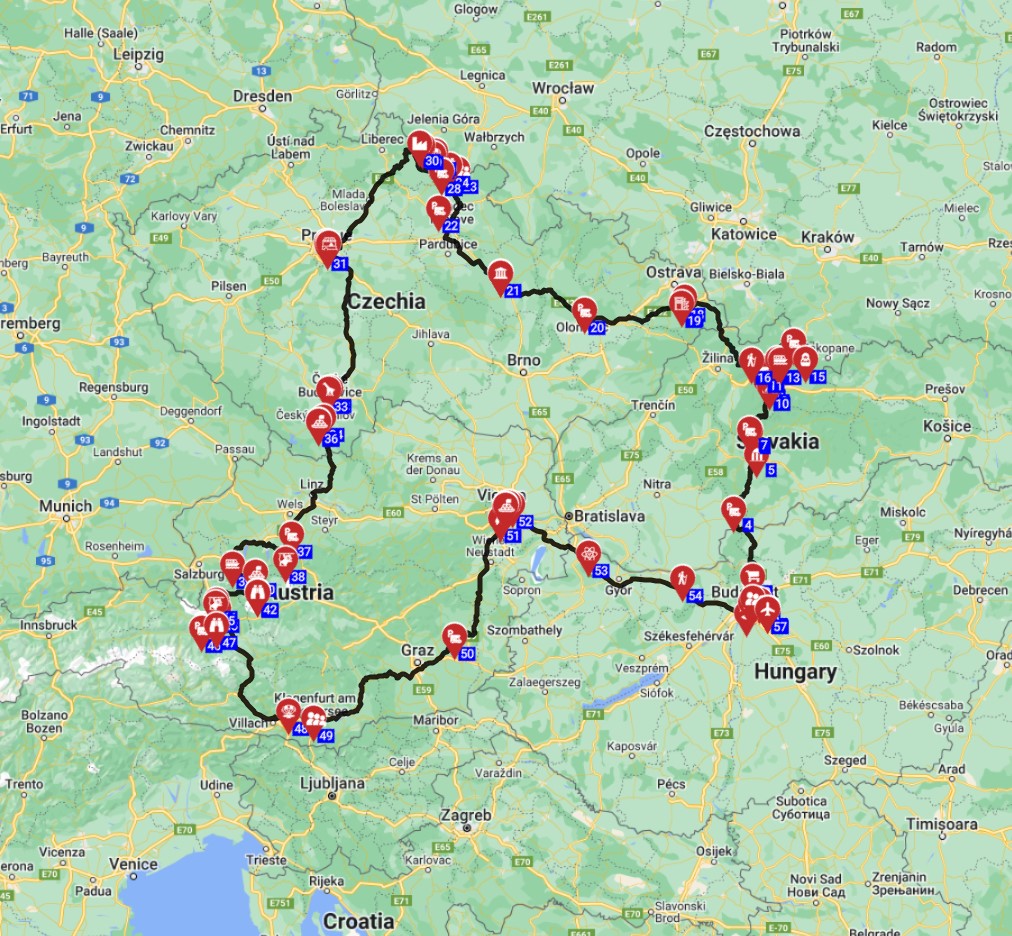
Embarking on your first RV adventure in East Europe offers an incredible blend of stunning landscapes, rich history, and vibrant cultures. Imagine waking up to the fresh mountain air of the Julian Alps, enjoying breakfast by Croatia's sparkling Adriatic coast, or immersing yourself in the thermal waters of Hungary. For first-timers, the idea of a motorhome journey might seem daunting, but with a little planning and the right guidance, it’s one of the most rewarding ways to explore this captivating region. Bandana RV specializes in making your East Europe RV rental experience smooth and transparent, ensuring you have all the information and support you need every step of the way. For live availability and current prices, start with our RV Rental East Europe - Complete Guide 2026 guide.
Where to Camp in East Europe - Top Options
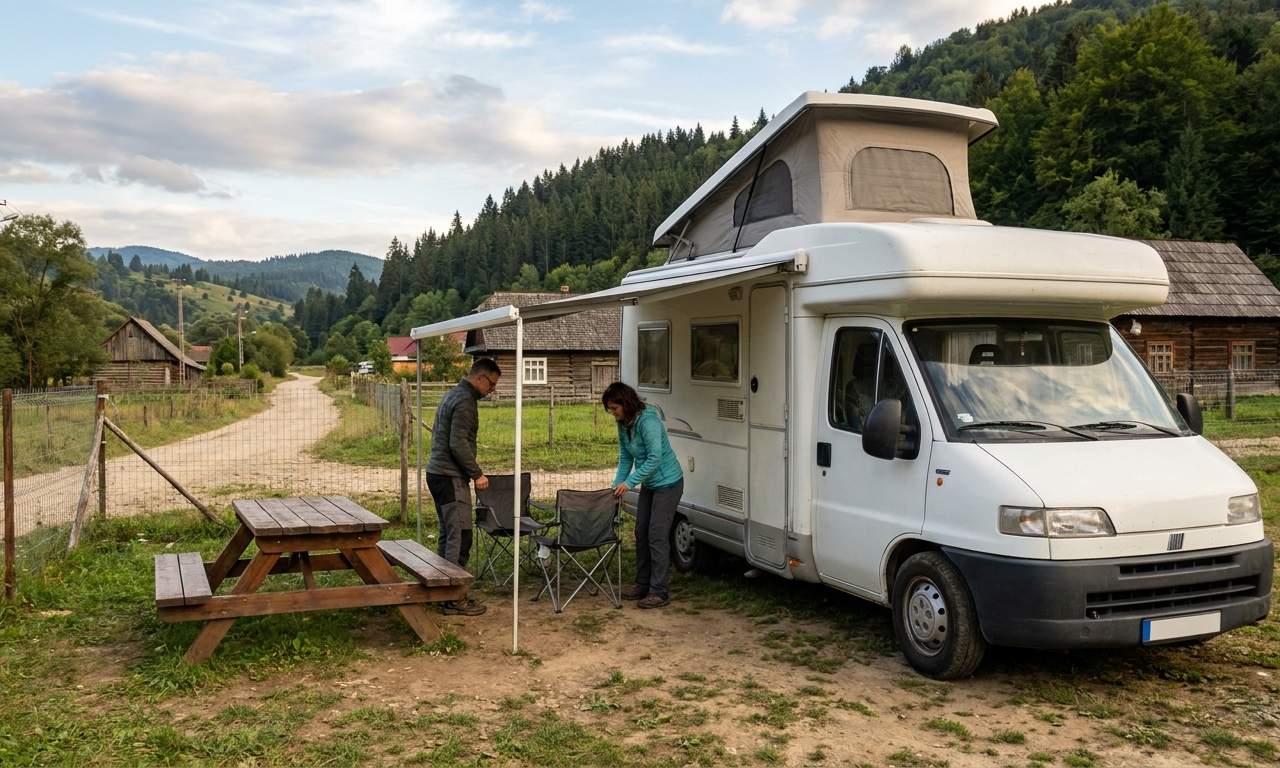
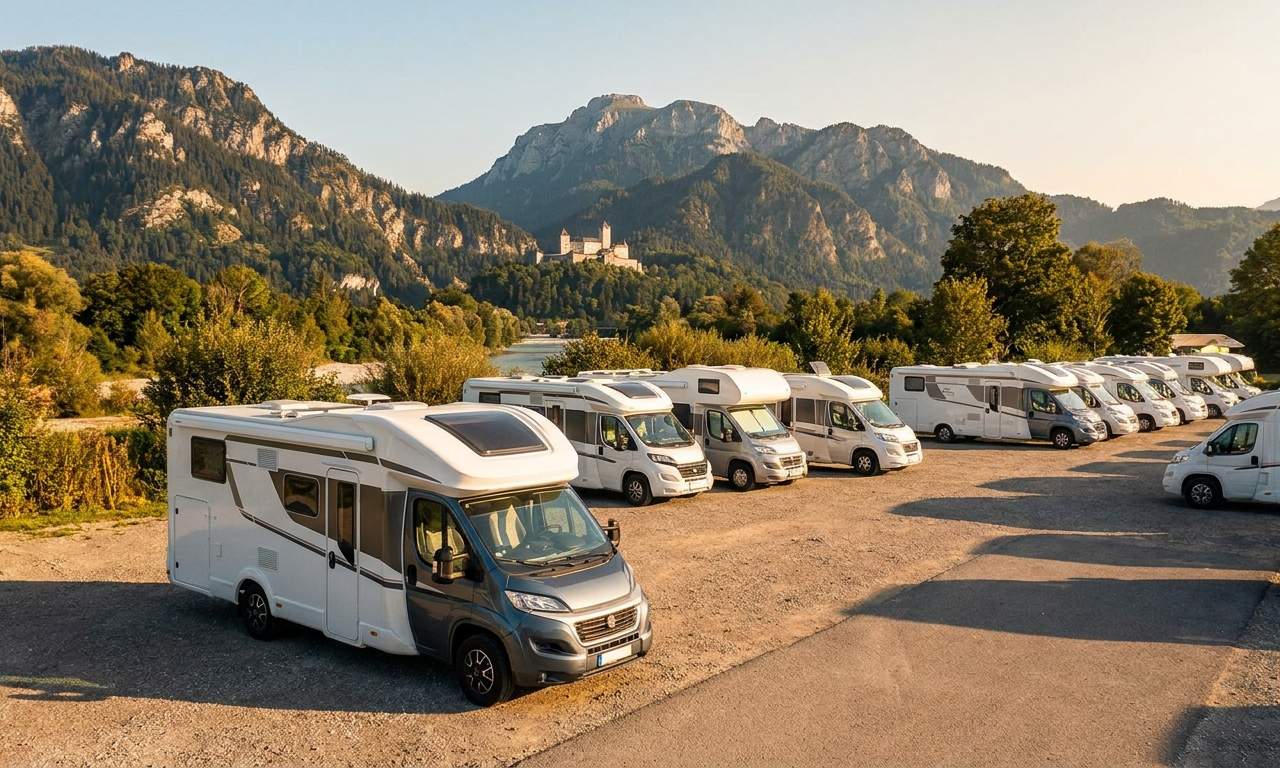
East Europe offers diverse camping experiences for RV travelers, from serene mountain retreats to bustling coastal parks. Beginners can find excellent options in Slovenia's Julian Alps, where sites near Lake Bled and Lake Bohinj offer stunning views and access to hiking trails, often with electrical hookups and modern facilities. Croatia's Adriatic coast is another prime destination, boasting numerous well-equipped campgrounds with direct beach access, particularly around Split and Dubrovnik, though these can be popular in peak season. Hungary’s Lake Balaton region provides large, family-friendly campsites, some with direct access to thermal spas, blending relaxation with adventure. Romania's Carpathian Mountains offer more rustic, immersive nature experiences within national parks, perfect for those seeking tranquility. These regions provide a mix of developed private campsites and national park options, ideal for enjoying the stunning natural beauty while traveling with a rented RV.
Campground Types in East Europe (National, Private, Wild)
RV beginners in East Europe will encounter three main types of camping: national park sites, private campgrounds, and varying rules for wild or freedom camping. National park campgrounds, such as those found in Slovenia or Romania, provide immersive nature experiences, often with basic amenities like fresh water and dump stations, while maintaining strict environmental rules. Private campgrounds are widely available, especially along popular tourist routes and coastal areas like Croatia and Poland, offering a broad spectrum of facilities from basic pitches to full-service resorts with pools, restaurants, and entertainment. Wild camping, or "freedom camping," outside of designated areas is generally illegal or highly restricted across most of Eastern Europe, with specific legality varying significantly by country and local municipality. While some remote parts of the Balkans might tolerate discreet overnight parking, it is crucial to research local regulations, respect private property, and always practice Leave No Trace principles to avoid fines or conflicts. Always call ahead to confirm availability and rules before driving to a specific location if planning a spontaneous stop. On the routes offered through RV PLANET routes, you can itemize and track every expense along the way for easy budgeting.
Featured RV Park or Campground in East Europe
For RV beginners in East Europe, selecting a well-regarded campground is essential for a smooth and enjoyable trip. Ideal campgrounds offer key features such as secure pitches, clean facilities, and good accessibility for motorhomes of all sizes. Many top-rated campgrounds provide reliable 230V electrical hookups with standard European CEE "blue" three-pin connectors, fresh water access at individual pitches or central points, and convenient grey/black water dump stations. Facilities typically include clean bathroom blocks with hot showers and often laundry services, a small shop for essentials, or an on-site restaurant. When choosing, look for parks with positive reviews highlighting safety, cleanliness, and helpful, multi-lingual staff, especially those catering to international visitors. Family-friendly options frequently include playgrounds and organized activities, while others focus on providing tranquility and direct access to nature trails or scenic spots. For finding campsites and campgrounds during your trip, we recommend using RV PLANET (rvplan.net) - a great resource for locating available spots along your route, with many RV PLANET routes allowing travelers to itemize and track every expense.
Hookups & Amenities - What to Expect
When camping in East Europe, beginners can generally expect a range of hookups and amenities at designated campgrounds, varying from basic to comprehensive. Most private campgrounds and many national park sites offer electrical hookups, typically providing 230V electricity with standard European CEE "blue" three-pin connectors and ampages ranging from 6-16 Amps. Fresh water access is common, either at individual pitches or central refill points, and grey/black water dump stations are standard for waste disposal. Modern amenities like Wi-Fi are increasingly common, though signal strength and reliability can fluctuate, particularly at more remote locations. Dedicated laundry facilities and hot showers are standard at nearly all paid campgrounds, providing comfort during your journey. For those venturing into non-EU countries within Eastern Europe, it is advisable to carry a universal adapter and confirm voltage compatibility, as some older sites might offer different outlets or less reliable power. Always check specific campground details upon booking or arrival to understand available amenities fully.
Booking Windows & Reservations in East Europe
RV beginners planning a trip through East Europe should align their booking strategy with their preferred travel style: those who like everything organized will benefit from reserving ahead, while spontaneous travelers can often find spots last-minute. During peak season, typically June through August, and for popular coastal or national park destinations like those in Croatia or Slovenia, booking at least a few months in advance is highly recommended to secure your preferred sites, especially for week-long trips or longer. Many national and state park campgrounds often operate on a partial reservation system, making only 25-30% of their spots available for advance booking, with the significant remainder (70-75%) offered on a first-come, first-served basis. This allows for flexibility. For spontaneous trips or during the shoulder seasons (April-May, September-October), it is frequently possible to find same-day or next-day availability; however, always call ahead before driving to a specific campground to confirm. Remember, you will almost certainly find a spot; if not at the first campground, then usually at the next one down the road, ensuring peace of mind for your adventure.
Nearby Supermarkets & Resupply Points
Resupplying your rented RV in East Europe is typically straightforward, as major supermarket chains are widely accessible in most towns and cities across the region. Travelers will find international chains such as Lidl, Kaufland, and Billa, which offer competitive prices and a vast selection of groceries, including fresh produce, local specialties, and essential camping supplies. In many non-EU Eastern European countries, local markets and smaller independent shops are excellent resources for fresh, inexpensive produce, baked goods, and an authentic cultural experience. To ensure convenience, plan your routes to pass through larger towns for reliable resupply stops, as very small villages may have limited options. Utilizing navigation apps or platforms like RV PLANET (rvplan.net) can help locate the nearest grocery stores and points of interest along your journey. For those who enjoy cooking in their RV, you'll find plenty of opportunities to create delicious meals with local ingredients. Our RV-friendly recipes playlist offers great ideas for on-the-road cooking.
Best RV Class for Camping in East Europe
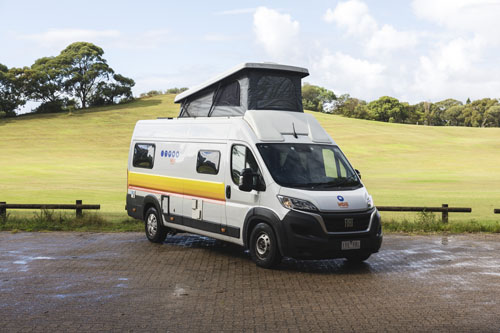
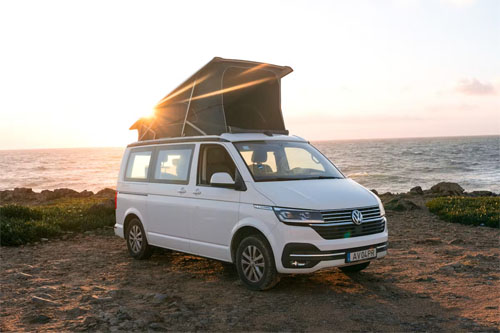
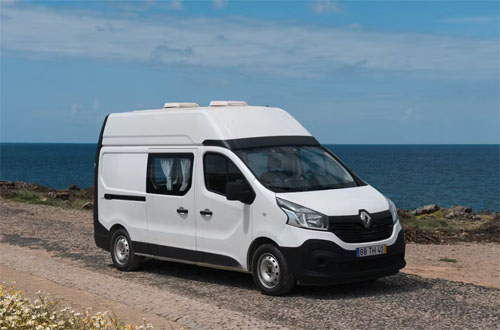
For RV rental beginners exploring East Europe, choosing the right motorhome class is key to a comfortable and flexible adventure. Class B Camper Vans and Class SI (Semi-integrated) RVs often strike the best balance of maneuverability, comfort, and fuel efficiency. Class B Camper Vans, like the "Luxury RV rentals example Carthago Malibu 600" or the "Combi Van", average around 5.8 meters in length, making them ideal for navigating narrower roads and urban areas with ease. These models typically sleep 2-3 adults and consume roughly 8-10 Liters/100 km, offering a fuel-efficient option. For those desiring more interior space and amenities, Class SI Semi-integrated motorhomes, such as the "EcoLine 2" or "2 Berth Sandpiper" (approx. 6.9 meters long), sleep up to 3-4 adults and consume about 10-11 Liters/100 km. While still relatively easy to drive, they provide a more spacious living area. For larger families or groups up to 4-5 adults, Class C Alcove models (e.g., "24 Class C Motorhome," averaging 7.5 meters and consuming 10-12 Liters/100 km) offer ample sleeping capacity but may require a bit more attention on very narrow East European roads. Drive slowly and carefully, and you can drive almost anywhere without issues. No need to stress - just use common sense and pay attention. Consider your group size, desired comfort level, and the types of roads you anticipate exploring when making your RV class selection.
How to Save on Campgrounds in East Europe
RV beginners looking to save on campground costs in East Europe have several smart strategies at their disposal. Firstly, leveraging campground discount cards, which are often provided by RV rental companies like Bandana or can be purchased separately (e.g., ACSI card), can offer significant savings on daily rates at participating sites across Europe. Traveling during the shoulder seasons-spring (April-May) and autumn (September-October)-can result in considerably lower rates compared to the peak summer months of July and August, plus you'll experience fewer crowds and milder weather. Opting for municipal or regional campgrounds over private resorts often means more basic facilities but at a much lower price point, frequently offering a more authentic local feel. Many campgrounds also provide weekly rates that are more economical than daily rates, so consider staying 3 or more nights at a single location if your itinerary allows for slower travel. To compare prices and find the best deals, check out "RV Rental in East Europe - Prices and Best Deals 2026" and "Cheap RV Rental in East Europe - Budget Guide 2026" to plan your budget effectively. Bandana RV's full price transparency ensures no hidden fees, so what you see is what you pay, with no surprise fees at pickup.
Can you park a motorhome anywhere in Europe?
No, wild camping and unregulated parking for motorhomes are generally restricted or illegal in many parts of Europe, especially in Western and Central Europe, though specific rules vary significantly by country and even by local municipality. In Eastern Europe, regulations can be less stringent in very rural or remote areas compared to the stricter rules found in countries like Germany or Switzerland; however, it is still advisable for beginners to use designated campsites or official overnight parking spots. Countries like Croatia and Slovenia have strict laws against wild camping, while others like Poland and the Baltic States may have more lenient, albeit often ambiguous, rules for short, discreet overnight stays. Always research local laws for each country and region you plan to visit, as ignoring regulations can lead to fines and legal issues. Using apps like park4night can help identify legal overnight parking options and ensure a stress-free trip. Remember, common sense and respecting local signage are your best guides.
What is the 333 rule for campervan?
The "333 rule" is an informal, widely shared guideline among campervan and motorhome enthusiasts for responsible wild camping or free parking, suggesting campers adhere to three "3"s. The first "3" means "don't stay longer than 3 days" in any single spot, promoting movement and preventing over-tourism or disturbance to local areas. The second "3" advises "don't camp closer than 3 meters from a road" (or property lines), ensuring clear passage and respecting privacy for local residents. The third "3" suggests "keep a distance of 3 kilometers from other campers," which helps spread out visitors and maintain a sense of solitude for everyone. While not a legal rule in itself, adhering to the 333 guideline demonstrates respect for the environment, local communities, and fellow travelers, which is particularly important in regions of Eastern Europe where wild camping legality can be ambiguous. This approach helps maintain good relationships with locals and preserves natural beauty.
Is Europe RV friendly?
Yes, Europe is generally very RV friendly, offering extensive infrastructure for motorhomes, though specific regulations and road conditions can vary significantly between Western, Central, and Eastern European countries. Western Europe has a highly developed infrastructure with numerous well-equipped campsites, while Eastern Europe presents a rapidly growing network of facilities, often at more budget-friendly prices. Road conditions in East Europe can range from excellent highways to narrower, less maintained rural roads, requiring a rented RV driver to pay attention to vehicle size and local driving etiquette. For travel in non-EU Eastern European countries (e.g., Serbia, Bosnia and Herzegovina), beginners should be aware of potential differences in visa requirements (beyond Schengen), border crossing procedures, local SIM card options, and currency variations outside the Eurozone. Mandatory safety equipment, such as reflective vests, first-aid kits, and spare bulb kits, and adherence to emission zone rules (like purchasing vignettes for tolls or city permits) are crucial considerations when driving a rental RV across various European countries. Our "RV Rental Europe - Complete Guide 2026" provides a broader overview for continent-wide travel.
🎬 Video coming soon
Is it cheaper to rent an RV or stay in hotels?
Renting an RV can often be cheaper than staying in hotels for families or groups, especially on longer week-long trips or extended adventures across East Europe, but the overall cost depends on a detailed breakdown of all expenses. RV travel inherently saves on accommodation costs by combining lodging and transport, and allows for significant savings on food by enabling self-catering. However, it introduces other costs such as the RV rental fees (which fluctuate by season and RV class), fuel, road tolls or vignettes, and campsite fees. For a comprehensive budget, consider that RV rental rates are dynamic, like flight tickets, and change daily based on availability. Fuel consumption for Bandana's fleet averages 8-12 Liters/100 km, depending on the Class B, Class SI, or Class C model. Daily campsite fees typically range from €15-€40 per night in East Europe, while mandatory road tolls or vignettes are common in many countries (e.g., Hungary, Slovenia, Romania). When comparing, factor in the unparalleled convenience and flexibility of a rented RV, the ability to visit multiple destinations without constant repacking, and the unique cultural experiences it offers over traditional hotel stays. For current rental prices, refer to "RV Rental in East Europe - Prices and Best Deals 2026" or "RV Rental Deals in East Europe - Latest Offers 2026".
Which European country has the best campsites?
While the "best" campsites are subjective and depend on individual preferences, countries like France, Italy, and Croatia are frequently cited for their high-quality campsites with diverse amenities. For RV beginners specifically seeking unique experiences and excellent value in East Europe, countries like Slovenia, Croatia, and Hungary offer stunning natural landscapes and well-equipped campsites. Croatia's Adriatic coast, with its thousands of islands and crystal-clear waters, boasts numerous modern campsites featuring direct beach access and resort-style facilities, making it incredibly popular for summer RV camping. Slovenia stands out for its pristine natural beauty, with well-maintained campgrounds often nestled in the Julian Alps or alongside tranquil lakes like Bled and Bohinj, focusing on eco-friendliness and outdoor activities. Hungary, especially around the vast Lake Balaton, provides large, family-friendly campsites, often incorporating access to renowned thermal baths and a vibrant atmosphere. For a balance of amenities, value, and unique cultural immersion, these Eastern European destinations are top choices for your rented motorhome adventure.
Is RVing a thing in Europe?
Yes, RVing-often referred to as caravanning or motorhoming-is a very popular and well-established activity across Europe, with a strong culture and extensive infrastructure, particularly in Western and Central regions, and a rapidly growing presence in Eastern Europe. Millions of Europeans own RVs, and the continent is crisscrossed with designated routes, a vast network of campsites, and motorhome-specific parking areas. In East Europe, the popularity of RVing has surged in recent years, leading to increased investment in modern campsites and services to cater to both domestic and international travelers. This growth means beginners can expect a welcoming environment, albeit with slight cultural nuances and varying road conditions compared to more established Western European destinations. The ability to discover "hidden gems" and enjoy slow travel, averaging a maximum of 100-150 km per day to truly feel the place, connect to the culture, the food, and the scenery, makes RVing in East Europe an increasingly attractive option for all types of travelers.
What is the 10 year RV rule?
The "10-year RV rule" refers to a common, but not universal, policy among some campgrounds, particularly in popular tourist areas or private resorts, that restricts RVs older than 10 years from staying to maintain aesthetic standards and ensure vehicle reliability. This rule is more prevalent in North America but can occasionally be encountered at select high-end or appearance-conscious campgrounds in Europe, including some in Eastern European tourist hotspots. The primary purpose of the rule is to ensure all vehicles on site are well-maintained, contributing to a pleasant environment and minimizing potential issues like breakdowns or leaks. RV rental beginners are less likely to encounter this issue with modern rental fleets, as Bandana RV's partners, including suppliers like El Monte, Cruise America, Apollo, and Britz, typically offer recent models. However, it is always advisable to check a campground's specific policies if renting an older or private vehicle. This rule is distinct from national vehicle age requirements for roadworthiness or emissions, which are regulated by national laws.
What is the app for finding campsites in Europe?
Several popular and highly recommended apps exist for finding campsites and overnight parking spots across Europe, serving as invaluable tools for RV beginners in East Europe. ACSI Campsites Europe offers an extensive database with detailed information, reviews, and often booking capabilities for thousands of campsites, particularly known for its focus on quality and discounts at participating sites. Campercontact is another comprehensive app providing details on campsites, motorhome parking areas (known as "aires" or "Stellplätze"), and service points, frequently updated with user reviews and photos. Park4night is excellent for discovering not only official campsites but also wild camping spots (where legal and tolerated), free parking areas, and service points, relying heavily on user-generated content and local knowledge. Camping.info provides a vast directory of campsites across Europe, including useful filters for amenities, prices, and activities, which is particularly helpful for planning detailed itineraries. These apps are essential for navigating East Europe's diverse camping landscape and ensuring you always have a safe and suitable place to stay with your rented motorhome or campervan.
What is the 28 day rule regarding camping?
The "28-day rule" typically refers to a planning regulation primarily in the UK, where temporary camping or parking on land for more than 28 days in a calendar year without specific planning permission may be subject to legal restrictions. This rule is designed to prevent landowners from establishing de facto permanent campsites without going through proper planning procedures and obtaining the necessary permits. While originating in the UK, similar temporary stay limits exist in various forms across Europe, often related to environmental protection, noise regulations, or local tourism ordinances, influencing how long an RV can stay in one non-designated spot. For RV beginners in Eastern Europe, understanding this concept reinforces the importance of using designated campgrounds or authorized parking areas for longer stays to avoid potential legal issues, especially in environmentally sensitive regions. Always verify local regulations for extended stays, as enforcement and specific durations can differ significantly by country and municipality. This helps ensure responsible and sustainable RV travel.
Which European country is best for camping?
For general camping in Europe, France and Italy are widely renowned for their diverse and high-quality options, from rustic farm stays to luxurious resorts. However, for RV beginners seeking unique experiences and excellent value in East Europe, countries like Slovenia, Croatia, and the Baltic States (Estonia, Latvia, Lithuania) offer stunning natural landscapes and well-equipped campsites. Slovenia consistently stands out for its pristine natural beauty, with well-maintained campgrounds often nestled in the Julian Alps or alongside picturesque rivers and lakes, and a strong national focus on sustainable tourism. Croatia offers an extensive coastline and islands that provide countless opportunities for beachside camping, ranging from bustling resorts to quieter, family-run sites with superb facilities. The Baltic States present a unique blend of historical sites, vast forests, and tranquil coastal areas, with a developing but welcoming RV infrastructure often at lower costs. Ultimately, the "best" country depends on your personal preferences for scenery, amenities, budget, and desired level of cultural immersion on your rented motorhome adventure. Our "RV Rental Europe - Complete Guide 2026" offers a broader perspective.
Top Cities for RV Rental in East Europe
East Europe boasts a myriad of cities that serve as fantastic starting points or key stops for a rented RV adventure, each offering its own unique charm and access to incredible natural or historical sites. Ljubljana, Slovenia, is a charming capital offering immediate access to the Julian Alps and stunning Lake Bled. Split, Croatia, serves as a gateway to the beautiful Adriatic coast and numerous islands. Budapest, Hungary, combines a rich history with relaxing thermal baths and the majestic Danube River. Krakow, Poland, provides historical grandeur and is a short drive from the picturesque Tatra Mountains. Sibiu, Romania, immerses you in Transylvanian charm and offers convenient access to the legendary Transfagarasan Highway. For a truly authentic experience, consider Mostar, Bosnia and Herzegovina, famous for its iconic Old Bridge and vibrant cultural scene. Driving a rented motorhome to these cities allows you to combine urban exploration with natural escapes at your own pace. Drive slowly and carefully, and you can drive almost anywhere without issues. No need to stress - just use common sense and pay attention.
Road Rules and Safety Tips for East Europe
Navigating East Europe with a rented motorhome is an enjoyable experience, but it’s essential to be aware of local road rules and safety tips. In most Eastern European countries, you will drive on the right side of the road, and speed limits are typically 50 km/h in urban areas, 90 km/h on open roads, and 130 km/h on motorways, though these can vary by vehicle type and country, so always check local signage. Many countries, including Hungary, Slovenia, Bulgaria, and Romania, require an electronic vignette for highway use, which must be purchased online or at border crossings to avoid significant fines. Always carry your driver's license (a standard car license is sufficient for all motorhome classes), vehicle registration documents, and rental agreement. An International Driving Permit (IDP) is recommended for visitors from non-English-speaking countries, although it is not always mandatory. Regarding safety, a reflective vest for each occupant, a first-aid kit, and a warning triangle are often mandatory items to carry in your vehicle. Emergency numbers are typically 112 across the EU countries in the region, and 911 or local variants in non-EU nations. For connectivity, consider purchasing a local SIM card upon arrival, which offers cost-effective data for navigation and communication. With these practical tips, your East Europe RV rental adventure will be safe and stress-free.
What You Shouldn't Miss
East Europe offers an abundance of unforgettable experiences for every RV traveler. Here are a few must-do recommendations:
- Explore the Plitvice Lakes National Park (Croatia): Witness the breathtaking cascading waterfalls and vibrant turquoise lakes, easily accessible by a short drive from numerous well-equipped campsites.
- Drive the Transfagarasan Highway (Romania): Experience one of Europe's most spectacular mountain roads, winding through the Carpathian Mountains with incredible vistas.
- Relax in Hungary's Thermal Spas: Park your RV at one of the many campgrounds directly connected to thermal resorts around Lake Balaton or near Budapest for a unique blend of relaxation and sightseeing.
- Discover Slovenian Alpine Beauty: Base your RV near Lake Bled or Lake Bohinj in the Julian Alps for hiking, water sports, and stunning natural scenery.
- Wander through Krakow's Old Town (Poland): Immerse yourself in centuries of history and culture, with numerous RV-friendly parking options on the city's outskirts.
- Coastal Cruise in Montenegro: Drive your campervan along the Bay of Kotor, with opportunities for picturesque seaside stops and charming villages.
Looking for expert insights from Avi Bandana? Top 5 Adventures - recommendations from Avi Bandana.
For more detailed itineraries and hidden gems, explore "RV Travel Guide to East Europe - Tips and Top Spots 2026".
Final Thoughts
Embarking on your first RV camping trip in East Europe is an exciting journey into diverse cultures, breathtaking landscapes, and unforgettable experiences. With a rented motorhome, you gain the freedom to explore at your own pace, savoring every moment and truly connecting with the places you visit. Remember to travel slowly, averaging a maximum of 100-150 km per day, allowing time to truly feel the local atmosphere, indulge in delicious food, and admire the stunning scenery.
Whether you're planning a week-long trip with family or a romantic two-week adventure, East Europe welcomes you with open roads and warm hospitality. Trust in our transparent booking process and dedicated support to guide you, from comparing options to ensuring peace of mind on the road. We are here to help you discover the joy of RV travel.
Ready to start your journey? Discover your perfect East Europe RV rental today!