In This Guide
- Where to Camp in Africa - Top Options
- Campground Types in Africa (National, Private, Wild)
- Featured RV Park or Campground in Africa
- Hookups & Amenities - What to Expect
- Booking Windows & Reservations in Africa
- Nearby Supermarkets & Resupply Points
- Best RV Class for Camping in Africa
- How to Save on Campgrounds in Africa
- Where can I rent a camper van at Kruger National Park?
- Do other countries have RV parks?
- What is the average cost of an African safari vacation?
- How far in advance should I book an African safari?
- What is the best company to do an African safari with?
- What is the best safari camp in Africa?
🎬 Video coming soon
Where to Camp in Africa - Top Options
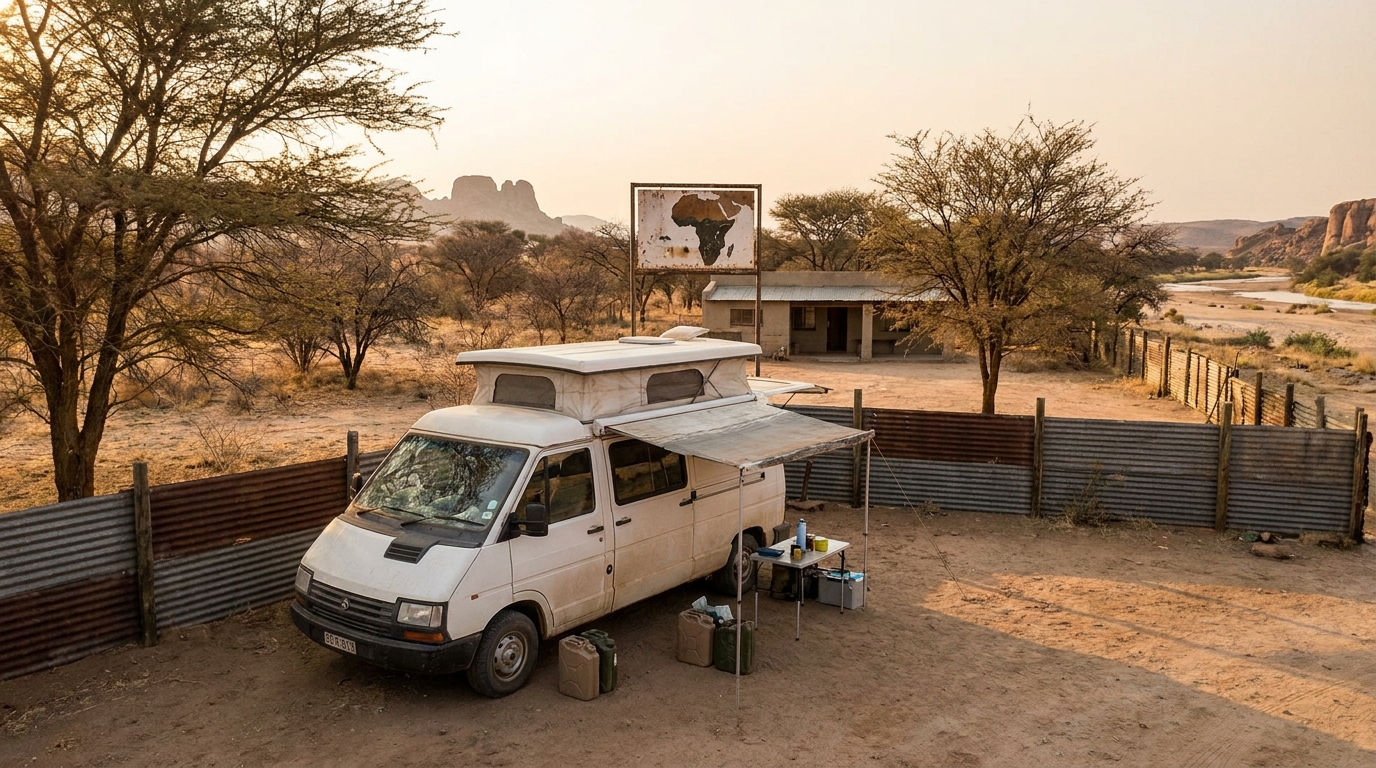
Africa offers diverse RV camping experiences across regions like Southern Africa (e.g., Western Cape, Kruger National Park surroundings), Namibia (Etosha National Park area), and Botswana (Okavango Delta fringes). Popular choices for beginners include well-maintained private campsites, national park camps offering proximity to wildlife, and adventurous bush camps. Consider areas known for good infrastructure and reliable fuel and water stops, such as the famous Garden Route in South Africa or the main tourist routes in Namibia. Always research specific national park regulations and permit requirements well in advance, as some iconic areas might have limited RV access or recommend 4x4 vehicles. Drive slowly and carefully, and you can drive almost anywhere without issues. No need to stress - just use common sense and pay attention.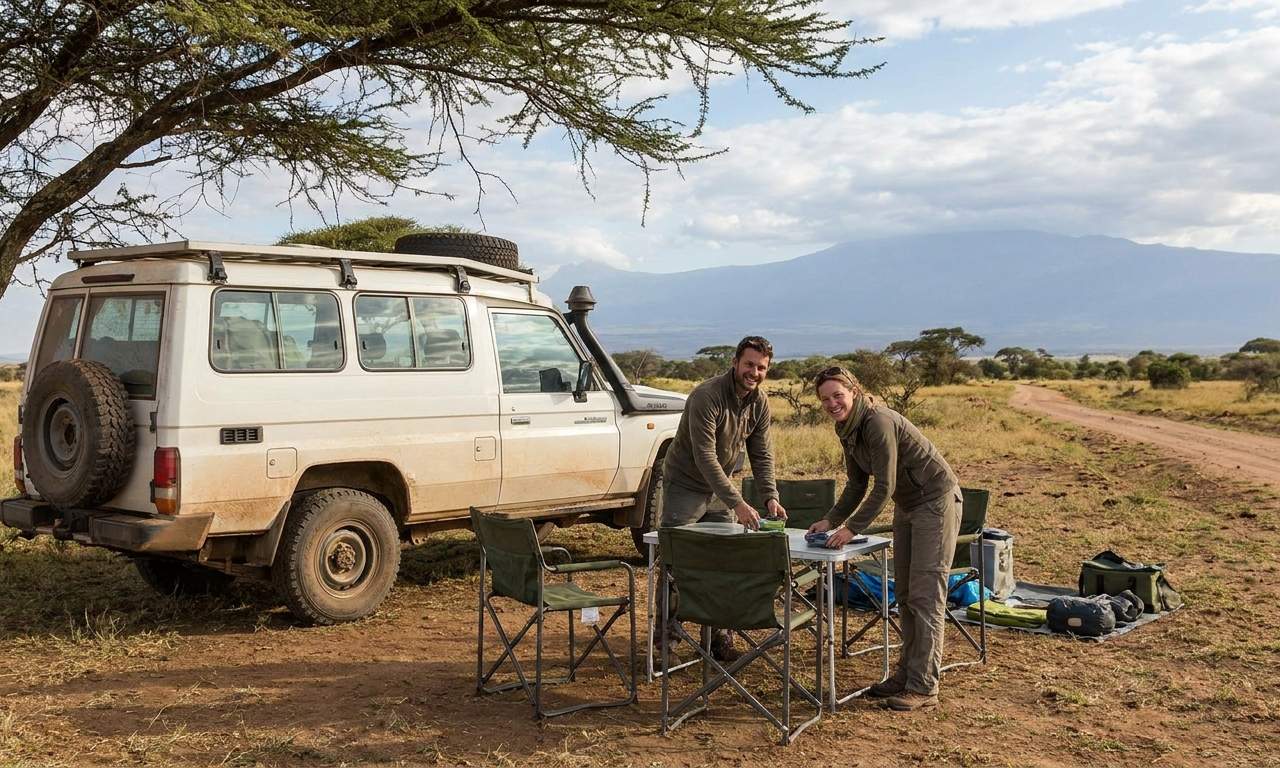
Campground Types in Africa (National, Private, Wild)
RV camping in Africa primarily involves three types of campgrounds: national park campgrounds, private caravan parks, and, with strict limitations, wild camping. National Park campgrounds, such as those run by SANParks in South Africa, offer basic to moderate facilities, prioritize wildlife viewing, and often require advance booking, as only 25-30% of spots are typically reservable. Private campgrounds and caravan parks are more common near towns and tourist hubs, providing a wider range of amenities, better security, and tend to be more family-friendly for your rented motorhome adventure. Wild camping or "bush camping" is largely restricted or requires special permits in designated areas, often only permissible on private concessions or with a professional guide; "freedom camping" is generally not tolerated and often illegal in populated or protected zones due to safety and environmental concerns. Adhering to environmental responsibility and sustainable travel practices is crucial, especially in Africa's sensitive ecosystems, to preserve its natural beauty for future generations.Featured RV Park or Campground in Africa
When selecting an RV park in Africa as a beginner, prioritize locations offering good security, reliable amenities, and proximity to essential services and attractions. An ideal campground for first-timers would include facilities like fenced perimeters, on-site staff available for assistance, and perhaps even guided tours or safaris departing directly from the camp. Look for parks that specifically cater to self-drive adventurers, offering secure vehicle storage or valuable advice on local road conditions. These features help mitigate self-drive risks and provide crucial local expertise, making your first African RV adventure smoother and more enjoyable. It's about finding that perfect balance of comfort and immersion.Hookups & Amenities - What to Expect
In Africa, RV parks and established campgrounds offer a varying range of hookups and amenities, typically including electricity, water, and waste dump stations. Electrical hookups are generally 220-240V with type D, M, or N sockets common, requiring a suitable adapter for international travelers; surge protectors are also highly recommended due to potential power fluctuations. Fresh water access is usually available, but water sourcing in remote areas requires careful planning, including purification solutions and adequate onboard storage for your rented camper. Dump stations for grey and black water are standard in most established sites, though less common in very remote or basic camps. Many private campgrounds and some national park facilities offer shared ablution blocks with hot showers and flush toilets; laundry facilities are often available at private parks for a fee. While Wi-Fi can be sporadic and slow, especially in remote areas, purchasing local SIM cards for mobile data is recommended for reliable communication and navigation, addressing potential communication gaps. Being able to prepare meals in your motorhome's kitchen is a huge plus, offering flexibility and savings; check out our RV-friendly recipes playlist for inspiration!Booking Windows & Reservations in Africa
For RV rental beginners in Africa, booking campgrounds well in advance, especially for popular national parks or during peak season (June-October), is highly advisable. Planners should aim to book several months ahead for sought-after destinations like Kruger National Park or specific camps within Etosha, as permits and spots can fill up quickly. Many national park campgrounds operate on a system where only 25%-30% of spots are reservable, with the remainder allocated on a first-come, first-served basis, meaning spontaneous travelers can often find a place, though perhaps not at their first choice. You'll find a spot. If not at the first campground, then the next one. Call ahead before driving, particularly in remote regions, to confirm availability. Be aware of specific permit requirements for national parks and conservancies, which often have their own booking procedures and timelines separate from the camp spot itself. If you're considering a more spontaneous trip, our "Last-Minute RV Rental in Africa - What to Expect 2026" itinerary might offer useful insights.Nearby Supermarkets & Resupply Points
When RV camping in Africa, beginners should meticulously plan their route around major towns and cities for reliable supermarket and resupply points. Look for well-known chains like Shoprite, Pick n Pay, Spar (common in Southern Africa), or Carrefour (found in North/East Africa) for groceries, fresh produce, and other essentials for your mobile home kitchen. In more remote areas, smaller local shops or 'general dealers' will be available, but stock may be limited; fuel availability in these areas can also be sporadic, necessitating careful planning and potentially carrying extra fuel. Always keep your rented motorhome well-stocked with non-perishable food, sufficient water (especially considering water sourcing challenges in some regions), and any specialty items, as supply runs can be infrequent on extended routes. Consider investing in a quality water purification system for emergencies, as reliable potable water sources can be scarce in some regions. Remember to include realistic costs for fuel and groceries in your budget; on RV PLANET routes, travelers can itemize and track every expense for easy budgeting.Best RV Class for Camping in Africa
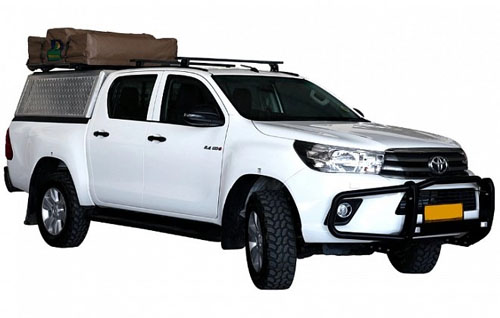
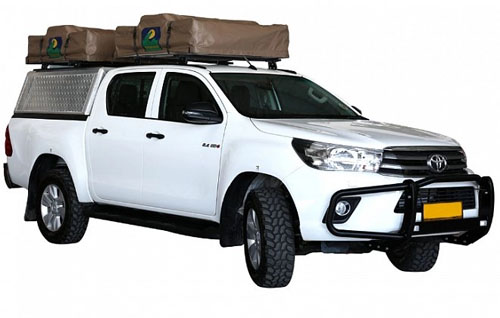
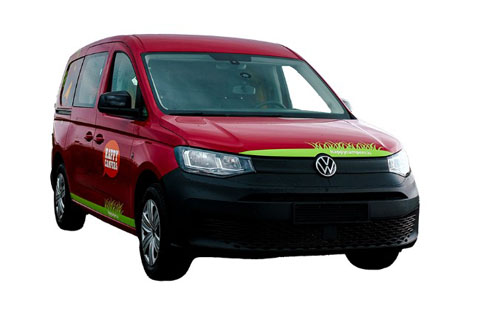
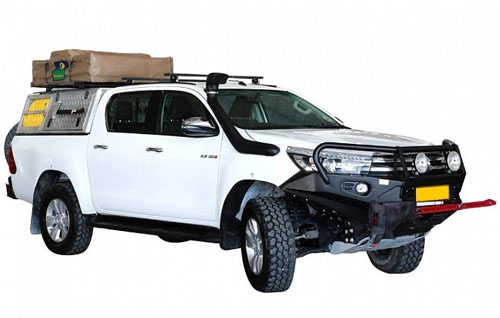
For RV rental beginners embarking on an African camping adventure, Class B Camper Vans and Class TC Truck Campers often offer excellent balance for exploration. Class B Camper Vans, averaging 5.8 meters in length and designed for around 3.2 people, are agile and fuel-efficient (typically 8-10 Liter/100 km), proving ideal for diverse road conditions, including gravel and moderate dirt tracks. Class TC Truck Campers, at an average length of 5.5 meters and sleeping 2.4 adults, are mounted on 4x4 trucks, providing superior ground clearance and ruggedness crucial for tackling more challenging terrains, corrugations, and sandy paths often encountered in national parks, with fuel consumption typically 12-17 Liter/100 km. While Class SI (Semi-integrated) and Class C (Alcove) models offer more space and amenities (e.g., a "cruise america rv rental example Explorer" model at 7.1 meters length and 4 sleeping places, or a "Motorhome hire new zealand example Cheapa 6 Berth" with 3 double beds), their larger size simply means you'll drive slowly and carefully, and you can drive almost anywhere without issues. No need to stress - just use common sense and pay attention, especially on unpaved roads. Always consider specific vehicle recommendations like 4x4 versus 2WD based on your intended route, as some areas may offer more ease with 4x4 capability, and factor in general road safety and self-drive risks.How to Save on Campgrounds in Africa
To save on RV campgrounds in Africa, beginners should primarily leverage discount cards, book during the shoulder season, and opt for municipal or regional campgrounds. Exploring options such as specific campground discount cards can provide significant savings at participating parks across various regions. Traveling during the shoulder season, for instance, April-May or September-November, often means lower rates, fewer crowds, and pleasant weather conditions, offering a better budget breakdown than peak season travel. Prioritize municipal or regional campgrounds over private resorts, as they typically offer more basic facilities at a fraction of the cost. For longer stays, inquire about weekly or monthly rates, as many campgrounds offer discounts for staying 3 or more nights. Also, consider sharing hookups and campsites with another RV or group where permitted, effectively splitting the cost of more expensive private sites. Our "Cheap RV Rental in Africa - Budget Guide 2026" offers more cost-saving strategies.Where can I rent a camper van at Kruger National Park?
While you cannot rent a camper van directly inside Kruger National Park, several reputable rental companies operate from major South African cities like Johannesburg, Pretoria, and Cape Town, offering vehicles suitable for a Kruger safari. Key suppliers such as Britz, Maui, and Apollo are popular choices, providing a range of campervans and 4x4 RVs that can handle the park's main roads and even some off-road tracks. It is crucial to specify that you intend to visit Kruger when booking, as some rental agreements may have restrictions or recommend specific vehicle types, such as a 4x4 for certain areas or if you plan to venture off tarred roads. Consider the logistical planning for your week-long trip, including ensuring your vehicle is equipped for self-drive risks, and have emergency contacts readily available. Permit requirements for entering Kruger National Park and staying at its camps are separate from your RV rental; book these directly through SANParks well in advance.Do other countries have RV parks?
Yes, beyond South Africa, many other African countries, particularly those popular for tourism and self-drive safaris, have established RV parks or dedicated campsites. Namibia is highly regarded for its excellent infrastructure for self-drive RVers, boasting numerous well-maintained national park camps and private lodges with camping facilities. Botswana offers extensive camping options, particularly around its national parks and wildlife reserves, though these tend to be more rustic and often recommend 4x4 vehicles and prior booking. Kenya, Tanzania, and Uganda also feature various campgrounds, especially near major safari circuits, catering to overland travelers and those on extended self-drive expeditions. When planning international RV travel in Africa, comprehensive logistical planning is essential, including researching visa requirements, border crossing procedures, and understanding local road safety and security measures. Familiarize yourself with local cultural etiquette and respectful interactions with communities; learning a few basic phrases in common languages like Swahili or Afrikaans where applicable can greatly enhance your experience.What is the average cost of an African safari vacation?
The average cost of an African safari vacation can vary widely, from budget-friendly RV self-drives starting around $100-$200 per person per day to luxury lodge safaris exceeding $1,000 per person per day. An RV self-drive safari for beginners in Africa offers a significantly more cost-effective option, with daily expenses typically including RV rental (around $80-$200/day), fuel (a major variable, expect 10-17 liters/100km for many Class B/TC models), park entry fees ($20-$100 per person per day, highly variable by park), and food ($20-$50/day for self-catering in your rented camper). Budget breakdowns should also account for additional realistic costs such as potential tolls, border crossing fees, activity permits (e.g., for gorilla trekking), and unforeseen expenses like vehicle recovery or emergency supplies. Travel insurance specifics, particularly for RV travel in remote areas, are crucial and should be factored into the overall budget. While identifying specific accessible medical facilities along routes can be challenging, having comprehensive travel insurance for medical emergencies is paramount. For detailed financial planning, check out our "RV Rental in Africa - Prices and Best Deals 2026" resource.How far in advance should I book an African safari?
For an African safari, especially for RV rental beginners, booking at least 6 to 12 months in advance is generally recommended, particularly if traveling during peak season or to popular destinations. Booking far ahead ensures the availability of your preferred RV class, secures prime campsites within national parks, and often locks in better rental rates. Popular parks like Kruger, Etosha, and the Okavango Delta often have limited campsite availability, and permits for activities like gorilla trekking or specific game drives can sell out months ahead. Flexibility on travel dates or destinations can allow for shorter booking windows, sometimes as little as 3-4 months in advance, especially during the shoulder seasons. Always confirm permit requirements for national parks and conservancies, as their booking procedures and timelines might dictate your overall safari planning. We handle the details, you live the journey, offering personal service from day one until your booking is confirmed.What is the best company to do an African safari with?
The "best" company for an African safari depends on whether you prefer a self-drive RV adventure or a guided tour; for RV rental beginners, platforms like Bandana connect you with a global fleet suitable for various African destinations. For self-drive RV safaris, look for rental companies with a strong presence in Southern Africa, such as our partners like Apollo and Britz, known for reliable 4x4 campervans or truck campers. Key factors in choosing a supplier include comprehensive insurance options, 24/7 roadside assistance (critical for remote areas), detailed vehicle induction, and positive customer reviews regarding vehicle maintenance and support. Companies that provide specific vehicle recommendations based on your intended route (e.g., 4x4 versus 2WD for certain terrains) are particularly valuable for beginners, as Bandana offers expert pre-booking comparison and booking support to ensure you choose wisely. Prioritize companies that offer detailed safety protocols, including emergency contacts and guidance on self-drive risks, going beyond just safe wildlife viewing. With over 23 years helping tens of thousands of travelers, Bandana is a true RV specialist, not merely a travel agency side department.What is the best safari camp in Africa?
Defining the "best" safari camp in Africa for RV travelers is subjective, as it depends on individual preferences for amenities, wildlife focus, and budget. For RV beginners, the "best" camp often combines a secure, well-maintained site with good access to wildlife viewing areas, such as those found within or adjacent to popular national parks. Look for camps that offer essential hookups (electricity, water) and amenities like clean ablution blocks, security, and perhaps even a communal area or small shop. Camps known for their commitment to environmental responsibility and sustainable travel practices are increasingly preferred, ensuring your visit contributes positively to conservation efforts. Consider camps that provide clear information on permit requirements and booking procedures, as some sought-after locations might have complex entry rules. Remember to travel slowly, a maximum of 100-150 km per day on average, to take time to feel the place, connect to the culture, the food, and the scenery around your chosen camp.What You Shouldn't Miss
- **The Okavango Delta, Botswana:** Explore this unique inland delta by a rented 4x4 campervan, offering unforgettable wildlife viewing and a serene water-based safari experience.
- **The Garden Route, South Africa:** Drive this stunning coastal route in your motorhome, enjoying diverse landscapes from ancient forests to pristine beaches, with plenty of well-equipped campsites.
- **Etosha National Park, Namibia:** Witness incredible wildlife gatherings at floodlit waterholes from your RV in one of Africa's premier self-drive safari destinations.
- **Victoria Falls, Zambia/Zimbabwe:** Park your RV at nearby campsites and marvel at one of the world's largest waterfalls, offering thrilling activities like bungee jumping and helicopter tours.
- **The Atlas Mountains, Morocco:** Journey through picturesque mountain villages and vibrant markets with your rented campervan, experiencing a rich cultural tapestry.
Final Thoughts
Embarking on your first RV camping trip in Africa is an adventure of a lifetime, offering unparalleled freedom and immersion in nature and diverse cultures. With a rented motorhome, you have the flexibility to explore at your own pace, connect with local communities, and create memories that will last forever. Remember, careful planning, especially regarding campground reservations and resupply points, is key to a smooth journey. Our team at Bandana Caravan is here to support you through every step of the booking process, from comparing vehicles to understanding local regulations. We believe that God is in the small details, and we take care of them, making a big difference in your travel experience. Get inspired for your next trip! Discover top destinations and planning tips all in one place. So, pack your bags, choose your ideal campervan, and prepare for an African adventure that combines the thrill of discovery with the comforts of home. Travel slowly, embrace the unexpected, and let the spirit of Africa capture your heart.On the routes offered through RV PLANET routes, you can itemize and track every expense along the way for easy budgeting.