In This Guide
- Top 5 Tips for family rv rental RV Rental in Vancouver
- Before You Book - Class, Dates, Insurance
- Pre-Trip Prep - Packing Checklist for Vancouver
- On the Road - Driving, Fueling, Navigation
- At the Campground - Setup, Hookups & Etiquette
- Family rv rental-Specific Tips for Vancouver
- Common Mistakes to Avoid in Vancouver
- What is the 3-3-3 rule for RVs?
- What is the 4 4 4 rule for RVing?
- What is the 2 2 2 rule for RV?
- What is the RV-10 rule?
- What You Shouldn't Miss
- Why Book with Bandana Caravan
- Final Thoughts
- Frequently Asked Questions
Top 5 Tips for family rv rental RV Rental in Vancouver
Booking your family RV rental in Vancouver requires thoughtful planning to ensure a smooth and memorable trip for everyone. The key to a fantastic adventure in British Columbia with kids lies in meticulous preparation and a relaxed approach to travel. For live availability and current prices, start with our RV Rental Vancouver - Complete Guide 2026 guide.Here are our top 5 tips for a seamless family RV trip:
- Book your RV and campsites well in advance, especially for peak season (June-September), to secure your preferred options near Vancouver. Popular provincial parks like Golden Ears or Cultus Lake can sell out within minutes of reservations opening.
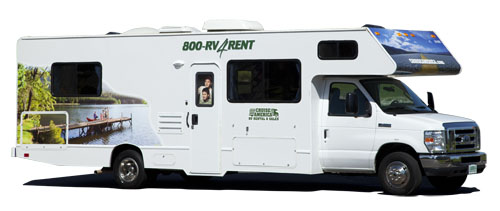
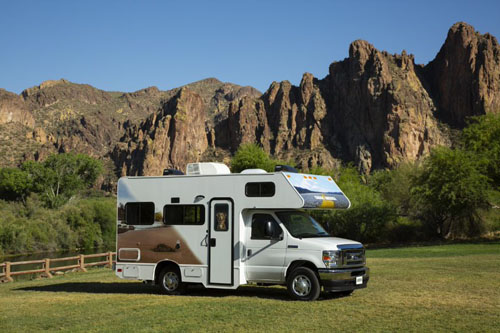
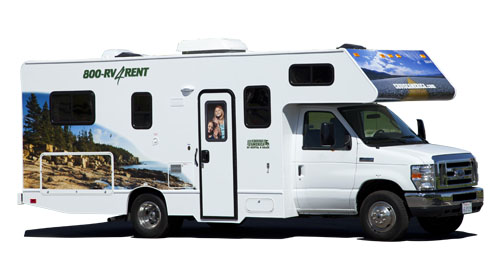
- Choose an RV class suitable for your family's size and comfort needs; Class C motorhomes are often ideal for families with 4-6 people, offering a balance of space, amenities like a compact kitchen and bathroom, and easier drivability than larger Class A models. For instance, a 'cruise america rv rental example Explorer' provides a comfortable living space with a 82-liter fresh water tank.
- Familiarize yourself with popular RV trip planning rules, such as the 3-3-3 rule, to ensure a relaxed and enjoyable pace for your Vancouver adventure. This rule suggests driving no more than 300 miles (approximately 480 km) a day, arriving at your campsite by 3 PM, and staying for a minimum of 3 nights.
- Plan your route including potential stops for fuel, groceries, and attractions, considering Vancouver's urban navigation and BC's diverse terrain. Knowing where the larger gas stations are, especially ones with easy RV access outside of busy downtown Vancouver areas like Gastown, can save time and stress. For finding campsites and campgrounds during your trip, we recommend using RV PLANET (rvplan.net) - a great resource for locating available spots along your route.
- Pack smartly for Vancouver's variable weather, including layers and rain gear, to stay comfortable during your family RV trip. British Columbia weather can change quickly, from sunny coastal days to cooler mountain evenings, so versatility is key.
Before You Book - Class, Dates, Insurance
Choosing the right RV class for a family rental in Vancouver often involves balancing space, maneuverability, and budget, with Class C motorhomes being a popular choice for their balance of amenities and drivability. These vehicles typically sleep 4-6 people and come equipped with kitchens and bathrooms, making them excellent mobile homes for family road trips. Consider models like the 'cruise america rv rental example Explorer' or 'rv rentals example Comfort Class' (large, with 3 double beds), which offer ample space and comfort.Lock in your preferred rental dates as early as possible, ideally 3-6 months in advance for summer travel, to ensure availability and potentially better rates. Prices are dynamic like flight tickets-they change daily based on availability, seasonality, and supplier marketing decisions, so early booking often yields savings of up to 20-30% during peak season. While popular dates may book up, many national and state parks reserve 25-30% of spots for first-come-first-serve, meaning you can still find a spot with a little flexibility and by calling ahead.
When considering insurance options for your RV rental, it's important to understand the coverage levels available beyond the basic plan. Basic insurance is always included, but you can upgrade to a top-level deductible for extra peace of mind, offering enhanced protection against unforeseen incidents. We believe in full transparency: what you see is what you pay, with no hidden fees or surprises at pickup. Our direct partnerships with over 50 leading RV suppliers worldwide, including El Monte, Cruise America, Apollo, and Britz, ensure you have a wide selection and competitive prices. For a detailed look at costs, check out RV Rental in Vancouver - Prices and Best Deals 2026 or for premium options, Luxury RV Rental in Vancouver - Premium Prices 2026.
Pre-Trip Prep - Packing Checklist for Vancouver
A well-prepared packing list for a Vancouver RV trip ensures comfort and readiness for various activities and British Columbia's variable weather conditions. Packing efficiently for a motorhome or campervan journey means maximizing space while having everything you need.Clothing:
- Rain jackets and waterproof pants are essential for unexpected showers, especially in coastal Vancouver.
- Layers (fleeces, sweaters, long-sleeved shirts) are key for adapting to temperature changes, from cool mornings to warm afternoons.
- Comfortable walking/hiking shoes are a must for exploring Vancouver's parks, trails, and city streets.
- Swimsuits (for lakes or pools) are useful for visiting many provincial parks or private RV parks with amenities.
- Warm pajamas for cooler nights in the RV, particularly if traveling in spring or fall.
Kitchen Essentials:
- Basic cooking spices and oil for preparing meals in your RV kitchen, making dining in both convenient and cost-effective.
- Non-perishable snacks for kids, easy to grab during drives or outdoor adventures.
- Reusable water bottles help reduce waste and keep everyone hydrated on hikes.
- Coffee/tea supplies to enjoy a fresh brew with a view from your rented motorhome.
- Dish soap and sponges are crucial for keeping your RV kitchen tidy after preparing meals like those in our RV-friendly recipes playlist.
Safety & Health:
- Comprehensive first-aid kit, well-stocked for minor scrapes and emergencies, is a non-negotiable item.
- Sunscreen and insect repellent are important for outdoor activities in British Columbia, from beaches to forests.
- Bear spray (if venturing into wilderness areas like Garibaldi Provincial Park, know how to use it safely and legally) is recommended for personal protection.
- Headlamps or flashlights are indispensable for navigating campgrounds at night or during power outages.
- Medications (prescription and over-the-counter) should always be kept accessible.
Documents & Navigation:
- Driver's license and additional ID are required for all drivers, with an International Driving Permit recommended for non-English speaking visitors.
- RV rental agreement and insurance details should be kept handy in a waterproof bag.
- Campground reservations, especially for popular spots like Capilano River RV Park, are a must-have.
- Physical map or offline GPS app, as cell service can be spotty in some remote parts of BC.
- BC Ferries reservations (if applicable) are essential, especially for travel to Vancouver Island.
For more detailed planning, consider watching our RV Travel Guide to Vancouver - Tips and Top Spots 2026 video.
On the Road - Driving, Fueling, Navigation
Navigating Vancouver and British Columbia in an RV requires attention to road signs, vehicle dimensions, and local driving conditions. Don't let the size of your motorhome deter you from exploring; drive slowly and carefully, and you can drive almost anywhere without issues. No need to stress - just use common sense and pay attention.Be mindful of your RV's height and length, especially when approaching low bridges, tunnels, or tight parking areas in urban Vancouver. For example, some parking garages in downtown Vancouver might have height restrictions, but street parking or designated oversized vehicle lots near attractions like Stanley Park or Granville Island Public Market are often available. The main roads through the city, such as Georgia Street and Robson Street, are generally wide and manageable.
Plan your fuel stops, particularly outside major cities where gas stations can be scarcer, and verify if your RV uses gasoline or diesel. British Columbia's fuel prices fluctuate, and budgeting for these ancillary costs is important for your overall trip expenses. On RV PLANET routes, you can itemize and track every expense along the way for easy budgeting. Along major routes like Highway 1 or the Sea-to-Sky Highway (Highway 99), fuel stations are reasonably frequent, but always top up before heading into more remote areas, such as those towards Squamish or Whistler. On the routes offered through RV PLANET routes, you can itemize and track every expense along the way for easy budgeting.
Utilize an RV-specific GPS or navigation app that accounts for vehicle dimensions to avoid unsuitable routes and ensure you don't encounter unexpected low clearances or narrow turns. For example, when traveling from Vancouver to Victoria on Vancouver Island, book BC Ferries well in advance, especially with an RV, as space can be limited and costs vary by vehicle length. Horseshoe Bay and Tsawwassen are the two main ferry terminals serving Vancouver, with services to Nanaimo (Duke Point) and Victoria (Swartz Bay) respectively. Our 24/7 support is here to help you before and after your booking, providing peace of mind as you plan your adventure.
At the Campground - Setup, Hookups & Etiquette
Proper campground setup and adherence to etiquette ensures a smooth and enjoyable RV experience for everyone, especially in popular Vancouver-area parks. British Columbia offers numerous scenic campgrounds, from provincial parks like Golden Ears Provincial Park or Cultus Lake Provincial Park to private RV resorts like Burnaby Cariboo RV Park.Upon arrival, first level your RV using blocks or an automatic leveling system to ensure appliances function correctly and for comfort, preventing items from rolling off counters. This is especially important for absorption refrigerators found in many rented motorhomes. Next, connect your hookups in the recommended order: typically sewer first with a proper hose, then fresh water with a potable water hose and pressure regulator, and finally electricity to your RV's power inlet.
Respect quiet hours, generally between 10 PM and 7 AM, by keeping noise to a minimum and managing generator use, if your RV has one (e.g., the 'cruise america example P 23-26' with generator feature). Most campgrounds around Vancouver enforce strict rules to maintain a peaceful environment. Always dispose of waste properly at designated dump stations and leave your campsite cleaner than you found it, adhering to the "leave no trace" principles. Vancouver offers several public and private dump stations, including those at Fort Camping in Langley or various municipal waste facilities near Highway 1.
Family rv rental-Specific Tips for Vancouver
To ensure a pleasant family RV trip near Vancouver, incorporate specific planning that caters to children's needs and interests, transforming travel time into part of the adventure. Embrace slow travel; aim for an average of 100-150 km per day. This allows your family to truly feel the place, connect to the local culture and food, and immerse yourselves in the stunning British Columbia scenery.Plan shorter driving days, aligning with rules like the 2-2-2 guideline (driving no more than 200 miles, arriving by 2 PM, staying 2 nights), to reduce travel fatigue and allow more time for exploration and play. This pace is particularly beneficial for younger children. Research family-friendly campgrounds with amenities like playgrounds, swimming pools, or kid-focused activities near Vancouver attractions, such as Cultus Lake Provincial Park or Camp Kwomais at White Rock. These sites often provide a great base for day trips to local attractions like the Vancouver Aquarium or Science World.
Designate a 'quiet zone' or nap area within the RV for younger children to rest during the day or on longer drives. Having a comfortable, familiar space can make a big difference in preventing meltdowns. Pack a variety of entertainment options for kids, such as books, games, and tablets, to keep them engaged during travel and downtime, ensuring every moment is enjoyable. As true RV specialists, we understand the nuances of family travel and are dedicated to making your Vancouver adventure seamless from start to finish.
Common Mistakes to Avoid in Vancouver
Avoiding common pitfalls can significantly enhance your family RV rental experience in Vancouver and British Columbia, making your journey more enjoyable. One frequent mistake is underestimating the popularity of local attractions and campgrounds.Instead of waiting, book popular Vancouver-area campsites (e.g., provincial parks, private RV parks like Peace Arch RV Park or Sunnyside Campground) several months in advance to secure a spot, as demand is high, especially for summer weekends. Many prime spots in BC Provincial Parks can be reserved up to four months in advance and sell out instantly.
Rather than underestimating travel times, use an RV-specific GPS and add buffer time for scenic stops, traffic, and BC Ferries wait times if heading to Vancouver Island. Traffic in and around downtown Vancouver, particularly during rush hour on highways like the Trans-Canada Highway (Highway 1), can add significant delays. To avoid unexpected situations, always check the weather forecast for your specific route, especially when traversing mountain passes like those on the way to Whistler, and pack appropriate gear for sudden changes in conditions. Even if you're looking for last-minute family RV rental deals in Vancouver, remember prices are dynamic and vary daily, so compare options carefully. For budget-conscious travelers, our Cheap RV Rental in Vancouver - Budget Guide 2026 provides excellent insights.
Before departing, confirm your RV's clearance height and length, and pay attention to signage in urban areas to prevent hitting low overheads or getting stuck in tight spots. Driving slowly and carefully allows you to navigate almost anywhere without issues. Bandana Caravan, founded in 2001, has over 20 years helping tens of thousands of travelers explore the world by RV, providing confidence that we know what we're talking about.
What is the 3-3-3 rule for RVs?
The 3-3-3 rule for RVs suggests a relaxed travel pace where you drive no more than 300 miles (approximately 480 km) a day, aim to arrive at your campsite by 3 PM, and stay for a minimum of 3 nights. This guideline helps prevent driver fatigue by limiting daily mileage, ensuring everyone, especially children, remains comfortable and energetic. Arriving by 3 PM allows ample time to set up camp in daylight, explore the area around Vancouver, and relax before dusk, reducing stress. Staying for at least 3 nights provides a buffer for unexpected delays and allows for a more immersive experience at each destination, reducing the feeling of constantly packing and unpacking.What is the 4 4 4 rule for RVing?
The 4-4-4 rule for RVing is a variant of trip planning that recommends driving no more than 400 miles (approximately 640 km) in a day, arriving at your destination by 4 PM, and staying for a minimum of 4 nights. This rule is similar to the 3-3-3 rule but allows for slightly longer daily travel distances, often preferred by more experienced RVers or those covering greater distances on a multi-week trip from Vancouver to another province. Arriving by 4 PM still provides sufficient daylight for campsite setup and initial exploration. The longer stay of 4 nights at each location further enhances relaxation and allows for deeper exploration of local attractions without feeling rushed.What is the 2 2 2 rule for RV?
The 2-2-2 rule for RV travel is a conservative guideline advising drivers to limit daily travel to no more than 200 miles (approximately 320 km), aiming to arrive at the campsite by 2 PM, and staying for at least 2 nights. This rule is particularly well-suited for beginners, families with young children, or those who prioritize a very relaxed and unhurried pace on their family RV trip in Vancouver. Limiting daily mileage to 200 ensures minimal driving stress and maximum comfort, especially for passengers. An early arrival by 2 PM guarantees ample time for campsite setup, exploring, and allows for unexpected delays. Staying for 2 nights provides a comfortable break, allowing you to enjoy the campground and local area, such as a provincial park near Vancouver, without feeling pressured to move on immediately.What is the RV-10 rule?
The 'RV-10 rule' is not a widely recognized or standard RV trip planning guideline in the same vein as the 2-2-2, 3-3-3, or 4-4-4 rules, so it is likely a misunderstanding when discussing RV travel in Vancouver. It is possible that 'RV-10' might refer to a specific model of recreational vehicle (though not a common industry designation for a rule) or could be a personalized, less common rule used by an individual RVer. The term 'RV-10' is more commonly associated with the Van's Aircraft RV-10, which is a four-seat, single-engine, low-wing homebuilt airplane kit, rather than an RV travel guideline. When planning RV trips, it's more beneficial to focus on established pacing rules like the 2-2-2 or 3-3-3 rules that are designed to enhance safety and enjoyment on the road.What You Shouldn't Miss
- **Stanley Park Exploration:** Drive your rented motorhome to Stanley Park and park near the Vancouver Aquarium (with RV-friendly parking available), then spend a day cycling the Seawall or exploring the forest trails.
- **Granville Island Public Market:** Find RV-friendly parking in one of the larger lots surrounding Granville Island, then immerse your family in the vibrant food, artisan shops, and street performances.
- **Capilano Suspension Bridge Park:** Take a short drive north of Vancouver to experience the exhilarating suspension bridge, Treetops Adventure, and Cliffwalk, offering stunning views and family fun.
- **Sea-to-Sky Highway Scenic Drive:** Embark on one of the world's most scenic drives from Vancouver up to Whistler, stopping at viewpoints, waterfalls, and attractions like Shannon Falls Provincial Park or the Britannia Mine Museum.
- **BC Ferries Adventure to Victoria:** Take your RV on a BC Ferries vessel from Tsawwassen to Swartz Bay (near Victoria) for a unique travel experience across the Salish Sea, exploring charming Victoria and Butchart Gardens.
- **
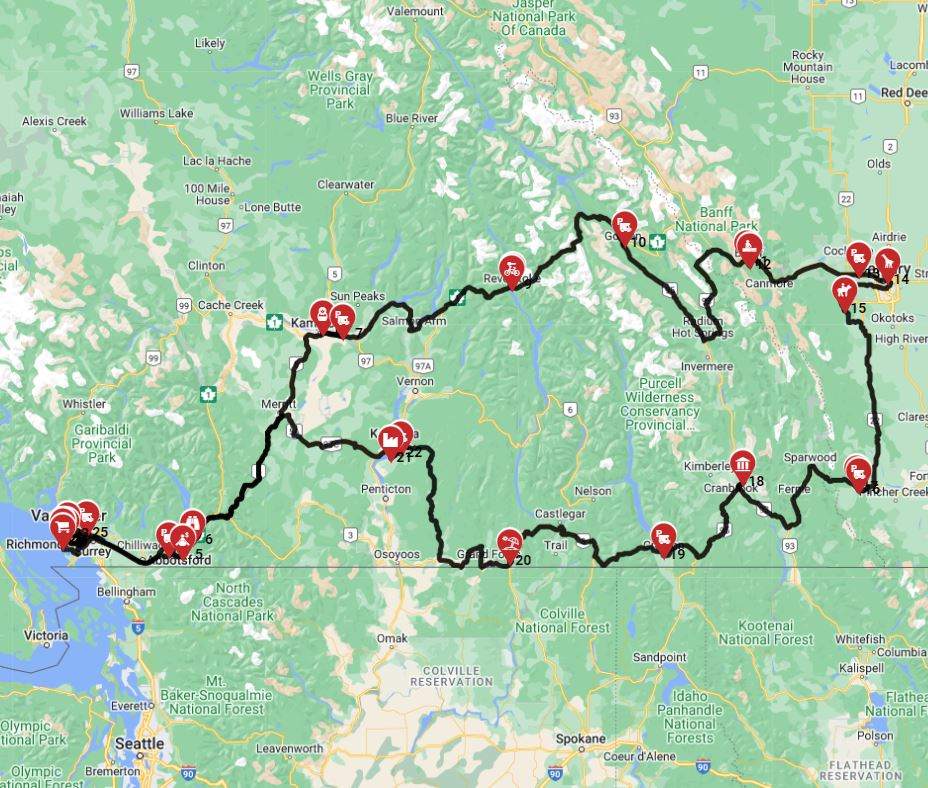
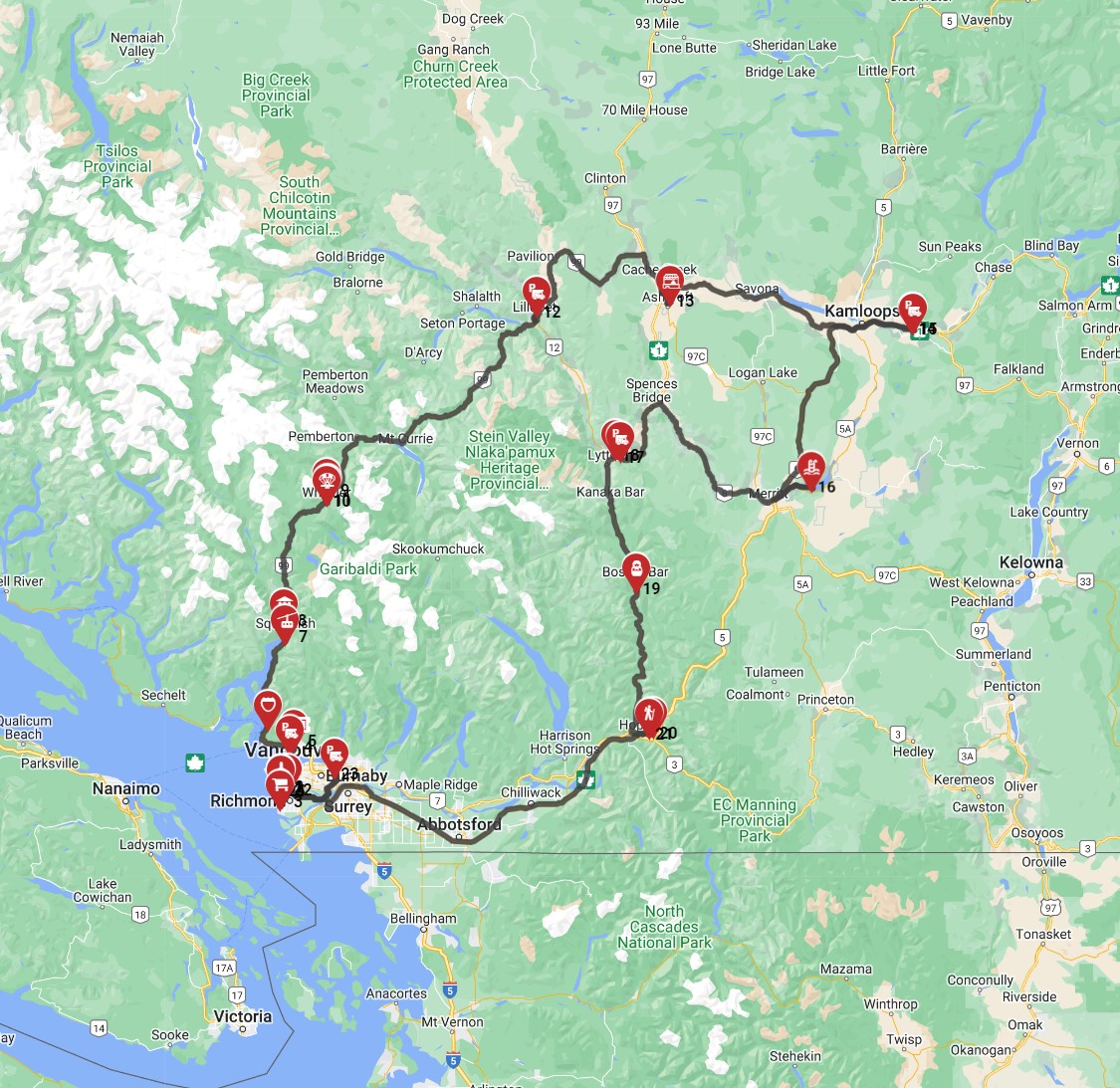
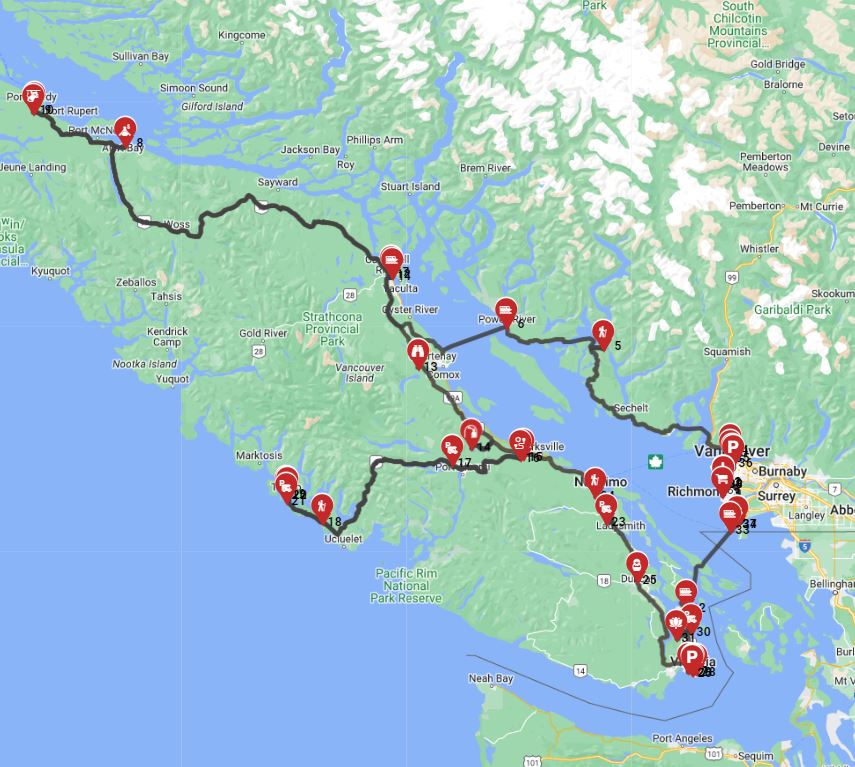
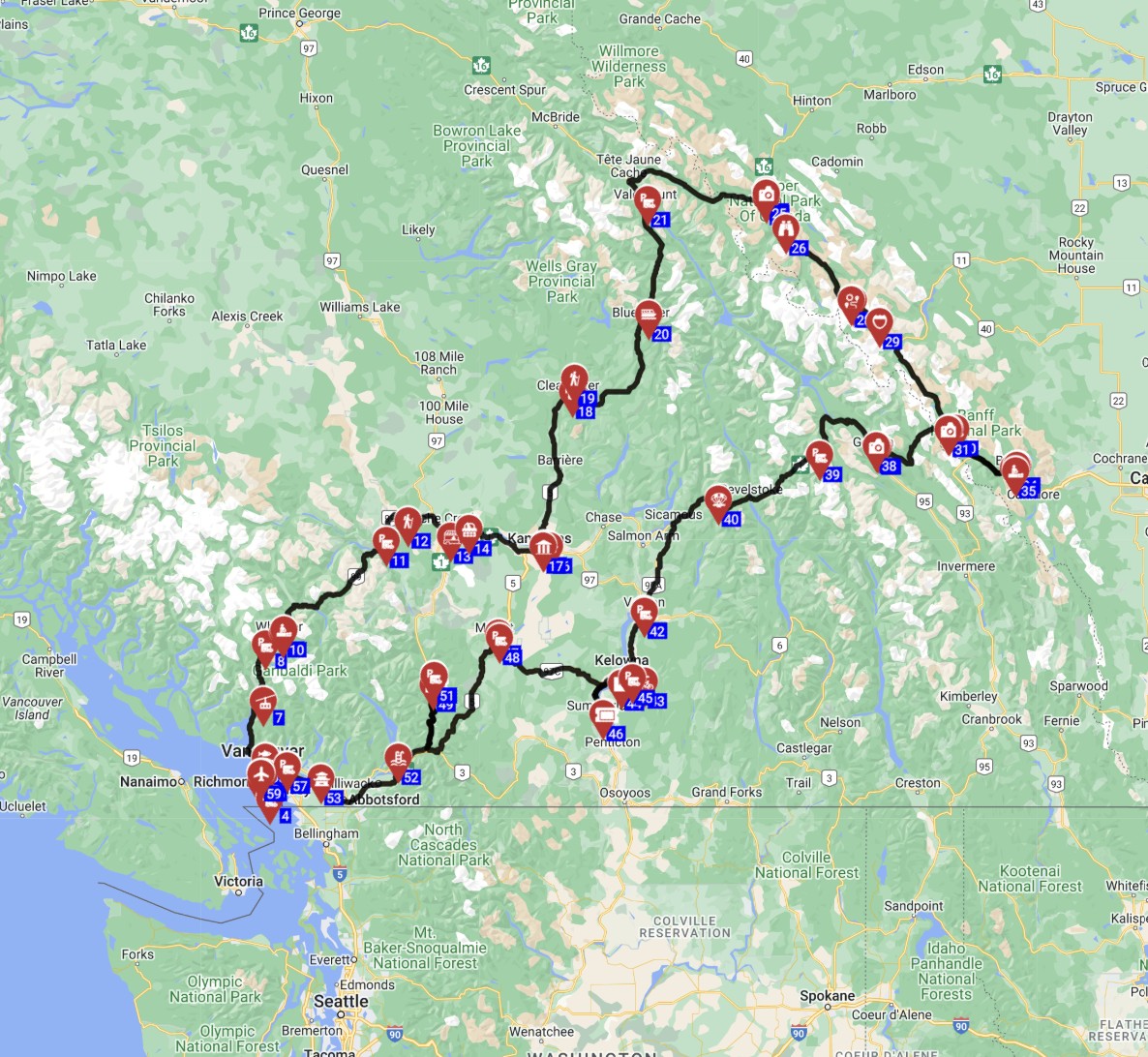
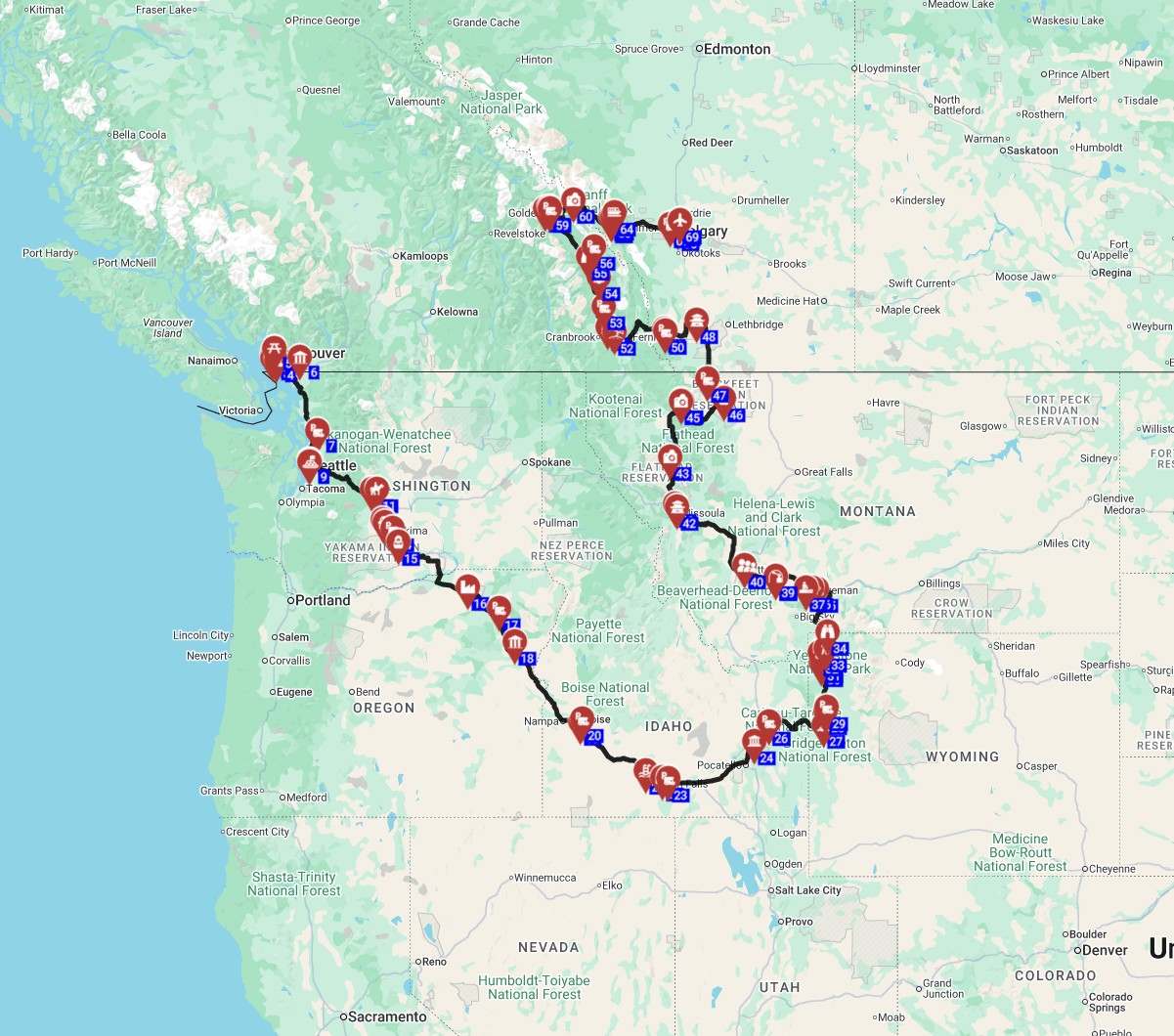
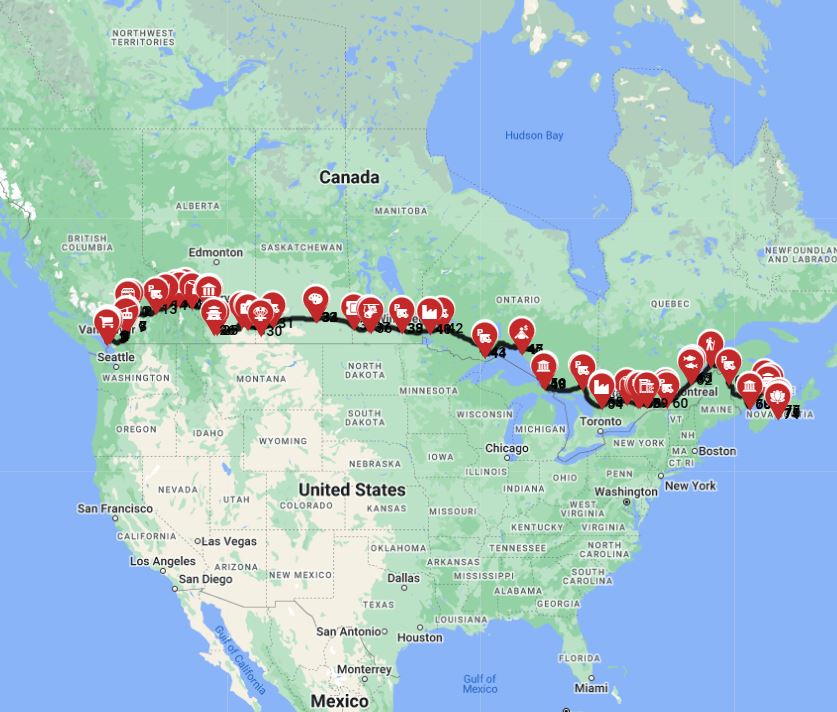
:** This 19-day, 2659.4 km route is perfect for active families, including stops at 3 bike rental locations and 1 Canoe / Kayak / Rafting experience, as planned by RVPLAN.net professionals.
 Vancouver Round Trip - West Canada Cycling Adventure
Looking for expert insights from Avi Bandana? Top 5 Adventures - recommendations from Avi Bandana
🎬 Video coming soon
Final Thoughts
Embarking on a family RV rental adventure in Vancouver is an incredible way to create lasting memories, offering the freedom and flexibility to explore British Columbia's stunning landscapes at your own pace. With careful planning, a clear understanding of your RV and the local driving environment, and a focus on enjoying the journey, your family is set for an unforgettable experience. Remember, the goal is to travel slowly, allowing yourselves to truly connect with the culture, food, and breathtaking scenery that Vancouver and its surrounding areas offer.Whether you're dreaming of mountain vistas, tranquil coastal drives, or exploring vibrant urban centers, a rented motorhome or campervan provides the perfect base for your family's next big adventure. From selecting the right vehicle to navigating campgrounds and avoiding common travel mistakes, this guide equips you with the knowledge to make your Vancouver RV trip a resounding success. So, pack your bags, prepare for discovery, and get ready to experience the magic of British Columbia with your loved ones.
Find Motorhome Rentals in Vancouver