For live availability and current prices, start with our RV Rental Iceland - Complete Guide 2026 guide.
In This Guide
- Top 5 Tips for family rv rental RV Rental in Iceland
- Before You Book - Class, Dates, Insurance
- Pre-Trip Prep - Packing Checklist for Iceland
- On the Road - Driving, Fueling, Navigation
- At the Campground - Setup, Hookups & Etiquette
- family rv rental-Specific Tips for Iceland
- Common Mistakes to Avoid in Iceland
- Is it worth renting an RV in Iceland
- How much does it cost to rent a campervan in Iceland for a week
- Do you need a 4x4 campervan in Iceland
- How old do you have to be to rent an RV in Iceland
- What is the best month to RV in Iceland
- Can you wild camp in Iceland with an RV
- Is it safe to drive a campervan in Iceland
- What are the best campsites in Iceland for campervans
- Where can I shower in Iceland in a campervan
- Is it easy to drive a motorhome in Iceland
- What You Shouldn't Miss
- Why Book with Bandana Caravan
- Final Thoughts
- Frequently Asked Questions
Iceland, with its dramatic landscapes of glaciers, volcanoes, hot springs, and black sand beaches, offers an unforgettable adventure for families traveling by RV. Imagine waking up to the sound of a waterfall, preparing a delicious breakfast in your mobile kitchen, and setting off on a new adventure without the hassle of packing and unpacking luggage. This guide provides comprehensive tips and essential information for planning your family RV rental in Iceland, ensuring a smooth and memorable journey for everyone.
For live availability and current prices, start with our RV Rental Iceland - Complete Guide 2024 guide, which provides detailed insights into everything you need to know about RV travel in this incredible country.
Top 5 Tips for family rv rental RV Rental in Iceland
Ensuring a successful family RV rental in Iceland involves careful preparation and flexibility to accommodate the unique challenges and wonders of the island. First, booking your RV and campsites well in advance, especially for the peak season of June-August, is crucial to secure your preferred vehicle and overnight spots, as demand is high. Secondly, selecting an RV class appropriate for your family size and planned itinerary is vital for comfort and storage; for instance, a Class C motorhome like the 'cruise america rv rental example Explorer' with ample sleeping for 4 and a fresh water tank of 82 Liters can be an excellent choice for a family of four. Thirdly, purchasing comprehensive insurance, including specific coverage for gravel damage or strong winds, is highly recommended to protect against Iceland's unpredictable elements. Fourth, packing versatile layers and waterproof gear suitable for Iceland's rapidly changing weather ensures everyone stays comfortable, whether facing sunshine or sudden showers. Finally, planning a flexible itinerary that allows extra time for weather-related delays or spontaneous stops at breathtaking natural features makes for a more relaxed and enjoyable family vacation. Remember, slow travel is key- aim for max 100-150 km per day on average to truly immerse yourselves in the culture, food, and scenery.
Our 24/7 support means real people are always behind you, ready to assist with any questions before, during, and after your booking, providing unparalleled peace of mind. We pride ourselves on full transparency, so you'll never encounter hidden fees or surprises at pickup.
Before You Book - Class, Dates, Insurance
Choosing an RV class for family RV rental in Iceland involves considering factors like the number of passengers, luggage space, and desired amenities. For families, a campervan or motorhome with ample sleeping and living space is advisable to ensure comfort for everyone. For example, a "Category Family 5" motorhome typically offers 6 sleeping places and a 100-liter fresh water tank, ideal for families. Lock in your rental dates as early as possible, ideally 3-6 months ahead for summer travel, to secure the best rates and vehicle availability, as prices are dynamic like flight tickets. When selecting insurance, basic insurance is always included; to see prices including the most comprehensive coverage, select that option during search - then all relevant insurance options will be shown. Travelers can also upgrade to a top-level deductible for extra peace of mind, covering common incidents like gravel protection and sand and ash damage, which are particularly relevant in Iceland's unique environment.
Bandana Caravan, founded in 2001, has over 20 years helping tens of thousands of travelers explore the world by RV, building direct partnerships with 50+ leading RV suppliers worldwide, including El Monte, Cruise America, Apollo, and Britz. Our true RV specialists are not just a travel agency side department; we are passionate experts dedicated solely to motorhome travel, ensuring you get the best advice and vehicle for your family adventure in Iceland.
Pre-Trip Prep - Packing Checklist for Iceland
Preparing a tailored packing list for Iceland's climate and RV travel ensures comfort and readiness for various conditions. Essential items include versatile clothing layers, robust footwear, and necessary documents. Pack waterproof and windproof outer shells (jacket and pants) to contend with Iceland's unpredictable weather, along with mid-layers (fleece or wool sweaters) and thermal base layers (tops and bottoms) for warmth. Sturdy, waterproof hiking boots are a must for exploring diverse terrains, and don't forget a hat, gloves, and scarf. Comfortable clothes for relaxing in your rented motorhome are also practical. For personal items, reusable water bottles are environmentally friendly, and a small cooler or insulated bag can be handy for snacks. Basic cooking spices and oil will be useful for preparing meals in your RV kitchen, along with dish soap and a sponge. Small towels or quick-dry towels are versatile for various uses. Remember a first-aid kit, headlamps or flashlights (especially for shoulder seasons), and a portable power bank for devices. Downloading offline maps, such as Google Maps, is crucial for areas with limited mobile signal. For documents, carry your valid driver's license (a standard car driver's license is sufficient for all motorhome classes), passport/ID, RV rental agreement, insurance documents, and credit cards. It is recommended to have some Icelandic Krona (ISK) for small purchases, though cards are widely accepted. Always keep copies of all important documents stored separately from the originals.
Planning delicious meals on the road is part of the fun of an RV trip! Discover diverse cooking ideas with our RV-friendly recipes playlist.
On the Road - Driving, Fueling, Navigation
Navigating Iceland's roads in an RV requires specific awareness of local conditions, particularly regarding weather, road surfaces, and fueling logistics. Adhere to posted speed limits strictly, especially on gravel roads where reduced speeds are crucial for safety and preventing vehicle damage. Driving slowly and carefully, you can drive almost anywhere without issues. No need to stress - just use common sense and pay attention. Be prepared for rapidly changing weather; monitor forecasts closely and adjust plans if high winds, heavy rain, or sudden fog are predicted. Ensuring your fuel tank is always sufficiently topped up is important, as gas stations can be scarce in remote areas of Iceland; planning your fuel stops is essential, especially when exploring the northern or eastern regions. Utilize GPS with offline map capabilities and have a physical map as a backup, particularly for areas with limited mobile signal. Remember, Icelandic law requires all vehicles to drive with headlights on at all times, day or night.
🎬 Video coming soon
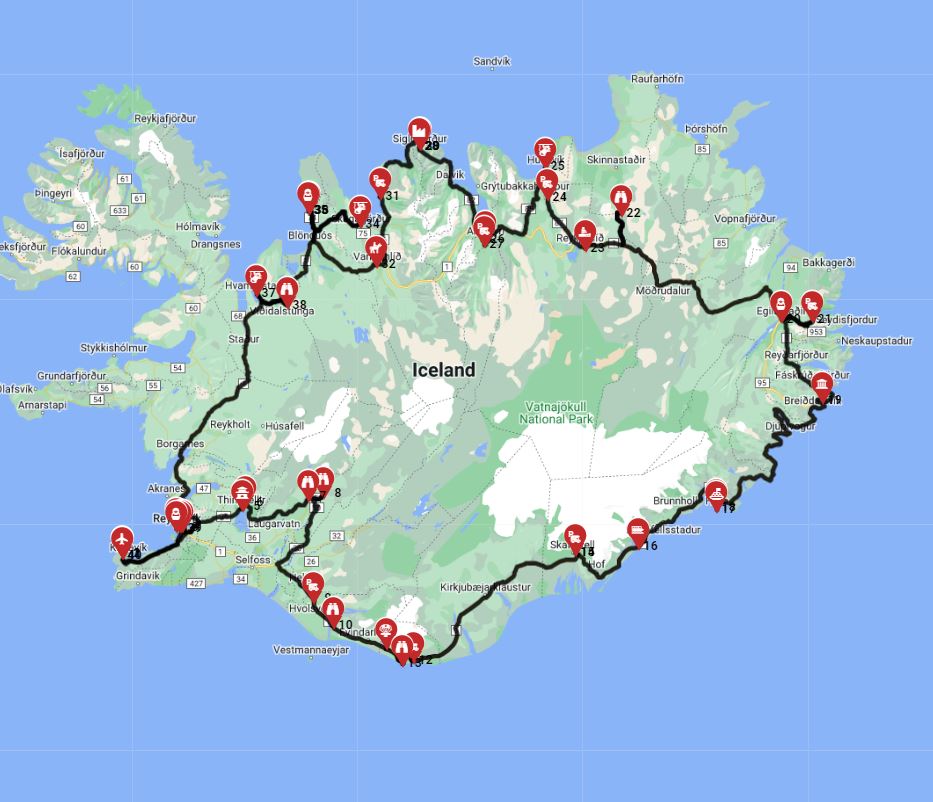
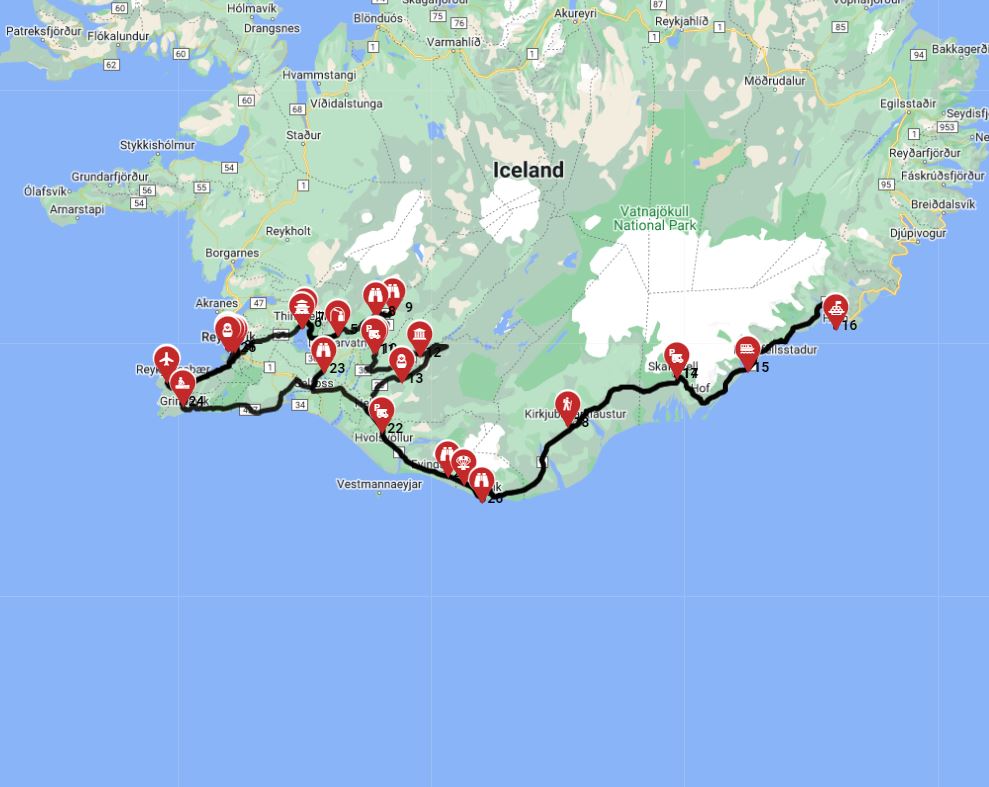
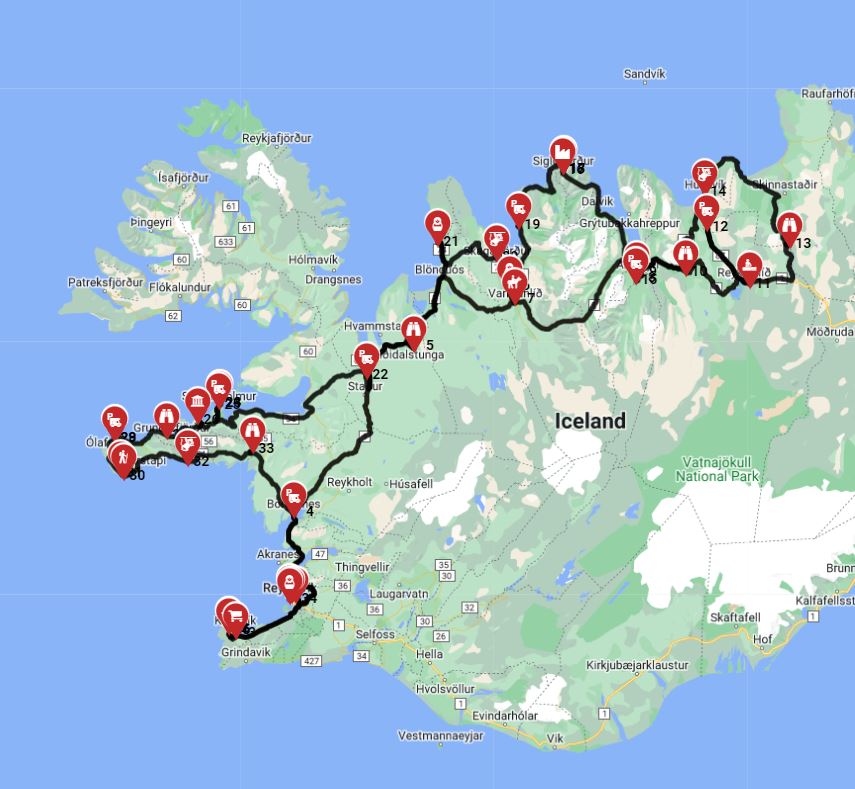
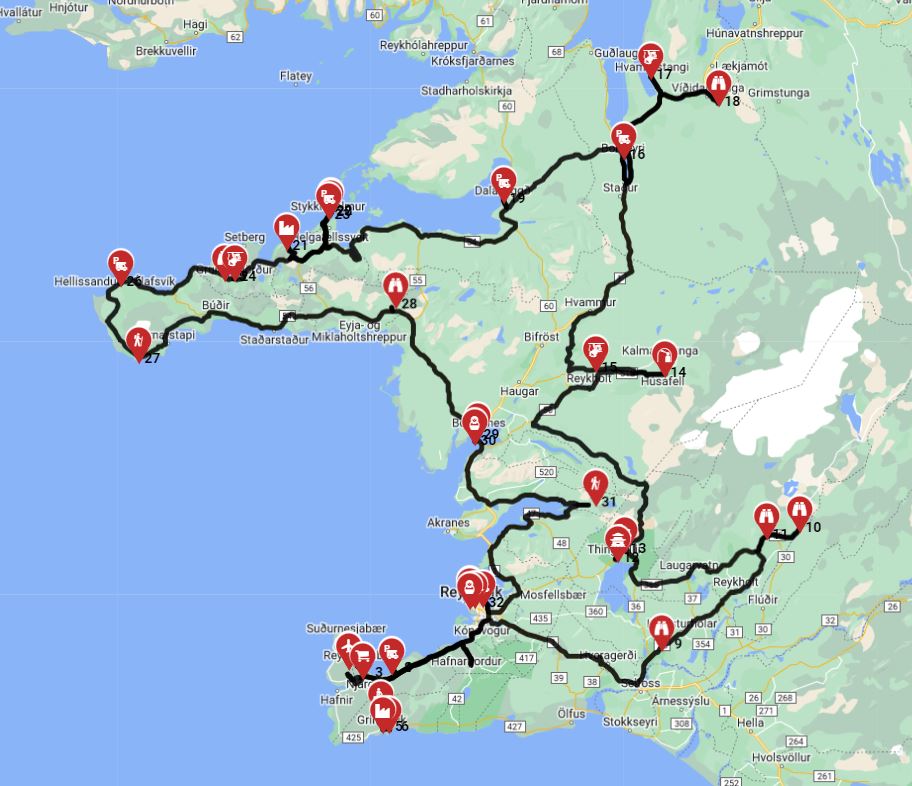
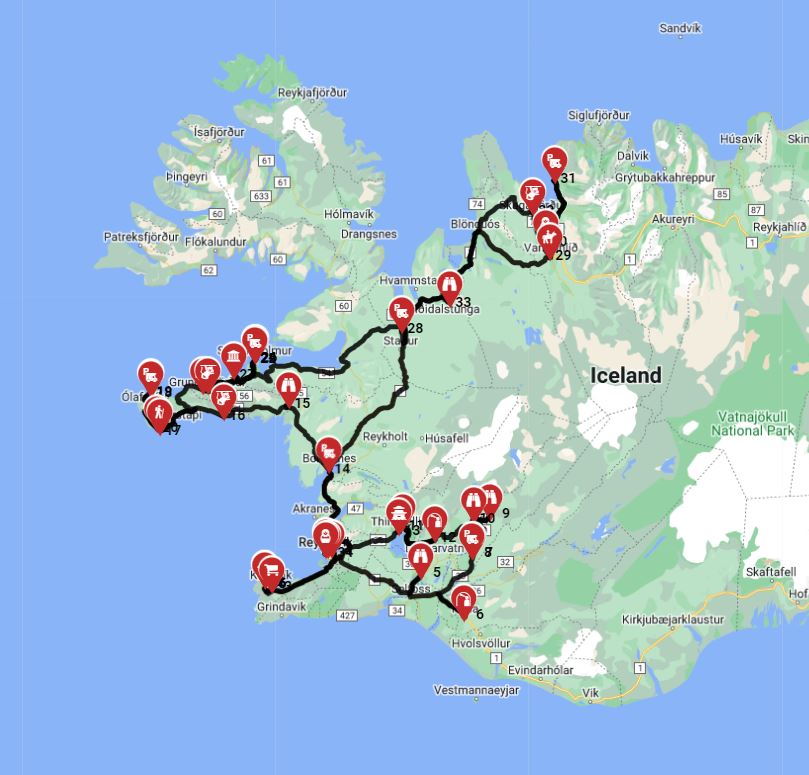
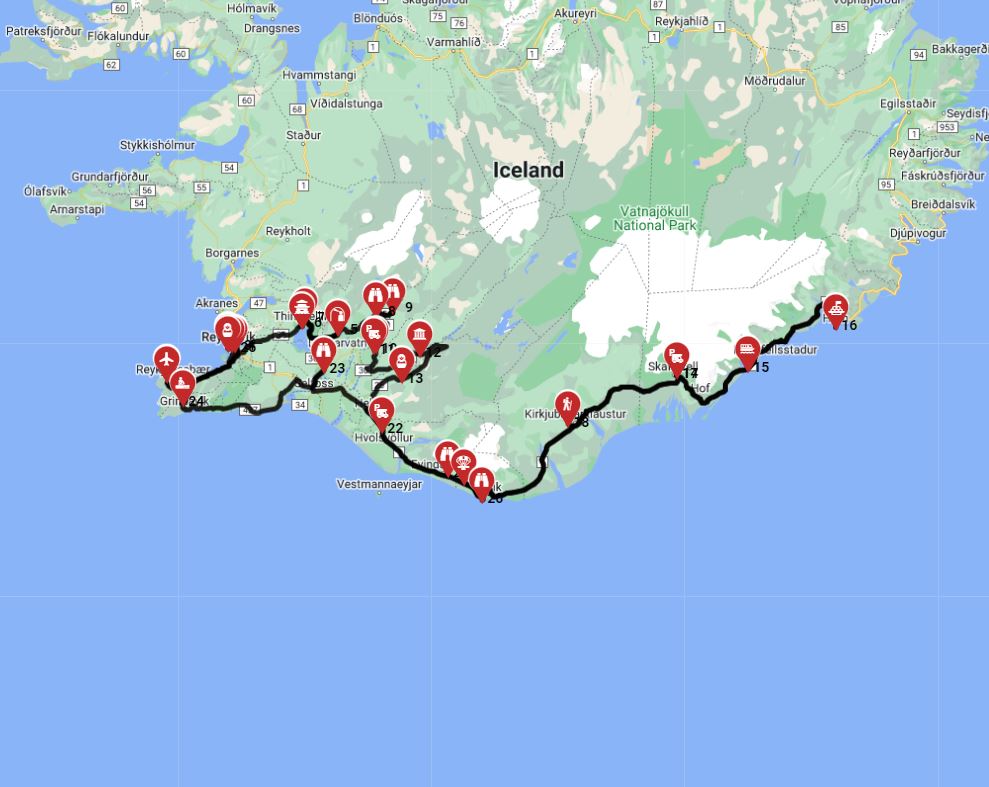
Planning your route for seamless navigation and finding points of interest can be efficiently managed using RV PLANET routes, where you can also itemize and track every expense along the way for easy budgeting. On the routes offered through RV PLANET routes, you can itemize and track every expense along the way for easy budgeting.
At the Campground - Setup, Hookups & Etiquette
Arriving at an Icelandic campground with a rented RV involves a straightforward setup process, with a focus on responsible use of facilities and respecting other travelers. Upon arrival, select a suitable pitch, level your RV using ramps if necessary, and ensure sufficient space from neighboring vehicles. Connect your electricity hookup first (if available and needed), followed by fresh water (using a potable water hose), and ensure the grey water tank is open for drainage into designated facilities or closed if moving. Familiarize yourself with the location of waste disposal points for grey water, black water, and trash, using them correctly to maintain hygiene and environmental standards. Observe quiet hours, typically from 11 PM to 7 AM, and maintain a respectful noise level throughout your stay to ensure a peaceful environment for everyone. Many campsites offer communal kitchens and dining areas, fostering a friendly atmosphere for travelers. Remember, wild camping is generally prohibited in Iceland, so always plan to stay at official campgrounds.
family rv rental-Specific Tips for Iceland
Planning an RV trip to Iceland with a family requires thoughtful consideration of children's needs to ensure a smooth and enjoyable journey for everyone. Incorporate age-appropriate activities and attractions into your itinerary, balancing sightseeing with playtime and relaxation. For example, consider attractions on the 9-day
Common Mistakes to Avoid in Iceland
Avoiding common pitfalls can significantly enhance your family RV rental experience in Iceland, making it more enjoyable and stress-free. Instead of relying on finding a campsite last minute, book your campsites in advance, especially during peak season (June-August), as many popular sites fill up quickly, often operating at 80-90% capacity. Instead of ignoring weather forecasts, consistently check conditions and be prepared to adjust your route or plans for safety; Iceland's weather changes rapidly, with strong winds sometimes reaching 80 km/h or more. Instead of underestimating driving times, allow generous buffers between destinations to account for wind, gravel road conditions, and scenic photo opportunities, as average speeds can be lower than expected. Instead of attempting wild camping, always stay at designated campgrounds to protect Iceland's fragile ecosystem and comply with local laws; fines for illegal camping can be substantial. Instead of only purchasing basic coverage, opt for comprehensive insurance, particularly including gravel protection and sand/ash damage waiver, to mitigate costs from common damages on Icelandic roads. Finally, instead of rushing through the Ring Road's 1,322 km, plan a more focused itinerary that allows for deeper exploration of specific regions, preventing burnout and ensuring a more authentic experience. Many national parks reserve only 25-30% of spots for advance booking, with the rest being first-come, first-served. You'll find a spot; if not at the first campground, then the next one. Call ahead before driving to confirm availability.
Is it worth renting an RV in Iceland
Renting an RV in Iceland offers unparalleled flexibility and cost-effectiveness for families seeking to explore the country's unique landscapes at their own pace. The freedom to create your own itinerary allows for spontaneous stops at scenic overlooks or hidden gems, without being tied to hotel bookings. RV travel can be more budget-friendly for families compared to booking multiple hotels and eating out for every meal, especially when utilizing the RV's kitchen to prepare meals; a week of groceries for a family of four might cost €200-€300 compared to €800+ for restaurant meals. It provides a unique opportunity for family bonding, creating lasting memories while experiencing Iceland's nature up close, perhaps even preparing a meal together in your rented mobile home. Access to remote areas and the ability to stay overnight near natural wonders enhances the adventure. For instance, a Class B campervan, while smaller, can still feature a refrigerator and a stove, perfect for keeping food fresh and cooking simple meals. However, it requires careful planning for campsites and awareness of driving conditions, particularly strong winds and gravel roads.
How much does it cost to rent a campervan in Iceland for a week
The cost to rent a campervan in Iceland for a week typically ranges from €800 to €2500+, depending on the season, campervan size, features, and insurance coverage. Peak season (June-August) prices are significantly higher due to demand, with some premium 4x4 campervans reaching over €350 per day, while shoulder seasons (May, September, October) offer better value, with prices potentially 15-20% lower. Smaller, basic campervans, such as a 'Hi5 Camper' (RV size - Small), will be on the lower end, while larger, more luxurious motorhomes or 4x4 options like a '4x4 Camper B - THOR' will be more expensive. Comprehensive insurance packages, which are highly recommended, add to the overall cost but protect against common damages like gravel chips, often adding €20-€50 per day. Beyond rental fees, budget for fuel (which is expensive in Iceland, averaging €2.20 per liter), campsite fees (€20-€40 per night for a powered site), and groceries if you plan to cook. Strategies for saving money include cooking most meals in your camper's kitchen, seeking out free activities, and comparing prices from multiple rental companies like Apollo and Britz using a platform like Bandana Caravan.
Remember that prices are dynamic like flight tickets- they change daily based on availability, seasonality, and supplier marketing decisions, so the final price is set at actual booking time. For the latest and best deals, consider our RV Rental Deals in Iceland - Latest Offers 2024 guide.
Do you need a 4x4 campervan in Iceland
A 4x4 campervan is not strictly necessary for most Ring Road itineraries in Iceland, but it is required if you plan to drive on F-roads or venture into the Highlands. The main Ring Road (Route 1), a 1,322 km paved route, is generally accessible for 2WD campervans and motorhomes, such as a 'Category Family 5 AT' with a manual transmission or a compact 'EcoLine 2' with automatic transmission. F-roads, which lead into the interior Highlands, are unpaved, often rough, and may involve river crossings, strictly requiring a 4x4 vehicle like a '4x4 Camper B - THOR' with its Turbo Diesel engine. Driving on F-roads with a 2WD vehicle is illegal and will void your rental insurance. For families planning to stick to main attractions and the Ring Road, a 2WD campervan or motorhome is usually sufficient and more budget-friendly. However, if your adventure includes exploring remote, rugged landscapes, a 4x4 campervan is essential for safety and legality, offering features like a 70 Liter fuel tank and 40 Liter fresh water tank for extended self-sufficiency. Consider your route plan carefully to determine the right vehicle class for your family's Iceland trip.
How old do you have to be to rent an RV in Iceland
To rent an RV in Iceland, the minimum driver age is generally 21 years old, though some rental companies may require drivers to be 23 or even 25 for larger Class A motorhomes. Most rental companies also require the driver to have held a valid driver's license for at least one year. A standard car driver's license is sufficient for ALL motorhome classes, including Class A, B, and C, as no special license, CDL, or additional permits are required for any rental motorhome in Iceland. An International Driving Permit (IDP) is highly recommended for visitors from non-English-speaking countries, as it provides a translation of your national license, but it is not mandatory in most cases if your license is in English. Additional drivers must also meet the age and license requirements and be registered on the rental agreement; ensure all drivers are added at the time of booking to avoid any issues. Bandana Caravan ensures full transparency, so you will always know these requirements upfront.
What is the best month to RV in Iceland
The best month to RV in Iceland for mild weather and full accessibility is typically July or August, though shoulder seasons like May-June and September-October offer unique advantages and fewer crowds. July and August provide the longest daylight hours (up to 24 hours around the summer solstice), warmest temperatures (averaging 10-13°C), and all roads, including F-roads, are typically open, making exploration of the Highlands possible. This period is also the peak tourist season, meaning higher prices for rentals and campsites, and more crowded attractions. May and June offer increasing daylight, melting snow, and fewer tourists, with moderate weather (averaging 7-10°C), making it ideal for budget-conscious travelers and those seeking more tranquility. September and October present opportunities to see the Northern Lights (starting mid-September), stunning autumn colors, and lower prices, but with colder, more unpredictable weather (averaging 5-8°C) and some road closures, especially on F-roads. For families, July-August offers the most comfortable conditions for outdoor activities, but shoulder seasons provide a more tranquil experience with potentially significant savings on our Luxury RV Rental in Iceland - Premium Prices 2024 options.
Can you wild camp in Iceland with an RV
Wild camping with an RV in Iceland is generally illegal and strongly discouraged to protect the country's fragile environment, with designated campsites being the only legal and ethical option for overnight stays. Iceland has strict laws prohibiting overnight stays in RVs, motorhomes, or campervans outside of official campgrounds, particularly on private land or protected areas, without explicit permission from the landowner. These regulations are crucial for preventing environmental damage, managing waste, and ensuring the preservation of Iceland's delicate ecosystems, which are easily disturbed by unregulated camping. Violating wild camping rules can result in significant fines (up to 50,000 ISK) and contributes to negative perceptions of RV tourism, impacting future access. Designated campsites offer essential facilities like toilets, hot showers, waste disposal, and often electricity hookups, providing a comfortable and responsible way to experience Iceland while leaving no trace. Embrace Leave No Trace principles and utilize established facilities for a sustainable RV adventure.
Is it safe to drive a campervan in Iceland
Driving a campervan in Iceland can be very safe if travelers are prepared for rapidly changing weather, strong winds, and varying road conditions. Iceland's weather is notoriously unpredictable; sudden high winds can make driving larger vehicles, like a 5.99-meter long 'V2L' campervan, challenging, especially securing pop-tops, with gusts potentially exceeding 90 km/h. Gravel roads, common outside the main Ring Road, require reduced speed (often 80 km/h on paved roads, 60 km/h on gravel) and careful driving techniques to prevent damage and maintain control. Navigating sudden fog, heavy rain, or even snow in shoulder seasons requires vigilance and adapting your driving style to conditions. Comprehensive emergency preparedness includes having local emergency contacts (dial 112 for all emergencies), knowing breakdown procedures in remote areas, and understanding what to do in medical emergencies; having a satellite phone or a local SIM card (available for purchase at Keflavík - Airport) is highly advisable for connectivity in remote regions. Always heed road closure warnings and advisories from the Icelandic Road and Coastal Administration (Vegagerðin) and consider our Winter RV Driving in Iceland - Safety Guide 2024 for seasonal travel advice.
What are the best campsites in Iceland for campervans
Iceland offers a network of well-equipped campsites suitable for campervans and motorhomes, with popular choices including those near major attractions like Skaftafell, Hella, and the Golden Circle. The best campsites typically provide essential amenities such as toilets, hot showers (though sometimes with a sulfur smell), electricity hookups (many sites offer 85% coverage), and waste disposal facilities for grey and black water tanks. Many popular campsites, like Skógafoss (near the famous waterfall), Skaftafell (gateway to Vatnajökull glacier), and those within the Golden Circle (e.g., Reykholt), are strategically located near famous sights and cultural immersion opportunities. Booking in advance is highly recommended during peak season to secure a spot, especially at well-regarded locations. Consider purchasing an Iceland Camping Card, which offers access to many campsites for a fixed price over a week or more, beneficial for longer trips. Some campsites are located near local communities, offering opportunities to visit local food markets, interact with Icelanders, and experience cultural immersion beyond tourist hubs. For finding campsites and campgrounds during your trip, we recommend using RV PLANET (rvplan.net) - a great resource for locating available spots along your route.
Where can I shower in Iceland in a campervan
Travelers in campervans and motorhomes can typically shower at most designated campsites across Iceland, which provide hot water facilities as part of their services. Many campsites include shower access in their overnight fee, though some might require a small additional payment or tokens for hot water, usually around 400-600 ISK for 5 minutes. Public swimming pools, found in almost every town in Iceland (even small villages), are another excellent and popular option for showering and experiencing local culture, with entrance fees typically ranging from 800-1200 ISK. These pools are known for their clean facilities and geothermal-heated water, often offering a more luxurious shower experience than a campground. While some rest stops might have basic toilet facilities, dedicated showers outside of campsites and swimming pools are rare. It's advisable to carry quick-dry towels and essential toiletries for convenience when utilizing various shower options. Some motorhomes, like a 'Glamys 40', offer shower facilities directly onboard, providing private comfort.
Is it easy to drive a motorhome in Iceland
Driving a motorhome in Iceland is generally manageable on main roads like the Ring Road, though it requires attention to high winds, narrow roads, and specific parking considerations compared to a smaller vehicle. Motorhomes, being larger and heavier than campervans- for example, a typical 6-berth motorhome can be over 7 meters long and 2.3 meters wide- are more susceptible to Iceland's strong crosswinds, demanding careful handling, especially near coastal areas. While main roads are well-maintained, some bridges are single-lane, and narrower roads in rural areas require extra caution and awareness of oncoming traffic; drivers should always yield to oncoming traffic on single-lane bridges. Parking a motorhome can be more challenging in crowded areas or smaller towns like Reykjavik or Kópavogur due to its size; however, designated RV parking is usually available at major attractions and campgrounds. Drivers should have experience with larger vehicles, or be prepared for a learning curve, especially when maneuvering in tight spaces or on unpaved sections. Despite these challenges, the comfort and amenities of a motorhome, such as a full kitchen and bathroom, can greatly enhance a family's travel experience, providing a mobile home base for exploration. Drive slowly and carefully, and you can drive almost anywhere without issues. No need to stress - just use common sense and pay attention.
What You Shouldn't Miss
- Golden Circle Tour: Drive the iconic 300-kilometer route visiting Thingvellir National Park, Gullfoss waterfall, and the Geysir geothermal area. Many campsites are available along this route.
- South Coast Wonders: Explore black sand beaches like Reynisfjara, the basalt columns, and stunning waterfalls such as Skógafoss and Seljalandsfoss. There are numerous well-equipped campsites in this region, including the popular Skógafoss campsite.
- Jökulsárlón Glacier Lagoon: Witness breathtaking icebergs floating in a glacial lagoon, a truly mesmerizing experience. Diamond Beach, right across the road, offers a unique photo opportunity.
- Snæfellsnes Peninsula: Often called "Iceland in Miniature," this peninsula offers diverse landscapes, including the Kirkjufell mountain, black pebble beaches, and charming fishing villages.
- Whale Watching from Húsavík: Head north to Húsavík, known as the whale watching capital, for a chance to see humpback whales and other marine life in Skjálfandi Bay.
- Myvatn Nature Baths: Enjoy a relaxing soak in these beautiful geothermal pools in Northern Iceland, a less crowded alternative to the Blue Lagoon.
Looking for expert insights from Avi Bandana? Top 5 Adventures - recommendations from Avi Bandana
Final Thoughts
Embarking on a family RV adventure in Iceland promises an experience unlike any other, filled with awe-inspiring natural wonders and precious family moments. With careful planning, understanding local driving conditions, and embracing the freedom of your rented motorhome, you're set for an incredible journey. Remember that flexibility and a spirit of adventure are your best companions as you navigate Iceland's stunning landscapes.
We at Bandana Caravan are here to support you every step of the way, from comparing prices for your ideal family rv rental in Iceland to providing transparent booking and post-booking coordination. Get ready to discover top destinations, planning tips, all in one place, and plan a trip itinerary in advance with minimal effort and maximum enjoyment!