In This Guide
- Top 5 Tips for family rv rental RV Rental in East Europe
- Before You Book - Class, Dates, Insurance
- Pre-Trip Prep - Packing Checklist for East Europe
- On the Road - Driving, Fueling, Navigation
- At the Campground - Setup, Hookups & Etiquette
- family rv rental-Specific Tips for East Europe
- Common Mistakes to Avoid in East Europe
- What is the 3-3-3 rule for RV travel?
- What is the 333 rule for campervan?
- What is the 444 rule for RVs?
- What is the 2-2-2 rule for RV travel?
- How much does it cost to rent an RV in Europe?
- What is the 4-4-4 rule for RV travel?
- Is it cheaper to rent an RV or stay in a hotel?
- What is the 444 rule for RV?
- Is Europe RV friendly?
- What are the drawbacks of renting an RV?
- What You Shouldn't Miss
- Why Book with Bandana Caravan
- Final Thoughts
- Frequently Asked Questions
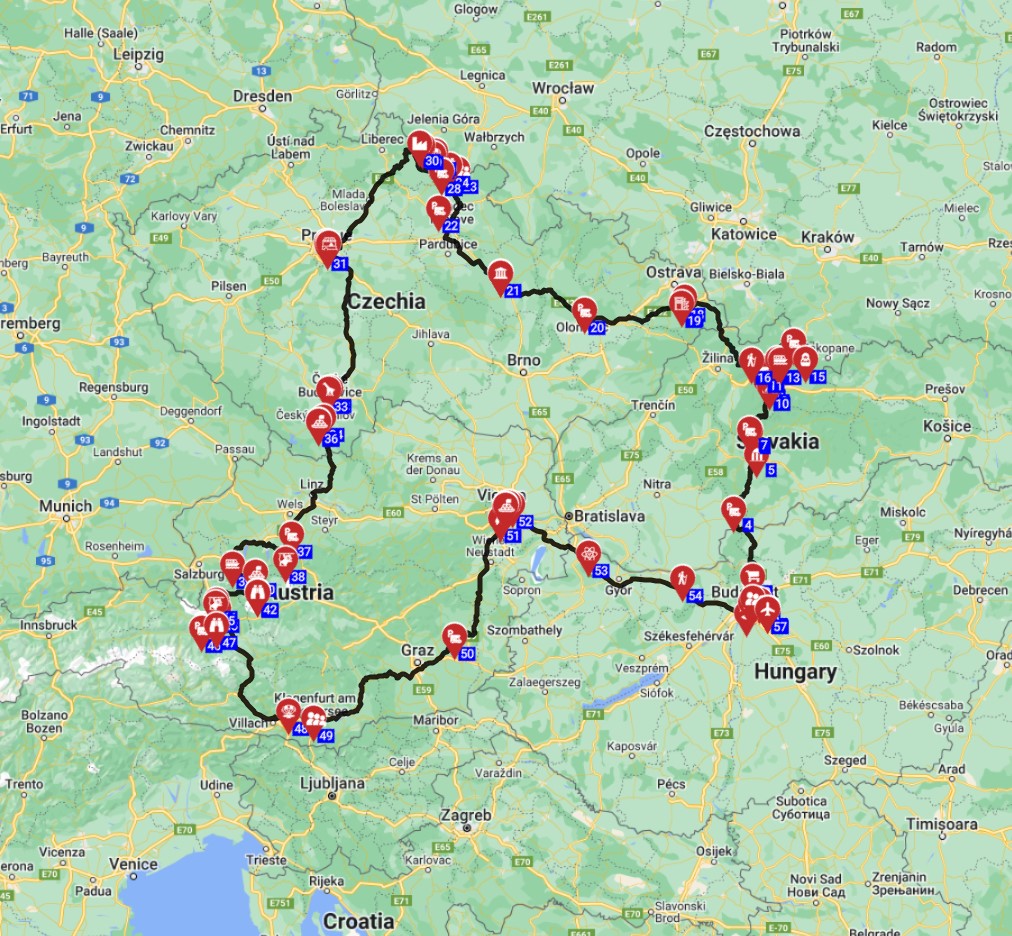
East Europe offers an incredible tapestry of history, diverse cultures, and breathtaking landscapes, making it an ideal destination for an unforgettable family RV rental adventure. Imagine waking up to the rolling hills of Transylvania, exploring ancient castles in Romania, or relaxing on the shores of the Adriatic Sea in Croatia—all from the comfort and flexibility of your own mobile home. A family RV rental in East Europe provides an unparalleled sense of freedom, allowing you to craft your itinerary around the needs and interests of every family member, from toddlers to teens.
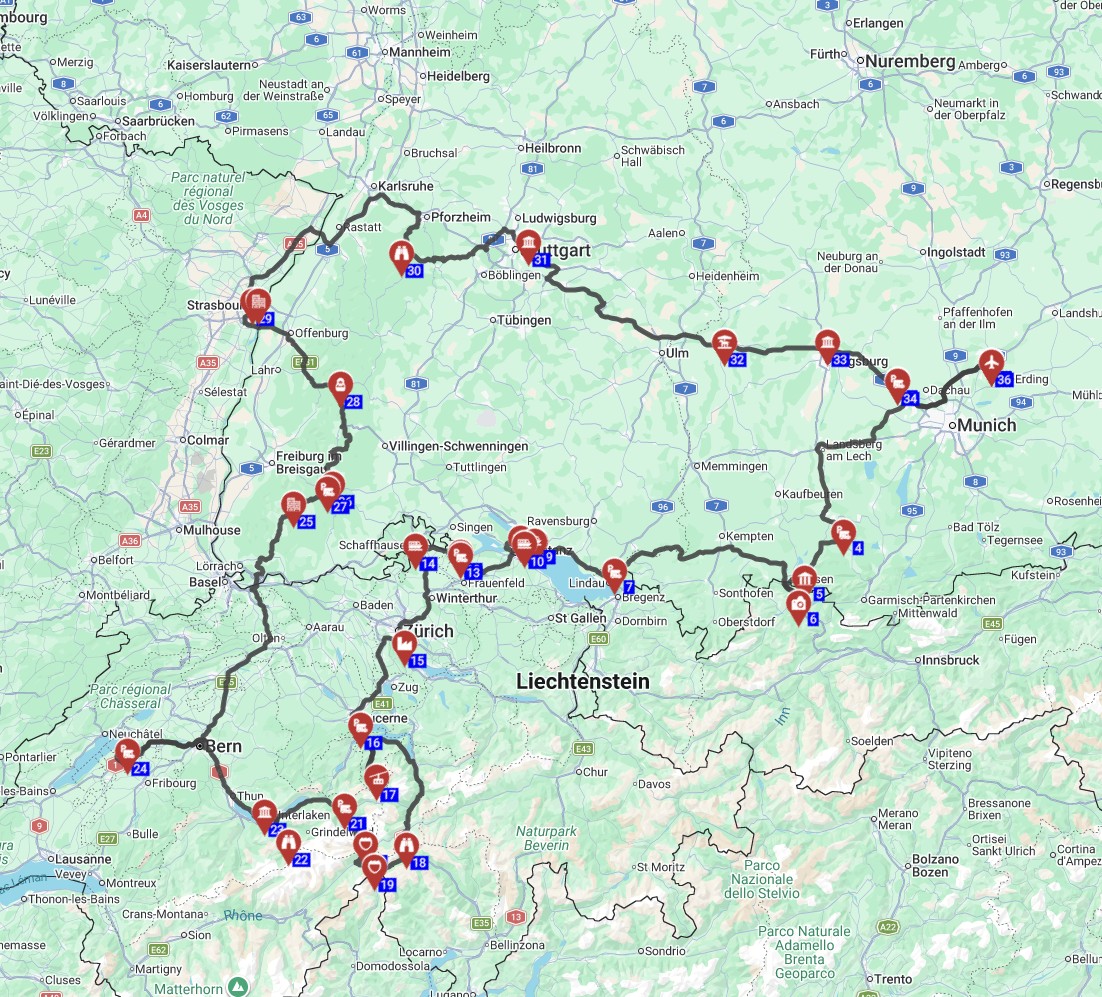
To ensure you have the best possible experience, we’ve put together this comprehensive guide, filled with expert advice, practical tips, and everything you need to know for smooth and joyful travels with kids in East Europe. For live availability and current prices, start with our RV Rental East Europe - Complete Guide 2026 guide.
Top 5 Tips for family rv rental RV Rental in East Europe
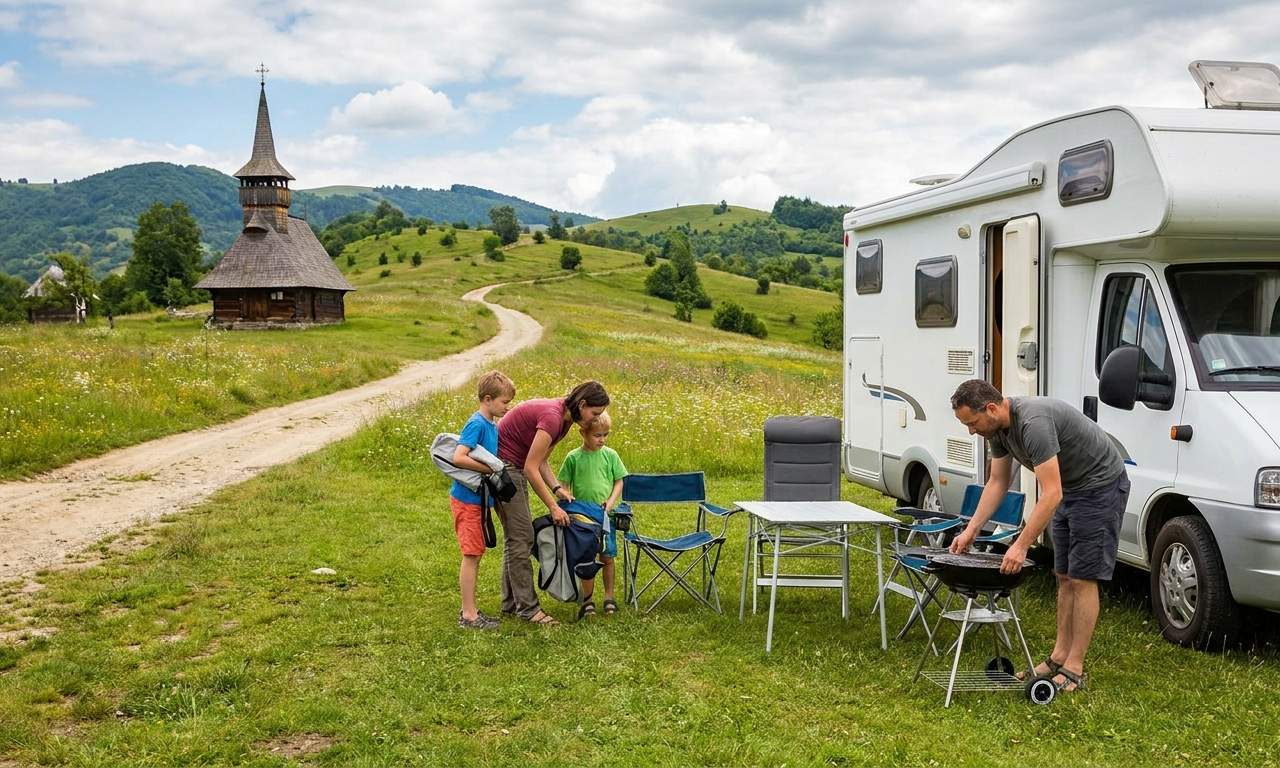
Navigating East Europe with a rented motorhome, especially with a family, becomes simpler with a few key strategies. Firstly, researching country-specific driving laws and vignette systems is crucial to avoid fines, as regulations vary significantly across Eastern European nations, with some requiring prepaid passes on major roads.
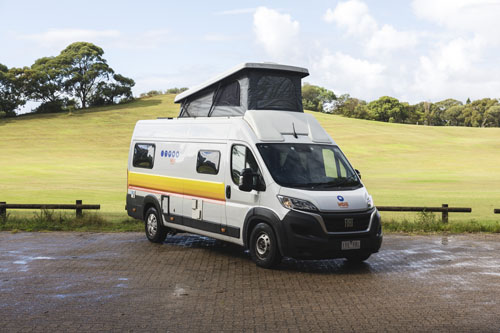
Secondly, opting for a compact to medium-sized motorhome or campervan is often ideal for easier navigation on narrower Eastern European roads and within charming, historic city centers. Vehicles like the rv rental nj example Category Small, measuring 6.75m in length, or a Camper Hawai can offer sufficient comfort without being unwieldy. Thirdly, ensure your rental includes multi-country insurance coverage, specifically checking for validity when traveling into non-Schengen destinations like the Balkans or Ukraine, where border crossing procedures can be more involved. Fourth, downloading offline maps and essential language apps before your trip is highly recommended, as mobile data coverage can be inconsistent in more remote Eastern European areas. Finally, budgeting realistically for varying fuel prices, tolls, and diverse camping fees is key; costs can range from basic free spots to full-service campgrounds, which often provide more budget-friendly options compared to Western Europe. For a deeper dive into financial planning, check out "RV Rental in East Europe - Prices and Best Deals 2026". On the routes offered through RV PLANET routes, you can itemize and track every expense along the way for easy budgeting.
Before You Book - Class, Dates, Insurance
Choosing the right RV class for a family RV rental in East Europe involves balancing comfort with maneuverability, with smaller integrated or semi-integrated models often proving ideal for diverse road conditions. For instance, a Class C motorhome like the CA-25, which sleeps 5 and has a length of 7.6m, offers a good balance of living space and relative ease of driving compared to larger Class A units. Conversely, a compact campervan like the "Category Van", ideal for a couple, provides even greater flexibility for navigating tight city streets.
Booking dates well in advance, especially for peak summer travel or during 2026's major holidays, helps secure better rates and ensures availability, while also providing ample time to research country-specific events or festivals that might impact your route. We encourage both pre-planners who like everything organized and spontaneous travelers; many national and state parks reserve only 25-30% of spots, leaving the rest for first-come, first-served arrivals. You’ll find a spot; if not at the first campground, then the next one. Always call ahead before driving.
Insurance options typically start with basic coverage, but comprehensive packages are highly recommended for peace of mind in East Europe, covering potential incidents, theft, and multi-country travel nuances, including border crossings. Basic insurance is always included, but you can upgrade to a top-level deductible for extra peace of mind and select this option during your search to see all relevant insurance packages and their prices. Our RV Rental Europe - Complete Guide 2026 offers a broader look at continent-wide considerations.
Pre-Trip Prep - Packing Checklist for East Europe
A well-prepared packing checklist is essential for a smooth family RV rental trip in East Europe, covering everything from clothing suitable for varied climates to critical documents for international travel. Smart packing prevents overpacking and ensures you have all necessities for a comfortable journey, adhering to the principle of "God is in the small details, and we take care of them. That's what makes the big difference."
Clothing:
- Layers for varying climates (warm days, cool nights), as temperatures can fluctuate.
- Rain gear and waterproof shoes, indispensable for unexpected showers in mountainous regions.
- Comfortable walking shoes for exploring historic city centers and hiking trails.
- Swimsuits for enjoying thermal lakes in Hungary or coastal areas in Croatia.
Kitchen:
- Reusable water bottles and grocery bags to reduce waste and shop sustainably.
- Basic spices and non-perishable snacks to save money and ensure familiar flavors.
- Coffee/tea supplies to enjoy your morning brew with a view. Need some inspiration for cooking on the road? Check out our RV-friendly recipes playlist!
Safety:
- Comprehensive first-aid kit, well-stocked for minor cuts, scrapes, and common ailments.
- High-visibility vests and a warning triangle, which are legally required in many Eastern European countries for roadside emergencies.
- Headlamps/flashlights for navigating campgrounds after dark.
- Portable carbon monoxide detector for added safety, especially when using propane appliances.
- Personal security alarms for peace of mind in unfamiliar locations.
Documents:
- Passports and visas (check non-Schengen requirements for countries like Albania, Serbia, and Ukraine well in advance).
- International Driving Permit (IDP) is recommended for visitors from non-English-speaking countries but is not mandatory in most cases if your license is in English. A standard car driver's license is sufficient for all motorhome classes.
- RV rental agreement and comprehensive insurance details, kept easily accessible.
- Digital and physical copies of all important documents, stored separately.
- Multi-country mobile data SIM card or eSIM plan for consistent connectivity.
At the Campground - Setup, Hookups & Etiquette
Successfully setting up your rented motorhome at an Eastern European campground involves understanding typical procedures for hookups, adhering to local etiquette, and managing resources like potable water and waste disposal, which can vary. Upon arrival, typically check in at reception, then locate your designated pitch, paying attention to any specific parking instructions or space limitations, especially for larger Class C motorhomes.
For hookups, connect electricity first (using an adapter if needed for EU sockets and checking polarity), then potable water (using your clean hose), and finally prepare for grey and black water disposal at designated dump stations. These facilities might not be as universally available or as modern as in Western Europe, requiring a bit more planning. Always observe quiet hours, usually from late evening until early morning (e.g., 10 PM to 7 AM), to respect fellow campers and families; keep noise levels down and be mindful of your generator use, if applicable.
Proper waste disposal is crucial; separate recycling where available and only dump wastewater at designated points, as wild camping waste practices are often strictly regulated to protect the environment. Be mindful of your space and avoid encroaching on neighboring pitches, fostering a friendly and considerate camping environment. Consider learning a few essential local phrases in languages like Polish, Hungarian, or Romanian for basic interactions, as this is always appreciated by locals.
family rv rental-Specific Tips for East Europe
Tailoring your RV rental experience for a family in East Europe ensures a more enjoyable and less stressful trip for everyone, addressing unique needs from entertainment to safety. With a rented mobile home, you have the flexibility to create a home-away-from-home experience.
Kid Entertainment: Pack portable activities, books, and tablets for drives; research playgrounds or family-friendly attractions near your stops, leveraging local parks and open spaces, especially in cities like Kraków or Budapest which offer numerous child-friendly options. Our Rent&Plan service can help you identify such spots.
Nap-Friendly Drives: Plan driving segments around nap times for younger children, creating a comfortable and quiet space in your rented RV to ensure adequate rest, perhaps in a cozy bunk area of a "Category Family 5" motorhome, which features 2 bunk beds.
Space & Comfort: Choose an RV with adequate sleeping arrangements and living space to prevent overcrowding, allowing for family relaxation and personal time. Consider a Class C motorhome like the "Euro Deluxe", offering 3 double beds, or a spacious campervan like the "campervan hire new zealand example Pandora". Remember to travel slowly, max 100-150 km per day on average, to truly feel the place and connect to the culture, food, and scenery, which is especially important when traveling with children.
Safety First: Ensure all child seats are correctly installed and that children are buckled in while the vehicle is in motion, always adhering to local seatbelt laws. Always secure the rented RV when parked, even in reputable campgrounds, and be aware of your surroundings.
Routine & Familiarity: Maintain a semblance of home routine where possible, especially for meals and bedtimes, to help children adapt to travel and minimize disruption. Having a familiar kitchen for preparing meals can make a big difference.
Local Treats & Culture: Engage kids by trying local snacks (like chimney cake in Hungary or pierogi in Poland), visiting local markets (e.g., Central Market Hall in Budapest), and participating in cultural activities, making the trip a fun and educational experience for the whole family. For more ideas, consider exploring an RV PLANET route plan for East Europe.
Common Mistakes to Avoid in East Europe
Avoiding common pitfalls can significantly enhance a family RV rental experience in East Europe, ensuring a smoother journey and helping you navigate local nuances. Bandana Caravan has been helping tens of thousands of travelers explore the world by RV since being founded in 2001, and our experience ensures we know the small details that make a big difference.
- Mistake: Underestimating border crossing times and complex visa requirements for non-Schengen countries (e.g., Balkan states like Albania, Serbia, or countries further east like Ukraine). Instead: Research specific visa needs well in advance, have all documents organized (including multi-country insurance), and expect potential delays, especially during peak travel seasons.
- Mistake: Not carrying enough local currency for tolls, small shops, or rural fuel stations, or assuming widespread card acceptance. Instead: Always have a stash of smaller denomination local currency in addition to cards, as availability of ATMs can vary outside major cities.
- Mistake: Relying solely on a single mobile SIM card for internet and navigation across multiple Eastern European countries. Instead: Obtain a multi-country eSIM or consider a local SIM from each country visited, and always download offline maps (e.g., via Google Maps or Maps.me) for reliable navigation, as coverage can be spotty in remote areas.
- Mistake: Ignoring specific road rules like mandatory daytime headlights, vignette requirements, or distinct speed limits for RVs. Instead: Thoroughly research and comply with each country's unique driving regulations (e.g., specific rules for vehicles over 3.5 tons) to avoid fines and ensure safety.
- Mistake: Failing to secure the RV adequately in less populated or unfamiliar areas, or leaving valuables exposed. Instead: Always lock all doors and windows, use external security measures if available, and park in well-lit, reputable campgrounds or designated safe spots, researching security advice for specific regions before arrival.
- Mistake: Not planning for water refills, waste disposal, and propane refills in areas where facilities might be less frequent than in Western Europe. Instead: Utilize apps like Park4Night or Campercontact to locate dump stations and potable water sources in advance, and monitor your propane levels diligently, especially if you plan to cook many meals in your rented motorhome.
What is the 3-3-3 rule for RV travel?
The 3-3-3 rule for RV travel is a widely adopted guideline recommending driving no more than 300 miles a day, arriving at your destination by 3 PM, and staying for a minimum of 3 nights. This rule promotes a more relaxed pace, significantly reducing driver fatigue and allowing ample time for families to explore each location and set up camp without feeling rushed.
It's particularly beneficial for family RV travel in East Europe, where varied road conditions and frequent stops for sightseeing or children's breaks can extend travel times, making a slower pace more enjoyable and sustainable. Adhering to this rule helps prevent burnout, allowing travelers to truly immerse themselves in local culture, enjoy regional cuisine, and experience the journey itself, not just the destinations.
What is the 333 rule for campervan?
The "333 rule" for campervans is essentially the same as for motorhomes, advising travelers to limit daily drives to 300 miles, arrive at their campsite by 3 PM, and stay for at least 3 nights. This guideline helps campervan users avoid over-scheduling, ensuring a more leisurely travel experience suitable for exploration and relaxation, especially when navigating diverse Eastern European landscapes and towns.
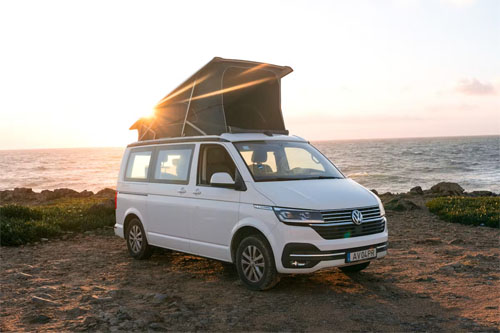
For families, applying this rule means less time packing and unpacking, more time for activities, and a better opportunity to secure a good spot at popular campgrounds and thoroughly enjoy each location. Smaller vehicles like the "Active Pop Top" campervan (5.99m length) make adherence to this rule even more comfortable due to their maneuverability.
What is the 444 rule for RVs?
The "444 rule" for RVs is a variant of similar travel guidelines, suggesting driving no more than 400 miles a day, arriving at your destination by 4 PM, and staying for a minimum of 4 nights. This rule is often adopted by travelers who prefer slightly longer driving days and a deeper exploration of fewer locations compared to the 3-3-3 rule, offering a balance between covering ground and immersing oneself in a region.
While offering more immersive stays, applying the 4-4-4 rule in East Europe requires careful consideration of road networks and the pace of travel, especially with a family, as distances can be more challenging and varied. For those considering this, it's wise to plan your route carefully, perhaps using pre-planned itineraries from RV PLANET, to ensure all family members remain comfortable and engaged.
What is the 2-2-2 rule for RV travel?
The "2-2-2 rule" for RV travel is a conservative guideline recommending driving no more than 200 miles a day, arriving by 2 PM, and staying for at least 2 nights. This rule is ideal for families with young children or those seeking a very relaxed pace, prioritizing frequent stops, spontaneous discoveries, and minimal driving stress, allowing for detailed exploration of hidden gems.
When exploring East Europe, this slower approach allows for deeper cultural immersion, easier adaptation to new environments, and more time to deal with unexpected delays or discover local attractions. It can be particularly useful in areas with challenging road conditions, when navigating foreign language barriers, or when wanting to maximize time at each destination rather than covering vast distances. This aligns perfectly with our philosophy to travel slowly and truly connect with the place.
How much does it cost to rent an RV in Europe?
The cost to rent an RV in Europe, particularly in East Europe, typically ranges from €70 to €200 per night, depending on the RV class, rental season, duration, and specific country of rental. For instance, a smaller campervan like the "V3" with two sleeping places might be closer to the €70 mark, while a larger family motorhome like the "Premium Plus Alcove 6" could be €150-€200 per night during peak summer in 2026. For more detailed pricing, explore "RV Rental Deals in East Europe - Latest Offers 2026".
Smaller campervans or older models tend to be on the lower end, while larger, newer, or luxury motorhomes command higher prices, especially during peak summer months (June-August). Additional costs to factor into your realistic budget include comprehensive insurance (beyond basic coverage), fuel (which can vary significantly by country and is often a major expense), tolls and vignettes, camping fees (€15-€40/night depending on amenities and location), and potential one-way rental fees or border crossing surcharges for non-Schengen countries. Overall, Eastern European RV rentals can often be more budget-friendly than in Western Europe, but it's crucial to factor in all potential expenses for a realistic cost breakdown covering fuel, groceries, varied camping fees, and activities. Our transparency means no hidden fees and what you see is what you pay.
What is the 4-4-4 rule for RV travel?
The "4-4-4 rule" for RV travel advises limiting daily driving to 400 miles, arriving at your destination by 4 PM, and staying for a minimum of 4 nights at each stop. This rule is a strategy for a balanced RV trip, allowing for more ground to be covered than the 2-2-2 or 3-3-3 rules, while still providing ample time to settle in and explore a region thoroughly.
It is suitable for travelers who wish to experience more distinct regions within East Europe but still value significant leisure time at each location, promoting a less rushed but expansive journey. For those interested in one-way trips, perhaps from Krakow to Budapest, this rule can help manage longer distances efficiently, and you can find specific pricing details in "One-Way RV Rental in East Europe - Price Guide 2026".
Is it cheaper to rent an RV or stay in a hotel?
For a family traveling extensively in East Europe, renting an RV can often be more cost-effective than staying in hotels, particularly for longer trips (one week or more) or when visiting multiple destinations. An RV rental combines accommodation and transportation costs into a single expense, and the ability to cook your own meals in the RV's kitchen significantly reduces dining expenses compared to eating out for every meal in hotels.
While initial RV rental costs, substantial fuel expenses (especially for larger vehicles like the "MHC30" with a 210-liter fuel tank), and diverse campground fees add up, these are often offset by avoiding multiple hotel room bookings, daily restaurant bills, and separate transportation within cities. However, if traveling solo, for very short periods with minimal driving, or if opting for very budget hotels/hostels in specific locations, the cost comparison might shift, making it essential to budget specific trip details against both options. Our "Cheap RV Rental in East Europe - Budget Guide 2026" provides further insights into cost savings.
What is the 444 rule for RV?
The "444 rule for RV" is a widely recognized guideline for planning RV trips, recommending that travelers aim to drive no more than 400 miles a day, arrive at their campsite by 4 PM, and stay for a minimum of 4 nights. This strategy helps prevent driver fatigue, allows for sufficient time to set up camp and relax, and encourages deeper exploration of each visited area, fostering a richer travel experience.
It is particularly useful for those planning an extensive family RV tour of Eastern Europe, providing a structured approach to covering ground without feeling constantly rushed, while accommodating the various road conditions and cultural experiences. This rule supports our philosophy of slow travel, encouraging you to truly take time to feel the place, connect to the culture, the food, and the scenery.
Is Europe RV friendly?
Europe is generally RV friendly, with an extensive network of campgrounds and services, though "RV friendliness" in East Europe can vary compared to the highly developed infrastructure of Western Europe. While Western Europe boasts highly developed RV infrastructure, Eastern Europe offers a growing, often more affordable, camping scene with unique cultural experiences and opportunities for wild camping (with proper research on legality and best practices per country).
In countries like Croatia, Slovenia, and the Czech Republic, RV tourism is well-established with good facilities; however, in some less developed regions (e.g., parts of the Balkans), finding specific dump stations, reliable potable water access, or high-quality campgrounds may require more planning. Road conditions can also be more varied, and navigating narrower historical city centers with a larger motorhome can be challenging, but overall, it's a very viable and rewarding way to explore the continent with careful planning and an adaptable mindset. For a visual overview, check out "RV Travel Guide to East Europe - Tips and Top Spots 2026".
What are the drawbacks of renting an RV?
While RV travel offers unparalleled freedom, potential drawbacks of renting an RV for a family trip in East Europe can include higher overall costs compared to very budget travel, limited maneuverability in some cities, and the need for significant self-sufficiency. Initial rental fees, substantial fuel expenses (especially for larger vehicles with varied fuel quality/availability like the "rv rentals utah example Sunrise Escape" which has a 208-liter fuel tank), and diverse camping fees can accumulate, potentially exceeding the cost of hostels or extremely cheap hotels for certain travel styles.
Driving a larger vehicle on narrower Eastern European roads, especially within charming but compact historic city centers, can be challenging and stressful, often requiring parking outside and utilizing public transport or taxis. Travelers must manage daily tasks such as water refills (many RVs like the "cruise america rv rental example Explorer" have an 82-liter fresh water tank), waste disposal, and propane levels, which can be less convenient than hotel stays, and finding these facilities can sometimes be an adventure in itself in certain regions. Additionally, unexpected mechanical issues in remote areas could pose significant logistical challenges, emphasizing the importance of a reliable rental company, comprehensive insurance, and emergency preparedness including knowing how to access local services and overcome language barriers.
What You Shouldn't Miss
- Explore the Medieval Magic of Transylvania, Romania: Drive your rented motorhome through the Carpathian Mountains, visiting Bran Castle (Dracula's Castle) and the charming medieval town of Brașov.
- Wander through Budapest's Thermal Baths, Hungary: Park your RV near a thermal lake campground and spend a day soaking in the healing waters of the Szechenyi or Gellért baths, a unique family experience.
- Discover the Plitvice Lakes National Park, Croatia: Hike along wooden boardwalks over turquoise lakes and cascading waterfalls. Book your campground spot nearby in advance as this popular park fills up quickly.
- Experience the History of Kraków, Poland: Navigate your campervan to the outskirts of the city and use public transport to explore Wawel Castle, the Main Market Square, and the historic Jewish Quarter.
- Hike the Julian Alps, Slovenia: Enjoy scenic routes through Triglav National Park, with opportunities for family-friendly hikes and kayaking on Lake Bled.
- Looking for expert insights from Avi Bandana? Top 5 Adventures - recommendations from Avi Bandana
Final Thoughts
A family RV rental in East Europe is more than just a vacation; it's an immersive journey that brings you closer to history, nature, and each other. From the stunning coastlines of Croatia to the charming medieval towns of Poland and the thermal wonders of Hungary, East Europe promises a diverse and enriching experience for all ages.
We at Bandana Caravan are here to support your adventure, offering transparent pricing, expert advice, and the peace of mind you need to focus on what truly matters: creating unforgettable family memories. Remember to travel slowly, embrace the local culture, and let the open road of East Europe unfold its wonders before you.
Ready to start planning your dream family RV trip? Explore our options for family RV rentals in East Europe now.
🎬 Video coming soon